15 Heart-Healthy Chia Seed Breakfasts to Enjoy Every Morning
Look, I’m gonna level with you—chia seeds used to be one of those things I’d buy with great intentions, only to watch them collect dust in my pantry for six months. But once I actually started using them consistently? Total game-changer for my mornings.
These little seeds aren’t just trendy health food nonsense. They’re genuinely packed with stuff your heart actually needs. Research shows that chia seeds can help lower LDL cholesterol and triglyceride levels, which basically means they’re doing your cardiovascular system a solid favor every time you eat them.

What makes chia seeds so good for your ticker? They’re loaded with omega-3 fatty acids, fiber, and antioxidants—all the good stuff that helps reduce blood pressure and supports overall cardiovascular health. Plus, they’ve got this weird ability to absorb liquid and turn into a gel-like consistency, which keeps you full way longer than your average breakfast.
I’ve rounded up 15 breakfast ideas that’ll help you actually use those chia seeds sitting in your cabinet. No fancy equipment needed, no hour-long prep sessions—just real breakfast options that taste good and happen to be excellent for your heart.
Why Your Heart Loves Chia Seeds (And You Should Too)
Before we get into the recipes, let’s talk about why these seeds deserve a permanent spot in your breakfast rotation. I’m not gonna bore you with a nutrition lecture, but understanding what makes chia seeds special might actually convince you to stick with them.
First off, omega-3 fatty acids. Chia seeds are one of the richest plant-based sources of alpha-linolenic acid (ALA), which your body converts into the same type of omega-3s you’d get from fish. This matters because omega-3s are basically anti-inflammatory superheroes that help keep your arteries clear and your blood pressure in check.
Then there’s the fiber situation. Just two tablespoons of chia seeds pack about 10 grams of fiber—that’s roughly a third of what most people need daily. This fiber does double duty: it keeps your digestive system happy and helps lower cholesterol levels. Win-win.
The antioxidant content is pretty impressive too. Chia seeds contain quercetin, chlorogenic acid, and caffeic acid—compounds that protect your cells from damage and reduce inflammation throughout your body. Translation? Less oxidative stress, healthier heart.
And here’s something most people don’t realize: chia seeds contain significant amounts of magnesium, potassium, and calcium. These minerals work together to regulate blood pressure and support healthy heart rhythm. It’s like a mini pharmacy in seed form.
The 15 Heart-Healthy Chia Seed Breakfasts
1. Classic Chia Pudding with Almond Milk & Fresh Fruit
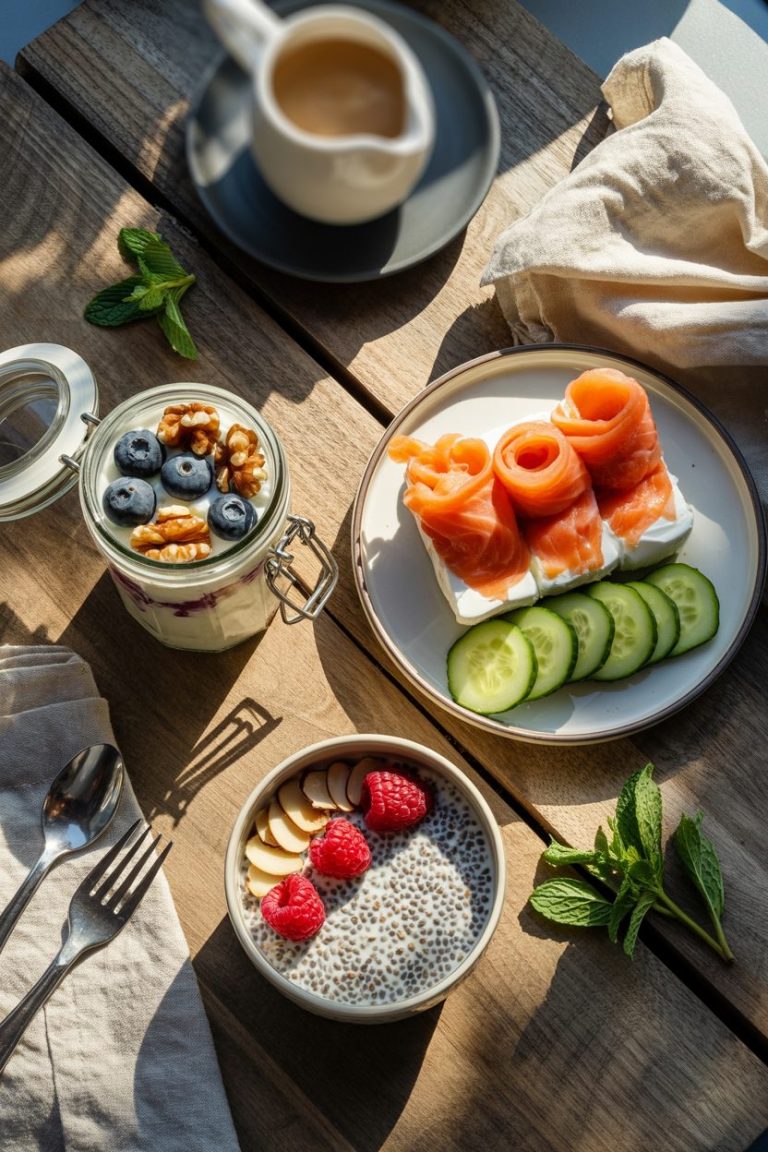
This is the OG chia breakfast that started it all for me. Mix 3 tablespoons of chia seeds with a cup of almond milk, let it sit overnight, and wake up to pudding. Top it with whatever fruit you’ve got—berries, sliced banana, diced mango. I usually add a drizzle of honey and some sliced almonds for crunch.
The beauty of this recipe is how flexible it is. You can use any type of milk you want, though I prefer almond or oat milk for the flavor. Get Full Recipe for the complete method and exact measurements.
2. Overnight Oats with Chia Seeds
Combine the staying power of oats with the nutritional punch of chia seeds, and you’ve got breakfast that’ll keep you full until lunch. I mix half a cup of rolled oats with 2 tablespoons of chia seeds, add milk, a touch of maple syrup, and whatever spices I’m feeling that day.
If you’re looking for more overnight oat inspiration beyond this combo, check out these high-protein overnight oats or these overnight oats for weight loss—they’re both solid options for mixing up your morning routine.
3. Berry Green Smoothie with Chia Boost
Throw a tablespoon of chia seeds into your morning smoothie and you’ve instantly upgraded it. I blend frozen berries, a handful of spinach, Greek yogurt, and chia seeds with some almond milk. The chia seeds add thickness and staying power without changing the flavor.
Get Full Recipe for my go-to proportions that actually taste good.
4. Chia Seed Jam on Whole Grain Toast
Real talk: I was skeptical about chia jam until I tried making it. Mash up some fresh berries, add chia seeds and a little honey, let it sit for 10 minutes, and you’ve got spreadable “jam” that’s way healthier than the store-bought stuff. Spread it on whole grain toast with a smear of almond butter underneath.
This technique works with basically any fruit you’ve got lying around. Strawberries, blueberries, even chopped peaches in the summer. The chia seeds thicken everything up naturally—no pectin or weird additives needed.
5. Mediterranean Yogurt Bowl with Chia
Greek yogurt topped with chia seeds, a drizzle of honey, chopped walnuts, and some diced fresh figs if you can find them. This is basically my Greek yogurt bowl but with added chia power.
The combination of protein from the yogurt and omega-3s from the chia seeds makes this breakfast incredibly satisfying. Plus, it’s ready in about two minutes, which matters when you’re running late.
6. Chia Seed Pancakes
Mix chia seeds directly into your pancake batter—they add a subtle crunch and boost the nutritional value significantly. I use about 2 tablespoons of chia seeds per cup of batter. The seeds also help bind the batter together, so you can actually reduce the eggs if you want.
For a protein-packed version, try these whole grain banana pancakes with chia seeds stirred in. They’re substantial enough to keep you full without feeling heavy.
7. Savory Chia Breakfast Bowl
Not everything needs to be sweet, you know? Make a savory chia pudding by soaking chia seeds in vegetable broth instead of milk. Top with sautéed vegetables, a poached egg, and some crumbled feta. It sounds weird until you try it, and then you’ll wonder why you didn’t think of this sooner.
This is particularly good if you’re someone who gets tired of sweet breakfasts. The chia seeds still do their heart-healthy magic, but the flavor profile is completely different.
8. Chia Seed Breakfast Bars
Bake a batch on Sunday, grab one on your way out the door all week. Mix chia seeds with oats, mashed banana, nut butter, and whatever add-ins you like—dried fruit, dark chocolate chips, coconut flakes. Press into a baking pan, bake at 350°F for 25 minutes, done.
🍫 The Baking Pan That Won’t Betray You
Can we talk about how frustrating it is when your breakfast bars stick to the pan and fall apart into crumbly sadness? Yeah, that stopped happening when I switched to this Nordic Ware Natural Aluminum Pan.
Why this pan is non-negotiable for breakfast bars:
- Natural aluminum heats evenly—no burnt edges with raw middles
- Commercial-grade construction means it won’t warp in the oven (looking at you, cheap pans)
- Releases bars cleanly even without parchment paper (though I still use it because lazy)
- Perfect 9×13 size for batch-making a week’s worth of bars
- Actually lasts—mine’s three years old and looks brand new
I’ve tried the silicone pans, the cheap disposable aluminum ones, the “premium” coated pans that started flaking after six months. This one just works consistently, every single time. Your chia breakfast bars will actually come out in clean squares instead of requiring a spatula and a prayer.
These bars freeze beautifully too. I usually make a double batch and stick half in the freezer for those mornings when I’m really not together.
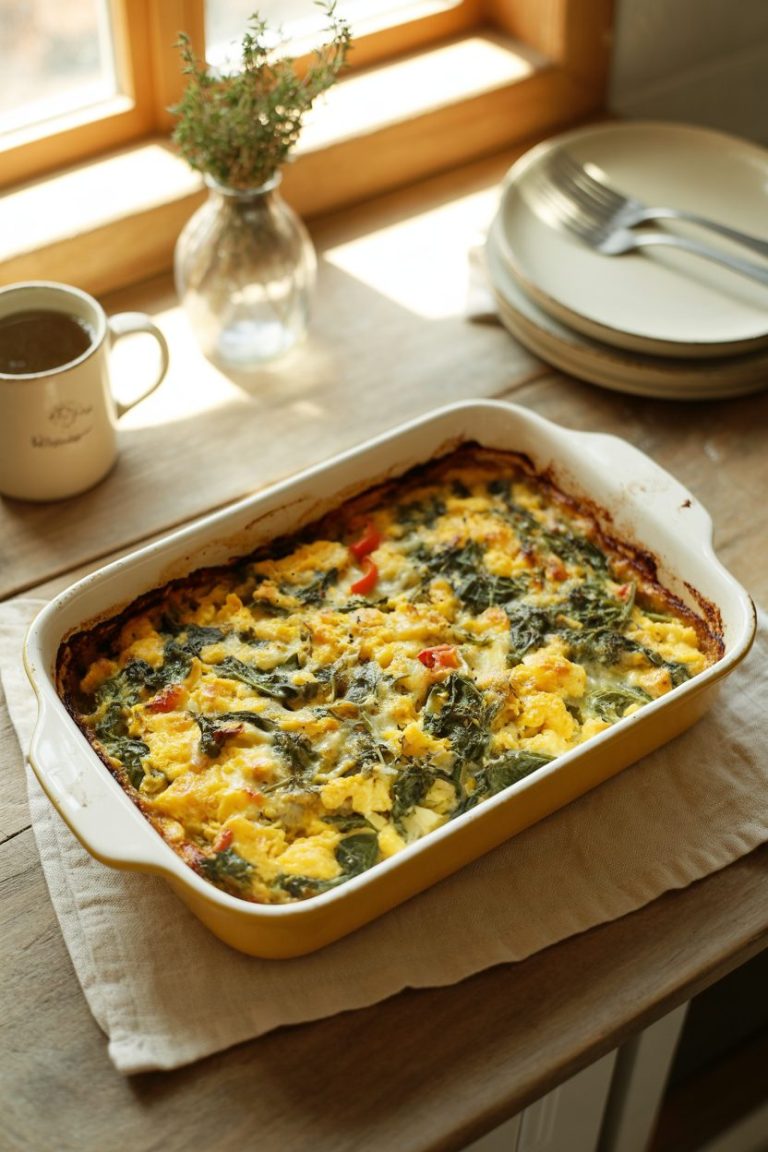
Speaking of easy breakfast ideas, if you’re meal prepping for the week, these high-protein meal prep lunches and high-protein breakfast casseroles might give you some inspiration for batch cooking that actually works.
9. Tropical Chia Bowl
Chia pudding made with coconut milk, topped with diced mango, pineapple, and a sprinkle of shredded coconut. This tastes like vacation but takes about 30 seconds to assemble the night before.
The coconut milk gives you healthy fats that complement the omega-3s in the chia seeds. Plus, tropical fruit is high in vitamin C, which helps your body absorb all those good nutrients more effectively.
10. Chocolate Chia Protein Shake
Blend chia seeds with protein powder, cocoa powder, banana, and milk of your choice. Let it sit for a few minutes so the chia seeds can do their thickening thing, then drink. It’s basically a healthy chocolate milkshake that happens to support your cardiovascular health.
I use a high-speed blender for this because it breaks down the chia seeds into smaller pieces, making the texture smoother. If you don’t have one, soak the chia seeds in milk for 10 minutes before blending.
🌟 Game-Changer Alert: The Blender That Actually Works
Look, I’ve killed three cheap blenders trying to make chia smoothies. Then I got this NutriBullet Pro 900W and honestly? It’s been two years and it’s still going strong.
Why this one’s worth it:
- Pulverizes chia seeds into silky smoothness—no gritty texture
- Single-serve cups mean you blend and go (fewer dishes = winning at life)
- 900 watts is enough power to handle frozen fruit without that sad grinding noise
- Takes up way less counter space than those massive blenders
I use mine literally every morning for chia smoothies, and it hasn’t even thought about giving up on me. The extractor blades break down chia seeds better than regular blender blades, so you get all the nutrients without the weird texture. Plus, cleanup is just rinsing one cup—takes maybe 30 seconds.
11. Apple Cinnamon Chia Oatmeal
Cook your oats as usual, then stir in chia seeds during the last minute of cooking. Top with diced apple sautéed in a little butter with cinnamon. This is comfort food that also happens to be genuinely nutritious.
The chia seeds make the oatmeal extra creamy without needing to add more liquid. Plus, apples are high in soluble fiber, which works alongside the chia seeds to help lower cholesterol.
12. Chia Seed Energy Balls
Not exactly a traditional breakfast, but hear me out. Mix chia seeds with dates, nuts, cocoa powder, and a pinch of salt in a food processor. Roll into balls, keep them in the fridge, grab two or three on your way out. FYI, these are shockingly filling.
I make a batch every couple weeks and store them in an airtight container. They last about two weeks in the fridge, though they never make it that long in my house.
13. Lemon Blueberry Chia Muffins
Replace some of the eggs in your usual muffin recipe with chia “eggs” (1 tablespoon chia seeds mixed with 3 tablespoons water equals one egg). This adds omega-3s and fiber while keeping the muffins moist. Lemon and blueberry is my favorite combo, but use whatever fruits you like.
These muffins freeze really well. I bake a dozen, eat two or three fresh, and freeze the rest individually wrapped. Microwave for 30 seconds and you’ve got fresh-tasting breakfast.
14. Peanut Butter Banana Chia Toast
Toast whole grain bread, spread with peanut butter, top with sliced banana, and sprinkle generously with chia seeds. Press the chia seeds lightly into the banana so they actually stick instead of falling all over your shirt.
This is basically an elevated version of avocado toast—same concept, different flavor profile. The combination of protein from the peanut butter, carbs from the bread, and omega-3s from the chia seeds makes this a complete breakfast.
15. Chia Seed Breakfast Tacos
IMO, breakfast tacos are underrated. Make scrambled eggs with chia seeds mixed in (they add tiny pops of texture), pile into whole wheat tortillas with black beans, avocado, and salsa. The chia seeds disappear into the eggs but still deliver all their heart-healthy benefits.
If you like the savory breakfast idea, you might also enjoy this savory Mediterranean scramble or these eggs with avocado and sautéed veggies—both are substantial enough to keep you going all morning.
📱 30-Day Chia Seed Breakfast Challenge (Digital Guide)
Okay, so you’ve got all these ideas, but actually sticking with them? That’s where most people fall off. This 30-Day Chia Breakfast Blueprint takes the guesswork out completely.
What you get instantly:
- 30 done-for-you chia breakfast recipes (no repeats, no boring meals)
- Weekly shopping lists organized by store section—just screenshot and shop
- Meal prep guide that breaks down exactly what to do Sunday night
- Printable daily tracker to check off your chia breakfast wins
- Substitution chart for dietary restrictions (dairy-free, nut allergies, etc.)
- Quick-reference guide for soaking times and ratios you can stick on your fridge
I helped create this with a nutritionist friend after watching too many people buy chia seeds with great intentions and then… nothing. Having a structured plan actually works. Plus it’s digital, so you download it immediately and can access it from your phone while you’re grocery shopping or stumbling around your kitchen at 6 AM.
How to Actually Remember to Use Chia Seeds
The biggest problem with chia seeds isn’t that they’re difficult to use—it’s that people forget they exist. Here’s what works for me: keep them visible. I store mine in a clear glass jar right next to my coffee maker. If I see them every morning, I’m way more likely to use them.
🏺 Storage Solution That Actually Makes You Use Your Chia Seeds
I’m not kidding when I say getting the right storage container changed everything. This OXO Good Grips Airtight Container Set is what finally got me to stop forgetting about my chia seeds.
What makes these containers actually useful:
- Clear design lets you see exactly how much you have left (no more surprise empty containers)
- Airtight seal keeps chia seeds fresh for months—protects those omega-3s from oxidizing
- Pop-top button makes one-handed opening possible (crucial at 6 AM with coffee in the other hand)
- Stackable design saves cabinet space without making a avalanche when you grab one
- Measurement markings on the side = no fumbling for measuring spoons half-asleep
Before I got these, my chia seeds lived in that crinkly bag they came in, shoved in the back of my pantry where I’d forget about them for months. Now they’re front and center in my cabinet, and I actually see them every time I reach for breakfast stuff. Visibility = actually using them. Revolutionary concept, I know.
Another trick? Add them to things you’re already making instead of creating entirely new recipes. Smoothie? Toss in a spoonful. Yogurt? Sprinkle on top. Oatmeal? Stir them in. You don’t need to completely overhaul your breakfast routine.
Also, don’t stress about the “right” way to eat chia seeds. Soaked, ground, whole, mixed into stuff, sprinkled on top—it all works. The best method is whichever one you’ll actually do consistently.
🎯 Heart-Healthy Meal Planner App (Annual Subscription)
If you’re serious about making chia seeds part of a bigger heart-health strategy, this Heart Smart Meal Planning App is honestly impressive. I was skeptical at first, but it’s become one of those things I actually use every week.
Features that actually matter:
- Auto-generates weekly meal plans based on heart-healthy nutrition targets
- Integrated grocery list that syncs to your phone—checks off items as you shop
- Tracks omega-3 intake, fiber, and other cardiovascular health markers
- Recipe database with 500+ heart-healthy options including tons of chia breakfast ideas
- Swap feature lets you replace meals you don’t like with similar nutritional profiles
- Progress tracking shows how your eating patterns affect health metrics over time
The best part? It learns what you actually eat versus what you skip, so meal suggestions get more personalized over time. And unlike those meal planning apps that require a PhD to navigate, this one is genuinely intuitive. I set it up in maybe 10 minutes and have been using it for six months straight.
The Chia Seeds Shopping Guide
You don’t need fancy organic imported chia seeds to get the health benefits. The regular ones from your grocery store work just fine. That said, if you’re buying in bulk, store them in the fridge or freezer. The omega-3s can go rancid if left at room temperature for months.
Black versus white chia seeds? Nutritionally identical. Pick whichever you prefer aesthetically. I usually go with black because they’re slightly cheaper and I genuinely cannot tell the difference.
One thing worth investing in: a good storage container with measurement markings. Makes it way easier to portion out the right amount without thinking too hard about it first thing in the morning.
What to Expect When You Start Eating Chia Seeds Regularly
Be honest—you’re probably wondering if this is actually worth it or just another health food trend. From my experience and what research suggests, consistent chia seed consumption can have measurable effects on cardiovascular health markers.
Studies indicate that regular chia seed intake may help reduce blood pressure and cholesterol levels over time. We’re not talking miraculous overnight changes here—more like gradual improvements you’d notice in your lab work after a few months.
The more immediate benefit? You’ll probably notice you stay full longer. That gel-like texture that forms when chia seeds absorb liquid slows down digestion in a good way. No more being starving again by 10 AM after eating breakfast at 7.
Some people experience digestive changes when they first start eating chia seeds regularly. If that’s you, start with smaller amounts—like 1 tablespoon daily—and increase gradually as your system adjusts. And drink plenty of water. Seriously, the water thing is important.
📖 Complete Heart-Healthy Breakfast eBook Bundle
Look, if you’ve made it this far in the article, you’re clearly interested in more than just chia seeds. This Ultimate Heart-Healthy Breakfast Collection is basically everything I wish I had when I started taking cardiovascular health seriously.
What’s included in the bundle:
- 150+ heart-healthy breakfast recipes beyond just chia seeds
- Nutrition guide explaining which foods actually support cardiovascular health (and why)
- Blood pressure-friendly breakfast strategies with specific meal timing tips
- Cholesterol-lowering breakfast protocols backed by actual research
- Quick-reference charts for omega-3 sources, fiber content, and sodium levels
- Meal prep templates for batch-cooking heart-healthy breakfasts
- Bonus: 30 grab-and-go breakfast ideas for crazy mornings
This isn’t one of those generic “eat healthy” ebooks filled with stock photos and recycled advice. It’s specifically designed for people who want to support heart health through breakfast choices, with practical recipes that don’t require weird ingredients or three hours of prep time. Everything is downloadable as PDFs you can save to your phone or print out.
Frequently Asked Questions
How many chia seeds should I eat for heart health?
Most research suggests 1-2 tablespoons (about 15-30 grams) daily provides significant cardiovascular benefits. Start with 1 tablespoon if you’re new to chia seeds and increase gradually. There’s no need to go overboard—more isn’t necessarily better, and too much fiber can cause digestive discomfort.
Do I need to grind chia seeds or can I eat them whole?
Unlike flax seeds, you can eat chia seeds whole and still absorb their nutrients. Your body can break down the outer shell without grinding. That said, ground chia seeds mix more smoothly into some recipes, so it’s really just a texture preference. I keep both whole and ground on hand depending on what I’m making.
Can chia seeds really lower cholesterol?
Research suggests yes, though results vary by individual. The high fiber and omega-3 content in chia seeds can help reduce LDL cholesterol and triglyceride levels when consumed as part of an overall healthy diet. Don’t expect chia seeds alone to fix high cholesterol, but they’re a solid addition to heart-healthy eating patterns.
How long do chia seeds last, and how should I store them?
Properly stored chia seeds last 2-4 years. Keep them in an airtight container in a cool, dark place—or in the fridge or freezer for maximum freshness. The omega-3 fats can oxidize and go rancid if exposed to heat and light for extended periods, so skip the cute glass jar on your sunny windowsill.
Are there any downsides to eating chia seeds every day?
Most people tolerate chia seeds well, but the high fiber content can cause bloating or digestive issues if you eat too much too quickly. Always consume chia seeds with plenty of water. If you’re taking blood thinners or have difficulty swallowing, talk to your doctor before adding chia seeds to your diet regularly—they can affect blood clotting and expand significantly when wet.
Final Thoughts
Here’s the thing about chia seeds: they’re not magic. They won’t single-handedly transform your health or reverse years of questionable dietary choices. But they are a genuinely nutritious food that’s easy to incorporate into breakfasts you’re probably already eating.
The heart health benefits are real and backed by actual research. The omega-3s, fiber, and antioxidants in chia seeds support cardiovascular function in measurable ways. Combined with other healthy habits—eating more vegetables, moving your body regularly, managing stress—chia seeds contribute to a diet that supports long-term heart health.
Start with one or two of these breakfast ideas and see how they fit into your routine. Maybe you’ll end up making chia pudding every Sunday night for the week ahead, or maybe you’ll just sprinkle chia seeds on your yogurt a few times a week. Either approach works. The key is finding what’s sustainable for you.
And if you forget about them for a few months? No big deal. They’ll still be there in your pantry, patiently waiting for you to remember that you bought them with good intentions. That’s the beauty of chia seeds—they’re remarkably low-maintenance.