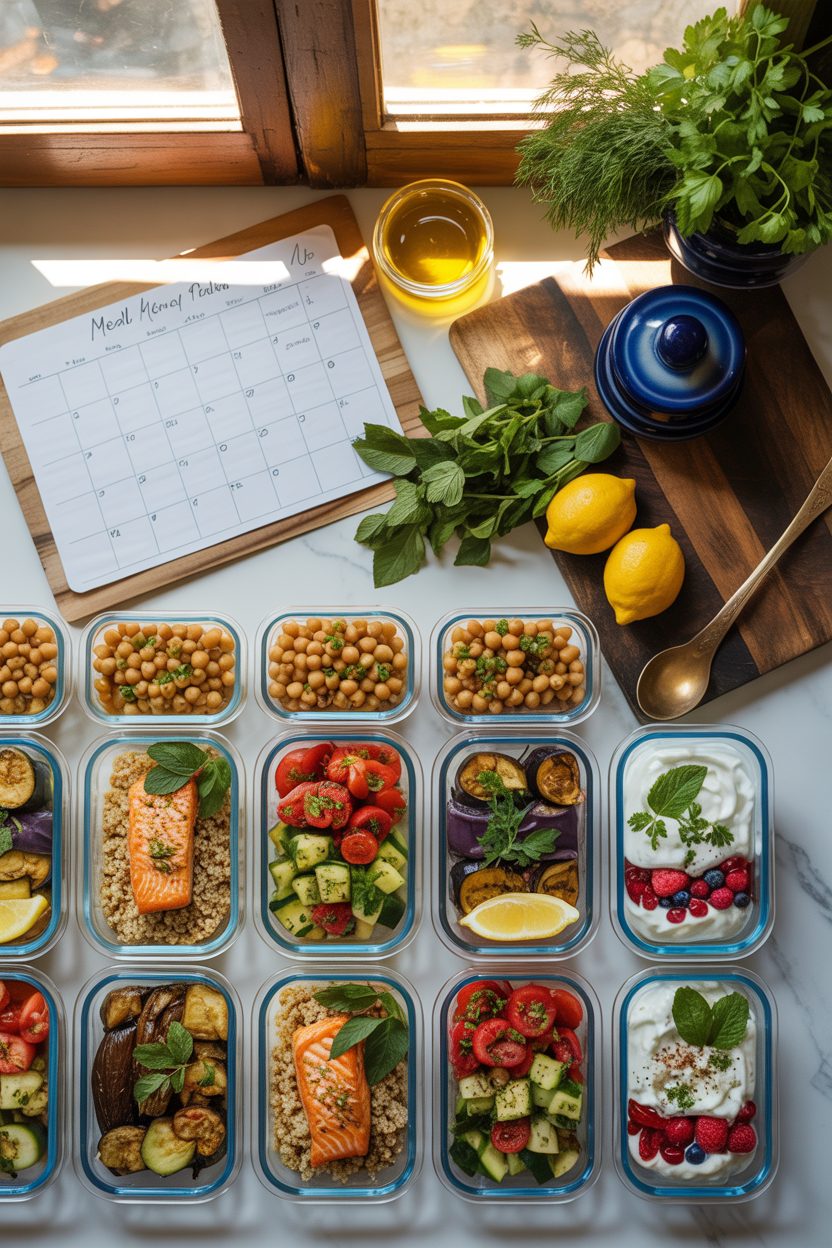
30-Day High-Protein Mediterranean Meal Prep for Consistency
You know what kills most meal prep plans? Week three. That’s when the novelty wears off, your motivation takes a nosedive, and suddenly that greasy takeout menu looks like your new best friend. But here’s the thing about a 30-day commitment: it’s long enough to actually form a habit, but short enough that you can see the finish line without having an existential crisis.
I’ve done the two-week meal prep dance. It works, sure. But 30 days? That’s when meal prep stops being something you’re “trying” and starts being something you just do. Like brushing your teeth, except way more delicious and significantly more filling.
The high-protein Mediterranean approach isn’t some trendy diet that’ll have you eating kale smoothies for breakfast and crying into your sad chicken breast by dinner. It’s actually sustainable, flavor-packed, and designed for real humans with jobs, responsibilities, and a genuine appreciation for food that doesn’t taste like cardboard.
Why 30 Days Changes Everything
Look, anyone can meal prep for a week. You’re riding that initial motivation high, everything’s new and exciting, and you’re basically invincible. But by day 15? That’s when the real test begins.
The 30-day mark is psychological. Studies show it takes about 21 days to form a habit, but 30 days to make it stick. By the time you finish this plan, meal prepping won’t feel like a chore—it’ll feel weird NOT to have your week planned out.
Plus, with high protein as your foundation, you’re not just eating healthy—you’re staying full, preserving muscle mass, and keeping your energy stable throughout the day. No more 3 PM crashes followed by desperate raids of the office vending machine.
The Mediterranean piece brings in healthy fats, tons of vegetables, and flavors that actually make you excited to eat your prepped meals. Because let’s be honest, if your meal prep doesn’t taste good, you’re not sticking with it for 30 days. Or even 30 hours.
Setting Yourself Up for 30-Day Success
Before we get into the actual meal plan, let’s talk strategy. The difference between people who finish 30 days strong and people who quit by day 12 usually comes down to preparation.
What You Actually Need:
Storage Equipment:
- At least 20-25 meal prep containers (yeah, that many)
- I use these glass containers with compartments because they’re microwave-safe, dishwasher-friendly, and don’t turn your marinara into a permanent stain
- A few larger containers for batch cooking make life infinitely easier
- Mason jars for overnight oats, salads, and smoothie prep
Kitchen Tools That Matter:
- A decent chef’s knife (stop fighting with your vegetables)
- Sheet pans (at least two; you’ll be roasting everything)
- A food scale if you care about precise portions (I do, but I’m also slightly obsessive)
- This programmable slow cooker has saved me more times than I can count
- Meal prep labels or a marker that actually stays on containers
The Mental Game: Accept right now that some weeks will be better than others. You’ll have amazing prep Sundays where everything goes smoothly, and you’ll have days where you burn the chicken and forget to cook the quinoa. Both are fine. The goal is progress, not perfection.
Your Month-Long Protein Framework
Instead of giving you a rigid day-by-day plan that’ll make you want to throw your meal prep containers out the window, I’m breaking this into weekly themes. Each week builds on the last, keeping things interesting while maintaining that crucial protein foundation.
Week 1: Classic Mediterranean Foundation
This week is all about nailing the basics and getting comfortable with the prep routine.
Daily Protein Target: 100-110g
Breakfast Rotation:
- Days 1-3: Greek yogurt parfait with berries, walnuts, and honey (22g protein) Get Full Recipe
- Days 4-7: Savory Mediterranean scramble with feta, tomatoes, and spinach (20g protein) Get Full Recipe
Lunch Options:
- Grilled lemon-herb chicken with quinoa and roasted vegetables (32g protein) Get Full Recipe
- Mediterranean chickpea bowl with cucumber, feta, and tahini (24g protein) Get Full Recipe
Dinner Lineup:
- Baked salmon with herbed quinoa and green beans (30g protein) Get Full Recipe
- Lemon-garlic grilled chicken with couscous (28g protein) Get Full Recipe
Snacks (pick 2 daily):
- Hummus with veggie sticks (8g protein)
- Hard-boiled eggs (6g each)
- Greek yogurt with cinnamon (15g protein) Get Full Recipe
Week 1 Prep Strategy:
Sunday is your heavy prep day. Block out 3 hours, put on something binge-worthy, and get to work.
- Start proteins: Season and bake chicken breasts and salmon simultaneously
- Cook grains: Get quinoa and couscous going while proteins cook
- Roast vegetables: Bell peppers, zucchini, cherry tomatoes on sheet pans
- Prep breakfast components: Portion yogurt parfaits in mason jars, prep egg scramble mix
- Make hummus: Or buy the good stuff; I won’t judge
By the end of Week 1, you should have a solid routine down. You’ll know which containers work best, how long things actually take, and whether your fridge can actually hold all this food.
Week 2: Expanding Your Protein Sources
Now that you’ve got the basics down, let’s add variety to prevent the dreaded meal prep burnout.
Breakfast Evolution:
- Protein-packed smoothie bowls with Greek yogurt and berries (26g protein) Get Full Recipe
- Spinach feta egg muffins (18g per serving—make a batch of 12) Get Full Recipe
- Smoked salmon avocado toast (22g protein) Get Full Recipe
New Lunch Additions:
- Grilled chicken shawarma salad (30g protein) Get Full Recipe
- Mediterranean tuna stuffed peppers (25g protein) Get Full Recipe
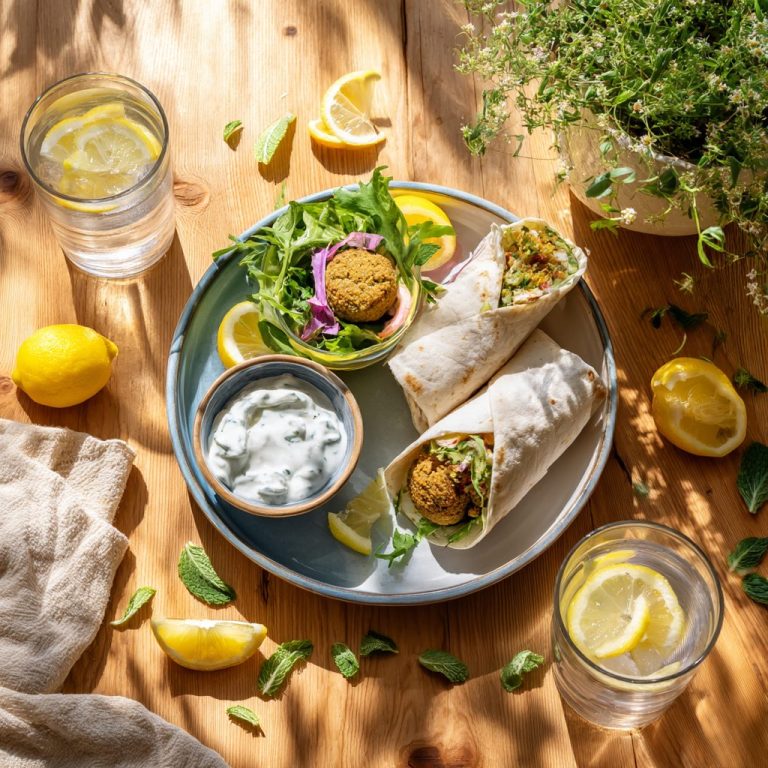
- Falafel wrap with tzatziki (20g protein when paired with Greek yogurt) Get Full Recipe
Dinner Switches:
- Shrimp sautéed in garlic and olive oil with couscous (28g protein) Get Full Recipe
- Grilled turkey kofta with cucumber yogurt sauce (32g protein) Get Full Recipe
- Baked cod with tomato olive tapenade (26g protein) Get Full Recipe
Week 2 Game Plan:
Here’s where you get smart. Instead of prepping everything on Sunday, split it:
- Sunday: Prep main proteins and grains
- Wednesday evening: Quick 45-minute refresh—roast new vegetables, prep remaining proteins
This mid-week refresh keeps food fresher and makes the whole process less overwhelming. I steam vegetables using this collapsible steamer basket when I’m short on time—it’s faster than roasting and cleanup is basically nonexistent.
Week 3: Plant-Based Protein Power
By week three, you’re a meal prep veteran. Time to incorporate more plant-based proteins to keep costs down and variety high.
Breakfast Options:
- Overnight oats with chia seeds and almond butter (18g protein) Get Full Recipe
- Tofu scramble with spinach and bell peppers (22g protein) Get Full Recipe
- Classic veggie omelet (16g protein) Get Full Recipe
Lunch Variety:
- Lentil sweet potato stew (20g protein per serving) Get Full Recipe
- Mediterranean chickpea skillet (22g protein) Get Full Recipe
- Quinoa tabbouleh with hummus and pita (18g protein) Get Full Recipe
Dinner Rotation:
- Stuffed bell peppers with quinoa and veggies (topped with feta—20g protein) Get Full Recipe
- Spiced lentil eggplant stew (24g protein) Get Full Recipe
- Three bean chili with Greek yogurt topping (26g protein) Get Full Recipe
Week 3 Reality Check:
This is typically when people hit a wall. The novelty’s worn off, you’re sick of cooking, and ordering pizza sounds really, really good right about now.
Push through. This is the crucial week. If you can get past day 21, you’re golden. Some strategies that helped me:
- Prep with a friend (misery loves company, but also it’s actually fun)
- Try one completely new recipe this week
- Give yourself permission to buy pre-chopped vegetables if it means you’ll actually cook
- Accept that not every meal will be Instagram-worthy
According to research from the European Journal of Social Psychology, habits take an average of 66 days to form, but the most critical period is between days 18-25. You’re right in the thick of it. Keep going.
Week 4: Refinement and Sustainability
Final week. You’ve got this. Now it’s about fine-tuning what works and setting yourself up to continue beyond day 30.
Breakfast Final Rotation:
- Egg veggie breakfast wrap (24g protein) Get Full Recipe
- Berry green smoothie with protein powder (28g protein) Get Full Recipe
- Sweet potato hash with black beans and avocado (20g protein) Get Full Recipe
Lunch Mastery:
- Grilled veggie halloumi skewers (26g protein) Get Full Recipe
- Greek yogurt chicken salad (32g protein) Get Full Recipe
- Roasted cauliflower shawarma bowl (22g protein with chickpeas) Get Full Recipe
Dinner Finish Strong:
- Baked salmon with dill and garlic (30g protein) Get Full Recipe
- Chicken zucchini skillet with herbs (28g protein) Get Full Recipe
- Mediterranean veggie casserole with feta (24g protein) Get Full Recipe
Week 4 Mindset:
You’re not just finishing a challenge—you’re establishing a system you can maintain. Ask yourself:
- Which meals did you actually look forward to eating?
- What prep shortcuts worked?
- Which recipes are non-negotiables for your rotation?
The Snack Strategy That Actually Works
Here’s something most meal prep plans ignore: snacks make or break your protein goals. You can nail breakfast, lunch, and dinner, but if you’re scrounging for snacks at 4 PM, you’re going to blow it.
High-Protein Snacks Under 200 Calories:
- Mini cucumber bites with tuna (14g protein) Get Full Recipe
- Turkey roll-ups with cheese (16g protein) Get Full Recipe
- Cottage cheese bowl with cherry tomatoes (14g protein) Get Full Recipe
- Mini egg muffins (12g protein) Get Full Recipe
For more snack ideas that won’t sabotage your progress, check out these high-protein low-calorie snacks under 200 calories.
I prep snacks once a week in these small portion containers—keeps me from eating the entire batch of egg muffins in one sitting. Not that I’ve done that. Multiple times.
Shopping Strategy for the Long Haul
Buying for 30 days is different than buying for a week. You need a system or you’ll either run out of food on day 18 or end up with seventeen containers of expired hummus.
The Rotating Protein Plan:
- Week 1: Stock up on chicken breast, salmon, eggs
- Week 2: Add shrimp, ground turkey, cod
- Week 3: Focus on plant proteins—lentils, chickpeas, tofu
- Week 4: Mix of favorites from previous weeks
Pantry Staples to Buy in Bulk:
- Quinoa (I buy from this bulk supplier and never look back)
- Canned chickpeas (at least 10 cans)
- Olive oil (get the good stuff, seriously)
- Tahini
- Dried herbs and spices
- Canned tomatoes
Weekly Fresh Buys:
- Vegetables (they don’t last 30 days, unfortunately)
- Greek yogurt
- Fresh herbs
- Lemons (so many lemons)
- Feta cheese
I use this vacuum sealer for proteins I buy in bulk. Freeze what you won’t use in the next 3-4 days, and it stays fresh for months.
Meal Prep Time Management Hacks
After doing this for 30 days straight, you learn what’s worth your time and what’s just unnecessary perfectionism.
Sunday Batch Cooking (2-3 hours):
- Preheat oven, get multiple things going at once
- While proteins bake, cook grains
- Chop vegetables during downtime
- Use this food processor for anything that needs chopping—garlic, herbs, vegetables. Your knife skills don’t need to be perfect; they just need to be fast.
Wednesday Refresh (45 minutes):
- Quick protein cook (shrimp, eggs, or canned tuna)
- Roast fresh vegetables
- Replenish snack containers
Daily Assembly (5 minutes): Some meals are better assembled fresh—salads, wraps, anything with avocado. Prep components separately, combine day-of.
Tracking Your Progress Without Losing Your Mind
You don’t need to weigh every gram of food or track every calorie to succeed at this. But some basic awareness helps.
What to Actually Track:
- Did you eat the meals you prepped? (This is the real metric)
- How’s your energy throughout the day?
- Are you hitting your basic protein targets?
What’s a Waste of Time:
- Obsessing over exact macros for every meal
- Weighing vegetables (unless you really want to)
- Tracking your “meal prep streak” like it’s Snapchat
The Mayo Clinic’s research on meal planning shows that consistency matters more than perfection. People who meal prep even 50% of the time see significant health improvements compared to zero planning.
When Life Happens: Flexibility Built In
You’re doing this for 30 days. Something will come up. A work dinner. A friend’s birthday. An unexpected crisis that requires wine and takeout. All of this is fine.
The Flex Day Strategy:
- Build in 2-3 “flex meals” per week
- Keep frozen backup proteins (frozen shrimp, chicken breast)
- Always have canned chickpeas and tuna
- Quick backup: one-pot Mediterranean pasta takes 20 minutes
Travel During Your 30 Days:
- Pack what you can in a cooler
- Research Mediterranean restaurants near your destination
- Don’t stress about one or two days off plan
- Jump right back in when you return
Beyond Day 30: Making This Your Normal
Here’s what nobody tells you: the hard part isn’t starting meal prep. It’s making it stick after the challenge ends.
Strategies to Continue:
- Rotate through your top 15 favorite recipes
- Keep exploring—try these Mediterranean dinner ideas for fresh inspiration
- Adjust portion sizes based on your actual hunger
- Give yourself permission to simplify when life gets hectic
If you want to keep the structure going, consider this 30-day Mediterranean diet challenge—it’s basically the natural continuation of what you’ve been doing.
Or explore some easy high-protein breakfasts you can make in 10 minutes to keep your mornings efficient beyond the challenge.
The Actual Benefits You’ll Notice
I’m not going to promise you’ll lose 30 pounds or transform your entire life. But here’s what actually happens when you consistently meal prep high-protein Mediterranean meals for a month:
Week 1: You’ll feel organized and maybe a little smug. Your fridge looks amazing.
Week 2: Energy stabilizes. That 2 PM crash becomes less dramatic.
Week 3: You stop thinking about food constantly. Your meals are planned, your snacks are ready, your brain can focus on other things.
Week 4: Meal prep stops feeling like a project and starts feeling normal. This is the goal.
Physical changes vary by person, but most people report better digestion, more stable energy, and yes, usually some body composition improvements. The high protein helps preserve muscle while the Mediterranean approach provides anti-inflammatory benefits.
Research from Harvard’s School of Public Health consistently shows Mediterranean eating patterns support heart health, cognitive function, and longevity. Adding intentional protein just makes it even more effective.
Common Pitfalls and How to Avoid Them
Pitfall #1: Over-complicating everything You don’t need seventeen ingredients for one meal. Keep it simple. Protein + grain + vegetables + fat source + herbs. Done.
Pitfall #2: Under-seasoning You’re not on a punishment diet. Use olive oil. Add lemon. Don’t be shy with garlic. Your food should taste good or you won’t eat it for 30 days.
Pitfall #3: Making everything at once Split your prep. Future you will appreciate fresher vegetables on Wednesday.
Pitfall #4: Ignoring hunger cues If you’re genuinely hungry, eat more. If you’re full, save it. The portions in this plan are guidelines, not rules.
Pitfall #5: Comparing your meal prep to Instagram Those perfectly arranged rainbow bowls took seventeen takes and probably don’t taste that good. Your slightly messy container with actual flavor wins.
Quick Assembly Ideas for Busy Days
Even with meal prep, some days you need options that come together in under 10 minutes.
Emergency Fast Meals:
- Mediterranean grain bowl (use pre-cooked quinoa, canned chickpeas, chopped vegetables, feta) Get Full Recipe
- Avocado toast Mediterranean style (toasted bread, mashed avocado, feta, tomatoes, olive oil) Get Full Recipe
- Greek salad with canned tuna (romaine, cucumbers, tomatoes, olives, feta, tuna) Get Full Recipe
These are your safety nets. When meal prep fails or life gets chaotic, you can still eat well in minutes.
The Social Aspect Nobody Talks About
Meal prepping for 30 days means you’ll encounter questions, comments, and occasionally judgment from people who don’t get it.
Common responses:
- “Don’t you get bored eating the same thing?”—No, because I rotate meals and actually season my food.
- “That must take forever.”—Less time than deciding what to eat three times a day for 30 days.
- “I could never do that.”—You could. You’re just choosing not to.
Find your people. Whether it’s online communities, a friend who’s also prepping, or just someone who understands why having lunch ready matters. It helps.
The Money Factor
Let’s talk cost because pretending meal prep is free is dishonest.
Initial Investment:
- Containers: $50-80
- Basic cooking tools (if you don’t have them): $100-150
- Pantry stock-up: $60-80
Weekly Food Costs:
- Average: $60-90 for one person
- Cheaper than eating out: Absolutely
- Cheaper than randomly buying groceries: Usually
I track my grocery spending using a simple spreadsheet. Nothing fancy, just weekly totals. Over 30 days, I spent roughly $340 on groceries. That’s about $11 per day for three meals plus snacks. Compare that to buying lunch ($10-15) and dinner ($15-25) daily, and the savings are massive.
Equipment That’s Actually Worth It
Skip These:
- Expensive meal prep containers with seventeen compartments
- Fancy label makers
- Specialized portion control tools
Get These:
- Good glass containers with locking lids
- A sharp chef’s knife that doesn’t make you want to cry
- Two sheet pans minimum
- This kitchen scale for proteins (if you care about precision)
- Dry erase markers for writing on container lids
The goal is efficiency, not having the most Pinterest-worthy meal prep setup.
Making Peace with Imperfection
Some weeks your meal prep will be beautiful. Balanced macros, perfect portions, vegetables cut uniformly, everything labeled and organized.
Other weeks you’ll cook chicken on Wednesday night, throw it over some pre-bagged salad, call it a meal prep win, and move on with your life.
Both count. Both get you through 30 days. Both are better than not trying at all.
The difference between people who succeed at 30-day challenges and people who quit is usually just the willingness to have mediocre days and keep going anyway.
Your Week-by-Week Checklist
Week 1:
- Set up meal prep containers
- Master basic proteins (chicken, salmon, eggs)
- Establish Sunday routine
- Track what you actually eat
Week 2:
- Add new proteins (shrimp, turkey, cod)
- Implement mid-week refresh
- Adjust portions based on hunger
- Identify favorite recipes
Week 3:
- Incorporate plant-based proteins
- Push through the motivation dip
- Try one completely new recipe
- Reassess what’s working
Week 4:
- Refine your personal system
- Plan for post-challenge sustainability
- Celebrate making it this far
- Decide what continues after day 30
The Bottom Line on 30 Days
High-protein Mediterranean meal prep for 30 days isn’t about being perfect. It’s about building a system that makes healthy eating the path of least resistance.
By day 30, you won’t be thinking “only X more days until this is over.” You’ll be thinking “well, I guess this is just what I do now.”
That’s the goal. Not perfection. Not Instagram-worthy containers. Just a sustainable approach to feeding yourself well that doesn’t require daily decision-making, doesn’t break the bank, and actually tastes like real food.
Will you slip up? Probably. Will some meals be better than others? Definitely. Will you occasionally order pizza instead of eating your prepped food? Sure.
None of that matters as much as showing up and trying again the next day.
Start with week one. See how it feels. Adjust what doesn’t work. Keep what does. By day 30, you’ll have a system that actually works for your life—not some idealized version of someone else’s.
Now go prep some food. Your future self is counting on you.