How to Build Your Mediterranean Diet Grocery List in 5 Simple Steps
Look, I get it. You’ve heard about the Mediterranean diet a thousand times. Everyone’s raving about it like it’s the holy grail of eating. But here’s the thing—knowing about it and actually implementing it are two very different beasts. The real magic happens when you nail your grocery list, and honestly, most people overthink this part.
I’ve been following this way of eating for years now, and I can tell you the grocery store used to feel like a battlefield. Too many choices, confusing labels, and that weird guilt when you realize you’ve accidentally bought three types of pasta but forgot the olive oil. Again.
So let me walk you through how to build a Mediterranean diet grocery list that actually works. No fluff, no unnecessary complications—just the real deal that’ll set you up for success.

Step 1: Start with Your Protein Foundation (But Not What You Think)
Here’s where most people mess up—they think Mediterranean means loading up on salmon and fancy fish. Sure, seafood plays a role, but it’s not the daily protein show. The real MVPs? Legumes, beans, and lentils. These are the workhorses that’ll keep you full without breaking the bank.
When I’m stocking my pantry, I grab canned chickpeas, dried lentils, white beans, and black beans. They’re ridiculously versatile and rich in fiber and plant-based protein that supports heart health. Plus, they last forever in your pantry, which means less food waste and fewer panic trips to the store.
For fish, aim for twice a week. I usually pick up some canned tuna (the good stuff packed in olive oil), maybe some frozen salmon fillets, or fresh sardines when they’re on sale. Don’t sleep on sardines—they’re packed with omega-3s and way cheaper than you’d think. If you’re looking for quick recipes, this Get Full Recipe is my go-to weeknight savior.
Don’t forget about eggs and Greek yogurt. They’re staples that bridge the gap between plant-based meals and those days when you need something quick. A Get Full Recipe with whatever veggies you have lying around never fails.
Poultry and Occasional Red Meat
Chicken and turkey show up in Mediterranean eating, but they’re supporting actors, not the main event. I usually buy a pack of chicken thighs (way more flavorful than breasts, IMO) and some ground turkey for the week. Red meat? Maybe once a month, and even then, it’s a small portion.
When you do grab chicken, try this Get Full Recipe. It’s simple, uses pantry staples, and tastes like you actually know what you’re doing in the kitchen.
Step 2: Stock Up on Whole Grains (The Good Carbs)
Carbs aren’t the enemy here. Refined carbs? Yeah, those can take a hike. But whole grains are your friends, and they’re absolutely essential for a proper Mediterranean grocery list.
I always keep these on hand: whole wheat pasta, brown rice, quinoa, farro, bulgur, and good quality whole grain bread. The key word here is “whole.” If the ingredients list doesn’t have “whole” as the first word, put it back and keep looking.
One thing I learned the hard way—buy smaller quantities of grains if you’re just starting out. Quinoa sounds great until you realize you’ve had the same bag for eight months because you forgot it existed. Start small, see what you actually use, then adjust. For breakfast inspiration, these overnight oats recipes use whole grains and prep in minutes.
The Bread Situation
Real talk—bread is a big part of Mediterranean eating, but it’s not the squishy white stuff that sticks to the roof of your mouth. Look for whole grain or sourdough options. I grab a couple of whole wheat pitas and maybe some crusty whole grain bread from the bakery section.
If you’re feeling adventurous, make your own. I won’t lie and say it’s quick, but there’s something satisfying about using a bread maker to bake fresh loaves. Plus, your kitchen smells incredible.
Speaking of bread-based meals, you need to try this Get Full Recipe. It’s ridiculously simple but hits different when you use good quality ingredients.
Step 3: Load Up on Produce Like Your Life Depends on It
Here’s where the Mediterranean diet really shines—vegetables and fruits aren’t afterthoughts. They’re the main attraction. Your grocery cart should look like a farmer’s market exploded in it.
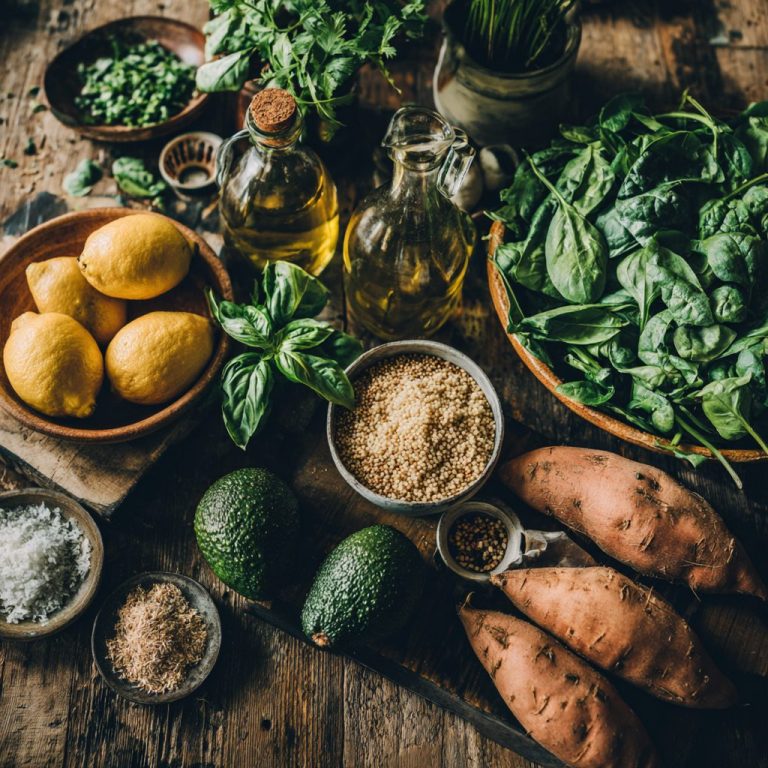
I aim for variety over perfection. Tomatoes, cucumbers, bell peppers, zucchini, eggplant, leafy greens (spinach, arugula, kale), onions, garlic, and whatever’s in season. The seasonal part matters because it’s cheaper and tastes way better.
For fruits, I stick with what’s versatile: apples, oranges, berries, grapes, and bananas. Dried fruits like figs and dates are pantry staples too—they’re great for snacking or throwing into Get Full Recipe for breakfast.
Don’t forget fresh herbs. Basil, parsley, oregano, mint, and rosemary are non-negotiable. They transform boring into brilliant with zero effort. I keep them in this herb keeper so they actually stay fresh instead of turning into green slime after three days.
Frozen is Your Friend
Real talk—frozen vegetables are just as nutritious as fresh, and sometimes more so because they’re frozen at peak ripeness. I always have frozen spinach, mixed vegetables, and berries in my freezer. They’re lifesavers for those nights when you can’t be bothered to chop anything.
Looking for more veggie-packed ideas? Check out these quick Mediterranean dinners that make the most of whatever produce you have on hand.
Step 4: Get Your Healthy Fats Right
This is where people either nail it or completely miss the mark. The Mediterranean diet is higher in fat than you’d think, but it’s the right kind of fat. We’re talking extra virgin olive oil as the star of the show.
Buy good olive oil. I’m serious about this. The cheap stuff that’s been sitting on the shelf for who knows how long? Skip it. Look for extra virgin, preferably in a dark bottle, and check the harvest date if you can find it. Extra virgin olive oil contains antioxidants that regular olive oil doesn’t have.
I go through about a bottle a month because I use it for everything—cooking, dressings, drizzling over finished dishes. It’s worth the investment. If you’re budget-conscious, buy it in larger quantities from stores like Costco. Just store it properly in a dark, cool place.
Nuts, Seeds, and Other Fat Sources
Stock up on raw nuts and seeds: almonds, walnuts, pistachios, pine nuts, sesame seeds, and pumpkin seeds. These are perfect for snacking, tossing into salads, or grinding into pestos and sauces.
I buy them in bulk and store them in airtight containers in the fridge to keep them fresh. Nuts go rancid faster than you’d think, especially in warm climates.
Avocados deserve their own mention. I grab a few at different ripeness stages so I always have one ready to go. They’re perfect for Get Full Recipe or just smashing onto toast with some salt and pepper.
For meal ideas that showcase these healthy fats, browse through these high-protein Mediterranean recipes that balance nutrition with flavor.
Step 5: Don’t Forget the Flavor Boosters
This is the stuff that makes Mediterranean food actually taste good instead of like you’re eating cardboard for health reasons. We’re talking spices, condiments, and those little additions that pack serious flavor punch.
My spice rack essentials: oregano, thyme, rosemary, cumin, paprika, cinnamon, red pepper flakes, and good quality sea salt. I also keep za’atar if I can find it—it’s this Middle Eastern spice blend that’s incredible on everything from eggs to roasted vegetables.
For condiments and pantry staples, grab these: tahini, capers, olives (multiple varieties because variety is the spice of life), anchovies, sun-dried tomatoes, tomato paste, canned crushed tomatoes, and vegetable or chicken stock.
The Cheese Situation
Yes, cheese exists in Mediterranean eating, but it’s used more as a garnish than the main event. Feta is your best friend here—a little goes a long way in terms of flavor. I also keep some Parmesan and occasionally halloumi when I’m feeling fancy.
Greek yogurt (full-fat, not the weird fat-free stuff) is another staple. It’s great for breakfast with fruit and honey, or as a base for Get Full Recipe that’ll make you feel like you’re eating at a legit Mediterranean restaurant.
Vinegars and Acids
Don’t overlook vinegars—they’re crucial for balancing flavors. Red wine vinegar, balsamic vinegar, and apple cider vinegar are my go-tos. And always, always have fresh lemons on hand. They brighten up literally everything.
I keep a citrus squeezer in my drawer because it makes juicing lemons so much easier. Trust me on this one—hand-squeezing lemons gets old fast when you’re doing it multiple times a week.
For more inspiration on putting all these ingredients together, check out this beginner-friendly Mediterranean meal plan that walks you through two weeks of real meals.
Bonus Tips for Actually Sticking to Your List
Okay, so you’ve got your list organized. Now comes the hard part—actually using it and not falling back into old habits after two weeks. Here’s what’s worked for me.
Shop the Perimeter First
Most grocery stores put the whole foods—produce, dairy, meat, bakery—around the edges. The processed stuff lives in the middle aisles. Start your shopping trip around the perimeter, fill most of your cart there, then make strategic trips down specific aisles for pantry staples.
This isn’t some magic trick, but it naturally leads you toward fresher, less processed options. Plus, you’re less likely to impulse-buy that family-sized bag of chips when your cart’s already full of vegetables.
Meal Prep Without Losing Your Mind
You don’t need to spend your entire Sunday cooking. I usually prep a few key components: cook a big batch of grains, chop vegetables, make a large salad, and maybe prep a protein or two. Then during the week, I mix and match.
Monday might be Get Full Recipe using prepped quinoa and veggies. Tuesday could be Get Full Recipe that takes 20 minutes start to finish.
If you’re serious about meal prep, this 7-day meal prep plan breaks down exactly what to prep and when.
Keep a Running List
I have a note on my phone where I add things as I run out. Sounds basic, but it prevents those “oh crap, I’m out of olive oil” moments when you’re halfway through cooking dinner. This magnetic notepad lives on my fridge for the same purpose.
Also, take photos of your pantry and fridge before you go shopping. It sounds weird, but it stops you from buying your third jar of tahini when you already have two sitting at home. Ask me how I know.
Common Mistakes to Avoid
Let me save you from the mistakes I made when I first started. First, don’t go overboard buying every ingredient you see in Mediterranean recipes. Start with the basics, get comfortable using them, then expand. I wasted so much money on specialty items I used once and never touched again.
Second, don’t assume everything “Mediterranean-inspired” at the store is actually healthy. Check those labels. Some of those pre-made hummus cups have more oil than actual chickpeas, and don’t get me started on the sodium levels in some store-bought tzatziki.
Third, seasonal eating matters more than you think. Those tomatoes in January? They taste like cardboard. Wait until summer and buy them from a farmer’s market if you can. Your taste buds will thank you, and the price difference is usually negligible.
Looking for more tips on navigating common pitfalls? This guide on Mediterranean snacks beyond hummus covers easy options that actually keep you satisfied.
Budget-Friendly Shopping Strategies
Mediterranean eating doesn’t have to drain your bank account. Buy dried beans and lentils instead of canned—they’re way cheaper and taste better. Same with buying whole vegetables instead of pre-cut ones. Yeah, it takes a few extra minutes of knife work, but your wallet will appreciate it.
Frozen fish is often cheaper than fresh and just as nutritious. I get frozen salmon fillets in bulk and defrost what I need. Canned fish—tuna, sardines, anchovies—is ridiculously affordable and lasts forever in your pantry.
Shop sales for pantry staples. When olive oil or nuts go on sale, stock up. These items don’t go bad quickly, so buying in bulk when prices drop makes sense. Just make sure you’re actually saving money—sometimes the “sale” price is the same as the regular price at another store.
For more budget-conscious options, check out these affordable Mediterranean meals that don’t sacrifice flavor for price.
Making It Work Long-Term
Here’s the thing nobody tells you—the first few weeks are going to feel chaotic. You’re learning what you actually like, what you’ll realistically cook, and how to navigate the grocery store efficiently. That’s totally normal.
Give yourself permission to adjust. Maybe you hate farro but love bulgur. Cool, buy bulgur. Maybe sardines aren’t your thing but you love salmon. Great, lean into what works for you. The Mediterranean diet isn’t about following rigid rules—it’s about adopting principles that make sense for your life.
I’ve been at this for years, and my grocery list looks different now than it did when I started. That’s called evolution, not failure. The goal is sustainable eating that you can maintain, not perfection that burns you out in three weeks.
One thing that helped me stick with it was finding recipes I genuinely got excited about. This Get Full Recipe became a weekend breakfast staple, and Get Full Recipe is my go-to when I need something impressive but easy.
For those wanting more structure, this 21-day Mediterranean meal plan provides a longer runway to build sustainable habits.
Frequently Asked Questions
How much should I expect to spend on a Mediterranean diet grocery list?
Your budget really depends on your location and shopping habits, but most people find their costs stay about the same or decrease slightly. The key is buying seasonal produce, choosing dried beans over canned, and stocking up on pantry staples when they’re on sale. FYI, you’ll probably spend less eating out once you get into a cooking rhythm, which balances out any increase in grocery costs.
Can I follow a Mediterranean diet if I’m vegetarian or vegan?
Absolutely. The Mediterranean diet is already heavily plant-based, so adapting it for vegetarian eating is super easy. For vegans, you’ll just skip the dairy and eggs, but there are plenty of plant-based alternatives. Focus on legumes, nuts, seeds, and whole grains for protein, and you’re golden.
How often should I go grocery shopping for fresh ingredients?
I typically do one big shop per week for pantry staples and longer-lasting produce, then a quick mid-week run for leafy greens and anything that spoils quickly. If you have access to a good grocery store, twice a week works great for keeping things fresh without constant trips.
What’s the difference between regular olive oil and extra virgin olive oil?
Extra virgin olive oil is made from pure, cold-pressed olives and contains more antioxidants and beneficial compounds than regular olive oil. Research shows these antioxidants provide most of olive oil’s health benefits, so it’s worth spending a bit more for EVOO. Use it for dressings and finishing dishes, and save regular olive oil for high-heat cooking if needed.
Do I need to buy organic for Mediterranean diet foods?
Not necessarily. Organic is great if it fits your budget, but it’s not required to follow a Mediterranean diet successfully. Focus on buying the best quality you can afford—prioritize organic for the “dirty dozen” produce items if you’re being
Final Thoughts
Building a Mediterranean diet grocery list isn’t rocket science, but it does require a shift in how you think about shopping and eating. You’re prioritizing whole foods, quality fats, and plant-based proteins while keeping things simple and sustainable.
The beauty of this approach is that it’s flexible. You’re not following some strict meal plan that requires you to eat exactly 4 ounces of grilled chicken at 6:47 PM every Tuesday. You’re building a foundation of ingredients that work together in countless combinations, giving you the freedom to cook what sounds good on any given day.
Start with the five steps I’ve outlined—nail your protein sources, stock quality whole grains, load up on produce, get your fats right, and don’t forget the flavor boosters. From there, you can adjust based on what you actually enjoy eating and what fits your schedule.
Remember, the goal isn’t perfection. It’s progress. It’s eating in a way that feels good, tastes good, and supports your health without making you feel like you’re constantly depriving yourself. That’s the real magic of Mediterranean eating—it doesn’t feel like a diet. It feels like… well, like eating really good food.
So grab your reusable shopping bags (because we’re all about sustainability here), make your list, and head to the store with confidence. You’ve got this. And if you mess up and accidentally buy three jars of tahini again? Well, at least you’ll never run out of hummus ingredients.
Similar Posts
7 Mediterranean Diet Tips for Heart Health
7 Mediterranean Diet Tips for Heart Health 7 Mediterranean Diet Tips for Heart Health Look, I’m not gonna sugarcoat this: your heart deserves better than drive-thru dinners and mystery casseroles. But here’s the good news—taking care of your ticker doesn’t mean choking down bland food or obsessing over calorie counts. The Mediterranean diet is basically…
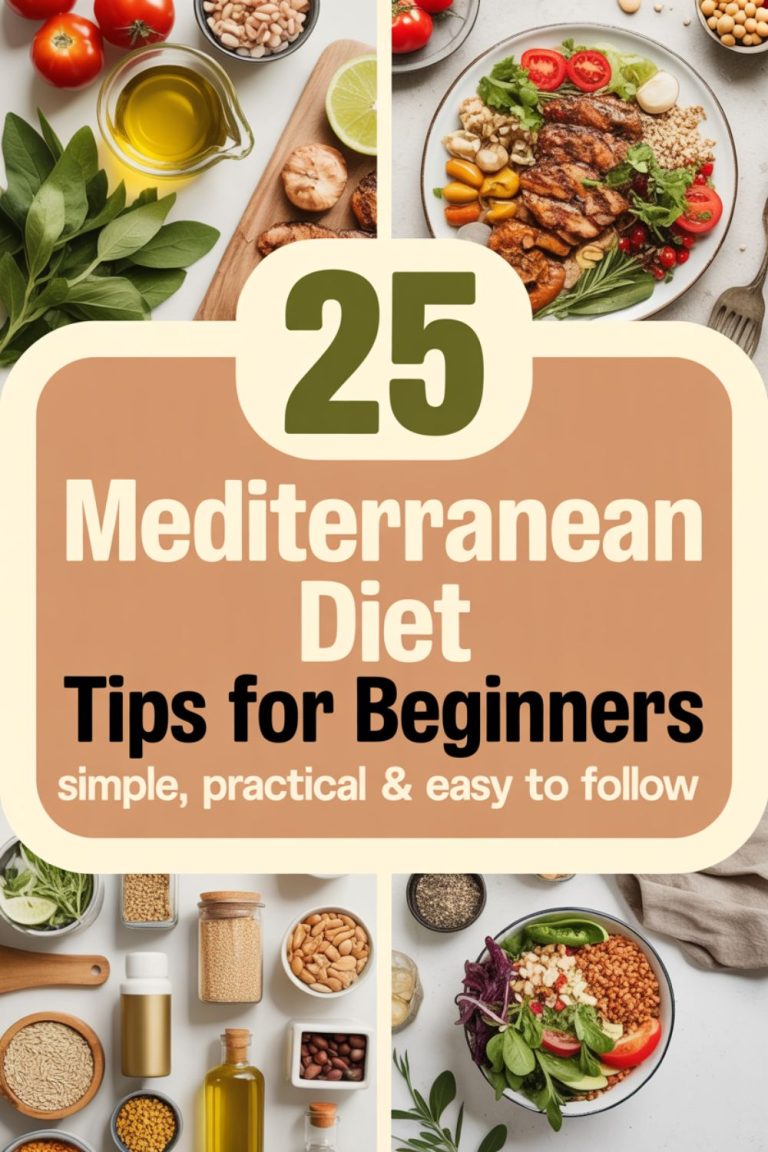
25 Mediterranean Diet Tips for Beginners
25 Mediterranean Diet Tips for Beginners 25 Mediterranean Diet Tips for Beginners So you’ve heard about the Mediterranean diet and you’re thinking about giving it a shot. Smart move. But let me guess—you’re staring at your fridge full of processed snacks and frozen dinners wondering where the heck to start, right? Look, I get it….
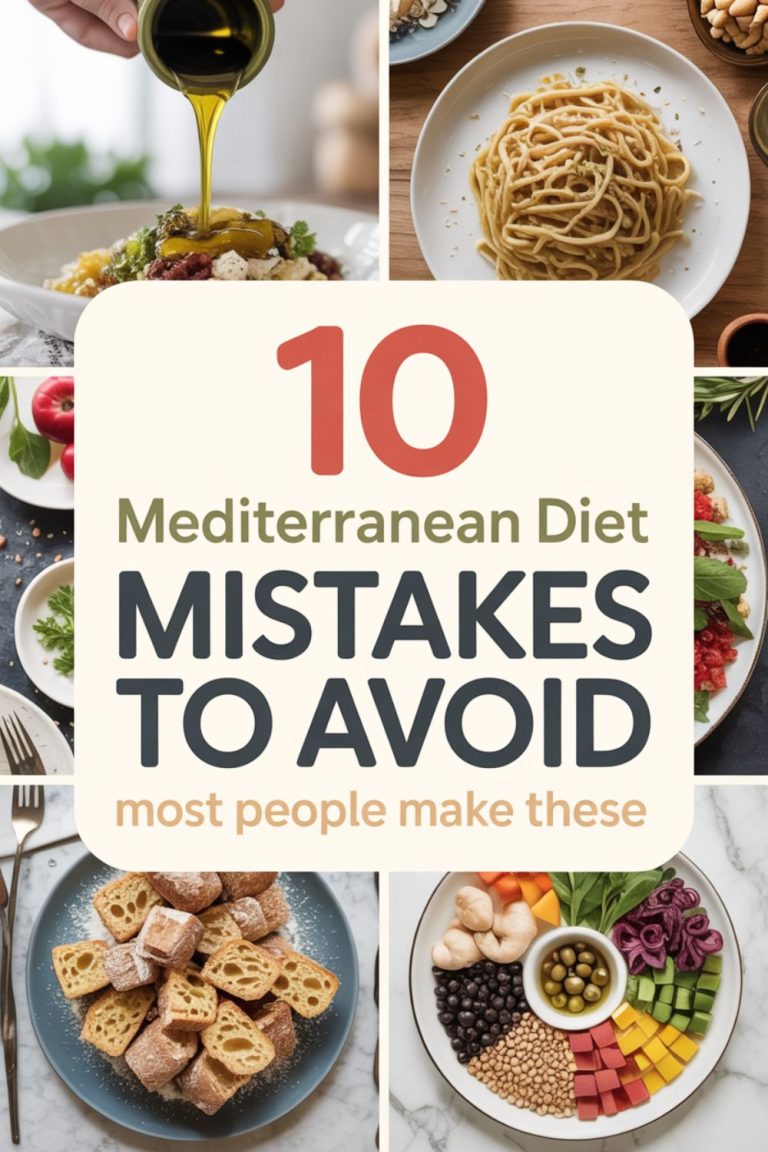
10 Mediterranean Diet Mistakes to Avoid
10 Mediterranean Diet Mistakes to Avoid 10 Mediterranean Diet Mistakes to Avoid Look, I get it. You heard the Mediterranean diet is the healthiest thing since sliced whole-grain bread, and now you’re ready to transform your kitchen into a Greek taverna. But here’s the thing—most people screw this up without even realizing it. I’ve watched…
The 7-Day Real Food Reset: Eat Clean, Feel Amazing, No Counting Required
The 7-Day Real Food Reset: Eat Clean, Feel Amazing, No Counting Required 🥑 So, What Is a Real Food Reset Anyway? Okay, real talk—have you ever found yourself knee-deep in chips one night, only to Google “quickest detox” the next morning? 😬 Yep, same here. The good news? You don’t need some wild juice cleanse,…