25 Low-Calorie Summer Dinners That Actually Keep You Full
Look, I’m not here to sell you on another bland chicken breast with steamed broccoli situation. We’ve all been there, staring at a sad plate of “health food” while the neighbors grill burgers that smell like heaven. But here’s the thing—summer dinners can be light, satisfying, and actually taste like something you’d choose to eat.
I’ve spent way too many summers trying to balance that fine line between eating well and not feeling like I’m punishing myself. The good news? It doesn’t have to be complicated. Fresh produce is practically begging to be eaten when it’s in season, and honestly, who wants to stand over a hot stove when it’s 85 degrees outside anyway?
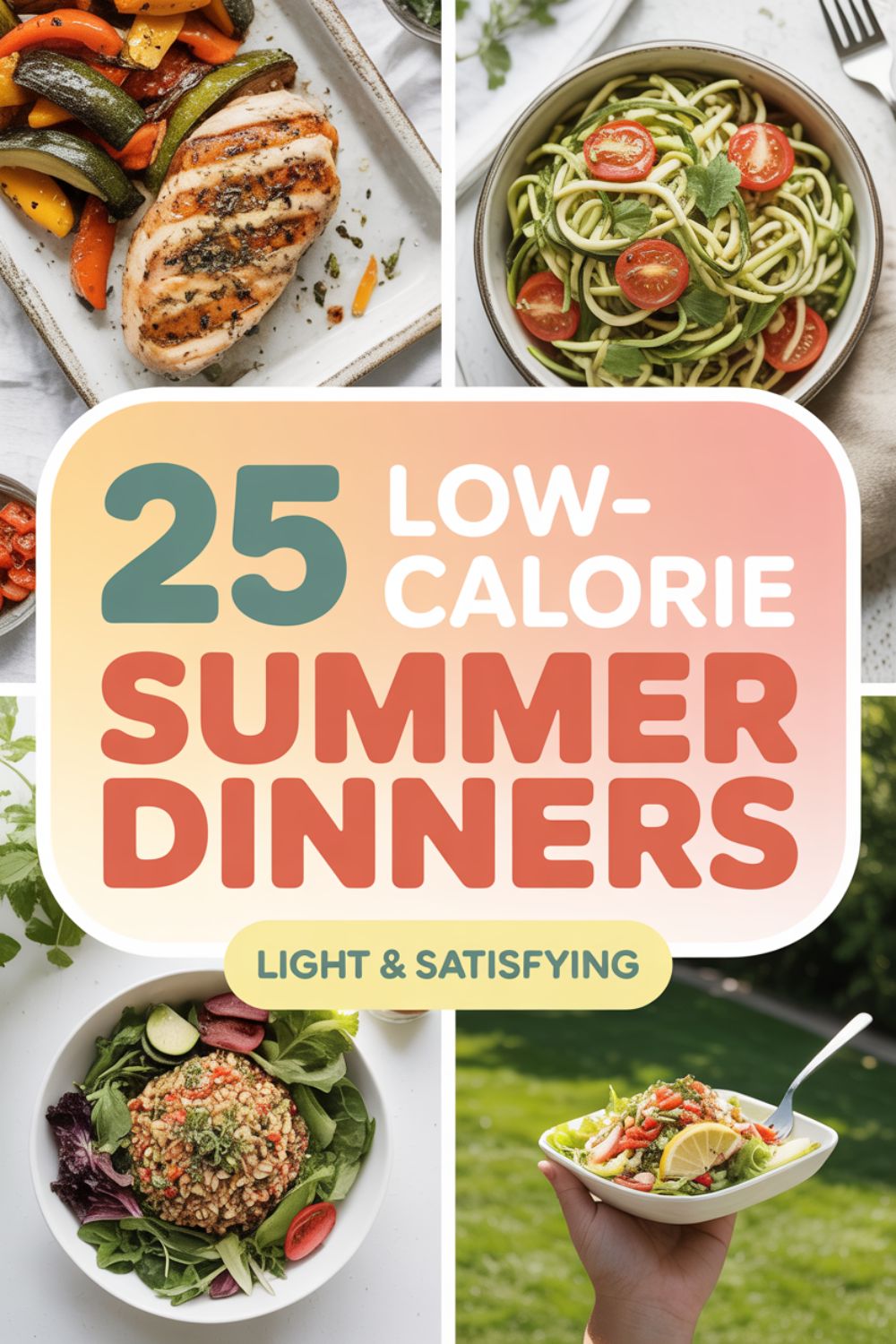
These 25 low-calorie summer dinners aren’t about deprivation—they’re about eating smarter without sacrificing flavor. We’re talking meals that clock in under 500 calories but still keep you satisfied through the evening. No hangry moments at 9 PM, I promise.
Why Low-Calorie Summer Dinners Make Sense
Summer eating is different, and it should be. Your body actually craves lighter meals when it’s hot outside—there’s real science behind that. According to research on satiety and calorie intake, choosing foods with high water and fiber content can help you feel full on fewer calories.
The Mediterranean approach to summer eating gets this right. It’s not about counting every grain of rice—it’s about loading up on vegetables, lean proteins, and healthy fats that actually keep you satisfied. Fresh tomatoes, cucumbers, grilled fish, a drizzle of olive oil—these aren’t diet foods, they’re just good food that happens to be lower in calories.
Plus, let’s be real, lighter meals mean you’re not lying on the couch in a food coma while the sun’s still up. You can actually do stuff in the evening, which feels pretty great.
The Mediterranean Summer Advantage
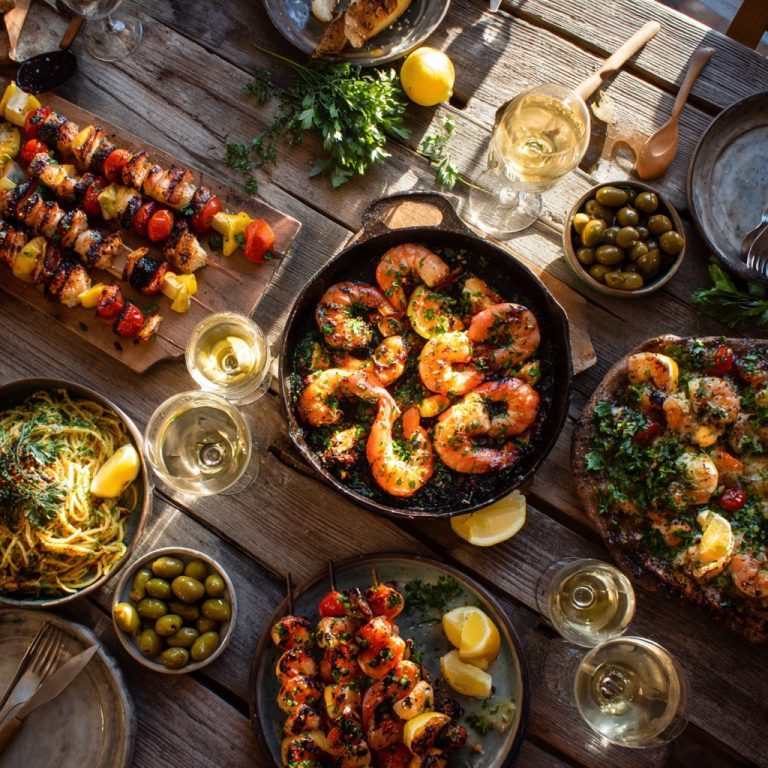
Mediterranean cuisine is basically summer on a plate. Light proteins, tons of vegetables, and flavors that don’t need heavy sauces or loads of cheese to taste good. When you’re working with quality ingredients—ripe tomatoes, fresh herbs, good olive oil—you don’t need much else.
Take something like a grilled lemon herb chicken with quinoa. Simple, fresh, and packed with protein to keep you full. Or try baked salmon with dill and garlic—it’s one of those meals that feels fancy but takes less time than waiting for pizza delivery. Get Full Recipe.
The beauty of Mediterranean-style eating is that it doesn’t feel like you’re on a diet. I swear by this ceramic baking dish for roasting fish and vegetables—nothing sticks, and cleanup is actually manageable.
Grilled Everything Season
Summer means grilling, and honestly, grilling makes everything taste better with minimal effort. Throw some vegetables on the grill alongside your protein, and you’ve got a complete meal without heating up your kitchen.
Try lemon garlic grilled chicken with couscous or whip up some Mediterranean chickpea skillet that you can partly prepare on the grill. The char adds so much flavor that you don’t need heavy marinades or sauces.
If you’re not already using a good grill basket for vegetables, you’re missing out. Game changer for keeping those smaller pieces from falling through the grates.
Protein-Packed Options That Don’t Weigh You Down
Protein is your friend when you’re trying to eat lighter. It keeps you full longer and helps prevent that 8 PM snack attack. But we’re not talking dry, overcooked chicken here.
Seafood shines in summer. Grilled salmon with tomato caper relish is one of those dishes that tastes like it came from a restaurant but takes about 20 minutes. The omega-3s are a bonus—good for your heart and your brain.
For variety, shrimp sautéed in garlic and olive oil with couscous is ridiculously quick. Shrimp cook in minutes, and if you’ve got a good non-stick skillet, you barely need any oil. Get Full Recipe.
Plant-Based Protein Heroes
Not every dinner needs meat. Some of the most satisfying summer meals I make are completely plant-based. Chickpeas, lentils, and beans are cheap, filling, and surprisingly versatile.
The Mediterranean chickpea wraps are a weekly staple in my kitchen. Toss chickpeas with olive oil and spices, roast until crispy, and wrap them up with fresh vegetables and whipped feta dip. So good.
Or try lentil sweet potato stew—yeah, I know, stew in summer sounds weird, but make it and serve it room temperature. Trust me on this one.
Speaking of chickpeas, I use this mini food processor constantly for making quick hummus and dips. Way better than store-bought and you control the ingredients.
Vegetable-Forward Dinners That Satisfy
Summer vegetables are the real stars. When produce is at its peak, you don’t need to do much to make it taste amazing. A little olive oil, some herbs, maybe a squeeze of lemon—that’s it.
Stuffed vegetables are clutch for summer dinners. Stuffed bell peppers with quinoa and veggies look impressive but are super straightforward. You can even prep them ahead and just pop them in the oven when you’re ready to eat.
Grilled eggplant with yogurt sauce is another favorite. Eggplant gets a bad rap, but grilled properly, it’s meaty and satisfying. The yogurt sauce adds creaminess without loading up on calories.
For more inspiration around vegetables, you might also love grilled veggie platter with hummus or this spaghetti squash with tomato basil sauce that’s basically guilt-free pasta.
Salads That Are Actually Meals
I used to think salads were boring until I realized I was making them wrong. A real salad has protein, healthy fats, something crunchy, and actual flavor.
The Greek salad (but like, actually good) is my go-to. Crisp vegetables, briny olives, tangy feta, and a simple olive oil dressing. Add some chickpeas or grilled chicken, and you’ve got a complete meal.
Another winner is tuna white bean salad. Protein from the tuna and beans, plus it’s one of those throw-together meals that somehow tastes better than the sum of its parts. Get Full Recipe.
If you’re making a lot of salads, invest in a good salad spinner. Wet lettuce is sad lettuce, and nobody wants a watered-down dressing.
One-Pan Wonders for Minimal Cleanup
Summer is not the time to be washing a million dishes. One-pan dinners are where it’s at—everything cooks together, flavors meld, and you’re not standing at the sink for 20 minutes afterward.
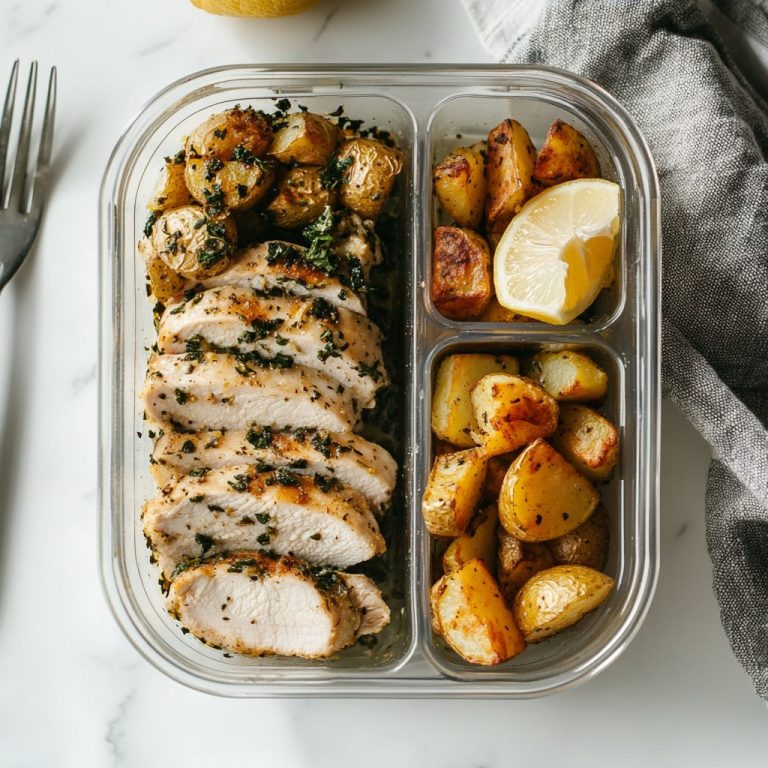
Lemon herb chicken with roasted potatoes is a classic for a reason. Everything goes on one sheet pan, into the oven, and you’re done. The chicken stays juicy, the potatoes get crispy, and your kitchen doesn’t turn into a sauna.
For something different, try one-pot Mediterranean pasta. Literally everything cooks in one pot—pasta, vegetables, seasonings. Minimal effort, maximum flavor. You’ll want a large enough pot or deep skillet to fit everything comfortably.
Skillet Dinners in 20 Minutes
When it’s too hot to think about cooking but you still want something decent, skillet dinners are your friend. Quick, easy, and surprisingly satisfying.
The stir-fried tofu with broccoli and brown rice comes together faster than ordering takeout. Plus, you’re not sitting around waiting for delivery.
Chicken zucchini skillet with herbs is another go-to. Thinly sliced chicken cooks in minutes, zucchini barely needs any time, and fresh herbs make everything taste like you actually know what you’re doing in the kitchen.
Make-Ahead Meals for Busy Weeknights
Real talk—some nights you’re just not going to feel like cooking. That’s where make-ahead meals save your life (and your diet).
Meal prepping doesn’t have to mean eating the same thing for five days straight. Make a big batch of Mediterranean grain bowl components on Sunday—cooked quinoa, roasted vegetables, grilled chicken—and mix and match throughout the week.
Lentil spinach soup actually tastes better the next day, so make a big pot and portion it out. It’s one of those meals that’s light enough for summer but still filling. Serve it with some whole grain bread, and you’re set.
For serious meal preppers, these glass meal prep containers are worth every penny. They don’t stain, they’re microwave-safe, and you can see what’s inside without opening them.
Wraps and Handheld Options
Sometimes you just want to eat dinner while sitting outside, and wraps are perfect for that. Plus, they’re customizable, which means everyone can make their own version.
Try falafel wraps with tzatziki—crispy falafel, cool tzatziki sauce, fresh vegetables, all wrapped up in a whole wheat tortilla. You can make the falafel ahead of time and just reheat when you’re ready.
For a Mediterranean twist, check out Mediterranean eggplant wraps or go simpler with cucumber hummus sandwiches. Light, refreshing, and actually filling.
Looking for more ideas? Here are some recipes that pair perfectly with these summer dinners:
More Quick Dinner Ideas: Mediterranean tuna stuffed peppers, veggie-packed black bean tacos
Light Meal Options: Cucumber avocado toast with za’atar, lemony orzo arugula salad
Flavor Without the Calories
The secret to low-calorie meals that don’t taste like punishment? Flavor. Lots of it. Fresh herbs, citrus, good quality olive oil, and spices are your best friends.
According to Mayo Clinic’s guidance on calorie management, you can create satisfying meals without excess calories by focusing on nutrient-dense ingredients and bold flavors.
Shakshuka with eggs in spicy tomato sauce is a perfect example. It’s essentially eggs poached in a spiced tomato sauce, but it tastes way more exciting than that description suggests. The spices do all the heavy lifting.
Or try shrimp saganaki with spicy tomato and feta. The feta melts into the sauce, the tomatoes provide acidity and sweetness, and the spice level is totally adjustable. Get Full Recipe.
I keep a well-stocked spice rack because honestly, that’s what makes the difference between “meh” and “wow” when you’re cooking light.
Fresh Herb Power
Fresh herbs are criminally underused. They add so much flavor for basically zero calories, and they make everything look prettier, which somehow makes food taste better too.
Basil, parsley, cilantro, dill—keep them on hand and throw them on everything. Whole wheat spaghetti with cherry tomatoes and basil is stupidly simple but tastes like summer in a bowl.
You can even grow herbs in pots on your windowsill or balcony. This indoor herb garden kit is idiot-proof—trust me, I’ve tried to kill it and failed.
Satisfying Your Cravings the Smart Way
Let’s talk about cravings, because pretending they don’t exist is a fast track to face-planting into a bag of chips at 10 PM.
Want something rich and creamy? Greek yogurt parfait or low-fat Greek yogurt parfait with oats and fruit hits that spot without the calorie bomb. Greek yogurt has way more protein than regular yogurt, so it actually keeps you satisfied.
Craving carbs? Whole wheat spaghetti with spinach pesto gives you that pasta fix without the food coma. The spinach adds nutrients and makes you feel slightly virtuous, even though you’re eating pasta.
If you want something that feels indulgent but isn’t, try Mediterranean flatbread (aka cheat day-ish). It’s got all the satisfaction of pizza without making you want to nap immediately after.
Smart Swaps That Actually Work
Some food swaps are BS, but some genuinely work without making you feel deprived. It’s all about finding the ones that work for you.
Spiralized vegetables instead of pasta? Zucchini noodle pasta salad is actually good, especially in summer when zucchini is everywhere and cheap. You’ll need a spiralizer, but they’re like ten bucks and surprisingly fun to use.
Cauliflower rice instead of regular rice works well in dishes where the sauce has a lot of flavor. Roasted cauliflower shawarma bowl proves this point—you don’t even miss the regular rice.
But here’s the thing—if a swap makes you miserable, don’t do it. Life’s too short to eat food you hate in the name of saving 50 calories.
Balancing Nutrition and Enjoyment
This is where most diet advice falls apart. You can’t sustain eating food you don’t enjoy, no matter how “healthy” it is. The goal is finding that sweet spot where nutritious and delicious overlap.
Take something like three-bean chili. It’s packed with fiber and protein, super filling, and actually tastes good. Make a big batch, and you’ve got lunches for days. Plus, chili gets better as it sits, so future you will appreciate the effort.
Chickpea cauliflower coconut curry is another winner. The coconut milk makes it creamy and satisfying, but it’s still relatively light. Serve it over a small portion of rice or with some naan, and you’ve got a meal that feels like a treat.
Portion Control Without Feeling Restricted
Portion control sounds terrible, like something your aunt who’s always on a diet would talk about. But it doesn’t have to be about deprivation—it’s more about balance.
Using smaller plates actually works (I know, I was skeptical too). Your brain sees a full plate and feels satisfied, even if the actual amount is less. Also, eat slowly. I’m bad at this one, but when I remember to actually chew my food instead of inhaling it, I feel full on less.
Meals like Mediterranean lentil salad or quinoa tabbouleh with hummus and pita are naturally portion-friendly because they’re so filling. The fiber and protein combo keeps you satisfied for hours.
For more protein-packed options that keep you full, check out these 25 high-protein low-calorie meals under 500 calories or explore 21 high-protein Mediterranean meals under 400 calories.
Building Your Summer Meal Rotation
The key to actually sticking with lighter eating in summer is having a rotation of go-to meals. You don’t need 50 recipes—you need maybe 10-15 solid options that you can rotate through and customize.
Start with a few reliable proteins—grilled chicken, salmon, shrimp, chickpeas. Then rotate your vegetables based on what looks good at the store. Add different seasonings and sauces, and suddenly you’ve got variety without needing a new recipe every night.
Grilled chicken with quinoa one night, salmon with herbed quinoa and green beans another night. Same protein prep method, different sides and seasonings, completely different meal.
If you’re looking for a more structured approach, consider following a 7-day Mediterranean meal plan or this 14-day Mediterranean meal plan for beginners to get into a rhythm.
Mix and Match Components
This is honestly the smartest way to meal prep without getting bored. Cook components separately, then mix and match throughout the week.
Make a batch of quinoa, roast a bunch of vegetables, grill some chicken, make a couple of different sauces. Then assemble different combinations each night. Monday might be quinoa bowl with roasted vegetables and grilled chicken. Wednesday could be the same chicken in a wrap with fresh vegetables and hummus.
Check out Mediterranean grain bowls, Mediterranean chickpea bowls, or tomato feta farro bowls for inspiration on how to build these modular meals.
Stock up on good quality storage containers in different sizes so you can keep your prepped components fresh and organized.
Real Talk About Sustainability
Here’s what nobody tells you about eating lighter—it only works if you can actually sustain it. Crash diets and extreme restriction might work for a week, but then you’re back to square one.
The meals I’ve mentioned aren’t temporary diet food. They’re just good food that happens to be lower in calories. You could eat them all summer without feeling like you’re suffering, and that’s the point.
Sometimes you’re going to want a burger and fries, and that’s fine. One meal doesn’t derail anything. The next day, get back to meals like grilled portobello mushroom steaks or baked cod with tomato olive tapenade, and you’re good.
Life’s about balance, not perfection. Anyone who tells you otherwise is probably miserable or selling something.
Frequently Asked Questions
What makes a dinner “low-calorie” but still filling?
A filling low-calorie dinner typically combines three key elements: high protein content (which promotes satiety), plenty of fiber from vegetables and whole grains (which slows digestion), and adequate healthy fats (which trigger fullness signals). Meals under 500 calories that include these components will keep you satisfied for 3-4 hours without feeling deprived. The trick is avoiding empty calories from refined carbs and focusing on nutrient-dense ingredients.
Can I really lose weight eating Mediterranean-style dinners?
Absolutely. Mediterranean eating naturally creates a calorie deficit while providing excellent nutrition because it emphasizes vegetables, lean proteins, and healthy fats over processed foods. Studies show that people following this eating pattern tend to feel more satisfied on fewer calories, making it easier to stick with long-term. Plus, the variety keeps things interesting—you’re not stuck eating the same boring meals every night.
How do I meal prep without getting bored?
The secret is prepping components, not complete meals. Cook a few proteins, roast a variety of vegetables, prepare some grains, and make 2-3 different sauces or dressings. Then mix and match throughout the week—same ingredients, different combinations. This way you’re not eating identical meals five days in a row, but you’re still saving time and effort.
What if I’m vegetarian—are these recipes adaptable?
Most of these recipes either are vegetarian or can easily be modified. Swap the protein—use chickpeas, lentils, tofu, or tempeh instead of meat or fish. The flavor profiles and cooking methods stay the same. Many Mediterranean dishes are naturally vegetarian-friendly since vegetables play such a central role.
Do I need special equipment or expensive ingredients?
Nope. A basic skillet, sheet pan, and baking dish will handle most of these recipes. As for ingredients, summer produce is typically cheap when it’s in season, and basics like olive oil, lemon, and herbs go a long way. You don’t need fancy gadgets or expensive specialty items to make delicious, healthy summer dinners.
Making It Work for You
Look, I’m not going to pretend that eating lighter is always easy or that every meal will be Instagram-worthy. Some nights you’ll throw together whatever’s in the fridge, and that’s fine.
The goal isn’t perfection—it’s finding a way of eating that makes you feel good, keeps you energized, and doesn’t require a culinary degree to pull off. These 25 low-calorie summer dinners are a starting point. Take what works, skip what doesn’t, and customize based on your preferences.
Summer’s short. Enjoy it. Eat good food that makes you feel good, spend time outside, move your body because it feels nice, not because you’re punishing yourself. That’s the real secret to sustainable healthy eating—finding joy in it, not treating it like a chore.
Whether you’re grilling veggie halloumi skewers for a crowd or throwing together a quick spinach chickpea sauté with egg for yourself, these meals prove that eating well doesn’t have to be complicated or boring. It just has to taste good.
Now go make something delicious.