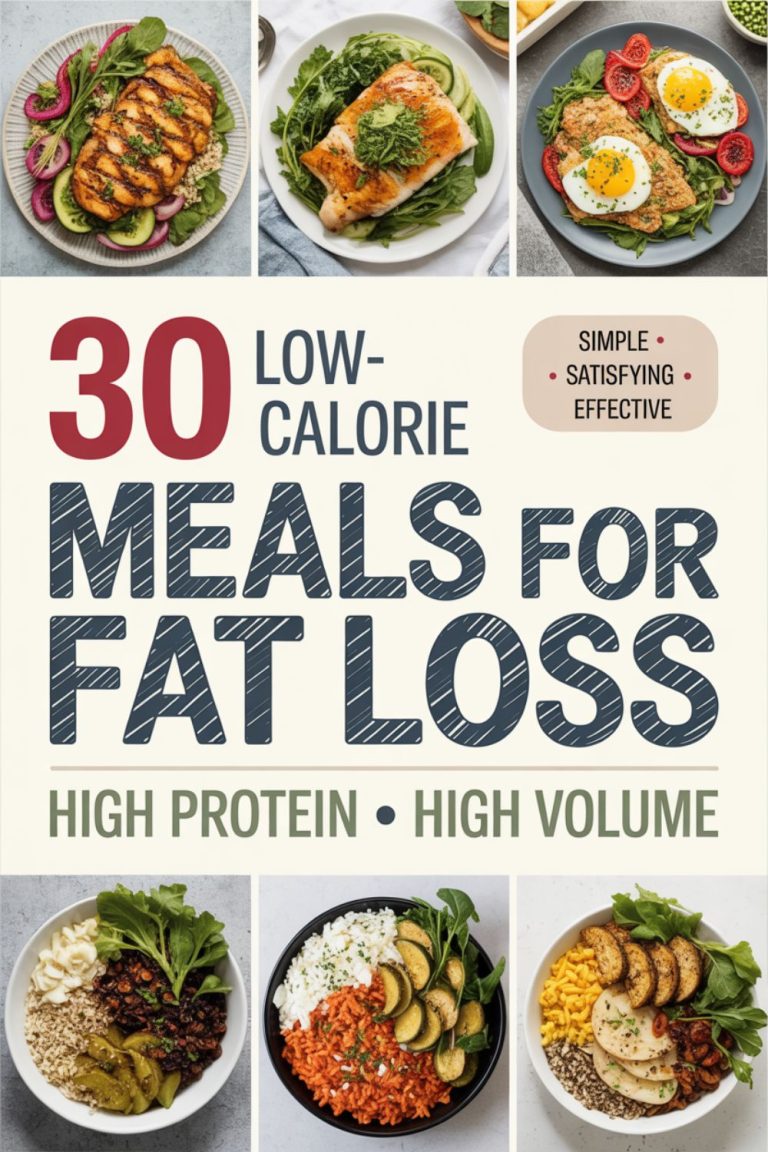

30 Low-Calorie Chicken Dinners That Actually Taste Like Real Food
Look, I’ve been down the low-calorie rabbit hole more times than I care to admit. You know the drill—tasteless chicken breast, sad steamed broccoli, and a side of regret. But here’s the thing: eating lighter doesn’t mean eating boring. After years of experimenting in my own kitchen and honestly getting pretty fed up with the whole “diet food” vibe, I’ve figured out that chicken can be your best friend when you’re trying to keep calories in check without sacrificing flavor.

Chicken is basically the MVP of lean protein. A standard 3.5-ounce serving of chicken breast delivers 31 grams of protein while keeping calories surprisingly low. That’s the kind of math I can get behind. And before you start thinking this is just another preachy article about grilled chicken and salad, let me stop you right there. We’re talking real dinners—the kind you’d actually want to eat on a Tuesday night when you’re exhausted and hangry.
Why Chicken Works So Well for Low-Calorie Goals
Here’s something most people don’t realize: chicken isn’t just about protein. Sure, that’s the main attraction, but chicken also provides essential B vitamins, selenium, and phosphorus, all while being naturally low in fat (especially if you ditch the skin). What really makes chicken brilliant for weight management is that protein factor. Studies show that getting 25-30 grams of protein per meal helps you feel fuller longer, which means you’re less likely to raid the pantry at 9 PM.
The beauty of chicken is its chameleon-like quality. You can pair it with Mediterranean flavors, toss it in Asian-inspired stir-fries, or go full comfort food with the right seasonings. Unlike some other proteins that can get pricey or require special prep, chicken is affordable and forgiving—which matters when you’re trying to eat well consistently, not just when you’re feeling motivated.
The Smart Way to Cook Low-Calorie Chicken
Cooking method matters more than you’d think. Frying adds unnecessary calories and fat, but grilling, baking, and steaming preserve nutrients while keeping the calorie count in check. I’m partial to roasting because it’s hands-off and creates this beautiful caramelization without needing a ton of added fat.
One trick I’ve learned: marinating chicken beforehand makes a massive difference. You don’t need oil-heavy marinades—lemon juice, herbs, garlic, and a splash of vinegar work wonders. The acid tenderizes the meat while infusing flavor, and you’re not adding significant calories. I use this glass marinade container that has a lid with a vacuum seal, so the flavors really penetrate the meat in less time.
Speaking of lemon-garlic combinations, that’s one of my go-to flavor profiles when I want something that feels fresh and satisfying. There’s also lemon-herb chicken with roasted potatoes if you need something a bit heartier that still keeps things reasonable calorie-wise.
Chicken Dinners That Keep You Full Without the Calorie Bomb
Mediterranean-Inspired Options
Mediterranean cooking is basically a masterclass in making food taste incredible without drowning it in heavy sauces. The combination of olive oil (used sparingly), fresh herbs, lemon, and tomatoes creates layers of flavor that make you forget you’re eating “light.” Plus, the whole approach centers around vegetables, whole grains, and lean proteins—which is exactly what you want when you’re being mindful about calories.
Try something like grilled chicken with herbed quinoa—quinoa adds that satisfying, slightly nutty texture and keeps you full thanks to its fiber and protein content. Or go with a Mediterranean chickpea bowl that combines chicken with roasted veggies and a lemony tahini drizzle. Get Full Recipe.
For more inspiration, check out these high-protein Mediterranean meals under 400 calories or explore Mediterranean lunchbox recipes that work just as well for dinner when you’re short on time.
Asian-Fusion Flavors
Asian cuisine knows what’s up when it comes to big flavors with minimal calories. Ginger, garlic, soy sauce, and rice vinegar create this umami-rich base that makes chicken sing. The key is using just enough sauce to coat the chicken without turning it into a calorie landmine.
I’m obsessed with stir-fries because they’re ridiculously versatile. You can throw in whatever vegetables you have lurking in the crisper drawer—bell peppers, snap peas, broccoli, carrots—and suddenly you have a complete meal. My carbon steel wok gets used at least twice a week because it heats evenly and you need way less oil than a regular pan.
Something like stir-fried vegetables with brown rice (swap the tofu for chicken) hits that takeout craving without the guilt. Or try a broccoli cashew stir-fry with thinly sliced chicken breast. The cashews add richness and crunch, so you don’t even miss the heavy sauces.
Comfort Food That Won’t Wreck Your Goals
Let’s be real—sometimes you just want comfort food. The good news is that chicken adapts beautifully to those cravings. Think baked chicken with roasted vegetables, stuffed peppers, or even a lighter take on chicken enchiladas.
Stuffed bell peppers are underrated, IMO. You can pack them with a mixture of ground chicken (or finely diced chicken breast), quinoa, tomatoes, and spices. These stuffed peppers are basically a complete meal in edible bowl form. I use this muffin tin to keep the peppers upright while they bake—total game-changer for preventing wobbly peppers and sauce spills.
Or consider shakshuka with added chicken—it’s eggs poached in spicy tomato sauce, and when you throw in some cooked chicken chunks, it becomes this hearty, warming dinner that feels way more indulgent than it actually is. Get Full Recipe.
Volume Eating: Your Secret Weapon
Ever heard of volume eating? It’s basically the art of eating large portions of food that aren’t calorie-dense. Vegetables are your best friends here. When you load up your plate with roasted cauliflower, zucchini noodles, or a massive salad alongside your chicken, your brain registers that you’re eating a full meal—not some sad, tiny portion.
I spiralize everything these days. Zucchini, carrots, sweet potatoes—they all turn into noodle-like shapes that bulk up a dish without packing in calories. My handheld spiralizer lives in my utensil drawer because I use it constantly. Pair those veggie noodles with spaghetti squash and some grilled chicken, and you’ve got a pasta-ish dinner that won’t leave you feeling stuffed and sluggish.
For more volume-focused ideas, check out these low-calorie, high-volume meals that keep portions generous while staying light.
Meal Prep Makes Everything Easier
Here’s where I’m going to sound like every fitness influencer ever, but meal prep really does change the game. When you’re tired and hungry, you’re not making rational decisions. But if you’ve got pre-cooked chicken and chopped vegetables in the fridge, dinner becomes almost embarrassingly easy.
Sunday afternoons, I’ll roast a big batch of chicken thighs (yes, thighs—they stay juicier than breasts when reheated) and prep a variety of vegetables. Then during the week, I can throw together different combinations depending on what I’m craving. Mediterranean one night, Asian-inspired the next, maybe tacos on Wednesday.
Grab some inspiration from these high-protein meal prep ideas or dive into a structured 7-day Mediterranean meal plan if you need more structure and guidance.
Don’t Sleep on Dark Meat
Everyone obsesses over chicken breast because it’s lean, but chicken thighs deserve some love too. Yes, they have slightly more fat and calories, but they’re also more flavorful and stay moist when cooked. If you’re eating a reasonable portion and balancing your plate with plenty of vegetables, the extra 50-ish calories are worth it for the taste upgrade.
Dark meat also contains more iron and B vitamins compared to white meat. So if you’re someone who struggles with the texture of dry chicken breast (raises hand), switching to thighs might actually help you stick with healthier eating because the food tastes better. Crazy concept, right?
Spice Blends Are Your Best Friend
If your chicken tastes boring, it’s not the chicken’s fault—it’s your spice cabinet. A good spice blend can transform bland protein into something you actually look forward to eating. I keep a rotation of favorites: za’atar for Mediterranean vibes, garam masala for Indian-inspired dishes, and a homemade taco seasoning that’s way better than the store-bought packets.
My magnetic spice rack sticks to the side of my fridge and keeps everything visible and accessible. No more buying duplicate spices because you forgot you already had cumin buried in the back of the cabinet.
Try lemon-oregano grilled chicken for a classic Mediterranean approach, or go bold with something like spiced kofta (easily adapted with chicken). The yogurt sauce adds creaminess without heavy calories, and the spices create so much flavor complexity.
One-Pan Wonders for Lazy Nights
Some nights, the thought of dirtying multiple pots and pans makes me want to order takeout. That’s when sheet pan dinners become absolute lifesavers. Toss chicken pieces with vegetables, drizzle with a bit of olive oil, season everything generously, and let the oven do the work.
The key is cutting everything into similar-sized pieces so they cook evenly. I usually go with chicken thighs, Brussels sprouts, bell peppers, and red onion. Sometimes I’ll add chickpeas for extra protein and texture. Everything caramelizes together, and cleanup is just one pan. My rimmed baking sheet set with silicone mats gets used constantly—no sticking, no scrubbing, just easy cleanup.
Need more one-pan inspiration? Check out these easy Mediterranean one-pan dinners or browse through high-protein one-pan meals for variety.
Soups and Stews That Actually Fill You Up
Don’t underestimate the power of a good soup. When you’re trying to keep calories in check, soups are brilliant because they’re high-volume, nutrient-dense, and genuinely satisfying. Plus, you can make a huge batch and eat off it for days.
A chicken and vegetable soup with loads of herbs and maybe some lentils or beans gives you protein, fiber, and all those good micronutrients. I prefer this Dutch oven for soups because it distributes heat evenly and goes from stovetop to oven if needed. The heavy lid traps moisture, which creates richer flavors.
Try something like lentil spinach soup with added shredded chicken, or make a high-protein soup under 350 calories that keeps you satisfied without weighing you down. Get Full Recipe.
Looking for more soup ideas? These Mediterranean soups under 300 calories are perfect when you want something warm and comforting that won’t bust your calorie budget.
Reader Win: How Sarah Made It Work
Sarah from our community tried rotating through different chicken dinner styles throughout the week—Mediterranean Monday, Stir-Fry Wednesday, Soup Friday—and found that the variety kept her from getting bored. She lost 15 pounds over three months without feeling like she was “on a diet.” Her biggest tip? Batch-cook different sauces and dressings on Sunday so weeknight dinners felt fresh and exciting even when using the same base protein.
Wraps, Bowls, and Deconstructed Everything
Sometimes traditional plated meals feel too structured. That’s when I lean into bowls and wraps—they’re customizable, portable, and somehow feel more fun to eat. A chicken bowl with quinoa, roasted vegetables, a handful of greens, and a drizzle of tahini dressing is basically a complete meal that you can eat with a fork or scoop up with whole wheat pita.
Lettuce wraps are another favorite for when you want something light but satisfying. Load them up with seasoned chicken, crunchy vegetables, fresh herbs, and a squeeze of lime. They’re basically deconstructed tacos without the tortilla calories. I use butter lettuce or romaine for wrapping—both are sturdy enough to hold fillings without falling apart.
Check out these Mediterranean chickpea wraps (easily modified with chicken) or try a falafel wrap with tzatziki as inspiration for flavor combinations that work beautifully with chicken.
The Truth About Sauces and Dressings
Here’s where people usually mess up: they eat perfectly healthy chicken and vegetables, then drown everything in calorie-dense dressing. A few tablespoons of ranch or Caesar can add 200+ calories without adding much nutritional value.
Instead, make your own lighter versions. Greek yogurt-based dressings, lemon-tahini sauce, balsamic reductions, or simple vinaigrettes all add tons of flavor without the calorie bomb. My go-to formula is three parts acid (lemon juice or vinegar) to one part oil, plus herbs, garlic, and a tiny bit of honey or Dijon mustard for balance.
I store homemade dressings in these small glass bottles with pour spouts—they make portion control way easier because you can see exactly how much you’re using, and they look cute on the table, which honestly makes eating at home feel more special.
Quick Fixes for Common Chicken Mistakes
Dry chicken is the number one complaint I hear, and it’s usually because people overcook it. Chicken breast is done at 165°F internal temperature—use an instant-read thermometer and stop guessing. This one tool has saved me from countless rubbery chicken disasters.
Another common issue: not letting meat rest after cooking. Give your chicken 5 minutes before slicing, and those juices redistribute instead of running all over your cutting board. It’s a small thing that makes a noticeable difference in texture and moisture.
If you’re struggling with bland flavors, try brining your chicken for 30 minutes before cooking. Just salt water with maybe some herbs and garlic—it seasons the meat from the inside out and keeps it juicy. This works especially well for bone-in chicken pieces.
What About Rotisserie Chicken?
Look, I’m all for shortcuts. Rotisserie chicken from the grocery store is already cooked, usually seasoned pretty well, and honestly? It’s a lifesaver on busy nights. Just remove the skin (where most of the fat and calories hide), and you’ve got ready-to-eat protein that works in salads, wraps, soups, or grain bowls.
The only downside is sodium—store-bought rotisserie chickens tend to be pretty salty. If you’re watching sodium intake, you might want to cook your own. But for occasional convenience, it’s perfectly fine and way better than hitting a drive-through or ordering delivery.
Building Balanced Plates Without Overthinking
Here’s my simple formula: half your plate should be vegetables (preferably non-starchy ones like leafy greens, broccoli, cauliflower, peppers). A quarter is your protein (chicken, obviously). The remaining quarter is your complex carbohydrate—quinoa, sweet potato, whole grain bread, or brown rice.
This ratio naturally keeps calories in check while ensuring you’re getting enough nutrients to feel satisfied. You don’t need to weigh and measure everything obsessively—just eyeball these rough proportions and you’ll be in good shape.
For more balanced meal ideas, explore these high-protein, low-calorie meals under 500 calories or check out calorie deficit meals that keep you full and satisfied.
The Mental Game of Low-Calorie Eating
Here’s something nobody talks about enough: the psychological aspect of eating lighter. It’s not just about willpower—it’s about setting yourself up for success. That means keeping your kitchen stocked with the right ingredients, having backup plans for when you’re too tired to cook, and honestly, being kind to yourself when things don’t go perfectly.
I keep frozen vegetables and pre-cooked grains in my freezer for emergency situations. Sometimes dinner is just rotisserie chicken with microwaved vegetables and instant brown rice, and you know what? That’s completely fine. Perfect is the enemy of good, especially when it comes to sustainable healthy eating.
Frequently Asked Questions
How many calories should a low-calorie chicken dinner have?
Most low-calorie chicken dinners fall between 300-500 calories per serving, depending on your specific goals. The key is balancing lean protein with plenty of vegetables and a moderate portion of complex carbohydrates. Everyone’s calorie needs differ based on activity level, body size, and goals, so focus more on the quality of ingredients and portion balance rather than hitting an exact number.
Can I meal prep chicken for the whole week?
Absolutely, but there’s a catch. Cooked chicken stays safe in the fridge for 3-4 days, so if you’re prepping for a full week, consider freezing half your portions and moving them to the fridge midweek. Chicken thighs tend to reheat better than breasts because they have slightly more fat, which keeps them from drying out.
Is chicken breast or chicken thigh better for weight loss?
Chicken breast is lower in calories and fat, making it the typical go-to for weight loss. However, chicken thighs are more flavorful and forgiving to cook, which might help you stick with healthy eating long-term. The difference is about 50 calories per 3-ounce serving, so if you prefer thighs and will actually eat them consistently, that slight calorie difference is worth it.
What’s the best way to add flavor without adding calories?
Herbs, spices, vinegars, and citrus are your best friends. They add tons of flavor with essentially zero calories. Marinades made with lemon juice, garlic, fresh herbs, and just a touch of olive oil infuse chicken with flavor without the calorie load of creamy sauces. Also, don’t underestimate the power of properly browning your chicken—that caramelization creates deep, savory flavors naturally.
Can I still eat chicken if I’m trying to reduce sodium?
Yes, just avoid pre-seasoned chicken products and rotisserie chickens, which are typically high in sodium. When you cook plain chicken yourself and season it with herbs, spices, and citrus instead of salt, you have complete control over sodium content. Using flavor builders like garlic, onion, fresh ginger, and pepper-based spice blends creates delicious chicken without relying on salt.
Making It Work for Real Life
At the end of the day, the best low-calorie chicken dinner is the one you’ll actually make and enjoy eating. There’s no point in forcing yourself to eat steamed chicken and plain vegetables every night if it makes you miserable. Find flavors you genuinely like, experiment with different cooking methods, and remember that consistency beats perfection every single time.
Some weeks you’ll meal prep like a champion. Other weeks you’ll throw together whatever’s in the fridge at 8 PM. Both are fine. The goal isn’t to be perfect—it’s to make more choices that support your health than ones that don’t. And with chicken being as versatile, affordable, and protein-packed as it is, you’ve got endless options for creating meals that actually taste good while keeping calories reasonable.
Start with one or two recipes that sound genuinely appealing to you. Master those, then branch out. Before you know it, you’ll have a rotation of go-to low-calorie chicken dinners that feel effortless because you’ve made them enough times to do it on autopilot. That’s when healthy eating stops feeling like work and just becomes… how you eat.
And hey, if you mess up a batch of chicken or dinner doesn’t turn out exactly how you hoped? There’s always tomorrow. One overcooked chicken breast isn’t going to derail anything. The beauty of cooking at home is you get infinite chances to try again, adjust, and figure out what works for you.