21 Low-Calorie Meals for Busy People
Look, I get it. You’re juggling work deadlines, personal commitments, maybe some semblance of a social life, and somewhere in there you’re supposed to feed yourself actual nutritious food. The last thing you need is another food blogger telling you to spiralize your vegetables or meal-prep like you’ve got a Michelin-starred kitchen at your disposal.
Here’s the truth: low-calorie eating doesn’t mean you’re signing up for bland chicken and sad steamed broccoli. It means understanding that you can eat satisfying, flavor-packed meals that just happen to work with your goals instead of against them. I’ve spent enough time in the kitchen—and enough rushed evenings staring into my fridge wondering what the hell to make—to know what actually works when time is tight and hunger is real.

These 21 meals aren’t about deprivation. They’re about eating smart when you’ve got approximately 20 minutes to pull dinner together and zero patience for complicated recipes. Whether you’re trying to drop a few pounds or just want to feel less sluggish after lunch, these recipes have your back.
Why Low-Calorie Doesn’t Mean Low Satisfaction
Before we jump into the recipes, let’s clear something up. When most people hear “low-calorie,” they picture tiny portions and rumbling stomachs an hour later. That’s because they’re doing it wrong.
Research shows that foods rich in nutrients but lower in calories—think vegetables, lean proteins, and whole grains—actually keep you fuller longer than their calorie-dense counterparts. The magic word here is “nutrient-dense.” You’re getting more vitamins, minerals, fiber, and protein per bite without the extra calories that come from added sugars and unhealthy fats.
Your body doesn’t just count calories; it responds to volume and nutrition. A massive salad loaded with veggies, grilled chicken, and a light vinaigrette will keep you satisfied way longer than a small burger, even if they clock in at similar calorie counts. It’s basic biology—fiber and protein take longer to digest, keeping your blood sugar stable and your hunger at bay.
According to Mayo Clinic, choosing foods with lower calorie density—meaning fewer calories per gram—helps you feel full on fewer calories. That’s why a huge bowl of veggie-packed soup can be more satisfying than a small handful of chips.
The Breakfast Game-Changers
1. Greek Yogurt Bowl with Berries and Honey
This is my default when I’ve hit snooze three times and still need something substantial. Greek yogurt packs serious protein—we’re talking around 15-20 grams per cup—while the berries add natural sweetness and a ton of antioxidants. Get Full Recipe.
I use this glass yogurt bowl because somehow eating from nice dishes makes breakfast feel less like a chore. Drizzle with honey, toss in some berries, and you’re out the door in under 5 minutes.
2. Savory Mediterranean Scramble
Eggs are criminally underrated for busy mornings. This Mediterranean scramble takes maybe 10 minutes and gives you a protein-packed start without the carb crash that comes from toast or pastries.
I scramble mine in this non-stick skillet—zero sticking, zero scrubbing later. Add spinach, tomatoes, a bit of feta, and you’ve got a breakfast that actually tastes like you tried.
3. Overnight Oats (Because Who Has Time in the Morning?)
Real talk: overnight oats changed my mornings. You literally dump ingredients in a jar the night before, stick it in the fridge, and grab it on your way out. The oatmeal with dried figs and walnuts version is my current obsession.
For more morning inspiration, check out these high-protein breakfast recipes or the Mediterranean smoothie bowl if you’re into drinkable breakfast situations.
Lunch Solutions That Don’t Require a Miracle
4. Tuna and White Bean Salad
This is what I make when my fridge looks sad but I still need something filling. Canned tuna, canned beans, some lemon juice, olive oil, done. The tuna white bean salad clocks in under 300 calories but keeps you full through afternoon meetings.
I keep these glass meal prep containers stocked with this salad. Make a big batch Sunday, portion it out, and you’ve got lunch sorted for half the week.
5. Lentil Soup with Crusty Bread
Soup gets a bad rap as “not a real meal,” but whoever said that clearly never had proper lentil soup. Lentils are packed with protein and fiber—around 18 grams of protein and 15 grams of fiber per cup.
I make mine in this Dutch oven and it lasts for days. Pair it with a small piece of whole grain bread and you’ve got a lunch that costs maybe two bucks and feels like you actually care about yourself.
6. Mediterranean Grain Bowl
Bowl meals are clutch for busy people because you can customize them based on what’s in your fridge. This Mediterranean grain bowl uses quinoa or farro as a base, topped with roasted veggies, chickpeas, and a lemony tahini drizzle.
Speaking of grain bowls, the Moroccan spiced quinoa bowl and Mediterranean chickpea bowl are also solid options when you want something different but equally easy.
7. Cucumber Hummus Sandwich
Yes, a sandwich can be low-calorie if you’re not piling on mayo and cheese like you’re building a tower. The cucumber hummus sandwich is refreshing, crunchy, and surprisingly filling thanks to the fiber in the whole grain bread and protein in the hummus.
Dinner Recipes That Won’t Destroy Your Evening
8. Grilled Salmon with Tomato Caper Relish
Salmon might seem fancy, but it’s actually one of the fastest proteins to cook. This grilled salmon with tomato caper relish takes about 15 minutes total. Get Full Recipe.
I cook mine on this fish spatula because regular spatulas always break the fillet and I end up with salmon confetti. The omega-3s in salmon are great for brain function, and honestly, we all need the help after a long day.
9. Lemon Herb Chicken with Roasted Potatoes
Chicken and potatoes might sound boring, but the lemon herb chicken with roasted potatoes version is anything but. The key is proper seasoning—lemon zest, fresh herbs, garlic, and a good hit of black pepper.
Roast everything on this sheet pan and you’ve got a complete meal with minimal cleanup. I’m all about that one-pan life when it’s 7 PM and I still have emails to answer.
10. Stuffed Bell Peppers with Quinoa and Veggies
These stuffed bell peppers look impressive but are stupid easy. Cut the tops off peppers, stuff them with a quinoa-veggie mixture, bake. That’s it. You’re not on MasterChef; you’re just trying to eat well on a Tuesday.
11. Shrimp Sautéed in Garlic Olive Oil with Couscous
Shrimp cooks in literally 3-4 minutes, making it perfect for those nights when you’re running on fumes. The shrimp with couscous combo is light but satisfying, and couscous cooks in 5 minutes flat.
If you’re into quick seafood dinners, the baked cod with tomato olive tapenade is another winner that doesn’t require you to be a professional chef.
The Weeknight Warriors
12. Whole Wheat Spaghetti with Cherry Tomatoes and Basil
Pasta doesn’t have to be a calorie bomb. This whole wheat spaghetti uses fresh tomatoes instead of heavy cream sauce, and honestly, it tastes better. The basil adds that fresh, summery vibe even in winter.
13. Mediterranean Chickpea Skillet
One-pan meals are my love language. The Mediterranean chickpea skillet has everything you need—protein from chickpeas, veggies, and tons of Mediterranean spices that make your kitchen smell amazing. Get Full Recipe.
14. Grilled Veggie Platter with Hummus
Sometimes dinner can just be a really good snack plate, and that’s fine. The grilled veggie platter with hummus is one of those meals that feels light but leaves you satisfied.
I grill my veggies using this grill basket so they don’t fall through the grates and turn into charcoal. Pair with store-bought hummus (or homemade if you’re feeling ambitious) and call it dinner.
15. Shakshuka
Eggs for dinner is severely underrated. Shakshuka is this North African dish where you poach eggs in a spicy tomato sauce, and it’s ridiculously good. Plus, you can make it in one skillet, which means less cleanup.
For more egg-based dinner ideas, the eggs with avocado and sautéed veggies is another quick option that works any time of day.
The Vegetarian Wins
16. Lentil Spinach Soup
Vegetarian doesn’t mean boring, and this lentil spinach soup proves it. Lentils are stupid cheap, packed with protein, and keep you full for hours. Add spinach for iron and you’ve got a nutritional powerhouse.
17. Mediterranean Flatbread
The Mediterranean flatbread is what I make when I want something that feels indulgent but isn’t going to wreck my progress. Use whole wheat flatbread, top with veggies and a bit of feta, and bake until crispy.
18. Spaghetti Squash with Tomato Basil Sauce
If you haven’t tried spaghetti squash as a pasta substitute, you’re missing out. The spaghetti squash with tomato basil sauce has that pasta texture without the carb overload. Just roast the squash, scrape out the strands, and top with your favorite sauce.
I use this melon baller to scoop out the seeds—makes the job weirdly satisfying and less messy than using a spoon.
The Protein-Packed Options
19. Grilled Chicken Shawarma Salad
Salads don’t have to be sad, and this grilled chicken shawarma salad definitely isn’t. The spice blend on the chicken gives it that restaurant-quality flavor, and the yogurt-based dressing keeps it light.
Looking for more protein-packed meals? Check out these high-protein chicken recipes for meal prep or these high-protein low-calorie meals under 500 calories—all solid options when you need to hit your protein goals without the extra calories.
20. Baked Falafel
Traditional falafel is deep-fried, which adds a ton of calories. This baked falafel version gives you all the flavor with way less oil. Pair it with tzatziki and some pita, and you’ve got a filling meal.
I bake mine on this silicone baking mat—zero sticking, zero scrubbing, maximum laziness in the best way possible.
21. Turkey Lettuce Wraps
These turkey lettuce wraps are my go-to when I want something fresh and crunchy. Ground turkey is leaner than beef, and using lettuce instead of tortillas cuts the calories significantly. Plus, they’re fun to eat, which sounds dumb but actually matters when you’re trying to enjoy your food.
Making It Work in Real Life
Here’s the thing about low-calorie eating—it only works if you can actually stick with it. That means the food has to taste good, the recipes can’t require a culinary degree, and you need to be able to make adjustments based on what’s in your fridge.
I keep my pantry stocked with basics: canned beans, canned tomatoes, quinoa, whole wheat pasta, olive oil, and a solid spice collection. With those staples, you can throw together most of these meals without a special grocery trip. FYI, I also keep frozen vegetables on hand because they’re just as nutritious as fresh and they don’t go bad when you forget about them for a week.
According to Healthline, incorporating filling, low-calorie foods like oats, Greek yogurt, and soups can help control appetite and reduce overall calorie intake. The key is choosing foods that provide volume and nutrients without packing in excessive calories.
Batch cooking is your friend here. Make a big pot of soup or a double batch of grain bowls and you’ve got lunch for days. I use these airtight containers to keep everything fresh, and honestly, they’ve paid for themselves just in saved takeout money.
The Real Talk About Portion Sizes
Nobody wants to hear this, but portion sizes matter. You can eat the healthiest food on the planet, but if you’re eating three servings at once, you’re not going to see results. That said, portion control doesn’t mean starving yourself.
I use this digital kitchen scale not because I’m obsessive, but because eyeballing portions is how I end up eating twice as much as I think I am. Weighing food for a week or two trains your eye to recognize proper portions, and then you don’t need to do it forever.
The beauty of these low-calorie meals is that they’re designed to be filling. The fiber from vegetables and whole grains, plus the protein from lean meats or legumes, keeps you satisfied. You’re not white-knuckling it through hunger between meals.
When Life Gets in the Way
Let’s be real—some weeks are just disasters. You’ll have back-to-back meetings, unexpected deadlines, or just days where cooking feels impossible. That’s fine. The goal isn’t perfection; it’s consistency over time.
Keep some frozen meals in your freezer for emergencies. IMO, a store-bought healthy frozen meal is way better than ordering pizza because you’re too tired to think. I also keep hard-boiled eggs, pre-cut veggies, and hummus in my fridge for those nights when “cooking” means assembling ingredients on a plate.
If you’re looking for more quick options, these quick Mediterranean meal prep ideas and easy one-pan Mediterranean dinners are lifesavers on busy weeks.
Frequently Asked Questions
Are low-calorie meals actually filling enough to prevent hunger?
Absolutely, if you’re choosing the right foods. Meals high in protein, fiber, and water content keep you satisfied longer. Think Greek yogurt, lentil soups, and veggie-packed grain bowls. The key is focusing on nutrient-dense foods that provide volume and nutrition without excessive calories. When you load up on vegetables, lean proteins, and whole grains, you’re getting more food for fewer calories compared to processed options.
How many calories should a meal be if I’m trying to lose weight?
It depends on your total daily calorie needs, but generally, breakfast can be 300-400 calories, lunch and dinner 400-600 calories each, with room for snacks. The important thing is that your total daily intake creates a modest deficit—usually 500 calories below your maintenance level for sustainable weight loss. Focus more on the quality of your meals rather than obsessing over exact numbers.
Can I meal prep these low-calorie meals?
Most of these recipes are perfect for meal prep. Soups, grain bowls, and protein-based salads typically last 3-5 days in the fridge. I recommend prepping components separately—like cooking grains, proteins, and veggies individually—then assembling meals throughout the week. This keeps everything fresh and gives you flexibility to mix and match based on what sounds good.
Do I need special ingredients or expensive items?
Nope. Most of these recipes use basic pantry staples and affordable ingredients like canned beans, frozen vegetables, eggs, and budget-friendly proteins like chicken thighs or canned tuna. You don’t need exotic superfoods or specialty items. The Mediterranean diet, which many of these meals are based on, is actually one of the most budget-friendly eating patterns out there.
What if I don’t have time to cook even these simple meals?
Start with the absolute easiest ones—Greek yogurt bowls, overnight oats, and lettuce wraps require minimal to zero cooking. Batch cooking on weekends is your best strategy. Make a big pot of soup or lentils, roast a bunch of vegetables, and cook some grains. Then during the week, you’re just reheating and assembling. Even 30 minutes of weekend prep can set you up for success all week.
Similar Posts
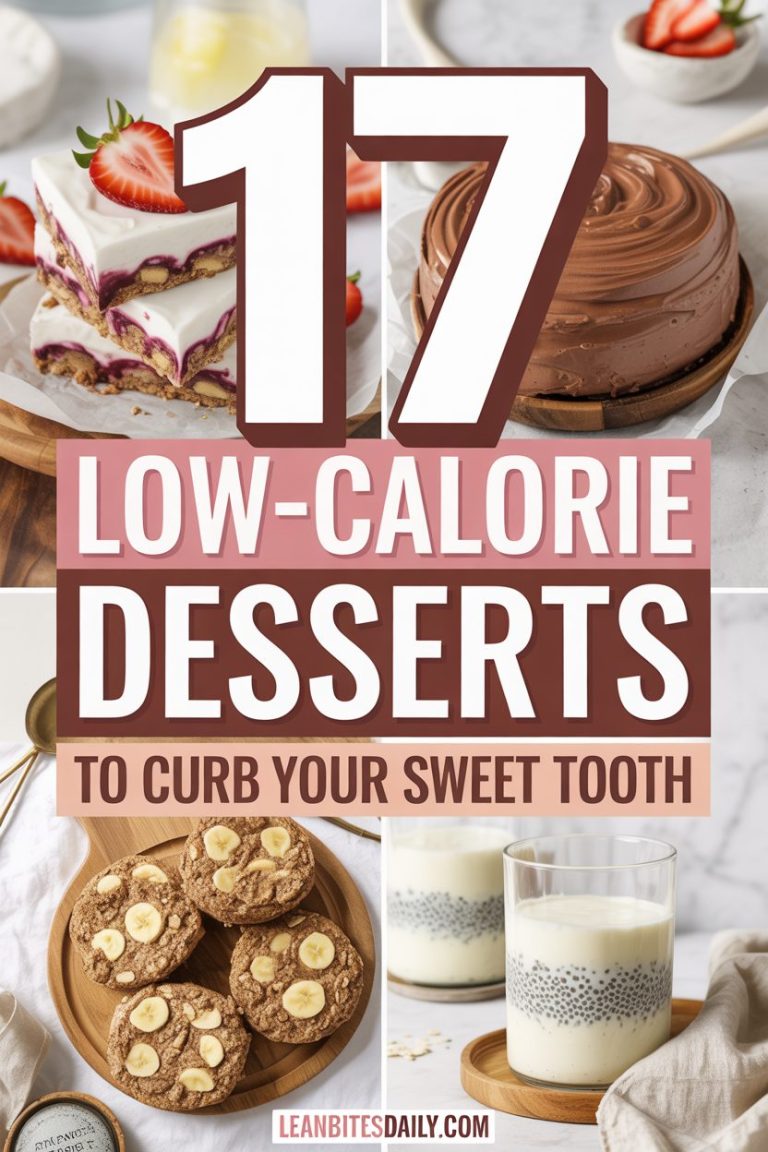
17 Guilt-Free Low-Calorie Desserts to Curb Your Sweet Tooth
17 Guilt-Free Low-Calorie Desserts to Curb Your Sweet Tooth Dessert Without the Guilt? Yes, Please. Okay, real talk—how many times have you craved something sweet only to end up bargaining with your own fridge like it’s an ex you’re trying not to text? “If I just have half the brownie, maybe it doesn’t count?” Yeah……
18 Low-Calorie Dinner Recipes Under 400 Calories
18 Low-Calorie Dinner Recipes Under 400 Calories 18 Low-Calorie Dinner Recipes Under 400 Calories Look, I get it. You’re hungry, it’s 6 PM, and you’re staring into your fridge like it owes you money. You want something that tastes good, fills you up, and doesn’t blow your calorie budget for the day. The good news?…
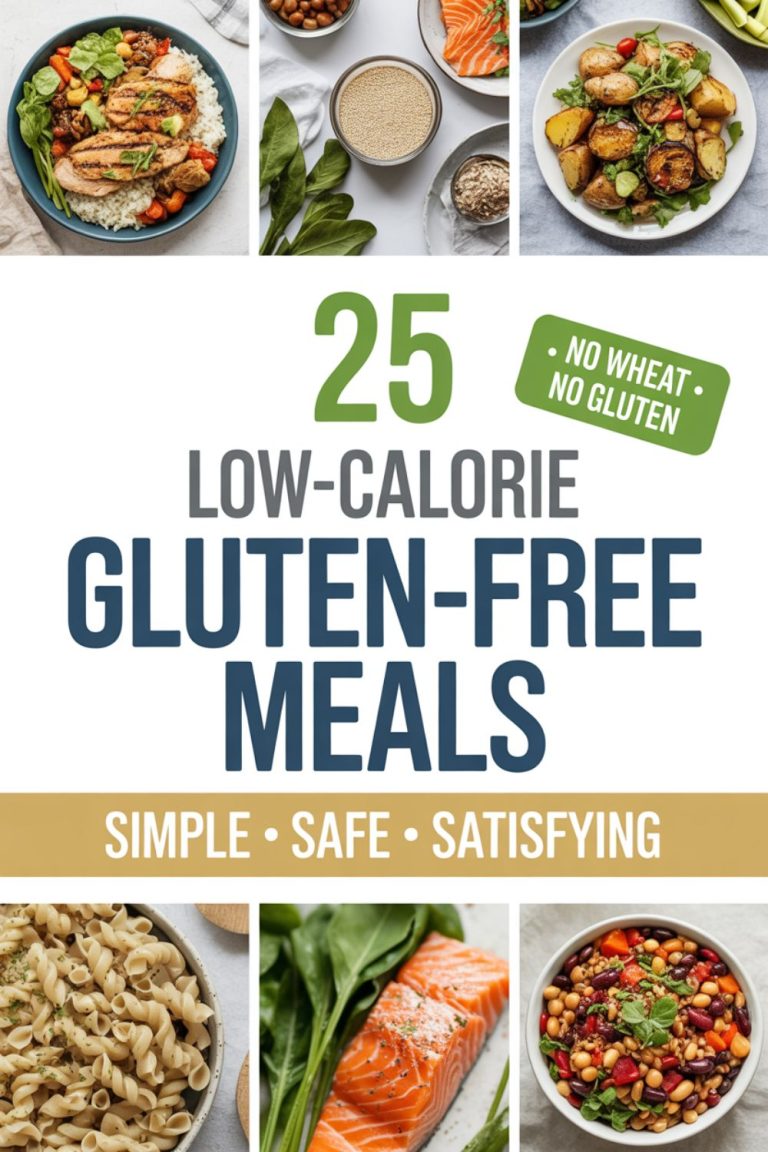
25 Low-Calorie Gluten-Free Meals
25 Low-Calorie Gluten-Free Meals 25 Low-Calorie Gluten-Free Meals Look, I’m not gonna lie to you—going gluten-free used to mean eating cardboard disguised as bread and pretending it was delicious. But here’s the thing: gluten-free eating has evolved, and honestly? Some of these meals are so good, you won’t even miss the gluten. And when you…
14 Easy Low-Calorie Recipes That Are Surprisingly Satisfying
14 Easy Low-Calorie Recipes That Are Surprisingly Satisfying Tired of “diet food” that tastes like cardboard? Same. 🙃 Let’s be honest—when most people hear low-calorie, they think of sad salads and tiny portions that leave you hangry an hour later. But here’s the truth: eating light doesn’t have to mean eating less—or worse, eating boring….
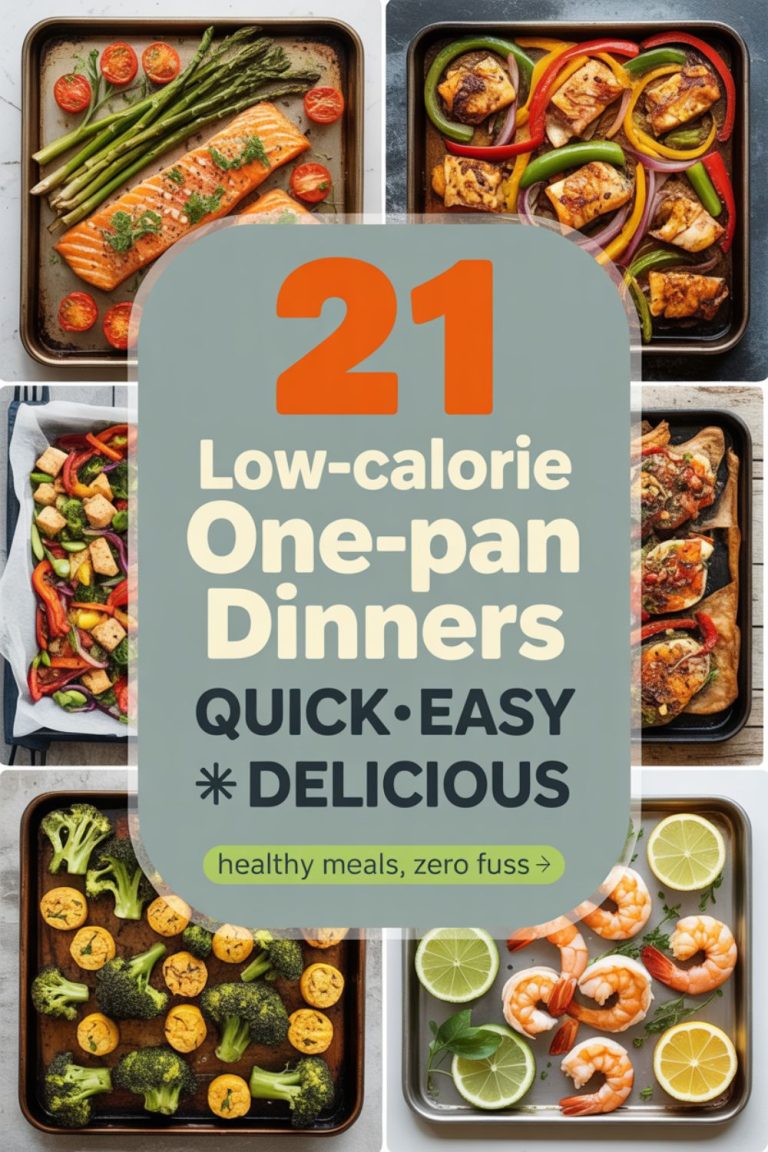
21 Low-Calorie One-Pan Dinners
21 Low-Calorie One-Pan Dinners 21 Low-Calorie One-Pan Dinners Look, I’m going to level with you—after a long day, the last thing I want to do is stand in my kitchen juggling three pots, two pans, and a cutting board that somehow always ends up on the floor. If you’re nodding along right now, you’re my…
Cauliflower Leek Soup
Cauliflower Leek Soup (The Cozy Bowl You Didn’t Know You Needed) The Soup That Feels Like a Warm Hug Let’s be real. We all have that one recipe we run to when it’s been a day. You know, when your to-do list gave you the middle finger and your energy is hanging by a thread?…