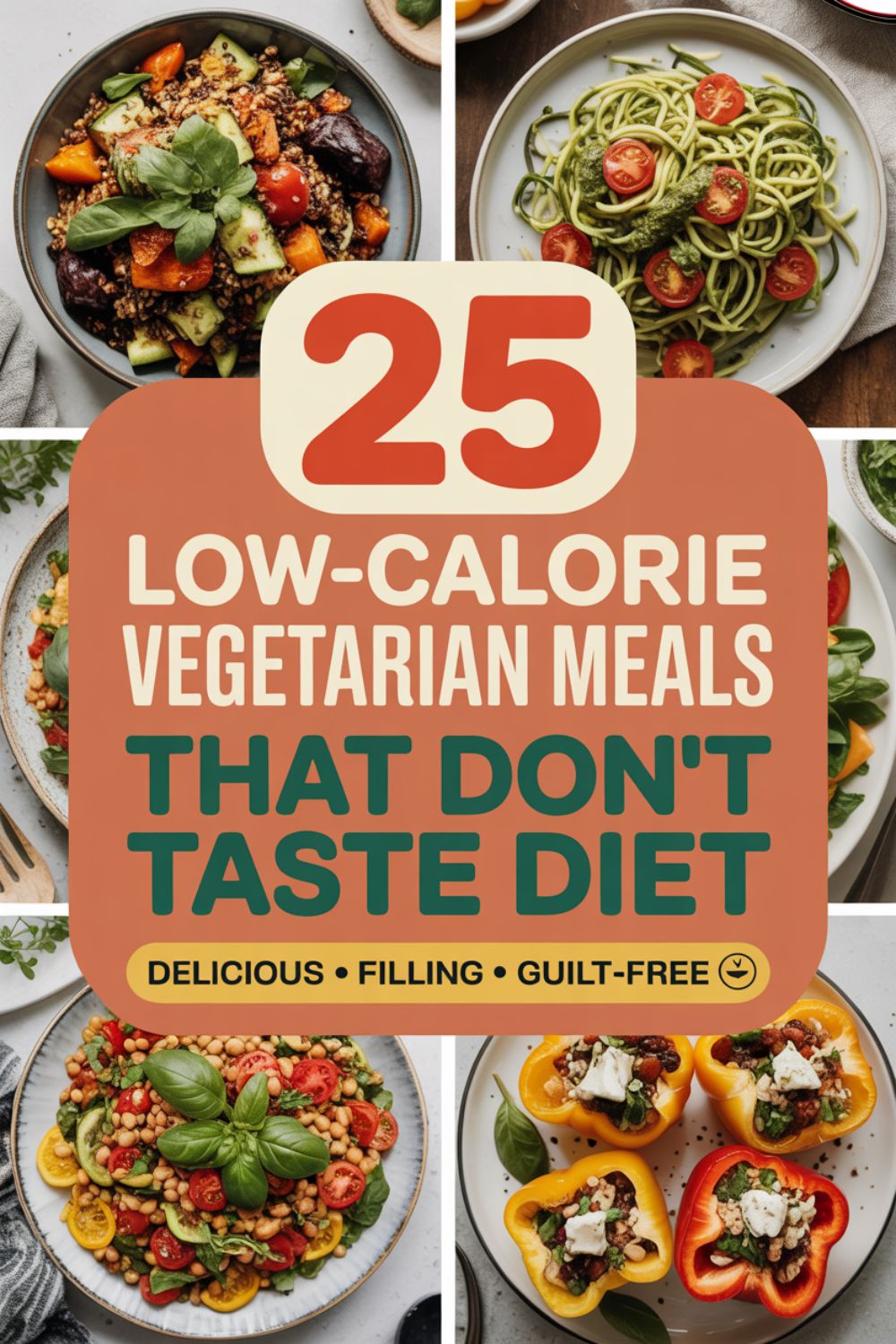
25 Low-Calorie Vegetarian Meals That Don’t Taste Diet
Let’s get one thing straight right now: low-calorie doesn’t have to mean low-flavor. If you’ve been choking down sad salads and wondering why everyone says vegetarian food is amazing, I’ve got news for you. You’ve been doing it wrong.
I’m talking about real meals here. The kind that make your taste buds do a happy dance while your body quietly thanks you for not stuffing it with another greasy burger. Research shows vegetarian diets are linked to lower risks of cardiovascular disease and diabetes, but honestly? The best part is that these meals actually taste good.
Why Vegetarian Meals Win the Calorie Game
Here’s the deal: vegetables are basically nutritional superheroes wearing disguises. They’re packed with fiber, vitamins, and all that good stuff your body craves, but they don’t come with the calorie baggage that meat dishes drag along.
Think about it. A cup of broccoli? Around 30 calories. A cup of cooked chicken? Try 230. I’m not saying chicken is evil, but when you’re trying to keep calories low without feeling like you’re starving yourself, plants are your best friend. Plus, the fiber in vegetarian meals keeps you fuller longer, which means you’re not raiding the pantry at 10 PM looking for snacks.
The science backs this up too. Harvard Health notes that vegetarians typically have lower BMI and better overall health markers. But forget the science for a second—let’s talk about taste.
The Secret Nobody Tells You About Low-Calorie Cooking
Want to know the real secret to making vegetarian meals that don’t taste like cardboard? Stop being scared of fat. Yeah, I said it. Not all fats are created equal, and a little olive oil or a sprinkle of nuts can transform a boring bowl of vegetables into something you’d actually pay money for at a restaurant.
Here’s what I mean: roasted vegetables drizzled with olive oil and herbs are worlds apart from sad, steamed veggies sitting in a puddle of water. The calories? Not that different. The taste? Night and day. I swear by this cast iron skillet for roasting—nothing sticks, cleanup is a breeze, and everything gets those perfect crispy edges.
Spices are your other secret weapon. Cumin, smoked paprika, garlic powder, fresh herbs—these cost you basically zero calories but add massive flavor. If you’re still eating plain steamed broccoli, we need to have a serious conversation about your life choices.
Speaking of flavor bombs, if you’re looking for more inspiration, check out these high-protein vegetarian recipes that pack serious taste without the calorie overload.
Breakfast: Starting Your Day Without the Food Coma
Breakfast is where most people mess up the low-calorie thing. They either skip it entirely or eat something so heavy they need a nap by 10 AM. Let me introduce you to some game-changers.
Overnight Oats Are Literally Perfect
I know, I know. Everyone talks about overnight oats. But there’s a reason—they work. Mix oats with your milk of choice, add some chia seeds for extra fiber and omega-3s, toss in some berries, and let it sit overnight. Wake up to breakfast that’s already made. These classic vanilla almond overnight oats are stupid simple and clock in around 250 calories. Get Full Recipe.
The best part? You can make them in these glass meal prep containers and have breakfast sorted for the entire week. I’m talking five minutes of work for five days of meals. That’s my kind of math.
Avocado Toast That Doesn’t Break the Calorie Bank
Yes, avocado toast is cliché at this point. But it’s cliché because it’s delicious. The trick is portion control—use half an avocado instead of a whole one, pile on some cherry tomatoes and hemp seeds, and you’ve got a satisfying breakfast around 300 calories. Get Full Recipe.
I use this avocado slicer tool that pits, slices, and scoops in one go. Sounds gimmicky, but it actually saves time and prevents those tragic moments when you accidentally turn your avocado into guacamole while trying to remove the pit.
For more morning inspiration, try these high-protein breakfast ideas or this Mediterranean smoothie bowl that’s basically dessert for breakfast but actually good for you.
Lunch: The Midday Meal That Actually Keeps You Full
Lunch is tricky. You need something filling enough that you’re not fantasizing about snacks by 3 PM, but light enough that you don’t spend the afternoon in a food coma. Been there, done that, got the coffee-stained t-shirt.
Bowl Meals Are Where It’s At
Bowl meals are basically the answer to all of life’s problems. Grains, vegetables, protein, sauce. That’s the formula. A Mediterranean grain bowl with quinoa, roasted chickpeas, cucumber, tomatoes, and a lemony tahini dressing? Around 400 calories of pure satisfaction. Get Full Recipe.
The key is having these portion control bowls on hand. They’re perfectly sized so you’re not accidentally eating enough quinoa to feed a small village. Plus they’re microwave and dishwasher safe, which matters when you’re meal prepping.
Soup: The Underrated Hero
Soup gets a bad rap as “not a real meal,” but whoever said that clearly never had a good lentil spinach soup. Lentils are packed with protein and fiber, spinach adds vitamins and bulk, and the whole thing comes in under 300 calories per generous serving. Get Full Recipe.
I make a huge batch in this Dutch oven every Sunday. Portion it out, freeze half, and boom—lunch is handled. Pro tip: add a squeeze of lemon juice right before eating. It brightens up the flavors like magic.
If you’re into soups, definitely explore these Mediterranean soups under 300 calories—they’re seriously satisfying.
Dinner: Evening Meals That Won’t Ruin Your Progress
Dinner is where things get interesting. This is when most people are actually home with time to cook, so let’s make it count.
Stuffed Vegetables Are Criminally Underrated
Ever had stuffed bell peppers? If your answer is “yes, but they were gross,” you’ve been eating the wrong ones. When you stuff peppers with quinoa, black beans, corn, and spices, then top them with a little cheese and bake until everything is hot and melty? That’s dinner done right for about 350 calories. Get Full Recipe.
The trick is using this pepper corer to remove the seeds and membranes cleanly. No more playing surgery with a knife and ending up with mangled peppers.
Pasta Alternatives That Don’t Suck
Look, I love regular pasta as much as the next person. But when you’re watching calories, spaghetti squash is where it’s at. Roast it, scrape out the strands, top with marinara and some sautéed vegetables, and you’ve got a pasta-like meal for around 200 calories. Get Full Recipe.
The secret is roasting the squash cut-side down on this silicone baking mat. Everything slides right off, no scrubbing required, and the squash gets perfectly tender.
Tacos Without the Guilt
Yeah, tacos can be low-calorie and vegetarian. Sweet potato tacos with black beans, avocado, and a lime crema made from Greek yogurt? Around 300 calories for two tacos, and they’re so good you’ll forget you’re eating “healthy food.” Get Full Recipe.
Use corn tortillas instead of flour—they’re lower in calories and taste better anyway, IMO. I warm mine directly over a gas flame using these taco holders that keep them upright while I fill them. Game changer for taco night.
Looking for more dinner ideas? These Mediterranean dinner ideas for busy weeknights and Mediterranean dinner recipes for the whole week are absolute lifesavers when you’re out of ideas.
Snacks and Sides That Actually Satisfy
Snacking is where good intentions go to die. You think you’re just having “a few” crackers, and suddenly the entire box is gone. Trust me, I’ve been there. That’s why having actual low-calorie snacks you enjoy is crucial.
Hummus: The MVP of Vegetarian Snacking
Hummus with vegetable sticks is the obvious choice, but it’s obvious for a reason. It works. Two tablespoons of hummus with a cup of carrots, cucumbers, and bell peppers? About 150 calories of crunchy, satisfying goodness. Check out this hummus veggie sticks setup for the perfect portions. Get Full Recipe.
Make your own hummus in this food processor—it takes five minutes and tastes infinitely better than store-bought. Plus you control the garlic situation, which is critical.
Roasted Chickpeas Are Addictive
These cinnamon roasted chickpeas are my go-to when I want something crunchy. They’re around 120 calories for a quarter cup, and they satisfy that chip craving without the regret. Get Full Recipe.
The secret is getting them really dry before roasting. Pat them dry with paper towels, then let them air dry for 30 minutes. I roast mine on this perforated baking sheet that allows air circulation—they come out crispy, not soggy.
For more smart snacking, explore these high-protein low-calorie snacks under 200 calories and these Mediterranean snacks that aren’t just hummus.
The Mediterranean Connection You Can’t Ignore
If you haven’t noticed, a lot of these meals have Mediterranean vibes. There’s a reason for that. Mediterranean cuisine has been keeping people healthy for thousands of years. Mayo Clinic recognizes the Mediterranean diet as exceptionally nutritious, and it happens to be naturally lower in calories while being insanely flavorful.
We’re talking olive oil instead of butter, fresh herbs instead of heavy sauces, vegetables as the star instead of the afterthought. A Greek salad might sound boring, but when you make it right—crisp cucumbers, juicy tomatoes, briny olives, tangy feta, all dressed with lemon and olive oil—it’s anything but. Around 250 calories and actually exciting to eat. Get Full Recipe.
Falafel Without the Fryer
Traditional falafel is deep-fried and absolutely delicious. But baked falafel? Still delicious, way fewer calories. You’re looking at about 200 calories for four falafel balls, and they’re perfect stuffed into pita with vegetables and tahini sauce. Get Full Recipe.
The trick is getting them crispy without frying. I use this mini muffin pan to shape them perfectly, then brush them with a tiny bit of oil and bake. They come out golden and crispy on the outside, tender on the inside.
One-Pan Wonders When You’re Too Tired to Care
Some nights, you just can’t deal with complicated recipes and a sink full of dishes. I get it. That’s when one-pan meals save your sanity.
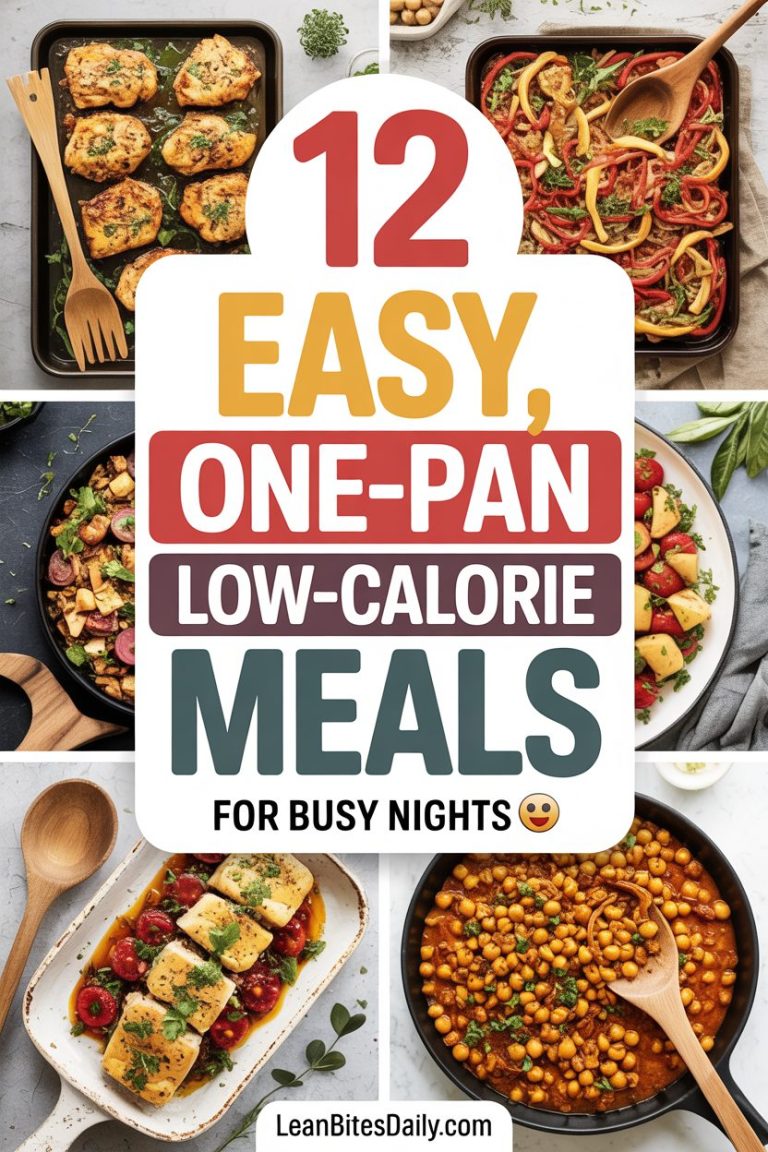
A Mediterranean chickpea skillet with tomatoes, spinach, and spices comes together in one pan in about 20 minutes. Around 300 calories, minimal cleanup, maximum flavor. Get Full Recipe.
I cook mine in this ceramic nonstick skillet that’s big enough to feed four people but still manageable to clean. Everything slides out easily, no scrubbing required.
Another weeknight hero? Stir-fried tofu with broccoli. Press your tofu (seriously, don’t skip this), cut it into cubes, stir-fry with broccoli and a simple sauce made from soy sauce, ginger, and garlic. Serve over brown rice. About 350 calories of Asian-inspired goodness. Get Full Recipe.
Get yourself this tofu press and thank me later. No more paper towels and heavy books—just press, wait, and you’ve got perfectly firm tofu ready for cooking.
For more simple cooking ideas, check out these easy Mediterranean one-pan dinners.
Comfort Food That Doesn’t Destroy Your Goals
Let’s be real—sometimes you just want comfort food. The good news? You can have it without the calorie explosion.
Shepherd’s Pie Gets a Makeover
This lentil shepherd’s pie is the ultimate comfort food disguised as health food. Savory lentils cooked with vegetables and topped with mashed potatoes. It’s warm, it’s cozy, and it’s around 350 calories per serving. Get Full Recipe.
The secret to fluffy mashed potatoes without tons of butter? A little bit of the water you boiled them in and a generous hand with the garlic. This potato masher gets them perfectly smooth without turning them into glue.
Chili That Sticks to Your Ribs
A good three-bean chili is filling, flavorful, and freezes beautifully. Make a big batch, portion it out, and you’ve got lunches or dinners sorted for weeks. About 300 calories per bowl, loaded with protein and fiber. Get Full Recipe.
Top it with a dollop of Greek yogurt instead of sour cream, add some fresh cilantro, maybe a squeeze of lime. Absolutely perfect, especially on cold days. I make mine in this programmable slow cooker—dump everything in before work, come home to dinner that’s ready to eat.
Wraps and Sandwiches That Don’t Fall Apart
The humble wrap doesn’t get enough credit. Done right, it’s portable, customizable, and surprisingly low in calories.
These Mediterranean chickpea wraps are packed with mashed chickpeas, vegetables, and tahini sauce. They’re filling, flavorful, and around 300 calories depending on the wrap you use. Get Full Recipe.
Use whole wheat or spinach wraps for extra fiber. I like these low-carb wraps that have more protein and fewer calories than regular tortillas. They hold together better too, which matters when you’re stuffing them full of ingredients.
The falafel wrap with tzatziki is another winner. Use that baked falafel we talked about earlier, add some crisp vegetables, homemade tzatziki, and wrap it all up. Lunch is served, and you’re at about 350 calories. Get Full Recipe.
Cooking Techniques That Save Calories Without Sacrificing Flavor
How you cook matters almost as much as what you cook. A few simple techniques can save you hundreds of calories without making your food taste like diet food.
Roasting Is Your Friend
Roasted vegetables are infinitely better than steamed or boiled ones. The high heat caramelizes their natural sugars, creating crispy edges and deep flavor. You only need a light coating of oil—don’t drown them. Toss in some garlic and herbs, roast at 425°F until golden, and prepare to be amazed.
I use this set of sheet pans that have a rim to keep everything contained but enough surface area that vegetables don’t steam. They roast, they don’t steam, and that makes all the difference.
Flavor Builders That Cost Zero Calories
Citrus juice, vinegars, hot sauce, fresh herbs, spices—these are your secret weapons. They add massive flavor without adding calories. A squeeze of lemon can brighten up an entire dish. A dash of hot sauce adds complexity. Fresh basil makes everything taste like summer.
Stock up on spices and actually use them. Don’t be that person with a spice rack full of things from 2015. Replace them yearly, and experiment with combinations. Cumin and coriander. Smoked paprika and garlic. Oregano and thyme. The possibilities are endless.
The Power of Good Vegetable Stock
Instead of cooking grains in water, use vegetable stock. Same calories, way more flavor. Your quinoa, rice, or couscous will actually taste like something instead of bland mush.
Make your own in this stockpot by saving vegetable scraps throughout the week. Onion ends, carrot peels, celery leaves, mushroom stems—throw them all in a bag in the freezer, then simmer them with water, salt, and peppercorns on Sunday. Strain, freeze in portions, and you’ve got homemade stock that’s basically free.
The Meal Prep Strategy That Actually Works
FYI, meal prep doesn’t mean eating the exact same thing every day. That’s a recipe for burnout. Here’s what actually works: prep components, not complete meals.
Cook a batch of grains (quinoa, brown rice, farro). Roast a bunch of vegetables (whatever’s on sale). Make a protein (beans, lentils, tofu). Whip up a sauce or two (tahini, pesto, vinaigrette). Store everything separately.
Now you can mix and match throughout the week. Monday: quinoa bowl with roasted vegetables and tahini. Wednesday: grain salad with the same ingredients but cold. Friday: everything mixed into a wrap. Same components, different meals, zero boredom.
I use these glass storage containers for everything. They’re airtight, stackable, and you can see what’s inside without opening them. Plus they go from fridge to microwave without issue.
For a complete meal prep system, check out these 7-day Mediterranean meal prep plans and quick Mediterranean meal prep ideas.
The 25 Meals (Because You’re Probably Wondering)
Alright, let’s actually list out 25 specific low-calorie vegetarian meals you can make. I’ve been dropping them throughout this article, but here they all are in one place:
- Overnight Oats – Classic vanilla almond or any flavor variation
- Avocado Toast – With cherry tomatoes and hemp seeds
- Mediterranean Grain Bowl – Quinoa, chickpeas, vegetables, tahini
- Lentil Spinach Soup – Protein-packed and warming
- Stuffed Bell Peppers – Quinoa, black beans, and spices
- Spaghetti Squash with Marinara – Pasta vibes without the carbs
- Sweet Potato Tacos – With black beans and lime crema
- Hummus and Veggie Sticks – Simple but satisfying
- Roasted Chickpeas – Crunchy snack perfection
- Greek Salad – Done right with quality ingredients
- Baked Falafel – All the flavor, way fewer calories
- Mediterranean Chickpea Skillet – One-pan wonder
- Stir-Fried Tofu with Broccoli – Asian-inspired goodness
- Lentil Shepherd’s Pie – Comfort food that counts
- Three-Bean Chili – Filling and freezer-friendly
- Mediterranean Chickpea Wraps – Portable and delicious
- Falafel Wrap with Tzatziki – Another great wrap option
- Quinoa Breakfast Bowl – Sweet morning option
- Shakshuka – Eggs in spicy tomato sauce (if you eat eggs)
- Cucumber Hummus Sandwich – Refreshing and light
- Moroccan Spiced Quinoa Bowl – Exotic flavors, easy prep
- Grilled Portobello Mushroom Steaks – Meaty without the meat
- Mediterranean Lentil Salad – Perfect for meal prep
- Chickpea Cauliflower Curry – Warming and spiced just right
- Black Bean Enchiladas – Hold the cheese (or don’t, your call)
Every single one of these meals can be made for under 400 calories per serving, and more importantly, they all actually taste good. No bland, boring diet food here.
Common Mistakes That Sabotage Your Low-Calorie Meals
Let’s talk about where people usually screw up, because knowing what not to do is half the battle.
Mistake #1: Going Too Low on Calories
Ironically, the biggest mistake people make with low-calorie meals is making them too low in calories. If your dinner is 200 calories, you’re going to be hungry in an hour, and you’re going to end up eating everything in your pantry. Aim for 300-400 calories per meal—that’s the sweet spot where you’re creating a deficit without triggering the “I must eat everything” response.
Mistake #2: Forgetting About Protein
Vegetables are great, but they’re not particularly high in protein. You need protein to stay full and maintain muscle mass. That’s where beans, lentils, tofu, tempeh, and quinoa come in. Every meal should have a solid protein source, not just vegetables.
This is why those high-protein vegetarian recipes I mentioned earlier are so clutch. They’re specifically designed to keep you full.
Mistake #3: Bland Food in the Name of Health
No seasoning doesn’t equal healthy. It equals sad. Use herbs, spices, citrus, vinegar, and a reasonable amount of healthy fats. Your food should taste good, or you won’t stick with it. This isn’t about suffering—it’s about eating well while keeping calories reasonable.
Mistake #4: Not Planning Ahead
If you wait until you’re starving to decide what to eat, you’re going to make poor choices. That’s just human nature. Spend an hour on Sunday doing some basic meal prep, and weekday you will be so grateful to weekend you.
Making Restaurant-Quality Food at Home
One thing that keeps people from enjoying vegetarian meals is that they compare their home cooking to restaurant food and feel disappointed. Here’s the thing: restaurants use way more salt, fat, and sugar than you think. That’s why their food tastes so good.
You can bridge that gap at home without going overboard on calories. Finishing touches matter. A drizzle of good olive oil right before serving. A squeeze of fresh lemon juice. A sprinkle of fresh herbs. Toasted nuts or seeds for crunch. These small additions make your food feel special without adding many calories.
Also, presentation counts. Take an extra 30 seconds to arrange your bowl nicely instead of just dumping everything in. Put it on a nice plate. Add a garnish. You’re not being fancy—you’re tricking your brain into being more satisfied with your meal.
Invest in these wide shallow bowls that make everything look Instagram-worthy. Seriously, the same meal looks 10 times better in a proper bowl versus eaten out of a plastic container.
The Budget Reality Check
Let’s address the elephant in the room: is vegetarian eating expensive? It can be, but it doesn’t have to be. Vegetables, grains, and legumes are actually some of the cheapest foods you can buy.
Here’s what costs money: pre-cut vegetables, fancy meat substitutes, out-of-season produce, and prepared meals. Here’s what doesn’t: dried beans and lentils, rice, oats, seasonal vegetables, and frozen vegetables (which are just as nutritious as fresh, by the way).
Shop smart. Buy dried beans instead of canned when possible—they’re like a tenth of the price. Get seasonal produce. Use frozen vegetables for cooking. Save the fresh stuff for raw applications where texture really matters. These budget-friendly Mediterranean meals prove you don’t need to spend a fortune to eat well.
One of my favorite budget hacks is buying spices from ethnic grocery stores instead of regular supermarkets. The same jar of cumin costs three times as much at a regular store. Don’t overpay for the fancy packaging.
Dealing with Social Situations
Eating vegetarian and watching calories can be awkward in social situations. People get weird about it. They either act like you’re being difficult or they won’t shut up about how they could never give up bacon.
Here’s my approach: don’t make a big deal about it, and most people won’t either. At restaurants, there’s almost always something you can order or modify. At dinner parties, offer to bring a dish—one that you know you can eat and that everyone else will enjoy too. That Mediterranean lentil salad is perfect for potlucks. Get Full Recipe.
And if someone gives you grief about your food choices? Smile, change the subject, and move on. You don’t owe anyone an explanation for what you put in your body.
Frequently Asked Questions
Can I really lose weight eating vegetarian meals?
Absolutely. The key is creating a calorie deficit while eating foods that keep you satisfied. Vegetarian meals loaded with fiber and protein do exactly that. You’re not starving yourself—you’re just eating foods that are naturally lower in calories and higher in nutrients. Focus on whole foods, watch your portions, and you’ll see results.
Will I get enough protein on a vegetarian diet?
Yes, if you plan it right. Lentils, beans, tofu, tempeh, quinoa, nuts, and seeds all pack solid protein. You don’t need meat to hit your protein goals. A cup of cooked lentils has about 18 grams of protein—that’s legit. Just make sure every meal includes a good protein source, and you’ll be fine.
How do I make vegetarian meals more filling?
Three things: protein, fiber, and healthy fats. Make sure each meal has all three. That combo keeps you full way longer than just eating vegetables alone. Also, eat slowly and drink water with your meals. Sometimes we think we’re still hungry when we’re actually just eating too fast.
What if I hate tofu?
Then don’t eat it! Tofu isn’t mandatory for vegetarian eating. There are plenty of other protein sources—beans, lentils, chickpeas, tempeh, quinoa, and if you eat dairy, Greek yogurt and cottage cheese. Vegetarian eating is flexible. Eat what you actually enjoy, not what you think you’re supposed to eat.
Can I meal prep these meals for the whole week?
Most of them, yes. Soups, chilis, grain bowls, and roasted vegetables all keep well for 4-5 days. Some things like avocado toast or wraps are better made fresh or assembled right before eating. The component meal prep strategy works great—prep ingredients separately, then combine them throughout the week for variety.
Final Thoughts: It’s Not About Perfect, It’s About Better
Look, I’m not going to tell you that you need to eat vegetarian 100% of the time or that every meal needs to be perfectly portioned at exactly 350 calories. That’s not realistic, and it’s not sustainable.
What matters is having a toolkit of meals you actually enjoy that happen to be good for you. Some days you’ll nail it. Some days you’ll order pizza. That’s called being human. The goal isn’t perfection—it’s making better choices most of the time.
These 25 vegetarian meals give you options. They prove that low-calorie doesn’t mean low-flavor or low-satisfaction. They show that you can eat food that’s good for your body without feeling like you’re on a restrictive diet.
Start with one or two recipes that sound good to you. Make them a few times until they become easy. Then add another couple to your rotation. Before you know it, you’ll have a whole collection of go-to meals that you genuinely look forward to eating.
And that’s the whole point, isn’t it? Food should be enjoyable, not something you endure in pursuit of some arbitrary health goal. These meals let you have both—the satisfaction of eating something delicious and the knowledge that you’re taking care of yourself.
Now stop reading and go make something good.