30 Mediterranean Diet Snacks for Weight Loss
Look, I’m gonna level with you right off the bat. If you’re tired of those sad celery sticks and rice cakes masquerading as “diet snacks,” you’re in the right place. The Mediterranean diet isn’t about punishment—it’s about eating actual food that tastes good while the pounds come off. Crazy concept, right?
I’ve been following this eating style for years now, and honestly, the snacking part is where it gets really fun. We’re talking creamy hummus, crunchy chickpeas, fresh figs, and cheese that doesn’t come individually wrapped in plastic. Real ingredients, zero guilt.
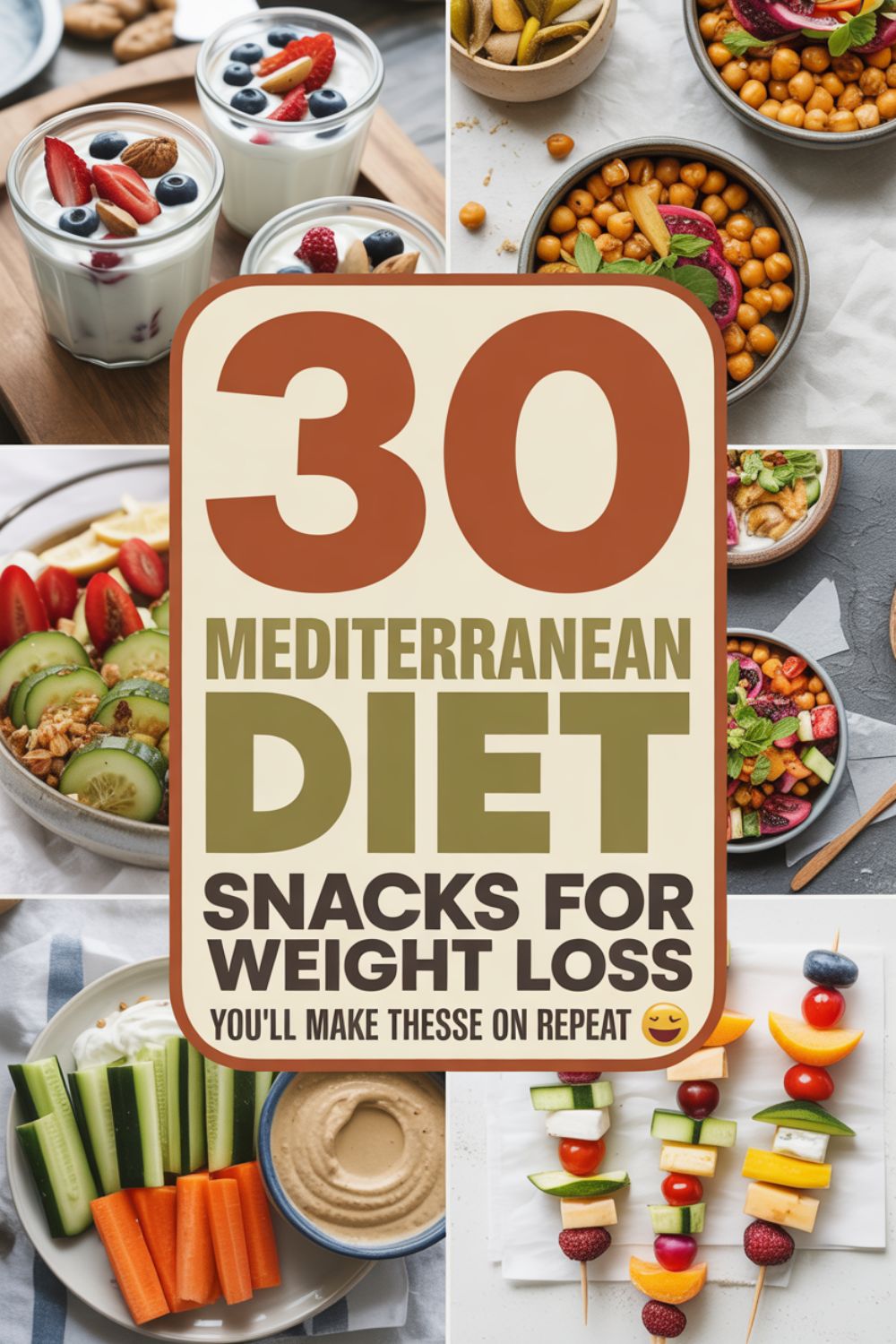
Here’s what makes Mediterranean snacks different: they’re built on whole foods, healthy fats, and lean proteins that actually keep you full. Research consistently shows that this eating pattern helps with weight management while reducing your risk of chronic diseases. The secret? You’re not starving yourself between meals.
Why Mediterranean Snacks Work for Weight Loss
The whole point of snacking on the Mediterranean diet isn’t just to tide you over until dinner. It’s strategic eating that keeps your blood sugar stable and prevents that 3 PM vending machine ambush.
Studies have shown that higher adherence to the Mediterranean diet was linked to a doubled likelihood of maintaining weight loss. That’s not just losing weight—that’s keeping it off. The difference comes down to satiety, which is a fancy word for feeling full and satisfied.
Think about it. When you snack on Greek yogurt with berries or a handful of almonds, you’re getting protein, fiber, and healthy fats. Your body actually has to work to digest those nutrients, which keeps you feeling full longer. Compare that to a granola bar loaded with sugar that leaves you hungry twenty minutes later.
Another thing I love about Mediterranean snacking is that it’s not about deprivation. You’re not cutting out entire food groups or white-knuckling it through hunger. You’re eating nuts, olives, cheese, and fruit. The Mediterranean approach naturally includes foods high in fiber and water content, which means you can eat more volume for fewer calories.
Looking for complete meal ideas to complement your snacking? Check out these Mediterranean snacks that keep you full or explore our Mediterranean breakfast recipes for busy mornings.
The Building Blocks of Mediterranean Snacks
Before we dive into the specific snacks, let’s talk about what makes them work. Mediterranean snacks typically combine three key elements: complex carbohydrates, lean protein, and healthy fats.
Complex Carbs: The Energy Foundation
We’re talking whole grains, fruits, and vegetables here. Not the processed stuff. Things like whole wheat pita, oats, fresh berries, and raw veggies. These foods provide sustained energy without the blood sugar rollercoaster.
One of my go-to combos is whole grain crackers with a high-quality olive oil hummus. The crackers give you that satisfying crunch, while the hummus adds protein and healthy fats. It’s weirdly addictive in the best way.
Protein: The Satiety Star
Protein is non-negotiable if you’re serious about weight loss. It keeps you full, preserves muscle mass, and requires more energy to digest. Mediterranean protein sources include Greek yogurt, chickpeas, white beans, nuts, and cheese.
Greek yogurt deserves special mention. It’s got about twice the protein of regular yogurt, plus probiotics for gut health. I mix mine with berries and a drizzle of honey, and suddenly I’m not thinking about food for the next three hours.
“I started meal prepping Mediterranean snacks every Sunday, and it completely changed my weight loss journey. Down 18 pounds in four months, and I’m never hungry.” — Rachel from our community
Healthy Fats: The Satisfaction Factor
This is where Mediterranean eating really shines. We’re using extra virgin olive oil, nuts, seeds, and avocados. Yes, these are calorie-dense, but they’re also incredibly filling and packed with nutrients your body actually needs.
The key is portion control. A small handful of almonds is perfect. A quarter cup of walnuts mixed with dried figs? Chef’s kiss. You’re not dumping half a bottle of olive oil on everything—just a light drizzle goes a long way.
FYI, when I say portion control, I don’t mean getting obsessive with a digital kitchen scale. Just eyeball it. A serving of nuts fits in your cupped palm. A portion of cheese is about the size of your thumb. Easy.
For more protein-packed options that pair beautifully with these snacking strategies, try our high-protein Mediterranean meals or these high-protein snacks under 200 calories.
30 Mediterranean Diet Snacks You’ll Actually Want to Eat
Alright, let’s get to the good stuff. These aren’t complicated recipes that require a culinary degree. They’re real snacks you can throw together in minutes. I’ve organized them by type so you can find exactly what you’re craving.
Veggie-Based Snacks
1. Hummus with Raw Vegetables
The classic for a reason. Carrots, cucumber, bell peppers, cherry tomatoes—whatever you’ve got. The chickpeas in hummus provide protein and fiber, while the veggies add volume and crunch. I make a big batch of hummus and veggie sticks every week. Get Full Recipe.
2. Cucumber Bites with Feta and Olives
Slice cucumbers into thick rounds, top with crumbled feta and a sliced Kalamata olive. Drizzle with olive oil and a sprinkle of oregano. Takes two minutes, tastes like you’re sitting at a Greek taverna.
3. Roasted Red Pepper Strips with Goat Cheese
Buy the jarred roasted peppers if you’re feeling lazy (I usually am). Pat them dry, spread a thin layer of goat cheese, and roll them up. The sweetness of the peppers with the tangy cheese is ridiculously good.
4. Cherry Tomatoes with Mozzarella
Classic caprese in snack form. Thread cherry tomatoes and mini mozzarella balls on wooden skewers, drizzle with balsamic glaze. Bonus points if you add fresh basil leaves.
5. Celery with Almond Butter
I know celery gets a bad rap, but hear me out. When you load it with almond butter and maybe some raisins, it’s actually satisfying. The crunch plus the creamy fat combo works.
Protein-Packed Options
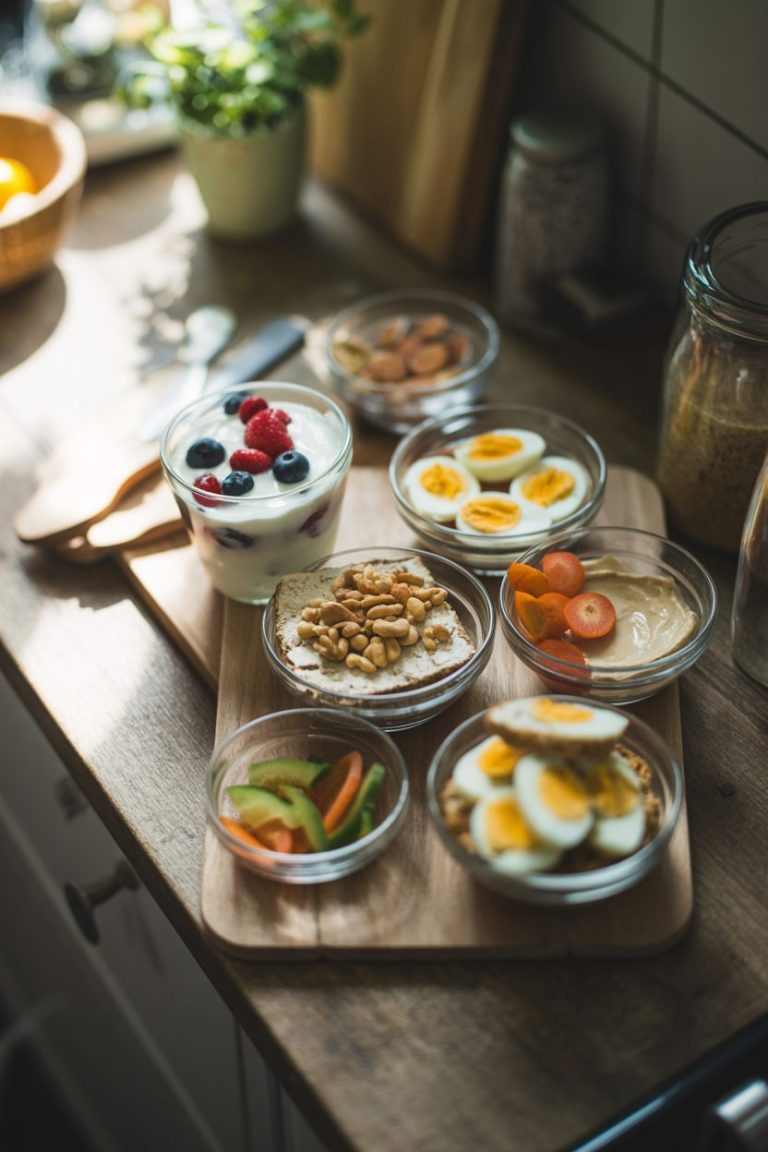
6. Greek Yogurt with Berries and Honey
This is my breakfast about three times a week, but it also makes a killer snack. Use full-fat Greek yogurt, fresh berries, and just a tiny drizzle of honey. The protein keeps you full, the berries add antioxidants. If you love this, you’ll want to try our Greek yogurt bowl with berries. Get Full Recipe.
7. Hard-Boiled Eggs with Za’atar
Boil a dozen eggs at the start of the week. Sprinkle with za’atar seasoning when you’re ready to eat. Each egg has about 6 grams of protein and keeps you satisfied for hours.
8. Cottage Cheese with Sliced Tomatoes
I was skeptical too, but this combination is genuinely delicious. The creamy cottage cheese, juicy tomatoes, salt, pepper, and a drizzle of olive oil. Simple and surprisingly satisfying. Try our savory cottage cheese toast for a heartier version. Get Full Recipe.
9. Tuna White Bean Salad in Lettuce Cups
Mix canned tuna with white beans, lemon juice, olive oil, and herbs. Scoop into lettuce leaves. It’s basically a meal disguised as a snack. Our tuna white bean salad recipe makes this even easier. Get Full Recipe.
10. Chickpea “Tuna” Salad
For my plant-based friends, mashed chickpeas with lemon, tahini, and celery tastes shockingly similar to tuna salad. Serve in whole wheat pita or on crackers.
Nuts, Seeds, and Healthy Fats
11. Mixed Nuts with Dried Figs
Combine almonds, walnuts, and cashews with chopped dried figs. The natural sweetness of the figs satisfies sugar cravings without the crash. Keep a portion-sized container at your desk.
12. Olives and Almonds
This combo might sound weird, but trust me. The salty olives and crunchy almonds hit all the right notes. Plus, olives are loaded with healthy fats and practically zero calories.
13. Avocado Toast on Whole Grain
Yeah, it’s become a meme, but there’s a reason. Mashed avocado on whole grain toast with a sprinkle of sea salt and red pepper flakes is legitimately satisfying. Sometimes I add a poached egg on top because I’m extra like that. Check out our avocado toast with tomato and olive oil. Get Full Recipe.
14. Pumpkin Seeds with Dried Apricots
Roast pumpkin seeds with a touch of olive oil and sea salt. Mix with chopped dried apricots. The seeds provide zinc and magnesium, the apricots add natural sweetness and fiber.
15. Walnut Stuffed Dates
Split a Medjool date, remove the pit, stuff with a walnut half. It’s like nature’s candy bar, except it won’t send your blood sugar through the roof. IMO, these are better than most desserts.
Speaking of sweet options, if you’re craving something dessert-like that won’t derail your progress, browse through our high-protein low-sugar desserts or try these Mediterranean desserts that don’t ruin your diet.
Whole Grain Goodies
16. Whole Wheat Pita with Baba Ganoush
Baba ganoush is basically hummus’s smoky cousin made from roasted eggplant. Tear up some whole wheat pita and scoop away. The fiber in the pita keeps things moving, if you know what I mean.
17. Overnight Oats with Nuts
Mix oats with almond milk, chia seeds, and cinnamon the night before. Top with chopped walnuts and berries in the morning. It’s technically breakfast, but who says you can’t have it at 3 PM? Our classic vanilla almond overnight oats are perfect for this. Get Full Recipe.
18. Whole Grain Crackers with Sardines
Before you make that face, sardines are packed with omega-3s, protein, and they’re sustainable. Mash them with lemon juice and parsley, spread on whole grain crackers. They’re weirdly delicious once you give them a chance.
19. Quinoa Tabouleh
Make a big batch of quinoa mixed with chopped parsley, mint, tomatoes, cucumber, lemon juice, and olive oil. Eat it by the spoonful straight from the fridge. Don’t judge me. Try our quinoa tabbouleh with hummus pita. Get Full Recipe.
20. Homemade Trail Mix
Combine oats, almonds, pumpkin seeds, dried cranberries, and dark chocolate chips. Toast the oats and nuts in a sheet pan first for extra flavor. Way better than the sugar-bomb versions at the store.
Cheese-Based Treats
21. Ricotta on Whole Grain Toast
Spread ricotta on toasted whole grain bread. Top with sliced strawberries and a drizzle of balsamic reduction. Sweet, creamy, and way more interesting than plain toast.
22. Feta and Watermelon Bites
Cube watermelon, top each piece with crumbled feta and fresh mint. The sweet-salty combo is summer in your mouth. Even my kid inhales these.
23. Caprese Skewers
Cherry tomatoes, fresh mozzarella, basil leaves on bamboo skewers. Drizzle with balsamic glaze. These look fancy but take zero effort. Perfect for meal prep.
24. Goat Cheese with Roasted Beets
Roast beets until tender, let them cool, slice them up, and top with goat cheese and a sprinkle of pistachios. The earthy beets with tangy cheese is chef’s kiss material.
25. Whipped Feta Dip
Blend feta with Greek yogurt, garlic, and olive oil until smooth. Serve with cucumber slices or whole wheat pita. This dip is so good you’ll want to eat it with a spoon. Actually, our whipped feta dip with honey and thyme is even better. Get Full Recipe.
Fresh Fruit Options
26. Apple Slices with Almond Butter
Classic but effective. The fiber in the apple plus the fat in the almond butter keeps you satisfied. Sometimes I sprinkle cinnamon on top because I like to live dangerously.
27. Fresh Figs with Honey and Walnuts
When figs are in season, this is my absolute favorite. Slice them in half, drizzle with honey, top with chopped walnuts. It’s basically dessert but it counts as a snack.
28. Orange Slices with Pistachios
Peel an orange, eat it with a handful of pistachios on the side. The vitamin C from the orange helps your body absorb the iron from the nuts. Science!
29. Berries with Dark Chocolate
Mix fresh strawberries, blueberries, and raspberries in a bowl. Melt 70% dark chocolate and drizzle over the top. Let it cool in the fridge for ten minutes. You’re welcome.
30. Grapes with Cheese Cubes
Freeze grapes for an hour, then eat them with cubed cheese. The frozen grapes are like little fruit popsicles, and the cheese adds protein. Kids love this combo too.
Smart Snacking Strategies for Weight Loss
Having a list of snacks is great, but knowing when and how to eat them is what actually moves the needle on weight loss. Here’s what’s worked for me and countless others.
Timing Matters
The sweet spot for snacking is between meals when you’re genuinely hungry—not bored, not stressed, but actually needing fuel. For most people, that’s mid-morning (around 10 AM) and mid-afternoon (around 3 PM).
Listen to your body. If you ate a protein-packed breakfast at 7 AM and you’re starving by 10, your breakfast probably needs more substance. But if you’re genuinely hungry, don’t white-knuckle it until lunch. That’s how you end up face-first in a bag of chips.
Portion Control Without the Drama
I’m not gonna sit here and tell you to weigh every almond. That’s exhausting and unnecessary. Instead, use visual cues. A serving of nuts fits in your cupped palm. A portion of cheese is thumb-sized. Hummus should be about two tablespoons, which looks like a golf ball.
The easiest trick? Pre-portion everything. When you buy a bag of almonds, immediately divide it into small snack bags or containers. Same with hummus, cut veggies, everything. Future you will be so grateful.
“I used to mindlessly snack straight from the bag while watching TV. Started pre-portioning on Sundays, and I’ve lost 12 pounds in two months without feeling restricted at all.” — Marcus from our community
Hydration Check
Sometimes what feels like hunger is actually thirst. Before reaching for a snack, drink a glass of water and wait ten minutes. If you’re still hungry, eat. If not, you just saved yourself unnecessary calories.
I keep a reusable water bottle on my desk and aim to refill it at least three times during the workday. Staying hydrated also helps with digestion and keeps your energy levels steady.
Avoid the Common Pitfalls
Here’s where people usually mess up: they treat Mediterranean snacks like free food. Just because hummus is healthy doesn’t mean you should eat the entire container in one sitting. Olive oil is great for you, but it’s still 120 calories per tablespoon.
Another trap? The “healthy” label. Mediterranean diet snacks should be minimally processed. If something comes in a package with fifteen ingredients you can’t pronounce, it’s probably not what we’re going for here.
And please, for the love of everything holy, don’t snack while distracted. Eating while scrolling through your phone or watching TV is a guaranteed way to consume way more than you intended. Sit down, put the phone away, actually taste your food.
For meal prep strategies that make healthy snacking effortless, check out our high-protein meal prep ideas or these quick Mediterranean meal prep ideas.
Making It Work in Real Life
Theory is great, but let’s talk about actual implementation. Because knowing what to eat doesn’t help if you’re standing in your kitchen at 4 PM with nothing prepared.
The Sunday Prep Session
I spend about an hour every Sunday prepping snacks for the week. Here’s my routine: wash and chop all vegetables, portion out nuts and dried fruits, make a big batch of hummus or another dip, hard-boil a dozen eggs, and pack everything into grab-and-go containers.
Is it the most exciting hour of my week? No. But does it save me from making terrible decisions when I’m hangry? Absolutely. Plus, there’s something satisfying about opening the fridge and seeing rows of prepped snacks ready to go.
The Snack Drawer
Whether you work from home or in an office, having a designated snack space changes everything. Keep non-perishables like nuts, whole grain crackers, and dried fruit somewhere easily accessible. That way, when hunger hits, you’re not wandering to the vending machine.
My desk drawer currently has: almonds, dark chocolate, whole grain crackers, and those little single-serve hummus cups. Not fancy, but it keeps me from eating garbage when deadlines hit.
The Restaurant Survival Guide
Mediterranean snacks aren’t just for home. When you’re out, look for mezze platters, veggie sticks with hummus, or a small Greek salad. Most coffee shops now carry Greek yogurt parfaits and hard-boiled eggs.
Airport? Look for nuts, fresh fruit, or a cheese and crackers pack. Gas station? String cheese and an apple beats a candy bar every time. You’ve always got options if you know what to look for.
The Benefits Beyond Weight Loss
Sure, we’re focusing on weight loss here, but Mediterranean snacking comes with some seriously impressive side benefits that are worth mentioning.
Research from Cleveland Clinic shows the Mediterranean diet supports heart health by lowering blood pressure and cholesterol levels. The combination of healthy fats, fiber, and antioxidants in these snacks reduces inflammation throughout your body.
The omega-3s from nuts and the antioxidants from fruits and vegetables support brain health. I’m not claiming that eating almonds will make you smarter, but the science does show these foods support cognitive function and may reduce the risk of cognitive decline.
Your gut will also thank you. The fiber from whole grains, fruits, and vegetables feeds the good bacteria in your digestive system. Greek yogurt adds probiotics to the party. Better gut health means better digestion, stronger immunity, and even improved mood.
And can we talk about energy levels? When you’re eating real food with balanced macros, you don’t get those crazy blood sugar spikes and crashes. No more 2 PM slump that sends you reaching for a third cup of coffee.
Frequently Asked Questions
Can I eat Mediterranean snacks every day while losing weight?
Absolutely. The key is portion control and choosing nutrient-dense options. Mediterranean snacks are designed to keep you satisfied between meals, which actually helps prevent overeating. Just stick to appropriate portions—a handful of nuts, not the entire container—and you’ll be fine. Most people find they lose weight more consistently when they’re not constantly hungry.
How many snacks should I have per day?
Most people do well with 1-2 snacks daily, typically mid-morning and mid-afternoon. But this really depends on your schedule, activity level, and how substantial your meals are. If you’re eating three balanced meals with plenty of protein and fiber, you might only need one snack. Listen to your actual hunger cues rather than eating on autopilot.
Are Mediterranean snacks expensive?
They don’t have to be. Buy nuts in bulk, choose seasonal fruits, and make your own hummus instead of buying those fancy individual containers. Dried chickpeas cost practically nothing, and you can roast them yourself. Greek yogurt bought in larger containers is way cheaper than single-serves. You’re investing in real food, not processed junk with a health halo.
Can I meal prep Mediterranean snacks for the whole week?
Most of them, yes. Cut veggies last about 4-5 days when stored properly in airtight containers. Hard-boiled eggs keep for a week. Homemade hummus stays fresh for about five days. Nuts, dried fruits, and cheese obviously last longer. Just prep what makes sense and leave things like fresh fruit or avocado for day-of assembly.
What if I don’t like Greek yogurt or hummus?
No problem—the Mediterranean diet is incredibly flexible. Don’t force yourself to eat foods you hate. Focus on the snacks you actually enjoy, whether that’s nuts and fruit, cheese with veggies, or olives with whole grain crackers. There’s no single “must-eat” food here. The whole point is sustainable eating, which means choosing things you’ll actually stick with long-term.
Final Thoughts
Here’s the truth about Mediterranean snacking: it’s not a magic bullet, and it’s not going to transform your body overnight. What it will do is give you a sustainable way to eat that doesn’t feel like punishment.
You’re eating real food. Whole grains, fresh vegetables, quality proteins, healthy fats. Nothing weird, nothing restrictive, nothing that requires a chemistry degree to understand the ingredient list. Just food that humans have been eating for thousands of years.
The weight loss happens because you’re satisfied. You’re not constantly fighting cravings or counting down the minutes until your next meal. Your blood sugar stays stable. Your energy levels even out. And somewhere along the way, the pounds start coming off.
Start simple. Pick three or four snacks from this list that sound good to you. Prep them this weekend. See how your body responds. Adjust as needed. This isn’t about perfection—it’s about progress.
And remember, the Mediterranean diet isn’t just about the food. It’s about slowing down, actually tasting what you’re eating, and enjoying the process. So put your phone down, sit at an actual table, and savor your snack. You deserve that much.
Now if you’ll excuse me, I have a date with some Greek yogurt and berries.