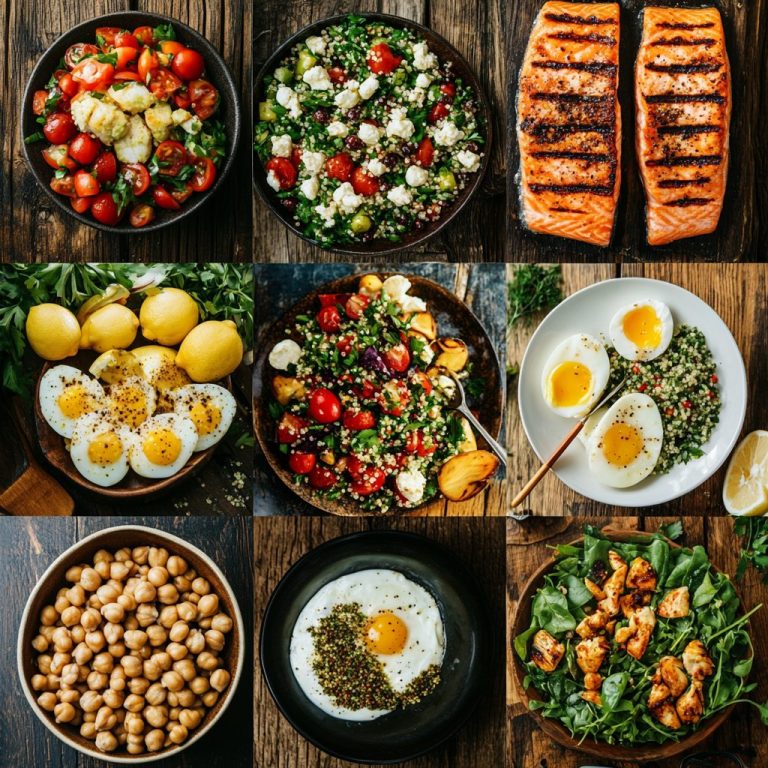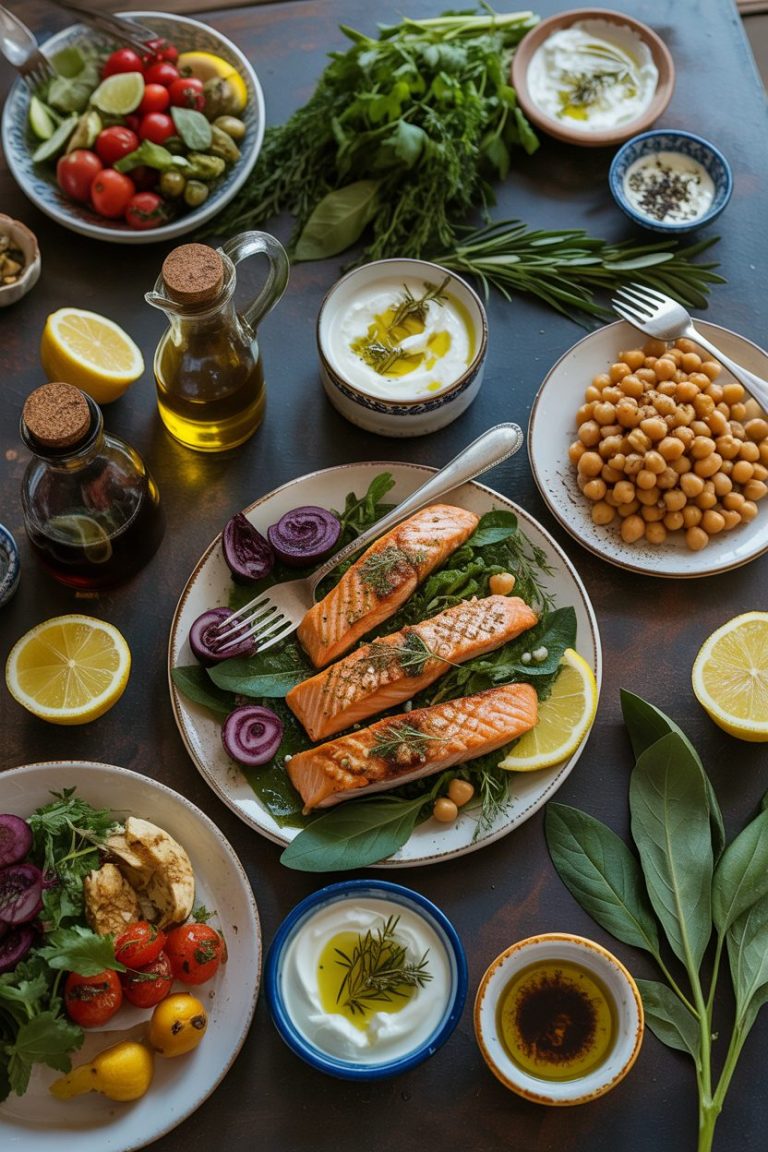
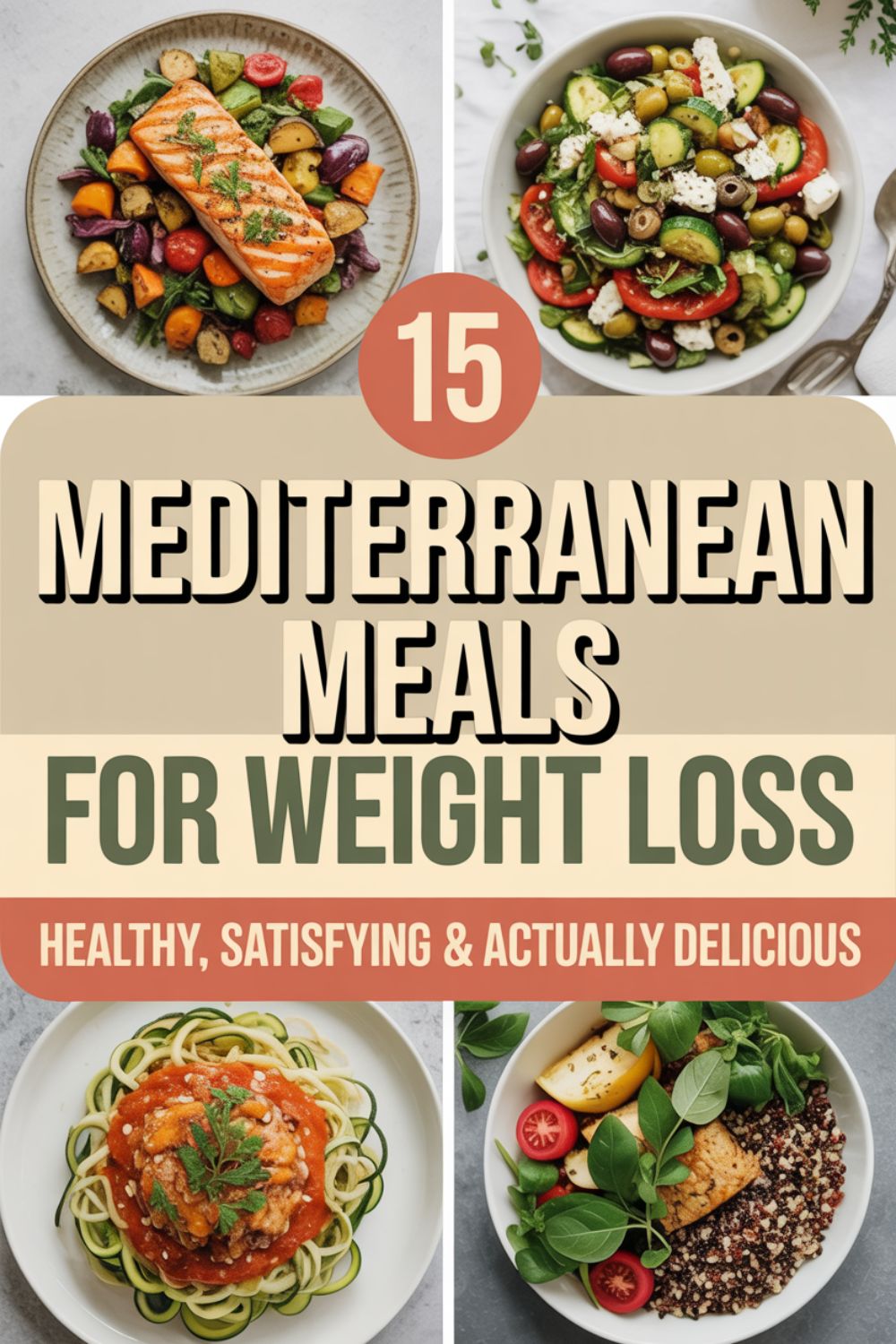
15 Mediterranean Meals for Weight Loss That Actually Taste Amazing
Let’s be honest—most “weight loss” meals taste like cardboard dipped in sadness. But here’s the thing: Mediterranean food breaks that terrible trend. I’m talking about meals that make you forget you’re trying to drop pounds because you’re too busy enjoying every bite.
The Mediterranean diet isn’t some trendy Instagram fad that’ll disappear next month. It’s been around forever, and there’s a reason people in Greece aren’t stress-eating their way through life. The food is genuinely delicious, and research shows it works for weight loss without making you miserable in the process.
So if you’re tired of bland chicken and steamed broccoli, stick around. These 15 Mediterranean meals will actually make you excited about eating healthy.
Why Mediterranean Food Actually Works for Weight Loss
Here’s what makes Mediterranean eating different from every other diet that’s failed you. Studies from the Mayo Clinic show that foods rich in water and fiber fill you up before you’ve eaten a ridiculous number of calories. Think vegetables, fruits, legumes—stuff that takes up actual space in your stomach.
Compare that to a handful of chips or a slice of pizza. Those calorie-dense foods sneak in hundreds of calories before your brain even registers you’ve eaten anything. The Mediterranean approach flips that script entirely.
Johns Hopkins research found that this eating style reduces heart disease risk by up to 30% and slashes early death risk by 80% when combined with exercise and not smoking. Not too shabby for food that doesn’t taste like punishment.
Pro Tip: Prep your veggies Sunday night. Future-you will thank present-you when dinner takes 15 minutes instead of an hour.
The secret sauce? Healthy fats from olive oil and nuts keep you satisfied. Lean proteins from fish and chicken keep your muscles happy. Whole grains give you energy that doesn’t crash two hours later. It’s basically everything your body actually needs, minus the junk it doesn’t.
1. Greek Salad (But Like, Actually Good)
Forget those sad restaurant versions with three cucumber slices and a lonely tomato. A real Greek salad is loaded with crispy vegetables, tangy feta, and briny olives all swimming in good olive oil. Get Full Recipe.
The best part? You can pile your plate high and still stay well under 400 calories. I like using this salad spinner to get the lettuce actually dry—nobody wants watered-down dressing.
Cucumbers and tomatoes are mostly water, which means you get to eat a massive bowl without derailing your progress. Plus, the feta adds just enough richness to make it feel indulgent.
2. Shakshuka (Eggs in Spicy Tomato Sauce)
This North African dish has become a Mediterranean staple, and honestly, it’s one of those meals that looks way fancier than the effort required. Get Full Recipe.
You’re basically poaching eggs in a rich tomato sauce spiked with cumin, paprika, and whatever heat level you can handle. The eggs give you quality protein while the tomato base keeps calories in check.
I cook mine in this cast iron skillet because it goes from stovetop to table and makes cleanup ridiculously easy. Plus, cast iron holds heat like a champ, so your shakshuka stays hot while you’re eating.
Quick Win: Make extra tomato sauce and freeze it. Shakshuka just became a 10-minute breakfast instead of a 30-minute project.
3. Mediterranean Tuna Stuffed Peppers
Bell peppers are basically edible bowls, and stuffing them with a Mediterranean tuna mixture is genius-level meal prep. Get Full Recipe.
Mix canned tuna with olives, capers, a little feta, and some fresh herbs. Stuff that into halved bell peppers and you’ve got lunch sorted for three days. The peppers add crunch and sweetness without any extra calories to worry about.
If you’re prepping these, grab these glass meal prep containers—they keep everything fresh and won’t stain like plastic does.
Speaking of protein-packed lunches, you might also love these Mediterranean lunchbox recipes for work or this chickpea tuna salad wrap for something you can eat on the go.
4. Lemon Garlic Grilled Chicken with Couscous
Grilled chicken doesn’t have to be boring. Marinate it in lemon juice, garlic, and olive oil, and suddenly you’re eating something that tastes like vacation. Get Full Recipe.
Pair it with whole wheat couscous and some grilled veggies, and you’ve got a complete meal that’s around 350 calories. The lemon keeps everything bright, and the garlic adds depth without adding fat.
I use this grill pan when I don’t feel like dealing with my outdoor grill. Works like a charm indoors and gives you those pretty grill marks everyone loves.
5. Mediterranean Chickpea Wraps
Chickpeas are the unsung heroes of weight loss. They’re packed with fiber and protein, which means they fill you up fast and keep you satisfied for hours. Get Full Recipe.
Mash them up with tahini, lemon, and spices, then wrap them in a whole wheat tortilla with fresh veggies. You get a handheld meal that travels well and doesn’t leave you hungry an hour later.
The tahini adds healthy fats that help your body absorb all the good nutrients in the vegetables. It’s basically the Mediterranean version of hummus, but in wrap form.
6. Grilled Salmon with Tomato Caper Relish
Salmon is one of those foods that feels luxurious but is actually perfect for weight loss. It’s loaded with omega-3 fatty acids that support heart health and help reduce inflammation. Get Full Recipe.
Top it with a fresh tomato and caper relish, and you’ve got a restaurant-quality meal at home. The relish adds brightness without drowning the fish in heavy sauce.
Pro Tip: Don’t overcook your salmon. It should still be slightly pink in the center—nobody wants dry fish.
I swear by this fish spatula for flipping salmon without it falling apart. Game-changer for anyone who’s ever massacred a beautiful piece of fish trying to flip it.
For more seafood inspiration, check out these Mediterranean seafood dinner ideas that are equally delicious and waistline-friendly.
7. Stuffed Grape Leaves (Dolmas)
These little packages are like edible presents. Grape leaves stuffed with rice, herbs, and sometimes ground meat make an excellent appetizer or light meal. Get Full Recipe.
The grape leaves themselves have barely any calories, so you’re basically eating seasoned rice wrapped in vegetables. Each dolma is about 40-50 calories, which means you can have several without guilt.
They’re a bit time-consuming to make, but totally worth it. Or just buy the jarred ones from your favorite Mediterranean grocery store—I won’t tell.
8. Lentil Spinach Soup
Lentils are criminally underrated. They’re cheap, packed with plant-based protein, and they make soup incredibly filling. Get Full Recipe.
This soup combines lentils with fresh spinach, tomatoes, and warming spices. A big bowl clocks in around 200 calories but feels like you ate a full meal.
The fiber content in lentils is no joke—it keeps your digestive system happy and your blood sugar stable. Plus, Cleveland Clinic notes that foods high in fiber help reduce inflammation throughout your body.
I make this in my favorite dutch oven and it comes out perfect every time. One pot, minimal cleanup, maximum flavor.
9. Whipped Feta Dip with Honey and Thyme
Okay, this one’s technically an appetizer, but hear me out. Having a satisfying dip on hand prevents you from diving face-first into a bag of chips when hunger strikes. Get Full Recipe.
Whipped feta with a drizzle of honey and fresh thyme is creamy, tangy, and just slightly sweet. Pair it with cucumber slices or whole wheat pita, and you’ve got a snack that won’t wreck your calorie budget.
The key is using a good food processor to get the feta super smooth and creamy. Lumpy dip just isn’t the same vibe.
Looking for more smart snacking options? These Mediterranean snacks that aren’t just hummus will keep things interesting between meals.
10. Grilled Eggplant with Yogurt Sauce
Eggplant is one of those vegetables that transforms when you grill it. It goes from kinda weird and spongy to smoky and delicious. Get Full Recipe.
Top it with a simple yogurt sauce spiked with garlic and fresh herbs, and you’ve got a side dish that could honestly be the main event. Eggplant is super low in calories but high in fiber, so it fills you up without weighing you down.
The yogurt sauce adds protein and creaminess while keeping things light. It’s the perfect example of how Mediterranean cooking makes vegetables actually exciting.
11. Mediterranean Grain Bowl
Grain bowls are having a moment, and the Mediterranean version might be the best one. Get Full Recipe.
Start with a base of quinoa or farro, pile on roasted vegetables, add some chickpeas for protein, throw in olives and feta for flavor, and drizzle everything with tahini dressing. Each component is simple, but together they create something way bigger than the sum of their parts.
The beauty of grain bowls is you can prep all the components separately and mix them throughout the week. Sunday meal prep just got interesting.
Quick Win: Cook a big batch of quinoa or farro and freeze it in portions. Instant grain bowl base whenever you need it.
I store everything in these portioned containers so I can grab and assemble bowls in literally two minutes. Lazy meal prep is still meal prep.
12. Baked Falafel
Traditional falafel is deep-fried, which isn’t exactly weight-loss friendly. But baked falafel? That’s a different story. Get Full Recipe.
Chickpeas, herbs, spices, and just enough binder to hold everything together. Bake them until crispy on the outside and tender inside. You get all the flavor with a fraction of the calories.
Serve them in a pita with fresh vegetables and tzatziki, or just eat them straight up as a protein-packed snack. Either way, you’re winning.
For a complete meal, pair these with quinoa tabbouleh or stuff them into wraps with tzatziki.
13. One-Pot Mediterranean Pasta
Pasta for weight loss? Yeah, you read that right. The trick is using whole wheat pasta and loading it with vegetables so the ratio works in your favor. Get Full Recipe.
Everything cooks in one pot—pasta, tomatoes, spinach, garlic, olives. The pasta absorbs all the flavors as it cooks, and you end up with something that tastes way more complicated than it actually is.
One pot also means one thing to clean, which IMO is the best part of this recipe. Nobody got into cooking because they love doing dishes.
14. Cucumber Tomato Feta Salad
Sometimes the simplest things are the best. This salad is literally just cucumbers, tomatoes, feta, red onion, olive oil, and lemon juice. Get Full Recipe.
But something magical happens when you combine those ingredients. The vegetables stay crisp, the feta adds creaminess and salt, and the acid from the lemon ties everything together.
It’s the kind of salad you can eat as a side dish or just make a huge bowl and call it lunch. Under 200 calories for a massive serving, and you actually feel satisfied after eating it.
I use this vegetable chopper to make quick work of all the dicing. Turns a 15-minute job into a 3-minute job, which means I actually make this salad instead of just thinking about it.
15. Shrimp Saganaki (Spicy Tomato Feta)
This Greek taverna classic brings serious flavor without serious calories. Get Full Recipe.
Shrimp cooked in a spicy tomato sauce with feta melting on top—it’s the kind of dish that makes you wonder why anyone orders takeout. Shrimp is incredibly lean protein, and the tomato sauce is basically just vegetables.
Serve it with crusty bread to soak up the sauce, or skip the bread and serve it over zucchini noodles if you’re watching carbs more strictly.
The sauce comes together fast, especially if you use good quality canned tomatoes. Sometimes canned is actually better than fresh—there, I said it.
Making Mediterranean Meals Work for Your Schedule
The biggest obstacle to eating well isn’t lack of knowledge—it’s lack of time. You already know vegetables are good for you. The challenge is actually cooking them on a Tuesday night when you’re exhausted.
That’s where meal prep becomes your best friend. Most of these Mediterranean meals hold up beautifully in the fridge for 3-4 days. The flavors actually improve as everything marinates together.
Pick one or two recipes to make on Sunday. Cook a big batch of grains. Chop vegetables in advance. Suddenly weeknight dinners take 15 minutes instead of an hour, and you’re way less likely to order pizza when you’re tired.
The Mediterranean approach to eating isn’t about perfection. It’s about making choices that mostly work in your favor, most of the time. Some nights you’ll nail it with a beautiful grain bowl. Other nights you’ll eat cheese and crackers for dinner. Both are fine.
The Real Secret Nobody Talks About
Want to know why Mediterranean food works better than restrictive diets? Because you can actually maintain it long-term. Research shows that higher adherence to this eating style doubles your likelihood of keeping weight off.
Restrictive diets fail because they’re miserable. You white-knuckle your way through weeks of deprivation, lose some weight, then immediately regain it (plus extra) when you inevitably crack and eat an entire pizza.
Mediterranean eating doesn’t feel like deprivation. You’re eating real food that tastes good. You’re not counting every calorie or avoiding entire food groups. You’re just making better choices most of the time and actually enjoying your meals.
That sustainability is what makes the difference between losing 10 pounds and gaining it back versus losing 10 pounds and actually keeping it off.
Frequently Asked Questions
Can I really lose weight eating pasta and bread?
Yes, but context matters. Mediterranean eating includes whole grains in moderate portions, balanced with lots of vegetables and lean protein. You’re not eating a giant bowl of plain pasta—you’re eating a reasonable portion paired with nutrient-dense foods that fill you up. The fiber in whole wheat pasta also helps regulate blood sugar and keeps you satisfied longer than refined grains would.
Is olive oil really okay for weight loss?
Absolutely. Olive oil is calorie-dense, so you can’t go crazy with it, but the healthy fats help with satiety and nutrient absorption. Research consistently shows that Mediterranean diets rich in olive oil produce better weight loss results than low-fat diets. The key is using it mindfully—drizzle, don’t drown.
How long before I see results?
Most people start noticing changes within 2-3 weeks of consistent Mediterranean eating. You might notice improved energy and better digestion before you see the scale move. Remember, sustainable weight loss is gradual—aim for 1-2 pounds per week rather than dramatic drops that won’t last.
Do I need to count calories?
Not necessarily. The Mediterranean approach focuses on food quality and natural portion control through high-fiber, high-volume foods. Many people lose weight without formally counting calories just by following the principles. That said, if you’re not seeing progress after a few weeks, tracking portions can help identify where you might be overdoing it.
Can I follow this diet if I don’t like fish?
Definitely. While fish is encouraged for its omega-3 content, you can get similar benefits from plant-based sources like walnuts, flaxseeds, and chia seeds. Focus on other lean proteins like chicken, turkey, legumes, and eggs. The Mediterranean diet is flexible enough to work with your preferences while still delivering results.
Your Next Steps
You don’t have to overhaul your entire life tomorrow. Start with one or two of these meals this week. See how you feel. Notice if you’re actually satisfied after eating, instead of just “not hungry anymore.”
The Mediterranean approach isn’t a sprint to the finish line. It’s about building habits that stick because they’re actually pleasant. Food should taste good. Meals should satisfy you. Weight loss shouldn’t feel like punishment.
Pick a recipe that sounds appealing. Make it this week. Pay attention to how you feel after eating it—physically and mentally. That’s your data point. That’s how you figure out what works for your body and your life.
These 15 meals prove that losing weight doesn’t mean suffering through bland, boring food. Mediterranean eating gives you flavor, satisfaction, and results that actually last. The only question left is which recipe you’re making first.