15 Heart Healthy Recipes for Seniors That Actually Taste Good
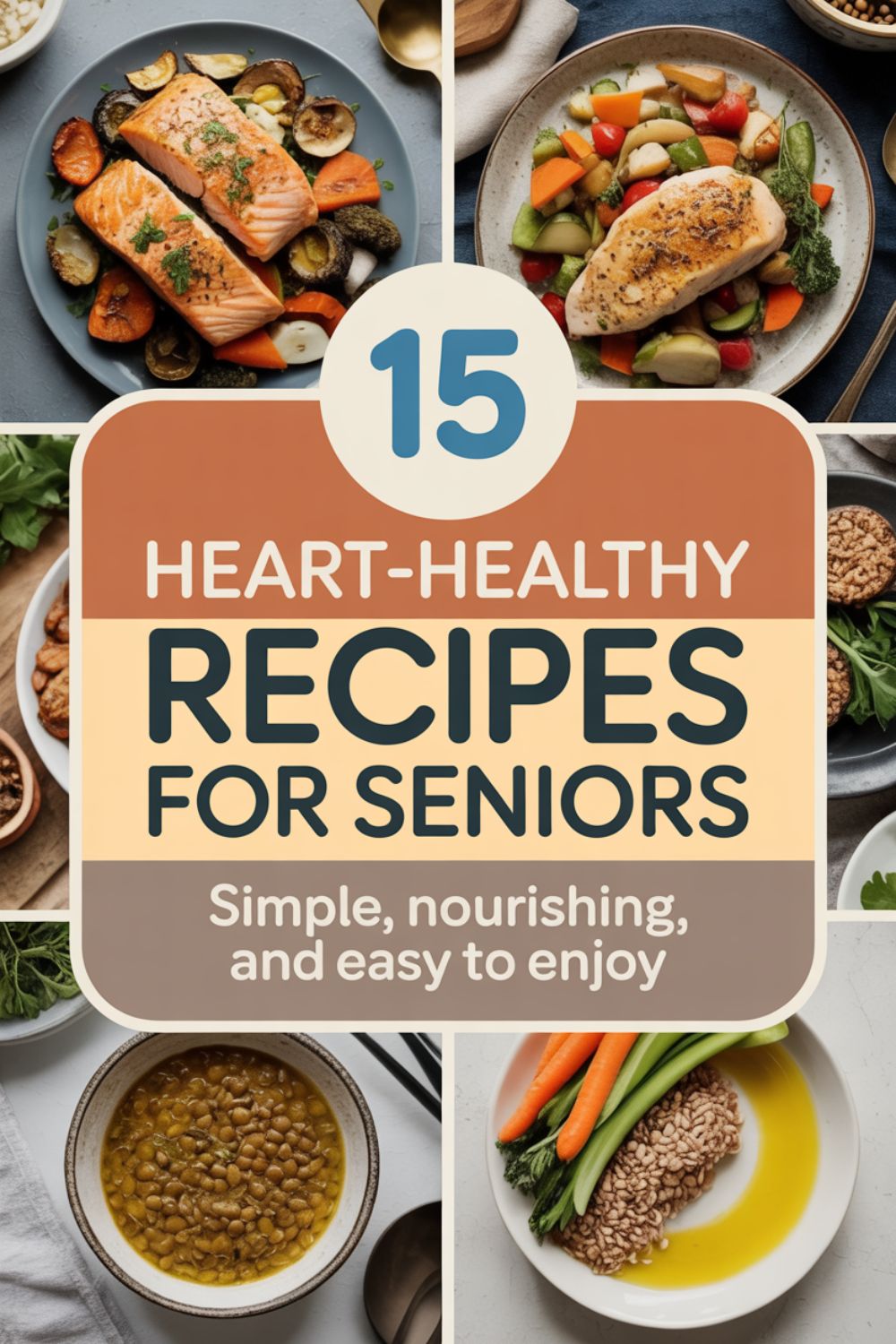
Look, I’m gonna level with you right from the start. When most people hear “heart healthy recipes for seniors,” they picture bland, cardboard-tasting meals that make you miss the days when you could eat whatever you wanted. But here’s the thing—eating for your heart doesn’t mean eating boring food.
After years of experimenting in the kitchen and watching my own parents navigate their golden years, I’ve learned that heart-healthy cooking is more about smart choices than sacrifice. You don’t need to eat like a rabbit or pretend that unseasoned chicken breast is satisfying.
The recipes I’m sharing today are ones I actually make, ones that real people enjoy, and ones that happen to be fantastic for cardiovascular health. No weird ingredients you can’t pronounce, no complicated techniques that require a culinary degree.
Why Heart Health Gets Even More Important After 60
Here’s something your doctor probably already told you but maybe didn’t explain well: according to the American Heart Association, cardiovascular disease remains the leading cause of death in older adults. But—and this is the important part—it’s also one of the most manageable conditions through diet.
As we age, our bodies handle cholesterol differently. Blood pressure naturally tends to creep up. The arteries lose some of their elasticity. But nutrition can genuinely make a difference in how these changes affect us.
Mayo Clinic research shows that adopting a heart-healthy eating pattern can reduce cardiovascular disease risk by up to 31%. That’s not a small number, folks.
Pro Tip: Don’t try to overhaul your entire diet overnight. Start with one or two of these recipes per week and gradually add more. Your taste buds and your routine will thank you.
What Makes a Recipe “Heart Healthy” Anyway?
Before we dive into the recipes, let’s talk about what we’re actually aiming for here. Heart-healthy eating isn’t some mysterious code—it’s pretty straightforward once you know the basics.
Focus on these ingredients:
- Omega-3 rich fish like salmon, mackerel, and sardines
- Leafy greens and colorful vegetables
- Whole grains instead of refined ones
- Healthy fats from olive oil, nuts, and avocados
- Legumes and beans for protein and fiber
- Fresh herbs and spices for flavor without sodium
Limit these culprits:
- Saturated fats from red meat and full-fat dairy
- Trans fats (mostly in processed foods)
- Excessive sodium
- Added sugars
- Heavily processed foods
The Mediterranean diet keeps popping up in research because it naturally emphasizes all the good stuff while minimizing the problematic ingredients. If you’re looking for more structured Mediterranean meal ideas, check out this 7-day Mediterranean meal plan that takes the guesswork out of planning.
Recipe 1: Greek Yogurt Bowl with Berries and Honey
This is my go-to breakfast when I need something quick but substantial. Greek yogurt packs way more protein than regular yogurt, which helps with muscle maintenance—something seniors definitely need to think about.
The berries bring antioxidants and natural sweetness, while a drizzle of honey adds just enough indulgence to make it feel special. I use this Greek yogurt maker to control the thickness and tartness, but store-bought works perfectly fine.
The beauty of this recipe is its flexibility. Not a berry person? Use sliced peaches or diced apples. Want more crunch? Toss in some walnuts or almonds. Get Full Recipe
Recipe 2: Lentil Soup with Crusty Bread
Lentils are basically tiny nutritional powerhouses. They’re loaded with fiber, which helps lower cholesterol, and they’re rich in plant-based protein. Plus, unlike dried beans, lentils don’t require overnight soaking, which makes them perfect for those days when you didn’t plan ahead.
I make a big batch on Sunday and eat it throughout the week. The flavors actually get better after a day or two in the fridge. Just reheat, pair with some whole-grain bread, and you’ve got a meal that’ll keep you satisfied for hours.
The key is using good vegetable broth as your base and not skimping on the aromatic vegetables—onions, carrots, and celery. A quality Dutch oven makes this soup come together beautifully, but any large pot works. Get Full Recipe
For more protein-packed soup options that won’t bore you to tears, take a look at these high-protein soups under 350 calories. Seriously good stuff.
Recipe 3: Grilled Salmon with Tomato Caper Relish
Ever wonder why doctors won’t shut up about eating more fish? It’s the omega-3 fatty acids. These healthy fats help reduce inflammation, lower triglycerides, and may even help prevent irregular heartbeats.
Salmon is one of the best sources of omega-3s you can get. The tomato caper relish adds a burst of Mediterranean flavor without loading up on sodium. Capers are salty, so you need very few to get that briny punch.
I grill my salmon on a cedar plank because it adds subtle smoky flavor and keeps the fish from sticking to the grill grates. If you don’t have a grill, baking at 400°F works just as well. Get Full Recipe
Quick Win: Buy your salmon already portioned. Yes, it costs a bit more per pound, but you’ll actually cook it instead of letting it sit in your freezer for six months. Trust me on this one.
Recipe 4: Mediterranean Chickpea Skillet
Chickpeas are criminally underrated, IMO. They’re high in both protein and fiber, incredibly versatile, and they cost next to nothing. This skillet dish comes together in about 20 minutes and tastes like you spent way longer on it.
The combination of chickpeas, tomatoes, spinach, and Mediterranean spices creates this satisfying one-pan meal that checks all the nutritional boxes. I like serving it over quinoa or whole-grain couscous, but it stands alone just fine.
A good cast-iron skillet is worth its weight in gold for recipes like this. They distribute heat evenly and, if properly seasoned, basically nothing sticks to them. Get Full Recipe
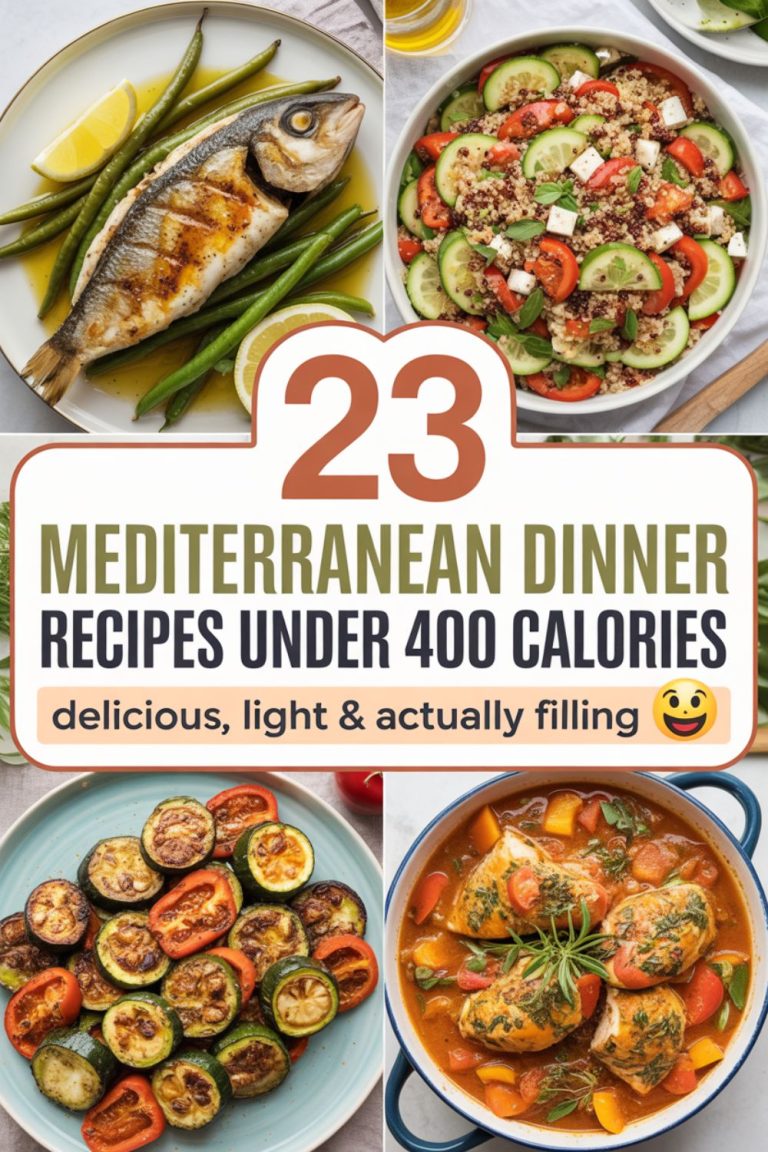
Speaking of Mediterranean flavors, if you’re really into this style of eating, you might want to explore some Mediterranean dinner recipes that work great for meal prep.
Recipe 5: Oatmeal with Dried Figs, Walnuts, and Cinnamon
Oatmeal gets a bad rap for being boring, but that’s only because most people make it wrong. When you take the time to toast your oats first and add interesting toppings, it becomes something you actually look forward to eating.
The soluble fiber in oats—called beta-glucan—actively helps lower LDL cholesterol. The walnuts add omega-3s and healthy fats. Dried figs bring natural sweetness and extra fiber. Cinnamon? That’s just because it tastes amazing and may help with blood sugar regulation.
I prepare this in my programmable rice cooker the night before so it’s ready when I wake up. Game changer for rushed mornings. Get Full Recipe
Recipe 6: Whole Wheat Spaghetti with Cherry Tomatoes and Basil
Pasta isn’t the enemy, people. Processed, refined pasta in giant portions might be, but whole wheat pasta in reasonable amounts is perfectly fine for heart health. The whole grains provide fiber, B vitamins, and minerals that refined pasta strips away.
This recipe is so simple it almost feels like cheating. Fresh cherry tomatoes, garlic, basil, a splash of good olive oil, and you’re done. No heavy cream sauces, no processed cheese—just clean, fresh flavors.
The secret is using really good ingredients since there aren’t many of them. I splurge on extra virgin olive oil from Italy or Greece for dishes like this. The flavor difference is noticeable. Get Full Recipe
Recipe 7: Avocado Toast Mediterranean Style
Yeah, avocado toast is trendy. It’s also legitimately nutritious when done right. Avocados are packed with heart-healthy monounsaturated fats and potassium, which helps manage blood pressure.
The Mediterranean twist comes from adding cherry tomatoes, a sprinkle of feta cheese, and some za’atar seasoning. It’s more interesting than plain mashed avocado on bread and packs more nutritional punch.
Use whole-grain or sourdough bread—real bread, not the spongy stuff that compresses into nothing. A good bread knife makes slicing crusty bread so much easier. Get Full Recipe
If you’re enjoying these Mediterranean breakfast vibes, check out these easy Mediterranean breakfast ideas for more morning inspiration.
Recipe 8: Stuffed Bell Peppers with Quinoa and Veggies
Bell peppers are nature’s edible bowls, and they’re surprisingly nutritious in their own right. They’re loaded with vitamin C and antioxidants that support cardiovascular health.
The quinoa stuffing provides complete protein—meaning it contains all nine essential amino acids—plus fiber and minerals. Add some vegetables, herbs, and a bit of cheese for flavor, and you’ve got a complete meal that looks impressive but isn’t hard to pull off.
I use my 8×8 baking dish for this recipe since it fits four peppers perfectly. They freeze well too, so make extra. Get Full Recipe
Pro Tip: Pre-cook your quinoa on meal prep Sunday. Having it ready to go makes weeknight cooking so much faster and you’re more likely to actually make these healthy recipes.
Recipe 9: Shakshuka (Eggs in Spicy Tomato Sauce)
Shakshuka sounds exotic, but it’s basically eggs poached in a spiced tomato sauce. It’s a North African and Middle Eastern dish that’s become popular everywhere because it’s delicious, filling, and relatively light.
The tomato base provides lycopene, an antioxidant linked to heart health. The eggs give you protein and important nutrients. The spices—cumin, paprika, and a touch of cayenne—add flavor without sodium.
You need a good oven-safe skillet for this one since it starts on the stovetop and finishes in the oven. Serve it with whole-grain pita or crusty bread for dipping. Get Full Recipe
Recipe 10: Greek Salad (But Like, Actually Good)
Most restaurant Greek salads are a sad pile of iceberg lettuce with a couple of sad olives. A real Greek salad has no lettuce at all—it’s all about ripe tomatoes, crisp cucumbers, briny olives, creamy feta, and a simple olive oil dressing.
This salad is basically a lesson in how fat-free doesn’t equal heart-healthy. The olive oil and feta provide healthy fats that help your body absorb the fat-soluble vitamins from the vegetables.
Don’t skimp on quality here. Get good olives (not the canned black ones), real feta cheese, and ripe tomatoes. A salad spinner keeps your vegetables crisp and prevents a watery salad. Get Full Recipe
For more satisfying salad ideas that won’t leave you hungry an hour later, browse through these Mediterranean salads that are actually filling.
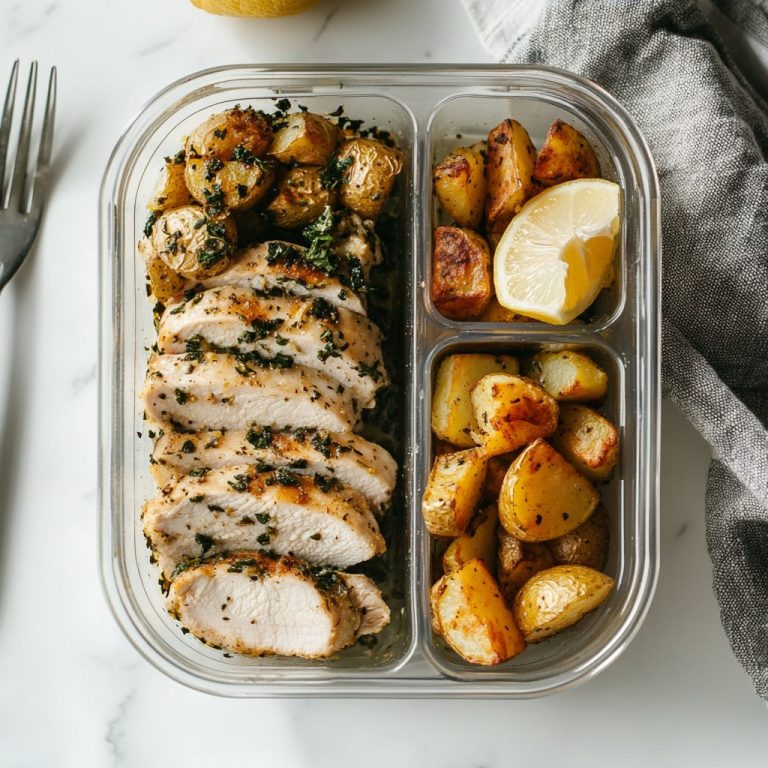
Recipe 11: Lemon Herb Chicken with Roasted Potatoes
Chicken breast gets a bad reputation for being dry and flavorless, but that’s only when people overcook it. Done right, it’s a lean protein source that works as a blank canvas for whatever flavors you want.
This recipe uses a simple marinade of lemon, garlic, and herbs. The key is not cooking it past 165°F internal temperature. Research from the American Heart Association emphasizes that older adults need adequate protein to maintain muscle mass, and lean poultry is an excellent source.
The roasted potatoes satisfy that comfort-food craving without deep frying. Use a meat thermometer to avoid overcooking—it’s the only way to guarantee juicy chicken every time. Get Full Recipe
Recipe 12: Baked Falafel
Traditional falafel is deep-fried, which isn’t ideal for heart health. But baked falafel? That’s a different story. You get the same Middle Eastern spice blend and crispy exterior without swimming in oil.
Made from chickpeas and fresh herbs, falafel packs protein, fiber, and flavor. Serve it in whole wheat pita with tahini sauce and vegetables for a complete meal.
A food processor makes this recipe incredibly easy—you just pulse everything together and shape the patties. Get Full Recipe
Recipe 13: Mediterranean Grain Bowl
Grain bowls are trendy for good reason—they’re an easy way to combine multiple nutritious ingredients in one meal. This Mediterranean version uses farro or bulgur as the base, topped with roasted vegetables, chickpeas, feta, and a lemony dressing.
Farro is an ancient grain that’s high in fiber and has a nice chewy texture. If you can’t find it, barley or brown rice work too.
Meal prep these bowls on Sunday and you’ve got lunch sorted for half the week. Use glass meal prep containers so you can see what’s inside without opening them. Get Full Recipe
Looking for more grain bowl inspiration? These high-protein bowls are seriously satisfying and nutritionally balanced.
Recipe 14: Cucumber Hummus Sandwich
Sometimes you just want a simple sandwich, you know? This one combines creamy hummus with crunchy cucumber, tomato, and mixed greens on whole-grain bread. It’s light, refreshing, and surprisingly filling.
Hummus provides plant-based protein and healthy fats from the tahini and olive oil. Cucumbers are hydrating and low in calories. The whole-grain bread adds fiber.
Make your own hummus if you have a blender or food processor—it tastes so much better than store-bought and you control the salt content. Get Full Recipe
Recipe 15: Tuna White Bean Salad
This is one of those recipes that’s greater than the sum of its parts. Canned tuna and white beans might not sound exciting, but when you toss them with olive oil, lemon juice, red onion, and parsley, they transform into something really satisfying.
Tuna provides omega-3s and protein. White beans add fiber and plant-based protein. Together, they create a budget-friendly meal that supports heart health.
Use olive oil-packed tuna instead of water-packed for better flavor and extra healthy fats. Serve over mixed greens or with whole-grain crackers. Get Full Recipe
Making These Recipes Work for Your Life
Here’s the thing about healthy eating—it only works if it fits into your actual life. If these recipes feel overwhelming or too complicated, you won’t make them. And if you don’t make them, they don’t help your heart at all.
Start with one or two recipes that sound appealing. Master those. Then add another. Build your repertoire gradually instead of trying to overhaul everything at once.
FYI, most of these recipes scale well, so you can make larger batches and freeze portions. Future you will be grateful when you have a home-cooked, heart-healthy meal ready to go on a day when cooking feels impossible.
Pro Tip: Keep a running grocery list on your phone. When you use the last of something, add it immediately. Sounds obvious, but it’ll save you those annoying mid-recipe grocery runs.
The Bigger Picture Beyond Recipes
Look, these recipes are great, but eating heart-healthy isn’t just about following recipes. It’s about understanding what makes food good for you and making reasonable choices most of the time.
You don’t need to be perfect. You don’t need to never eat dessert again or avoid restaurants forever. The goal is progress, not perfection.
Focus on adding more whole foods—fruits, vegetables, whole grains, lean proteins, and healthy fats. When you fill your plate with these foods, there’s naturally less room for the processed stuff that isn’t doing your heart any favors.
And honestly? Once you get used to eating this way, highly processed foods start tasting weird. Too salty, too sweet, too artificial. Your taste buds actually adjust.
Frequently Asked Questions
What’s the single most important change seniors can make for heart health?
If I had to pick just one thing, it would be reducing sodium intake while increasing potassium-rich foods like leafy greens, bananas, and sweet potatoes. Blood pressure management becomes increasingly important with age, and this dietary shift addresses both sides of the equation. That said, every positive change adds up—don’t feel like you need to nail everything perfectly.
Can you still eat meat on a heart-healthy diet?
Absolutely, but focus on lean cuts and smaller portions. Chicken, turkey, and fish are excellent choices. Red meat isn’t completely off-limits either—just make it an occasional thing rather than a daily staple, and choose leaner cuts when you do have it. The Mediterranean approach treats meat more as a flavoring or side dish rather than the main event, which is honestly pretty smart.
Are frozen vegetables okay for heart health?
Yes, frozen vegetables are perfectly fine and sometimes even better than “fresh” produce that’s been sitting around for a week. They’re frozen at peak ripeness, which locks in nutrients. Just check the ingredient list—you want plain frozen vegetables without added sauces, salt, or butter. Frozen vegetables make cooking easier and reduce food waste, which helps you actually stick with healthy eating.
How much fish should seniors eat per week?
Aim for at least two servings of fatty fish per week—that’s what most cardiologists recommend. Salmon, mackerel, sardines, and herring are your best bets for omega-3 content. If you’re not a huge fish fan, start with milder options like cod or tilapia and work your way up to the fishier varieties.
Is olive oil really better than other cooking oils?
For heart health specifically, yes. Extra virgin olive oil is rich in monounsaturated fats and antioxidants that benefit cardiovascular function. It’s been studied extensively and consistently shows positive effects on heart health markers. That doesn’t mean other oils are terrible—avocado oil is also excellent—but olive oil has the most research backing it up, especially in the context of Mediterranean eating patterns.
Final Thoughts
Eating for heart health doesn’t mean giving up flavor or satisfaction. It means being smart about your choices and focusing on whole, minimally processed foods that actually taste good.
These 15 recipes are a starting point. They’re tried and tested, they work for real people with real lives, and they happen to be excellent for cardiovascular health. But they’re not rigid rules—adapt them to your preferences, swap ingredients you don’t like, and make them your own.
The best diet is the one you’ll actually follow. If that means starting with just two or three of these recipes and gradually adding more, that’s perfect. Small, sustainable changes beat dramatic overhauls that last three days before you burn out.
Take care of your heart. It’s been working hard for you all these years—it deserves some good food in return.