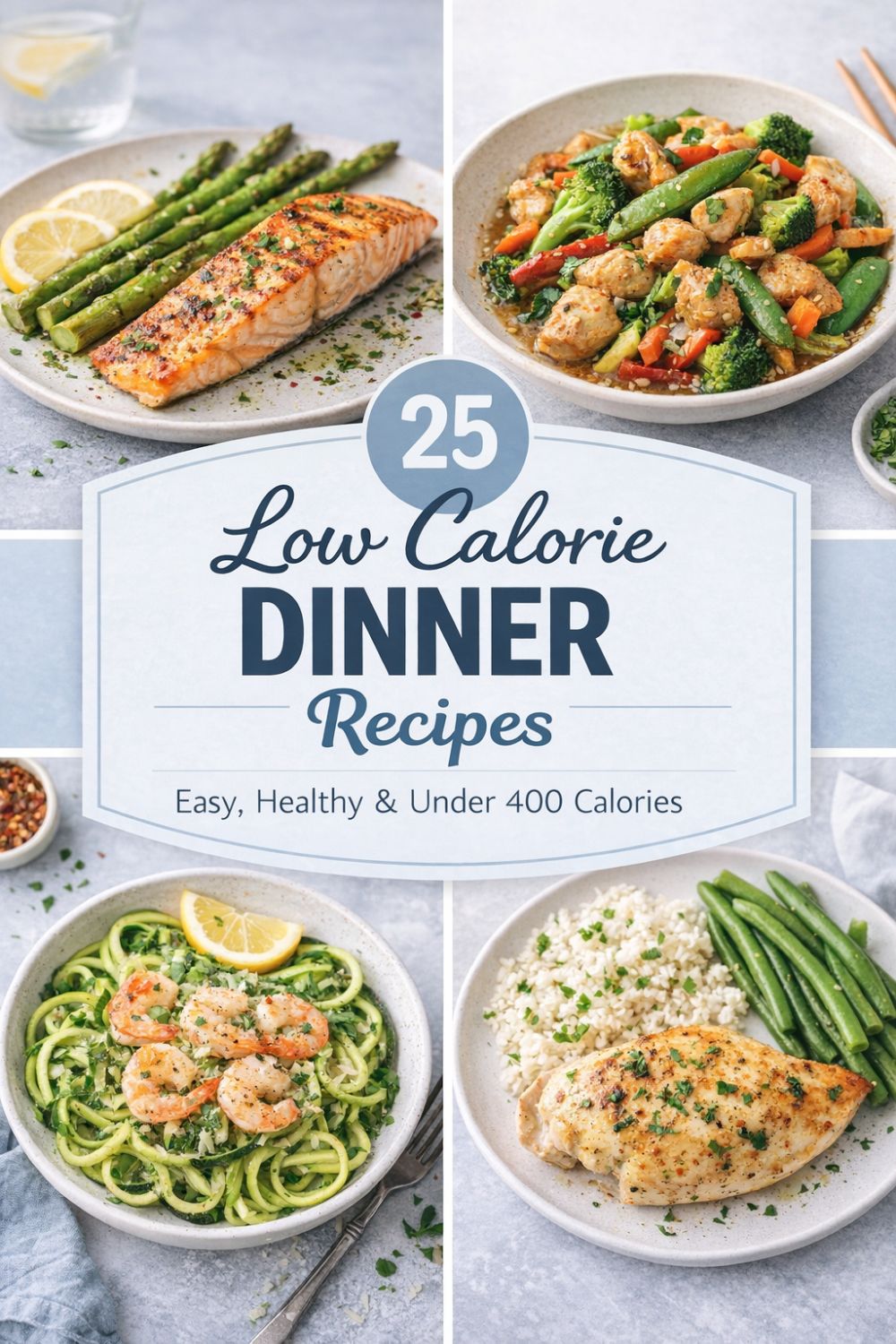
25 Low Calorie Dinner Recipes Under 400 Calories
So you want to eat dinner without feeling like you just strapped a weighted vest to your gut? Yeah, me too. That’s the whole point of these recipes—real food that won’t leave you bloated, sluggish, or Googling “how to undo a food baby” at 9 PM.
Here’s the thing: low calorie doesn’t mean sad desk salads or boiled chicken that tastes like regret. These 25 dinners clock in under 400 calories, but they’re packed with flavor, protein, and enough volume that you won’t be raiding the fridge an hour later. No tricks, no fake sugar nonsense—just solid meals you’ll actually want to eat.
Why 400 Calories Actually Makes Sense for Dinner
Let’s do some quick math without making this feel like a nutrition lecture. If you’re aiming for around 1,500–1,800 calories a day (which is pretty standard for weight loss or maintenance depending on your activity level), you’ve got room to split that up smartly. A 400-calorie dinner leaves you plenty of wiggle room for breakfast, lunch, and snacks without turning into a calorie-counting psychopath.
Plus, 400 calories is enough to build a legit meal. We’re talking lean protein, veggies, maybe some whole grains or healthy fats—not just a pile of lettuce with lemon juice. You can actually feel satisfied and hit your macros without the mental gymnastics.
According to Healthline’s research on calorie restriction, the key to sustainable weight management isn’t just cutting calories—it’s making sure those calories are nutrient-dense and satisfying. That’s what these recipes do.
The Mediterranean Advantage for Low-Calorie Eating
I’m not going to pretend Mediterranean food is some magical unicorn diet, but it does make low-calorie eating way less painful. Olive oil, lean proteins, tons of veggies, herbs that actually taste like something—it’s basically designed for people who want to eat well without feeling like they’re punishing themselves.
The beauty of Mediterranean-style cooking is that it focuses on whole foods and bold flavors. You’re not masking blandness with cheese or drowning everything in ranch. You’re using lemon, garlic, oregano, and a bit of good olive oil to make food taste like food. Novel concept, I know.
If you’re looking for more ideas in this vein, check out these high-protein Mediterranean meals under 400 calories—they’re built on the same principle but with even more protein punch.
What Makes a Good Low-Calorie Dinner?
Not all 400-calorie meals are created equal. You could technically eat four Fun Size Snickers bars and call it dinner, but we both know how that story ends. Here’s what actually works:
- Lean protein: Chicken, turkey, fish, tofu, legumes—something that keeps you full and helps preserve muscle mass while you’re in a deficit.
- Fiber-rich veggies: Volume matters. Broccoli, spinach, zucchini, peppers—these give you bulk without the calorie hit.
- Smart carbs: Quinoa, sweet potatoes, whole grains—if you’re including carbs, make them count nutritionally.
- Healthy fats in moderation: A drizzle of olive oil, some avocado, a handful of nuts. You need fat for satiety and nutrient absorption, just not half a bottle of ranch.
The Mayo Clinic notes that balanced meals with adequate protein and fiber are key to feeling satisfied on fewer calories, which is exactly what we’re going for here.
Mediterranean Dinner Recipes Under 400 Calories
Let’s start with the Mediterranean classics—these are my go-to recipes when I want something that tastes like vacation but fits my calorie budget. The combination of lean proteins, olive oil, and fresh vegetables makes these meals feel indulgent without the caloric damage.
Grilled and Baked Proteins
Grilled proteins are your best friend when you’re watching calories. They’re simple, flavorful, and you’re not adding unnecessary fats through cooking methods. A piece of lemon herb chicken with roasted potatoes clocks in well under 400 calories and tastes like you actually tried. Get Full Recipe.
Same goes for salmon. If you’ve never made grilled salmon with tomato caper relish, you’re missing out on one of the easiest weeknight dinners that doesn’t taste like you’re dieting. Get Full Recipe. The capers and tomatoes add tons of flavor without piling on calories, and salmon’s natural fats keep you satisfied.
For something a bit different, try baked salmon with herbed quinoa—it’s one of those meals that looks fancy but takes about 25 minutes start to finish. Get Full Recipe.
Mediterranean Bowl Meals
Bowl meals are clutch because you can customize them based on what you have in your fridge. The Mediterranean grain bowl is my weekly staple—quinoa or farro, grilled chicken or chickpeas, loads of veggies, and a lemony tahini drizzle. Get Full Recipe.
Another solid option is the Mediterranean chickpea bowl. If you’re trying to get more plant-based meals in, this one hits different. Chickpeas bring the protein, vegetables bring the volume, and a bit of feta adds just enough richness without blowing your calorie budget. Get Full Recipe.
Speaking of plant-based inspiration, these high-protein vegetarian recipes show you don’t need meat to build a satisfying, protein-packed meal.
Soup and Stew Options
Soups are criminally underrated for weight loss. They’re high volume, low calorie, and stupid easy to meal prep. A big pot of lentil spinach soup can feed you for days and each serving is well under 400 calories. Get Full Recipe.
If you want something a bit heartier, go with a lentil sweet potato stew. Sweet potatoes add natural sweetness and bulk up the fiber content, while lentils handle the protein. It’s basically a hug in a bowl that won’t make you fat. Get Full Recipe.
I also keep coming back to lentil soup with crusty bread. Yes, bread. You can have a small piece of crusty whole grain bread and stay under 400 calories if you plan it right. Don’t let the carb police scare you.
For more soup ideas that keep you full, these high-protein soups are designed specifically to maximize satiety without the calorie overload.
Quick Weeknight Recipes That Don’t Suck
Real talk: if a recipe takes more than 30 minutes on a weeknight, I’m ordering takeout. These are the meals I actually make when I’m tired, hungry, and have zero patience for complicated cooking.
One-Pan and Skillet Meals
Anything that requires only one pan immediately wins. The Mediterranean chickpea skillet is basically my lazy dinner MVP—dump everything in a pan, cook for 20 minutes, done. Get Full Recipe. Plus cleanup is minimal, which matters when you’re already exhausted.
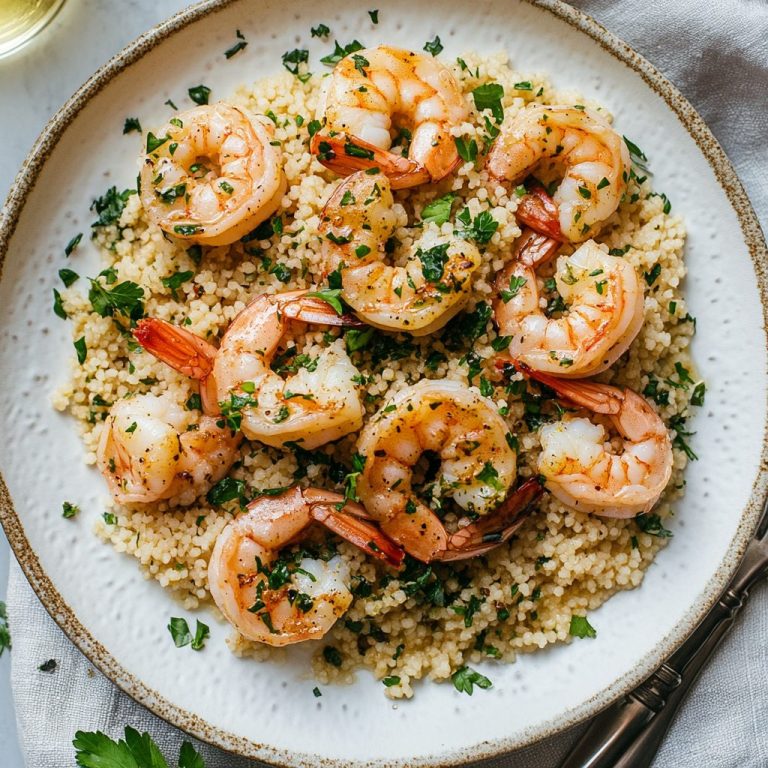
Another personal favorite is shrimp sautéed in garlic and olive oil with couscous. Shrimp cooks in like five minutes, couscous takes another five, and suddenly you have a restaurant-quality meal that didn’t require turning on three burners. Get Full Recipe.
The Ultimate Cast Iron Skillet for Low-Cal Cooking
If you’re serious about making these recipes consistently, you need one really good pan. Not five mediocre ones—just one bulletproof cast iron skillet that’ll last literally forever.
- Pre-seasoned and ready to use out of the box
- Goes from stovetop to oven to grill without issues
- Natural non-stick surface when properly maintained
- Even heat distribution for perfect sears every time
- Actually gets better with age (unlike your non-stick pans)
I’ve been using mine for five years and it’s become my default for basically everything—chicken, fish, vegetables, even eggs. The best part? You barely need any oil because the seasoning does the work. Fewer calories, better flavor, zero chemicals leaching into your food.
For something with a bit more spice, try shakshuka—eggs poached in spicy tomato sauce. It’s traditionally a breakfast dish but works perfectly for dinner, especially if you serve it with a small piece of whole grain bread or pita.
I’m a big fan of using a large cast iron skillet for these recipes. It distributes heat evenly, goes from stovetop to oven, and nothing sticks if you season it right. Plus it makes you feel like you know what you’re doing in the kitchen.
Kitchen Essential: Digital Food Scale
Look, I resisted getting a food scale for way too long because I thought it would make me obsessive. Turns out, it’s the opposite—it gives you freedom because you actually know what portion sizes look like.
- Measure ingredients accurately for consistent calorie tracking
- Perfect for portioning proteins and grains
- Compact design that doesn’t take up counter space
- Switch between grams and ounces instantly
Once you know what 4 oz of chicken or 1/2 cup of quinoa actually looks like, you can eyeball it. But getting there requires measuring first. This thing pays for itself in prevented overeating.
Veggie-Forward Dinners
Vegetables are your secret weapon for low-calorie, high-volume eating. A whole plate of grilled veggie platter with hummus feels like a feast but barely makes a dent in your calorie budget. Get Full Recipe.
Stuffed vegetables are another smart move. Stuffed bell peppers with quinoa and veggies give you that “fancy dinner” vibe without the fancy calorie count. Get Full Recipe. You’re basically eating an edible bowl filled with good stuff.
And if you haven’t tried spaghetti squash with tomato basil sauce, you’re sleeping on one of the best pasta alternatives out there. It’s not pasta—let’s be real—but it scratches that itch when you want something saucy and satisfying. Get Full Recipe.
Plant-Based Low-Calorie Options
You don’t need to go full vegan to appreciate plant-based dinners, especially when they’re done right. These recipes prove that vegetarian doesn’t mean boring or unsatisfying—it just means you’re getting creative with your protein sources.
Legume-Based Meals
Legumes are stupid cheap, packed with protein and fiber, and versatile as hell. A simple chickpea cauliflower coconut curry gives you that creamy, comforting vibe without the cream. Get Full Recipe.
Or go with three bean chili—black beans, kidney beans, pinto beans, all the spices, tons of volume. It’s filling, warming, and you can make a huge batch that lasts all week. Get Full Recipe.
If you’re looking for more creative ways to use chickpeas, these Mediterranean chickpea wraps are a solid lunch or light dinner option that keeps the calories reasonable.
Tofu and Tempeh Recipes
I know tofu gets a bad rap, but that’s usually because people don’t know how to cook it properly. Press it, marinate it, get some color on it—suddenly it’s actually good. A stir-fried tofu with broccoli and brown rice situation can be legitimately satisfying if you don’t half-ass the prep. Get Full Recipe.
The key is getting your tofu press game right. I resisted buying one for way too long, but it genuinely makes a difference in texture. Less water content means better absorption of marinades and better browning.
Premium Tofu Press That Actually Works
Forget wrapping tofu in paper towels and stacking books on it like some cooking school dropout. A proper tofu press takes five minutes of active work and gives you restaurant-quality texture every single time.
- Removes excess water in 15-30 minutes (vs. hours with towel method)
- Creates perfectly firm texture that holds up during cooking
- Allows tofu to absorb marinades like a flavor sponge
- BPA-free, dishwasher-safe, takes up minimal space
- Works with all tofu firmness levels
The difference between pressed and unpressed tofu is honestly night and day. Pressed tofu gets crispy edges, develops real flavor, and doesn’t fall apart when you’re stir-frying. If you’re doing any plant-based cooking, this pays for itself in improved meal quality within a week.
For more plant-based high-protein options that won’t leave you hungry an hour later, check out these 25 high-protein vegetarian recipes.
International Flavors Under 400 Calories
Just because you’re watching calories doesn’t mean you’re stuck eating the same bland rotation forever. These internationally-inspired recipes prove you can have bold flavors and stay on track.
Mexican-Inspired Dishes
Mexican food gets a bad rap for being calorie-heavy, but that’s really just Americanized versions swimming in cheese and sour cream. Real Mexican cuisine uses tons of vegetables, beans, and lean proteins. Veggie-packed black bean tacos are the perfect example—tons of flavor, tons of fiber, minimal calories. Get Full Recipe.
Or go with black bean enchiladas (hold the cheese, obviously). The enchilada sauce brings all the flavor you need without drowning everything in dairy. Get Full Recipe.
For tacos specifically, I use these small corn tortillas—way fewer calories than flour tortillas and honestly taste better with Mexican fillings.
Moroccan and Middle Eastern Options
Middle Eastern food is naturally low-calorie when you’re not eating your weight in pita bread. A Moroccan spiced quinoa bowl with chickpeas, roasted vegetables, and harissa is stupid flavorful and won’t wreck your day. Get Full Recipe.
Baked falafel is another game-changer. Traditionally they’re deep fried, which takes them from healthy to calorie bomb territory. Bake them instead and you get all the flavor with way less oil. Serve with tahini sauce and a big salad, and you’ve got yourself a proper meal.
If you’re into Middle Eastern flavors, these Mediterranean snacks that aren’t just hummus show the range of this cuisine beyond the obvious.
Meal Prep Tips for Low-Calorie Dinners
Look, meal prep is either going to save your diet or you’re going to end up ordering takeout five nights a week. There’s no in-between. Here’s how to actually make it work without losing your mind or your will to live.
Batch Cooking Strategies
The biggest meal prep mistake people make is trying to cook seven completely different meals. That’s not meal prep, that’s just cooking every day but on Sunday. Instead, pick 2-3 recipes, make large batches, and rotate them throughout the week.
Soups and stews are your best friends here. Make a huge pot of Mediterranean soup, portion it out, freeze half. Do the same with chili or curry. Boom—you’ve got dinners for two weeks.
For comprehensive meal prep guidance, these 30 high-protein meal prep ideas walk you through the entire process of planning, cooking, and storing a week’s worth of meals.
Join Our Free WhatsApp Community!
Want daily recipe ideas, meal prep tips, and exclusive low-calorie recipes delivered straight to your phone? Join 10,000+ people who are crushing their health goals together.
- New recipe every morning (under 400 calories guaranteed)
- Weekly meal prep guides and shopping lists
- Real success stories from community members
- Quick cooking hacks you won’t find on the blog
- Ask questions and get answers from real people
- Zero spam, just good food and support
It’s completely free and you can leave anytime. But honestly, once you see how helpful the community is, you won’t want to.
Click the button above and you’ll be redirected to WhatsApp. One tap to join!
Instant-Read Meat Thermometer for Perfect Proteins
Want to know the real secret to juicy chicken and perfectly cooked salmon? Stop guessing when it’s done. A digital thermometer removes all the uncertainty and basically guarantees you never serve dry, overcooked protein again.
- Instant readings in 2-3 seconds (no more waiting and wondering)
- Accurate to within 1-2 degrees
- Prevents overcooking that destroys texture and flavor
- Waterproof and easy to clean
- Works for all proteins—chicken, fish, beef, pork, tofu
Chicken breast should hit 165°F internal temp. Salmon is perfect at 125-130°F. With a thermometer, you nail it every single time instead of cutting into your protein like a barbarian to “check if it’s done.” This single tool probably improved my cooking more than any other kitchen gadget.
Smart Ingredient Prep
You don’t have to cook complete meals to make weeknights easier. Sometimes just having ingredients prepped is enough. Chop all your vegetables on Sunday, cook a few proteins, cook a batch of quinoa or brown rice. When dinner time hits, you’re just assembling, not starting from scratch.
Marinate proteins ahead of time too. Chicken, tofu, fish—whatever you’re using, throw it in a marinade Sunday night. By the time you’re ready to cook it, it’s already flavorful and you just need to get it on the grill or in the oven.
I keep a set of airtight containers specifically for prepped ingredients. Keeps everything fresh, makes it easy to grab what you need, and you can see at a glance what you have available.
Meal Prep Game-Changer: Glass Container Set
Plastic containers are fine until they turn orange from tomato sauce and smell like last month’s garlic forever. Glass containers are the move—they’re microwave-safe, dishwasher-safe, and they don’t absorb smells or stains.
- BPA-free glass that won’t leach chemicals into your food
- Snap-lock lids that actually stay sealed in your bag
- Multiple sizes for different portion needs
- See your food through the container (makes you more likely to eat it)
I’ve been using the same set for three years and they still look brand new. Worth every penny if you’re serious about meal prepping these low-calorie dinners.
Common Mistakes with Low-Calorie Dinners
Let’s talk about what doesn’t work, because honestly that’s just as important as what does. I’ve made all these mistakes, and you probably will too if you haven’t already.
Not Eating Enough Protein
This is the biggest issue I see. People cut calories but forget to keep protein high, then wonder why they’re starving two hours after dinner. Your body needs protein to feel satisfied and maintain muscle mass. Aim for at least 25-30 grams of protein per dinner—more if you’re active.
Every recipe in this list prioritizes protein for exactly this reason. Whether it’s chicken, fish, legumes, or tofu, you need that protein foundation or you’re just setting yourself up to raid the pantry at 10 PM.
Skipping Healthy Fats Entirely
Fat has calories, yes, but it also helps you absorb nutrients and stay full. A completely fat-free dinner is going to leave you unsatisfied and reaching for snacks later. A drizzle of olive oil, some avocado, a sprinkle of nuts—these small additions make a huge difference in satiety without destroying your calorie budget.
The key is portion control. Measure your olive oil with an actual measuring spoon instead of just pouring. Use a olive oil spray mister to distribute it evenly without overdoing it. Small tools, big difference.
Calorie-Saver: Adjustable Oil Spray Bottle
This might seem excessive, but hear me out. One tablespoon of olive oil is 120 calories. When you’re pouring directly from the bottle, you’re probably using 2-3 tablespoons without realizing it. That’s 240-360 calories just from cooking oil.
- Control exactly how much oil you’re using
- Even distribution means better cooking results
- Works with any oil—olive, avocado, coconut
- Saves hundreds of calories per week without sacrificing flavor
Fill it with your favorite olive oil and a pump or two covers your entire pan. You’re getting the flavor and cooking benefits of oil without accidentally tripling your calorie count. This single tool probably saved me 500+ calories per week when I first started using it.
Choosing Volume Over Nutrition
Eating a giant bowl of plain lettuce technically keeps you under 400 calories, but it’s also nutritionally worthless and you’ll be hungry in an hour. Volume matters, but so does nutritional density. You need vitamins, minerals, fiber, protein—not just bulk for the sake of bulk.
That’s why these recipes focus on nutrient-dense ingredients. You’re getting volume from vegetables, yes, but you’re also getting protein from lean meats or legumes, healthy fats from olive oil or nuts, and complex carbs when appropriate. It’s the complete package.
Sample Week of Low-Calorie Dinners
Still feeling overwhelmed? Here’s a realistic week of dinners that won’t make you feel like you’re suffering through some extreme diet. Mix and match based on what you have available or what sounds good.
Monday: Start with lemon herb chicken with roasted potatoes. Classic, simple, reliable.
Tuesday: Mediterranean chickpea skillet. Meatless but filling, and you probably have most ingredients already.
Wednesday: Grilled salmon with tomato caper relish. Mid-week fancy dinner that doesn’t require actual effort.
Thursday: Lentil sweet potato stew. Make extra—this gets better over time.
Friday: Shrimp sautéed in garlic olive oil with couscous. Friday deserves something quick and tasty.
Weekend: Use leftovers or try something new from the list. Maybe stuffed bell peppers if you’re feeling ambitious.
For complete weekly planning with shopping lists and detailed prep instructions, check out this 14-day Mediterranean meal plan for beginners.
Frequently Asked Questions
Can I really lose weight eating 400-calorie dinners?
Absolutely, as long as your total daily calorie intake creates a deficit. A 400-calorie dinner leaves plenty of room for breakfast, lunch, and snacks while maintaining a reasonable calorie deficit. The key is making sure those 400 calories are nutrient-dense and satisfying, which is exactly what these recipes deliver. Combine this with consistent eating patterns and you’ll see results.
Will I feel hungry after these meals?
Not if you follow the recipes as written. Each one prioritizes protein (25-30g minimum) and fiber-rich vegetables to maximize satiety. The combination of lean protein, healthy fats, and high-volume vegetables should keep you satisfied for 3-4 hours. If you’re consistently hungry, you might need to adjust your overall calorie intake or add a small snack between meals.
How do these compare to meal replacement shakes?
Real food wins every time, IMO. These meals provide the same calorie range as most meal replacements but with actual nutrients, fiber, and satisfaction that you won’t get from a shake. Plus you’re learning to cook and developing sustainable eating habits instead of relying on expensive powder. Meal replacements have their place, but they shouldn’t replace actual meals long-term.
Can I meal prep all of these recipes?
Most of them, yes. Soups, stews, grain bowls, and cooked proteins all meal prep beautifully and last 3-4 days in the fridge. Some recipes like the shrimp dishes are better made fresh, but you can still prep all the ingredients ahead of time. Honestly, meal prepping these recipes is what makes the whole low-calorie thing sustainable instead of a temporary diet you abandon after two weeks.
Do I need to count every calorie?
Initially, yes, it helps to track so you understand portion sizes and how meals fit into your daily budget. But once you get familiar with these recipes and what 400 calories looks like on your plate, you can probably eyeball it pretty accurately. The goal is to develop intuition, not become obsessed with MyFitnessPal for the rest of your life. Track until you don’t need to anymore.
What if I’m still hungry after eating these dinners?
First, make sure you’re drinking enough water—sometimes thirst masquerades as hunger. Second, check your overall daily calorie intake; you might genuinely need more food if you’re very active. Third, consider adding a small serving of vegetables or a cup of herbal tea after dinner. If you’re consistently ravenous, your deficit might be too aggressive. Weight loss should be sustainable, not miserable.
Making It Work in Real Life
Here’s the truth nobody wants to hear: knowing 25 low-calorie dinner recipes means nothing if you don’t actually use them. The real challenge isn’t finding good recipes—it’s consistently choosing to cook them instead of ordering Thai food when you’re tired.
Start with three recipes from this list. Make them this week. Get comfortable with them. Once those three become easy, add three more. You’re not trying to revolutionize your entire diet overnight—you’re building a sustainable rotation of meals that work for your life.
Keep your kitchen stocked with the basics: olive oil, garlic, lemons, herbs, canned tomatoes, beans, frozen vegetables. With these staples, you can throw together most of these recipes without a special grocery run. Remove the friction, make it easy to succeed.
And yeah, you’re going to have nights where you don’t cook. That’s fine. One takeout meal doesn’t undo a week of good decisions. The goal is progress, not perfection. These recipes are tools in your toolkit—use them when they work, don’t beat yourself up when they don’t.
Conclusion
Twenty-five recipes feels like a lot, but you don’t need to master all of them. Find five or six that you genuinely enjoy, make them part of your regular rotation, and you’re already ahead of most people trying to lose weight or maintain a healthy lifestyle.
Low-calorie eating doesn’t have to mean deprivation or sad desk salads. These recipes prove you can eat real food, feel satisfied, and still hit your calorie goals. It’s about being strategic with ingredients, prioritizing protein and fiber, and not overthinking every single meal.
Cook a few of these this week. See how you feel. Adjust portions if needed. Find what works for your taste preferences and schedule. That’s the whole game—finding a sustainable way to eat that doesn’t feel like punishment.
And FYI, if you want even more variety, explore the rest of the site. There are hundreds of recipes designed around the same principle: real food, reasonable calories, actual flavor. Because eating well shouldn’t be complicated or miserable. It should just be… normal.