7-Day Mediterranean Diet Reset Challenge (Printable PDF!)
Look, I’m not going to pretend this is some magical cure-all that’ll transform your life in a week. But if you’re feeling bloated, sluggish, or just sick of eating garbage, this 7-day Mediterranean reset is exactly what you need. No weird shakes, no counting every calorie until your eyes cross, just real food that actually tastes good.
I’ve been doing this Mediterranean thing for years now, and honestly? It’s the only way of eating that doesn’t make me feel like I’m being punished for existing. The best part is you can actually stick with it because you’re not constantly fantasizing about bread.

Why a 7-Day Reset Actually Makes Sense
Seven days isn’t some arbitrary number I pulled out of thin air. It’s long enough for your body to adjust to eating real food again, but short enough that you won’t lose your mind craving whatever junk you’ve been living on. Think of it as a test drive for your digestive system.
The Mediterranean diet isn’t technically a “diet” in the annoying restrictive sense. It’s more like how people in Greece, Italy, and Spain have been eating for centuries without obsessing over macros or meal prep containers. According to research from Harvard’s School of Public Health, this way of eating reduces cardiovascular disease risk by up to 25% and helps with everything from inflammation to blood sugar control.
Studies published in the Journal of Internal Medicine show that Mediterranean eating patterns are linked to lower rates of chronic diseases and actually help people maintain a healthy weight without the misery of traditional dieting. Which, frankly, is the whole point.
What You’re Actually Eating This Week
Forget those meal plans that require 47 ingredients you’ll never use again. This reset focuses on simple, repeatable meals that won’t leave you chained to the stove. You’ll be eating lots of vegetables (shocking, I know), whole grains, legumes, fish, olive oil, and moderate amounts of dairy and poultry.
The basic breakdown is pretty straightforward. Every day includes three meals and maybe a snack if you’re hungry. No meal is going to take you more than 30 minutes unless you’re deliberately moving in slow motion.
Your Protein Sources
Fish is king here—aim for at least two servings during the week. Chicken and turkey show up a few times. Eggs are your breakfast MVP. Legumes like chickpeas, lentils, and white beans are basically Mediterranean staples, plus they’re cheap and filling.
If you’re wondering about red meat, it’s not banned, just limited. Think of it as an occasional guest star, not the main character. IMO, this is one reason the Mediterranean approach actually works long-term—nothing is completely off-limits, you’re just prioritizing the good stuff.
The Carb Situation
Whole grains are your friend. We’re talking quinoa, farro, whole wheat pasta, brown rice, and yes, actual bread. The key is choosing minimally processed versions and not eating an entire baguette in one sitting (though I won’t judge if you do).
Personally, I keep a stash of whole grain pita in my freezer and pull out what I need. A good bread box also helps keep things fresh longer without taking up precious freezer real estate.
The Actual 7-Day Plan
Day 1: Getting Started
Breakfast: Start with something simple like Greek yogurt with berries and honey. Get Full Recipe. If you’re not a yogurt person, overnight oats work too. They’re basically the lazy person’s breakfast champion.
Lunch: A big salad isn’t as boring as it sounds when you actually put effort into it. Try a Greek salad that’s actually good, loaded with cucumbers, tomatoes, olives, and feta. Drizzle with olive oil and you’re golden.
Dinner: Keep it simple with grilled salmon and tomato caper relish. Get Full Recipe. Pair it with roasted vegetables or a side of quinoa. Nothing fancy, just good food.
Day 2: Finding Your Rhythm
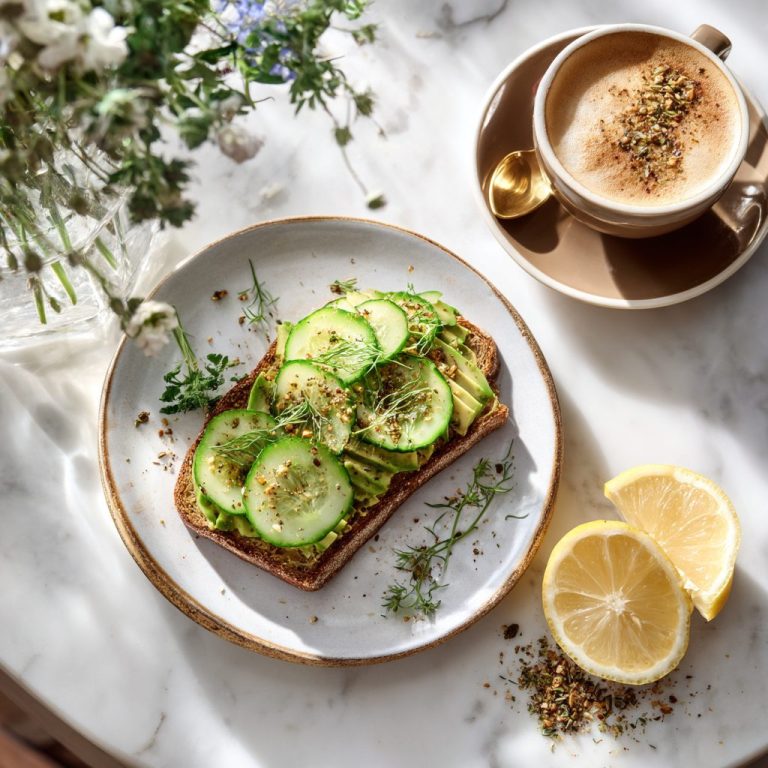
Breakfast: Mix things up with avocado toast topped with tomatoes and olive oil. The combination of healthy fats and fiber keeps you full without that mid-morning crash.
Lunch: Leftover salmon from last night or whip up a tuna and white bean salad. Both work cold, which is clutch if you’re meal prepping for work.
Dinner: Lemon herb chicken with roasted potatoes is your answer to “I’m too tired to cook but still need real food.” Get Full Recipe. Everything goes on one pan, which means less cleanup. I use a large rimmed baking sheet for this—makes the whole process stupidly easy.
Speaking of one-pan wonders, you might also love these easy Mediterranean one-pan dinners or check out this one-pot Mediterranean pasta that’s ridiculously good.
Day 3: Hitting Your Stride
Breakfast: Try a Mediterranean smoothie bowl packed with spinach, berries, and a scoop of Greek yogurt. It’s like a regular smoothie but you get to eat it with a spoon, which somehow makes it more satisfying.
Lunch: Hummus veggie wraps are your portable lunch solution. Whole wheat tortilla, hummus, cucumbers, tomatoes, shredded carrots, maybe some grilled chicken if you’re extra hungry. Roll it up and you’re done.
Dinner: Shakshuka is basically eggs poached in spicy tomato sauce, and it’s absurdly good for something so simple. Get Full Recipe. Serve it with crusty bread for dipping. A cast iron skillet works perfectly for this.
Day 4: Halfway Point
Breakfast: Oatmeal with dried figs, walnuts, and cinnamon sounds fancy but takes about five minutes. The figs add natural sweetness so you don’t need to dump sugar on top.
Lunch: A Mediterranean grain bowl with farro or quinoa, roasted vegetables, chickpeas, and tahini dressing. This is the kind of lunch that actually keeps you full instead of leaving you scrounging for snacks an hour later.
Dinner: Shrimp sautéed in garlic and olive oil over couscous takes maybe 15 minutes total. Get Full Recipe. This is my go-to when I’m hangry and need food immediately.
Day 5: Powering Through
Breakfast: Back to basics with scrambled eggs Mediterranean-style—throw in some spinach, tomatoes, and feta. Get Full Recipe. Pair it with whole grain toast.
Lunch: Lentil soup with crusty bread is comfort food that won’t wreck your progress. Make a big batch and freeze portions for lazy future meals.
Dinner: Stuffed bell peppers with quinoa and vegetables look impressive but are honestly pretty straightforward. Get Full Recipe. I use a 9×13 baking dish and they come out perfect every time.
For more filling lunch ideas like these, check out these Mediterranean lunchbox recipes or explore these actually filling Mediterranean salads.
Day 6: Almost There
Breakfast: Greek yogurt parfait with granola, berries, and a drizzle of honey. Layer it in a glass jar if you want to feel extra fancy about your breakfast.
Lunch: Cucumber hummus sandwiches on whole grain bread are lighter than you’d think but surprisingly filling. The crunch factor is real.
Dinner: Whole wheat spaghetti with cherry tomatoes and basil proves that pasta can absolutely be part of a healthy reset. Get Full Recipe. The key is portion control and loading up on the vegetables.
Day 7: Finish Strong
Breakfast: Finish where you started with another Greek yogurt bowl, or try overnight oats if you’re feeling adventurous.
Lunch: Make a grilled veggie platter with hummus. Sometimes simple is best, especially when you’re tired from the week.
Dinner: Cap off the week with baked salmon with herbed quinoa. Get Full Recipe. It’s the kind of meal that makes you feel accomplished without requiring culinary school skills.
The Kitchen Tools That Actually Matter
You don’t need a fully stocked Williams Sonoma kitchen to pull this off, but a few key tools make everything easier. A good chef’s knife is non-negotiable—trying to chop vegetables with a dull knife is a special kind of torture.
I’m obsessed with my quality olive oil dispenser because it makes drizzling way easier and you use less oil overall. A salad spinner might seem extra, but washing and drying greens properly makes such a difference in how your salads taste.
For meal prep, grab some glass food storage containers. They don’t stain, they heat up evenly, and they make your fridge look like you have your life together even when you absolutely don’t.
What About Snacks?
Snacking on a Mediterranean reset isn’t complicated. Think of it as “small plates of real food” rather than grabbing processed junk. A handful of almonds, some olives, fresh fruit, or veggie sticks with hummus all work.
Greek yogurt with a drizzle of honey hits the spot when you’re craving something sweet. Fresh berries are your best friend here. If you’re a cheese person, a small portion of feta or mozzarella with cherry tomatoes is clutch.
I keep small portion containers filled with nuts and dried fruit for when I need something portable. Way better than hitting the vending machine when hunger strikes.
Looking for more snack inspiration? Check out these Mediterranean snacks that actually keep you full or browse these protein-packed Mediterranean snacks.
Shopping Smart for This Reset
Your shopping list doesn’t need to be overwhelming. Focus on the basics: olive oil (get the good stuff, seriously), canned tomatoes, dried pasta and grains, canned beans, garlic, lemons, and a variety of fresh vegetables.
For protein, grab salmon fillets, chicken breast or thighs, eggs, and canned tuna. Greek yogurt and feta cheese round out the dairy section. Frozen vegetables are totally fine and sometimes cheaper than fresh—nobody’s judging.
Spices and herbs make everything taste better. Stock up on oregano, basil, thyme, cumin, and cinnamon if you don’t have them already. A spice rack organizer keeps everything visible so you actually remember to use them.
Common Mistakes to Avoid
Don’t make this harder than it needs to be. The biggest mistake people make is trying to cook complicated recipes every single meal. Save the fancy stuff for weekends and keep weeknight meals simple.
Another trap? Not eating enough fat. Olive oil is your friend here—don’t be scared of it. The Mediterranean diet includes plenty of healthy fats from olive oil, nuts, and fish. These fats keep you satisfied and help your body absorb vitamins.
Skipping meal prep is setting yourself up for failure. You don’t need to prep everything, but having some basics ready—washed greens, chopped vegetables, cooked grains—makes throwing together meals so much easier when you’re tired.
What Happens After the 7 Days?
Honestly? You’ll probably feel better. Most people notice improved energy, less bloating, and better digestion within a week. Some people lose a few pounds, but that’s not really the point.
The real question is what you do next. This reset is designed to show you that eating this way isn’t miserable or complicated. If you like how you feel, keep going. If certain meals didn’t work for you, swap them out for ones you actually enjoy.
The beauty of Mediterranean eating is there’s no finish line. It’s not a 7-day punishment before you return to your regular programming. It’s a template you can adapt to your life, your preferences, and your schedule.
Some people transition into a full Mediterranean lifestyle. Others take the principles—more vegetables, healthy fats, whole grains, less processed food—and apply them flexibly. Both approaches work. The worst thing you can do is treat this like another restrictive diet that ends on day 8.
If you’re ready to continue beyond the reset, check out these 14-day Mediterranean meal plans or explore this 7-day Mediterranean reset meal plan for more structured guidance.
Making This Work in Real Life
Let’s be real—life gets messy. You’ll have days when meal prep doesn’t happen and ordering takeout seems like the only option. That’s fine. The goal isn’t perfection, it’s progress.
When eating out, look for Mediterranean, Greek, or Middle Eastern restaurants. Most have tons of options that fit this way of eating. Grilled fish or chicken, salads with olive oil dressing, hummus platters, and grain-based dishes are all solid choices.
At regular restaurants, you can usually make it work too. Ask for olive oil instead of butter, swap fries for a side salad or roasted vegetables, choose grilled over fried. It’s not about being militant, just making slightly better choices when you can.
Family not on board? Make the base of the meal Mediterranean-friendly and let them add whatever else they want. Grilled chicken, roasted vegetables, and quinoa works for everyone. They can add their preferred sides or sauces while you stick with olive oil and herbs.
The Mental Shift That Matters
Here’s the thing about this reset—it’s as much mental as physical. We’ve been conditioned to think healthy eating means deprivation and suffering. The Mediterranean approach flips that script completely.
You’re not cutting out entire food groups or eating sad, tasteless meals. You’re prioritizing foods that have been sustaining people for generations, foods that actually taste good and leave you satisfied. There’s something psychologically freeing about that.
Stop thinking in terms of “good” and “bad” foods. Instead, think about what you’re adding to your diet rather than what you’re removing. More vegetables, more whole grains, more healthy fats—it’s an abundance mindset, not a scarcity one.
According to Johns Hopkins Medicine, this dietary pattern helps reduce inflammation and supports healthy blood sugar levels while keeping meals enjoyable and sustainable—which is exactly why it works long-term.
Frequently Asked Questions
Can I drink coffee on this reset?
Absolutely. Coffee is totally fine, just watch what you’re adding to it. A splash of milk or a small amount of honey is Mediterranean-approved. A venti caramel frappuccino with extra whip? Not so much. Keep it simple and you’re good.
What if I’m vegetarian or vegan?
The Mediterranean diet is super flexible for plant-based eating. Swap the fish and chicken for more legumes, nuts, and seeds. Load up on chickpeas, lentils, white beans, and quinoa for protein. You might need to supplement B12, but otherwise, this way of eating works great without animal products.
Do I need to count calories?
Nope. The whole point is eating until you’re satisfied, not stuffed. Focus on portion sizes that make sense—a palm-sized piece of protein, a fist-sized portion of grains, and fill the rest of your plate with vegetables. Your body is smarter than you think at regulating hunger when you’re eating real food.
Is wine allowed on a Mediterranean reset?
Traditionally, yes—moderate red wine consumption is part of Mediterranean culture. That said, for a 7-day reset, I’d skip it or save it for the weekend. You’re trying to give your body a break, and alcohol can interfere with sleep and digestion even in small amounts.
How much weight will I lose in 7 days?
Honestly? That’s the wrong question. Some people drop a few pounds of water weight and bloat, others don’t see much change on the scale but feel significantly better. This isn’t a crash diet—it’s about resetting your eating patterns and seeing how your body responds to real food. If weight loss happens, cool, but that shouldn’t be your only measure of success.
Final Thoughts
This 7-day reset isn’t magic, and I’m not going to promise you’ll transform into a completely different person by next week. What I can promise is you’ll feel better, eat better, and maybe realize that healthy eating doesn’t have to suck.
The Mediterranean approach works because it’s based on how humans have been eating for thousands of years, not some trend that’ll be obsolete by next month. It’s flexible, forgiving, and focused on addition rather than restriction. You’re not giving up everything you love—you’re just prioritizing foods that love you back.
Give it the full seven days. Don’t half-commit and then complain it didn’t work. Prep what you can, keep meals simple, and stop overthinking every single food choice. Your body knows what to do with real food—you just need to give it the chance.
And remember, this is a reset, not a rigid set of rules you’ll follow forever. Take what works, ditch what doesn’t, and build an eating pattern that fits your actual life. Because the best diet is the one you can stick with, and the Mediterranean way of eating is pretty damn easy to stick with.
Now stop reading and go make yourself some avocado toast. You’ve got a reset to start.