7-Day Mediterranean Diet Plan Under 1,500 Calories
Look, I’m not going to sit here and tell you the Mediterranean diet is some magical cure-all that’ll transform your life overnight. But after years of trying different eating plans, this one actually stuck—and I’m pretty sure it’s because you don’t feel like you’re being punished for wanting to eat.
The whole “under 1,500 calories” thing might sound restrictive, but here’s what most diet articles won’t tell you: when you’re eating the right foods, 1,500 calories can actually feel like a lot. We’re talking colorful vegetables, healthy fats that keep you full, and meals that don’t taste like cardboard.
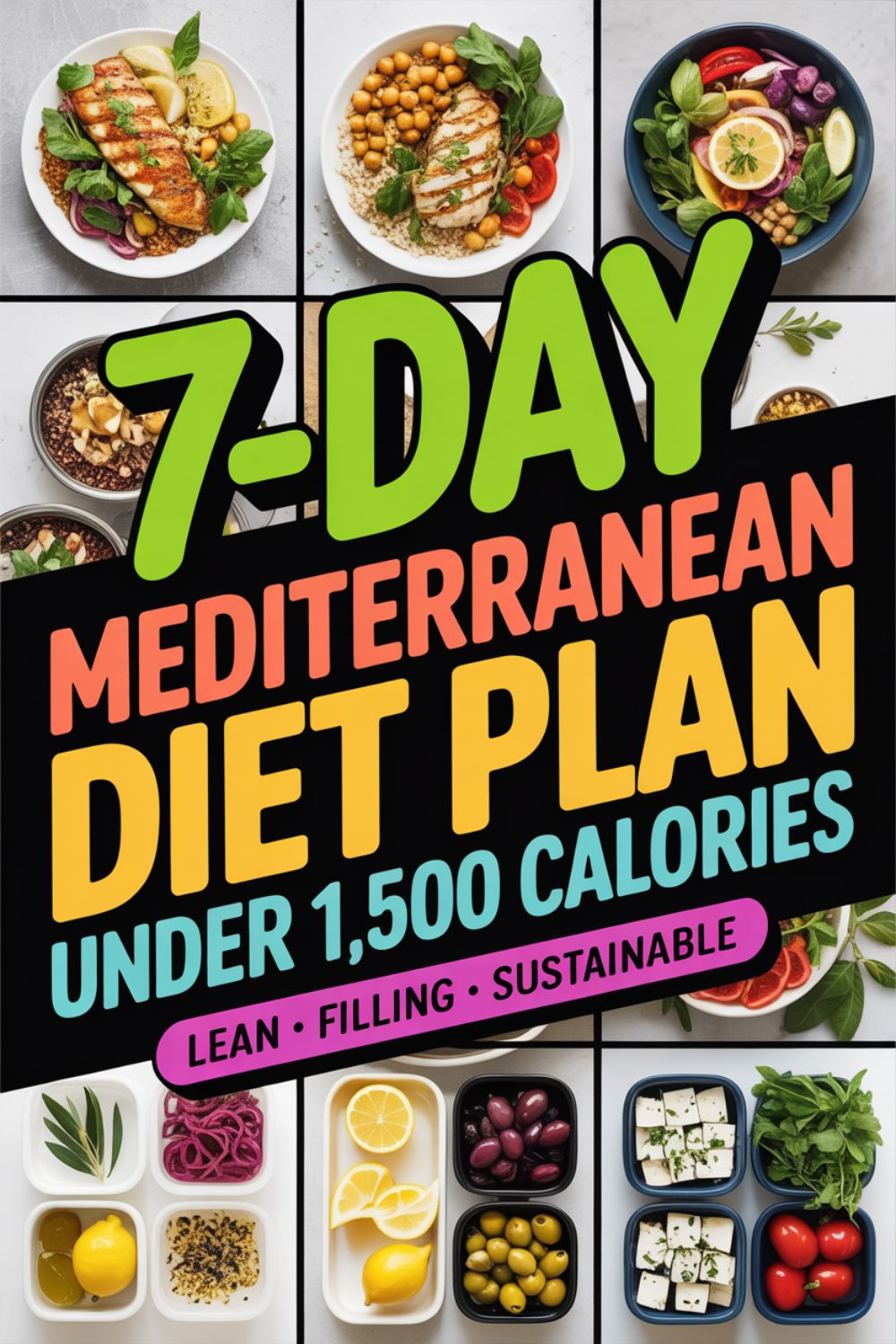
This isn’t about deprivation—it’s about eating smarter. The Mediterranean diet has been shown to support heart health and reduce the risk of chronic diseases, which is probably why it keeps winning “best diet” awards year after year.
Why 1,500 Calories Works (and When It Doesn’t)
Let’s get real for a second. A 1,500-calorie plan isn’t a one-size-fits-all solution. If you’re a 6’2″ guy who runs marathons, you’re gonna need more fuel. But for many people—especially women looking to create a moderate calorie deficit—1,500 calories can be an effective target for gradual weight loss.
The beauty of pairing this calorie level with Mediterranean-style eating is that you’re not just cutting calories randomly. You’re choosing nutrient-dense foods that give you more bang for your caloric buck. Think chickpeas, lentils, whole grains, and fish—foods that actually fill you up.
Here’s what you need to know before diving in:
- Calculate your needs first: Everyone’s baseline is different. A petite, sedentary person might maintain weight on 1,500 calories, while someone more active would see steady weight loss.
- Quality matters more than quantity: 1,500 calories of processed junk hits differently than 1,500 calories of whole foods.
- Listen to your body: Feeling constantly exhausted or starving? That’s your cue to adjust upward.
Day 1: Easing Into Mediterranean Living
Breakfast: Greek Yogurt Bowl with Berries
Start your morning with something simple that doesn’t require a culinary degree. Get Full Recipe. I usually prep these the night before in these perfect portion-sized glass containers—makes mornings way less chaotic.
Calories: ~280
Lunch: Lentil Soup with Crusty Bread
This is where Mediterranean eating shines. Lentils are ridiculously cheap, packed with protein, and they fill you up for hours. Get Full Recipe. Pair with a small piece of whole grain bread and you’re golden.
Calories: ~420
Dinner: Baked Salmon with Herbed Quinoa
Salmon might seem fancy, but it’s honestly one of the easiest proteins to cook. Get Full Recipe. If you don’t have a good digital food thermometer, get one—it’s the difference between perfectly cooked fish and a dry hockey puck.
Calories: ~480
Snacks
An apple and a small handful of almonds (~200 calories). Keep your snacks simple on Day 1 while you’re adjusting.
Speaking of Mediterranean inspiration, if you’re looking for more breakfast ideas that won’t bore you to tears, check out these quick Mediterranean breakfast recipes or these parfait variations that take the basic yogurt bowl to the next level.
Day 2: Finding Your Rhythm
Breakfast: Avocado Toast Mediterranean Style
Yeah, I know—avocado toast is everywhere. But there’s a reason for that. Get Full Recipe. Add some cherry tomatoes, a sprinkle of za’atar, and you’ve got something that tastes way more interesting than basic toast.
Calories: ~320
Lunch: Grilled Veggie Platter with Hummus
This is my go-to when I don’t feel like cooking something complicated. Get Full Recipe. I usually use this ridged grill pan because it gives you those nice char marks without actually firing up the outdoor grill.
Calories: ~380
Dinner: Lemon Herb Chicken with Roasted Potatoes
Chicken can be boring, or it can be amazing—it all depends on how you season it. Get Full Recipe. The lemon and herbs make this feel like restaurant-quality food.
Calories: ~460
Snacks
One medium pear and a string cheese (~180 calories).
Day 3: Getting Comfortable
Breakfast: Oatmeal with Dried Figs, Walnuts, and Cinnamon
Oatmeal gets a bad rap for being boring, but that’s only if you make it boring. Get Full Recipe. The dried figs add this natural sweetness that means you don’t need to dump sugar on top.
Calories: ~310
Lunch: Tuna White Bean Salad
This is probably the most “accidentally Mediterranean” thing I eat. Get Full Recipe. Tuna, white beans, olive oil, lemon—it’s simple but satisfying.
Calories: ~370
Dinner: Whole Wheat Spaghetti with Cherry Tomatoes and Basil
Yes, you can eat pasta on a calorie-restricted plan. The trick is portion control and loading up on the veggies. Get Full Recipe. I measure my pasta with a kitchen scale because eyeballing portions is how you end up eating three servings without realizing it.
Calories: ~440
Snacks
Baby carrots with 2 tablespoons hummus (~150 calories).
For more ideas on keeping your Mediterranean meals interesting throughout the week, these simple weeknight dinners and grain bowl variations might give you some fresh inspiration.
Day 4: Midweek Motivation
Breakfast: Mediterranean Smoothie Bowl
Smoothie bowls are Instagram-worthy and actually filling, which is a rare combo. Get Full Recipe. Top with whatever nuts and seeds you have lying around—no need to get fancy.
Calories: ~300
Lunch: Cucumber Hummus Sandwich
This sounds too simple to be good, but trust me. Get Full Recipe. The crunch from the cucumbers makes it way more satisfying than you’d think.
Calories: ~360
Dinner: Shrimp Sautéed in Garlic and Olive Oil with Couscous
Shrimp cooks in like five minutes, which makes this perfect for those nights when you can’t deal with complicated recipes. Get Full Recipe. Just don’t overcook the shrimp or they’ll turn rubbery—ask me how I know.
Calories: ~450
Snacks
One small orange and 10 almonds (~160 calories).
Day 5: Pushing Through
Breakfast: Savory Mediterranean Scramble
Sometimes you need protein in the morning, and eggs deliver. Get Full Recipe. The feta and tomatoes make this feel special even though it takes maybe ten minutes to make.
Calories: ~290
Lunch: Mediterranean Chickpea Bowl
Chickpeas are your friend when you’re trying to eat well on a budget. Get Full Recipe. They’re cheap, versatile, and loaded with fiber.
Calories: ~390
Dinner: Grilled Salmon with Tomato Caper Relish
Another salmon recipe because it’s just that good for you. Get Full Recipe. The capers add this briny punch that balances out the richness of the fish.
Calories: ~460
Snacks
Sliced bell peppers with 2 tablespoons tzatziki (~140 calories).
Day 6: Almost There
Breakfast: Whole Grain Toast with Almond Butter and Sliced Fruit
Simple, fast, and you probably already have everything you need. Spread some almond butter on whole grain toast, top with banana or apple slices, maybe a sprinkle of cinnamon. Done.
Calories: ~315
Lunch: Lentil Spinach Soup
Soup is underrated for weight loss because it fills you up without a ton of calories. Get Full Recipe. Make a big batch and freeze portions in these freezer-safe containers for lazy future lunches.
Calories: ~350
Dinner: Stuffed Bell Peppers with Quinoa and Veggies
This is one of those meals that looks impressive but is actually pretty straightforward. Get Full Recipe. Plus, stuffed peppers reheat well, so leftovers are clutch.
Calories: ~430
Snacks
Greek yogurt with a drizzle of honey (~180 calories).
If you’re enjoying these recipes and want to keep the Mediterranean vibe going, check out this 14-day beginner meal plan or explore these chickpea wrap ideas for more variety.
Day 7: Finishing Strong
Breakfast: Chia Pudding with Almond Milk and Fresh Fruit
Chia pudding is one of those things that sounds way fancier than it actually is. Mix chia seeds with almond milk the night before, let it sit in the fridge, and boom—breakfast is ready. Top with whatever fruit you have.
Calories: ~295
Lunch: Greek Salad (But Like, Actually Good)
Not the sad restaurant version with iceberg lettuce. Get Full Recipe. This one has cucumbers, tomatoes, olives, feta, and a proper olive oil dressing.
Calories: ~375
Dinner: One-Pot Mediterranean Pasta
End the week with something easy that doesn’t require a million dishes. Get Full Recipe. Everything cooks in one pot, which means cleanup is minimal and your sanity stays intact.
Calories: ~455
Snacks
A small handful of mixed nuts (~165 calories).
Making This Work in Real Life
Here’s the thing nobody tells you about following a structured meal plan: life happens. You’re not going to follow this perfectly, and that’s okay. The goal isn’t perfection—it’s building habits that stick.
Some practical tips I’ve learned the hard way:
- Meal prep is your best friend: Spend an hour on Sunday chopping vegetables, cooking grains, and portioning out snacks. Trust me, it’s worth it.
- Keep it simple: You don’t need exotic ingredients or complicated recipes. The Mediterranean diet is about fresh, simple food done well.
- Don’t skip the fat: Olive oil, nuts, avocados—these foods keep you satisfied. Just measure them because calories add up quickly.
- Eat mindfully: Put your phone away, sit at a table, and actually taste your food. It sounds cheesy, but it makes a difference.
If you’re looking for kitchen tools that actually make cooking easier, I swear by a quality chef’s knife, good cutting boards (get at least two so you can separate raw meat from veggies), and measuring cups and spoons that aren’t complete garbage. These aren’t optional—they’re the difference between enjoying cooking and hating every minute of it.
What About Exercise?
Look, I’m not going to pretend that diet alone is the whole picture. The Mediterranean lifestyle includes regular movement—but that doesn’t mean you need to run marathons or live at the gym.
Walking counts. Gardening counts. Playing with your kids counts. The key is finding movement you actually enjoy so you’ll stick with it. IMO, forcing yourself to do workouts you hate is a recipe for burnout.
That said, combining this 1,500-calorie plan with moderate exercise (think 30 minutes of walking most days) will probably accelerate your results. Just don’t use exercise as an excuse to eat way more—you can’t out-exercise a bad diet, as they say.
Common Pitfalls and How to Avoid Them
FYI, I’ve made basically every mistake possible with calorie counting and meal planning. Here are the big ones to watch out for:
Underestimating Portions
That “small drizzle” of olive oil? Probably 120 calories. That “handful” of nuts? Could be 200 calories if you have big hands. Get a food scale and use it, at least at first. You’d be shocked at what actual serving sizes look like.
Skipping Meals
Eating too little is just as problematic as eating too much. If you’re trying to “save” calories by skipping breakfast, you’ll probably end up ravenous by dinner and overeating. Spread your calories throughout the day.
Drinking Your Calories
Juice, soda, fancy coffee drinks—these add up fast and don’t fill you up. Stick with water, black coffee, or unsweetened tea most of the time. Save the calories for actual food.
Not Planning Ahead
If you don’t have healthy food readily available, you’ll order takeout when you’re tired and hungry. Stock your kitchen, prep when you have energy, and set yourself up for success.
Frequently Asked Questions
Is 1,500 calories too low for most people?
It depends on your individual needs. For many women trying to lose weight, 1,500 calories creates a moderate deficit that supports gradual, sustainable weight loss. However, men, highly active individuals, or taller people may need more. Use a TDEE calculator to determine your baseline needs, and adjust accordingly based on how you feel.
Can I follow a Mediterranean diet if I’m vegetarian or vegan?
Absolutely. The Mediterranean diet is naturally plant-forward, with plenty of vegetables, legumes, whole grains, nuts, and seeds. You can easily swap fish and poultry for more plant-based proteins like chickpeas, lentils, and tofu while keeping the same Mediterranean flavor profiles and principles.
Do I need to count calories forever?
Not necessarily. Calorie counting is a tool to help you learn proper portions and understand your intake. Many people find that after a few weeks or months, they develop an intuitive sense of appropriate portions and can maintain their weight without strict tracking. The goal is to build sustainable habits, not to be chained to an app forever.
What if I get hungry between meals?
First, make sure you’re actually eating enough at meals—loading up on vegetables and including protein and healthy fats helps. If you’re still genuinely hungry (not just bored), have a planned snack like vegetables with hummus, a piece of fruit with nuts, or Greek yogurt. Hunger is a signal to listen to, not ignore.
How long will it take to see results?
Most people see initial results within 2-3 weeks, but sustainable weight loss is typically 1-2 pounds per week. The Mediterranean diet isn’t a quick-fix crash diet—it’s a lifestyle change. Focus on how you feel (more energy, better digestion, improved mood) rather than just the number on the scale.
The Bottom Line
This 7-day Mediterranean meal plan under 1,500 calories isn’t magic. It won’t transform your life in a week or solve all your problems. What it will do is give you a realistic framework for eating well without feeling deprived.
The Mediterranean diet works because it’s actually enjoyable. You’re eating real food that tastes good, not choking down diet bars or drinking cabbage soup for days on end. You’re learning to cook simple, delicious meals that you can make for the rest of your life.
Is it perfect? No. Will you follow it exactly? Probably not. But if you can take even a few ideas from this plan and incorporate them into your regular routine, you’re already moving in the right direction.
Start with one or two recipes that sound good. Don’t try to overhaul your entire life on Monday. Build slowly, be patient with yourself, and remember that sustainable change happens gradually—not overnight.
Now go make yourself something delicious.