35 Mediterranean Recipes for Sustainable Weight Loss
Look, I’m not going to pretend I’ve never fallen for those crash diet promises. You know the ones—lose 10 pounds in a week, eat only cabbage soup, or whatever new torture method is trending. But here’s what actually worked for me and kept the weight off: Mediterranean food. Yeah, the same stuff people have been eating for centuries without counting a single macro.
The Mediterranean approach isn’t about restriction or misery. It’s about eating real food that tastes incredible while your body does what it’s supposed to do. Research shows that higher adherence to the Mediterranean diet is linked with a doubled likelihood of maintaining weight loss long-term. Not just losing it—keeping it off.
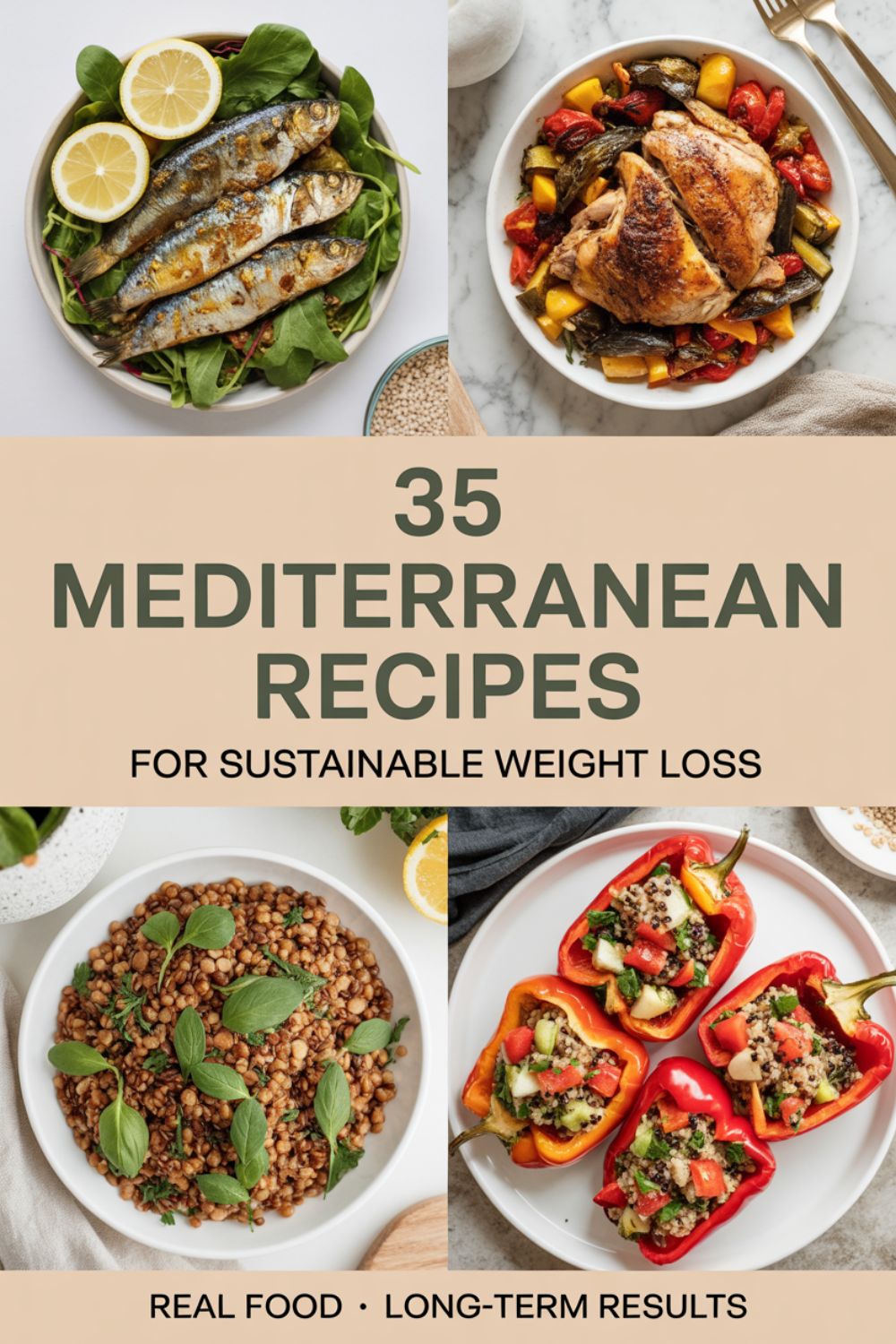
I’ve pulled together 35 recipes that actually make sense for busy people trying to eat better without becoming a full-time meal prep influencer. These dishes use ingredients you can find at any grocery store, take reasonable amounts of time, and most importantly, don’t taste like punishment.
Why Mediterranean Food Works for Weight Loss
Here’s the thing nobody tells you about diets: most of them fail because you’re fighting your own biology. You get hungry, you feel deprived, and eventually you crack and eat an entire pizza at 11 PM. Been there, done that, got the stretchy pants.
Mediterranean eating is different because it works with your body instead of against it. You’re getting healthy fats from extra virgin olive oil, lean proteins from fish and legumes, and tons of fiber from vegetables and whole grains. This combination keeps you satisfied for hours, not minutes.
Studies from multiple randomized controlled trials show that people following a Mediterranean diet lost more weight than those on low-fat diets and maintained that loss better over time. The average weight loss ranged from 4 to 10 kg over 12 months, which is exactly the kind of sustainable progress that actually sticks.
Plus, you’re not just losing weight—you’re reducing inflammation, improving heart health, and potentially adding years to your life. The Mediterranean diet has been shown to reduce cardiovascular disease risk by up to 25% in some studies. Not too shabby for food that actually tastes good.
The Building Blocks You’ll Actually Use
Before we jump into recipes, let’s talk about what you’ll actually need in your kitchen. This isn’t some fancy chef setup—I’m talking about the stuff that makes weeknight cooking possible without a nervous breakdown.
Your Pantry Essentials
Stock up on these basics and you’re halfway to any Mediterranean meal. Olive oil is your main cooking fat—get the good stuff for drizzling, the regular stuff for cooking. I keep both a fancy finishing olive oil and a everyday cooking olive oil on hand.
Whole grains like quinoa, farro, bulgur, and whole wheat pasta are your carb sources. They’ve got fiber that keeps you full and doesn’t spike your blood sugar like white bread. Canned beans and lentils are criminally underrated—they’re cheap, last forever, and pack serious protein and fiber.
Don’t forget canned tomatoes, tahini, and good quality olives. These ingredients add depth and flavor without requiring any actual cooking skills. A quality tomato paste and some jarred roasted red peppers will save your butt on busy nights.
Fresh Ingredients That Matter
The produce section is where Mediterranean cooking shines. Load up on leafy greens, tomatoes, cucumbers, bell peppers, eggplant, and zucchini. These vegetables have high water content and fiber, meaning you can eat a ton of them without consuming many calories.
Fresh herbs transform everything. Parsley, basil, oregano, and mint make simple ingredients taste like you actually know what you’re doing in the kitchen. Growing your own in a small herb garden kit is way easier than you think and saves money.
For protein, focus on fish, chicken, eggs, and Greek yogurt. Fish should ideally be wild-caught when possible, but frozen works perfectly fine and is often fresher than “fresh” fish that’s been sitting around. A good fish spatula makes cooking delicate fillets way less stressful.
Looking for more breakfast inspiration? Check out these easy Mediterranean breakfast ideas or dive into our high-protein breakfasts under 350 calories collection.
Morning Meals That Actually Keep You Full
Breakfast is where most diets go to die. You grab a muffin, you’re starving by 10 AM, and suddenly you’re eating everything in the break room. Not helpful.
Mediterranean breakfasts focus on protein and healthy fats to keep you satisfied until lunch. My go-to is a Greek Yogurt Bowl with Berries and Honey—it takes 3 minutes and keeps me full for hours. Get Full Recipe.
Oatmeal with Dried Figs, Walnuts, and Cinnamon is another winner when you need something warm and comforting. The walnuts add omega-3s and the figs provide natural sweetness without dumping in sugar. Get Full Recipe.
For savory breakfast people, Savory Mediterranean Scramble with tomatoes, spinach, and feta is ridiculously good. Eggs are incredibly satiating because of their protein content, and the vegetables bulk up the meal without adding many calories. Get Full Recipe.
Don’t sleep on Mediterranean Smoothie Bowls either. Blend frozen fruit with Greek yogurt, top with nuts and seeds, and you’ve got a meal that feels like dessert but won’t tank your blood sugar. I use my high-speed blender for these daily—completely worth the counter space.
When you want something portable, try Avocado Toast with Tomato and Olive Oil on whole grain bread. Yeah, it’s trendy, but it’s trendy because it works. The healthy fats from avocado slow down digestion and keep you satisfied.
For meal prep enthusiasts, our collection of overnight oats for weight loss includes flavors you’ll actually want to eat. No boring oatmeal here.
Lunch Ideas That Don’t Require a Kitchen
Lunch is tricky because most of us aren’t near a full kitchen. That’s why Mediterranean food is clutch—so many dishes work great at room temperature or cold.
Start with salads that aren’t rabbit food. A proper Greek Salad has cucumbers, tomatoes, olives, feta, and a lemon-olive oil dressing. It’s substantial enough to be a meal, especially if you add some grilled chicken or chickpeas for protein. Get Full Recipe.
Tuna and White Bean Salad is my secret weapon for busy days. Mix canned tuna with white beans, cherry tomatoes, red onion, and herbs. Done. High protein, high fiber, and it tastes better after sitting in the fridge for a few hours. Get Full Recipe.
Wraps are your friend when you need portability. The Falafel Wrap with Tzatziki is filling without being heavy, and you can prep the components ahead of time. Get Full Recipe.
For something different, try Mediterranean Grain Bowls. Build them on quinoa or farro, add roasted vegetables, some protein, and a tahini drizzle. These are infinitely customizable based on what’s in your fridge. Get Full Recipe.
The Cucumber Hummus Sandwich sounds simple because it is, but sometimes simple is exactly what you need. Layer thick hummus on whole grain bread with cucumber slices, sprouts, and a drizzle of olive oil. Refreshing and surprisingly filling. Get Full Recipe.
Speaking of lunch, if you’re doing meal prep, check out these Mediterranean lunchbox recipes for work that actually survive until noon without getting gross.
Dinner Without the Drama
Dinner is when people usually blow their diets because they’re tired, hungry, and done making decisions. The solution? Keep it stupid simple.
Grilled Salmon with Tomato Caper Relish sounds fancy but takes 20 minutes. Salmon is loaded with omega-3 fatty acids that reduce inflammation and support fat loss. The tomato-caper situation on top adds tang without extra calories. Get Full Recipe.
For chicken people, Lemon Herb Chicken with Roasted Potatoes is the definition of comfort food that won’t wreck your progress. The key is using actual herbs—dried stuff works, but fresh makes it restaurant-quality. Get Full Recipe.
Vegetarians, you’re not forgotten. Stuffed Bell Peppers with Quinoa and Veggies pack a serious nutritional punch. Quinoa is a complete protein, and the peppers add vitamin C and fiber. Plus they look impressive when you’re trying to convince your family that healthy food isn’t boring. Get Full Recipe.
One-pot meals are lifesavers on busy nights. One-Pot Mediterranean Pasta means less cleanup and more eating. Whole wheat pasta, cherry tomatoes, olives, spinach, and feta all cook together in one pan. I use my large skillet with a lid for this at least twice a week. Get Full Recipe.
When you want something warm and cozy, Lentil Soup with Crusty Bread hits different. Lentils are stupid cheap, packed with protein and fiber, and absorb whatever flavors you throw at them. Make a big batch and freeze portions for later. Get Full Recipe.
Don’t miss our guide to easy Mediterranean one-pan dinners when you can’t deal with washing dishes. Real talk—sometimes the cleanup determines what’s for dinner.
The Shakshuka Situation
Okay, we need to talk about Shakshuka because it deserves its own section. This is eggs poached in spicy tomato sauce with peppers and onions, and it’s one of those dishes that works for literally any meal. Get Full Recipe.
Breakfast shakshuka? Absolutely. Dinner shakshuka? You bet. 2 AM “I’m starving and need real food” shakshuka? No judgment here.
The beauty of shakshuka is that the base sauce is mostly vegetables—you’re getting tons of nutrients and volume for minimal calories. The eggs add protein and healthy fats that keep you satisfied. Serve it with whole grain bread for scooping and you’ve got a complete meal.
I make mine in a cast iron skillet that goes from stovetop to oven. Totally worth having a pan that can handle high heat and doesn’t freak out when you put it in the oven.
Snacks That Won’t Sabotage Your Progress
Let’s be real—snacking is where most diets fall apart. You need something NOW, you grab whatever’s around, and suddenly you’ve eaten 600 calories of crackers.
Mediterranean snacking is basically just eating small portions of real food. Hummus with Veggie Sticks is classic for a reason. The protein and fiber in hummus paired with the crunch of fresh vegetables satisfies both hunger and the need to munch on something. Get Full Recipe.
Olive Tapenade on Toasted Baguette feels indulgent but is actually pretty reasonable calorie-wise. Olives contain healthy monounsaturated fats that support heart health and keep you full. Get Full Recipe.
When you want something more substantial, Baked Falafel works great as a snack or light meal. Make a batch and keep them in the fridge for grab-and-go protein. Way better than whatever protein bar you were going to buy. Get Full Recipe.
Whipped Feta Dip is dangerous because it’s so good you might eat it with a spoon. But if you pair it with vegetables or whole grain crackers, you’re getting calcium and protein from the feta plus whatever nutrients are in your dippers. Get Full Recipe.
For more ideas, explore our full collection of Mediterranean snacks that actually keep you full. No sad celery sticks, I promise.
Seafood Without the Intimidation
Fish scares people, but it shouldn’t. Mediterranean cuisine is built on seafood, and it’s some of the easiest protein to cook if you don’t overthink it.
Shrimp Sautéed in Garlic and Olive Oil cooks in literally 5 minutes. Shrimp is almost pure protein with minimal calories, making it perfect for weight loss. Serve it over whole wheat couscous and you’re done. Get Full Recipe.
Baked Salmon with Herbed Quinoa is foolproof. Season the fish, bake it at 400°F for 12-15 minutes, done. The quinoa cooks while the salmon bakes, so timing is easy. Get Full Recipe.
For something different, try Mediterranean Tuna Stuffed Peppers. Canned tuna works perfectly here—it’s shelf-stable, affordable, and packed with protein. Mix it with Mediterranean flavors and stuff it into peppers for a complete meal. Get Full Recipe.
Shrimp Saganaki is a Greek dish with shrimp cooked in spicy tomato sauce and topped with feta. It’s bold, flavorful, and way easier than it sounds. The feta melts into the sauce and creates this creamy situation that doesn’t actually involve cream. Get Full Recipe.
The Grain Bowl Blueprint
Grain bowls are the ultimate flexible meal. Start with a base of quinoa, farro, bulgur, or brown rice. These whole grains provide sustained energy without blood sugar spikes.
Add your protein—grilled chicken, fish, chickpeas, lentils, or hard-boiled eggs. Then pile on roasted or raw vegetables. The more colorful, the better—you’re getting different nutrients from different colored vegetables.
Top it with a sauce or dressing. Tahini sauce, tzatziki, lemon-olive oil dressing, or even just a drizzle of good olive oil with lemon juice. Don’t skip this step—the sauce makes everything come together.
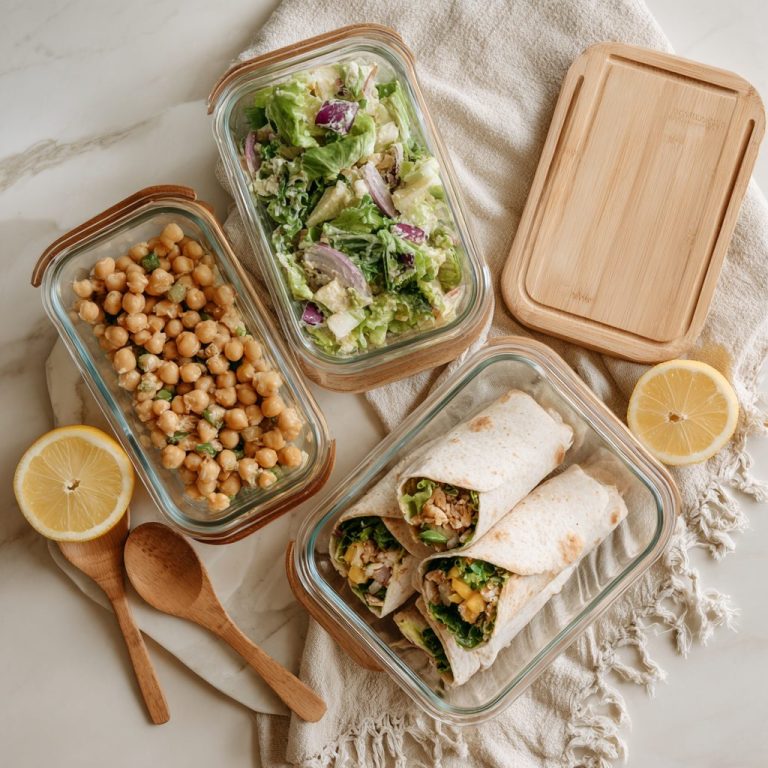
A set of meal prep containers makes grain bowls totally portable. Build several at once and you’ve got lunch sorted for the week. I portion mine out in glass containers with compartments so the greens don’t get soggy.
Try our Moroccan Spiced Quinoa Bowl for something with more complex flavors, or keep it simple with a basic Mediterranean Chickpea Bowl.
Soup Season is Every Season
Soups are criminally underrated for weight loss. They’re high volume, low calorie, and the liquid content helps you feel full faster. Plus, you can make a huge batch and freeze portions.
Lentil Spinach Soup is hearty enough to be a meal on its own. The lentils provide plant-based protein and the spinach adds iron and vitamins. Make it in your Dutch oven or large pot and it’ll last all week. Get Full Recipe.
Carrot Ginger Soup with Chickpea Croutons sounds fancy but it’s just roasted carrots blended with ginger and broth. The chickpea croutons add protein and crunch. Get Full Recipe.
According to research published in the American Journal of Medicine, people following Mediterranean-style eating patterns maintained better long-term weight loss compared to those on low-fat diets, particularly when the diet included plenty of vegetables and legumes—exactly what these soups deliver.
Check out our complete guide to Mediterranean soups under 300 calories for more warming, filling options.
Pasta That Won’t Wreck Your Diet
You don’t have to give up pasta. You just have to be smarter about it. Swap regular pasta for whole wheat versions and watch your portions—use vegetables to bulk up the dish.
Whole Wheat Spaghetti with Cherry Tomatoes and Basil is proof that simple can be spectacular. The pasta water creates a light sauce when combined with olive oil, and fresh basil makes it taste like summer. Get Full Recipe.
For a lower-carb option, try Spaghetti Squash with Tomato Basil Sauce. Spaghetti squash has a fraction of the calories of pasta but still gives you that noodle experience. Get Full Recipe.
Whole Wheat Spaghetti with Spinach Pesto sneaks in extra greens through the pesto. Use a mix of basil and spinach to make the pesto—you get the flavor of basil plus the nutrients from spinach. Get Full Recipe.
The Meat Situation
Mediterranean eating isn’t vegetarian, but meat plays a supporting role rather than the main event. When you do eat meat, make it count.
Lemon Oregano Grilled Chicken is a staple. Marinade it for a few hours or overnight, grill it, slice it up, and use it in salads, grain bowls, or wraps all week. Get Full Recipe.
Grilled Turkey Kofta uses ground turkey instead of lamb or beef, cutting calories while keeping the flavor. The spices do all the work here—cumin, coriander, and fresh herbs make these taste way better than they have any right to. Get Full Recipe.
For meal prep warriors, browse through these high-protein chicken recipes for meal prep. Chicken is affordable, versatile, and cooks quickly—perfect for batch cooking.
Vegetables That Don’t Suck
Let’s be honest—most people don’t eat enough vegetables because they cook them in boring ways. Mediterranean cooking makes vegetables the star, not an afterthought.
Grilled Veggie Platter with Hummus is my go-to when I need to use up random vegetables. Grill them until they’re charred and sweet, pile them on a plate, and dip in hummus. Done. Get Full Recipe.
Grilled Eggplant with Yogurt Sauce converts eggplant haters. The key is grilling it until it’s actually cooked through and slightly charred—undercooked eggplant is spongy and gross. Properly cooked eggplant is creamy and amazing. Get Full Recipe.
Roasting vegetables concentrates their flavors and makes them sweet. A heavy-duty baking sheet that won’t warp in high heat is essential for good roasting. Cheap pans buckle and create hot spots that burn your food.
Sweet Stuff Without the Guilt
Mediterranean desserts exist, but they’re usually fruit-based and not overly sweet. Your taste buds adjust when you stop eating ultra-processed sugar bombs.
Fresh fruit with a drizzle of honey and some nuts is genuinely satisfying once you reset your sugar tolerance. Greek yogurt with berries and a tiny bit of dark chocolate feels indulgent without being excessive.
Baked Cinnamon Apples smell like fall and taste like comfort food, but they’re basically just apples with cinnamon. Sometimes simple is exactly what you need. Get Full Recipe.
If you need something more dessert-like, our collection of high-protein low-sugar desserts has options that won’t destroy your progress.
Making It Work In Real Life
Here’s where rubber meets road. You can have all the recipes in the world, but if they don’t fit into your actual life, you won’t make them.
Meal prep is your friend, but it doesn’t have to mean spending all Sunday in the kitchen. Cook once, eat multiple times. Roast a big batch of vegetables. Cook grains in bulk. Prep proteins. Then mix and match during the week.
Keep it simple during the week. Save complicated recipes for weekends when you have time. Weeknight dinners should be 30 minutes max from start to eating.
Batch cooking saves sanity. Double or triple soup and stew recipes. Freeze portions in individual containers. Future you will be grateful when you’re too tired to cook.
Having the right tools makes everything easier. A sharp chef’s knife cuts prep time in half. A quality cutting board that doesn’t slide around is worth every penny. And honestly, a kitchen scale helps with portion awareness if you’re trying to lose weight.
The Hydration Factor Nobody Talks About
Water matters more than you think. Sometimes what feels like hunger is actually thirst. Mediterranean meals often include water-rich foods like cucumbers, tomatoes, and leafy greens, which help keep you hydrated.
Herbal teas are huge in Mediterranean cultures. Mint tea, chamomile, and other herbal infusions add variety without calories. A simple tea infuser lets you use loose leaf herbs from your garden or the store.
IMO, staying hydrated is the most overlooked aspect of weight loss. Your metabolism literally requires water to function. Aim for drinking water before meals—it helps with portion control and digestion.
Frequently Asked Questions
Can I really lose weight eating Mediterranean food?
Absolutely. Multiple studies show that Mediterranean eating patterns result in sustainable weight loss comparable to or better than other diets. The difference is that people stick with it long-term because the food actually tastes good and doesn’t leave you feeling deprived. You’re eating whole foods with healthy fats, lean proteins, and plenty of fiber that keep you satisfied.
How quickly will I see results?
Most people see initial changes within 2-4 weeks, with more significant results after 2-3 months of consistent eating. The Mediterranean approach focuses on sustainable weight loss of 1-2 pounds per week rather than rapid crashes. Research shows people lose an average of 4-10 kg over 12 months and actually keep it off, which is the real goal.
Is Mediterranean food expensive?
It doesn’t have to be. Focus on seasonal produce, buy dried beans and lentils in bulk, and use frozen fish when fresh isn’t affordable. Canned tomatoes, dried pasta, and basic olive oil are budget-friendly staples. You’re actually saving money by not buying processed foods and eating out less.
Do I have to give up all my favorite foods?
Nope. Mediterranean eating is about balance, not restriction. You can still have the occasional pizza or burger—you’re just making vegetables, whole grains, and lean proteins the foundation of most meals. The goal is progress, not perfection.
Can I meal prep these recipes?
Most of these recipes are perfect for meal prep. Grain bowls, soups, roasted vegetables, and cooked proteins all store well for 4-5 days. Some dishes like salads are better assembled fresh, but you can prep all the components ahead of time. Check out our dedicated meal prep guides for specific strategies.
The Bottom Line
Mediterranean eating isn’t a diet in the traditional sense—it’s just eating real food the way people have eaten it for centuries. No weird rules, no eliminating entire food groups, no suffering through meals you hate.
The recipes I’ve shared here are genuinely doable for regular people with jobs and lives and limited time. They use ingredients you can find at any grocery store, don’t require advanced cooking skills, and most importantly, they taste good enough that you’ll actually want to eat them.
Weight loss happens as a side effect of eating better food, not as punishment for eating too much. Your body knows what to do with vegetables, whole grains, and healthy fats. It gets confused by processed junk food with 47 ingredients you can’t pronounce.
Start with a few recipes that sound appealing. Build from there. Don’t try to overhaul your entire diet overnight—that’s how people burn out and give up. Pick one or two Mediterranean meals to add to your rotation this week. Next week, add a couple more. Before you know it, you’re eating this way most of the time without even thinking about it.
Your future self will thank you. And honestly, your current self will probably feel pretty good too once you stop fighting hunger and start actually enjoying food again.