25 Mediterranean Diet Tips for Beginners
So you’ve heard about the Mediterranean diet and you’re thinking about giving it a shot. Smart move. But let me guess—you’re staring at your fridge full of processed snacks and frozen dinners wondering where the heck to start, right?
Look, I get it. The Mediterranean diet sounds fancy and intimidating, like something only people with personal chefs and oceanfront villas can pull off. Spoiler alert: it’s not. It’s actually one of the most forgiving, realistic, and downright delicious ways to eat healthier without feeling like you’re punishing yourself.
I’m not here to lecture you about antioxidants or bore you with nutrition science (okay, maybe a little). I’m here to break down 25 practical, actually doable tips that’ll help you ease into this whole Mediterranean lifestyle without losing your mind—or your love for good food.

1. Start with Olive Oil (Seriously, Just Start)
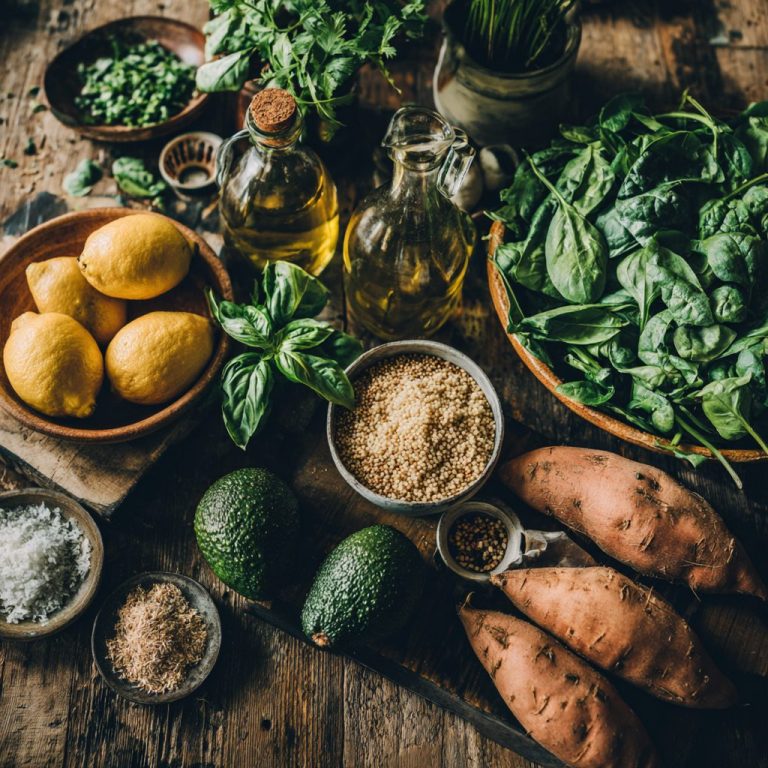
If there’s one thing you take away from this entire article, let it be this: ditch the vegetable oil and get yourself some good extra virgin olive oil. I’m not talking about the cheap stuff that’s been sitting in a clear plastic bottle under fluorescent lights at the grocery store. Get the real deal—dark glass bottle, cold-pressed, the works.
Drizzle it on salads, use it for cooking (yes, it’s fine for cooking despite what some people say), dip your bread in it. According to Harvard Health, extra virgin olive oil is packed with monounsaturated fats and polyphenols that support heart health. Your body will thank you, and honestly, everything just tastes better with good olive oil.
I keep mine in this sleek oil dispenser on my counter—makes me feel fancy every time I cook, plus it’s way easier to drizzle than fighting with a regular bottle.
2. Embrace Whole Grains Like They’re Your New Best Friend
White bread and white pasta? They’re not the enemy, but they’re not doing you any favors either. The Mediterranean diet is all about whole grains—think whole wheat pasta, farro, bulgur, and quinoa. These grains keep you full longer and don’t send your blood sugar on a rollercoaster ride.
Try swapping your regular spaghetti for whole wheat pasta with cherry tomatoes and basil. Get Full Recipe. It’s a simple switch that makes a real difference.
3. Fish Twice a Week (No, Fish Sticks Don’t Count)
The Mediterranean diet recommends eating fish at least twice a week, and I’m talking about the real stuff—salmon, sardines, mackerel, tuna. These fatty fish are loaded with omega-3s, which are basically liquid gold for your brain and heart.
If you’re intimidated by cooking fish, start simple. Baked salmon with dill and garlic is foolproof and takes like 20 minutes. Get Full Recipe. Or try grilled salmon with tomato caper relish if you want something with more zing.
I use this fish spatula for flipping delicate fillets—it’s thin, flexible, and prevents your beautiful piece of salmon from falling apart like a sad, flaky disaster.
4. Eat Your Veggies (But Make Them Actually Taste Good)
Let’s be real—nobody gets excited about steamed broccoli. But roasted vegetables? Now we’re talking. The Mediterranean diet is veggie-heavy, but the key is preparing them in a way that doesn’t make you feel like you’re eating punishment food.
Roast them with olive oil, garlic, and herbs. Grill them. Sauté them with a little lemon juice. Check out this grilled veggie platter with hummus for some serious inspiration.
For meal prep enthusiasts, roasted veggies are your secret weapon. I roast a huge tray every week and use them in wraps, grain bowls, or just eat them straight from the fridge when I’m too lazy to cook.
Speaking of veggies, if you’re looking for more creative ways to use them, you might love these stuffed bell peppers with quinoa and veggies or this Mediterranean grain bowl that’s basically a veggie party in a bowl.
5. Legumes Are Your Friend (Yes, Even If They Make You Gassy)
Chickpeas, lentils, black beans, white beans—legumes are a staple in Mediterranean cooking, and for good reason. They’re packed with protein, fiber, and they’re cheap as heck. What’s not to love?
Make a big pot of lentil soup on a Sunday and you’ve got lunches for days. Or toss some chickpeas into your salads for extra protein and crunch. This Mediterranean chickpea bowl is ridiculously good and takes maybe 15 minutes to throw together.
If canned beans are your jam (no judgment, they’re convenient), just rinse them well to cut down on sodium. I keep a variety of canned beans in my pantry at all times—it’s like having backup when meal planning goes sideways.
6. Go Nuts (Literally)
Nuts and seeds are Mediterranean diet gold. Almonds, walnuts, pistachios, sunflower seeds—they’re all fair game. They’re great for snacking, but also perfect for adding crunch and healthy fats to salads and yogurt bowls.
I keep a jar of mixed nuts on my desk for when the 3 PM hunger hits. Way better than hitting the vending machine. Plus, research from the nutrition experts at Healthline shows that regular nut consumption is linked to lower cholesterol and better heart health.
Just watch your portions—nuts are calorie-dense, so it’s easy to overdo it. I use these small portion containers to pre-portion nuts for the week. No more accidentally eating half a jar of cashews in one sitting.
7. Greek Yogurt Is Your New Breakfast BFF
Greek yogurt is thick, creamy, and loaded with protein. It’s basically the perfect breakfast base. Top it with berries, a drizzle of honey, and some nuts, and you’ve got yourself a Mediterranean-approved meal that’ll keep you full until lunch.
Try this Greek yogurt bowl with berries and honey—it’s simple, delicious, and doesn’t require you to be a morning person to pull off. Get Full Recipe.
IMO, full-fat Greek yogurt tastes way better than the fat-free stuff, and the extra fat helps you absorb nutrients better anyway. Don’t be scared of fat—your body needs it.
8. Fresh Herbs Are a Game Changer
Dried herbs are fine, but fresh herbs? They take your cooking from “meh” to “wow” in seconds. Basil, parsley, oregano, mint, dill—these are Mediterranean staples that add massive flavor without any extra calories.
I keep a few herb plants in my kitchen window. Sounds fancy, but honestly, they’re hard to kill (well, except for cilantro—I’ve murdered at least five cilantro plants). Fresh herbs make even the simplest dishes taste restaurant-quality.
Chop some parsley over your lemon herb chicken with roasted potatoes, or mix fresh mint into your quinoa tabbouleh. It’s the little things, you know?
9. Limit Red Meat (But Don’t Freak Out)
The Mediterranean diet isn’t vegetarian, but it does go easy on red meat. You’re looking at maybe once or twice a month, not every night. Instead, focus on poultry, fish, and plant-based proteins most of the time.
When you do eat red meat, make it count. Go for quality over quantity—grass-fed, organic if you can swing it. And honestly, when you’re eating this way, you won’t even miss the daily burger habit.
If you need protein ideas that aren’t red meat, check out these high-protein chicken recipes for meal prep or these high-protein vegetarian recipes for plant-based options.
10. Cheese in Moderation (The Hardest Tip, Honestly)
I know, I know—cheese is life. The good news is you don’t have to give it up completely. The Mediterranean diet includes cheese, just not in the “entire block of cheddar as a snack” kind of way.
Think feta, ricotta, parmesan—flavorful cheeses where a little goes a long way. Crumble some feta over your salads, grate fresh parmesan on your pasta, or enjoy a small piece of aged cheese with fruit as a snack.
This whipped feta dip with honey and thyme is proof that you can have your cheese and eat it too—just keep portions reasonable.
11. Master the Art of the Salad (That’s Actually Filling)
Salads don’t have to be sad desk lunches. A proper Mediterranean salad is hearty, satisfying, and packed with good stuff. We’re talking greens, tomatoes, cucumbers, olives, chickpeas, maybe some grilled chicken or tuna, all dressed in olive oil and lemon.
The Greek salad (but like, actually good) is a perfect example. Get Full Recipe. Or try this cucumber tomato feta salad when you want something quick and crunchy.
I use this salad spinner to dry my greens—soggy salad is a crime against humanity, and this thing gets leaves actually crispy.
For more filling salad ideas that won’t leave you hungry an hour later, check out these Mediterranean salads that are actually filling or these high-protein salads under 400 calories.
12. Snack Smart (Because Hunger Happens)
Mediterranean snacking is all about whole foods—fresh fruit, raw veggies with hummus, a handful of nuts, or some olives. Nothing that comes in a crinkly bag with ingredients you can’t pronounce.
Keep it simple. Apple slices with almond butter. Carrot sticks with hummus. A small bowl of mixed berries. These snacks keep your energy steady and don’t leave you in a blood sugar crash an hour later.
I prep snack boxes every Sunday—cut veggies, portioned nuts, washed fruit. When hunger strikes, I just grab and go instead of making questionable decisions involving chips.
13. Learn to Love Lentils
Lentils are cheap, versatile, and cook way faster than other beans. They’re perfect for soups, stews, salads, or even as a meat substitute in tacos and pasta sauce.
This lentil spinach soup is my go-to when I need something warm and comforting. Or try this lentil sweet potato stew for something heartier.
Red lentils, green lentils, black lentils—experiment and see which ones you like best. They all have slightly different textures and flavors, but they’re all ridiculously good for you.
14. Meal Prep Without Losing Your Mind
The Mediterranean diet is actually perfect for meal prep because most of the dishes taste even better the next day. Soups, grain bowls, roasted veggies, cooked grains—they all store well and reheat beautifully.
Pick one day a week (Sunday works for most people) and knock out a few basics: cook some grains, roast a bunch of veggies, make a big batch of soup or stew, prep some protein. Mix and match throughout the week.
These quick Mediterranean meal prep ideas will save your sanity on busy weeknights. Trust me on this.
I swear by these glass meal prep containers—they don’t stain, they’re microwave-safe, and you can actually see what’s inside without playing food mystery games.
15. Breakfast Doesn’t Have to Be Complicated
Mediterranean breakfasts are often simple—Greek yogurt with fruit, whole grain toast with tomatoes and olive oil, or oatmeal with dried figs and walnuts.
If you’re a grab-and-go person, try overnight oats. Make them the night before, grab them from the fridge in the morning. Done. For more variety, check out these easy Mediterranean breakfast ideas.
My favorite breakfast hack? Avocado toast with tomato and olive oil. Get Full Recipe. Takes three minutes, tastes amazing, keeps me full for hours.
16. Drink More Water (Revolutionary, I Know)
Okay, this isn’t specifically Mediterranean, but it’s worth mentioning. Water is the primary beverage here. Not soda, not juice, not energy drinks. Just good old water.
Wine is allowed in moderation (usually with meals), but we’re talking a glass, not a bottle. And honestly, when you’re eating well, you won’t crave sugary drinks as much anyway.
I keep this insulated water bottle with me constantly. It keeps water cold for hours and having it nearby means I actually remember to drink enough.
17. Don’t Skip the Garlic
Garlic shows up in practically every Mediterranean recipe, and for good reason. It’s flavorful, it’s good for your immune system, and it makes everything taste better. If a recipe calls for one clove, I probably use three.
Roasted garlic, raw garlic, sautéed garlic—it’s all fair game. Just maybe keep some mints handy if you’re going heavy on the raw stuff before a meeting.
This lemon garlic grilled chicken is garlic heaven in the best way possible.
18. Embrace Seasonal Eating
The Mediterranean diet traditionally follows what’s in season, which means fresher food and better flavor. Plus, seasonal produce is usually cheaper and more nutritious.
Hit up your local farmers market if you can. You’ll find stuff you’ve never tried before, and it’s way more fun than wandering the fluorescent aisles at the grocery store.
Summer? Load up on tomatoes, zucchini, eggplant. Winter? Root vegetables, dark leafy greens, citrus. Let the seasons guide your cooking and you’ll eat better without even trying.
19. Make Peace with Healthy Fats
For years we were told fat was the enemy. Turns out, we were wrong. The Mediterranean diet is relatively high in fat, but it’s the good kind—from olive oil, nuts, avocados, and fatty fish.
These fats help you absorb vitamins, keep you satisfied, and support brain health. Don’t be scared of them. A drizzle of olive oil or a handful of almonds isn’t going to derail your health—it’s going to support it.
FYI, this is backed by actual science. Research published in medical journals has consistently shown that Mediterranean-style eating patterns rich in healthy fats are associated with lower rates of heart disease.
20. Learn a Few Core Recipes Really Well
You don’t need to master a hundred recipes. Pick five or six Mediterranean dishes you really like and get good at making them. Once they’re in your rotation, cooking becomes automatic instead of stressful.
My core five: Greek salad, lentil soup, baked salmon, chickpea pasta, and roasted vegetables. I could make these in my sleep, and I rotate through them constantly.
Start with something simple like tuna white bean salad or this one-pot Mediterranean pasta. Once you nail them, branch out.
Looking for a solid starting lineup? These easy Mediterranean recipes are perfect for beginners, and this 14-day Mediterranean meal plan will walk you through exactly what to cook.
21. Don’t Overthink Lunch
Lunch doesn’t need to be fancy. Leftovers from dinner, a big salad, a simple grain bowl, or a wrap with hummus and veggies all work perfectly.
I love making extra portions at dinner specifically for next-day lunch. Saves time, saves money, and honestly tastes better than most restaurant takeout anyway.
These Mediterranean lunchbox recipes are clutch for work lunches, and most of them travel well in these leak-proof containers.
22. Get Comfortable with Tomatoes
Fresh tomatoes, canned tomatoes, sun-dried tomatoes, cherry tomatoes—they’re all Mediterranean staples. Tomatoes show up in salads, sauces, soups, and as simple side dishes.
When fresh tomatoes aren’t in season, don’t be a hero. Use good quality canned tomatoes. San Marzano if you can find them—they’re sweeter and less acidic.
This shakshuka is basically a tomato party in a skillet, and it’s perfect for breakfast, lunch, or dinner. Get Full Recipe.
23. Hummus Is Not Just a Dip
Sure, hummus is great for dipping veggies and pita, but it’s also a fantastic spread for sandwiches and wraps, a creamy addition to grain bowls, or even thinned out as a salad dressing.
You can buy it or make your own—I do both depending on my energy level. Homemade tastes better, but store-bought is perfectly fine when life is busy.
Try this cucumber hummus sandwich for the simplest lunch ever, or spread it thick on this Mediterranean eggplant wrap.
24. Plan Ahead (But Stay Flexible)
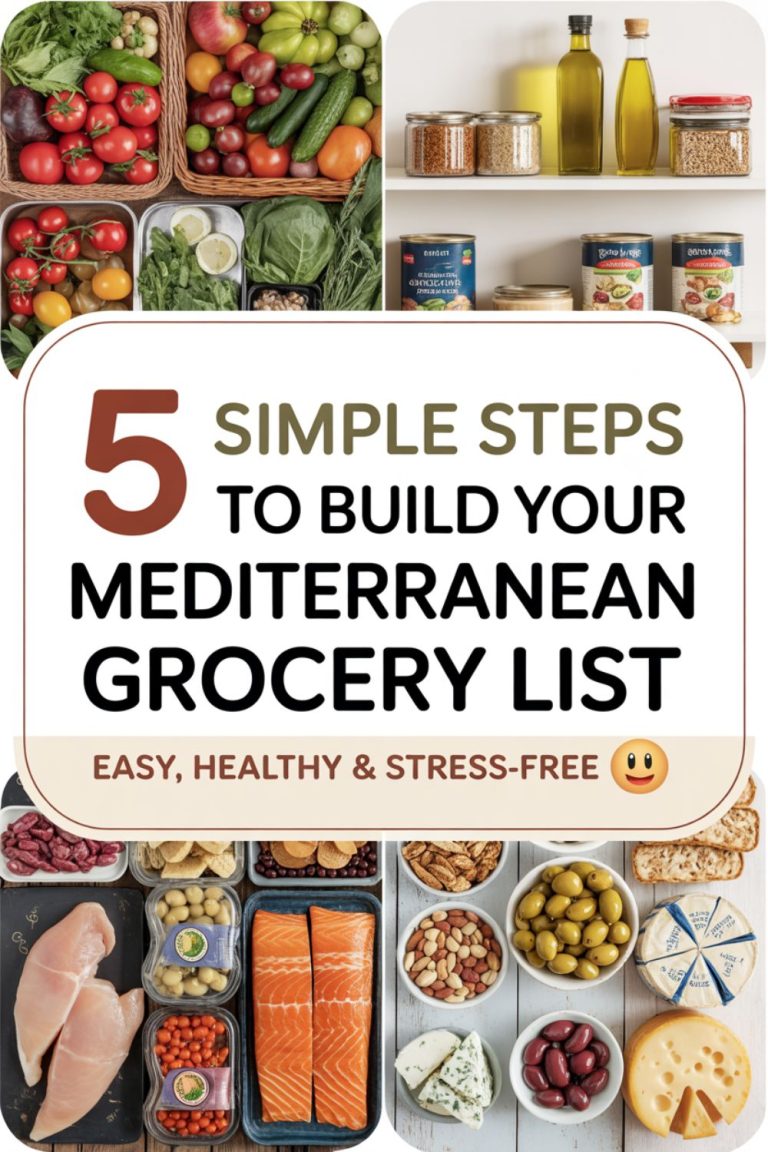
Having a loose plan for the week makes Mediterranean eating way easier. You don’t need a minute-by-minute schedule, just a general idea of what you’re making so you can shop accordingly.
I keep a running grocery list on my phone and add to it throughout the week. When Sunday rolls around, I already know what I need instead of wandering the store aimlessly.
But also, stay flexible. If Wednesday’s dinner plan doesn’t happen because life got crazy, don’t stress. Scramble some eggs, toss together a salad, make a quick pasta. The Mediterranean diet is forgiving like that.
25. Remember: It’s a Lifestyle, Not a Diet
Here’s the thing—the Mediterranean diet isn’t really a diet in the restrictive, miserable sense. It’s more of a lifestyle built around real food, shared meals, and actually enjoying what you eat.
You’re not counting calories or measuring portions with a scale. You’re eating whole foods, listening to your body, and not stressing about the occasional indulgence. That’s what makes it sustainable long-term.
Some days you’ll eat perfectly. Some days you’ll have pizza. Both are fine. The goal is progress, not perfection. Just keep coming back to the basics—lots of plants, good fats, lean proteins, whole grains—and you’ll be golden.
Frequently Asked Questions
Can I lose weight on the Mediterranean diet?
Absolutely. The Mediterranean diet isn’t specifically a weight-loss diet, but many people naturally lose weight because you’re eating whole, nutrient-dense foods that keep you satisfied. Research from Harvard’s Nutrition Source shows that people following this pattern often maintain weight loss better long-term compared to restrictive diets. The key is portion awareness and staying active.
Is the Mediterranean diet expensive?
Not necessarily. While fresh fish and olive oil can add up, the diet relies heavily on affordable staples like beans, lentils, whole grains, and seasonal vegetables. Buy canned beans, frozen fish, and whatever produce is in season locally. Cooking at home instead of eating out saves money fast, and these budget-friendly Mediterranean meals prove you don’t need a huge grocery budget.
Do I have to give up meat completely?
Nope. The Mediterranean diet includes meat, just not as the star of every meal. Think of it more as a supporting player—you might have chicken a couple times a week, red meat once or twice a month. Fish and plant-based proteins take center stage most of the time, but you’re definitely not going full vegetarian unless you want to.
Can I follow this diet if I’m vegetarian or vegan?
For sure. The Mediterranean diet is already plant-heavy, so it adapts easily. Vegetarians can load up on beans, lentils, whole grains, nuts, and dairy. Vegans just skip the dairy and focus on plant proteins, which there are tons of in Mediterranean cooking. Check out these high-protein vegetarian recipes for inspiration.
How quickly will I see results?
This isn’t a quick-fix diet, but many people notice better energy and digestion within a week or two. Weight changes and health improvements (like better cholesterol or blood pressure) typically show up after a few weeks to months of consistent eating. According to research published in medical journals, the cardiovascular benefits become more pronounced with longer-term adherence. The good news is this way of eating is sustainable, so you can actually stick with it long enough to see real results.
Final Thoughts
Here’s the bottom line: the Mediterranean diet isn’t about perfection or following some rigid meal plan that makes you miserable. It’s about shifting toward whole foods, enjoying what you eat, and not stressing about every single bite.
Start small. Swap your regular oil for olive oil. Add an extra serving of vegetables to dinner. Try fish once this week. These tiny changes add up faster than you think, and before you know it, you’ll be eating a Mediterranean-style diet without even trying that hard.
The research is solid—studies have found that following a Mediterranean dietary pattern is linked to significant reductions in cardiovascular disease risk and improved overall longevity. But beyond the science, this is just a really enjoyable way to eat. You’re not counting calories or eliminating entire food groups. You’re eating real food that tastes good and happens to be great for your body.
Will you nail it every day? Probably not. Will you occasionally eat pizza or have a burger? Of course. That’s life. The goal is to make Mediterranean-style eating your default, your baseline, the thing you come back to more often than not.
Give yourself some grace, experiment with new recipes, find what works for your schedule and budget, and just keep showing up. Your body—and your taste buds—will thank you.
Now go roast some vegetables, drizzle everything with olive oil, and enjoy the delicious journey.