25 Mediterranean Diet Meals for Clean Eating This Spring
Spring is here, and if you’re anything like me, you’re probably standing in front of your fridge wondering why you bought three containers of hummus but forgot actual food. Again. Look, I get it—clean eating sounds great in theory until you realize your meal prep skills peaked at microwaving leftovers.
But here’s the thing about Mediterranean diet meals: they’re not complicated, they don’t require you to buy seventeen ingredients you’ll use once, and they actually taste like food instead of punishment. No offense to whatever sad desk salad you had planned for lunch.
I’ve been following this eating style for a while now, and honestly? It’s one of the few approaches that doesn’t make me want to face-plant into a pizza by day three. Research from Harvard’s School of Public Health shows this approach reduces cardiovascular disease risk by about 25%, which is pretty compelling when you consider how delicious the food actually is.
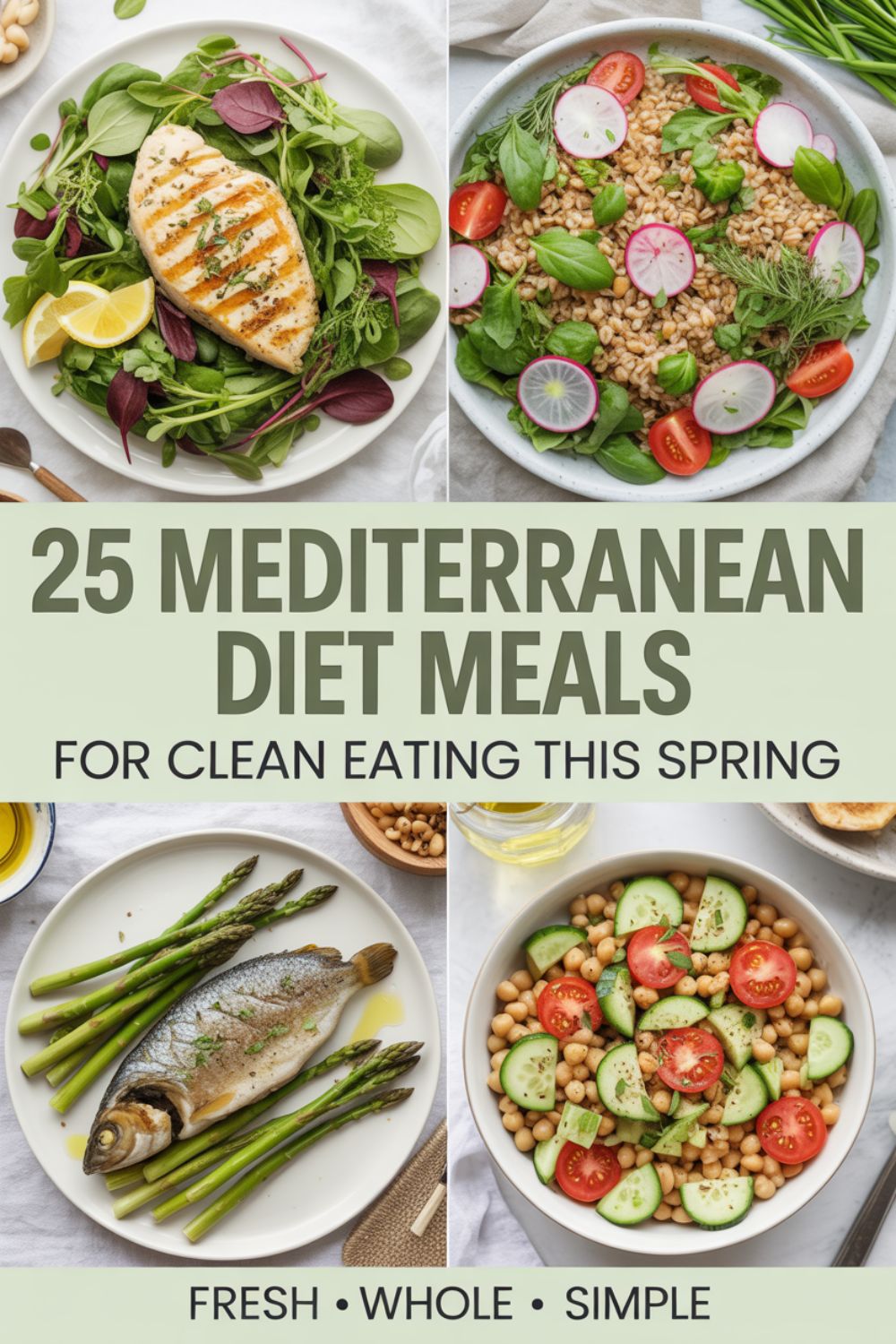
These 25 meals cover everything from quick breakfasts that don’t involve standing over a stove half-awake to dinners that look impressive but won’t destroy your evening. Spring produce is already hitting the markets—fresh tomatoes, crisp cucumbers, tender greens—so why not make the most of it?
Why Mediterranean Eating Works for Spring
Spring is basically the Mediterranean diet’s favorite season. Everything this eating pattern celebrates—fresh vegetables, herbs that actually taste like something, seafood that doesn’t require a second mortgage—is at its peak right now.
The whole approach revolves around real food. Olive oil instead of whatever mystery blend comes in that giant plastic bottle. Actual vegetables instead of things that come in boxes with cartoon characters. Fish that had fins recently. You know, food that your great-grandmother would recognize as food.
What I love most is the flexibility. Unlike those diets that ban entire food groups and make you feel like a criminal for wanting bread, Mediterranean eating just asks you to be reasonable. Whole grains? Sure. Lean proteins? Absolutely. A glass of wine with dinner? Nobody’s stopping you.
Pro Tip
Prep your vegetables Sunday night. Chop cucumbers, tomatoes, and bell peppers, then store them in separate containers. You’ll thank yourself all week when assembling meals takes three minutes instead of twenty.
According to research on Mediterranean diet mechanisms, the combination of healthy fats, fiber-rich foods, and antioxidants works together to reduce inflammation and support metabolic health. It’s not about one magic ingredient—it’s about how everything works as a system.
Breakfast Ideas That Don’t Require Motivation
Let’s be honest: breakfast is where most clean eating plans go to die. Who has time to blend seventeen ingredients into a smoothie bowl at 6 AM? Not me, and probably not you either.
Quick Morning Wins
Start with Greek yogurt bowls that take about ninety seconds to assemble. I use a glass meal prep container set to portion everything the night before—yogurt in the bottom, berries on top, done. Add some honey and maybe walnuts if you’re feeling fancy.
Avocado toast gets a bad rap because millennials apparently ruined it or something, but it’s genuinely good. Whole grain bread, mashed avocado, cherry tomatoes, drizzle of olive oil. Takes five minutes. Tastes better than whatever protein bar you were planning to eat in traffic.
The Mediterranean smoothie bowl works when you actually have ten minutes. Blend frozen berries, Greek yogurt, a splash of almond milk, top with granola and fresh fruit. I keep a high-speed blender on my counter because putting it away guarantees I’ll never use it.
For something more substantial, try the savory Mediterranean scramble. Eggs, tomatoes, spinach, feta. Protein, vegetables, flavor—everything you need without the weird aftertaste of protein powder.
Overnight Oats Without the Instagram Pressure
I’ll be straight with you: I resisted overnight oats for years because they looked complicated. Turns out, you literally just mix ingredients in a jar and refrigerate. That’s it. That’s the whole process.
The oatmeal with dried figs and walnuts is ridiculously simple. Oats, almond milk, figs, walnuts, cinnamon. Mix, refrigerate, eat cold or heated. I use mason jars with lids because they’re basically indestructible and you can see what’s inside without opening seventeen containers.
Looking for more morning inspiration? Check out these easy Mediterranean breakfast ideas or these high-protein breakfasts under 350 calories for variety that won’t bore you into submission.
Lunch Recipes That Travel Well
Packing lunch shouldn’t require a culinary degree. These travel well, taste good at room temperature (because nobody likes fighting over the office microwave), and won’t leave you hungry by 3 PM.
Salads That Actually Fill You Up
The Greek salad that’s actually good is my go-to because it holds up for hours without getting soggy. Cucumbers, tomatoes, red onion, olives, feta, olive oil, lemon. Pack the dressing separately if you’re paranoid, but honestly? It’s fine mixed together.
Try the tuna and white bean salad for serious protein. Canned tuna (the good kind, not the mystery mush), cannellini beans, cherry tomatoes, red onion, parsley. Dress with olive oil and lemon juice. Stores beautifully in divided lunch containers if you like keeping things separate.
The cucumber tomato feta salad is basically a deconstructed Greek salad. Chop everything small, add chickpeas for substance, drizzle generously with olive oil.
Quick Win
Keep canned chickpeas and white beans in your pantry. Rinse, drain, toss with olive oil and lemon—instant protein and fiber. Add to literally any salad or grain bowl for staying power.
Wraps and Sandwiches Worth Packing
The cucumber hummus sandwich sounds too simple to be good, but trust me on this. Whole grain bread, thick layer of hummus, thinly sliced cucumbers, tomatoes, maybe some sprouts. Wrap tightly in parchment paper and it won’t fall apart in your bag.
Mediterranean chickpea wraps pack serious flavor. Mashed chickpeas with tahini, lemon, and garlic, wrapped with vegetables and greens. I mash the chickpeas with a potato masher because I’m lazy and it works perfectly fine.
For more portable lunch ideas that won’t leave you hungry an hour later, check out these Mediterranean lunchbox recipes for work.
Dinner Solutions for Actual Humans
Dinner is where I used to fall apart. By 6 PM I’m tired, hungry, and approximately zero percent interested in following a recipe with 47 steps. These dinners work because they’re straightforward and don’t generate enough dishes to ruin your evening.
Fish and Seafood That Doesn’t Smell Up Your Kitchen
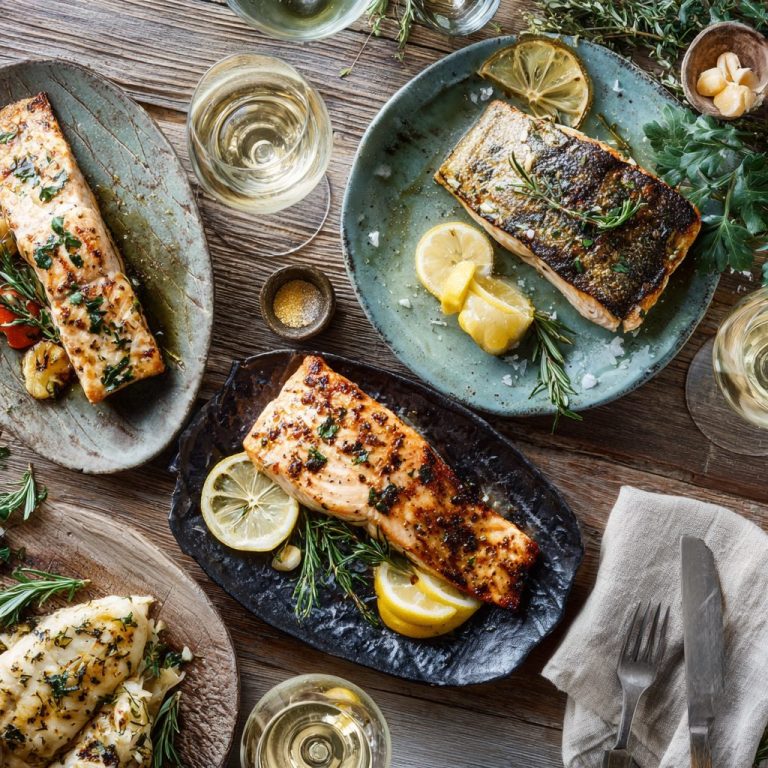
The grilled salmon with tomato caper relish takes maybe twenty minutes start to finish. Season salmon, grill or bake, top with chopped tomatoes, capers, and herbs. Serve with roasted vegetables or a grain. Done.
I cook salmon on parchment paper sheets because it prevents sticking and makes cleanup involve throwing away paper instead of scrubbing pans. Life’s too short for pan scrubbing.
Try the baked salmon with herbed quinoa when you want something that looks impressive but requires minimal effort. The shrimp sautéed in garlic and olive oil with couscous is ridiculously fast—like fifteen minutes fast.
Chicken Done Right
The lemon herb chicken with roasted potatoes is my default weeknight dinner. Chicken thighs, potatoes, olive oil, lemon, herbs, one pan. Roast everything together. Get Full Recipe
For variety, the lemon garlic grilled chicken with couscous brings serious flavor without weird ingredients. The lemon oregano grilled chicken is even simpler—marinade for an hour, grill, done.
If you’re looking for more high-protein options that actually taste good, check out these high-protein chicken recipes for meal prep.
Vegetarian Options That Don’t Taste Like Punishment
The lentil soup with crusty bread is comfort food that happens to be healthy. Lentils, vegetables, vegetable broth, spices. Simmer until tender. Serve with good bread for dipping.
Stuffed bell peppers with quinoa and vegetables look fancy but they’re basically just assembly work. Cook quinoa, sauté vegetables, stuff peppers, bake. I use my rice cooker for quinoa because it’s foolproof and I have enough to worry about.
The Mediterranean grain bowl is infinitely customizable. Base of farro or quinoa, whatever roasted vegetables you have, chickpeas, tahini dressing. Change it up based on what’s in your fridge.
Speaking of grain bowls, you might also love this Moroccan spiced quinoa bowl for when you want something different, or these high-protein bowls that actually keep you full.
Pro Tip
Roast vegetables in batches on Sunday. Broccoli, bell peppers, zucchini, eggplant—whatever’s on sale. Store in the fridge and add to grain bowls, pasta, or eggs throughout the week. Game changer.
One-Pan Wonders for Minimal Cleanup
Look, I love cooking. I hate dishes. One-pan meals are my love language.
The whole wheat spaghetti with cherry tomatoes and basil cooks in one pot. Pasta, tomatoes, garlic, olive oil, fresh basil. Everything cooks together. One pot to wash. This is living.
Try the shakshuka for breakfast-dinner situations. Tomato sauce, spices, crack eggs directly into the sauce, cover and cook. Serve with bread. One skillet. My cast iron skillet goes from stovetop to table because I’m not about that serving dish life.
The Mediterranean chickpea skillet combines chickpeas, tomatoes, spinach, and spices in one pan. Serve over rice or with bread. Get Full Recipe
For more minimal-cleanup inspiration, these easy Mediterranean one-pan dinners will save your weeknights.
Soups That Actually Satisfy
Spring evenings can still be cool, and soup hits different when you actually want something warm but not heavy.
The lentil spinach soup is hearty enough to be a meal. Lentils, spinach, tomatoes, vegetable broth, spices. Simmer until the lentils are tender. Finish with lemon juice for brightness.
Carrot ginger soup with chickpea croutons sounds fancy but it’s stupid easy. Roast carrots, blend with ginger and broth, top with crispy roasted chickpeas. The chickpeas add texture and protein.
Want more soup options? Check out these Mediterranean soups under 300 calories or these Mediterranean soups that actually fill you up.
Snacks That Bridge the Gap
That 3 PM slump is real, and the vending machine is right there, mocking you with its processed snacks.
The grilled veggie platter with hummus is clutch. Grill or roast vegetables in advance, portion them with hummus. Grab and go. I store these in glass snap-lid containers that don’t leak hummus all over my bag.
Olive tapenade on toasted baguette satisfies salty cravings without being terrible for you. Pulse olives with capers, garlic, and olive oil. Spread on toasted bread slices.
The whipped feta dip with honey and thyme is dangerously good. Blend feta with Greek yogurt until smooth, drizzle with honey, top with fresh thyme. Serve with vegetables or pita chips.
For more snack ideas that won’t derail your day, try these Mediterranean snacks that aren’t just hummus.
Meal Prep Strategy That Actually Works
Meal prep doesn’t have to mean eating the same chicken and rice for seven days straight. That’s not meal prep, that’s punishment.
Start with three recipes max. Cook a batch of baked salmon with dill and garlic, roast a ton of vegetables, and make a big pot of Mediterranean lentil salad. Mix and match throughout the week.
The grilled veggie and halloumi skewers prep beautifully. Thread vegetables and cheese onto skewers, store in the fridge, grill when ready. Get Full Recipe
According to Mayo Clinic’s guidance on Mediterranean eating, the key to long-term adherence is variety and satisfaction—not restriction and bland repetition.
Need a complete plan? These 7-day high-protein Mediterranean meal plans or this 14-day Mediterranean meal plan for beginners take the guesswork out entirely.
Quick Pastas That Don’t Require Talent
Pasta gets a bad rap in diet circles, but whole grain pasta with vegetables and protein is perfectly reasonable.
The one-pot Mediterranean pasta cooks everything together—pasta, cherry tomatoes, spinach, garlic, olive oil. As the pasta cooks, it creates its own sauce. It’s borderline magical and requires one pot.
Whole wheat spaghetti with spinach pesto is my answer to regular pesto being expensive. Blend spinach, basil, garlic, pine nuts (or walnuts, because pine nuts cost more than rent), parmesan, olive oil. Toss with pasta.
I make pesto in my food processor because it takes thirty seconds and a blender would never get it smooth enough without adding too much liquid.
Light Appetizers for Spring Gatherings
Spring means outdoor gatherings, and nobody wants to show up empty-handed.
The easy baked falafel is crowd-friendly and you can make a huge batch. Serve with tahini sauce and everyone thinks you’re fancy. Shape the falafel with a small cookie scoop for uniform sizes that cook evenly.
Mediterranean flatbread works as an appetizer or light dinner. Top flatbread with hummus, roasted vegetables, feta, and fresh herbs. Bake until warm and slightly crispy.
The stuffed grape leaves look impressive but they’re mostly assembly. Rice, herbs, lemon juice, wrapped in grape leaves. Serve cold or room temperature.
For more party-appropriate options, check out these Mediterranean appetizers you’ll want to make again.
The Ingredients That Matter
You don’t need forty specialty ingredients. You need maybe ten good ones.
Olive oil: Get decent stuff. Not the $50 bottle from the farmers market, but not the giant plastic jug either. Middle ground. I keep mine in a dark glass bottle with a pour spout because it protects from light and makes measuring easier.
Canned beans and lentils: Always have chickpeas, white beans, and lentils in the pantry. Rinse them well and they’re ready to go.
Good bread: Whole grain sourdough, pita, crusty baguettes. Bread is not the enemy, terrible bread is the enemy.
Fresh herbs: Parsley, basil, mint, oregano. They transform everything. I grow mine in windowsill herb pots because buying fresh herbs every week is expensive and half of them die in my fridge anyway.
Lemons: Buy them by the bag. Lemon juice brightens everything and costs approximately nothing.
Feta and Greek yogurt: Tangy, protein-rich, versatile. Keep them stocked.
What About Dessert?
Mediterranean desserts tend to be fruit-forward, which sounds boring until you try fresh berries with honey and pistachios.
Grilled peaches or figs with a drizzle of honey and crumbled feta sounds weird but trust me. Grill the fruit until it caramelizes, top with cheese and honey. Sweet, salty, perfect.
Fresh fruit with Greek yogurt and a sprinkle of cinnamon works when you want something simple. Or dates stuffed with almond butter—naturally sweet, protein boost, takes thirty seconds.
If you need actual desserts that won’t destroy your goals, check out these Mediterranean desserts that don’t ruin your diet.
Frequently Asked Questions
Can I meal prep Mediterranean meals for the whole week?
Absolutely. Most Mediterranean dishes hold up beautifully for 3-5 days. Grain bowls, soups, and roasted vegetables actually improve in flavor as they sit. Just store dressings separately and add fresh herbs right before eating for the best results.
Is the Mediterranean diet expensive to follow?
Not necessarily. Focus on seasonal produce, buy canned beans and lentils in bulk, and use frozen fish when fresh isn’t available or affordable. Olive oil seems pricey upfront but it lasts forever. The diet emphasizes simple, whole foods—not expensive specialty items.
How much olive oil should I actually use?
The Mediterranean diet includes olive oil liberally but not recklessly. Use it as your primary fat source for cooking and dressings, but you’re not chugging it from the bottle. A tablespoon or two for cooking or as a dressing is typical per meal.
Can I follow Mediterranean eating if I’m vegetarian?
Definitely. The diet is naturally plant-forward with tons of vegetarian options—beans, lentils, whole grains, vegetables, nuts, and seeds all play starring roles. You’ll have zero problems finding satisfying meatless meals that fit the pattern.
What’s the difference between Mediterranean diet and just eating healthy?
Mediterranean eating emphasizes specific foods—olive oil as the main fat, lots of fish and seafood, whole grains, legumes, and moderate dairy. It’s more structured than generic “healthy eating” but more flexible than restrictive diet plans. The pattern has extensive research backing its health benefits.
Making It Work in Real Life
Here’s the truth about any eating plan: it only works if you actually do it. And you only do it if it doesn’t make you miserable.
Mediterranean eating works for me because I genuinely like the food. The grilled eggplant with yogurt sauce isn’t something I choke down because it’s “healthy”—it’s actually delicious. The shrimp saganaki with spicy tomato and feta is restaurant-quality food I can make at home in twenty minutes.
Start small. Don’t overhaul everything at once because that’s how you end up face-down in a drive-through by Thursday. Pick three recipes from this list. Make them this week. See how it goes.
Maybe you start with the Mediterranean tuna stuffed peppers for lunch a couple times. Add the Mediterranean-style avocado toast for breakfast. Try the baked cod with tomato olive tapenade for dinner one night.
You don’t need to be perfect. You don’t need to follow a rigid plan. You just need to eat more real food and less processed garbage, and Mediterranean eating makes that pretty painless.
Spring is the perfect time to try this because the produce is incredible right now. Tomatoes that actually taste like tomatoes. Cucumbers that crunch. Fresh herbs that smell like something other than disappointment.
Stock your kitchen with the basics—olive oil, canned beans, whole grains, lemons, garlic, herbs. Keep it simple. Don’t overthink it. Cook food, eat food, feel good, repeat.
These 25 meals give you options for every situation—quick breakfasts, packable lunches, easy dinners, snacks that actually satisfy. Mix and match them based on what you have time for and what sounds good. That’s the whole point.
Final Thoughts
Clean eating doesn’t have to mean suffering through bland chicken breast and steamed broccoli. It can mean roasted vegetables with olive oil and lemon, fresh fish with herbs, crusty bread with tomatoes and feta.
The Mediterranean approach works because it’s built around food people actually want to eat. Research supports the health benefits, sure, but the real benefit is that you’ll stick with it because you’re not constantly fighting cravings for flavor and satisfaction.
Spring gives you the best ingredients to work with. Take advantage of what’s fresh, keep your pantry stocked with the basics, and don’t stress about being perfect. Good food, simply prepared, eaten without guilt—that’s the whole game.
Pick a few recipes from this list and try them this week. See how you feel. Chances are you’ll feel pretty damn good, and you won’t be counting down the days until you can eat like a normal human again—because this is eating like a normal human. Just a normal human who makes better choices and enjoys better food.