25 High-Volume Low-Calorie Meals for Weight Loss
Look, I’m going to be straight with you—losing weight doesn’t mean you need to walk around feeling like you just survived the apocalypse on a diet of celery sticks and sadness. The secret nobody tells you? It’s all about volume eating.
I spent way too long thinking weight loss meant tiny portions and constant hunger. Turns out, I was doing it all wrong. Once I figured out how to pack my plate with high-volume, low-calorie foods, everything changed. I could actually eat until I was satisfied without blowing my calorie budget. Game changer.
Here’s the deal: these 25 meals are designed to fill you up without filling you out. We’re talking big portions, real food, and flavors that don’t taste like punishment. No sad desk lunches, no desperate 3pm vending machine runs. Just solid meals that work.

Why Volume Eating Actually Works
Before we dive into the recipes, let’s talk science for a second—don’t worry, I’ll keep it brief. Your stomach has stretch receptors. When you eat a large volume of food, these receptors signal your brain that you’re full. This is why you can demolish a bag of chips (tiny, calorie-dense) and still feel hungry, but eat a massive salad (huge, low-calorie) and feel stuffed.
The magic ingredient? Water and fiber. Foods high in water content and fiber take up more space in your stomach without adding many calories. Think vegetables, fruits, lean proteins, and whole grains. Mayo Clinic research on dietary fiber shows that fiber-rich foods promote satiety and help with weight management by slowing digestion and stabilizing blood sugar.
I used to think eating for weight loss meant being hungry all the time. Turns out, I just needed to eat smarter, not smaller. Once I started prioritizing volume, the whole thing became way more sustainable.
Breakfast Builds That Keep You Going
1. Veggie-Packed Egg White Scramble
Start your day with a mountain of food for around 200 calories. I load mine with spinach, mushrooms, bell peppers, tomatoes, and onions. The egg whites give you protein without the extra calories from yolks, and the vegetables? Pure volume magic.
I cook mine in a nonstick skillet with a tiny spritz of cooking spray. The trick is cooking the veggies first until they’re soft and slightly caramelized, then adding the egg whites. Season aggressively—we’re talking garlic powder, black pepper, a pinch of red pepper flakes. If you’re feeling fancy, top with fresh herbs and a tablespoon of salsa.
2. Massive Oatmeal Bowl
Not your sad instant oatmeal situation. I’m talking about oatmeal with fresh berries and flaxseed that actually fills you up. Cook your oats with twice the water for extra volume, then pile on the berries—strawberries, blueberries, whatever’s in season.
The secret? Add a tablespoon of flaxseed for fiber and omega-3s, plus it thickens everything up. I measure mine with a digital kitchen scale because eyeballing portions is how I accidentally ate 600 calories of oatmeal and wondered why I wasn’t losing weight.
3. Greek Yogurt Protein Bowl
This Greek yogurt parfait is clutch. Start with plain Greek yogurt (the flavored ones are sugar bombs), add berries, a small handful of nuts, and a drizzle of honey. The protein from the yogurt keeps you satisfied for hours.
I layer mine in a glass meal prep container so I can grab it on busy mornings. FYI, this is also excellent as a post-workout snack.
For more morning fuel, you might also dig these high-protein breakfast recipes or check out breakfast ideas that keep you full all morning.
Lunch Options That Don’t Leave You Starving by 3pm
4. Giant Chopped Salad
Salads get a bad rap because most people make them wrong. A proper salad should require a mixing bowl to assemble. I’m talking romaine, cucumbers, tomatoes, bell peppers, shredded carrots, red onion, chickpeas for protein, and grilled chicken if you’re feeling it.
The dressing makes or breaks this. I whisk together lemon juice, a tiny bit of olive oil, Dijon mustard, and garlic. Way better than store-bought and you actually know what’s in it. This Greek salad follows the same principle—maximum veggies, maximum flavor.
5. Veggie-Loaded Soup
Soup is volume eating royalty. You can eat an enormous bowl for minimal calories. My go-to is a lentil spinach soup with tons of vegetables. Get Full Recipe.
I make a huge batch in my Dutch oven every Sunday. Lentils, diced tomatoes, carrots, celery, spinach, vegetable broth, and whatever seasonings I’m feeling. The lentils add protein and fiber, the vegetables add volume, and the whole thing costs like three dollars to make.
6. Zucchini Noodle Bowl
Zucchini noodles are polarizing—people either love them or think they’re sad pasta substitutes. I fall somewhere in the middle. They’re not pasta, but they’re also not trying to be. What they ARE is a massive pile of vegetables that you can top with basically anything.
I spiralize mine with a handheld spiralizer, sauté them for literally 2 minutes (any longer and they get mushy), then top with marinara sauce and turkey meatballs. You get a huge portion for under 300 calories. This zucchini noodle pasta salad is another solid option.
7. Stuffed Bell Peppers
These stuffed bell peppers with quinoa and veggies are basically edible bowls. I hollow out bell peppers, stuff them with a mixture of quinoa, ground turkey, diced tomatoes, and spices, then bake until everything’s tender. Get Full Recipe.
The peppers themselves add volume without calories, and the quinoa-turkey combo keeps you full. IMO, these are perfect for meal prep because they reheat beautifully.
Dinner Winners You’ll Actually Want to Eat
8. Cauliflower Rice Stir-Fry
Cauliflower rice was everywhere a few years ago, and honestly? It’s still good. You can eat twice as much as regular rice for half the calories. I make a massive stir-fry with cauliflower rice, tons of mixed vegetables, some shrimp or chicken, and soy sauce.
The key is getting the cauliflower rice dry. I cook it in a large wok over high heat to evaporate the moisture. Otherwise, you get soggy sadness instead of fried rice vibes.
9. Grilled Chicken with Roasted Vegetables
This sounds basic because it is, but that’s not a bad thing. Sometimes you just need lemon herb chicken with roasted potatoes and a pile of roasted vegetables. Season your chicken properly (seriously, don’t be shy with the spices), roast your veggies until they’re caramelized, and you’ve got yourself a solid meal.
I roast everything on silicone baking mats—no oil needed, nothing sticks, cleanup is stupid easy. Life-changing kitchen tool, honestly.
10. Spaghetti Squash with Tomato Sauce
Spaghetti squash is wild. You roast it, scrape out the insides with a fork, and suddenly you have something that looks kind of like pasta. This spaghetti squash with tomato basil sauce hits the spot when you’re craving Italian food.
Top it with homemade tomato sauce, some turkey meatballs, and fresh basil. You can eat a massive portion for way fewer calories than actual pasta. Not the same, but definitely good.
11. Sheet Pan Salmon and Vegetables
Sheet pan dinners are for people who hate washing dishes. Everything goes on one pan, you roast it, you eat it. I do baked salmon with herbed quinoa alongside asparagus, Brussels sprouts, and whatever other vegetables need to be used up.
The salmon gives you protein and healthy fats, the vegetables give you volume, and the quinoa makes it actually filling. Season everything well—lemon, garlic, herbs, whatever you’ve got.
12. Turkey Lettuce Wraps
Lettuce wraps let you eat with your hands, which automatically makes everything more fun. I cook ground turkey with ginger, garlic, soy sauce, and a bit of hoisin sauce, then pile it into butter lettuce leaves with shredded carrots, cucumber, and cilantro.
You can eat like six of these and still be under 400 calories. The crunch from the lettuce and vegetables is super satisfying, and cooking the turkey in a nonstick pan means you barely need any oil.
If you’re into wraps, definitely check out these high-protein wraps that’ll actually keep you full or explore more Mediterranean wrap recipes.
Mediterranean-Inspired Volume Meals
13. Greek-Style Chicken Bowl
Mediterranean food is perfect for volume eating because it’s all about vegetables, lean proteins, and bold flavors. I make these Mediterranean chickpea bowls constantly. Grilled chicken, cucumber, tomatoes, red onion, chickpeas, and a lemon-herb dressing.
The chickpeas add extra protein and fiber, which keeps you full longer. Mayo Clinic’s research on satiety confirms that fiber-rich foods help you feel full on fewer calories, making them ideal for weight loss.
14. Shakshuka
This Mediterranean shakshuka is basically eggs poached in spicy tomato sauce. It sounds fancy but takes like 20 minutes to make. Tons of tomatoes and peppers make it super filling, and the eggs add protein.
I serve mine with a small piece of whole grain bread for dipping. The whole meal is maybe 300 calories but feels way more indulgent than it actually is.
15. Lentil Soup
Lentils are criminally underrated. This lentil soup with crusty bread is hearty, filling, and ridiculously cheap to make. Get Full Recipe.
I make mine with red lentils, diced tomatoes, carrots, celery, and tons of spices. Cumin, paprika, turmeric—go wild. The lentils break down and make the soup thick and creamy without any cream. You can eat a massive bowl for under 250 calories.
16. Grilled Vegetable Platter
Sometimes simple is best. This grilled veggie platter with hummus is just a bunch of grilled vegetables with hummus for dipping. Zucchini, eggplant, bell peppers, asparagus—whatever you want.
I grill everything on my grill pan with minimal oil. The char adds so much flavor that you barely need seasoning. The hummus adds protein and makes everything taste better.
Protein-Packed Options
17. Egg White Frittata
Frittatas are just fancy omelets you bake in the oven. I make mine with egg whites, tons of vegetables, and maybe a sprinkle of cheese if I’m feeling fancy. Spinach, mushrooms, tomatoes, onions—pile it all in.
Bake it in a cast iron skillet and you’ve got breakfast, lunch, or dinner sorted. Slice it into portions for the week. Each slice is maybe 100 calories but super filling because of all the vegetables and protein.
18. Tuna Salad Lettuce Cups
This tuna white bean salad is excellent on its own or served in lettuce cups. I mix canned tuna with white beans, diced celery, red onion, lemon juice, and a tiny bit of Greek yogurt instead of mayo.
The white beans bulk it up and add fiber. You get a huge portion for minimal calories, plus the protein keeps you satisfied. This is also great in these tuna white bean salad lettuce cups.
19. Chicken and Vegetable Skewers
Skewers make everything better. I thread chicken breast chunks onto metal skewers alternating with bell peppers, onions, zucchini, and cherry tomatoes. Marinate everything in lemon juice, garlic, and herbs, then grill.
The vegetables add volume, the chicken adds protein, and everything tastes like summer. You can eat several skewers for under 300 calories.
20. Shrimp Stir-Fry
Shrimp are protein bombs with barely any calories. I make a massive stir-fry with shrimp, snap peas, broccoli, carrots, bell peppers, and whatever other vegetables I have. This shrimp sautéed in garlic olive oil with couscous follows similar logic.
The trick is cooking everything fast over high heat. The vegetables stay crisp, the shrimp stays tender, and you avoid that mushy takeout texture. Season with ginger, garlic, soy sauce, and a touch of sesame oil.
Plant-Based Volume Wins
21. Massive Buddha Bowl
Buddha bowls are just everything-but-the-kitchen-sink situations. I start with a base of mixed greens and cauliflower rice, then add roasted chickpeas, roasted sweet potato, cucumber, avocado, shredded cabbage, and tahini dressing.
The bowl is huge—like, you’ll need a large salad bowl to fit everything. But it’s mostly vegetables and legumes, so it’s surprisingly low in calories for how filling it is.
22. Three Bean Chili
This three bean chili is perfect for meal prep. Kidney beans, black beans, chickpeas, diced tomatoes, tons of spices, and vegetables. It’s thick, hearty, and you can eat a massive bowl for around 300 calories.
I make mine in my slow cooker and let it cook all day. The house smells amazing, and you have meals for the entire week. Top with a dollop of Greek yogurt and some cilantro.
23. Stuffed Portobello Mushrooms
These grilled portobello mushroom steaks are meaty without any actual meat. I stuff portobello caps with quinoa, diced vegetables, and a sprinkle of cheese, then bake until everything’s tender.
The mushrooms themselves are super low in calories, and they’re big enough that two of them feel like a full meal. The quinoa adds protein and makes everything more substantial.
24. Vegetable Curry
Curry is volume eating gold. This chickpea cauliflower coconut curry is loaded with vegetables and chickpeas in a coconut milk-based sauce. Serve it over cauliflower rice for maximum volume.
The spices make everything taste indulgent even though it’s actually pretty light. Turmeric, cumin, coriander, garam masala—layer those flavors. You’ll forget you’re eating diet food.
25. Roasted Vegetable Medley
Sometimes you just need a giant pile of roasted vegetables. I toss Brussels sprouts, broccoli, cauliflower, carrots, and sweet potato with a tiny bit of olive oil and lots of seasonings, then roast everything at high heat until it’s caramelized.
The high heat brings out the natural sugars in the vegetables and makes everything taste way better than steamed vegetables ever could. You can eat a massive portion for minimal calories, and pair it with any protein you want.
Frequently Asked Questions
What makes a meal “high-volume” and low-calorie?
High-volume meals are packed with water-rich and fiber-rich foods like vegetables, fruits, and lean proteins. These foods take up more space in your stomach without adding many calories, which helps you feel full and satisfied. Think about the difference between eating a handful of chips versus a huge salad—the salad has way more volume but fewer calories.
Can I meal prep these volume meals?
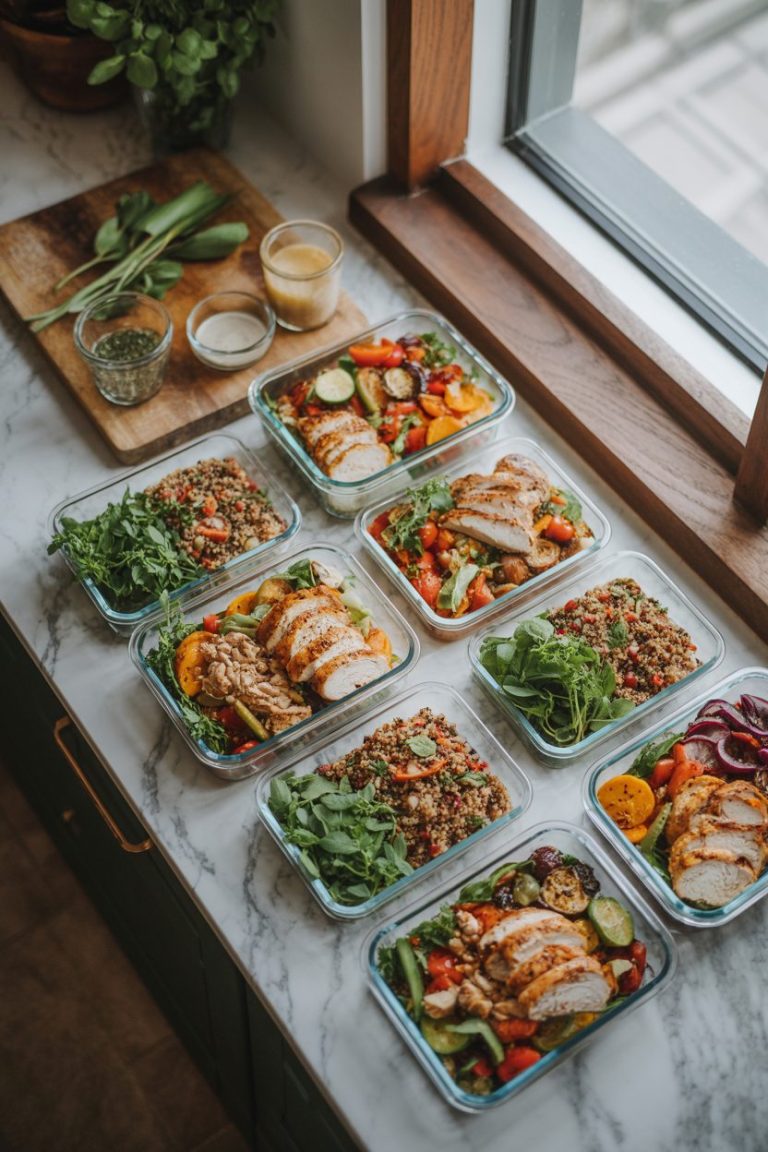
Absolutely. Most of these meals work great for meal prep, especially soups, grain bowls, and roasted vegetable dishes. Just store components separately when needed—like keeping dressing on the side for salads or storing zucchini noodles separate from sauce. Invest in good glass meal prep containers and you’re set for the week.
Will I actually feel full eating mostly vegetables?
Yes, as long as you’re also including protein and some healthy fats. The fiber in vegetables slows digestion and triggers satiety signals in your brain. Pair your veggies with lean protein sources like chicken, fish, eggs, or legumes, and you’ll stay satisfied for hours. It’s all about finding the right balance.
How many calories should these meals be for weight loss?
Most of these meals range from 200-400 calories, which works well if you’re aiming for a calorie deficit. Your total daily calories will depend on your individual needs, activity level, and weight loss goals. The beauty of volume eating is that you can adjust portion sizes based on your needs without feeling deprived.
What’s the best way to add flavor without adding calories?
Spices, herbs, citrus juice, vinegar, and hot sauce are your best friends. Don’t be shy with seasoning—garlic powder, onion powder, smoked paprika, cumin, fresh herbs, lemon juice, and balsamic vinegar can transform bland vegetables into something you actually want to eat. Quality seasoning makes all the difference in sticking with volume eating long-term.
Making It Work in Real Life
Here’s the thing about volume eating—it sounds great in theory, but you need to actually do it consistently for it to work. That means meal planning, grocery shopping, and prepping at least some components ahead of time.
I’m not going to pretend this is effortless. Some weeks I nail it. Other weeks I eat cereal for dinner because I didn’t plan ahead. But when I do stick with high-volume meals, I feel better, have more energy, and don’t spend the entire day thinking about food.
The biggest lesson I’ve learned? Don’t try to overhaul everything at once. Pick three or four of these meals that sound good, make them a few times until they’re easy, then add more to your rotation. Trying to make all 25 in one week is a recipe for burnout and takeout.
Also, be realistic about what you’ll actually eat. If you hate cauliflower, don’t force yourself to eat cauliflower rice just because it’s trendy. There are plenty of other high-volume options that’ll work just as well. The best diet is the one you can actually stick with.
Find your favorites, meal prep what you can, keep your fridge stocked with vegetables, and remember that perfection isn’t the goal. Consistency is. And when you do fall off track (because you will, we all do), just start again with your next meal. No drama, no guilt, just keep moving forward.
Volume eating changed how I approach weight loss. It’s sustainable, it’s satisfying, and I don’t feel like I’m constantly fighting against my own hunger. Give these meals a shot. Your stomach—and your sanity—will thank you.