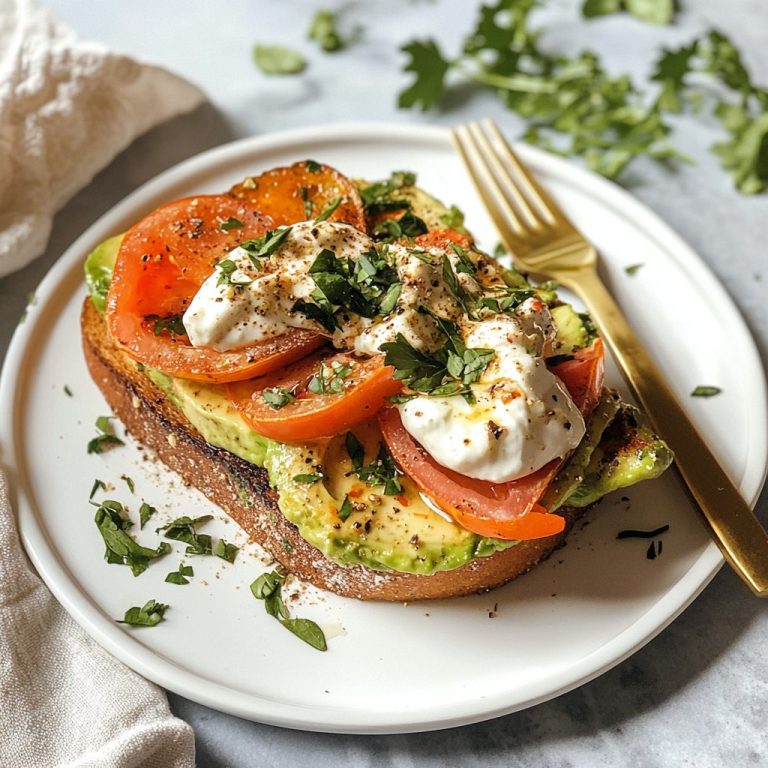

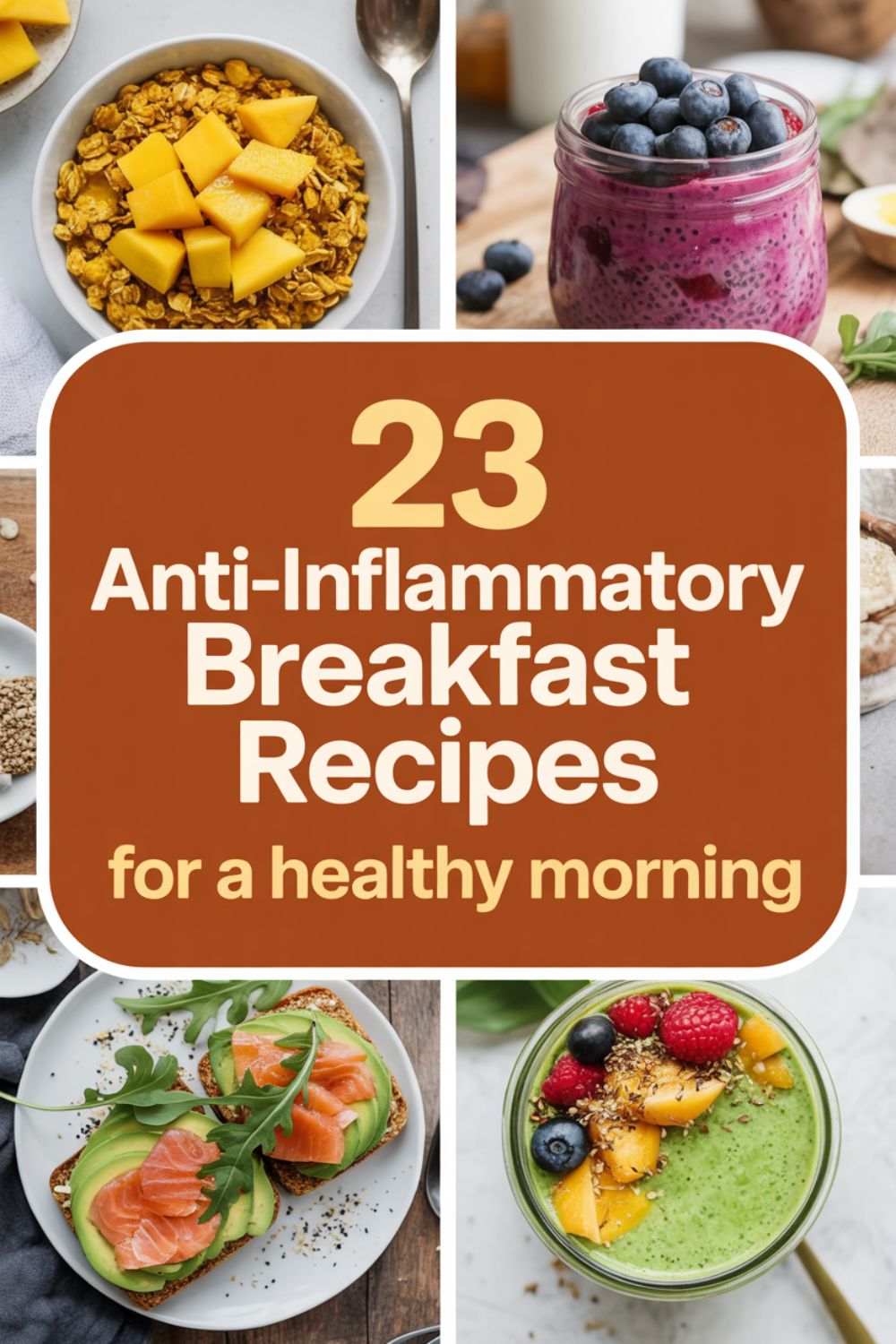
23 Anti-Inflammatory Breakfast Recipes for a Healthy Morning
Look, I get it. You wake up, your joints feel like they belong to someone twice your age, and you’re supposed to be excited about breakfast? The thing is, what you eat first thing can either fuel that inflammation or actually help calm it down. No, I’m not going to tell you to drink celery juice and call it a day—these are real breakfasts that taste good and happen to fight inflammation while they’re at it.
I’ve been down the inflammation rabbit hole myself. After dealing with some annoying joint pain and brain fog that wouldn’t quit, I started paying attention to what nutritionists and researchers were saying about anti-inflammatory foods. Turns out, berries, leafy greens, omega-3s, and whole grains aren’t just trendy—they actually work. So let’s talk about 23 breakfast recipes that’ll help you feel better without making you feel like you’re on some restrictive diet.
Why Anti-Inflammatory Breakfasts Actually Matter
Here’s the deal: chronic inflammation is behind a ton of health issues—arthritis, heart disease, even depression. And while nobody’s saying breakfast will cure everything, starting your day with anti-inflammatory foods can genuinely make a difference. Foods rich in antioxidants, omega-3 fatty acids, and fiber help your body dial down its inflammatory response.
According to Harvard Health, the Mediterranean diet—loaded with fruits, vegetables, whole grains, and healthy fats—is one of the best eating patterns for reducing inflammation. Good news: most of these breakfast recipes pull from that same playbook.
The key players you want on your breakfast plate? Berries, leafy greens, nuts, seeds, fatty fish, olive oil, and whole grains. These ingredients aren’t just healthy in some abstract way—they contain compounds like anthocyanins, omega-3s, and polyphenols that actually interfere with inflammatory pathways in your body.
The Foundation: What Makes a Breakfast Anti-Inflammatory?
Before we jump into recipes, let’s quickly cover what you’re looking for. An anti-inflammatory breakfast should include at least a couple of these elements:
- Omega-3 fatty acids from sources like salmon, chia seeds, flaxseeds, or walnuts
- Antioxidant-rich fruits like berries, cherries, and citrus
- Whole grains that provide fiber and steady energy
- Healthy fats from avocados, olive oil, or nuts
- Leafy greens and vegetables packed with vitamins and minerals
- Spices like turmeric, ginger, and cinnamon that have anti-inflammatory properties
What you want to minimize? Refined sugars, processed meats, and excessive dairy—all of which can trigger inflammation in some people. I’m not saying never eat bacon again, but maybe not every single morning, yeah?
Pro Tip
Prep your anti-inflammatory breakfast ingredients on Sunday. Wash berries, portion out chia seeds, chop veggies, and store them in containers. Morning you will be incredibly grateful—trust me on this one.
23 Anti-Inflammatory Breakfast Recipes That Actually Taste Good
1. Berry-Loaded Greek Yogurt Bowl
This one’s a classic for a reason. Greek yogurt provides probiotics that support gut health (which is closely linked to inflammation), while berries pack in anthocyanins—powerful antioxidants that fight oxidative stress. I like mixing blueberries, strawberries, and a handful of walnuts for extra omega-3s. Drizzle some honey on top and you’ve got yourself a legitimately delicious breakfast.
The thing I love about this recipe is how versatile it is. Some mornings I’ll add a spoonful of ground flaxseed or sprinkle hemp seeds on top for extra nutrition. If you’re using a glass meal prep bowl, you can layer everything the night before and grab it on your way out. Get Full Recipe.
2. Turmeric Golden Milk Overnight Oats
Turmeric is basically the superstar of anti-inflammatory foods, thanks to its active compound curcumin. Mix it into overnight oats with some cinnamon, a splash of almond milk, and a drizzle of maple syrup. You can prep these in small mason jars and have breakfast ready for the entire week. Add some sliced almonds or chia seeds for texture.
FYI, curcumin absorbs better when paired with black pepper, so don’t skip that little pinch. I also like adding a touch of ginger for extra anti-inflammatory punch. If you’re into meal prepping, check out some overnight oats variations that make mornings ridiculously easy.
3. Smoked Salmon and Avocado Toast
Yeah, avocado toast is everywhere, but this version actually deserves the hype. Smoked salmon is loaded with omega-3 fatty acids, and avocado brings healthy monounsaturated fats to the table. Use whole-grain or sourdough bread, smash half an avocado on top, layer on some salmon, and finish with a squeeze of lemon and fresh dill.
I keep a good bread knife handy because nothing’s worse than mangling your toast. A sprinkle of everything bagel seasoning takes this from good to genuinely crave-worthy. Get Full Recipe.
4. Chia Seed Pudding with Berries
Chia seeds are tiny inflammation-fighting warriors packed with omega-3s, fiber, and protein. Mix three tablespoons of chia seeds with a cup of almond milk, let it sit overnight, and wake up to a pudding-like consistency. Top with fresh berries, a drizzle of honey, and some chopped nuts.
This is one of those breakfasts that feels fancy but takes maybe three minutes of actual work. I use a small whisk to mix everything so the chia seeds don’t clump up. Get Full Recipe.
5. Spinach and Mushroom Scramble
Leafy greens like spinach are loaded with vitamins A, C, and K—all of which play a role in reducing inflammation. Mushrooms, especially varieties like shiitake and oyster, contain compounds that modulate immune function. Scramble some eggs with sautéed spinach and mushrooms, season with turmeric and black pepper, and you’ve got a protein-packed breakfast.
I always cook this in a non-stick skillet because nobody has time for stuck-on eggs before coffee. Add some crumbled feta if you’re feeling it—just a little dairy won’t hurt if you tolerate it well.
Looking for more egg-based options? You might also enjoy these spinach feta egg muffins or a classic veggie omelet that you can customize to your liking.
6. Anti-Inflammatory Green Smoothie
Blend up spinach, frozen pineapple, mango, a tablespoon of ground flaxseed, and some coconut water. Pineapple contains bromelain, an enzyme with anti-inflammatory properties, while the greens add vitamins and minerals without making your smoothie taste like a lawn. Add a scoop of protein powder if you want more staying power.
I use a high-speed blender for this because it actually breaks down the greens instead of leaving you with stringy bits. Not fun. Get Full Recipe.
7. Quinoa Breakfast Bowl with Apples and Walnuts
Who says quinoa is just for lunch? Cook it in almond milk instead of water, add cinnamon and a touch of maple syrup, then top with diced apples and walnuts. Quinoa is a complete protein and provides all nine essential amino acids, making it a solid breakfast base.
This one’s especially good in fall when apples are at their peak. I prep the quinoa ahead in a rice cooker so I’m not standing over the stove first thing in the morning. Get Full Recipe.
8. Sweet Potato Hash with Black Beans
Sweet potatoes are rich in beta-carotene and fiber, both of which support healthy inflammatory responses. Dice them up, sauté with some onions and bell peppers, add black beans for protein, and season with cumin and paprika. Top with a fried egg if you’re into that.
I use a large cast-iron skillet for this because it gets everything nicely crispy. Get Full Recipe.
9. Oatmeal with Blueberries and Flaxseed
Simple, classic, effective. Steel-cut oats provide soluble fiber that helps regulate blood sugar, while blueberries bring antioxidants to the party. Stir in a tablespoon of ground flaxseed for omega-3s and top with a sprinkle of cinnamon.
According to research from the National Institutes of Health, regular oat consumption is associated with reduced markers of inflammation. Not bad for something that costs pennies per serving. Get Full Recipe.
10. Tofu Scramble with Turmeric and Veggies
For my plant-based friends, tofu scramble is where it’s at. Crumble firm tofu, sauté with turmeric, nutritional yeast, spinach, and bell peppers. The turmeric gives it that golden color while fighting inflammation, and nutritional yeast adds a savory, almost cheesy flavor.
I always press my tofu first with a tofu press to get rid of excess water—makes a huge difference in texture. Get Full Recipe.
11. Almond Butter Banana Toast
Whole-grain toast spread with almond butter, topped with banana slices and a sprinkle of chia seeds. Almond butter provides healthy fats and vitamin E, while bananas offer potassium and natural sweetness. Drizzle a tiny bit of honey and add a dash of cinnamon.
IMO, almond butter beats peanut butter for anti-inflammatory benefits because it’s higher in monounsaturated fats and lower in omega-6 fatty acids. Plus it just tastes good. I keep a jar of raw almond butter in my pantry at all times. Get Full Recipe.
12. Mediterranean Veggie Scramble
This one pulls from the Mediterranean diet playbook—tomatoes, spinach, olives, and a touch of feta scrambled with eggs. Tomatoes contain lycopene, a powerful antioxidant, and olives bring healthy fats plus anti-inflammatory compounds.
I finish this with a drizzle of extra virgin olive oil because why not double down on the good fats? Get Full Recipe.
If Mediterranean flavors are your thing, you’ll probably also dig this Mediterranean smoothie bowl or these 30 Mediterranean breakfast ideas that keep mornings interesting.
13. Açaí Bowl with Granola
Açaí berries are absolutely packed with antioxidants—specifically anthocyanins that give them that deep purple color. Blend frozen açaí with a banana and a splash of almond milk, then top with granola, fresh berries, coconut flakes, and a drizzle of honey.
I use frozen açaí packets because they’re easier to find and way more affordable than fresh. Just make sure your blender can handle frozen fruit without sounding like it’s dying.
14. Buckwheat Pancakes with Berries
Despite the name, buckwheat is actually gluten-free and loaded with antioxidants called rutin and quercetin. Make pancakes from buckwheat flour, top with a berry compote, and maybe a dollop of Greek yogurt instead of syrup.
These cook up nicely in a griddle pan, and honestly, they taste way more interesting than regular pancakes. The slightly nutty flavor is actually really good.
15. Coconut Yogurt Parfait
For those avoiding dairy, coconut yogurt is a solid alternative. Layer it with berries, nuts, seeds, and a drizzle of maple syrup. Coconut contains medium-chain triglycerides (MCTs) that may help reduce inflammation, though more research is needed.
I prep these in portable parfait cups so I can grab them on busy mornings. Add some cinnamon roasted chickpeas on top if you want some unexpected crunch.
16. Whole Grain Waffles with Nut Butter
Make waffles from whole wheat or oat flour, top with almond or cashew butter, and add sliced strawberries. The whole grains provide fiber while the nut butter adds protein and healthy fats to keep you full.
A waffle maker is one of those purchases you think you don’t need until you have one. Then suddenly you’re making waffles every weekend. Get Full Recipe.
17. Ginger Turmeric Smoothie Bowl
Blend mango, banana, ginger, turmeric, coconut milk, and a pinch of black pepper. Pour into a bowl and top with granola, coconut flakes, and fresh fruit. Both ginger and turmeric are well-studied for their anti-inflammatory effects.
The black pepper thing isn’t optional, by the way—it increases curcumin absorption by up to 2000%. Science is wild. Get Full Recipe.
18. Veggie-Packed Egg Muffins
Whisk eggs with chopped veggies like bell peppers, spinach, and tomatoes, pour into a muffin tin, and bake. These keep in the fridge for days and reheat beautifully. Add some feta or goat cheese if you want.
I make a batch every Sunday and have grab-and-go breakfast for the week. Get Full Recipe.
Rubbermaid Brilliance Glass Food Storage Containers (14-Piece Set)
Look, cheap plastic containers leak and stain. These glass ones actually seal properly, go from fridge to microwave without drama, and your chia pudding won’t taste like last week’s curry.
Game-changer features:
- 100% leak-proof lids—toss them in your bag without fear
- Crystal-clear glass so you can see what’s inside (no mystery leftovers)
- Microwave, freezer, and dishwasher safe
- Multiple sizes perfect for overnight oats, smoothie ingredients, and prepped veggies
Invest once, use forever. Your meal prep routine will thank you. Grab the set here
19. Cherry Almond Smoothie
Tart cherries are known for their anti-inflammatory properties, particularly for exercise-related inflammation. Blend frozen cherries with almond milk, a banana, a handful of spinach, and some almond butter. The cherries give it this amazing flavor that doesn’t taste green at all.
I keep frozen cherries stocked year-round because they’re just as nutritious as fresh and way more convenient.
NutriBullet Pro 900W Personal Blender
Honestly, this changed my breakfast game. Makes silky-smooth anti-inflammatory smoothies in under 60 seconds—no chunks, no hassle, just grab and go.
Why I recommend it:
- Powerful enough to pulverize frozen berries, chia seeds, and leafy greens
- Compact design doesn’t hog counter space
- Blends directly into a travel cup—one less dish to wash
- Dishwasher-safe parts make cleanup actually easy
Perfect for anyone who wants nutrient-packed smoothies without the morning cleanup drama. Check current price on Amazon
20. Savory Oatmeal with Poached Egg
Ever wondered why oatmeal has to be sweet? Cook steel-cut oats in vegetable broth instead of water, top with a poached egg, sautéed greens, and a sprinkle of everything bagel seasoning. It’s like a warm, comforting hug in a bowl.
A egg poacher makes this way less stressful if you’re not confident with the swirly water method. No judgment—I wasn’t either for years.
21. Walnut Date Energy Bites
Okay, technically these are more grab-and-go than sit-down breakfast, but they work. Blend walnuts, dates, oats, cinnamon, and a pinch of sea salt in a food processor, roll into balls, and store in the fridge. Walnuts are one of the best plant-based sources of omega-3s.
I make a big batch in my food processor and keep them in a container for the entire week. They’re perfect with coffee when you’re running late.
22. Shakshuka with Whole Grain Bread
This North African dish features eggs poached in a spiced tomato sauce with peppers and onions. The tomatoes provide lycopene, while the spices—cumin, paprika, and cayenne—add anti-inflammatory compounds. Serve with whole grain bread for dipping.
I cook this in a cast-iron skillet that goes from stovetop to table. Very efficient, very delicious. Get Full Recipe.
23. Matcha Chia Pudding
Matcha green tea is loaded with a specific type of antioxidant called EGCG, which has been studied for its anti-inflammatory effects. Mix matcha powder into your chia pudding base with almond milk, let it set overnight, and top with berries and a drizzle of honey.
The green color is intense but in a cool way. I use ceremonial-grade matcha because the cheaper stuff can taste like grass clippings, and nobody wants that at 7 AM.
Organic Golden Milk Turmeric Powder with Black Pepper & Ginger
This pre-mixed blend takes the guesswork out of anti-inflammatory spice ratios. No measuring five different spices at 6 AM—just scoop and stir into oatmeal, smoothies, or warm milk.
What makes it worth it:
- Organic turmeric with 95% curcumin content (the active anti-inflammatory compound)
- Includes black pepper for maximum absorption—no need to remember this step
- Added ginger and cinnamon boost both flavor and anti-inflammatory benefits
- Versatile: works in sweet and savory breakfast dishes
One canister lasts months and transforms boring breakfasts into inflammation-fighting meals. Order on Amazon
Quick Win
Keep a stash of anti-inflammatory breakfast staples always on hand: frozen berries, chia seeds, almond butter, eggs, spinach, and oats. With these in your kitchen, you can throw together a healthy breakfast even when you haven’t meal prepped.
🎯 Anti-Inflammatory Meal Planner & Food Tracker
Stop guessing which foods trigger your inflammation. This comprehensive meal planner includes a 90-day food and symptom tracker, inflammation-fighting grocery lists, and weekly meal planning templates designed specifically for reducing inflammation.
What’s included:
- 90-day inflammation symptom tracker with food correlation charts
- 12 weeks of customizable anti-inflammatory meal plans
- Printable grocery shopping lists organized by food category
- Quick-reference guide to anti-inflammatory foods and spices
- Meal prep checklists and batch cooking guides
Perfect for anyone serious about identifying trigger foods and building sustainable anti-inflammatory eating habits. Get instant access here.
Tips for Making Anti-Inflammatory Breakfasts Work for Your Life
Look, recipes are great and all, but they don’t mean much if you’re not actually going to make them. Here’s how to make this sustainable without turning breakfast into a second job.
Batch prep your ingredients. Wash and portion berries, cook grains in advance, chop vegetables, and store everything in clear containers so you can see what you have. Sunday afternoon works well for this if you can spare an hour.
Rotate your recipes. You don’t need to make all 23 of these. Pick five you actually like, rotate through them for a few weeks, then switch to five different ones. Variety is good, but so is not overwhelming yourself with choices at 6 AM.
Keep it simple on busy mornings. Overnight oats, chia pudding, and smoothies are your friends when you’re rushing. Save the scrambles and hash for weekends when you have more time.
Listen to your body. Not everyone responds to foods the same way. If you notice certain ingredients don’t sit well with you, swap them out. The goal is reducing inflammation, not forcing yourself to eat things that make you feel worse.
For more inspiration, check out these high-protein breakfasts under 350 calories or explore 15 high-protein breakfast recipes that’ll keep you full all morning.
Reader Insight
Rachel from our community started incorporating anti-inflammatory breakfasts after dealing with chronic joint pain. She noticed a significant improvement within three weeks—less morning stiffness and better energy throughout the day. Her go-to? The turmeric overnight oats and salmon avocado toast rotation.
The Ingredients That Make the Biggest Impact
If you’re going to invest in quality ingredients, these are the ones worth prioritizing:
Extra virgin olive oil is worth spending a bit more on. It contains oleocanthal, a compound that works similarly to ibuprofen in reducing inflammation. Use it to finish dishes or in dressings, not for high-heat cooking.
Wild-caught salmon has higher omega-3 content than farmed. If it’s not in your budget, canned salmon works too and is significantly cheaper. Just check the label for low sodium.
Organic berries when possible, especially strawberries, since they’re on the Environmental Working Group’s “Dirty Dozen” list for pesticide residues. Frozen organic berries are usually more affordable than fresh.
Quality spices actually matter. Turmeric loses potency over time, so buy smaller amounts more frequently. Store in a cool, dark place—not above your stove where heat degrades them faster.
Common Mistakes to Avoid
Don’t go overboard on fruit. Yes, berries are anti-inflammatory, but dumping a cup of dried fruit into your oatmeal turns it into a sugar bomb. Fresh or frozen berries in moderate amounts are the way to go.
Watch your portion sizes on nuts and seeds. They’re nutrient-dense but also calorie-dense. A serving is usually around a small handful, not half the bag.
Stop buying flavored yogurt. Most of it is loaded with added sugar, which is pro-inflammatory. Buy plain Greek yogurt and add your own berries and a drizzle of honey instead.
Don’t skip the fat. Your body needs fat to absorb fat-soluble vitamins like A, D, E, and K. A breakfast of just fruit isn’t going to keep you full or provide complete nutrition.
📚 The Complete Anti-Inflammatory Breakfast Recipe eBook
Want 100+ anti-inflammatory breakfast recipes you can actually make? This digital cookbook goes way beyond the basics with creative, flavor-packed recipes organized by prep time, dietary preferences, and specific health goals.
Inside you’ll find:
- 100+ tested recipes from 5-minute smoothies to weekend brunches
- Detailed nutritional information and inflammation-fighting benefits for each recipe
- Make-ahead and batch-prep instructions for busy mornings
- Substitution guides for common allergens and dietary restrictions
- Bonus: 30-day anti-inflammatory breakfast challenge with daily recipes
No more breakfast boredom or decision fatigue. Download the eBook instantly and start cooking tomorrow.
Frequently Asked Questions
How quickly will I notice results from eating anti-inflammatory breakfasts?
Most people report feeling some improvement within 2-3 weeks of consistent anti-inflammatory eating. You might notice better energy, less joint stiffness, or improved digestion first. Significant changes in chronic inflammation markers typically take 4-8 weeks, but everyone’s different. The key is consistency—eating one anti-inflammatory breakfast won’t undo weeks of inflammatory foods.
Can I have coffee with these breakfasts?
Absolutely. Coffee actually contains polyphenols that may help reduce inflammation. Just watch what you’re adding to it—loading it up with sugar and artificial creamers can promote inflammation. Try it black, or add a splash of almond milk and a tiny bit of honey if you need sweetness.
Are these recipes okay if I’m following a specific diet like keto or paleo?
Many of these recipes can be adapted to fit different eating patterns. The egg-based dishes, salmon toast (on grain-free bread), and smoothies without high-carb fruits work well for keto. For paleo, stick with the egg scrambles, sweet potato hash, and fruit-based options. The principles of anti-inflammatory eating—whole foods, healthy fats, minimal processing—align well with most healthy diet frameworks.
What if I don’t like some of the ingredients like turmeric or salmon?
No problem—there’s no single “must-have” ingredient for reducing inflammation. If you hate salmon, get your omega-3s from walnuts, chia seeds, or flaxseed instead. Not into turmeric? Focus on other anti-inflammatory spices like ginger and cinnamon. The beauty of having 23 recipes is that you can skip the ones with ingredients you don’t like and still have plenty of options.
Do I need to buy organic ingredients for this to work?
Organic is ideal for certain items like berries and leafy greens that tend to have higher pesticide residues, but it’s not mandatory for anti-inflammatory benefits. If budget is a concern, prioritize organic for the “Dirty Dozen” produce and buy conventional for everything else. Frozen organic berries are usually cheaper than fresh and just as nutritious. The most important thing is eating these nutrient-dense foods regularly, regardless of whether they’re organic.
Making It Stick: Your Anti-Inflammatory Breakfast Game Plan
Alright, so you’ve got 23 recipes, you understand why anti-inflammatory eating matters, and you’re probably feeling motivated right now. Great. But motivation fades, so let’s talk about how to actually make this a habit.
Start with just one or two recipes. Don’t try to revolutionize your entire breakfast routine overnight. Pick two recipes from this list that genuinely sound good to you and make them your go-to for the next week. Once those feel automatic, add another.
Stock your kitchen strategically. Keep anti-inflammatory staples always available. When you run out of chia seeds or frozen berries, add them to your shopping list immediately. If the ingredients aren’t in your kitchen, you won’t make these recipes no matter how good your intentions are.
Prep what you can in advance. Sunday meal prep doesn’t have to be an all-day affair. Spend 30 minutes washing berries, cooking a batch of quinoa, chopping vegetables, and portioning nuts into small containers. Future you will be ridiculously grateful.
Keep backup options ready. Some mornings you’ll wake up late or just won’t feel like cooking. Having chia pudding in the fridge, energy bites ready to grab, or ingredients for a quick smoothie means you won’t default to inflammatory breakfast choices when you’re rushed.
📋 28-Day Anti-Inflammatory Breakfast Meal Prep Guide
Meal prep doesn’t have to mean eating the same thing for five days straight. This step-by-step guide shows you exactly how to prep four weeks of anti-inflammatory breakfasts with minimal time and zero food waste.
What makes it different:
- 4 complete weeks of breakfast meal prep plans with shopping lists
- Prep sessions broken down into 60-90 minute Sunday routines
- Mix-and-match component system so you’re not eating identical meals
- Storage tips and shelf-life guides for maximum freshness
- Budget-friendly options and scaling instructions for families
Stop wasting time and money on rushed breakfast decisions. Get the meal prep guide here and reclaim your mornings.
If you’re looking for more healthy breakfast inspiration that won’t take over your life, check out these 30 easy Mediterranean breakfast ideas or dive into 21 high-protein breakfasts for busy people that are actually doable on weekday mornings.
The Bottom Line
Anti-inflammatory eating isn’t about perfection or restriction—it’s about consistently choosing foods that support your body instead of working against it. These 23 breakfast recipes give you options that taste good, fill you up, and happen to fight inflammation while they’re at it.
You don’t need to make every single one of these. You don’t need fancy equipment or expensive supplements. You just need to start somewhere. Pick a recipe that sounds good, make it tomorrow morning, and see how you feel. Then do it again. Small changes add up to significant results when you stick with them.
Your body is dealing with inflammation every single day—from stress, environmental toxins, and yes, from some of the foods you eat. Giving it the tools to fight back through nutrient-dense, anti-inflammatory breakfasts is one of the simplest, most effective things you can do for your long-term health. Plus, they taste way better than bland diet food, so there’s that.
Now go make yourself something delicious that also happens to be good for you. Your future self—with less inflammation, better energy, and maybe even fewer aches and pains—will thank you for it.