
14-Day Low-Calorie Mediterranean Diet Plan (Printable)
Why Sticking to a Diet Feels Impossible (And How the Mediterranean Way Changed That for Me)
If you’ve ever started a diet on Monday and abandoned it by Friday, trust me—you’re not alone. I’ve been there too. One week I was trying to cut out carbs completely, another week I was meal prepping tiny portions that left me hungry an hour later. The pattern was always the same: restriction → cravings → burnout.
The turning point for me came when I discovered the Mediterranean diet. It didn’t feel like “dieting.” It felt like eating in a way that was sustainable—fresh vegetables, hearty grains, lean proteins, and plenty of flavor. No counting every calorie. No feeling deprived. Just balance.
These are the basics that make healthy cooking fast and actually enjoyable: less mess, less time, and meals your whole family will happily eat.
- digital food scaleCheck today’s price →
- glass meal prep containersCheck today’s price →
- chef knifeCheck today’s price →
- nonstick skilletCheck today’s price →
Amazon prices and deals change often, so it’s worth checking today’s price.
But here’s the kicker: while the Mediterranean diet is naturally healthy, calories still matter if your goal is weight loss. That’s where a low-calorie Mediterranean plan comes in. It combines the science-backed benefits of Mediterranean eating with calorie control, so you can shed pounds without sacrificing taste or nutrition.
And the best part? You don’t need fancy ingredients or hours in the kitchen. With a 14-day printable Mediterranean meal plan, you can finally follow a clear, realistic roadmap that keeps you full, energized, and on track.

What You’ll Learn in This 14-Day Plan
By the end of this post, you’ll know exactly how to follow a 14-Day Low-Calorie Mediterranean Diet Plan with meals that are filling, flavorful, and easy to prepare.
Here’s what you’ll discover:
- Why the Mediterranean diet is one of the most sustainable approaches to weight loss.
- How to structure a low-calorie meal plan without feeling deprived.
- A step-by-step 14-day guide with meal ideas, tips, and swaps.
- Common mistakes to avoid (and bonus hacks to make the plan work even better).
- Real-life examples of how this plan fits into a busy schedule.
Plus, you’ll get access to the free printable PDF version of this plan—so you can stick it on your fridge and stop wondering what’s for dinner.

What Is the Low-Calorie Mediterranean Diet (And Why Does It Work)?
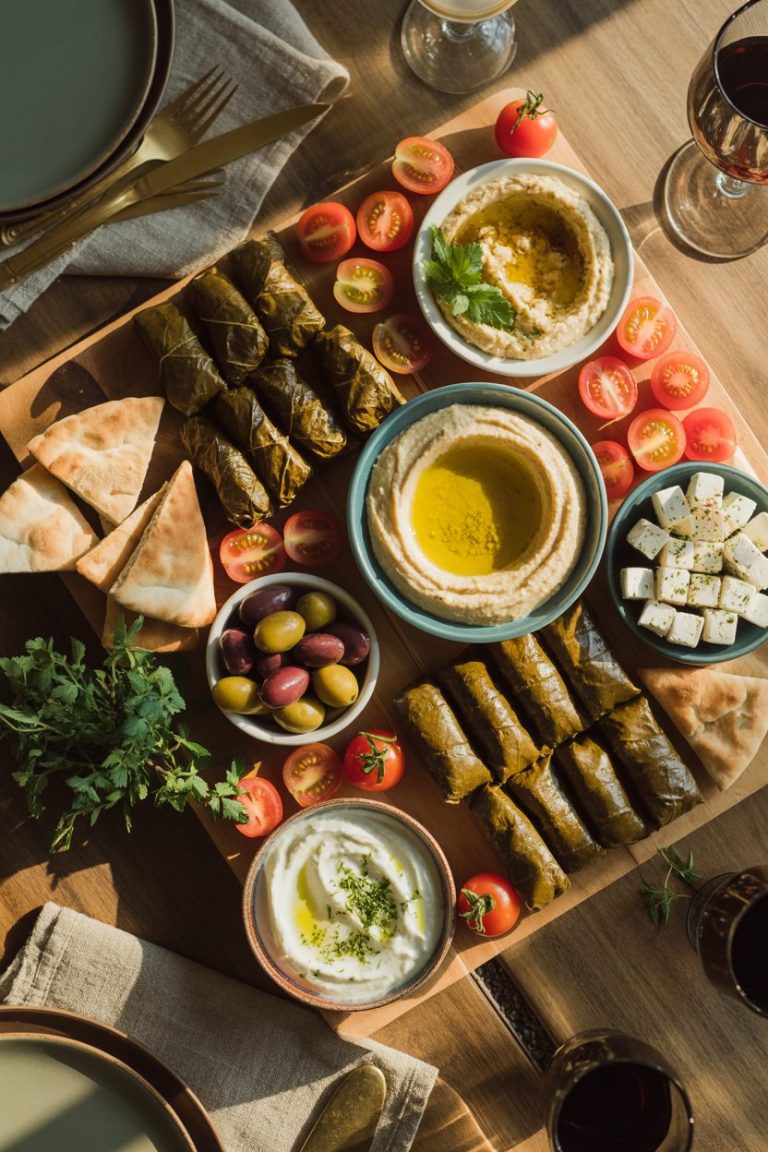
The Mediterranean diet has been praised for decades as one of the healthiest eating patterns in the world. It’s based on the traditional foods of Greece, Italy, and Spain—lots of vegetables, whole grains, beans, nuts, olive oil, fish, and moderate amounts of dairy and lean meats.
But what makes it special is the balance. Unlike low-carb or low-fat fads, the Mediterranean approach gives you variety and satisfaction. You’re not cutting out entire food groups—you’re simply choosing the best quality foods in the right portions.
Now, let’s add the low-calorie twist.
For weight loss, the formula is simple: you need a calorie deficit. But instead of obsessively tracking numbers, a low-calorie Mediterranean diet naturally lowers calories by:
- Prioritizing vegetables and whole grains (high fiber = fewer cravings).
- Using lean proteins like fish, chicken, lentils, and beans.
- Replacing calorie-dense processed foods with healthy fats (olive oil, nuts, avocado).
- Emphasizing home-cooked meals over takeout.
The result? You stay full and nourished while still losing weight.
For example, a lunch of Tuna White Bean Salad (get the recipe here) gives you protein, fiber, and healthy fats—everything your body needs to feel satisfied. Compare that to a fast-food burger with the same calories, and you’ll see why this approach works long-term.
👉 If you want to see a more flexible version, check out my 14-Day Mediterranean Meal Plan With Grocery List.

Your Step-by-Step 14-Day Mediterranean Low-Calorie Plan
Here’s how to put this into action. Instead of giving you a rigid “eat this and nothing else” plan, I’ll outline a framework with meal options so you can mix and match while staying within your calorie goals (around 1,400–1,600 per day for most women, 1,800–2,000 for most men—adjust as needed).
🥣 Breakfast Ideas (200–350 calories)
- Greek Yogurt Bowl with Berries & Honey
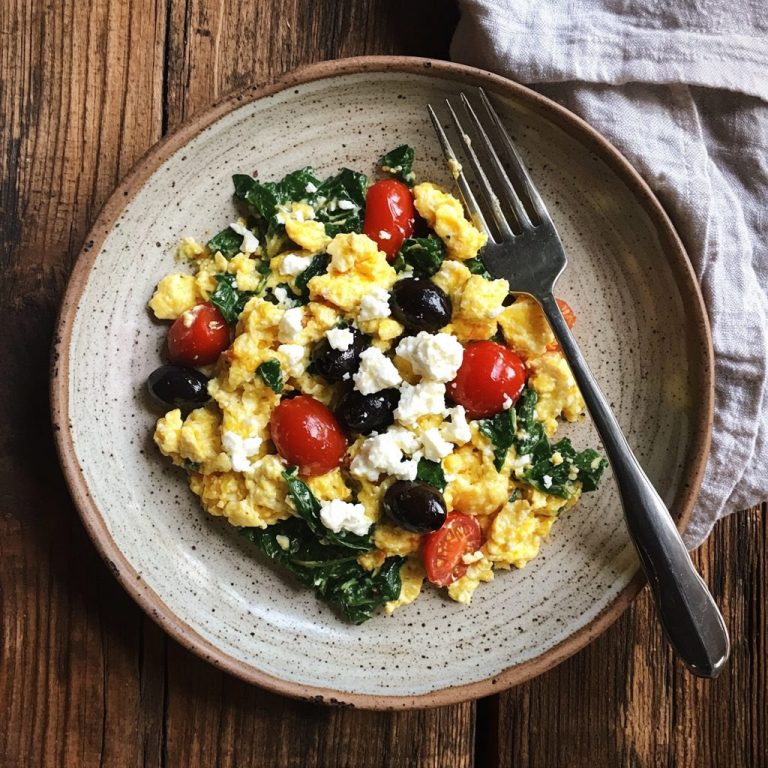
- Avocado Toast with Tomato & Olive Oil
- Oatmeal with Dried Figs, Walnuts & Cinnamon
- Mediterranean Smoothie Bowl
🥗 Lunch Ideas (350–450 calories)
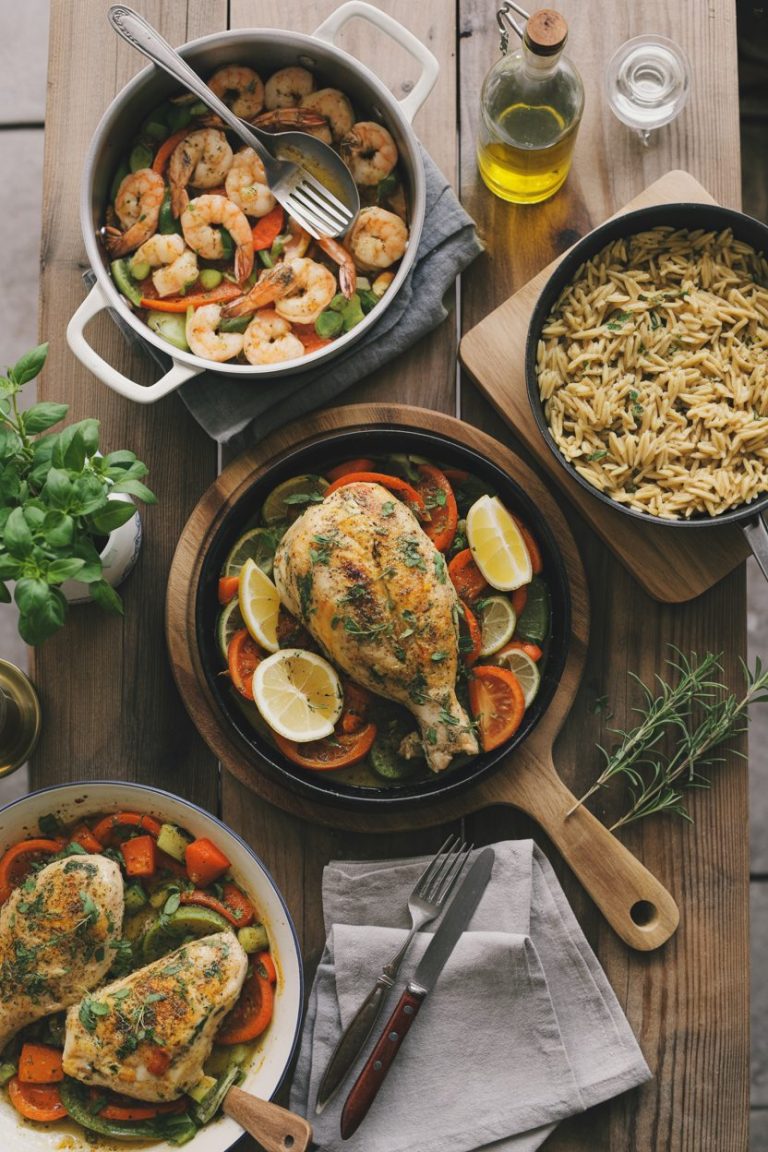
🍽️ Dinner Ideas (400–600 calories)
- Lemon Herb Chicken with Roasted Potatoes
- Grilled Salmon with Tomato Caper Relish
- Stuffed Bell Peppers with Quinoa & Veggies
- Shrimp Sautéed in Garlic & Olive Oil with Couscous
🍎 Snacks (100–200 calories)
- A handful of almonds or walnuts.
- Baby carrots with hummus.
- A small Greek Yogurt Parfait.
- Apple slices with almond butter.
👉 Pro Tip: Rotate your meals to keep things interesting. You could do “Meatless Mondays” with Lentil Spinach Soup or a “Seafood Friday” with Baked Salmon with Herbed Quinoa.
By the end of two weeks, you’ll not only feel lighter but also energized—without feeling like you’re on a restrictive “diet.”

🚫 Mistakes to Avoid on a Low-Calorie Mediterranean Diet (Plus Bonus Hacks)
Let’s be real—starting any new diet can feel overwhelming, and the Mediterranean diet is no exception. While it’s flexible, flavorful, and backed by tons of science, there are still a few common traps people fall into when trying to follow it in a low-calorie way. The good news? Once you spot these pitfalls, they’re super easy to dodge.
1. Going Overboard with “Healthy Fats”
Olive oil, avocado, nuts, and seeds are staples in this lifestyle. But remember—healthy doesn’t mean unlimited. A small handful of almonds is perfect; half a bag while scrolling Instagram? Not so much. Portion control is key when keeping calories in check.
2. Forgetting About Protein
Some people load up on veggies and grains but forget the lean proteins that make meals filling—like fish, beans, or Greek yogurt. Without enough protein, you’ll be hungry an hour later and more likely to snack on something not-so-Mediterranean (hello, cookies).
3. Relying Too Much on Refined Carbs
The Mediterranean diet emphasizes whole grains, but it’s easy to grab white bread, pasta, or crackers instead. Those refined carbs can spike your blood sugar and leave you feeling sluggish. Swap them for whole-wheat pita, quinoa, or farro.
4. Skipping Meal Prep
The beauty of this diet is how fresh and simple it is. But if you don’t plan ahead, you might end up grabbing takeout or overeating. A little prep—like chopping veggies or pre-cooking chicken—goes a long way in sticking to your calorie goals.
✅ Bonus Hacks to Stay On Track
- Use small plates to naturally reduce portions without feeling deprived.
- Flavor with herbs, citrus, and spices instead of piling on dressings.
- Keep pre-cut veggies and hummus on hand for quick, healthy snacks.
- Try “Mediterranean swaps”: cauliflower rice instead of white rice, Greek yogurt instead of sour cream.
When you avoid these mistakes and use these hacks, the 14-day plan feels less like a “diet” and more like an enjoyable lifestyle you’ll want to keep going.

Real-Life Experience—How I Tried the 14-Day Plan
Here’s where it gets personal. A few months ago, I challenged myself to follow a 14-day low-calorie Mediterranean plan to reset my eating habits. Honestly? I wasn’t sure I’d make it past day 3 (I love snacking way too much).
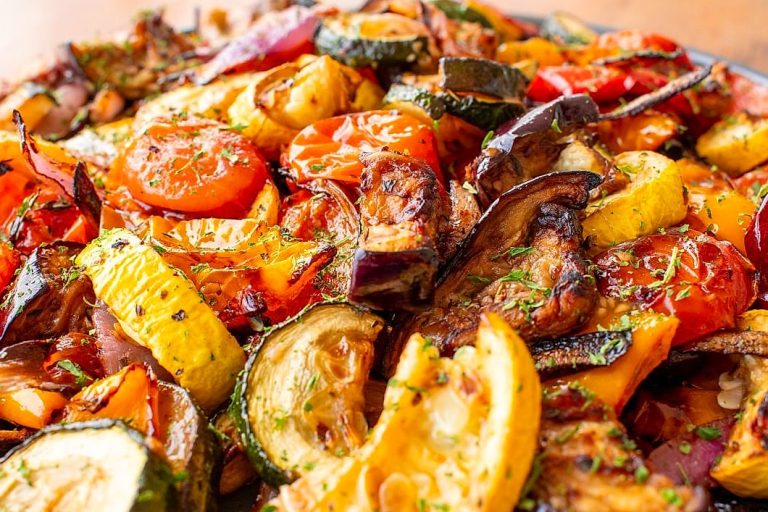
The first thing I noticed was how satisfying the meals were. Instead of tiny “diet portions,” I was eating big colorful bowls filled with roasted veggies, chickpeas, grilled salmon, and fresh herbs. It didn’t feel restrictive—it felt abundant.
By day 7, my energy was way up. Normally I crash around 3 PM, but eating balanced meals (especially with whole grains and protein) kept me steady. My skin even looked clearer—probably thanks to all the antioxidants from fruits and veggies.
Were there challenges? Absolutely. Saying no to late-night snacking was tough, but prepping a little Greek yogurt with berries beforehand helped. Also, I learned that measuring olive oil with a spoon (instead of free-pouring) saved me hundreds of “invisible calories.”
The best part? By the end of the 14 days, I felt lighter—both physically and mentally. The scale showed I’d dropped a few pounds, but more importantly, I felt in control of my eating again. And the Mediterranean flavors made me excited to cook instead of dreading “diet food.”

🎯 Strong CTA: Ready to Start Your Own 14-Day Reset?
You’ve seen the science, the plan, the mistakes to avoid, and even a real-life story. Now it’s your turn. Imagine this: in just two weeks, you could feel lighter, have more energy, and enjoy food again without obsessing over calories. That’s the power of the Mediterranean diet—simple, sustainable, and seriously delicious.
I’ve put together a free, printable 14-Day Low-Calorie Mediterranean Diet Plan PDF to make it super easy for you. Inside, you’ll get:
- A full 14-day meal plan with balanced recipes.
- Grocery lists so shopping is stress-free.
- Portion tips to keep your calories in check.
- Easy swaps for busy days.
👉 Download your printable PDF now and start your reset today. This isn’t about short-term dieting—it’s about building habits that actually last. Trust me, two weeks from now you’ll thank yourself for starting.

❓ FAQ: Everything You Need to Know About This Plan
1. Is the Mediterranean diet really good for weight loss?
Yes! While it’s not a “quick fix,” studies show it supports sustainable weight loss because it balances healthy fats, protein, and fiber—keeping you full longer.
2. How many calories does this 14-day plan provide?
On average, it’s around 1,400–1,600 calories per day, but it can be adjusted depending on your needs.
3. Do I have to eat fish every day?
Not at all. While fish is a Mediterranean staple, you can swap in beans, lentils, or lean poultry if you prefer. Try my Lentil Soup with Crusty Bread as a plant-based option.
4. Can I drink coffee or wine on this plan?
Coffee is absolutely fine (just go easy on sugar/cream). Wine is enjoyed in moderation—think 1 small glass with dinner a few times a week.
5. What if I’m vegetarian?
The plan is flexible! Load up on beans, lentils, chickpeas, quinoa, and Greek yogurt. My Mediterranean Chickpea Bowl is a great swap.
6. Do I need fancy ingredients?
Nope. Most meals use basics you can find at any grocery store—like olive oil, tomatoes, cucumbers, and whole grains.
7. Can I repeat meals instead of cooking something new every day?
Definitely! In fact, repeating meals makes shopping easier and helps you stick to the plan.
8. How soon will I see results?
Many people notice changes in energy and less bloating within the first week. Weight changes usually show up after 2–3 weeks of consistency.
9. Can I combine this plan with exercise?
Absolutely. Walking, yoga, or light strength training pairs perfectly with this way of eating.
10. Where can I find more Mediterranean recipes?
Right here! Check out my 7-Day Mediterranean Diet Plan or 30-Day Plan for Beginners for more inspiration.
Conclusion: Your Two-Week Mediterranean Reset Starts Now
Here’s the truth: eating healthy doesn’t have to mean bland chicken and steamed broccoli. The Mediterranean diet proves you can enjoy rich flavors, colorful meals, and even the occasional glass of wine—while still reaching your goals.
This 14-day low-calorie plan isn’t about restriction—it’s about balance. By filling your plate with vibrant veggies, lean proteins, and wholesome grains, you’ll naturally eat fewer calories without feeling deprived.
So, are you ready to give yourself the gift of better energy, clearer skin, and meals you’ll actually look forward to? Grab your free printable PDF, stock your kitchen with Mediterranean staples, and start your journey today. Two weeks from now, you’ll look back and be so glad you pressed “download.”