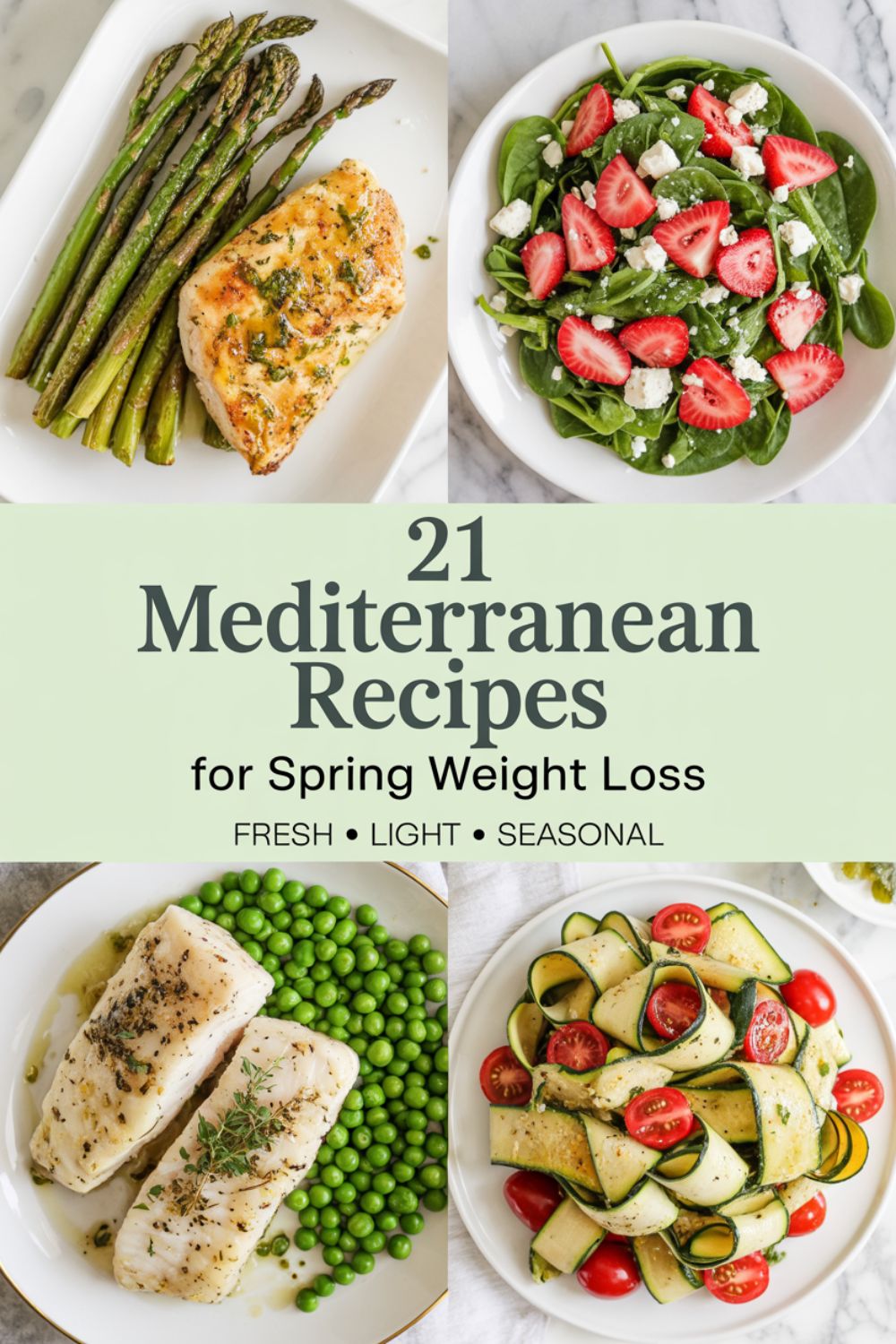
21 Mediterranean Recipes for Spring Weight Loss
Spring’s here, and if you’re anything like me, you’re probably sick of heavy comfort food and ready for something lighter. The good news? Mediterranean eating is basically designed for this exact moment. Fresh veggies are hitting the markets, you can actually stand being outside long enough to grill something, and your body’s practically begging for meals that don’t make you want to nap immediately after.
Look, I’m not going to sell you some miracle diet nonsense. The Mediterranean approach works because it’s not really a diet at all—it’s just eating real food that happens to taste incredible. We’re talking sun-ripened tomatoes, grilled fish that doesn’t need ten sauces to taste good, and enough olive oil to make your Italian grandmother proud.
What makes spring the perfect time for this? Everything you need is actually in season and affordable. Those sad winter tomatoes? Gone. Wilted lettuce that costs a fortune? Not anymore. Right now, you can walk into any grocery store and find exactly what these recipes need without taking out a second mortgage.
I’ve been eating this way for the past three years, and honestly, the weight loss was almost accidental. When you’re eating food that’s actually satisfying—not just filling—you stop obsessing over portions. You eat when you’re hungry, stop when you’re full, and somehow your jeans fit better. Wild concept, I know.
Why Mediterranean Food Actually Works for Weight Loss
Here’s the thing about Mediterranean eating that nobody tells you: it’s ridiculously hard to overeat. When was the last time you binged on grilled vegetables and fish? Exactly. The food is naturally filling because it’s loaded with fiber, protein, and healthy fats that keep you satisfied for hours.
Research from UC Davis Health shows that people following a Mediterranean pattern experience better weight management over time compared to restrictive diets. That’s because you’re not white-knuckling your way through meals or fantasizing about bread.
The diet focuses on whole foods—vegetables, fruits, whole grains, lean proteins, and olive oil as the primary fat source. You’re not eliminating entire food groups or counting every calorie like some kind of math test. You’re just eating stuff that grew in the ground or swam in the ocean, prepared in ways that don’t involve deep-frying or drowning everything in cream sauce.
According to Mayo Clinic Diet, the Mediterranean approach naturally prioritizes foods with low calorie density—meaning you can eat generous portions without going over your daily needs. Leafy greens, tomatoes, and zucchini are staples that fill you up without the calorie bomb.
Spring Produce That Makes Everything Better
Let’s talk about what’s actually good right now. Asparagus is everywhere and dirt cheap. Artichokes are in their prime. Fresh herbs aren’t selling for eight dollars a bunch anymore. Strawberries actually taste like strawberries instead of crunchy water.
This matters more than you think. When ingredients are in season, they’re not just cheaper—they’re legitimately better. A tomato in May versus a tomato in January? Not even the same species. And when your food tastes good without effort, you’re way more likely to stick with eating it.
Spring also means lighter proteins make sense again. You’re not craving pot roast when it’s 70 degrees outside. Grilled chicken, fresh fish, even just some white beans tossed with good olive oil—these are the things your body actually wants when the weather warms up.
The Fiber Advantage Nobody Talks About
Here’s something they don’t put on diet ads: fiber keeps you full, period. Mediterranean meals are packed with it—beans, whole grains, vegetables, fruits. Your digestive system stays happy, your blood sugar doesn’t spike and crash, and you’re not raiding the pantry two hours after dinner.
One study found that people maintaining weight loss were twice as likely to stick with a Mediterranean pattern than other diets. Why? Because you can actually live this way without feeling deprived. When falafel wraps with tzatziki and Greek salads are on the menu, nobody’s crying into their steamed chicken breast.
If you’re looking for easy breakfast options that set the tone for the day, I’m obsessed with these Mediterranean breakfast ideas. The smoothie bowls are especially clutch when you’re running late but still want something decent.
The 21 Recipes You’ll Actually Make
Okay, let’s get to the good stuff. These aren’t those recipes that require seventeen specialty ingredients you’ll use once and then forget about. These are the ones I keep coming back to because they’re simple, they taste good, and they use stuff you probably already have.
Breakfast Options That Don’t Suck
Greek Yogurt Bowl with Berries and Honey – This is my default when I can’t think. Layer some thick Greek yogurt (the full-fat kind because we’re not doing that fat-free nonsense), throw fresh berries on top, drizzle honey, maybe add some walnuts from this container I keep on my counter. Done. Takes three minutes, keeps you full until lunch. Get Full Recipe.
Avocado Toast Mediterranean Style – Before you roll your eyes, hear me out. Whole grain toast, mashed avocado, sliced tomatoes, a sprinkle of za’atar (if you have it), good olive oil. It’s the millennial stereotype for a reason—it works. I use this little avocado tool that pits and slices in one go because I’m lazy. Get Full Recipe.
Savory Mediterranean Scramble – Eggs scrambled with spinach, tomatoes, and a bit of feta. This is what I make when I need actual protein but don’t want to think too hard. The feta melts into the eggs and makes them taste way fancier than the effort involved. Get Full Recipe.
“I started with just the breakfast recipes from this list, and honestly? Lost 12 pounds in two months without even trying. The yogurt bowls keep me full way longer than my old cereal habit.” – Rachel, community member
Oatmeal with Dried Figs, Walnuts, and Cinnamon – Sounds fancy, tastes fancy, is absolutely not fancy to make. Steel-cut oats (or regular if you’re in a rush), chopped figs, walnuts, cinnamon. I make a big batch on Sunday using this slow cooker and reheat portions all week. Get Full Recipe.
Lunch Ideas You Can Take to Work
Lentil Soup with Crusty Bread – This is my go-to when I meal prep. Lentils are stupid cheap, packed with protein and fiber, and this soup tastes better the longer it sits. Make it once, eat it for four days. Dip some crusty bread in it and call it a meal. Get Full Recipe.
Tuna and White Bean Salad – Canned tuna (the good kind in olive oil, not water—life’s too short), white beans, red onion, lemon juice. Mix it together, eat it on greens or stuff it in a pita. Takes five minutes, travels well, doesn’t need refrigeration if you’re eating it within a few hours. Get Full Recipe.
For more lunch inspiration that won’t bore you to tears, check out these lunchbox recipes. The quinoa tabbouleh holds up way better in the office fridge than you’d think.
Cucumber Hummus Sandwich – When it’s too hot to eat anything heavy but you still need lunch, this is it. Good bread, thick layer of hummus, sliced cucumbers, maybe some sprouts if you’re feeling extra. Sounds like nothing, tastes refreshing, actually fills you up. Get Full Recipe.
Mediterranean Grain Bowl – Farro or quinoa, whatever vegetables you have, some chickpeas, olive oil, lemon. This is the formula I use when I need to clean out the fridge. Everything tastes good when you add lemon and olive oil. Trust me. Get Full Recipe.
Dinner Recipes That Won’t Take All Night
Grilled Salmon with Tomato Caper Relish – Salmon filet, salt, pepper, grill it. While it cooks, chop tomatoes, capers, red onion, parsley, mix with olive oil. Put the relish on the fish. That’s it. Looks impressive, tastes incredible, takes maybe 20 minutes total. Get Full Recipe.
Lemon Herb Chicken with Roasted Potatoes – Chicken thighs (juicier than breasts, cheaper too), lemon, herbs, roast with potatoes. One pan, minimal cleanup, maximum flavor. I use this sheet pan that’s big enough to fit everything without crowding. Get Full Recipe.
Shakshuka (Eggs in Spicy Tomato Sauce) – This North African dish is technically breakfast but I eat it for dinner constantly. Tomato sauce with peppers and spices, crack eggs into it, bake until the eggs set. Dip bread in it. Life-changing. Get Full Recipe.
Speaking of one-pan wonders, these one-pan Mediterranean dinners have saved me on countless weeknights. The one-pot pasta situation is borderline magical.
Whole Wheat Spaghetti with Cherry Tomatoes and Basil – Sometimes you just want pasta. This gives you pasta without the food coma. Cherry tomatoes, garlic, fresh basil, good olive oil. The tomatoes burst and create their own sauce. No jarred sauce needed. Get Full Recipe.
Stuffed Bell Peppers with Quinoa and Veggies – Hollow out peppers, fill with quinoa mixed with whatever vegetables you have, bake. I prep these on Sunday and bake them fresh during the week. They reheat better than almost anything else. Get Full Recipe.
Light Dinners for Warm Spring Evenings
Grilled Veggie Platter with Hummus – When it’s warm enough to grill but you don’t want heavy food, this is perfect. Zucchini, eggplant, bell peppers, whatever’s on sale. Grill it, serve with hummus. This grill basket keeps the smaller pieces from falling through the grates. Get Full Recipe.
Shrimp Sautéed in Garlic and Olive Oil with Couscous – Shrimp cooks in minutes, couscous is ready in five. Garlic, olive oil, lemon, done. This is what I make when people are coming over and I want to look like I know what I’m doing. Get Full Recipe.
Greek Salad (But Like, Actually Good) – Not the sad lettuce with three olives they serve at diners. Ripe tomatoes, cucumbers, red onion, Kalamata olives, feta, oregano, olive oil. No lettuce needed. This is a meal when you add chickpeas or some grilled chicken. Get Full Recipe.
If you’re into salads that actually satisfy, definitely explore these Mediterranean salad ideas. The cucumber tomato feta combo is stupid simple but hits different in spring.
Snacks and Light Bites
Baked Falafel – Homemade falafel that’s baked instead of fried. Still crispy, way less oil, actually healthy. Make a batch, freeze half, thank yourself later. Serve with tzatziki or just eat them straight. Get Full Recipe.
Whipped Feta Dip with Honey and Thyme – Feta, Greek yogurt, honey, fresh thyme, blend until smooth. This takes five minutes in a food processor and makes you look like a culinary genius. Serve with vegetables or pita chips. Get Full Recipe.
Olive Tapenade on Toasted Baguette – Fancy name for chopped olives on bread. Olives, capers, garlic, olive oil, pulse in a food processor. Spread on toasted bread. This is my move when I need an appetizer in under ten minutes. Get Full Recipe.
Mediterranean Chickpea Wraps – Smashed chickpeas (yes, with a fork, we’re keeping it real), tahini, lemon, wrapped in a whole wheat tortilla with veggies. Portable, filling, doesn’t make you feel gross after eating it. Get Full Recipe.
How to Actually Stick With This
Let’s be real—knowing recipes is one thing. Actually making them consistently is another. Here’s what’s worked for me: I pick three recipes per week and make those on repeat. Not exciting, but sustainable. When I try to be ambitious and cook something different every night, I burn out by Wednesday and end up ordering pizza.
The Mediterranean diet works for weight loss because it’s sustainable. You’re not suffering through meals or fantasizing about “cheat days.” You’re eating actual food that tastes good. When you remove the whole diet mentality and just eat this way because it feels better, the weight comes off naturally.
“After trying every restrictive diet known to humanity, I finally just committed to eating Mediterranean-style for three months. Lost 18 pounds without tracking a single calorie. The crazy part? I don’t feel like I’m on a diet.” – Mark, tried this approach last spring
Batch cooking is your friend. Make a big pot of lentil soup, roast a sheet pan of vegetables, cook a batch of quinoa. These become building blocks for different meals throughout the week. Leftover roasted vegetables become tomorrow’s grain bowl. That extra quinoa becomes a base for stuffed peppers.
And here’s the secret nobody wants to hear: good storage containers matter. I resisted buying them forever, then finally caved and got glass ones with snap lids. Game changer. Food actually stays fresh, reheats evenly, and you can see what you have without playing fridge archaeology.
The Olive Oil Situation
We need to talk about olive oil because people get weird about it. Yes, it’s calorie-dense. No, you shouldn’t chug it. But it’s also what makes this food taste good and keeps you satisfied. A tablespoon or two per meal is fine. More than fine—it’s necessary.
The Mediterranean diet isn’t low-fat. It’s right-fat. You’re getting fats from olive oil, nuts, fish, and avocados instead of butter, processed foods, and fried stuff. Your body actually needs these fats to absorb vitamins and stay full between meals.
When I switched from counting calories obsessively to just eating quality fats without guilt, everything changed. I stopped being hungry all the time. My skin got better. My energy leveled out. Turns out, fat doesn’t make you fat—eating too much of everything makes you fat. Who knew.
Get a good olive oil dispenser that pours a controlled amount so you’re not accidentally using a quarter cup. I keep mine next to the stove and use it for basically everything except baking.
Spring Meal Prep Strategy
Here’s my Sunday routine: Roast a bunch of vegetables (whatever’s cheap—zucchini, peppers, eggplant, tomatoes). Cook a big batch of quinoa or farro. Make a protein—usually grilled chicken or baked fish. Prep a big jar of tahini dressing or lemon vinaigrette.
These components turn into different meals all week. Monday might be a grain bowl with roasted veggies and chicken. Tuesday, those same roasted vegetables go in a wrap. Wednesday, the quinoa becomes a base for stuffed peppers. You’re eating variety without actually cooking something new every night.
I use this meal prep container set with divided compartments. Keeps things separate, portions are built-in, and I can grab lunch on the way out the door without thinking.
For comprehensive meal planning help, check out this 7-day Mediterranean meal prep plan. It breaks down exactly what to do when, which is clutch if you’re new to this whole planning thing.
What to Drink (Besides Water)
The Mediterranean approach includes moderate red wine—about one glass per day for women, two for men if you drink. I’m not a big drinker, but I appreciate that this isn’t a diet that makes you feel guilty for having a glass of wine with dinner.
Coffee and tea are totally fine. I start every morning with coffee and drink herbal tea in the evening. Just skip the sugar bombs disguised as coffee drinks. If you need sweetness, use a little honey or just get used to less sweet stuff. Your taste buds adjust faster than you’d think.
Here’s what you should skip: soda, fruit juice (just eat the fruit), energy drinks, and those bottled iced teas that are basically sugar water. Stick to water, coffee, tea, and the occasional glass of wine. Boring but effective.
Common Mistakes to Avoid
Don’t overthink it. The biggest mistake people make is getting paralyzed trying to make everything perfect. You don’t need artisanal olive oil from a specific Italian village. Regular olive oil from the grocery store works fine. Focus on eating more vegetables and whole foods, not on finding the perfect za’atar blend.
Also, don’t skip protein thinking you’ll lose weight faster. Protein keeps you full and helps maintain muscle while you’re losing fat. Every meal should have some protein—fish, chicken, eggs, beans, Greek yogurt, whatever works for you.
And please, don’t eliminate carbs. Whole grains, legumes, and starchy vegetables are part of this. The Mediterranean diet isn’t low-carb—it’s good-carb. There’s a difference. When you eat quality carbohydrates with fiber, they don’t spike your blood sugar and leave you hungry an hour later.
The Restaurant Problem
Eating out while doing this is actually easier than most diets. Greek restaurants are everywhere. Italian places usually have grilled fish or pasta with vegetables. Even at a steakhouse, you can get grilled salmon with vegetables.
Just avoid the bread basket if it’s not good bread (most restaurants serve sad bread anyway), skip the creamy sauces, and ask for dressing on the side. Order what sounds good, eat until you’re satisfied, and stop stressing about it.
I eat out once or twice a week and haven’t had any issues maintaining this way of eating. The flexibility is what makes it sustainable. If you can’t occasionally eat out without derailing everything, it’s not a lifestyle—it’s just another restrictive diet.
Frequently Asked Questions
Can I lose weight on the Mediterranean diet without counting calories?
Absolutely. The Mediterranean diet naturally promotes weight loss because it emphasizes whole, nutrient-dense foods that keep you full longer. When you’re eating mostly vegetables, whole grains, lean proteins, and healthy fats, you tend to eat appropriate portions naturally without obsessive tracking. That said, portion awareness still matters—especially with calorie-dense foods like olive oil, nuts, and cheese.
How quickly will I see results?
Most people notice changes within 2-4 weeks, but this isn’t a crash diet. You might lose 1-2 pounds per week, which is sustainable and healthy. The bigger wins come from how you feel—better energy, less bloating, improved digestion. Focus on those non-scale victories and the weight loss will follow naturally.
Is the Mediterranean diet expensive?
Not if you shop smart. Buy what’s in season, use frozen vegetables when fresh is pricey, and stick to affordable proteins like canned tuna, eggs, and beans. You don’t need fancy imported ingredients—regular olive oil, canned tomatoes, and dried herbs work perfectly fine. Meal prepping also cuts costs significantly compared to eating out or buying convenience foods.
Can I follow this diet if I’m vegetarian or vegan?
Yes, easily. The Mediterranean diet is already plant-heavy, so just focus on legumes, nuts, seeds, and whole grains for protein. Swap fish for more beans and lentils, use nutritional yeast instead of cheese, and you’re golden. Many traditional Mediterranean dishes are already vegetarian—hummus, falafel, lentil soup, roasted vegetables.
What if I don’t like fish or seafood?
No problem. Focus on chicken, eggs, legumes, and Greek yogurt for protein instead. The core principles—lots of vegetables, whole grains, healthy fats, and moderate portions—still apply. You’ll miss out on omega-3s from fish, so consider adding walnuts, chia seeds, or flaxseeds to your meals, or talk to your doctor about supplementation.
Final Thoughts
Here’s what nobody tells you about weight loss: it’s not about perfection. It’s about finding a way of eating that doesn’t make you miserable. The Mediterranean diet works because it’s built around actual pleasure—good food, shared meals, enjoying what you eat.
These 21 recipes are a starting point, not a rigid menu. Pick the ones that sound good, make them your way, and forget the rest. Some weeks I eat the same three things on repeat. Other weeks I branch out. Both approaches work as long as you’re generally following the principles: lots of vegetables, quality protein, whole grains, healthy fats.
Spring is the perfect time to start because everything you need is available, affordable, and actually tastes good. You’re not fighting against the season trying to eat tropical fruits in February or tomatoes in December. Work with what’s fresh now, and eating well becomes infinitely easier.
Stop overthinking it. Make one of these recipes this week. See how you feel. If it works for you, make it again. If it doesn’t, try something else from the list. Build your rotation of meals you actually enjoy, and suddenly you’re not on a diet anymore—you’re just eating food that happens to be good for you.