21 Mediterranean Pantry Staples You Should Always Have
Look, I’ll be honest with you. A few years back, my pantry was a sad collection of crusty spice jars and random half-bags of pasta I’d bought for recipes I never made. Then I started cooking Mediterranean food, and everything changed. Not because I became some culinary genius overnight, but because I finally figured out that having the right ingredients on hand makes throwing together a killer meal ridiculously easy.
You know that feeling when you open the fridge at 7 PM and have absolutely no idea what to make? That used to be me every single night. But once I stocked my pantry with these Mediterranean essentials, I could whip up something delicious without even thinking about it. We’re talking about ingredients that literally last for months and work in about a thousand different ways.
These are the basics that make healthy cooking fast and actually enjoyable: less mess, less time, and meals your whole family will happily eat.
- olive oil dispenserCheck today’s price →
- magnetic spice jarsCheck today’s price →
- airtight glass containersCheck today’s price →
- tahiniCheck today’s price →
Amazon prices and deals change often, so it’s worth checking today’s price.
The Mediterranean diet isn’t just some trendy eating plan—it’s how millions of people have eaten for centuries because, well, it works. Research shows it supports heart health, helps with weight management, and honestly just makes food taste better. But here’s the thing nobody tells you: you don’t need to shop at fancy stores or spend a fortune. You just need to know what to buy.
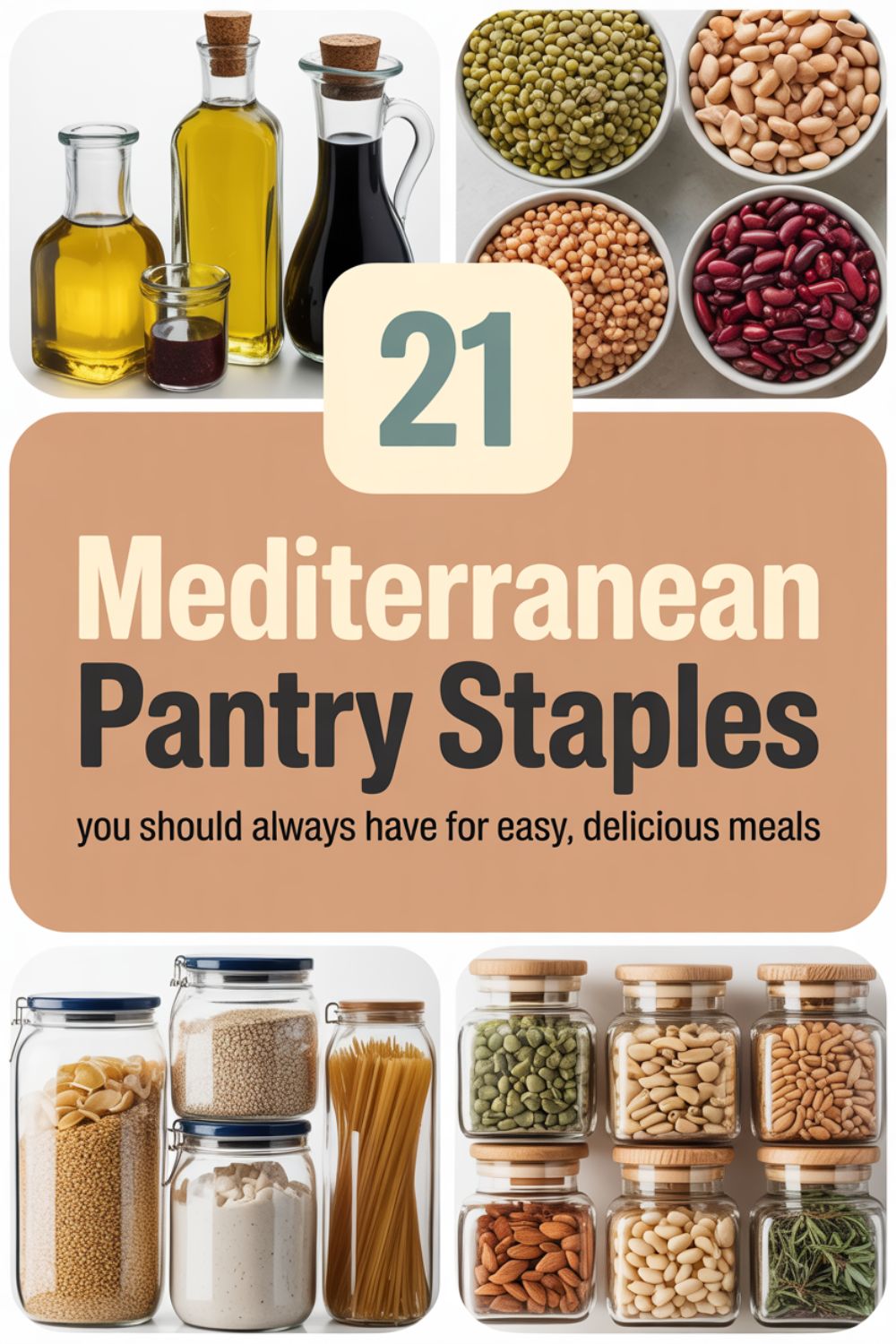
The Absolute Must-Haves
1. Extra Virgin Olive Oil (The Real Deal)
If you take away one thing from this article, let it be this: invest in good olive oil. I’m not saying you need a $50 bottle, but that $3.99 stuff that’s been sitting on the shelf for two years? Skip it. According to Mediterranean cooking experts, quality extra virgin olive oil provides the foundation for authentic flavor.
I keep two kinds: a decent everyday EVOO for cooking and a fancier one for drizzling over finished dishes. Game changer. You’ll use it for literally everything—sautéing vegetables, roasting chicken, and making dressings that actually taste like something.
I found this olive oil dispenser to be weirdly life-changing. No more glugging oil everywhere or dealing with those annoying screw-tops that get all crusty.
2. Canned Tomatoes (Your Secret Weapon)
Canned tomatoes are the unsung heroes of Mediterranean cooking. I always have crushed tomatoes, whole peeled tomatoes, and tomato paste in my pantry. Why? Because a good tomato base can save any meal.
Throw some crushed tomatoes in a pan with olive oil, garlic, and dried herbs, and twenty minutes later you’ve got a sauce that tastes like you spent all day on it. Use them in pasta dishes, shakshuka, or even hearty soups.
FYI, San Marzano tomatoes are worth the extra buck or two if you can swing it. They’re sweeter and less acidic, which means less sugar needed in your sauce.
3. Dried Herbs and Spices
Real talk: fresh herbs are great when you have them, but dried herbs are what keep you cooking when you don’t want to run to the store. Oregano, thyme, rosemary, and basil are my core four. Add in some cumin, coriander, and paprika, and you’re basically unstoppable.
According to nutritionists, dried herbs and spices not only add tremendous flavor but also provide antioxidants and anti-inflammatory benefits. Plus, they help you cut way back on salt without sacrificing taste.
I use magnetic spice jars stuck to the side of my fridge. Sounds bougie, but it actually keeps everything organized and I can see what I have at a glance.
4. Garlic and Onions
Is this even a question? Garlic and onions are the foundation of basically every Mediterranean dish worth making. I go through probably three heads of garlic and at least four onions a week. They last forever if you store them properly—cool, dry, dark place. Not the fridge.
If you’re feeling lazy (we all are sometimes), pre-minced garlic in a jar works in a pinch. But fresh is always better when you’ve got five extra minutes.
Speaking of garlic, you’ve gotta try this lemon garlic grilled chicken. It’s one of those recipes that sounds fancy but is actually stupid easy. See next: 7-Day Mediterranean Diet Plan Using Pantry Staples →.
Pantry Proteins That Actually Last
5. Canned Beans and Lentils
Beans are the MVP of Mediterranean cooking. Chickpeas, white beans, black beans, lentils—stock ’em all. They’re packed with protein and fiber, crazy cheap, and work in everything from salads to stews.
I probably make some version of Mediterranean chickpea bowls at least twice a week. Toss chickpeas with olive oil, lemon juice, and whatever vegetables you have lying around, and you’ve got dinner.
Looking for more protein-packed ideas? Check out these high-protein vegetarian recipes or these high-protein Mediterranean meals under 400 calories.
6. Canned Fish (Don’t Sleep On This)
Tuna, sardines, anchovies—I know, I know, it sounds weird if you’re not used to it. But canned fish is loaded with omega-3s and protein, and it lasts basically forever in your pantry.
Tuna goes into tuna and white bean salad (seriously, try it), sardines on toast with lemon and olive oil is chef’s kiss, and anchovies dissolved into pasta sauce add this insane umami depth.
If you’re skeptical, start with quality tuna packed in olive oil. It’s a completely different experience than that dry water-packed stuff.
7. Nuts and Seeds
Almonds, walnuts, pine nuts, pistachios, sesame seeds—nuts and seeds add crunch, healthy fats, and protein to basically everything. Toss them in salads, blend them into sauces, or just eat them as a snack when you’re trying not to demolish a bag of chips.
I keep mine in these airtight glass containers because they go rancid surprisingly fast if you leave them in the bag. Also, they look way prettier on the counter.
Try adding walnuts to your morning oatmeal or pine nuts to your pesto pasta. Total game-changer.
Grains and Carbs (The Good Kind)
8. Whole Wheat Pasta
Listen, I love regular pasta, but whole wheat pasta has more fiber and keeps you full longer. Plus, it has this nutty flavor that actually works really well with Mediterranean sauces.
I always have spaghetti, penne, and orzo on hand. Different shapes for different moods, you know? Pair it with simple one-pot Mediterranean dishes for easy weeknight dinners.
9. Quinoa and Couscous
Quinoa cooks in like 15 minutes and is basically a complete protein. Couscous is even faster—we’re talking five minutes, tops. Both are ridiculously versatile and work as side dishes, salad bases, or mixed into soups.
I use this rice cooker for quinoa because I’m lazy and it comes out perfect every time without me having to watch it.
Try shrimp with garlic couscous or stuffed peppers with quinoa for easy protein-packed meals. See next: 25 Mediterranean Diet Recipes Using Only Pantry Staples → for either one.
10. Brown Rice and Farro
Brown rice is obviously a staple, but farro is the ancient grain you need to try if you haven’t already. It’s chewy, nutty, and incredibly filling. Plus it holds up way better than rice in salads.
Both last forever in the pantry and work as bases for grain bowls, which are basically my default meal when I can’t think of anything else. Check out this Mediterranean grain bowl for inspiration.
Flavor Boosters That Make Everything Better
11. Lemons (Always Fresh)
Okay, lemons aren’t technically a pantry staple, but I literally cannot cook Mediterranean food without them. They last a couple weeks in the fridge, and I go through probably 6-8 a week.
Lemon juice brightens literally everything—salads, fish, chicken, vegetables. When in doubt, squeeze a lemon on it. That’s basically Mediterranean cooking in a nutshell.
If you’re making grilled salmon or lemon oregano chicken, fresh lemon is non-negotiable.
12. Vinegar (Red Wine and Balsamic)
Red wine vinegar is my go-to for salad dressings and marinades. Balsamic vinegar is for when you want things to taste fancy with minimal effort. Drizzle it over roasted vegetables, mix it into reductions, or use it in dressings.
According to Mediterranean diet experts, quality vinegar enhances flavors without adding calories, making it essential for healthy cooking.
13. Tahini
If you’re not using tahini, you’re missing out. This sesame seed paste is what makes hummus creamy and delicious, but it’s also incredible in dressings, sauces, and even desserts.
IMO, tahini is one of those ingredients that seems weird until you try it, and then you can’t imagine cooking without it. Mix it with lemon juice and garlic for a sauce that goes with literally everything.
Try it in dips or drizzled over falafel. You can grab quality tahini here, or honestly, just check the international aisle at your grocery store.
14. Olives and Capers
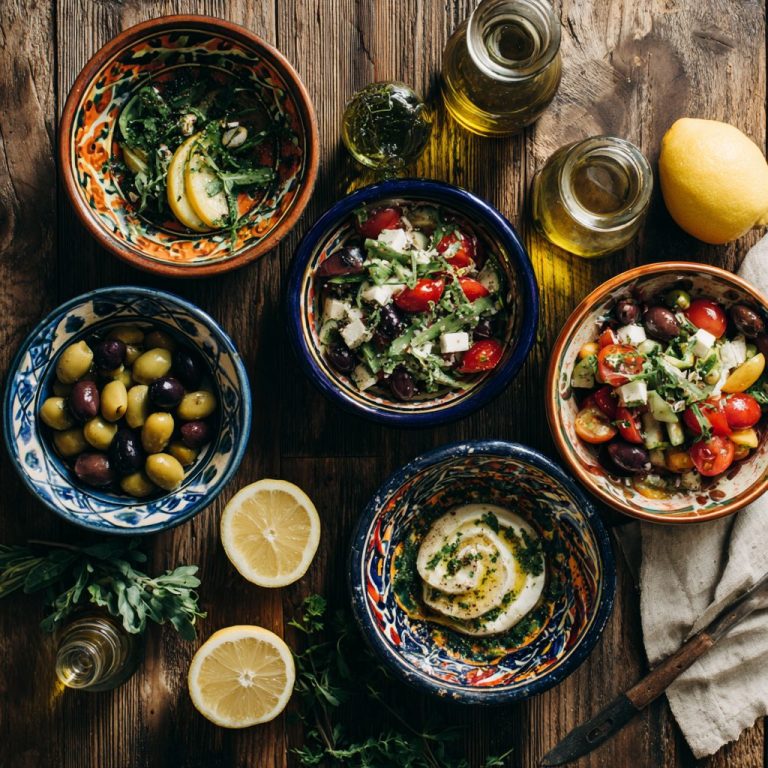
Olives and capers are those briny, salty little flavor bombs that take a dish from boring to interesting. Kalamata olives are my favorite—meaty and rich. Capers add this pop of tanginess that works especially well with fish.
Toss them into pasta, put them on pizza, add them to salads. They last forever in the fridge once opened. Use them in olive tapenade or baked cod with caper relish.
The Sweet Stuff (Because Life’s Too Short)
15. Honey
Good honey is worth every penny. Use it in dressings, drizzle it over yogurt, mix it into marinades, or just eat it straight off a spoon when you need something sweet.
Greek honey or anything labeled “raw” tends to have better flavor. It lasts literally forever in your pantry, so don’t worry about buying a bigger jar.
Perfect for Greek yogurt bowls or mixed into whipped feta dip. See next: 25 Low-Calorie Meals Using Pantry Staples → for both.
16. Dried Fruits
Dates, figs, apricots, raisins—dried fruits add natural sweetness and work in both sweet and savory dishes. Chop them into salads, stuff them with cheese for appetizers, or just snack on them.
They’re loaded with fiber and antioxidants, and they last months in the pantry. I use dates in energy balls when I need a quick snack that’s not total garbage.
Dairy and Dairy-ish Things
17. Greek Yogurt
Technically not a pantry item, but Greek yogurt is non-negotiable. It’s high in protein, works as a sour cream substitute, makes incredible breakfast bowls, and can be turned into tzatziki in about three minutes.
I always buy plain, full-fat Greek yogurt. The non-fat stuff tastes like sadness. Use it in parfaits, smoothies, or falafel wraps.
18. Feta Cheese
Crumbled over salads, baked into dishes, or just eaten straight from the container at midnight (no judgment), feta is the cheese that makes everything better. It’s salty, tangy, and pairs perfectly with basically every Mediterranean ingredient.
Buy it in blocks packed in brine—it lasts way longer than the pre-crumbled stuff and tastes a million times better. Try it in Greek salad or shrimp saganaki.
The Specialty Items Worth Having
19. Harissa or Red Pepper Flakes
If you like a little heat, harissa paste is your friend. It’s a North African chili paste that adds smoky, spicy flavor to everything. If you can’t find it, regular red pepper flakes work too, but harissa is more complex.
I add it to shakshuka, roasted vegetables, or mix it into yogurt for a quick spicy sauce.
20. Artichoke Hearts
Canned or jarred artichoke hearts are one of those fancy-seeming ingredients that are actually super accessible. Toss them into pasta, put them on pizza, add them to dips, or just eat them straight from the jar.
They’re surprisingly versatile and add this meaty, earthy flavor that’s hard to replicate. Look for them packed in water or olive oil.
21. Sun-Dried Tomatoes
These are concentrated tomato flavor in every bite. Packed in olive oil, they’re ready to go straight into pasta, salads, or onto sandwiches. They also make incredible pesto when blended with nuts and herbs.
I keep a jar in the pantry at all times. They last forever and save dishes when I’m out of fresh produce.
For more Mediterranean inspiration that goes beyond basic ingredients, check out these 30 Mediterranean dinner recipes or dive into this beginner-friendly 14-day meal plan.
Frequently Asked Questions
Do I really need to buy everything on this list at once?
Absolutely not. Start with the basics—olive oil, canned tomatoes, dried herbs, beans, and pasta. Build your collection gradually based on what you actually cook. There’s no point in buying tahini if you’re not going to use it, you know?
How long do these pantry staples actually last?
Most of these ingredients last months or even years when stored properly. Dried herbs and spices stay potent for about 6-12 months. Canned goods last 1-2 years. Olive oil keeps for about a year if stored away from heat and light. Nuts and seeds should be used within a few months or stored in the freezer.
Can I substitute regular pasta for whole wheat?
Of course. The whole wheat version just has more fiber and nutrients, but regular pasta works fine. The Mediterranean diet is about balance and enjoyment, not strict rules. Use what you like and what works for your budget.
What if I can’t find certain ingredients like tahini or harissa?
Most grocery stores carry tahini in the international aisle now, but if you can’t find it, almond or peanut butter can work in some recipes. For harissa, red pepper flakes with a bit of cumin and garlic powder gets you close. The internet also sells everything if you’re willing to wait for shipping.
Is Mediterranean cooking expensive?
Not really. The upfront cost of stocking your pantry might seem like a lot, but these ingredients last and most recipes use beans, grains, and vegetables as the base—all super affordable. You’ll actually save money by cooking at home instead of ordering out.
Final Thoughts
Here’s the thing about Mediterranean cooking: it’s not complicated. You don’t need fancy equipment or rare ingredients. You just need a well-stocked pantry and the willingness to throw things together.
I spent years overthinking meals and ordering takeout because I thought I didn’t have “the right stuff” to cook. Turns out, I was making it way harder than it needed to be. Once I got these 21 staples in my kitchen, everything clicked. I could make dinner without a recipe, lunch without a plan, and snacks that didn’t come from a vending machine.
Start small. Get the olive oil, canned tomatoes, and dried herbs this week. Add a few more items next time you shop. Before you know it, you’ll have a pantry that makes you actually excited to cook instead of stressed about what to eat.
And if you’re looking for more ways to use these ingredients, definitely check out these Mediterranean lunchbox recipes or budget-friendly Mediterranean meals. Both are packed with ideas that use exactly what we’ve talked about here.
Trust me on this: your future self will thank you for having these ingredients ready to go. No more staring into an empty fridge at dinnertime. No more ordering pizza because you “have nothing to cook.” Just real food, real flavor, and way less stress.