21 Mediterranean Holiday Recipes That’ll Actually Impress Your Guests
Look, I’m not gonna sugarcoat it—holiday cooking stresses me out. Between Aunt Carol’s dietary restrictions and Uncle Mike’s “I don’t eat vegetables” stance, planning a festive spread feels like solving a Rubik’s cube blindfolded. But here’s the thing: Mediterranean cuisine basically solves this problem for you.
These recipes aren’t just about olive oil and feta (though there’s plenty of both). They’re about vibrant flavors, simple techniques, and dishes that look way fancier than the effort you actually put in. Plus, according to research from Harvard’s School of Public Health, the Mediterranean eating pattern is linked to better heart health, longevity, and reduced disease risk—which means you can feel good about feeding your family something delicious AND nutritious.

Why Mediterranean Food Just Works for Holiday Gatherings
Ever notice how Mediterranean dishes somehow manage to please everyone? That’s not an accident. The beauty of this cuisine lies in its flexibility and natural crowd-pleasing qualities.
First off, most Mediterranean recipes are vegetable-forward without being preachy about it. Your meat-loving relatives won’t feel deprived because you’re not serving steamed broccoli and calling it dinner. Instead, you’re roasting eggplant until it’s creamy, grilling peppers until they’re smoky, and tossing everything with herbs that actually taste like something.
Second, these recipes scale beautifully. Making dinner for four? Cool. Got 15 people showing up? Just multiply everything. Most dishes actually taste better in bigger batches anyway—soups, stews, and grain bowls all benefit from cooking in larger quantities.
Third—and this is crucial—Mediterranean food doesn’t require you to be a culinary genius. You need good ingredients, some heat, and patience. That’s it. You’re not making croissants from scratch or attempting molecular gastronomy. You’re roasting, grilling, and simmering. These are techniques humans have been using since we discovered fire, so chances are you can handle them.
Breakfast and Brunch Options That Beat Burnt Toast
Holiday mornings are chaotic. Between wrapping last-minute gifts and mediating family drama, the last thing you want is a complicated breakfast situation. That’s where Mediterranean breakfast recipes save the day.
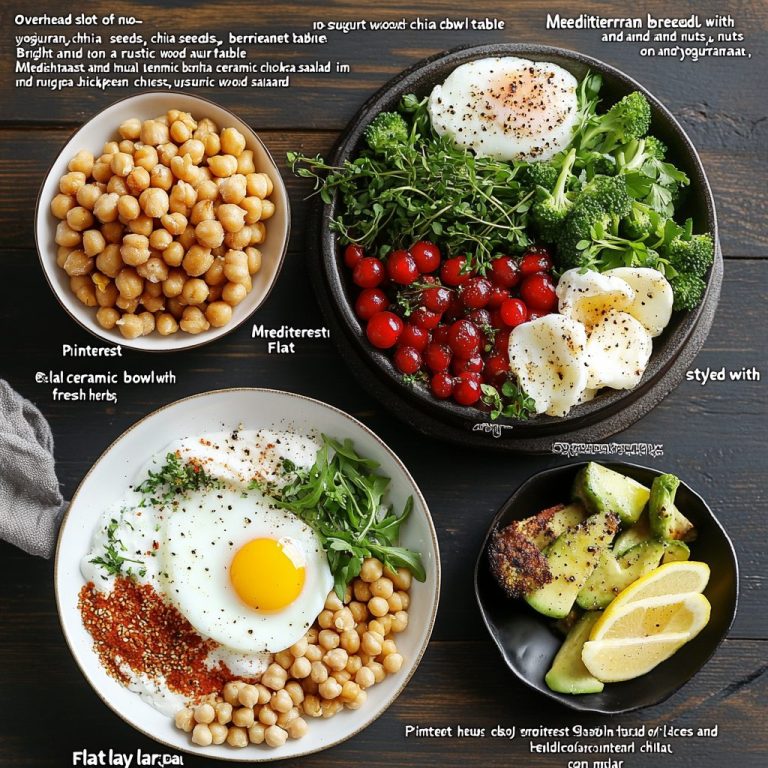
Greek yogurt bowls are your secret weapon here. I’m talking thick, creamy yogurt (the full-fat kind—yes, really) topped with honey, nuts, and fresh fruit. It’s basically a Get Full Recipe that requires zero cooking skills and looks Instagram-worthy without trying.
Then there’s shakshuka—eggs poached in spicy tomato sauce. It sounds fancy, but it’s literally just opening a can of tomatoes, adding spices, and cracking eggs on top. The Get Full Recipe takes maybe 25 minutes, and you can serve it straight from the pan like you’re too cool for plates.
For something more substantial, try a savory Mediterranean scramble with tomatoes, spinach, and feta. It’s what scrambled eggs wish they could be when they grow up.
If you’re hosting a brunch crowd, you might also love these options for a complete spread: check out this Mediterranean Smoothie Bowl for the health-conscious folks, or go with Avocado Toast Mediterranean Style for something trendy yet traditional.
Want something you can make ahead? Baked egg casseroles are clutch. Layer vegetables, cheese, and eggs in a dish the night before, stick it in the fridge, and bake it in the morning. I use this ceramic baking dish for mine—it’s deep enough for generous portions and distributes heat evenly, so you don’t get that weird rubbery texture on the edges.
Appetizers That Won’t Sit Heavy (But Still Taste Amazing)
Here’s my philosophy on holiday appetizers: they should be interesting enough that people actually eat them, but not so filling that everyone’s too stuffed for dinner. Mediterranean mezze nails this balance.
Hummus and fresh vegetables might sound boring, but hear me out. Good hummus—and I mean really good hummus, not that grainy store-bought stuff—is a revelation. The trick is adding ice water while you blend to make it impossibly creamy. Serve it with warm pita bread (toasted in the oven for a minute) and a drizzle of olive oil on top.
Speaking of which, invest in quality olive oil. I’m not saying you need the $50 bottle, but the difference between decent olive oil and the stuff that tastes like lamp fuel is real. It’s worth the upgrade, especially for dishes where olive oil is a star player.
Stuffed grape leaves (dolmas) are another winner. Yes, rolling them is tedious, but you can do it while watching TV, and they keep for days. The Get Full Recipe is pretty straightforward once you get the rolling technique down.
For something warm, try baked falafel. I know, I know—traditionally falafel is fried. But baking them in the oven at high heat gets you that crispy exterior without the oil splatter situation. Plus, you can make a huge batch without standing over a fryer like you’re working at a fast-food joint. Serve them with tahini sauce and watch them disappear.
Whipped feta dip is stupidly easy and always gets compliments. Blend feta with cream cheese (or Greek yogurt), add some herbs, and you’re done. I serve mine with these seeded crackers—they’ve got enough texture to hold up to thick dips without breaking, and they add a nice nutty flavor.
Soups and Stews for When It’s Cold Outside
There’s something about a big pot of soup simmering on the stove that makes a house feel like a home. Mediterranean soups are particularly good at this because they’re hearty without being heavy.
Lentil soup is my go-to for feeding a crowd. It’s cheap, filling, and improves with time (make it two days ahead, seriously). The Get Full Recipe is forgiving too—if you forget about it for an extra 20 minutes, it’s not ruined, it’s just more tender.
Research published by the Mayo Clinic highlights how legume-rich meals like lentil soup support heart health and provide sustained energy, making them perfect for long holiday gatherings.
For something with more vegetables, try a Mediterranean vegetable stew. It’s basically whatever vegetables you have, cooked in tomato broth with herbs. Sounds simple because it is, but the flavors develop into something way more complex than the ingredients suggest.
I make mine in a big Dutch oven—you want something with a heavy bottom that distributes heat evenly. It’s worth having a good one because you’ll use it for everything from soup to braising to baking bread.
Chickpea and spinach soup is another favorite. It comes together in about 30 minutes, tastes like you worked on it all day, and somehow manages to be both comforting and light at the same time. Add a squeeze of lemon at the end—it brightens everything up.
Looking for more warming soup options? Try this Lentil Spinach Soup or the deeply flavorful Carrot Ginger Soup with Chickpea Croutons—both are crowd-pleasers that work great for meal prep too.
Main Dishes That Look Impressive But Aren’t
Here’s where Mediterranean cooking really shines. The main dishes look elaborate, taste incredible, and usually involve way less active cooking time than you’d think.
Whole roasted fish is my ultimate party trick. People see a whole fish on the table and assume you’re some kind of culinary wizard. In reality, you stuffed it with lemon and herbs, stuck it in the oven, and checked your phone for 25 minutes. The Get Full Recipe works beautifully here.
For meat eaters, lemon herb chicken is foolproof. Marinate chicken thighs (not breasts—thighs are more forgiving and stay juicy) in olive oil, lemon juice, garlic, and oregano. Roast them with potatoes, and you’ve got a complete meal that required minimal effort.
I use these silicone basting brushes for applying marinades—they don’t absorb liquid like regular brushes, they’re easy to clean, and they don’t shed bristles into your food, which is always a nice bonus.
Stuffed bell peppers are another crowd-pleaser. Fill them with a mixture of quinoa, vegetables, herbs, and maybe some cheese if you’re feeling fancy. The Get Full Recipe is endlessly customizable—swap out the grains, change up the vegetables, add different spices.
For seafood lovers, shrimp saganaki is the move. It’s shrimp cooked in tomato sauce with feta on top, baked until bubbly. Serve it with crusty bread for soaking up the sauce, and prepare for people to fight over the last serving.
FYI, if you’re making any dish with feta, get the block of feta packed in brine, not the pre-crumbled stuff. The texture and flavor are incomparably better, and you’re not paying extra for someone to crumble cheese for you.
Side Dishes That Steal the Show
Good side dishes can make or break a meal. Mediterranean sides tend to be vegetable-forward, which means they’re colorful, nutritious, and actually taste like something (looking at you, boiled green beans).
Greek salad is a classic for a reason. Tomatoes, cucumbers, red onion, olives, and feta, dressed with olive oil and oregano. That’s it. No lettuce required. The key is using ripe tomatoes and not drowning everything in dressing. The Get Full Recipe shows you exactly how to nail it.
Roasted vegetables are your friend. Eggplant, zucchini, bell peppers, cherry tomatoes—toss them in olive oil, season generously, and roast at high heat until they’re caramelized. I use these rimmed baking sheets because the edges keep vegetables from sliding off, and they’re heavy enough not to warp in a hot oven.
Herbed quinoa or couscous makes a great base. It’s basically just cooking grains in broth instead of water and adding fresh herbs at the end. Suddenly you’ve got something that tastes intentional instead of like an afterthought.
For something different, try baked falafel as a side. They work great alongside larger dishes, and people can grab them easily if you’re doing a buffet-style setup. The Get Full Recipe is simple to scale up or down.
Need more side inspiration? Check out this Grilled Veggie Platter with Hummus or try the Cucumber Tomato Feta Salad for something fresh and crunchy.
Desserts That Won’t Ruin Your Diet (Completely)
Mediterranean desserts tend to be less aggressively sweet than American ones, which is refreshing after a big meal. They rely more on fruit, nuts, and honey than refined sugar.
Baked apples with cinnamon are stupidly simple and surprisingly good. Core the apples, stuff them with a mixture of nuts, honey, and spices, and bake until tender. Serve with a dollop of Greek yogurt, and suddenly you’ve got a dessert that feels indulgent without being overwhelming.
I core my apples with this little melon baller tool—makes the job quick and leaves nice clean edges. Way better than trying to dig around with a knife.
Yogurt bark is another winner. Spread thick Greek yogurt on a baking sheet, top with berries and dark chocolate chips, freeze it, and break it into pieces. It’s more of a project than a recipe, but kids love helping with this one.
Fresh fruit with honey and nuts sounds too simple to be a real dessert, but it works. The key is using really good honey—wildflower honey, chestnut honey, or thyme honey all have distinct flavors that make a difference. Drizzle it over sliced figs or pears, sprinkle with toasted walnuts, and you’re done.
For toasting nuts, I highly recommend a mini countertop oven. You can keep an eye on them without opening your main oven constantly, and they toast evenly without burning half of them.
Make-Ahead Strategies That Actually Work
Real talk: the key to stress-free holiday cooking is doing as much as possible beforehand. Mediterranean cuisine is particularly well-suited for this.
Marinate proteins the night before. Chicken, fish, even vegetables benefit from sitting in a flavorful mixture overnight. The next day, you’re just throwing things in the oven or on the grill.
Prep your vegetables early. Chop onions, dice tomatoes, mince garlic—do all the tedious prep work when you’re not in a rush. Store everything in glass containers with tight lids (they don’t absorb smells like plastic does), and assembly becomes way faster.
Make dips and spreads ahead. Hummus, tzatziki, baba ganoush—they all keep for several days and often taste better after the flavors have melded together.
Bake desserts in advance. Most Mediterranean desserts either need to chill (like yogurt bark) or taste better the next day (like baked fruit dishes), so you’re actually encouraged to make them ahead.
The Mediterranean Pantry Essentials
Before we dive into specific recipes, let’s talk about what you actually need in your pantry. IMO, having these basics on hand means you can throw together a Mediterranean-inspired meal without a special grocery trip.
Olive oil is non-negotiable. Get a decent one for cooking and a really good one for finishing dishes. The flavor difference is worth it.
Canned tomatoes, chickpeas, and white beans are your friends. They’re shelf-stable, versatile, and honestly, they’re better than using fresh in most cooked applications.
Dried herbs—oregano, thyme, basil—are essential. Yes, fresh is great when you have it, but dried herbs are what make weeknight cooking possible.
Lemons are mandatory. Lemon juice brightens everything. I keep them in this produce saver container because they last way longer than just sitting in the fruit bowl.
Garlic and onions—obviously. If a recipe starts with sautéing garlic and onions, it’s probably going to be good.
Good bread is important. Mediterranean meals often involve sopping up sauces with bread, so get the crusty, artisanal stuff, not squishy sandwich bread.
Frequently Asked Questions
Can I make Mediterranean holiday recipes ahead of time?
Absolutely, and you should! Most Mediterranean dishes actually taste better the next day because the flavors have time to develop. Soups, stews, marinated proteins, and dips can all be prepared 1-2 days in advance. Just store them properly in airtight containers in the fridge and reheat gently when needed.
Are Mediterranean holiday recipes expensive to make?
Not really. While some specialty ingredients like good olive oil and feta cheese cost a bit more, the foundation of Mediterranean cooking relies on affordable staples—beans, lentils, seasonal vegetables, and grains. You’re not buying expensive cuts of meat or exotic ingredients, so your overall grocery bill often ends up lower than traditional holiday meals.
How do I accommodate dietary restrictions with Mediterranean recipes?
Mediterranean cuisine is naturally flexible. Most dishes are already vegetarian-friendly or can easily be made vegan by swapping dairy for plant-based alternatives. For gluten-free guests, serve dishes with rice or quinoa instead of bread or couscous. The emphasis on vegetables, legumes, and olive oil means there’s usually something for everyone without making separate meals.
What’s the difference between Greek and Italian Mediterranean cooking for holidays?
While both cuisines share core Mediterranean principles, Greek cooking tends to feature more yogurt, feta, lamb, and oregano, while Italian recipes lean toward tomatoes, pasta, parmesan, and basil. For holiday meals, you can mix elements from both—nobody’s checking your Mediterranean credentials at the door. Use what tastes good and what your family enjoys.
How do I scale Mediterranean recipes for large holiday gatherings?
Mediterranean recipes scale beautifully because most are based on ratios rather than precise measurements. Soups, stews, and grain dishes can simply be doubled or tripled. For roasted dishes, use multiple baking sheets and rotate them in the oven. The key is maintaining the same cooking temperature and adjusting time slightly—larger batches might need an extra 10-15 minutes.
Final Thoughts on Mediterranean Holiday Cooking
Here’s what I’ve learned after years of making Mediterranean holiday meals: the food doesn’t need to be complicated to be good. It needs to be flavorful, fresh, and made with ingredients that actually taste like something.
Mediterranean cooking works for holidays because it’s inherently celebratory without being fussy. You’re not measuring ingredients down to the gram or stressing about whether your soufflé will rise. You’re roasting vegetables until they’re sweet and caramelized, simmering soups until the flavors meld together, and finishing everything with good olive oil and a squeeze of lemon.
The beauty of these 21 recipes is that they give you options. You can go traditional with classics like Greek salad and lemon chicken, or branch out with less common dishes like shakshuka or stuffed grape leaves. Mix and match based on your family’s preferences, your cooking skill level, and how much time you have.
And honestly? The best part about Mediterranean holiday cooking is that you get to eat food that’s actually good for you while still feeling indulgent. No one’s leaving the table feeling heavy and sluggish. They’re leaving satisfied, energized, and probably asking for your recipes.
So whether you’re hosting Christmas dinner, a New Year’s brunch, or any other holiday gathering, give these Mediterranean recipes a shot. Your guests will be impressed, you’ll be less stressed, and everyone will eat well. That’s pretty much the holiday cooking trifecta right there.