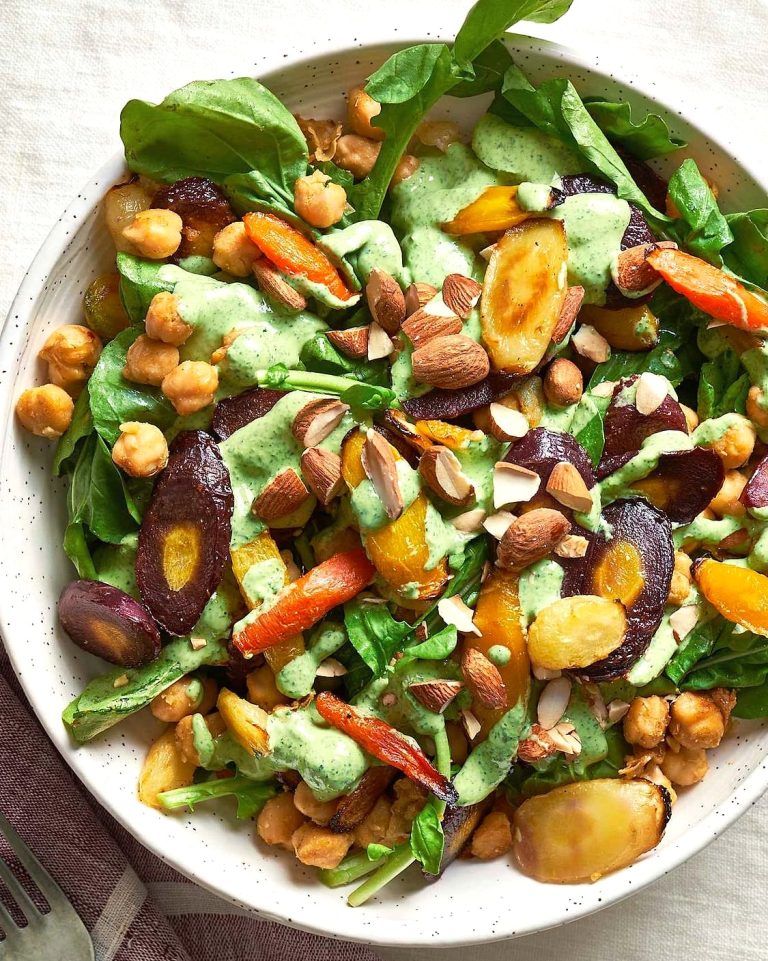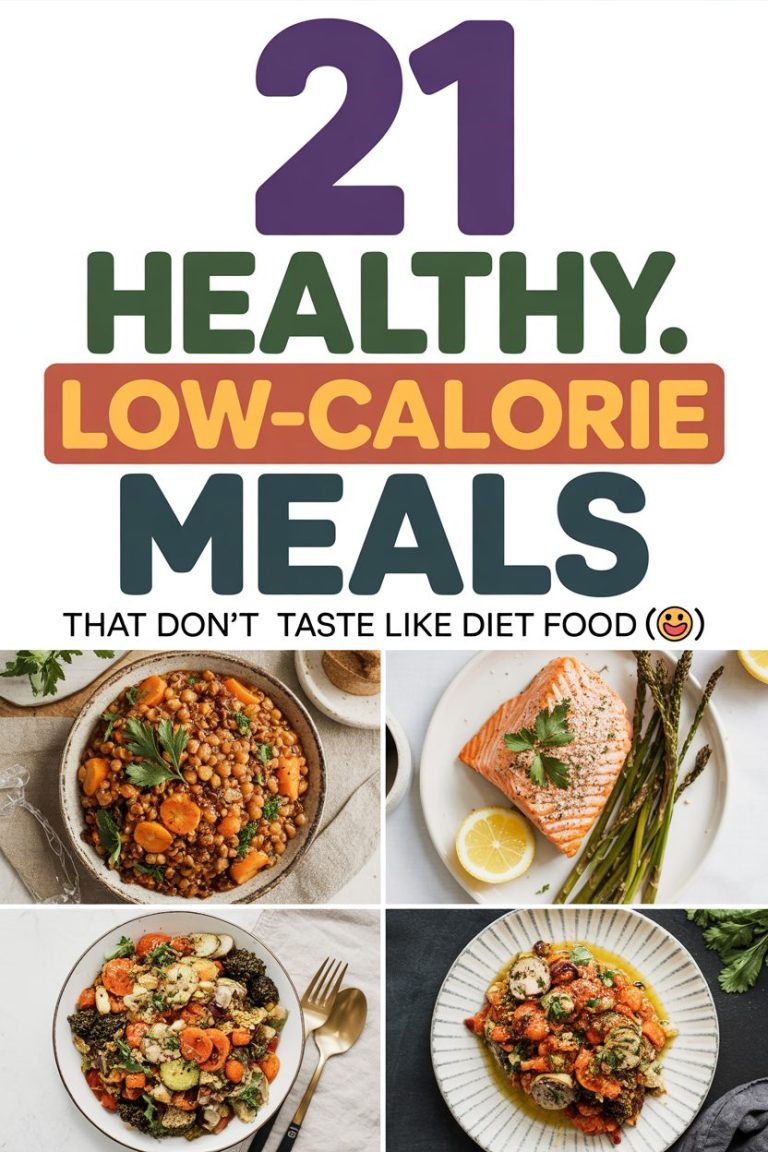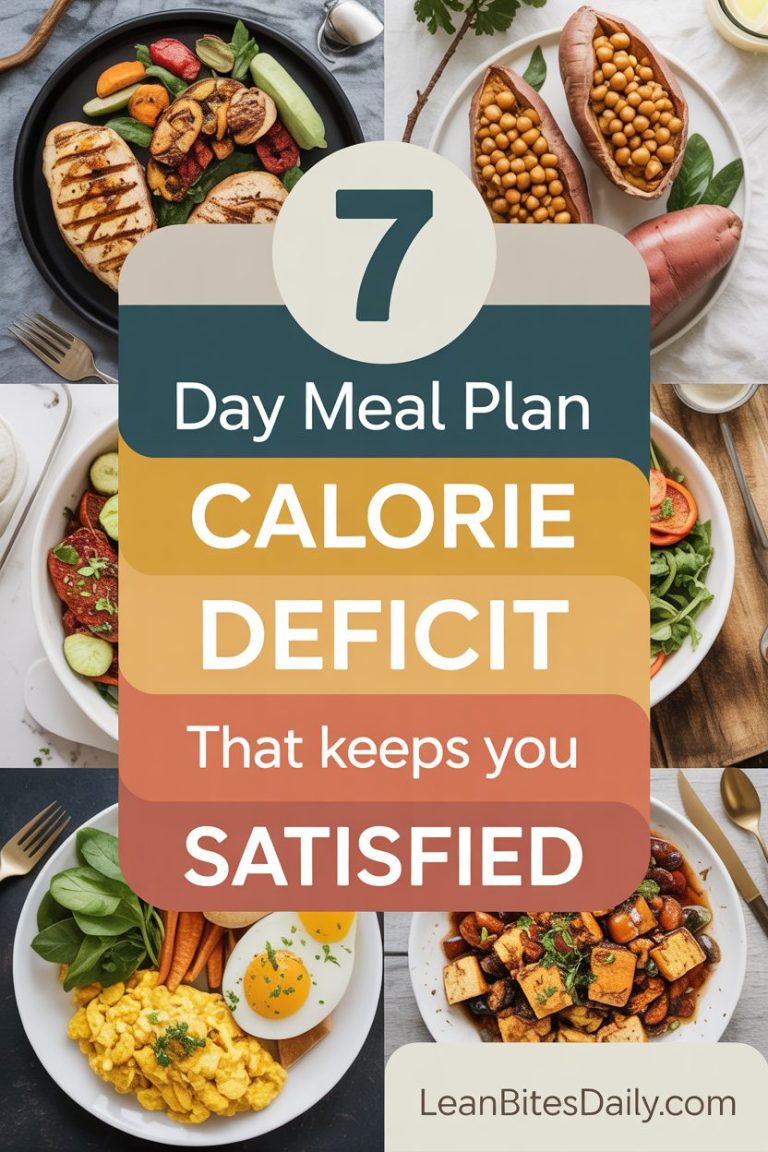
21 Low Calorie Meals for College Students
Look, I get it. College life is basically one long cycle of procrastination, all-nighters, and living off whatever doesn’t require actual cooking skills. But here’s the thing—eating low calorie meals doesn’t mean you’re stuck with sad desk salads or microwaved diet dinners that taste like cardboard.
You’re juggling classes, maybe a part-time job, a social life that barely exists (let’s be honest), and trying to figure out how to adult. The last thing you need is to stress about food. But gaining the freshman 15—or 20, or 30—isn’t exactly ideal either.

I’m talking about real food that won’t demolish your budget, won’t take forever to make, and actually tastes good. Meals that keep you full through those three-hour lectures without making you feel like you need a nap afterward. Whether you’re cooking in a dorm with a hot plate or you’ve got access to an actual kitchen, these 21 low calorie meals are about to become your new best friends.
Why Low Calorie Meals Actually Matter in College
Before we jump into the recipes, let’s talk about why this stuff matters. College is basically designed to wreck your health. Late-night pizza runs, vending machine dinners, and the all-you-can-eat dining hall buffet where portion control goes to die.
Research shows that nutrient-dense, lower-calorie foods provide essential vitamins and minerals without packing on unnecessary calories. Translation? You can actually eat more food and feel fuller while consuming fewer calories. It’s not magic—it’s just smart eating.
The key is focusing on foods high in protein and fiber. These keep you satisfied longer, which means you’re not raiding the snack drawer every two hours. Plus, eating well can actually improve your grades. Students who maintain balanced nutrition report better focus, improved memory, and higher academic performance.
Breakfast Options That Won’t Wreck Your Day
1. Greek Yogurt Power Bowl
Start with plain Greek yogurt—the kind that packs around 15-20 grams of protein per serving. Top it with fresh berries, a drizzle of honey, and maybe some granola if you’re feeling fancy. This bowl comes in under 300 calories but keeps you full until lunch.
Greek yogurt is ridiculously versatile. You can meal prep several of these in mason jars and grab one on your way out. Takes literally two minutes. Get Full Recipe.
2. Overnight Oats
These are the ultimate lazy person’s breakfast, and I mean that as a compliment. Mix oats, milk (dairy or plant-based), and your toppings the night before. Wake up, grab, go. Around 250-300 calories depending on what you throw in there.
The beauty of overnight oats? You can make five different flavors in one sitting using small food storage containers. Peanut butter banana, berry almond, apple cinnamon—whatever floats your boat.
If you’re looking for more variety, these overnight oats for weight loss have tons of flavor combinations that won’t bore you to tears.
3. Avocado Toast (But Make It Mediterranean)
Yeah, yeah, millennials and their avocado toast. But hear me out—whole grain bread, mashed avocado, cherry tomatoes, and a sprinkle of olive oil. About 280 calories, packed with healthy fats that actually keep you satisfied.
The trick is using a good bread knife to get clean slices and not murdering your bread in the process. Toast it right, and you’ve got yourself a meal that rivals anything from that overpriced cafe downtown. Get Full Recipe.
Speaking of Mediterranean-inspired breakfasts, you might also love this Mediterranean smoothie bowl or these 30 Mediterranean breakfast recipes for busy mornings.
4. Veggie-Packed Scramble
Eggs are cheap, fast, and loaded with protein. Throw in some spinach, bell peppers, mushrooms, whatever veggies you’ve got lurking in your fridge. Two eggs with a cup of vegetables? Around 200 calories of pure breakfast fuel.
I use this little nonstick skillet that makes cleanup stupid easy. No scrubbing, no soaking, just wipe and done. Get Full Recipe.
Lunch Ideas That Don’t Suck
5. Lentil Soup with Crusty Bread
Lentils are criminally underrated. They’re packed with protein and fiber, stupid cheap, and you can make a massive batch that lasts all week. A bowl of lentil soup with a small piece of whole grain bread? About 350 calories and it’ll keep you full for hours.
Make it in a slow cooker if you have one. Dump everything in, go to class, come home to soup that tastes like you actually tried. Get Full Recipe.
6. Mediterranean Grain Bowl
Build this with quinoa or brown rice as your base, add chickpeas, cucumber, tomatoes, feta, and a lemon-olive oil dressing. Around 400 calories of complete, balanced nutrition. Plus, it looks pretty in your meal prep containers, which somehow makes eating healthy feel more official.
The key is batch-cooking your grains. Cook a big pot on Sunday, portion it out, and you’ve got the foundation for multiple meals throughout the week. Get Full Recipe.
7. Tuna White Bean Salad
Canned tuna, white beans, cherry tomatoes, red onion, lemon juice. Mix it all together, eat it straight or throw it on some greens. About 280 calories, high protein, zero cooking required beyond opening cans.
Keep a can opener in your dorm—the good kind that doesn’t leave sharp edges or require you to wrestle with the can like you’re in a cage match. Get Full Recipe.
For more quick lunch options, check out these Mediterranean lunchbox recipes for work—they’re perfect for eating between classes too.
8. Cucumber Hummus Sandwich
Two slices of whole grain bread, a generous smear of hummus, cucumber slices, sprouts if you’re feeling ambitious. Around 250 calories. It’s ridiculously simple but somehow satisfying in that “I’m eating healthy without really trying” kind of way. Get Full Recipe.
Dinner Recipes That Won’t Break Your Budget or Your Diet
9. Baked Salmon with Quinoa
I know what you’re thinking—salmon sounds expensive. But hear me out. Frozen salmon fillets are affordable and pack serious nutrition. Bake one with some lemon and herbs, serve it over quinoa with roasted veggies. About 450 calories of restaurant-quality food you made in your dorm.
A sheet pan is your best friend here. Everything cooks at once, minimal dishes, maximum flavor. Get Full Recipe.
10. Whole Wheat Spaghetti with Cherry Tomatoes and Basil
Pasta doesn’t have to be a calorie bomb. Whole wheat spaghetti, fresh cherry tomatoes, garlic, basil, a touch of olive oil. Around 380 calories for a seriously filling portion.
The trick is measuring your pasta. I use this simple pasta measurer that prevents you from accidentally cooking enough to feed a small army. Get Full Recipe.
11. Stuffed Bell Peppers with Quinoa and Veggies
Cut bell peppers in half, stuff them with cooked quinoa, black beans, corn, and spices. Bake until the peppers are tender. Each serving is around 300 calories, and they look way fancier than the effort you put in.
These reheat beautifully, so make a batch and you’ve got lunch or dinner sorted for days. Get Full Recipe.
Looking for more protein-packed dinners? Try these high-protein chicken recipes for meal prep or these high-protein Mediterranean meals under 400 calories.
12. Grilled Veggie Platter with Hummus
Zucchini, eggplant, bell peppers—whatever vegetables you can find on sale. Grill them (or roast them if you don’t have a grill), serve with hummus for dipping. Around 250 calories for a massive plate of food.
A grill pan works great for this if you’re cooking indoors. Those grill marks make everything taste better, it’s a scientific fact I just made up. Get Full Recipe.
13. Lemon Herb Chicken with Roasted Potatoes
Chicken breast, baby potatoes, lemon, herbs. Roast it all together on one pan. About 420 calories of comfort food that won’t wreck your progress.
The secret is not overcooking the chicken. Use a meat thermometer—it’s the difference between juicy, delicious chicken and sad, dry protein that tastes like regret. Get Full Recipe.
14. Shrimp Sautéed in Garlic and Olive Oil with Couscous
Frozen shrimp are your friend in college. They thaw fast, cook in minutes, and pack serious protein. Sauté them with garlic and olive oil, serve over couscous. Around 380 calories and tastes like you ordered takeout. Get Full Recipe.
Snacks and Light Meals Under 300 Calories
15. Greek Salad (But Actually Good)
Not the sad, wilted version from the dining hall. Fresh cucumbers, tomatoes, red onion, olives, feta, dressed with olive oil and lemon. About 250 calories and actually refreshing.
I keep a salad spinner in my apartment because nobody likes watery lettuce. It’s weirdly satisfying to use, too. Get Full Recipe.
16. Chickpea Wraps
Mash some chickpeas with a bit of mayo or yogurt, add diced veggies, wrap it in a whole grain tortilla. Around 320 calories and takes less time than walking to the student union. Get Full Recipe.
17. Veggie-Packed Black Bean Tacos
Black beans, peppers, onions, your favorite taco seasonings, served in corn tortillas. About 280 calories for two tacos. Add some salsa and you’ve got a meal that doesn’t feel like you’re “on a diet.”
A good taco holder prevents the catastrophic taco explosion that ruins your shirt right before class. Trust me on this one. Get Full Recipe.
For more filling snack ideas, these Mediterranean snacks that keep you full are game-changers between classes.
18. Stir-Fried Tofu with Broccoli and Brown Rice
Tofu gets a bad rap, but when you actually season it properly, it’s great. Cube it, stir-fry with broccoli and soy sauce, serve over brown rice. Around 350 calories of plant-based protein.
Press your tofu first with a tofu press or just wrap it in paper towels and put something heavy on top. Game changer for texture. Get Full Recipe.
19. One-Pot Mediterranean Pasta
Everything goes in one pot—pasta, tomatoes, spinach, garlic, olives. Less than 30 minutes, minimal cleanup, around 400 calories. This is the kind of recipe that makes you feel like you have your life together, even when you definitely don’t. Get Full Recipe.
20. Shakshuka
Eggs poached in spicy tomato sauce. Sounds fancy, is actually super easy. Serve it with whole grain bread for dipping. About 320 calories and impressive enough that your roommate might think you know how to cook. Get Full Recipe.
21. Grilled Eggplant with Yogurt Sauce
Slice eggplant, grill or roast it, top with Greek yogurt mixed with garlic and herbs. Around 200 calories for a generous portion. It’s one of those meals that feels light but somehow still satisfying. Get Full Recipe.
If you’re into meal prepping for the whole week, these quick Mediterranean meal prep ideas and this 7-day Mediterranean meal prep plan will save your sanity.
Making It Work on a College Schedule
Let’s be real—you’re not going to cook elaborate meals every single day. Some days you’ll survive on coffee and granola bars. That’s fine. The goal isn’t perfection; it’s having enough easy, healthy options that you default to them more often than not.
Nutrition guidelines for young adults emphasize balance and variety over restriction. You don’t need to eat “clean” 100% of the time. You just need to make decent choices most of the time.
Batch cooking is your secret weapon. Dedicate two hours on Sunday to prepping ingredients. Cook your grains, chop your vegetables, portion out proteins. Suddenly, weeknight dinners take 15 minutes instead of an hour. It’s the difference between actually eating well and ordering pizza for the fourth time this week.
Also, let’s talk about the dining hall. If that’s your main food source, research suggests heading straight for the salad bar, choosing grilled proteins over fried, and loading up on vegetables. Skip the creamy sauces and choose water instead of soda. Small changes add up.
The Budget Factor
College students are broke. I get it. But eating healthy doesn’t have to destroy your bank account. Beans, lentils, rice, pasta, eggs, frozen vegetables—these are all ridiculously cheap and form the foundation of most of these meals.
Buy store brands. They’re the same thing in a different package. Shop sales and stock up on staples when they’re discounted. And for the love of all that is holy, stop buying bottled water. Get a reusable water bottle and fill it from the tap.
Frozen vegetables are just as nutritious as fresh (sometimes more so) and they don’t go bad in three days. Same with frozen proteins. They’re cheaper, last longer, and mean you’re less likely to waste food and money.
Frequently Asked Questions
What’s considered a low-calorie meal for college students?
Generally, a low-calorie meal ranges from 300-500 calories for main dishes. The key isn’t just the calorie count—it’s about choosing nutrient-dense foods that keep you full. Focus on meals with lean protein, fiber-rich vegetables, and whole grains. These keep you satisfied longer than processed foods with the same calorie count.
Can I actually lose weight eating these meals in college?
Absolutely, but it’s not just about the meals—it’s about consistency. These recipes provide balanced nutrition that supports weight management without leaving you starving. Combine them with reasonable portions, stay hydrated, and avoid late-night vending machine runs. Remember, sustainable weight loss is about long-term habits, not crash diets.
How do I meal prep with limited dorm room space?
Start small. You don’t need a full kitchen to meal prep. A mini-fridge, microwave, and hot plate are enough. Batch-cook grains and proteins on Sunday, store them in stackable containers, and assemble meals throughout the week. Focus on no-cook options like salads and wraps, or one-pot meals that minimize cleanup and equipment needs.
Are these meals actually budget-friendly for broke college students?
Yes. Most recipes use affordable staples like beans, lentils, rice, pasta, eggs, and frozen vegetables. Shopping sales, buying store brands, and cooking in batches dramatically reduces costs. One batch of lentil soup costs maybe $8 and provides five meals—that’s less than $2 per serving, way cheaper than takeout or dining hall upcharges.
What if I don’t know how to cook at all?
These recipes are designed for beginners. Most require basic skills like chopping vegetables, boiling water, and using an oven or stovetop. Start with the simplest ones—overnight oats, salads, or one-pot meals. Cooking is learned through practice, not magic. You’ll mess up a few times, and that’s completely normal. YouTube tutorials help too.
The Bottom Line
College is hard enough without stressing about food. These 21 low calorie meals give you options that work with your schedule, your budget, and your limited patience for complicated cooking.
You don’t need to be perfect. Some weeks you’ll meal prep like a champion. Other weeks you’ll survive on cereal and coffee. Both are fine. The goal is to have enough go-to recipes that healthy eating becomes your default, not something you have to force.
Start with two or three recipes from this list. Get comfortable making them. Then add more. Before you know it, you’ll have a rotation of meals that keep you fueled, focused, and feeling good—without spending your entire food budget or living in the kitchen.
Your body deserves better than 2 AM ramen and energy drinks. And honestly? Once you get the hang of these meals, they’re way more satisfying than anything you’d get from a vending machine or fast food joint. Plus, there’s something weirdly satisfying about taking care of yourself, even when adulting feels overwhelming.
So grab your meal prep containers, hit the grocery store, and start cooking. Future you—the one who doesn’t feel like garbage after every meal—will thank you.