21 High Protein Gluten Free Meals That Actually Taste Amazing
Look, I get it. You’re trying to hit your protein goals while avoiding gluten, and you’re tired of the same boring chicken breast and rice combo. Been there, done that, got the bland t-shirt. Here’s the thing though—high protein gluten-free eating doesn’t have to feel like punishment.
Whether you’re dealing with celiac disease, gluten sensitivity, or you just feel better without it, getting enough protein on a gluten-free diet can feel like playing nutritional Tetris. But trust me, it’s totally doable without sacrificing flavor or variety.

Why High Protein Gluten-Free Meals Matter More Than You Think
Here’s something most people don’t realize: many gluten-free products actually contain less protein and more sugar and calories than their gluten-containing counterparts. Yeah, I was shocked too when I first learned this.
When you cut out gluten, you’re removing wheat, barley, and rye—all sources of protein. Gluten-free flours are typically higher in carbohydrates and lower in protein, which means you need to be more intentional about where your protein comes from.
For anyone managing celiac disease, this becomes even more critical. Eating gluten when you have celiac disease damages the small intestine’s lining and prevents proper nutrient absorption. Getting adequate protein helps support healing and muscle maintenance.
The Protein Problem Most Gluten-Free Eaters Face
Ever notice how you feel hungrier on gluten-free products? There’s science behind that. Research shows that protein helps you feel satisfied, maintains steady energy levels, and supports muscle repair. When gluten-free products skimp on protein, you end up eating more frequently and never quite feeling full.
I used to think I was just always hungry until I realized my “healthy” gluten-free crackers had like 2 grams of protein per serving. No wonder I was demolishing the entire box by 3 PM.
The solution? Focus on naturally gluten-free, protein-rich whole foods. Think eggs, fish, chicken, legumes, nuts, and quinoa. These foods give you quality protein without any questionable ingredients or processing.
21 High Protein Gluten-Free Meals That’ll Change Your Life
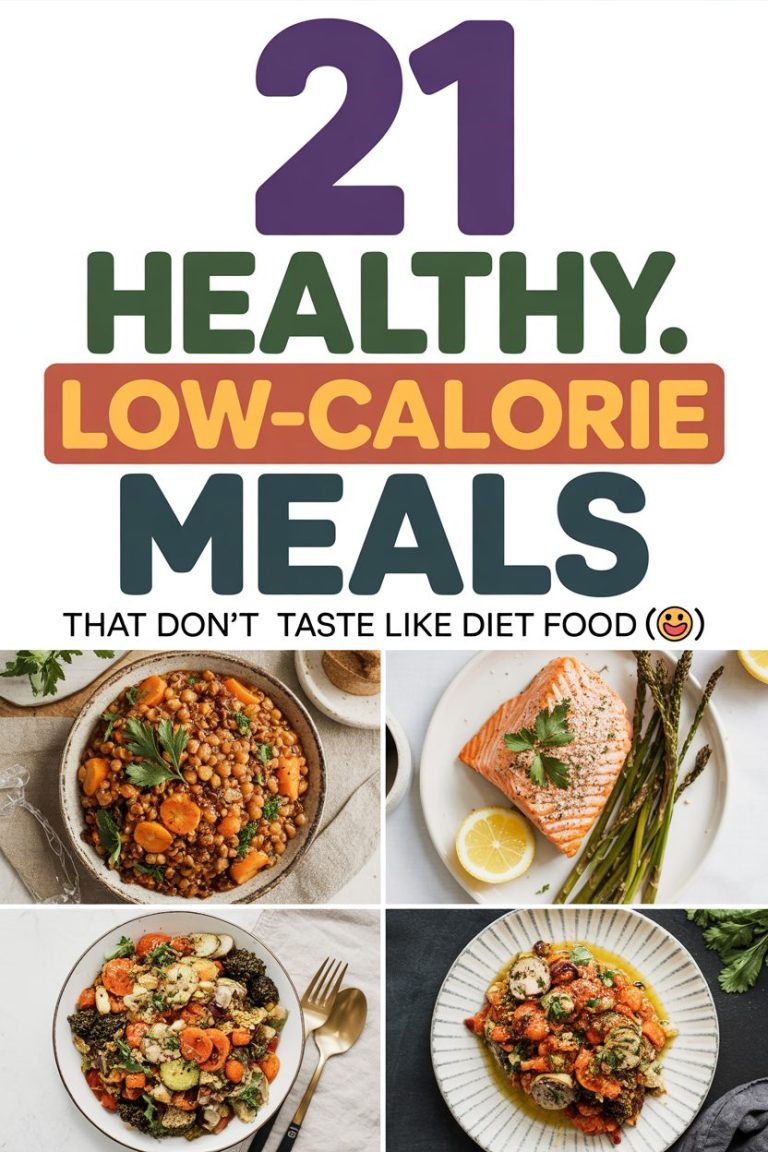
Alright, let’s get to the good stuff. I’ve rounded up 21 meals that pack serious protein while being completely gluten-free. No sad salads or flavorless protein shakes here—just real food that actually tastes good.
Breakfast Champions
1. Greek Yogurt Power Bowl – Start your morning with creamy Greek yogurt topped with fresh berries, a drizzle of honey, and some crunchy almonds. You’re looking at roughly 20+ grams of protein right there. I make this using this glass meal prep bowl so I can grab it on busy mornings. Get Full Recipe.
2. Mediterranean Scramble – Eggs, spinach, tomatoes, and feta cheese create this flavor bomb that clocks in at around 25 grams of protein per serving. The secret? I use this non-stick ceramic pan that makes cleanup ridiculously easy. Get Full Recipe.
3. Overnight Oats (The Protein-Packed Version) – Regular oats are gluten-free, but make sure you buy certified GF ones to avoid cross-contamination. Mix them with protein powder, chia seeds, and almond milk the night before. Wake up to breakfast that’s ready to eat. For more variety, check out these overnight oats recipes for different flavors.
4. Quinoa Breakfast Bowl – Who says quinoa is just for lunch? Cook it with almond milk, top with fresh fruit and nuts, and you’ve got a protein-rich alternative to traditional oatmeal. Get Full Recipe.
Lunch Winners
5. Lemon Herb Chicken with Roasted Potatoes – Simple, satisfying, and loaded with protein. The chicken gives you about 35 grams of protein, and the herbs make it taste like you spent way more time cooking than you actually did. Get Full Recipe.
6. Tuna White Bean Salad – This is my go-to when I need something quick. Canned tuna, white beans, cherry tomatoes, and a lemon vinaigrette. Protein-packed, budget-friendly, and you can make it in about 10 minutes flat. Get Full Recipe.
7. Mediterranean Grain Bowl – Quinoa base, grilled chicken, cucumber, tomatoes, hummus, and a tahini drizzle. It’s basically a salad that doesn’t make you sad. Get Full Recipe.
If you’re meal prepping for the week, you might also love these Mediterranean lunchbox ideas or these high-protein meal prep lunches that you can batch cook on Sundays.
8. Stuffed Bell Peppers – Fill bell peppers with quinoa, ground turkey, vegetables, and a bit of cheese. It’s colorful, nutritious, and gives you around 28 grams of protein per serving. I prep these using these silicone baking cups which make portioning super easy. Get Full Recipe.
Dinner Delights
9. Grilled Salmon with Tomato Caper Relish – Salmon naturally packs about 40 grams of protein per fillet. The tomato-caper situation on top makes it taste fancy without requiring actual cooking skills. Get Full Recipe.
10. Baked Salmon with Herbed Quinoa – Another salmon winner because, let’s be honest, salmon is protein royalty. Pair it with herb-infused quinoa and roasted vegetables for a complete meal. Get Full Recipe.
11. Shrimp Sautéed in Garlic and Olive Oil with Couscous – Make sure you use gluten-free couscous or swap for rice. Shrimp cooks in minutes and delivers high-quality protein without the heaviness of red meat. Get Full Recipe.
12. Lemon Garlic Grilled Chicken with Couscous – Marinate chicken in lemon and garlic, grill it up, and serve over fluffy couscous. Simple but never boring. Get Full Recipe.
For those evenings when you want something hearty and comforting, these Mediterranean dinner ideas and one-pan Mediterranean meals will save your weeknight sanity.
13. Grilled Steak with Roasted Sweet Potatoes and Asparagus – When you want something substantial, a good steak delivers. Pair it with nutrient-dense sweet potatoes and asparagus for a balanced plate that hits all the right notes. Get Full Recipe.
Plant-Based Protein Powerhouses
14. Lentil Spinach Soup – Don’t sleep on lentils. These little legumes pack about 18 grams of protein per cup. This soup is hearty, warming, and perfect for meal prep. I make big batches in this Dutch oven and freeze portions for later. Get Full Recipe.
15. Chickpea Cauliflower Coconut Curry – Chickpeas bring the protein, coconut milk adds creaminess, and curry spices make everything delicious. This one’s vegetarian-friendly and surprisingly filling. Get Full Recipe.
16. Mediterranean Chickpea Skillet – Quick, easy, and loaded with plant-based protein. Sauté chickpeas with spinach, tomatoes, and Mediterranean spices for a meal that comes together in under 20 minutes. Get Full Recipe.
17. Black Bean Enchiladas – Use corn tortillas (naturally gluten-free), stuff them with black beans and cheese, and you’ve got a protein-rich Mexican feast. The beans alone give you about 15 grams per serving. Get Full Recipe.
Quick & Easy Options
18. Egg Muffins – Bake eggs with vegetables and cheese in a muffin tin. Make a batch on Sunday, eat them all week. Each muffin has about 7-8 grams of protein, and you can customize them endlessly. I use this silicone muffin pan for easy removal every time. Get Full Recipe.
19. Greek Salad (But Like, Actually Good) – Don’t roll your eyes. When you load it up with feta, olives, chickpeas, and grilled chicken, it becomes a legitimate high-protein meal. Get Full Recipe.
20. Turkey Breakfast Sausage Patties – Make your own gluten-free breakfast sausage. It’s easier than you think, tastes better than store-bought, and you know exactly what’s in them. Get Full Recipe.
21. Smoked Salmon Avocado Toast – Use gluten-free bread, top with mashed avocado and smoked salmon. It’s bougie brunch at home for a fraction of the cost. Plus, the omega-3s in salmon are clutch for brain health. Get Full Recipe.
Smart Swaps and Ingredient Hacks
Learning to navigate gluten-free, high-protein eating means getting creative with substitutions. Regular pasta? Swap for chickpea pasta or lentil pasta—both pack way more protein. Breadcrumbs? Crushed pork rinds or almond flour work brilliantly for coating chicken.
IMO, the best gluten-free flour for protein content is chickpea flour. You can make socca (chickpea pancakes), use it as a binder in meatballs, or even make a quick flatbread. Way more versatile than people give it credit for.
When you’re shopping, look beyond the “gluten-free” label and actually read the nutrition facts. Some GF products are nutritional disasters—loaded with rice flour and tapioca starch but virtually no protein or fiber. Choose products made with nutrient-dense ingredients like quinoa, chickpea, or amaranth flour for better nutritional value.
Meal Prep Tips That Actually Work
Okay, real talk: meal prep doesn’t have to mean eating the same thing seven days straight. That’s a one-way ticket to Takeout Town. Instead, prep components you can mix and match throughout the week.
Cook a big batch of quinoa, grill several chicken breasts, roast a sheet pan of vegetables, and make a couple different sauces. Now you can create different meals all week without the monotony. Monday’s quinoa bowl with grilled chicken and tahini sauce becomes Wednesday’s Greek-style quinoa salad with lemon vinaigrette.
I keep everything in these glass meal prep containers because they’re microwave-safe, don’t stain, and I can see exactly what I have at a glance. Worth every penny.
FYI, proteins like chicken and fish stay fresh in the fridge for 3-4 days max. If you’re prepping for the full week, cook half on Sunday and half on Wednesday. Or cook everything Sunday and freeze half for later in the week.
Common Mistakes (And How to Avoid Them)
The biggest mistake I see? People go gluten-free and immediately replace everything with gluten-free versions of the same processed foods. Your diet basically becomes rice flour, tapioca starch, and sugar. Not exactly the health upgrade you were going for.
Another trap: thinking gluten-free automatically means healthy. It doesn’t. Gluten-free cookies are still cookies. Gluten-free pizza is still pizza. Focus on whole, naturally gluten-free foods first, and use the processed stuff as occasional treats.
Also, don’t forget about cross-contamination if you have celiac disease. Even tiny amounts of gluten can cause damage. Use separate cutting boards, toasters, and condiment jars. Yeah, it’s annoying, but it’s necessary.
Frequently Asked Questions
Can you build muscle on a gluten-free diet?
Absolutely. Gluten has nothing to do with muscle building—protein does. As long as you’re hitting your protein targets (generally 0.7-1 gram per pound of body weight for muscle building), being gluten-free won’t hold you back. Focus on high-quality protein sources like chicken, fish, eggs, legumes, and quinoa, and you’ll be just fine.
How much protein do I actually need on a gluten-free diet?
The standard recommendation is about 0.8 grams of protein per kilogram of body weight for the average person. If you’re active or building muscle, aim for 1.2-2.0 grams per kilogram. Being gluten-free doesn’t change these requirements—you just need to be more intentional about choosing protein-rich gluten-free foods since many GF products are lower in protein than their regular counterparts.
Are all oats gluten-free?
Not technically. Oats themselves don’t contain gluten, but they’re often processed in facilities that also handle wheat, leading to cross-contamination. If you have celiac disease or are highly sensitive, always buy certified gluten-free oats. They’re processed in dedicated facilities to prevent contamination.
What’s the best gluten-free protein powder?
Most protein powders are naturally gluten-free, but always check the label. Whey, casein, egg white, pea, and rice protein powders are all good options. I personally like pea protein or a pea-rice blend for plant-based options, or whey isolate if you tolerate dairy. Just avoid anything with added wheat-based ingredients or sketchy filler ingredients.
Is quinoa really a complete protein?
Yes! Quinoa contains all nine essential amino acids, making it one of the few plant-based complete proteins. That’s why it’s such a rockstar in gluten-free, high-protein cooking. It’s got about 8 grams of protein per cooked cup, plus fiber and other nutrients. Definitely keep this one in your rotation.
Final Thoughts
Going gluten-free doesn’t mean sacrificing protein or flavor. With a little planning and the right recipes in your back pocket, you can easily hit your protein goals while keeping your meals interesting and delicious.
The key is focusing on naturally gluten-free, protein-rich whole foods rather than relying on processed gluten-free alternatives. Build your meals around eggs, fish, poultry, legumes, nuts, and quality grains like quinoa. Use those 21 recipes as your foundation, then branch out and experiment.
Your gluten-free, high-protein journey doesn’t have to be complicated or boring. Start with a few of these recipes that sound good to you, see what works for your lifestyle, and go from there. Before you know it, you’ll have a whole rotation of go-to meals that keep you satisfied, energized, and actually excited about eating.
And remember, if you’re dealing with celiac disease or serious gluten sensitivity, work with a registered dietitian who understands your specific needs. They can help ensure you’re getting all the nutrients you need while staying strictly gluten-free.
Now get out there and make something delicious. Your taste buds (and your muscles) will thank you.
Disclaimer: This article is for informational purposes only and is not a substitute for professional medical advice, diagnosis, or treatment. If you have celiac disease or gluten sensitivity, please consult with a healthcare provider or registered dietitian for personalized guidance. Always check food labels carefully and be aware of cross-contamination risks when preparing gluten-free meals.