
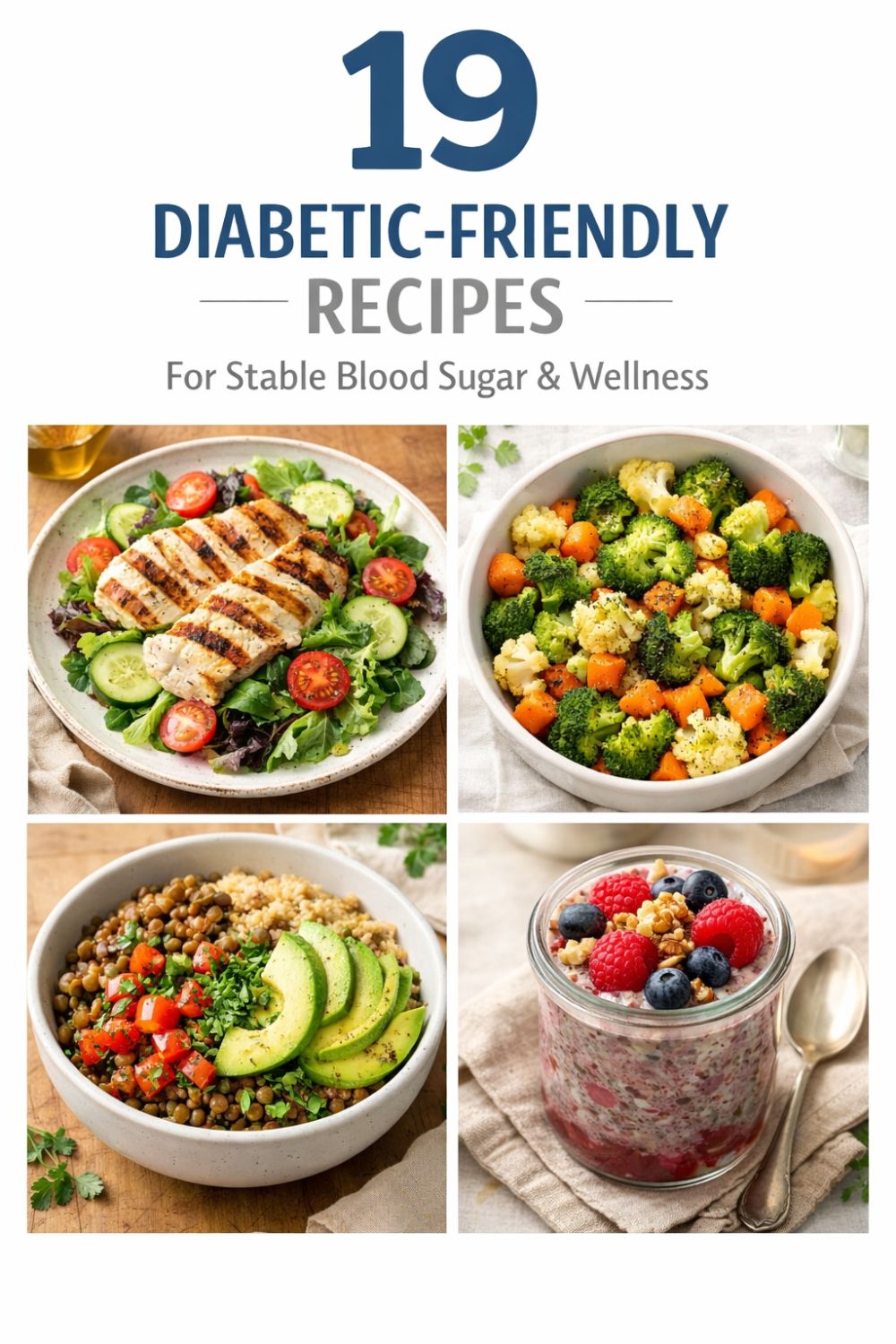
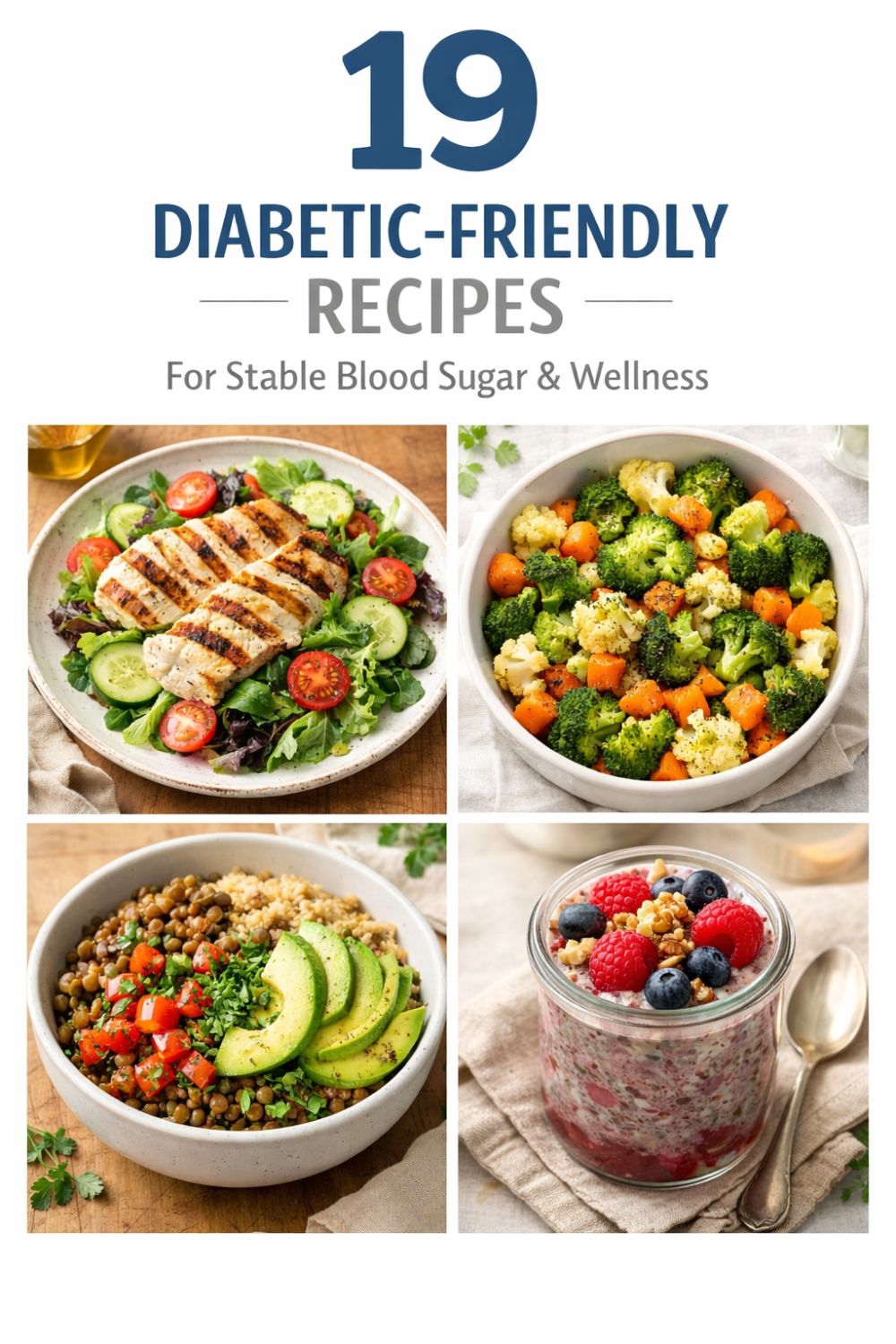
19 Diabetic-Friendly Recipes with Stable Blood Sugar
Look, I’m not gonna sugarcoat it—managing diabetes while actually enjoying your food can feel like solving a Rubik’s cube blindfolded. You’ve probably been told to avoid half the things you love, handed pamphlets with recipes that look like they were designed by someone who thinks cardboard is a spice, and left wondering if you’ll ever enjoy a meal again.
Here’s the thing nobody tells you: diabetic-friendly eating isn’t about deprivation. It’s about being smarter, not sadder. The recipes I’m sharing aren’t some mystical unicorn meals that require seventeen obscure ingredients from that weird health food store three towns over. They’re real, delicious dishes that keep your blood sugar steady without making you feel like you’re eating rabbit food.
I’ve spent years testing recipes, monitoring my own glucose levels, and talking to people who’ve cracked the code on this whole diabetes thing. What I’ve learned? The best meals for stable blood sugar are often the simplest ones. We’re talking about combining the right proteins, smart carbs, and enough fiber to keep everything moving smoothly—both your digestion and your glucose meter.
Why Your Blood Sugar Does That Rollercoaster Thing
Before we dive into recipes, let’s talk about why your blood sugar acts like it’s on a theme park ride. When you eat carbs—any carbs—your body breaks them down into glucose. That glucose hits your bloodstream and boom, your blood sugar spikes. The glycemic index measures how quickly carbohydrate-containing foods boost blood sugar levels, and understanding this can change everything.
Foods with a high glycemic index (think white bread, sugary cereals, most processed stuff) send your blood sugar shooting up fast. Then comes the crash. You know that feeling around 2 PM when you want to face-plant into your desk? Yeah, that’s probably your blood sugar crashing after a high-GI lunch.
Choosing low GI foods like whole grains, legumes and non-starchy vegetables may help maintain stable blood sugar levels. The key word there is “stable.” We’re not trying to eliminate blood sugar spikes entirely—that’s impossible unless you stop eating—but we want gentle hills instead of Mount Everest.
The Magic Formula Nobody Tells You About
Here’s what actually works: every meal should have protein, fiber, and healthy fats. This isn’t rocket science, but somehow it gets lost in all the noise about “diabetic diets” and restrictive eating plans. When you build meals this way, your blood sugar responds like a well-behaved child instead of a caffeinated toddler.
Protein slows down how quickly your stomach empties, which means glucose enters your bloodstream gradually instead of all at once. Fiber does something similar—it’s like putting a traffic cop in your digestive system. And healthy fats? They keep you satisfied so you’re not raiding the pantry two hours after eating.
The Mayo Clinic notes that understanding glycemic index can help you make better food choices, but it’s just one tool in your arsenal. You don’t need to memorize GI charts or become a walking nutrition calculator. Just follow the simple formula.
What This Actually Looks Like on Your Plate
Half your plate should be non-starchy vegetables. We’re talking about the stuff that grows above ground—leafy greens, broccoli, peppers, tomatoes, cucumbers. A quarter should be lean protein (chicken, fish, tofu, legumes), and the last quarter is for complex carbs like quinoa, sweet potatoes, or whole grains.
This isn’t some arbitrary rule someone made up. It’s based on actual research showing that this balance keeps blood sugar most stable. Plus, it’s way easier to remember than counting every single carb or calculating complicated equations.
If you’re looking for more ways to incorporate protein without the fuss, check out these high-protein chicken recipes for meal prep. They’re perfect for batch cooking on Sunday and having ready-to-go meals all week.
19 Recipes That Actually Keep Your Blood Sugar Happy
Alright, enough theory. Let’s talk about actual food you’ll want to eat. These recipes aren’t organized by meal type because honestly, who says you can’t eat breakfast for dinner? Live your life. They’re grouped by what works and what doesn’t make you feel like you’re missing out.
Morning Meals That Don’t Spike Your Glucose
1. Greek Yogurt Bowl with Berries and Nuts
This is my go-to when I’m running late but still want to eat like an adult. Plain Greek yogurt has virtually no sugar and packs serious protein. Top it with berries (lower GI than most fruits), some walnuts for crunch, and maybe a drizzle of honey if you’re feeling fancy. Get Full Recipe.
The protein-to-carb ratio here is chef’s kiss. I use this Greek yogurt maker because buying individual cups was killing my budget and creating way too much plastic waste.
2. Savory Mediterranean Scramble
Eggs, spinach, tomatoes, a bit of feta—this is what I make when I need something that’ll keep me full until lunch without the mid-morning energy crash. The vegetables add bulk and fiber without many carbs, and the eggs provide staying power. Get Full Recipe.
3. Overnight Oats with Almond Butter and Cinnamon
Steel-cut or old-fashioned oats have a lower GI than instant oats. Mix them with unsweetened almond milk, a spoonful of almond butter (healthy fats for the win), and cinnamon the night before. Cinnamon actually helps with blood sugar regulation—not dramatically, but every little bit helps. Check out this berry-flaxseed variation for extra fiber.
I prep these in mason jars because I’m that person now, and honestly? It makes mornings so much easier. Just grab and go.
Lunch Ideas That Won’t Leave You Napping at Your Desk
4. Mediterranean Chickpea Bowl
Chickpeas are legume royalty for blood sugar management. They’re packed with fiber and protein, digest slowly, and keep you satisfied for hours. Toss them with cucumbers, tomatoes, red onion, olive oil, and lemon juice. Add some quinoa if you need more substance. Get Full Recipe.
5. Grilled Chicken with Farro and Roasted Vegetables
Farro is an ancient grain that’s got more fiber than most modern grains, which means it’s gentler on your blood sugar. Plus it’s got this nutty flavor that’s actually interesting, unlike brown rice which tastes like… well, brown. Get Full Recipe.
Speaking of protein-packed lunches, these high-protein meal prep lunch ideas are worth bookmarking. They’re designed for busy people who still want to eat well.
6. Lentil Soup with Crusty Bread (Yes, Really)
Lentils are basically magic beans for people with diabetes. Super high in fiber, moderate protein, and they don’t mess with your blood sugar the way other carbs do. Make a big pot on Sunday, pair it with a small slice of whole grain bread, and you’ve got lunch for days. Get Full Recipe.
I use this immersion blender to make half the soup smooth while keeping the rest chunky. It’s the texture thing—trust me.
📊 Blood Sugar Tracker & Meal Planner for Diabetics
Okay, real talk—I resisted tracking my blood sugar and meals for way too long because it felt like homework. But then I found this digital Blood Sugar & Meal Planning Journal and it changed everything.
Inside you’ll get:
- 90-day blood sugar tracking sheets that actually make sense
- Pre-planned diabetic-friendly meal templates (so you’re not reinventing the wheel every week)
- Carb counting guides that don’t require a math degree
- Grocery lists organized by food type (because wandering aimlessly through the store is nobody’s idea of fun)
- A1C tracking charts to see your progress over time
IMO, if you’re serious about managing diabetes without losing your mind, having a system beats winging it every single time. This is that system.
Dinners That Don’t Feel Like “Diet Food”
7. Baked Salmon with Herbed Quinoa
Salmon is loaded with omega-3s, which help with inflammation and might improve insulin sensitivity. Quinoa brings the fiber and complete protein. Together? Blood sugar stability and actually feeling satisfied after dinner. Get Full Recipe.
Pro tip: I season my salmon with this Mediterranean spice blend that makes everything taste like you actually know what you’re doing in the kitchen.
8. Stuffed Bell Peppers with Quinoa and Veggies
These look impressive but are stupidly easy. Cut peppers in half, stuff them with a mixture of quinoa, vegetables, maybe some ground turkey if you eat meat, and bake. The peppers themselves add volume and nutrients without many carbs. Get Full Recipe.
For more creative ways to work with vegetables, try these grilled veggie options or this lentil-spinach soup that’s ridiculously comforting.
9. Mediterranean Grain Bowl
This is my “I can’t think about dinner” dinner. Cook some bulgur or farro, top with roasted vegetables, chickpeas, a handful of arugula, some feta, and a lemon-olive oil dressing. Everything can be prepped ahead. Everything tastes better the next day. Get Full Recipe.
10. Grilled Lemon-Herb Chicken with Roasted Potatoes
Yes, you can eat potatoes. The trick? Keep portions reasonable, leave the skin on (that’s where the fiber lives), and pair them with plenty of protein. Small red potatoes have a lower GI than russets. Get Full Recipe.
The Snack Situation (Because We All Get Hungry)
11. Hummus with Veggie Sticks
Hummus is made from chickpeas, so you’re getting that same slow-digesting benefit. Pair it with cucumber, bell peppers, carrots, celery—whatever you’ve got. The combination of protein, fat, and fiber keeps you from raiding the vending machine an hour later.
12. Greek Yogurt Parfait (The Smart Way)
Layer plain Greek yogurt with a few berries and some nuts. Skip the granola unless it’s specifically low-sugar—most commercial granola might as well be candy. Get Full Recipe.
13. Avocado Toast (But Make It Right)
Use actual whole grain bread, not the stuff that says “whole grain” but lists refined flour first. Mash your avocado, add everything bagel seasoning or red pepper flakes, maybe a poached egg on top. This version with cherry tomatoes and hemp seeds is particularly solid.
When You Need Something Sweet (Because You’re Human)
14. Chia Pudding with Almond Milk and Berries
Mix chia seeds with unsweetened almond milk the night before. Add vanilla extract and a tiny bit of stevia if you need it sweeter. Top with berries. The fiber-to-carb ratio is ridiculous, and it satisfies that dessert craving without wrecking your blood sugar. Get Full Recipe.
15. Baked Cinnamon Apples
Core an apple, sprinkle with cinnamon and a few chopped walnuts, bake until soft. The fiber in the apple combined with the fats from walnuts slows sugar absorption. Plus your house smells amazing. Full details here.
I use this apple corer because trying to core apples with a knife made me feel like I was starring in a horror movie.
The Meals That Do Double Duty
16. Three Bean Chili
Beans, beans, the magical fruit—and they really are magical for blood sugar. This chili uses kidney beans, black beans, and chickpeas for maximum fiber power. Make a huge batch and freeze portions. Here’s the recipe that’s become my winter staple.
17. Whole Wheat Spaghetti with Spinach Pesto
Whole wheat pasta has a lower GI than regular pasta. Make pesto with spinach instead of just basil to pack in more nutrients. Add pine nuts or walnuts for healthy fats. Keep portions to about a cup of cooked pasta. Get the full recipe here.
For meal prep efficiency, check out these weekly meal prep ideas that take the guesswork out of planning.
18. Mediterranean Chickpea Skillet
Everything cooks in one pan. Chickpeas, tomatoes, spinach, garlic, spices. Serve over a small portion of brown rice or quinoa. The whole thing takes maybe twenty minutes and gives you that satisfying feeling of having cooked an actual meal. Get Full Recipe.
I use this cast iron skillet for recipes like this. It distributes heat evenly and nothing sticks if you season it properly.
📱 Best Diabetes Management App (That Actually Helps)
I’ve tried approximately 47 different apps for tracking blood sugar, meals, and meds. Most of them are either unnecessarily complicated or too basic to be useful. Then I found MySugr Diabetes Tracker Pro and actually stuck with it for more than a week.
Features that made me a convert:
- Automatic data sync with Freestyle Libre, Dexcom, and most major CGMs
- Carb estimator with a database of 500,000+ foods (including restaurant meals—finally)
- Medication and insulin tracking with dosage reminders
- Pattern recognition that spots trends you might miss (like “hey, you always spike after breakfast on Thursdays”)
- Export reports for your doctor that actually look professional
- Built-in food scanner for packaged items
The free version is decent, but the Pro version is worth it if you’re done guessing and ready to see what’s actually happening with your blood sugar.
19. Lentil Sweet Potato Stew
Sweet potatoes have a lower GI than regular potatoes, especially if you leave the skin on. Combined with lentils and vegetables, this stew is basically a hug in a bowl. Get the recipe that I make every fall without fail.
Making This Work in Real Life
Here’s what nobody tells you about managing diabetes through food: consistency beats perfection every single time. You don’t need to make elaborate meals every day. You need a handful of reliable recipes you can rotate through, a reasonable meal prep routine, and the ability to forgive yourself when you eat something off-plan.
I keep these glass meal prep containers stocked because they’re microwave-safe, don’t stain, and make it stupid-easy to portion things out. Portion control matters, but it’s way easier when you’re not eyeballing it every single time.
For more comprehensive guidance on building a sustainable eating pattern, these Mediterranean meal plans offer great frameworks that align with blood sugar management.
The Tools That Actually Help
You don’t need a kitchen full of gadgets, but a few things make life easier. A good food scale helps you understand portions without having to guess. A decent slow cooker means you can dump ingredients in the morning and come home to dinner. And honestly? Parchment paper saves me from scrubbing pans more times than I can count.
The American Diabetes Association offers additional resources for meal planning and recipe ideas that meet their nutrition guidelines, which can be helpful as you’re building your rotation of go-to meals.
📖 Complete Diabetic Recipe eBook Collection
Look, I love scrolling through Pinterest for recipe ideas as much as the next person, but when you actually need to cook dinner and your blood sugar is being temperamental, you don’t want to wade through seventeen blog posts about someone’s grandmother’s kitchen renovation.
That’s why I grabbed The Complete Diabetic Cookbook: 500+ Blood Sugar-Friendly Recipes and it’s become my kitchen bible. Every recipe includes complete nutritional info, carb counts, and estimated glycemic load—no guessing required.
Inside the collection:
- 500+ recipes tested specifically for stable blood sugar (breakfast, lunch, dinner, snacks, desserts)
- 28-day meal plans with shopping lists already done for you
- Carb-swapping guide for making your favorite recipes diabetes-friendly
- Emergency “I forgot to meal prep” quick recipes under 20 minutes
- Restaurant-style meals you can make at home (with better ingredients and portion control)
- Batch cooking and freezer meal sections (because cooking every single night is exhausting)
FYI, this is a digital download, so you get it immediately—no waiting for shipping or paying for a heavy book that takes up counter space. Pull it up on your phone or tablet while cooking.
What About Eating Out and Social Situations?
Look, you’re going to eat at restaurants. You’re going to go to parties where someone made their “famous” dessert. Life happens. The goal isn’t to become a hermit who only eats homemade meals from approved recipes. The goal is to make smart choices most of the time so the occasional indulgence doesn’t tank your blood sugar.
When eating out, I usually go for grilled proteins with vegetables and ask for sauces on the side. Not because I’m trying to be difficult, but because restaurant sauces often have hidden sugars that’ll spike your glucose faster than a roller coaster. If I want carbs, I split an appetizer with someone instead of ordering a full side.
For more strategies on maintaining healthy eating patterns outside your home, check out these portable lunch recipes that work great for busy weekdays.
Frequently Asked Questions
Can I really eat fruit if I have diabetes?
Absolutely, yes. The key is choosing fruits with lower glycemic index values like berries, apples, and pears, and watching portion sizes. Pair fruit with a source of protein or healthy fat—like apple slices with almond butter—to slow sugar absorption. Fresh whole fruit is always better than juice since you get the fiber.
How much protein should I aim for at each meal?
A good rule of thumb is 20-30 grams of protein per meal. This amount has been shown to help stabilize blood sugar and keep you satisfied for several hours. That’s roughly the size of your palm—a chicken breast, a cup of Greek yogurt, or a serving of fish.
Do I need to avoid carbs completely to manage diabetes?
No, and honestly that’s not sustainable anyway. You need carbs—they’re your body’s preferred fuel source. The trick is choosing complex carbs with fiber (whole grains, legumes, vegetables) over simple carbs, watching portions, and always pairing carbs with protein and fat to slow digestion.
What’s the best time to eat for blood sugar management?
Eating at consistent times helps regulate blood sugar, but there’s no magic hour. What matters more is not skipping meals (which can cause blood sugar swings) and spacing meals about 4-5 hours apart. Some people do well with three meals, others need small snacks between meals—experiment to find what works for your body.
Can meal prepping really help with diabetes management?
Absolutely. When you’re tired, stressed, or busy, you’re more likely to grab whatever’s convenient—which often means higher carb, lower nutrition choices. Having prepared meals means you’ve already made the healthy choice, and you just need to reheat it. Plus, you can control portions and ingredients more precisely than eating out.
The Bottom Line on Diabetic-Friendly Eating
Managing diabetes through food isn’t about following some restrictive diet that makes you miserable. It’s about understanding how different foods affect your blood sugar and building meals that work with your body instead of against it. These nineteen recipes are just starting points—templates you can adjust based on what you like, what you have available, and what fits your schedule.
The real secret? Consistency. You don’t need to eat perfectly every single day. You need to eat well most of the time, forgive yourself when you don’t, and keep moving forward. Your blood sugar will fluctuate—that’s normal. The goal is keeping those fluctuations gentle instead of extreme.
Start with two or three recipes from this list that sound good to you. Make them a few times until they become easy and automatic. Then add a couple more. Before you know it, you’ll have a rotation of meals that keep your blood sugar stable without making you feel like you’re on some horrible restrictive diet. Because you’re not. You’re just eating smart, and that’s something you can actually maintain for the long haul.