21 Healthy Snack Ideas That Actually Satisfy
Look, I get it. You’re sitting at your desk at 3 PM, stomach growling, and that vending machine is calling your name like a siren song. But here’s the thing—most snacks either leave you hungry thirty minutes later or make you feel like you just ate a brick. Not exactly ideal, right?
I’ve spent way too much time figuring out which snacks actually work—the ones that keep you full, don’t require a culinary degree to prepare, and won’t derail your health goals. These aren’t your typical “eat celery and pretend it’s chips” suggestions. These are real snacks that real people actually want to eat.

Why Most Snacks Fail You
Before we jump into the good stuff, let’s talk about why your current snack game might be weak. Most packaged snacks are basically sugar bombs wrapped in clever marketing. They spike your blood sugar, give you a quick energy hit, then leave you crashed and craving more.
The secret to a satisfying snack? Protein, fiber, and healthy fats. This trio keeps your blood sugar stable and actually fills you up. It’s not rocket science, but somehow the food industry forgot to mention this part.
When you combine these nutrients, your body digests them slower, which means sustained energy instead of that rollercoaster ride. Plus, you won’t be raiding the pantry an hour later wondering why you’re still hungry.
The Foundation: What Makes a Snack Actually Work
Here’s what I’ve learned after years of trial and error—good snacks need three things. First, they need to be easy. If I have to pull out five ingredients and dirty three bowls, it’s not happening on a Tuesday afternoon. Second, they need real staying power. And third, they can’t taste like cardboard.
The Mediterranean approach to snacking gets this right. Instead of processed junk, think whole foods—nuts, vegetables, legumes, and quality proteins. Research from the Harvard School of Public Health shows that plant-based snacks rich in fiber and protein can significantly improve satiety and metabolic health.
I know what you’re thinking—”Great, more kale.” But trust me, these snacks are actually good. Like, genuinely crave-worthy good.
1. Greek Yogurt with Berries and Honey
This one’s a classic for a reason. Greek yogurt packs around 15-20 grams of protein per cup, which is more than most people get in their breakfast. The probiotics are a bonus for your gut health, and the creamy texture makes it feel indulgent.
I like mixing in whatever berries are on sale—blueberries, strawberries, doesn’t matter. Add a drizzle of honey and maybe some chopped almonds if you’re feeling fancy. The whole thing takes two minutes and keeps me full for hours. Get Full Recipe.
The combination of protein from the yogurt and fiber from the berries slows down digestion. That means steady energy instead of the sugar crash you’d get from, say, a granola bar. According to Mayo Clinic, Greek yogurt’s high protein content can help with weight management and muscle maintenance.
2. Hummus with Veggie Sticks
Hummus is basically the MVP of healthy snacking. Made from chickpeas, it’s loaded with protein and fiber. Plus, it’s ridiculously versatile—you can dip basically anything in it and call it a snack.
I keep a container of hummus in my fridge at all times. Carrot sticks, cucumber slices, bell peppers—whatever’s in the crisper drawer works. Sometimes I get wild and use celery, but let’s not pretend celery is exciting.
For the hummus purists out there, making it from scratch is pretty straightforward. But honestly? Store-bought works just fine. I use this food processor when I’m feeling ambitious, and it makes the whole process way easier than mashing chickpeas with a fork like some kind of medieval peasant.
🎯 High-Protein Snack Tracker & Recipe Bundle
Tired of guessing if your snacks actually have enough protein? This High-Protein Snack Tracker & Recipe eBook takes the guesswork out completely.
What’s included:
- 50+ high-protein snack recipes (all under 15 minutes)
- Printable snack tracker to monitor protein intake throughout the day
- Macro calculator specifically designed for snacking goals
- Meal prep guide for batch-making snacks every Sunday
- Shopping lists organized by protein source (plant-based, dairy, meat)
Perfect for anyone trying to hit their protein goals without overthinking every single snack. Each recipe includes exact macros and prep time.
Get the Tracker Bundle →3. Hard-Boiled Eggs with Everything Bagel Seasoning
Eggs are nutritional powerhouses—about 6 grams of protein each, plus vitamins D and B12. They’re also dirt cheap, which is always a win in my book.
The trick is batch-cooking them. Every Sunday, I make a dozen eggs and keep them in the fridge. When snack time hits, I grab two, sprinkle on some everything bagel seasoning, and I’m done. Total time investment: thirty seconds.
Some people swear by their egg cookers for this, and I get it—they’re foolproof. No watching a pot, no wondering if they’re done. Just set it and forget it.
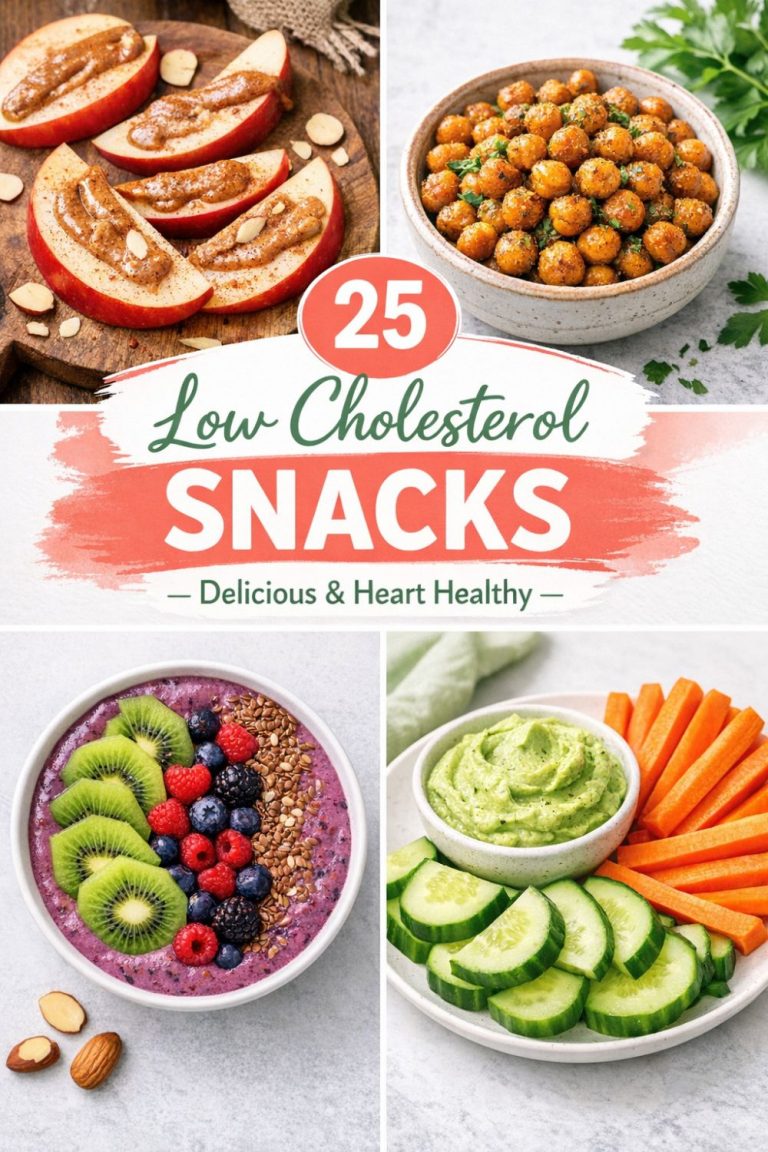
4. Apple Slices with Almond Butter
This combination is weirdly satisfying. The crisp sweetness of the apple with the creamy, slightly salty almond butter just works. Almond butter provides healthy fats and protein, while the apple brings fiber and natural sweetness.
I slice my apples with one of those apple corer things—you know, the gadget that cuts it into perfect wedges? Game changer. No more uneven slices or wondering what to do with the core.
Now, almond butter versus peanut butter—that’s the eternal debate. Almond butter has slightly more fiber and vitamin E, but peanut butter has more protein. IMO, just use whichever one doesn’t cost your entire paycheck. Both work.
Premium Grass-Fed Whey Protein Powder
Let’s be honest—sometimes you need protein fast, and you’re not cooking eggs at your desk. This grass-fed whey protein powder is what I actually use daily, not just recommend.
Why This One’s Different:
- 25g protein per scoop with zero artificial sweeteners or junk fillers
- Sourced from grass-fed cows (better omega-3 profile than conventional whey)
- Mixes smooth in just water—no blender needed for emergency situations
- Available in vanilla, chocolate, and unflavored (perfect for adding to savory snacks)
- Third-party tested for purity—no heavy metals or banned substances
- Digestive enzymes included so it won’t wreck your stomach
I add a scoop to my morning smoothies or just shake it with almond milk when I need a quick protein hit between meetings. It’s also clutch for making protein pancakes or mixing into Greek yogurt for an extra boost.
5. Roasted Chickpeas
If you haven’t tried roasted chickpeas, you’re missing out. They’re crunchy, savory, and surprisingly addictive. One cup of chickpeas has about 15 grams of protein and 12 grams of fiber—that’s serious staying power.
Making them is stupid easy. Drain a can of chickpeas, toss with olive oil and whatever seasonings you want, then roast at 400°F for about 30 minutes. I like paprika and garlic powder, but you do you.
They come out crispy and chip-like, which scratches that crunchy snack itch without the guilt. I make a big batch and keep them in an airtight container. They’re perfect for when you want something salty but don’t want to demolish a bag of pretzels.
Speaking of breakfast ideas that keep you full, you might want to check out these high-protein breakfast ideas or try a Mediterranean smoothie bowl for a refreshing start.
6. Cottage Cheese with Tomatoes and Herbs
Cottage cheese gets a bad rap for being boring, but hear me out. One cup has around 25 grams of protein, which is honestly insane for a snack. The key is dressing it up so it doesn’t taste like wet sadness.
I chop up some cherry tomatoes, add fresh basil or dill, drizzle with olive oil, and hit it with black pepper. Suddenly, you’ve got this savory, Mediterranean-style snack that’s actually delicious. Try this savory cottage cheese toast variation for another creative spin.
The protein in cottage cheese is mostly casein, which digests slowly. That means it keeps you full longer than whey protein would. Science is cool like that.
7. Avocado Toast Bites
Yeah, yeah, I know—avocado toast is the most millennial thing ever. But there’s a reason it became a thing. Avocados are packed with healthy monounsaturated fats that keep you satisfied and support heart health.
Instead of making a whole piece of toast, I cut whole-grain bread into small squares, toast them, and top each with a bit of mashed avocado. Sometimes I add cherry tomatoes or a sprinkle of hemp seeds for extra nutrition. These avocado toast bites are perfect for portion control.
The whole-grain bread adds fiber and complex carbs, which pair perfectly with the healthy fats from the avocado. It’s basically a complete snack in one bite.
8. Trail Mix (The Good Kind)
Store-bought trail mix is usually a sugar trap disguised as health food. But when you make your own, you control what goes in it. Raw almonds, walnuts, pumpkin seeds, and a small amount of dark chocolate chips make for a perfectly balanced snack.
I buy everything in bulk and mix it in a big container. The nuts provide protein and healthy fats, while the dark chocolate satisfies any sweet cravings without going overboard. A quarter cup is usually enough to keep me going.
Pro tip: keep your portions in check by using small snack containers. Otherwise, you’ll look down and realize you’ve eaten half a pound of nuts without thinking about it. Not that I’ve done that. Multiple times.
9. Tuna Salad Lettuce Wraps
Canned tuna is one of the most underrated protein sources—about 20 grams per can. It’s shelf-stable, cheap, and versatile. Mix it with a bit of Greek yogurt instead of mayo, add some diced celery and onion, and you’ve got a legit snack.
I wrap it in romaine or butter lettuce leaves for a low-carb option that’s surprisingly filling. Sometimes I throw in some white beans for extra fiber and creaminess. These tuna white bean salad lettuce cups take it to the next level.
The combination of protein from the tuna and fiber from the beans means this snack will actually hold you over until your next meal. Revolutionary concept, I know.
📱 Smart Snacking App: Never Miss Your Macros Again
If you’re serious about hitting your nutrition goals, the MacroBalance Snacking App is a game-changer for tracking what you actually eat between meals.
Key features:
- Instant macro calculator for any snack (just scan or search)
- Pre-logged library of 1,000+ healthy snack combinations
- Smart notifications when you’re due for a protein boost
- Personalized snack recommendations based on your daily intake
- Meal timing optimizer to prevent energy crashes
- Progress tracking with visual charts and weekly reports
Stop guessing and start seeing results. The app syncs with most fitness trackers and makes hitting your daily protein target actually achievable.
Try Free for 7 Days →10. Edamame with Sea Salt
Edamame is basically the perfect snack food. One cup has 17 grams of protein and 8 grams of fiber, plus it’s fun to eat. There’s something oddly satisfying about popping them out of the pods.
I keep a bag of frozen edamame in the freezer. When I want a snack, I microwave a cup for about three minutes, sprinkle with sea salt, and I’m good to go. The whole process takes less time than microwaving popcorn.
The protein in edamame is complete, meaning it has all nine essential amino acids. That’s rare for plant-based proteins, which makes it especially valuable if you’re cutting back on animal products.
11. Chia Pudding
Chia seeds are tiny nutritional ninjas—packed with omega-3 fatty acids, protein, and fiber. When you mix them with liquid, they absorb it and create this pudding-like texture that’s actually pretty addictive.
My go-to ratio is three tablespoons of chia seeds to one cup of almond milk. Mix it up, let it sit in the fridge overnight, and you’ve got breakfast or a snack ready to go. Add some vanilla extract and a touch of honey, and it tastes like dessert.
The fiber in chia seeds absorbs water and expands in your stomach, which triggers those “I’m full” signals. It’s like a magic trick, except it’s just biology. Check out this chia pudding with almond milk recipe for more variations.
For more creative snack options throughout the day, try these Mediterranean snacks that keep you full or explore 30 high-protein snacks under 200 calories.
12. Cucumber Slices with Tzatziki
Sometimes you just want something light and refreshing, and this combo delivers. Tzatziki is made with Greek yogurt, cucumber, and herbs, so it’s got protein and probiotics going for it.
I slice cucumbers thick—none of that paper-thin nonsense—and dip them in tzatziki. The crunch is satisfying, and the cool, creamy tzatziki makes it feel like more than just eating vegetables.
You can buy tzatziki or make it yourself. Honestly, the store-bought stuff is pretty good, so don’t stress about it. Life’s too short to grate cucumbers if you don’t want to.
13. String Cheese and Cherry Tomatoes
This is my lazy snack. String cheese has about 7 grams of protein per stick, and cherry tomatoes add freshness and vitamins without any prep work.
I grab a couple of cheese sticks and a handful of tomatoes, and I’m set. It’s portable, requires zero cooking skills, and satisfies that need for something to munch on. Sometimes simple is best.
The calcium in the cheese is a nice bonus too, especially if you’re not huge on dairy in other meals. Every little bit helps when it comes to bone health.
14. Smoked Salmon on Cucumber Rounds
Smoked salmon is loaded with protein and omega-3 fatty acids, which are great for brain health and reducing inflammation. Plus, it feels fancy without actually being complicated.
I cut cucumbers into thick rounds, top each with a bit of cream cheese or Greek yogurt, then add a small piece of smoked salmon. Sometimes I’ll throw on some fresh dill or capers if I’m feeling extra.
This snack hits all the right notes—salty, creamy, crunchy, and satisfying. It’s like the adult version of ants on a log, except actually good. For a full meal version, try this smoked salmon avocado toast.
15. Overnight Oats (Savory or Sweet)
Overnight oats are ridiculously versatile. Half a cup of oats has about 5 grams of protein and 4 grams of fiber, and you can customize them a million different ways.
Mix oats with your milk of choice, add chia seeds for extra nutrition, and let it sit overnight. In the morning (or whenever you want a snack), add toppings. Fresh fruit, nut butter, cinnamon—whatever you’re feeling.
I use mason jars for portion control and easy grab-and-go convenience. Make five at once and you’ve got weekday snacks sorted. Try these high-protein overnight oats for even more staying power.
16. Turkey Roll-Ups
Deli turkey is lean protein at its finest—about 4 grams per slice with minimal fat. Roll it up with some cheese, add a pickle spear or cucumber stick, and you’ve got a low-carb snack that actually fills you up.
I like adding a thin layer of mustard or hummus inside the roll for extra flavor. It sounds simple (because it is), but sometimes simple snacks are the ones you actually stick with.
The protein-to-calorie ratio here is impressive. You get solid nutrition without a bunch of unnecessary carbs or calories. Perfect for when you need fuel but don’t want to feel weighed down.
17. Dark Chocolate and Almonds
Let’s be real—sometimes you need chocolate. Dark chocolate (70% cacao or higher) has antioxidants and less sugar than milk chocolate, plus it pairs perfectly with almonds.
I keep a small container of dark chocolate squares and raw almonds in my desk. When the afternoon slump hits, I have a square or two of chocolate with about ten almonds. The healthy fats and protein from the almonds balance out the sweetness.
This combo satisfies sweet cravings without sending your blood sugar on a rollercoaster. The key is portion control—which is why I don’t keep the entire chocolate bar at my desk. Self-control has limits.
18. Rice Cakes with Nut Butter and Banana
Rice cakes get unfairly labeled as boring, but they’re basically blank canvases for whatever you want. Spread some almond or peanut butter on top, add banana slices, and maybe a sprinkle of cinnamon.
The nut butter adds protein and healthy fats, the banana brings natural sweetness and potassium, and the rice cake provides that satisfying crunch. It’s like a deconstructed sandwich that won’t make you feel sluggish.
I use these rice cakes because they’re thick enough to hold toppings without breaking. Nothing worse than structural failure mid-snack.
19. Olives and Feta Cheese
This might be the most Mediterranean snack on the list. Olives are rich in healthy monounsaturated fats, and feta adds protein and a salty tang that’s honestly addictive.
I keep a jar of mixed olives in the fridge along with some cubed feta. When I want a snack, I grab a small bowl of each. It’s savory, satisfying, and feels a little indulgent even though it’s completely healthy.
The combination of fats from both the olives and cheese means this snack keeps you full for hours. Plus, it pairs well with pretty much any other Mediterranean-style meal you might be planning.
Digital Food Scale with Nutrition Calculator
If you’re serious about portion control and hitting your macros, this smart food scale eliminates all the guesswork. It’s honestly one of those tools I didn’t know I needed until I tried it.
Game-Changing Features:
- Built-in nutrition calculator for 2,000+ foods—just weigh and it shows macros instantly
- Tracks your daily protein, carbs, fat, and calorie intake automatically
- Bluetooth sync to your phone app for long-term tracking
- Tare function for containers (no mental math required)
- Measures in grams, ounces, pounds, and milliliters
- Rechargeable battery lasts 3+ months per charge
- Slim design that fits in a drawer—not a kitchen eyesore
I use this daily for portioning out nuts, measuring nut butter (because tablespoons are lies), and weighing protein portions. It’s especially helpful when you’re trying to stay in a calorie deficit but don’t want to feel like you’re starving yourself. Accurate portions = better results without the guessing game.
20. Protein Smoothie
Smoothies can be nutrient powerhouses or sugar bombs—it all depends on what you put in them. My go-to formula: protein powder or Greek yogurt, frozen fruit, spinach (you can’t taste it, I promise), and almond milk.
Blend it all up and you’ve got a filling snack that’s packed with protein, fiber, and vitamins. The frozen fruit makes it thick and cold, like a milkshake, except it won’t make you feel like you need a nap afterward.
I use this blender because it actually pulverizes everything instead of leaving chunks. If you’re investing in one kitchen gadget for healthy snacking, make it a decent blender. Check out these high-protein smoothies for more inspiration.
Resistance Bands Set for Home Workouts
Here’s the truth—healthy snacking works way better when you’re also moving your body. These resistance bands are what I use for quick workouts between meals, and they’re genuinely effective for building muscle that burns more calories even at rest.
Why These Bands Are Worth It:
- 5 resistance levels (10-50 lbs) so you can progress as you get stronger
- Full-body workout capability—legs, arms, back, chest, everything
- Comes with door anchor for pulling exercises (way more versatile than basic bands)
- Includes ankle straps and handles for different exercise types
- Portable carrying bag—throw in your suitcase for travel
- Free access to workout app with 100+ resistance band exercises
- Lifetime replacement guarantee (no questions asked)
Building muscle increases your resting metabolic rate, which means you burn more calories even when you’re just sitting around snacking. I do a quick 15-minute resistance workout 3-4 times a week, and it’s made a huge difference in how my body processes the food I eat. Plus, when you’re building muscle, that extra protein from your snacks actually goes to good use instead of just storage.
21. Lentil Salad
Okay, this one takes a bit more effort, but it’s worth it. Lentils have about 18 grams of protein and 15 grams of fiber per cup, making them one of the most filling plant-based options out there.
Cook a batch of lentils, let them cool, then mix with diced cucumber, tomatoes, red onion, and a simple lemon-olive oil dressing. Keep it in the fridge and scoop out portions when you need a substantial snack.
This works as both a snack and a light meal, depending on how hungry you are. The protein and fiber combo means it’ll keep you full for hours. Try this full Mediterranean lentil salad recipe for the complete version.
Making It Work in Real Life
Here’s the thing about healthy snacking—it only works if you actually do it. That means having these foods ready and accessible. I can’t tell you how many times I’ve had the best intentions, only to order pizza because I didn’t have anything prepped.
My strategy? Sunday meal prep isn’t just for dinners. Spend thirty minutes washing and cutting vegetables, portioning out nuts, making a batch of hard-boiled eggs, and mixing up some overnight oats. Future you will be so grateful.
Keep snacks visible. If the only thing on your counter is a bag of chips, guess what you’re eating? But if you have a bowl of apples and a container of almonds right there, you’re way more likely to make the better choice.
Snacking on a Budget
Let’s address the elephant in the room—healthy snacking can get expensive if you’re not smart about it. But it doesn’t have to be. Buying in bulk, choosing seasonal produce, and making things from scratch can save you serious money.
Eggs are dirt cheap. So are canned beans, which you can roast into crispy chickpeas. Oats cost next to nothing. Greek yogurt goes on sale all the time. The key is shopping strategically and not falling for marketing hype on fancy “superfoods.”
I buy nuts in bulk from warehouse stores and portion them out myself. Same with seeds and dried fruit. The per-serving cost is way lower than those overpriced trail mix packages, and I can customize it exactly how I want.
Dealing with Cravings
Even with the best snacks available, cravings happen. Sometimes your brain just wants cookies or chips, and that’s normal. The trick is not depriving yourself completely, which usually backfires spectacularly.
I follow the 80/20 rule—eat nutritious snacks most of the time, and don’t stress about occasional treats. If you want a cookie, have a cookie. Just don’t make it your daily 3 PM habit.
When I get cravings, I try to wait twenty minutes and have one of these healthy snacks first. A lot of times, I realize I was just actually hungry, not specifically craving junk food. But if I still want the treat after that? I have it without guilt.
📋 30-Day Healthy Snacking Meal Planner
Planning healthy snacks shouldn’t take more time than actually eating them. This 30-Day Healthy Snacking Meal Planner does all the thinking for you.
What you get:
- Complete 30-day snack schedule with zero repeats
- Weekly shopping lists organized by store section
- Prep-ahead guide to batch-make snacks efficiently
- Budget-friendly swaps for every expensive ingredient
- Printable portion control guide and container labels
- Mix-and-match system to customize based on your preferences
- Bonus: 15-minute emergency snack recipes for those “forgot to prep” days
Whether you’re meal prepping for one or feeding a whole family, this planner takes the daily “what should I snack on?” stress completely off your plate. Literally.
Get Your Meal Planner →Frequently Asked Questions
What makes a snack actually satisfying?
A snack that truly satisfies combines protein, fiber, and healthy fats. These three nutrients work together to slow digestion and keep blood sugar stable. According to Harvard’s Nutrition Source, whole foods containing protein and fiber enhance satisfaction more effectively than processed options. When you eat a balanced snack—like Greek yogurt with berries or hummus with veggies—you’re giving your body sustained energy instead of a quick spike and crash.
How much protein should a snack have?
Aim for at least 5-10 grams of protein per snack to actually make a difference. Research from Harvard Health suggests that our bodies process about 20-40 grams of protein at a time, so spreading protein throughout the day with snacks helps maintain steady energy and supports muscle health. This is especially important if you’re between meals for more than four hours.
Are high-protein snacks good for weight loss?
Yes, protein-rich snacks can support weight management because protein slows digestion and helps you feel fuller longer. This means you’re less likely to overeat at your next meal. Just remember that the total package matters—choose snacks that are also rich in fiber and made from whole foods, not just protein powder mixed with sugar. Real food sources like eggs, nuts, and Greek yogurt provide additional nutrients that processed protein bars often lack.
Can I snack at night and still lose weight?
The timing of your snack matters less than what and how much you’re eating overall. If you’re genuinely hungry at night, a small protein-rich snack won’t derail your goals. Choose something like cottage cheese, a hard-boiled egg, or a handful of nuts. These options won’t spike your blood sugar before bed and can actually help prevent you from waking up starving and overeating at breakfast.
How do I stop snacking out of boredom instead of hunger?
Before reaching for a snack, drink a glass of water and wait ten minutes. Often, we confuse thirst with hunger or just want something to do. Ask yourself if you’d eat an apple or some vegetables—if the answer is no, you’re probably not actually hungry. If you are genuinely hungry, go for one of these nutrient-dense options instead of mindlessly munching on chips. Keeping healthy snacks visible and easily accessible makes it easier to make better choices when real hunger strikes.
Final Thoughts
Healthy snacking doesn’t have to be complicated or boring. The key is finding options that actually satisfy you—not just temporarily fill space in your stomach. When you combine protein, fiber, and healthy fats, you’re setting yourself up for sustained energy and genuine fullness.
Start with a few snacks from this list that sound appealing and actually fit into your lifestyle. Maybe it’s hard-boiled eggs you prep on Sunday, or hummus and veggies you keep at your desk. Whatever works for you is the right choice.
The best snack is the one you’ll actually eat when hunger hits—not the one that sounds perfect on paper but requires a culinary degree to prepare. Keep it simple, keep it real, and remember that food is meant to fuel you and taste good at the same time. You don’t have to choose between health and flavor, despite what the diet industry wants you to believe.
Now go stock your fridge with some actual food and stop pretending that a rice cake counts as lunch.