18 Light Dinner Recipes for Late Nights
Let’s be honest—life doesn’t always work on a 6 PM dinner schedule. Some nights you’re stuck at the office until 9, other nights you’re just not hungry until late, and occasionally you need something at 11 PM that won’t make you feel like you swallowed a brick. The problem with most late-night eating advice? It’s either “don’t eat anything” or “just have some celery.” Yeah, no thanks.
Here’s the thing: eating before bed isn’t inherently bad. What matters is what you eat and how much. Research shows that small, nutrient-dense meals eaten late at night won’t derail your health goals—but a greasy burger with fries absolutely will.
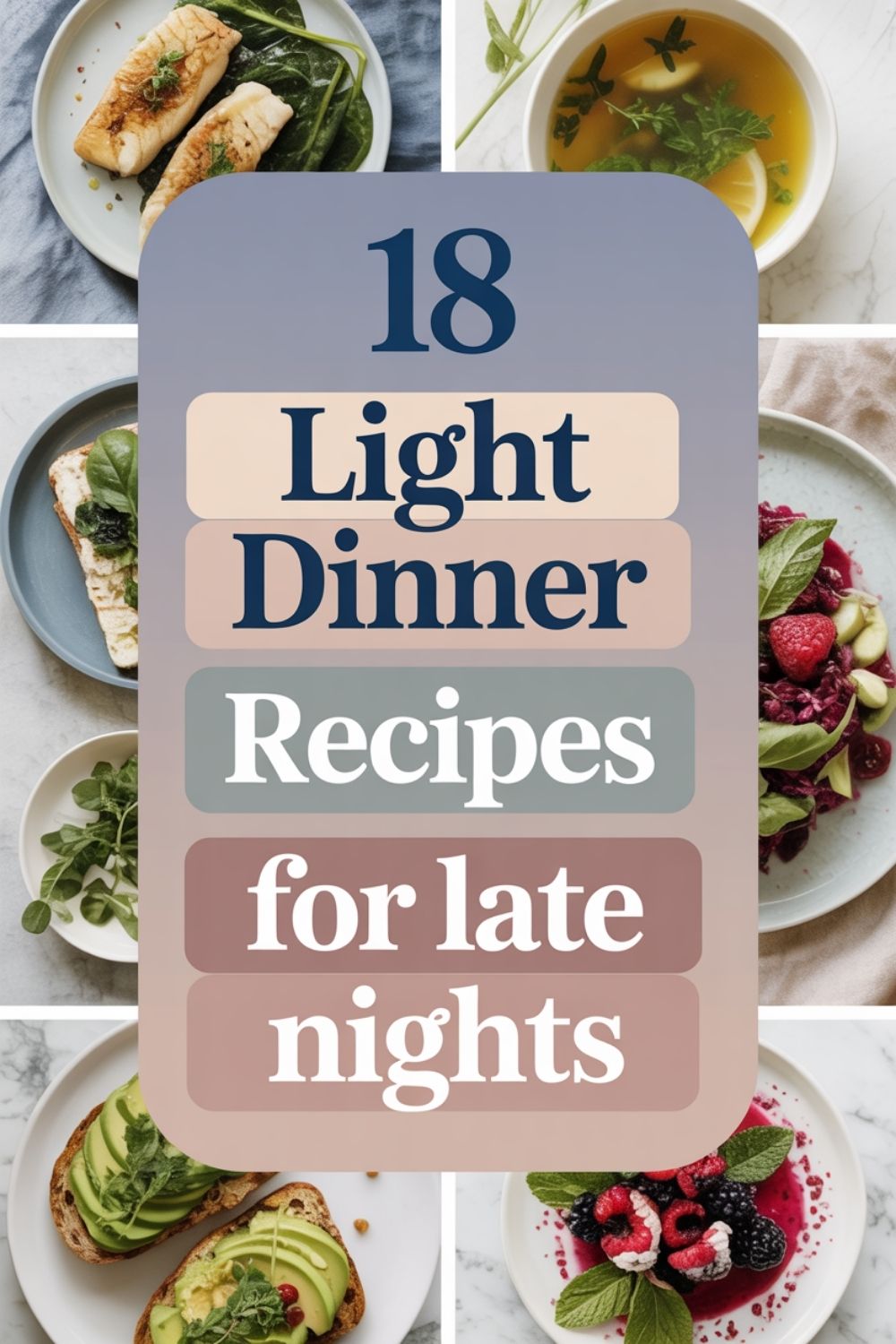
I’ve spent way too many late nights figuring out what actually works when hunger strikes after 9 PM. These 18 recipes are light enough that you won’t wake up feeling sluggish, but substantial enough that you’re not raiding the pantry an hour later. Most take under 20 minutes, because who has time for elaborate cooking when you’re already tired?
Why Light Dinners Actually Matter
Before we get to the recipes, let me explain why going light at night isn’t just some health trend. Your body’s metabolism naturally slows down in the evening—eating earlier in the day helps you burn more calories and keeps blood sugar levels stable. When you eat a massive meal late at night, your digestive system has to work overtime while you’re trying to sleep.
Think about it this way: your body wants to focus on rest and repair during sleep, not digesting a three-course meal. Heavy dinners can lead to acid reflux, disrupted sleep, and that groggy feeling the next morning. Plus, eating lighter at night naturally creates a longer fasting window between dinner and breakfast, which has been linked to better weight management.
But here’s where most people mess up—they think “light dinner” means eating a sad salad and going to bed hungry. That’s miserable and unsustainable. A proper light dinner should have enough protein and fiber to keep you satisfied, just without the heavy fats and excessive carbs that slow digestion.
Casein Protein Powder – Slow-Release Formula
If you’re eating dinner late and want to support muscle recovery overnight, casein protein is your friend. Unlike whey, it digests slowly over 6-8 hours, keeping you satisfied without feeling heavy. Mix it into Greek yogurt or make a quick shake when you need extra protein without cooking.
Aim to finish dinner at least 2-3 hours before bed. If you eat at 9 PM, try to stay up until 11 or midnight. Your stomach will thank you.
The Mediterranean Approach to Late-Night Eating
Mediterranean cuisine is basically built for light dinners. I’m talking about dishes that rely on vegetables, legumes, whole grains, and lean proteins—all the stuff that fills you up without weighing you down. The beauty of this eating pattern is that it’s naturally anti-inflammatory and packed with nutrients that actually support better sleep quality.
Ever notice how a plate of grilled vegetables with some chickpeas leaves you feeling satisfied but not stuffed? That’s the magic of fiber and plant-based protein working together. These nutrients digest more slowly than simple carbs, keeping your blood sugar stable through the night. Plus, many Mediterranean ingredients like tomatoes, olive oil, and leafy greens contain compounds that may support your body’s natural melatonin production.
When you’re putting together a late-night Mediterranean meal, think simple combinations. A cucumber hummus sandwich or some lentil soup with crusty bread hits differently at 10 PM than a heavy pasta dish. These meals give your body what it needs without the digestive drama.
Digital Kitchen Food Scale with Nutrition Calculator
The single best investment for weight loss and portion control. This scale connects to an app that shows you exactly what you’re eating—calories, protein, carbs, everything. When you’re eating late, portion sizes matter even more. No more guessing if you’re actually eating a “light” dinner or accidentally eating 800 calories worth of “healthy” nuts.
Speaking of satisfying late-night options, you might also love these Mediterranean dinner ideas for busy weeknights or this Mediterranean grain bowl that comes together in minutes.
18 Actually Good Light Dinner Recipes
1. Greek Yogurt Bowl with Berries and Honey
This isn’t just breakfast food, trust me. A bowl of thick Greek yogurt topped with fresh berries and a drizzle of honey is surprisingly satisfying for a light dinner. The protein in the yogurt keeps you full while the natural sugars from fruit and honey won’t spike your blood sugar the way processed desserts would.
I use one of those shallow ceramic bowls for this because it makes the portion look more substantial. Add some crushed walnuts if you want extra crunch—I keep a small nut chopper on my counter for this exact purpose. Get Full Recipe
2. Avocado Toast Mediterranean Style
Yeah, I know, avocado toast is basic. But hear me out—when you add cherry tomatoes, a sprinkle of za’atar, and some quality olive oil, it becomes something actually interesting. The healthy fats from avocado combined with fiber-rich whole grain bread create lasting satiety.
Toast your bread properly though. None of that sad, barely warm bread nonsense. I swear by my compact toaster oven for getting that perfect crispy exterior. Get Full Recipe
3. Simple Lentil Soup
Lentil soup is one of those meals that feels nourishing without being heavy. Red lentils cook faster than other varieties, making them perfect for late-night cooking when you’re already tired. The combination of plant protein and fiber makes this incredibly filling for the calorie count.
You can make a big batch in a medium Dutch oven and portion it out for the week. Reheats beautifully and actually tastes better the next day. Get Full Recipe
Keep frozen veggies and canned lentils in your pantry. A light dinner is way easier when you don’t have to chop everything from scratch at 10 PM.
4. Grilled Veggie Platter with Hummus
This is what I make when I want something that feels like a meal without actually cooking a meal. Grill or roast whatever vegetables you have—zucchini, bell peppers, eggplant—and serve with a generous scoop of hummus. The vegetables provide volume and nutrients while the hummus adds protein and healthy fats.
If you don’t feel like firing up the grill, a ridged grill pan gives you those nice char marks on the stovetop. Takes maybe 15 minutes total. Get Full Recipe
5. Savory Mediterranean Scramble
Who says eggs are only for breakfast? A quick scramble with tomatoes, spinach, and a bit of feta makes a protein-packed light dinner. Eggs are one of the most digestible protein sources, making them ideal for late-night eating. Plus, they contain tryptophan, which might actually help you sleep better.
Use a nonstick skillet and you barely need any oil. I usually add a handful of baby spinach right at the end so it just barely wilts. Get Full Recipe
6. Tuna and White Bean Salad
This combo sounds weird until you try it, then it becomes a regular rotation meal. The white beans add a creamy texture and fiber while the tuna provides lean protein. Dress it simply with lemon juice, olive oil, and some fresh herbs.
I keep those shelf-stable tuna pouches in my pantry because they’re less messy than cans and easier to store. Mix everything in a medium mixing bowl and you’re done. Get Full Recipe
For more protein-packed light meals that won’t leave you hungry, check out these high-protein low-carb Mediterranean recipes that are perfect for weight management.
7. Whole Wheat Spaghetti with Cherry Tomatoes and Basil
Pasta for a light dinner? Absolutely, if you do it right. The trick is portion control and a sauce that’s mostly vegetables. Cherry tomatoes burst when you cook them, creating a light sauce that coats the pasta without being heavy.
Use a pasta measuring tool to keep portions reasonable—one serving of dry pasta is way less than you think. Fresh basil makes this taste like summer no matter what season it is. Get Full Recipe
8. Cucumber Hummus Sandwich
This is probably the fastest thing on this list. Spread hummus on whole grain bread, layer thin cucumber slices, add some sprouts or lettuce, and you’re done. The high water content in cucumbers adds volume without calories, while the hummus provides protein and healthy fats.
I slice my cucumbers paper-thin with a handheld mandoline—it makes a huge difference in texture. Way crispier than thick slices. Get Full Recipe
9. Mediterranean Grain Bowl
Grain bowls are having a moment for good reason. Start with quinoa or farro, add roasted vegetables, some chickpeas, and a simple lemon-tahini dressing. The beauty of this meal is you can prep the components ahead and just assemble when hunger hits.
Store your cooked grains in these glass meal prep containers so you can just grab and heat. Makes late-night cooking almost effortless. Get Full Recipe
10. Shakshuka (Eggs in Spicy Tomato Sauce)
Shakshuka sounds fancy but it’s literally just eggs poached in tomato sauce. The sauce is light, mostly tomatoes with some onions and peppers, and the eggs add protein without heaviness. Plus it’s colorful, which somehow makes eating at 10 PM feel less sad.
You need a deep skillet with a lid for this one so the eggs steam properly. Scoop it up with some bread and you’ve got a complete meal. Get Full Recipe
Make a double batch of tomato-based sauces and freeze half. Future you will appreciate having a base sauce ready to go at midnight.
11. Stuffed Bell Peppers with Quinoa and Veggies
These are surprisingly light despite being filling. Cut bell peppers in half, stuff them with cooked quinoa mixed with diced vegetables and herbs, and bake until the peppers are tender. The natural sweetness of roasted peppers pairs perfectly with savory quinoa.
I prep these in a glass baking dish and they reheat beautifully. Sometimes I make them on Sunday and have instant dinners all week. Get Full Recipe
12. Greek Salad (But Actually Good)
Most Greek salads are boring. This one isn’t. Use the freshest vegetables you can find—crisp cucumbers, ripe tomatoes, good quality feta. The key is a proper vinaigrette with red wine vinegar and oregano. Don’t skimp on the olive oil; that’s where the satisfaction comes from.
A good salad spinner makes a huge difference here. Nobody wants watery dressing from wet lettuce. Get Full Recipe
13. Grilled Salmon with Tomato Caper Relish
Fish is one of the best proteins for late-night eating because it’s so easily digestible. Salmon has those omega-3s everyone talks about, plus it cooks fast. The tomato caper relish adds brightness without any cream or butter.
If you’re nervous about cooking fish, get a fish spatula—they’re wider and more flexible than regular spatulas, making it way easier to flip delicate fish. Get Full Recipe
Looking for more light seafood options? These Mediterranean seafood dinner ideas are fresh, healthy, and actually flavorful.
14. Falafel Wrap with Tzatziki
Homemade falafel are easier than you think, especially if you make them in the oven instead of frying. Wrap them in a whole wheat pita with lettuce, tomato, and homemade tzatziki. The chickpeas in falafel provide plant-based protein and fiber that’ll keep you satisfied.
An ice cream scoop works great for forming uniform falafel balls. Weird tip, but it works perfectly. Get Full Recipe
15. Zucchini Noodle Pasta Salad
Zucchini noodles get a bad rap from being positioned as a pasta replacement, which they’re not. But as their own thing? Actually good. Toss them with cherry tomatoes, pine nuts, basil, and a light vinaigrette for a refreshing late-night meal.
You can spiralize zucchini with one of those handheld spiralizers, though honestly a regular vegetable peeler works too if you want wide ribbons instead of noodles. Get Full Recipe
16. Mediterranean Chickpea Skillet
This one-pan meal combines chickpeas, tomatoes, spinach, and spices into something that tastes way more complex than it actually is. Chickpeas are incredibly satiating—they’re basically nature’s way of keeping you full without feeling heavy.
Everything cooks in one large cast iron skillet, which means minimal cleanup. That alone makes it worthy of the late-night dinner rotation. Get Full Recipe
17. Lemon Herb Chicken with Roasted Potatoes
When you want something that feels like a proper dinner but stays light, this is it. Chicken breast seasoned with lemon and herbs, roasted alongside small potatoes. The key is not going overboard with the potatoes—they’re a side, not the main event.
Use a meat thermometer to avoid overcooking chicken breast. Nobody wants dry chicken, especially at night. Get Full Recipe
18. Caprese White Bean Salad
Think Caprese salad but with added protein from white beans. Fresh mozzarella, ripe tomatoes, basil, white beans, and a balsamic glaze. It’s light but substantive enough to qualify as dinner.
Get yourself a good balsamic glaze instead of regular vinegar—it’s thicker and adds that sweet-tangy flavor without needing extra sugar. Makes everything taste fancy. Get Full Recipe
Making Light Dinners Work in Real Life
The biggest challenge with eating light at night isn’t the cooking—it’s the mindset shift. We’re conditioned to think dinner should be the biggest meal of the day, when nutritionally speaking, that’s backwards. Your body’s digestive capacity is actually highest in the morning and gradually decreases throughout the day.
Start by gradually reducing your dinner portions over a few weeks. If you normally eat a massive plate of pasta, try cutting it by a third and adding more vegetables. Your stomach will adjust faster than you think. Most people find they actually sleep better and wake up less groggy once they start eating lighter at night.
Another game-changer? Eating earlier when possible. Even if you can’t manage a 6 PM dinner, eating at 8 PM instead of 10 PM gives your body extra time to digest before bed. The research on this is pretty clear—timing matters almost as much as what you eat.
Here’s what I do: on nights when I know I’ll be home late, I have a small snack around 5 or 6 PM. Just some hummus and veggie sticks or a handful of nuts. This takes the edge off hunger so I’m not ravenous when I finally get to make dinner, which means I’m less likely to overeat.
For more ideas on light meals that actually keep you satisfied, check out these high-protein Mediterranean meals under 400 calories or these Mediterranean soups under 300 calories that are perfect for light dinners.
🍽️ Mediterranean Light Dinner Meal Planner
Tired of figuring out what to cook every single night? This digital meal planner takes the guesswork out of eating light Mediterranean-style. It’s specifically designed for people who eat dinner late and need meals that won’t mess with their sleep or weight goals.
- 30 days of pre-planned light dinners under 400 calories
- Automated shopping lists organized by grocery store section
- Prep-ahead instructions for busy weeknights
- Swap options for picky eaters or dietary restrictions
- Nutritional info for every single recipe
The best part? Everything is based on Mediterranean principles—real food, simple ingredients, nothing complicated. No weird supplements or meal replacement shakes. Just actual dinners you’ll want to eat.
Prep your vegetables on Sunday. Seriously. Having pre-chopped veggies makes throwing together a light dinner so much easier when you’re tired.
The Sleep Connection You Can’t Ignore
Let’s talk about why light dinners aren’t just about weight management—they’re about sleep quality too. When you eat a heavy meal before bed, your body has to work harder to digest everything, which can raise your core body temperature and interfere with the natural cooling process your body needs for deep sleep.
Ever notice how you sleep terribly after Thanksgiving dinner? That’s not just the tryptophan in turkey—it’s your digestive system working overtime. Research suggests that eating lighter meals in the evening can improve both the time it takes to fall asleep and the quality of sleep you get.
Some foods actually support better sleep. Tart cherries contain natural melatonin. Kiwis have serotonin, which helps regulate sleep cycles. Even simple carbohydrates from whole grains can help tryptophan reach your brain more effectively. It’s not about restricting food—it’s about choosing foods that work with your body’s natural rhythms.
Magnesium Glycinate Supplement – High Absorption Formula
Magnesium is a game-changer for people who eat late and struggle with sleep. It supports digestion, helps muscles relax, and promotes better sleep quality. Glycinate form is the most absorbable and won’t cause digestive issues like cheaper magnesium oxide. Take it 30 minutes before your late dinner—your sleep quality will thank you.
IMO, the best approach is eating foods rich in magnesium and tryptophan for your late dinner. Think chickpeas, leafy greens, pumpkin seeds, and fish. These ingredients naturally support your body’s sleep mechanisms without making you feel stuffed.
📖 Light Mediterranean Dinners Recipe eBook
Want 100+ light dinner recipes at your fingertips? This comprehensive eBook is packed with Mediterranean-inspired meals specifically designed for evening eating. No heavy pastas, no cream sauces—just clean, satisfying dinners that digest easily.
- 100+ tested recipes all under 450 calories
- Organized by prep time (15-min, 30-min, make-ahead)
- Full nutritional breakdown for every recipe
- Ingredient substitution guide included
- Beautiful food photography for every dish
- Weekly meal planning templates
This isn’t just another recipe collection. Every single recipe has been specifically chosen because it won’t leave you feeling bloated or disrupt your sleep. Plus, you get lifetime updates whenever new recipes are added.
Common Light Dinner Mistakes
The biggest mistake people make with light dinners? Going too light and then raiding the kitchen an hour later. That defeats the entire purpose and usually ends with eating way more calories than if you’d just had a proper light meal to begin with.
Another issue—making “light” synonymous with “boring.” If your dinner is so bland that you’re not satisfied, you’ll be thinking about food all evening. Use herbs, spices, lemon juice, and good quality olive oil to make your meals actually taste good. Satisfaction isn’t just about quantity; flavor matters too.
Some people also make the mistake of cutting out all carbs at night. While you don’t need a massive bowl of pasta, completely eliminating carbs can actually make it harder to sleep. A small amount of complex carbs helps serotonin production and can improve sleep quality. Just choose whole grains, not refined white flour products.
Finally, don’t fall into the trap of thinking “light” means “diet food.” These recipes aren’t about restriction—they’re about eating foods that digest easily and support good sleep. There’s olive oil, cheese, and bread in these recipes because those foods are part of a balanced, sustainable way of eating.
📱 Mediterranean Macro Tracker App
If you’re serious about managing your evening meals and seeing actual results, this tracker app is a game-changer. It’s built specifically for Mediterranean eating patterns and helps you track not just calories, but how your dinner timing affects your sleep and energy levels.
- Track meals with Mediterranean food database (no generic entries)
- Dinner timing analyzer shows optimal eating windows
- Sleep quality correlation with meal choices
- Progress photos and measurements tracking
- Weekly reports showing patterns and trends
- Recipe suggestions based on your macros
What makes this different from MyFitnessPal? It actually understands Mediterranean eating and doesn’t penalize you for using olive oil or eating whole grains. The app learns your patterns and gives you personalized suggestions for better late-night eating habits.
Frequently Asked Questions
Is it really okay to eat dinner at 9 or 10 PM?
Yes, as long as you’re eating the right foods and not going to bed immediately after. The key is choosing easily digestible meals and allowing at least 2-3 hours between eating and sleeping. Your body can absolutely handle a late dinner—it just needs to be the right type of meal. Light, protein-rich dinners won’t disrupt your sleep or cause weight gain the way heavy, fatty meals might.
What makes a dinner “light” versus just small?
A light dinner isn’t necessarily small—it’s about digestibility and nutrient composition. Light meals are typically high in vegetables, lean proteins, and whole grains while being lower in heavy fats and refined carbs. They should still be satisfying and nutritious, just easier for your body to process during rest. Think of it as eating foods that work with your body’s natural evening slowdown, not against it.
Can I meal prep these light dinners?
Absolutely, and I’d actually recommend it. Most of these recipes store well for 3-4 days in the fridge, and some freeze beautifully. Prep the grain bowls, soups, and stuffed peppers on Sunday, and you’ve got grab-and-go dinners all week. Just store components separately when possible—like keeping dressing separate from salads—to maintain the best texture.
Will eating a light dinner leave me hungry at night?
Not if you’re doing it right. The recipes here are designed with enough protein and fiber to keep you satisfied. If you’re consistently hungry after dinner, you might not be eating enough earlier in the day, or you need to add a small afternoon snack. Listen to your body—being hungry all evening isn’t sustainable or healthy.
Do light dinners really help with weight loss?
They can support weight loss goals, but they’re not magic. The benefit comes from better digestion, improved sleep quality, and often naturally eating fewer calories in the evening when your metabolism is slower. Combined with a balanced eating pattern throughout the day, light dinners are a sustainable approach that doesn’t feel restrictive. Just don’t expect overnight results—consistency is what matters.
Final Thoughts
Look, late-night dinners aren’t ideal from a circadian rhythm perspective, but they’re reality for a lot of us. Instead of stressing about eating at 9 PM or later, focus on making better choices when you do eat. These 18 recipes prove that eating light doesn’t mean eating sad desk salads or going to bed hungry.
The real key is finding what works for your schedule and your body. Maybe you’re someone who does better with a bigger lunch and lighter dinner. Maybe you need that afternoon snack to avoid overeating at night. There’s no one-size-fits-all approach—you’ve got to experiment and pay attention to how different foods make you feel.
Start with one or two recipes from this list and see how you feel. Notice if you’re sleeping better, waking up less bloated, or just generally feeling more energized in the mornings. Those changes are your body telling you what’s working. Give it a few weeks before deciding if this approach is right for you.
And remember, the goal isn’t perfection. Some nights you’ll want that heavy pasta or pizza, and that’s fine. What matters is having solid go-to options for most nights—meals that satisfy you without making you feel like you need to unbutton your pants before bed. That’s the sweet spot we’re aiming for here.