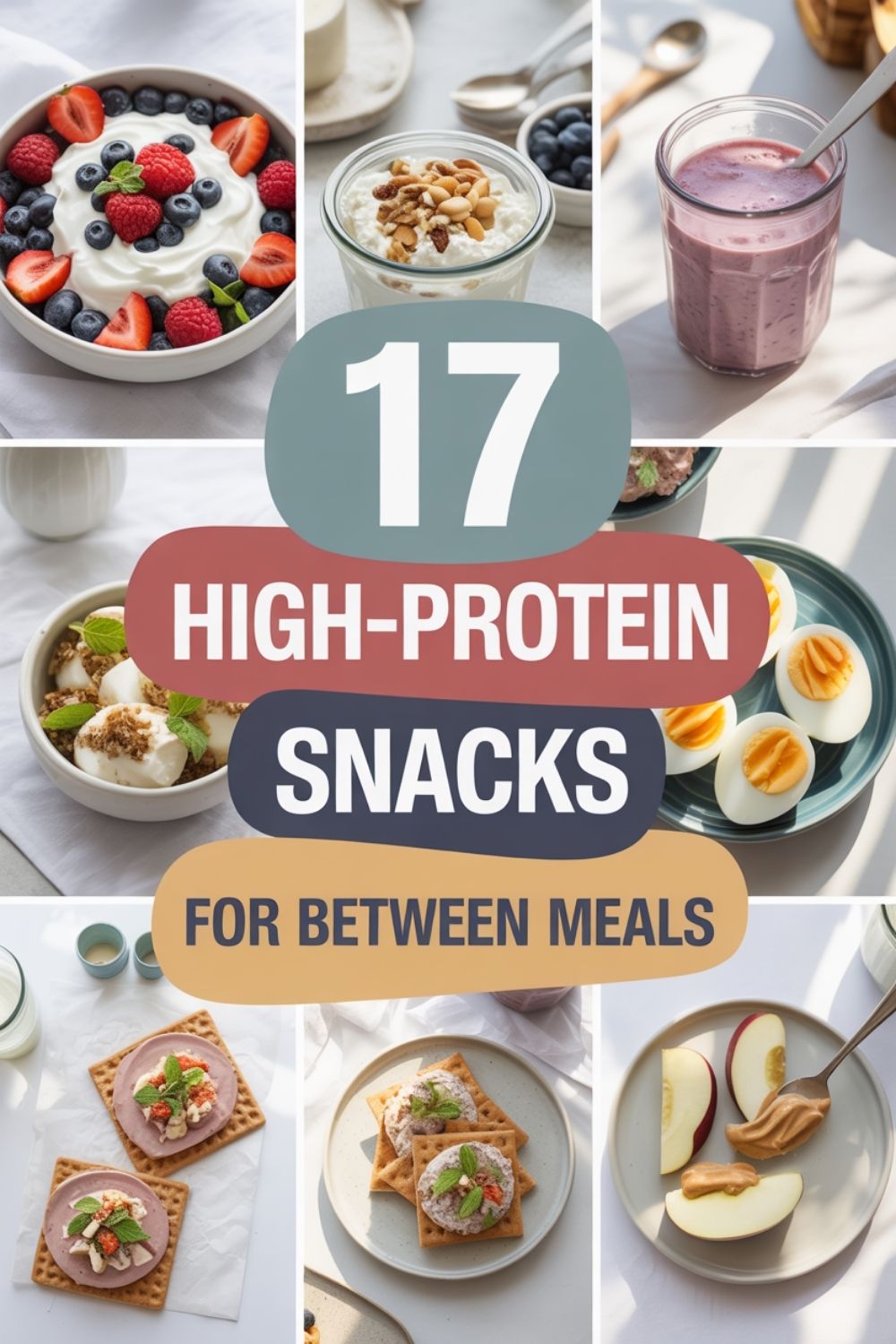
17 High-Protein Snacks for Between Meals
Look, I get it. You’re sitting at your desk at 3 PM, stomach growling, and that vending machine down the hall is practically calling your name. But here’s the thing: grabbing a bag of chips or a candy bar might quiet your stomach for twenty minutes, but you’ll be back in the same spot before you know it.
High-protein snacks aren’t just some fitness bro trend—they’re genuinely the difference between feeling satisfied until dinner and raiding the pantry every hour. I’ve been there, done that, bought the oversized t-shirt. And after years of trial and error, I’ve figured out which snacks actually work.
These aren’t your boring celery sticks or plain chicken breast nonsense. These are real snacks that taste good, keep you full, and don’t require a culinary degree to throw together. Whether you’re trying to lose weight, build muscle, or just stop eating an entire sleeve of crackers at 4 PM, I’ve got you covered.
These are the basics that make healthy cooking fast and actually enjoyable: less mess, less time, and meals your whole family will happily eat.
- small food storage container setCheck today’s price →
- small immersion blenderCheck today’s price →
- nonstick muffin panCheck today’s price →
- mini food processorCheck today’s price →
Amazon prices and deals change often, so it’s worth checking today’s price.
Why Protein Actually Matters for Snacking
Before we jump into the good stuff, let’s talk about why protein matters. When you eat protein, your body takes longer to digest it compared to carbs. That means you stay fuller longer, your blood sugar doesn’t spike and crash, and you’re not thinking about food every thirty minutes.
Plus, protein helps preserve muscle mass when you’re in a calorie deficit. According to research on protein intake, getting enough protein throughout the day can boost metabolism and reduce appetite. I’m not saying you need to hit some crazy protein goal, but spreading it out across meals and snacks makes a massive difference.
The sweet spot for a snack? Somewhere between 10-20 grams of protein. Enough to actually do something, but not so much that you’re eating a full meal. IMO, that’s the zone where snacks actually work.
📊 Track Your Protein Intake Like a Pro
If you’re serious about hitting your protein goals, you need to actually track what you’re eating. I use this High-Protein Meal Tracker & Planner to log every snack and meal. It’s specifically designed for high-protein diets, with built-in macros calculators and weekly planning templates.
The best part? It shows you exactly where you’re falling short on protein throughout the day. Game-changer for anyone trying to build muscle or lose weight while preserving lean mass. Stop guessing and start tracking.
1. Greek Yogurt with Nuts and Berries
This is probably the most versatile snack on this list. A cup of plain Greek yogurt packs around 15-20 grams of protein, depending on the brand. Throw in some almonds or walnuts, add fresh berries, maybe a drizzle of honey if you’re feeling fancy, and you’ve got yourself a snack that doesn’t taste like cardboard.
I use this small food storage container set to portion everything out ahead of time. Game changer for meal prep. The best part? You can switch up the toppings every day so you don’t get bored. Monday might be blueberries and almonds, Tuesday could be strawberries and pistachios.
For a complete breakfast version of this, try this Greek Yogurt Parfait. It’s basically the same concept but with layers that make you feel like you’re eating something from a fancy cafe.
2. Hard-Boiled Eggs
Yeah, I know. Eggs are boring. But hear me out. One large egg has about 6 grams of protein, so if you eat two, you’re already at 12 grams. And if you season them properly, they’re actually pretty good.
I’m talking everything bagel seasoning, smoked paprika, hot sauce, whatever floats your boat. You can batch-cook a dozen eggs at the start of the week using an egg cooker like this one—no babysitting a pot of boiling water, no guessing if they’re done.
Keep them in the fridge, grab two when you need them, and you’re set. Simple, cheap, effective. If you want to get a bit fancier, check out these Egg Muffins—same concept, way more flavor options.
3. Turkey Roll-Ups
This is one of those snacks that sounds too simple to be good, but it works. Take a slice of deli turkey, spread a thin layer of hummus or cream cheese on it, add some veggies like bell peppers or cucumber, roll it up, and you’re done.
Four or five roll-ups will give you around 15-20 grams of protein, depending on how thick you go with the turkey. Plus, they’re stupidly portable. I’ve packed these in reusable silicone snack bags and thrown them in my work bag more times than I can count.
Speaking of wraps, if you want something more substantial for lunch, these Mediterranean Chickpea Wraps are ridiculously good and pack even more protein and fiber.
4. Cottage Cheese with Everything
Cottage cheese gets a bad rap because people remember the watery, flavorless stuff from the 90s. But modern cottage cheese? Different story. Half a cup has around 14 grams of protein.
You can go sweet with berries and a sprinkle of cinnamon, or savory with cherry tomatoes, cucumber, and black pepper. I’ve even mixed it with hot sauce and eaten it with veggie sticks. Sounds weird, tastes great. For a savory breakfast spin, try this Savory Cottage Cheese Toast. See next: 21 High Protein Mediterranean Meals Under 400 Calories →.
If you’re really adventurous, blend it smooth and use it as a base for dips. I use a small immersion blender for this—makes it super creamy and you’d never know it’s cottage cheese.
📱 The Ultimate High-Protein Snack Recipe App
Tired of eating the same boring snacks every week? I recently downloaded this High-Protein Recipe App and it’s been a lifesaver. Over 500 high-protein snack recipes, all with macro breakdowns, grocery lists, and prep instructions.
The search filters are insane—you can filter by protein amount, prep time, dietary restrictions, and even what ingredients you already have in your kitchen. No more “what should I eat” paralysis. Worth every penny if you’re committed to the high-protein lifestyle.
5. Jerky (But Not the Gas Station Kind)
Good jerky is a protein powerhouse. We’re talking 10-15 grams per ounce, depending on the brand. The key word here is good. Skip the overly processed stuff loaded with sugar and weird preservatives.
Look for brands with simple ingredients—meat, salt, spices. Beef, turkey, even salmon jerky if you’re feeling adventurous. I keep a bag of high-quality beef jerky in my desk drawer for emergencies.
The only downside? Jerky can be pricey. But when you compare it to the cost of hitting the drive-thru because you’re starving, it’s actually pretty reasonable. Want to make your own? Check out this guide on Jerky, But Not the Gas Station Kind.
🏆 Best Protein Powder for Snacking
After testing way too many protein powders, I finally found one that doesn’t taste like chalk: Optimum Nutrition Gold Standard Whey. Each scoop packs 24g of protein and actually mixes smooth without clumps.
Why I love it: The double chocolate flavor tastes legit good (not fake good), it blends into smoothies instantly, and you can even mix it into Greek yogurt or oatmeal for an extra protein boost. At around $1.20 per serving, it’s way cheaper than buying protein shakes from the store.
Pro move: Keep a shaker bottle at work with a scoop of powder already in it. Add water or milk when hunger strikes, shake for 20 seconds, and you’ve got an instant 24g protein snack.
6. Protein Smoothies
Smoothies are clutch when you need something fast. Blend protein powder with frozen fruit, a handful of spinach (you won’t taste it, I promise), and some almond milk, and you’ve got a snack that feels like dessert.
I use a personal-sized blender that doubles as a travel cup. Blend, cap, go. No cleanup beyond rinsing one container. A good scoop of protein powder gives you 20-25 grams of protein right there.
If you’re looking for inspiration, this Protein-Packed Smoothie has been my go-to for months. Or if you prefer something Mediterranean-style, try this Mediterranean Smoothie Bowl. See next: 18 High-Protein Vegetarian Meals That Actually Keep You Full →.
For more morning inspiration, you might also love these high-protein smoothies or this Berry Green Smoothie for a lighter option.
7. Edamame
One cup of edamame has about 17 grams of protein. Let that sink in. These little green pods are seriously underrated as a snack.
You can buy them frozen, microwave them for a few minutes, toss with sea salt, and you’re golden. Or get fancy with garlic powder, chili flakes, or even a squeeze of lime. They’re filling, they take a while to eat (which helps with portion control), and they’re actually enjoyable.
I keep a bag of frozen edamame on hand at all times. When I need a snack that’s not going to derail my day, this is it. According to Mayo Clinic research on soy foods, edamame also provides fiber and other beneficial nutrients.
8. Tuna Packets with Avocado
Single-serve tuna packets are a lifesaver. One packet usually has around 15-20 grams of protein, and they don’t require refrigeration until you open them.
Mix it with half an avocado, add some lemon juice and black pepper, and eat it with veggie sticks or on crackers. It’s basically deconstructed tuna salad, but way easier. I store mine in these small airtight containers if I’m taking it to work.
If you want a full meal version of this concept, try these Tuna Avocado Packets or go all out with this Tuna White Bean Salad. See next: 25 Delicious High-Protein Mediterranean Meals for Healthy Living →.
9. Hummus and Veggie Sticks
Okay, hummus isn’t super high in protein on its own—about 2 grams per quarter cup. But pair it with some sliced turkey or a handful of almonds on the side, and you’ve got a solid 10-15 gram snack.
I prep my veggie sticks at the beginning of the week using one of those vegetable choppers. Carrots, bell peppers, cucumbers, celery—all cut and ready to go. Grab a container, dip, done.
If you’re a hummus fanatic like me, check out this Hummus Veggie Sticks guide. Or try these Grilled Veggie Platter with Hummus for something more substantial.
10. Protein Bars (Choose Wisely)
Not all protein bars are created equal. Some are basically candy bars in disguise. Look for bars with at least 15 grams of protein, minimal added sugar, and ingredients you can actually pronounce.
My favorites are the ones that don’t taste like chalk but also don’t have 20 grams of sugar. I keep a box of these protein bars in my car for genuine emergencies—when I’m stuck in traffic and didn’t pack anything else.
Real talk though: whole food snacks are always better. But protein bars have their place when you’re in a pinch. Just don’t make them your daily go-to.
11. Roasted Chickpeas
Half a cup of roasted chickpeas gives you about 7-8 grams of protein. They’re crunchy, satisfying, and you can flavor them however you want.
I make a batch every week—drain a can of chickpeas, toss with olive oil and spices, roast at 400°F for about 30-40 minutes. I use a silicone baking mat so they don’t stick and cleanup is nonexistent.
Try smoked paprika and cumin for a savory version, or cinnamon and a tiny bit of coconut sugar for something sweeter. These Cinnamon Roasted Chickpeas are legitimately addictive.
12. String Cheese and Almonds
Sometimes the simplest snacks are the best. One string cheese has about 6-7 grams of protein. Add a small handful of almonds (about 6 grams), and you’re sitting pretty at 12-13 grams total.
Zero prep, totally portable, shelf-stable almonds plus fridge-stable cheese. I portion out almonds into small snack containers so I’m not eating the entire bag in one sitting. Been there, regretted it.
If cheese is your thing, you’ll probably also love these Cheese Sticks or Cheese Cubes combos.
13. Nut Butter and Apple Slices
Two tablespoons of almond or peanut butter pack about 7-8 grams of protein. Pair it with a sliced apple, and you’ve got fiber, natural sweetness, and staying power.
The key is portion control with nut butter. It’s easy to accidentally eat half a jar. I use these tiny condiment containers to pre-portion two tablespoons. Stick an apple in your bag, grab a container, you’re set.
FYI, almond butter and peanut butter have similar protein content, so it’s really just about preference. I go back and forth depending on my mood.
14. Mini Egg Muffins
These are essentially crustless mini quiches. Mix eggs with whatever veggies and cheese you have, pour into a muffin tin, bake for 20 minutes, and you’ve got grab-and-go protein bombs.
Each muffin has about 5-6 grams of protein, so eating two or three gives you a solid snack. I make a batch of 12 every Sunday using a nonstick muffin pan and they last all week in the fridge.
💪 Best Protein Snack Subscription Box
If you hate shopping for snacks or constantly run out of options, SnackNation Fitness Box is ridiculously convenient. Every month you get 15-20 high-protein snacks delivered to your door—protein bars, jerky, nuts, chickpea puffs, whatever’s new and actually good.
Why it’s worth it: Every snack has at least 10g of protein, they rotate brands so you never get bored, and there’s zero shopping involved. I discovered half my favorite protein snacks through this box before they hit regular stores.
Best for: People who work from home or need an office snack drawer that doesn’t suck. Cancel anytime, skip months if you’re stocked up. The convenience alone is worth the cost when you calculate how much time you save not thinking about snacks.
You can customize these endlessly—spinach and feta, bacon and cheddar, tomato and basil. Check out these Mini Egg Muffins for specific flavor combos. See next: 25 High-Protein Mediterranean Meals for Everyday Cooking →. Or try these Spinach Feta Egg Muffins for a Mediterranean twist.
15. Black Bean Dip with Veggies
Blend a can of black beans with lime juice, cumin, garlic, and a splash of olive oil. You’ve got a high-protein dip with about 7-8 grams per half cup. Way better than regular bean dip from the store.
Eat it with bell pepper strips, jicama sticks, or cucumber slices. I make this in a mini food processor that takes up barely any counter space. Quick, easy, and it keeps in the fridge for days.
If you’re into beans, you’ll also love this Three Bean Chili for a full meal option.
16. Smoked Salmon and Cucumber Bites
Slice cucumber into thick rounds, top each with a small piece of smoked salmon and a tiny dollop of cream cheese or Greek yogurt. Two ounces of smoked salmon has about 12 grams of protein.
These feel fancy but take about five minutes to throw together. I use a simple mandoline slicer to get uniform cucumber rounds. Makes them look way more impressive than they actually are.
For a breakfast version, try this Smoked Salmon Avocado Toast. Same protein punch, different vibe.
17. Protein Chia Pudding
Mix chia seeds with almond milk and a scoop of protein powder, let it sit overnight, and you’ve got a snack that’s around 15-20 grams of protein depending on your ratios.
Top with berries or a spoonful of nut butter. It’s like dessert but actually keeps you full. I make mine in small mason jars so I can prep multiple flavors at once—vanilla, chocolate, matcha, whatever.
Chia seeds expand like crazy, so a little goes a long way. Plus, they’re packed with fiber and omega-3s. If you want a complete breakfast version, try this Chia Pudding with Almond Milk and Fresh Fruit. See next: 21 High-Protein, Low-Calorie Meals That Actually Keep You Full →.
⚖️ Must-Have Digital Food Scale
If you’re serious about hitting protein targets, you need to actually measure your portions. I use this Ozeri Digital Kitchen Scale for everything—protein powder scoops, nut butter portions, cheese amounts, all of it.
Why it’s essential: You’d be shocked how far off “eyeballing” portions actually is. That handful of almonds you think is one serving? Probably closer to three. This scale is accurate to the gram, has a tare function (so you can zero out the bowl weight), and costs less than a fancy coffee.
Real talk: I didn’t think I needed one until I got one. Now I use it daily. Measuring your protein sources accurately is the difference between wondering why you’re not hitting your goals and actually making progress. Plus it’s tiny—fits in a drawer when you’re not using it.
For more morning inspiration beyond just snacks, these high-protein breakfast ideas will keep you full all morning. Or check out this 7-Day High-Protein Mediterranean Meal Plan if you want to plan your entire week.
How to Actually Stick with High-Protein Snacking
Here’s the thing: having a list of snacks means nothing if you don’t actually prep them. I’ve learned this the hard way. You need to make it as easy as possible for yourself.
Set aside an hour on Sunday. Cook your eggs, portion your nuts, prep your veggies, make your chia pudding. Put everything in containers where you can see it. When hunger hits, you’ll grab what’s ready.
Also, don’t go crazy trying to meal prep fourteen different snacks. Pick three or four that you genuinely like, rotate them throughout the week, and keep it simple. Variety is great, but consistency is better.
And if you mess up and eat a bag of chips one day? Whatever. One snack doesn’t ruin anything. Just get back to your high-protein options the next day.
📖 Complete High-Protein Meal Prep eBook
Look, meal prepping transformed how I approach nutrition. If you want a done-for-you system, grab this High-Protein Meal Prep eBook. It includes 4 weeks of complete meal plans with snacks built in, shopping lists organized by store section, and batch cooking guides.
Every recipe hits at least 25g of protein per serving, and there’s a whole section dedicated to portable snacks you can prep in bulk. The author actually knows what they’re doing—no fluff, just practical strategies that work for busy people. If you’re tired of winging it every week, this will save your sanity.
Frequently Asked Questions
How much protein should a snack have to keep me full?
Aim for 10-20 grams of protein per snack. This range is enough to keep you satisfied between meals without being so much that you’re basically eating another full meal. Anything under 10 grams won’t do much for satiety, and over 20 grams is probably overkill for a snack unless you’re an athlete with specific needs.
Can I eat high-protein snacks if I’m trying to lose weight?
Absolutely. High-protein snacks can actually help with weight loss because they keep you fuller longer and help preserve muscle mass when you’re in a calorie deficit. Just watch your total calorie intake for the day—protein-rich doesn’t mean calorie-free. Portion control still matters, especially with nuts and nut butters.
Are protein bars as good as whole food protein snacks?
Whole food snacks are generally better because they provide more nutrients, fiber, and tend to be more satisfying. That said, protein bars have their place for convenience when you’re genuinely in a pinch. Choose bars with minimal ingredients, at least 15 grams of protein, and low added sugar. They’re fine occasionally but shouldn’t be your daily default.
How long do prepped high-protein snacks last in the fridge?
Most prepped snacks last 3-5 days in the fridge. Hard-boiled eggs, egg muffins, and cottage cheese portions will easily last a week. Hummus and veggie sticks are good for about 3-4 days. Anything with fresh seafood like smoked salmon should be eaten within 2-3 days. When in doubt, prep smaller batches twice a week.
What’s the best time to eat high-protein snacks?
The best time is whenever you’re genuinely hungry between meals. Common times are mid-morning (around 10-11 AM) and mid-afternoon (around 3-4 PM). Some people also benefit from a small high-protein snack before bed to prevent morning hunger. Listen to your body—there’s no magic timing that works for everyone.
Final Thoughts
High-protein snacking isn’t rocket science. It’s just about having options ready that actually keep you full and don’t leave you face-first in a bag of cookies an hour later.
You don’t need seventeen different snacks in rotation. Pick four or five from this list that sound good, prep them when you have time, and keep them accessible. The easier you make it for yourself, the more likely you’ll stick with it.
And honestly? Once you get in the rhythm of having protein-rich snacks around, you’ll notice the difference. Fewer energy crashes, less mindless snacking, better focus. It’s not about being perfect—it’s about being prepared.
Now go forth and snack smarter. Your 3 PM self will thank you.