15 Beginner-Friendly Low-Cholesterol Meals That Actually Taste Good
Look, I get it. You just got your cholesterol results back, and your doctor gave you that look—the one that says “we need to talk about your diet.” Now you’re staring at a list of approved foods that sound about as exciting as eating cardboard.
But here’s the thing nobody tells you: eating for lower cholesterol doesn’t mean signing up for a lifetime of bland chicken breasts and sad salads. After years of cooking and meal planning, I’ve figured out that heart-healthy eating can actually be delicious—you just need to know what you’re doing.
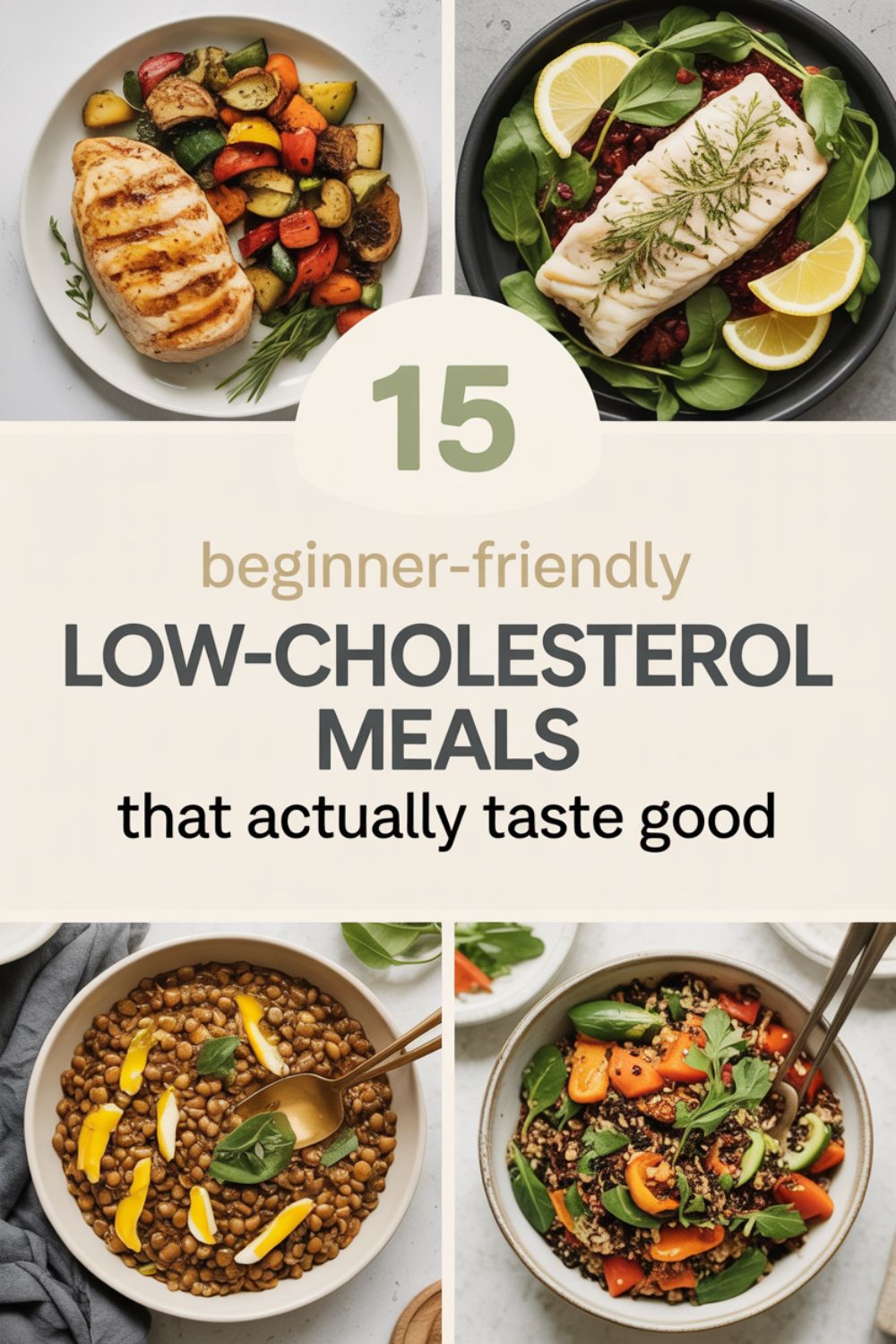
I’m going to walk you through 15 meals that won’t make you feel like you’re punishing yourself. These are real, taste-bud-approved dishes that happen to be good for your cholesterol levels too.
Why Low-Cholesterol Eating Actually Matters
Before we jump into the recipes, let’s talk about why this matters. High cholesterol isn’t just some number on a lab report—it’s basically your arteries slowly getting clogged up like a drain full of hair. Not pretty, right?
According to research from the American Heart Association, what you eat directly impacts your LDL (the bad cholesterol) and HDL (the good stuff). The goal isn’t to eliminate fat entirely—that’s old-school thinking. Modern nutrition science shows us it’s about choosing the right types of fats and loading up on fiber-rich foods.
Your body needs some cholesterol to function, but when LDL levels get too high, it starts depositing in your artery walls. Over time, this buildup restricts blood flow and increases your risk for heart attacks and strokes. The good news? Dietary changes can make a real difference.
The Foundation: What Makes a Meal Low-Cholesterol?
Here’s what you need to know without getting a nutrition degree. Low-cholesterol meals focus on three main things: minimizing saturated fats, avoiding trans fats completely, and packing in fiber like your life depends on it (because, well, it kind of does).
You want meals built around vegetables, whole grains, legumes, and lean proteins. Fish with omega-3s becomes your best friend. Nuts and seeds are your snack heroes. And you’ll be using ingredients like avocados and olive oil—yes, fats that actually help your cholesterol profile.
The Mediterranean diet keeps coming up in research for a reason. It emphasizes all these elements while still being, you know, actually enjoyable to eat. That’s the sweet spot we’re aiming for here.
Breakfast Bowls That Don’t Suck
1. Greek Yogurt Power Bowl
I make this literally every Sunday for meal prep. Start with low-fat Greek yogurt—the protein keeps you full, and unlike regular yogurt, it’s got way less sugar. Top it with fresh berries (frozen works too, just thaw them), a drizzle of honey, and some chopped walnuts.
The berries bring fiber and antioxidants, while walnuts deliver those heart-healthy omega-3s. It’s one of those meals that feels indulgent but checks all the right boxes. Get Full Recipe.
If you’re feeling fancy, I use this mini nut chopper to prep a week’s worth of walnuts in like 30 seconds. Way easier than wrestling with a knife every morning.
2. Overnight Oats Done Right
Oats are basically magic for cholesterol—they contain soluble fiber that actually blocks cholesterol absorption in your gut. The overnight version saves you time in the morning, which is when I’m least functional anyway.
Mix rolled oats with almond milk, chia seeds, a touch of maple syrup, and whatever fruit you’ve got. Let it sit overnight, and boom—breakfast is ready when you stumble to the fridge. I rotate through different flavors to keep things interesting. Get Full Recipe.
For even more variety, check out these 25 overnight oats recipes or try these high-protein versions if you need extra staying power.
3. Avocado Toast (But Make It Mediterranean)
Yeah, I know—avocado toast is everywhere. But there’s a reason it works. Avocados are loaded with monounsaturated fats that can actually improve your cholesterol ratio.
Toast some whole-grain bread (get the kind with visible seeds and grains), smash half an avocado on it, add sliced tomatoes, a drizzle of olive oil, and a sprinkle of za’atar if you’re feeling it. The whole-grain bread brings fiber, the avocado brings healthy fats, and the tomatoes add vitamins without any cholesterol. Get Full Recipe.
I keep this avocado saver tool in my kitchen because I’m terrible at using a whole avocado before it goes brown. Saves money and reduces waste.
Lunch Ideas That Won’t Leave You Starving by 3 PM
4. Mediterranean Chickpea Bowl
Chickpeas are underrated heroes in the low-cholesterol world. They’re packed with plant-based protein and fiber, both of which help manage cholesterol levels. Plus, they’re filling as hell.
Toss cooked chickpeas with cucumber, cherry tomatoes, red onion, olives, and crumbled feta (go light on the feta—it’s still dairy). Dress it with lemon juice, olive oil, and dried oregano. This bowl has become my default lunch because it’s easy to throw together and actually keeps me satisfied. Get Full Recipe.
For more inspiration on plant-based proteins, these vegetarian recipes are all solid options.
5. Lentil Soup with Vegetables
Soup gets a bad rap as “diet food,” but this one’s legitimately hearty. Lentils are another fiber powerhouse, and they’re dirt cheap too, which is a bonus.
Sauté onions, carrots, and celery in olive oil. Add dried lentils, vegetable broth, diced tomatoes, and whatever spices you like (I go heavy on the cumin and paprika). Let it simmer until the lentils are soft. Get Full Recipe.
I use this Dutch oven for all my soups. It distributes heat evenly and makes enough for leftovers without being a pain to clean.
6. Grilled Salmon with Quinoa
Salmon is basically the poster child for heart-healthy eating. It’s rich in omega-3 fatty acids, which research shows can lower triglycerides and improve your overall cholesterol profile.
Season a salmon fillet with lemon, garlic, and dill. Grill or bake it until it flakes easily. Serve it over cooked quinoa with some roasted vegetables on the side. The quinoa adds complete protein and more fiber, making this a genuinely balanced meal. Get Full Recipe.
If you’re into seafood, these Mediterranean seafood dinners offer even more options.
Dinner Recipes You’ll Actually Want to Make
7. One-Pot Mediterranean Pasta
Yes, you can still eat pasta on a low-cholesterol diet. Just choose whole-grain varieties and load up on vegetables. This one-pot version means less cleanup, which is always a win in my book.
Cook whole-wheat pasta in a pot with cherry tomatoes, spinach, garlic, olive oil, and a splash of pasta water to create a sauce. Top with fresh basil and a tiny bit of parmesan if you want. The whole-grain pasta provides way more fiber than regular pasta, and all those veggies bulk it up without adding cholesterol. Get Full Recipe.
8. Baked Falafel with Tzatziki
Fried falafel? Not so cholesterol-friendly. Baked falafel? Now we’re talking. These chickpea patties are crispy on the outside, soft inside, and seriously satisfying.
Blend chickpeas with herbs, onion, garlic, and spices. Form into patties and bake until golden. Serve with homemade tzatziki (Greek yogurt, cucumber, garlic, lemon) and whole-wheat pita. Get Full Recipe.
I recently started using these silicone baking mats and they’re a game-changer for baked items. Nothing sticks, and you don’t need to use any oil or parchment paper.
9. Stuffed Bell Peppers with Quinoa
This is one of those meals that looks way fancier than the effort required. Bell peppers make edible bowls (fewer dishes!), and the filling is nutritious without being boring.
Mix cooked quinoa with black beans, corn, diced tomatoes, and taco seasoning. Stuff into halved bell peppers and bake until the peppers are tender. Top with a dollop of Greek yogurt instead of sour cream. Get Full Recipe.
10. Grilled Chicken Shawarma
Lean chicken breast might sound boring, but shawarma spices make it anything but. This is proof that low-cholesterol doesn’t mean low-flavor.
Marinate chicken breast in yogurt, lemon juice, and a blend of spices (cumin, coriander, paprika, turmeric, garlic). Grill until cooked through and serve with a simple salad and whole-wheat pita. The yogurt in the marinade keeps the chicken moist without adding bad fats. Get Full Recipe.
Need more chicken ideas? Check out these high-protein chicken recipes for variety.
11. Lentil and Sweet Potato Stew
When it’s cold outside and you need something that feels like a hug in a bowl, this stew delivers. Sweet potatoes add natural sweetness and vitamins, while lentils bring protein and that crucial fiber.
Sauté onions and garlic, add cubed sweet potatoes, lentils, diced tomatoes, and vegetable broth. Season with curry powder or cumin. Simmer until everything’s tender. It’s warming, filling, and genuinely delicious. Get Full Recipe.
Speaking of comfort food, try these high-protein soups that won’t wreck your cholesterol goals. Or if you’re looking for Mediterranean-style options, these Mediterranean soups are all solid choices.
Quick and Simple Options for Busy Nights
12. Veggie-Packed Stir-Fry with Tofu
Stir-fries are my go-to when I’m short on time. You can throw in whatever vegetables are hanging out in your crisper drawer, and it still works.
Press and cube firm tofu, then stir-fry it with broccoli, bell peppers, snap peas, and carrots. Use a sauce made from low-sodium soy sauce, garlic, ginger, and a tiny bit of sesame oil. Serve over brown rice. Get Full Recipe.
For this, I swear by this tofu press—it gets all the water out in 15 minutes, so your tofu actually gets crispy instead of soggy.
13. Black Bean Tacos
Taco Tuesday doesn’t have to be off-limits. Skip the ground beef and go with seasoned black beans instead. They’re loaded with soluble fiber and plant protein, both great for cholesterol management.
Mash black beans with cumin, chili powder, and garlic. Warm up corn tortillas (which have zero cholesterol unlike flour tortillas), fill with the beans, and top with shredded cabbage, salsa, avocado, and a squeeze of lime. Get Full Recipe.
14. Shakshuka (Eggs in Tomato Sauce)
This North African dish has become breakfast-for-dinner in my house. It’s warming, flavorful, and feels special even though it’s stupid simple to make.
Simmer crushed tomatoes with onions, bell peppers, garlic, and spices (cumin, paprika, cayenne if you like heat). Crack eggs directly into the sauce and let them poach until the whites are set. Serve with whole-grain bread for dipping. Get Full Recipe.
Now, eggs were controversial for cholesterol for years. Current research from Harvard Health shows that dietary cholesterol doesn’t impact blood cholesterol as much as saturated fat does. So moderate egg consumption—especially when cooked in a vegetable-rich dish like this—is generally fine for most people.
15. Grilled Portobello Mushroom “Steaks”
These make a surprisingly hearty main dish. Portobello mushrooms have a meaty texture that’s actually satisfying, and they soak up marinade like a sponge.
Marinate portobello caps in balsamic vinegar, olive oil, garlic, and thyme. Grill until tender and serve with roasted vegetables and quinoa or farro. The umami flavor is intense enough that you won’t miss actual steak. Get Full Recipe.
I use this grill pan year-round because I’m not dragging my outdoor grill out in January. It gives you those nice char marks without the hassle.
Making It All Work in Real Life
Here’s the thing nobody tells you about eating for lower cholesterol: consistency matters way more than perfection. You don’t need to eat like a monk 24/7. You just need to make better choices most of the time.
Meal prep helps. If you’ve got a few ready-to-go meals in your fridge, you’re less likely to order pizza when you’re tired. I usually dedicate Sunday afternoon to prepping components—cooked grains, roasted vegetables, a pot of soup. Then weeknight dinners become assembly projects instead of cooking from scratch.
Keep your pantry stocked with basics like canned beans, whole grains, olive oil, and spices. Having these on hand means you can always throw together something decent even when your fridge is looking sad.
And look, some days you’re going to eat cheese. Or have a burger. That’s fine. The goal is progress, not perfection. These 15 meals give you a solid rotation that’s both cholesterol-friendly and actually enjoyable to eat.
Frequently Asked Questions
Can I really lower my cholesterol just by changing what I eat?
For many people, yes—diet can make a significant difference. Research shows that dietary changes can lower LDL cholesterol by 5-10% or more, depending on your starting point and how consistently you stick with it. That said, some people have genetic factors that make dietary changes alone insufficient, and they may need medication alongside healthy eating. Always work with your doctor to figure out what’s right for your situation.
Do I need to avoid all fats to lower cholesterol?
Not at all. This is actually one of the biggest misconceptions. Your body needs healthy fats—you just want to focus on unsaturated fats (like those in olive oil, avocados, nuts, and fish) while limiting saturated fats and avoiding trans fats completely. The Mediterranean diet, which includes plenty of healthy fats, is consistently shown to improve cholesterol levels and heart health.
How long does it take to see results from dietary changes?
You’ll typically see changes in your cholesterol levels within 4-6 weeks of consistently eating a heart-healthy diet. Some people see improvements sooner, especially if they’re also increasing physical activity and managing their weight. It’s worth getting follow-up bloodwork after a few months to see how your changes are impacting your numbers.
Are eggs really okay to eat if I have high cholesterol?
For most people, yes—in moderation. Current research shows that dietary cholesterol (the kind in eggs) has less impact on blood cholesterol than previously thought, especially compared to saturated and trans fats. The American Heart Association suggests that healthy adults can enjoy an egg a day as part of a heart-healthy eating pattern. If you’re concerned, talk to your doctor about what’s appropriate for your specific situation.
What’s the single most important change I can make for my cholesterol?
If I had to pick one thing, it would be increasing your fiber intake—especially soluble fiber from sources like oats, beans, lentils, and vegetables. Soluble fiber actually blocks cholesterol absorption in your digestive system. Plus, high-fiber foods tend to be filling and nutritious, so you naturally crowd out less healthy options. It’s one change that creates multiple positive effects.
The Bottom Line
Eating for lower cholesterol doesn’t have to be complicated or miserable. These 15 meals prove you can take care of your heart health while still enjoying your food. The key is focusing on whole foods, plenty of fiber, healthy fats, and lean proteins—while keeping saturated fats and trans fats to a minimum.
Start with a few recipes that sound appealing to you. Get comfortable with those, then branch out. Before you know it, you’ll have a whole repertoire of meals that happen to be both delicious and good for your cholesterol levels.
Your future self (and your arteries) will thank you. Now get in the kitchen and make something good.


