25 Low-Calorie Lunch Boxes That Actually Taste Good
Look, I’m not going to pretend that packing lunch boxes is some revolutionary life hack that’ll transform your existence. But here’s the thing—it kind of does make a difference when you’re trying to drop a few pounds without losing your mind or your taste buds in the process.
We’ve all been there. It’s 11:47 AM, you’re starving, and the office vending machine is calling your name like a siren. Or worse, you end up spending fifteen bucks on a “healthy” salad that’s basically lettuce swimming in ranch dressing with more calories than a burger.
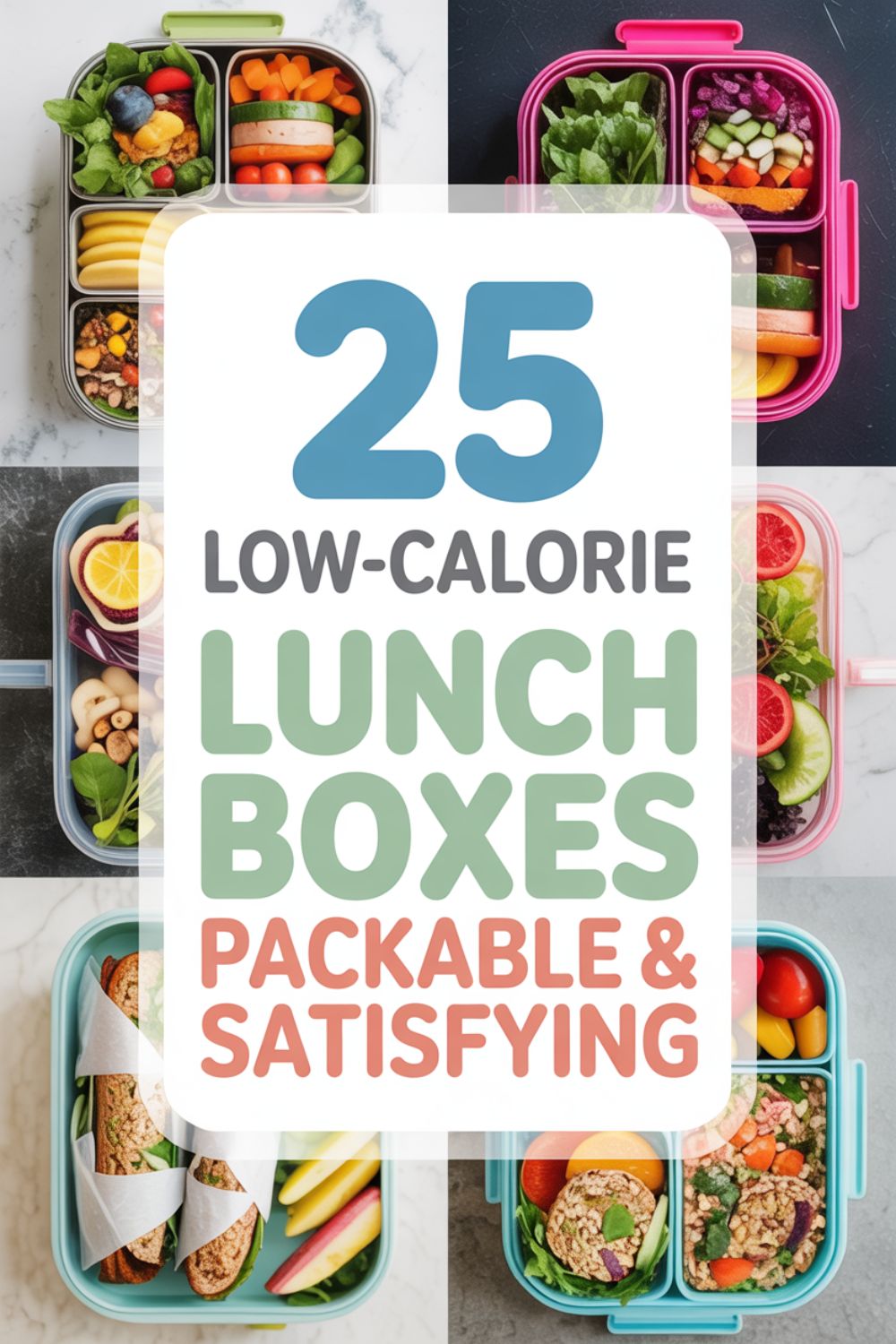
The beauty of low-calorie lunch boxes? You control everything. The portions, the ingredients, the flavors—none of that mystery cafeteria nonsense. Plus, according to research on weight management, planning your meals ahead actually helps you stick to your calorie goals better than winging it.
I’m talking about real food here, not those depressing 100-calorie snack packs that leave you hungrier than when you started. These are legit meals that clock in around 300-400 calories but actually fill you up because they’re loaded with protein, fiber, and all the good stuff your body needs.
Why Low-Calorie Lunch Boxes Actually Work
Ever notice how you can inhale a massive burrito and feel sluggish an hour later? That’s not just the food coma talking. When you eat huge, calorie-dense meals, your body goes into digestion overdrive, leaving you drained and craving a nap under your desk.
Low-calorie lunch boxes flip that script. They give you enough fuel to power through your afternoon without the crash. I’m not talking about going hungry—I’m talking about being strategic. A balanced lunch with protein and fiber keeps your blood sugar stable and hunger at bay until dinner.
The secret? Building your boxes around whole foods—lean proteins, vegetables, whole grains, and healthy fats. None of that processed junk that’s basically cardboard with a nutrition label slapped on it.
The Essential Lunch Box Arsenal
Before we get into the actual meals, let’s talk containers. Because honestly, your lunch is only as good as what you pack it in. I learned this the hard way after my “healthy” salad turned into a soggy disaster because I used the wrong container.
You need something with compartments to keep ingredients separate. I swear by this bento-style lunch box—it’s got five sections that keep everything from getting mushy. Plus, it’s actually leak-proof, which matters when you’re throwing it in your bag with your laptop.
For dressings and sauces, those tiny condiment containers are worth their weight in gold. Nobody wants their salad pre-dressed and wilted by noon. Keep that dressing separate and dress right before eating—game changer.
Glass vs. Plastic: The Great Debate
Plastic containers are lighter and cheaper, but they stain like crazy. After a few rounds with tomato-based sauces, they look like crime scenes. Glass containers stay pristine and you can see what’s inside without playing fridge roulette. The downside? They’re heavier and more expensive upfront.
IMO, go glass if you’re meal prepping at home and have a short commute. Stick with plastic if you’re hauling your lunch on public transit or have a long trek to the office.
25 Low-Calorie Lunch Box Ideas That Don’t Suck
1. Mediterranean Chickpea Power Bowl
This one’s a workhorse. Chickpeas bring the protein and fiber, cucumbers add crunch, tomatoes bring freshness, and a little feta gives you that salty punch. Dress it with lemon juice and olive oil—simple but satisfying. Around 320 calories and keeps you full for hours. If you’re into Mediterranean flavors, check out this Mediterranean chickpea bowl too.
2. Deconstructed Greek Salad Box
Why deconstruct it? Because nobody likes soggy lettuce. Keep your greens, tomatoes, cucumbers, olives, and feta in separate compartments. Toss together when you’re ready to eat. Get Full Recipe. This hits about 280 calories and tastes like vacation without the plane ticket.
3. Tuna and White Bean Salad
Don’t sleep on this combo. Canned tuna is cheap, loaded with protein, and doesn’t need refrigeration until you open it. Mix with white beans, diced red onion, cherry tomatoes, and a squeeze of lemon. Pack some whole-grain crackers on the side. Total calories: 310. Get Full Recipe.
4. Veggie-Heavy Hummus Box
This is basically adult snack time but make it lunch. Cut up bell peppers, carrots, cucumbers, and celery. Pack with hummus and a few whole-wheat pita triangles. Around 290 calories and crunchy enough to satisfy that need to munch. If you love hummus-based meals, try this grilled veggie platter with hummus for dinner.
Speaking of Mediterranean-inspired lunches, you might also dig these falafel wraps with tzatziki or this quinoa tabbouleh with hummus and pita—both pack serious flavor without the calorie overload.
5. Chicken and Veggie Skewers
Prep these the night before with reusable bamboo skewers. Thread chunks of grilled chicken with bell peppers, zucchini, and cherry tomatoes. Pack with a small container of tzatziki for dipping. This clocks in around 285 calories and feels way fancier than it actually is.
6. Savory Cottage Cheese Bowl
Cottage cheese is having a moment, and for good reason—it’s protein-packed and surprisingly versatile. Top with cucumber, cherry tomatoes, everything bagel seasoning, and a drizzle of olive oil. About 250 calories and stupidly easy to throw together. Get Full Recipe.
7. Turkey and Cheese Roll-Ups
Sometimes simple wins. Roll slices of turkey and cheese together, pack with cherry tomatoes, snap peas, and a handful of almonds. Use silicone baking cups to keep everything separated. Roughly 315 calories and zero cooking required.
8. Lentil Salad with Roasted Veggies
Lentils are criminally underrated. They’re cheap, filling, and loaded with protein and fiber. Toss cooked lentils with roasted bell peppers, zucchini, and red onion. Dress with balsamic vinegar and a touch of olive oil. Around 330 calories and tastes even better the next day. Check out this Mediterranean lentil salad for a similar vibe.
9. Egg and Avocado Box
Hard-boiled eggs are your friend. Pack two eggs, half an avocado (squeeze some lemon on it so it doesn’t turn brown), cherry tomatoes, and whole-grain crackers. This one’s around 340 calories and gives you that satisfying combo of protein and healthy fats. For breakfast vibes, try this eggs with avocado and sautéed veggies.
10. Quinoa and Black Bean Bowl
Quinoa isn’t just trendy health food nonsense—it’s actually a complete protein, meaning it has all nine essential amino acids. Mix with black beans, corn, diced bell peppers, and cilantro. A squeeze of lime juice makes it sing. About 310 calories and meal-prep friendly.
11. Smoked Salmon and Cucumber Bites
Fancy without the fuss. Layer smoked salmon on cucumber rounds, top with a tiny dollop of cream cheese and dill. Pack with whole-grain crackers and cherry tomatoes. Around 270 calories and tastes like you tried way harder than you actually did. Get Full Recipe.
12. Greek Yogurt Chicken Salad
Ditch the mayo, swap in Greek yogurt. Mix shredded chicken with Greek yogurt, grapes, celery, and walnuts. Pack with lettuce cups for wrapping or whole-grain crackers for scooping. This hits about 305 calories and gives you that satisfying crunch. Get Full Recipe.
13. Caprese Bento Box
Fresh mozzarella, cherry tomatoes, and basil leaves. Drizzle with balsamic glaze right before eating. Add some whole-grain crackers or a small piece of crusty bread. Around 295 calories and tastes like summer even in January.
14. Zucchini Noodle Pasta Salad
Use a spiralizer to turn zucchini into noodles—cuts way down on calories compared to regular pasta. Toss with cherry tomatoes, olives, feta, and Italian dressing. Pack in separate compartments to prevent mushiness. About 240 calories. Get Full Recipe.
15. Roasted Veggie and Feta Wrap Components
Roast bell peppers, zucchini, and eggplant the night before. Pack with crumbled feta, spinach, and a whole-wheat tortilla. Assemble at lunch—nobody wants a soggy wrap. Around 315 calories and loaded with flavor. If wraps are your thing, try these Mediterranean chickpea wraps too.
For more wrap and bowl inspiration, these roasted veggie pita pockets and this tomato feta farro bowl are solid options that travel well.
16. Mini Egg Muffin Cups
Bake a batch on Sunday. Mix eggs with diced veggies, a little cheese, and pour into silicone muffin cups. Bake at 350°F for 20 minutes. Pack three for lunch with a side salad. Around 285 calories total. Get Full Recipe.
17. Shrimp and Avocado Salad
Cooked shrimp, diced avocado, cherry tomatoes, and cucumber. Toss with lime juice and cilantro. This one’s light but satisfying at around 295 calories. Shrimp is basically pure protein with minimal calories—solid choice.
18. Chickpea Tuna Salad
Mix canned tuna with mashed chickpeas, diced celery, red onion, and a squeeze of lemon. The chickpeas add bulk and fiber while keeping calories in check. Pack with lettuce wraps or whole-grain crackers. About 310 calories. Get Full Recipe.
19. Turkey Kofta with Couscous
Make mini turkey meatballs seasoned with cumin and garlic. Pack with cooked couscous, cucumber slices, and a small container of yogurt sauce. This one’s around 350 calories and tastes like you ordered takeout. Get Full Recipe.
20. Balsamic Chicken and Veggies
Grill chicken breast marinated in balsamic vinegar and pack with roasted Brussels sprouts and cherry tomatoes. Use divided containers to keep everything separate. Around 315 calories and meal-prep gold.
21. Falafel and Veggie Box
Pack homemade or store-bought falafel with diced cucumber, tomatoes, lettuce, and a small container of tahini sauce. Add whole-wheat pita on the side. This clocks in around 340 calories. Get Full Recipe.
22. Asian-Inspired Edamame Bowl
Shelled edamame, shredded carrots, cucumber, and cabbage. Dress with rice vinegar, a tiny bit of sesame oil, and soy sauce. Pack with a few rice crackers. Around 280 calories and super crunchy.
23. Stuffed Bell Pepper Cups
Cut bell peppers in half and fill with a mixture of quinoa, black beans, corn, and salsa. These travel well and clock in around 305 calories. You can eat them cold or reheat if your office has a microwave. Get Full Recipe.
24. Spinach and Feta Egg Muffins
Similar to #16 but with spinach and feta for a Greek twist. Batch cook on Sunday and grab two or three for lunch with some cherry tomatoes and carrots. About 290 calories. Get Full Recipe.
25. Cucumber Hummus Sandwiches
Spread hummus on whole-grain bread, layer with thick cucumber slices, tomatoes, and sprouts. Cut into quarters for easy eating. Pack with bell pepper strips on the side. Around 310 calories and surprisingly filling. Get Full Recipe.
Making It All Work Without Losing Your Mind
Here’s the deal—meal prep doesn’t have to be this massive Sunday production where you spend six hours in the kitchen. That’s a recipe for burnout, not sustainable eating.
Start small. Pick two or three lunch box ideas from this list and make them for the week. Once you’ve got the rhythm down, add more variety. Use ingredients that overlap—if you’re roasting vegetables for one recipe, roast extra for another.
Invest in good glass containers with snap lids. The cheap ones leak and make your bag smell like last Tuesday’s lunch. Not cute.
The Grocery Shopping Strategy
Shop once a week with a list. I know, groundbreaking advice. But seriously, wandering the grocery store without a plan is how you end up with three jars of fancy mustard and nothing to actually make for lunch.
Hit up the salad bar for pre-cut veggies if you’re time-crunched. Yeah, it costs a bit more, but it’s cheaper than buying lunch out every day. A good vegetable chopper can also save you tons of time if you’re doing your own prep.
Stock up on pantry staples—canned beans, tuna, quinoa, brown rice. These don’t go bad quickly and form the base of most lunch boxes on this list.
When Life Gets Messy
Look, some weeks you’re not going to meal prep. That’s fine. Life happens. Keep some backup options around—individual packets of tuna, single-serve hummus cups, protein bars that don’t taste like cardboard.
FYI, those pre-packaged “healthy” lunch kits at the grocery store can work in a pinch, but read the labels. Some of them pack more calories than a Big Mac once you factor in all the components.
If you’ve got leftovers from dinner, double them up. Making grilled chicken for dinner? Grill an extra breast for tomorrow’s lunch. Already got the pan out, might as well use it.
Need more protein-packed ideas? Check out these high-protein chicken recipes for meal prep or these high-protein wraps that’ll actually keep you full.
The Reality Check Nobody Talks About
Low-calorie lunch boxes won’t magically fix everything. If you’re crushing 2,000 calories at dinner or snacking on cookies all afternoon, these lunches won’t move the needle much.
But here’s what they will do: give you consistent, filling meals that keep your energy steady and your hunger under control. That’s half the battle right there.
Some days you’ll nail it. Some days you’ll forget your lunch box on the kitchen counter and end up stress-eating vending machine chips. Don’t beat yourself up over it. Tomorrow’s another day with another lunch box opportunity.
The whole point is progress, not perfection. Pack lunch four days this week instead of zero? That’s a win. Slowly but surely, it becomes habit, and habits are what actually create change.
Frequently Asked Questions
How long do these lunch boxes stay fresh in the fridge?
Most of these will last 3-4 days if stored properly in airtight containers. Anything with leafy greens or cut avocado should be eaten within 2 days max. Keep dressings separate until you’re ready to eat—that’s the key to avoiding soggy sadness.
Can I freeze these lunch boxes?
Some work better than others. Egg muffins, grain bowls, and protein-veggie combos freeze well. Salads with fresh vegetables don’t—they’ll turn into mush. If you’re freezing, thaw overnight in the fridge, not on the counter.
Are 300-400 calories really enough for lunch?
For most people trying to lose weight, yes. If you’re super active or have higher calorie needs, bump it up by adding more protein or healthy fats—an extra handful of nuts, another serving of protein, or more avocado. Listen to your body, not some random calorie calculator.
What if I don’t have access to a microwave at work?
All of these work cold or at room temperature. That’s kind of the point—they’re designed to travel well. If you want warm food, invest in a decent insulated container that keeps things hot for hours. Worth the money if you’re a hot-lunch-only person.
How do I keep these lunches interesting so I don’t get bored?
Rotate your proteins and change up your seasonings. Mediterranean one day, Asian-inspired the next. Use different vegetables throughout the week. Variety is your friend—nobody wants to eat the same chicken and broccoli combo for five straight days.
Final Thoughts
Low-calorie lunch boxes aren’t sexy. They’re not some magic bullet that’ll transform your life overnight. They’re just a practical, sustainable way to eat better without overthinking it.
You’re not depriving yourself—you’re choosing food that serves you instead of leaving you sluggish and hungry an hour later. That’s the whole ballgame right there.
Start with one or two recipes that actually sound good to you. Make them this week. See how you feel. If they work, keep going. If they don’t, try different ones. This isn’t rocket science, it’s just lunch.
And honestly? Once you get the hang of it, you’ll wonder why you ever spent twelve dollars on mediocre takeout salads. Your wallet will thank you, your energy levels will thank you, and future you—the one who doesn’t have to stress about what to eat for lunch—will definitely thank you.