17 Mediterranean-Inspired Bowls That Are Healthy & Filling
Look, I’m just gonna say it—bowls are having a moment, and honestly? They deserve it. There’s something oddly satisfying about eating everything out of one vessel, especially when that vessel is loaded with colorful veggies, grains, proteins, and a drizzle of something delicious.
Mediterranean bowls hit different, though. They’re not just trendy Instagram bait. These bad boys are actually packed with nutrients, fiber, and healthy fats that keep you full for hours without that awful sluggish feeling you get after demolishing a plate of nachos. Not that I’m judging nachos. I love nachos. But we’re here to talk bowls.
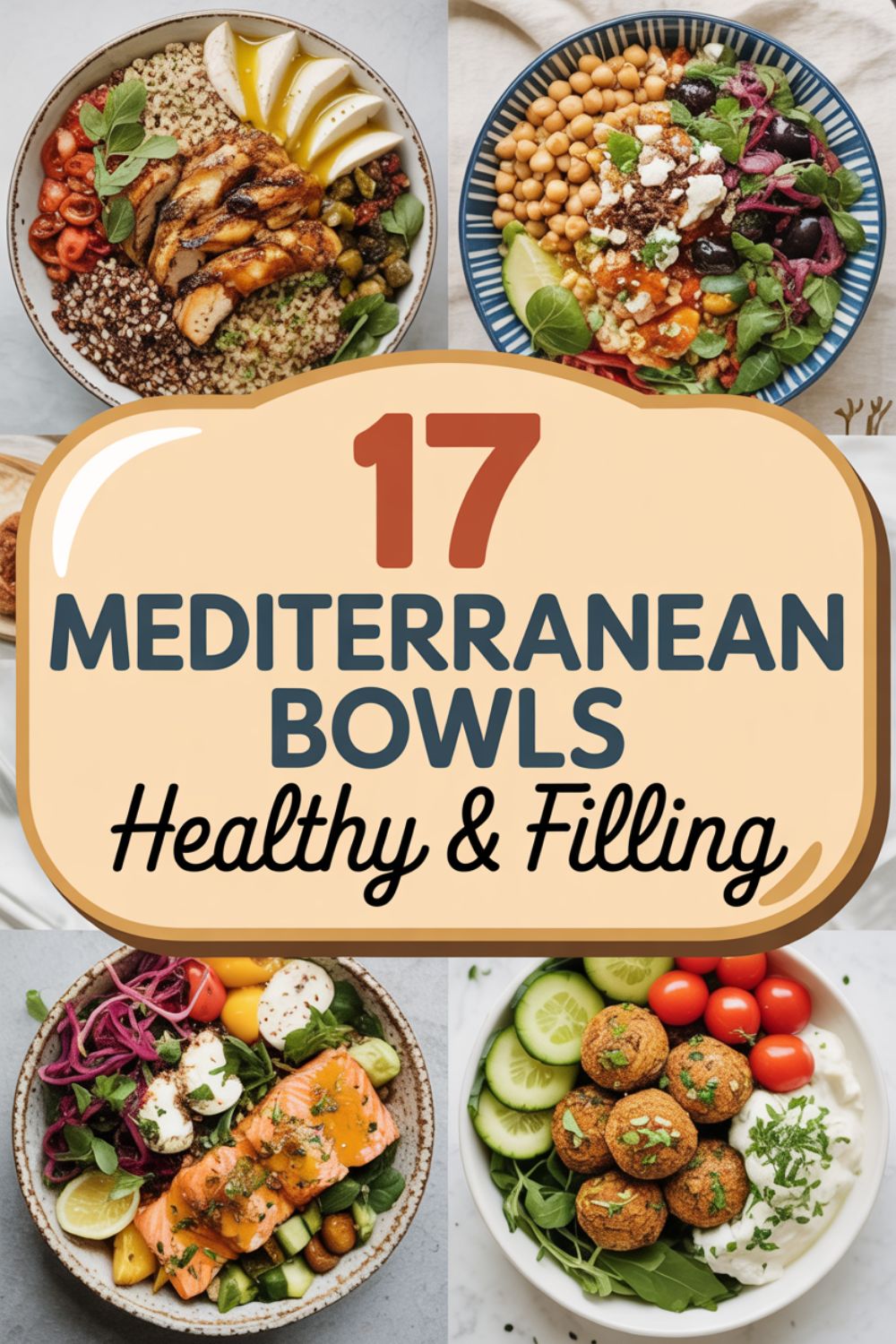
I’ve spent way too much time perfecting these Mediterranean bowl recipes, and I’m genuinely excited to share them with you. Whether you’re meal-prepping for the week or just need something quick and nourishing, these bowls deliver every single time.
Why Mediterranean Bowls Are Actually Worth the Hype
First off, let’s address the elephant in the room: yes, Mediterranean bowls are trendy. But unlike most food trends that taste like cardboard wrapped in good intentions, these actually taste incredible.
The Mediterranean diet has been studied extensively, and research from Harvard Medical School consistently shows its benefits for heart health, weight management, and overall longevity. We’re talking olive oil, fresh vegetables, whole grains, lean proteins, and herbs that make your taste buds dance.
What makes bowls so genius is the customization factor. Hate chickpeas? Swap them for lentils. Can’t find za’atar? Use oregano and lemon zest. You’re building your own Mediterranean masterpiece, and there’s no wrong way to do it.
I use a quality grain storage container set to keep everything fresh and organized. Game changer for meal prep, and my fridge finally looks like I have my life together.
The Building Blocks of a Perfect Mediterranean Bowl
Start With Your Base
Your base is the foundation, and you’ve got options. Quinoa is the overachiever—complete protein, fluffy texture, cooks in 15 minutes. Farro has this nutty, chewy thing going on that I’m obsessed with. Brown rice is reliable and budget-friendly. Couscous is for when you need carbs in 5 minutes flat.
Want to go lower-carb? Cauliflower rice works beautifully, or try mixing half grains with half greens. I often throw in some arugula or spinach at the bottom—adds volume without adding many calories, and you get extra nutrients. Win-win.
Pick Your Protein
This is where you make the bowl actually filling. Grilled chicken is the safe choice that always works. Chickpeas are my go-to for plant-based bowls—roast them with cumin and paprika until crispy, and they’re basically Mediterranean popcorn.
Salmon brings those omega-3s and pairs perfectly with lemon and dill. If you’re feeling fancy, try some grilled shrimp or even baked falafel. Honestly, falafel in a bowl is superior to falafel in a pita, and I will die on this hill.
For a quick protein boost without much effort, I keep a quality canned tuna in my pantry. Mix it with white beans and olive oil, and you’ve got protein-packed goodness in seconds. Speaking of which, if you haven’t tried a tuna white bean salad, you’re missing out on something special. Get Full Recipe.
Load Up on Vegetables
This is where the magic happens. Roasted vegetables are non-negotiable in my book. Toss some bell peppers, zucchini, eggplant, and red onion with olive oil, salt, and oregano, then roast at 425°F until caramelized.
Raw veggies add crunch and freshness—think cherry tomatoes, cucumber, shredded cabbage, or thinly sliced fennel. I always add fresh herbs because they elevate everything. Parsley, mint, dill, basil—whatever you’ve got works.
If you’re looking for more veggie-forward inspiration, check out this grilled veggie platter with hummus for some seriously good flavor combinations.
17 Mediterranean Bowl Recipes That’ll Change Your Lunch Game
1. Classic Greek Bowl
This is the OG. Start with quinoa, add grilled chicken, cucumber, tomatoes, red onion, Kalamata olives, and crumbled feta. Drizzle with lemon-oregano vinaigrette. It’s basically a deconstructed Greek salad that’s way more satisfying.
I use a quality olive pitter for the Kalamatas because life’s too short to wrestle with olive pits. Trust me on this one.
2. Falafel Power Bowl
Crispy baked falafel over a bed of mixed greens and brown rice. Add hummus, tahini sauce, pickled red cabbage, and fresh cucumber. This bowl is ridiculously filling and completely plant-based. For the best results, try this easy baked falafel recipe. Get Full Recipe.
3. Lemon Herb Salmon Bowl
Flaky salmon with lemon and dill sits on top of herbed quinoa. Add roasted asparagus, cherry tomatoes, and a dollop of Greek yogurt mixed with cucumber. This is elegant enough for dinner guests but easy enough for a random Tuesday.
According to the American Heart Association, eating fatty fish like salmon twice a week supports heart health thanks to those omega-3 fatty acids. Plus, it tastes amazing.
4. Shakshuka-Inspired Breakfast Bowl
Who says bowls are just for lunch? This shakshuka bowl has perfectly poached eggs in spicy tomato sauce, served over toasted pita pieces or quinoa. Add some feta and fresh parsley. Breakfast just got seriously upgraded.
5. Mediterranean Chickpea Bowl
Roasted chickpeas are the star here. I season mine with smoked paprika, cumin, and a touch of cayenne. Serve over couscous with roasted red peppers, spinach, and a lemon-tahini drizzle. This Mediterranean chickpea bowl is proof that plant-based eating doesn’t have to be boring.
For more breakfast inspiration, you might love these Mediterranean breakfast recipes for busy mornings or these high-protein breakfasts under 350 calories that keep you full without the post-breakfast crash.
6. Tuna Niçoise Bowl
A French-Mediterranean mashup that works beautifully. Seared or canned tuna, hard-boiled eggs, green beans, cherry tomatoes, olives, and boiled baby potatoes over mixed greens. Dress with a simple Dijon vinaigrette.
FYI, I use a reliable egg cooker for perfect hard-boiled eggs every time. No more guessing, no more green yolks, just consistent results.
7. Moroccan Spiced Quinoa Bowl
This one’s got warmth and depth. Quinoa mixed with cinnamon, cumin, and turmeric, topped with roasted sweet potatoes, chickpeas, dried apricots, and almonds. Finish with a yogurt-harissa sauce. The sweet and savory combo is absolutely addictive.
8. Grilled Chicken Shawarma Bowl
Marinate chicken in yogurt with shawarma spices (cumin, coriander, turmeric, paprika, garlic). Grill it up and serve over rice with pickled vegetables, fresh tomatoes, and tahini sauce. This grilled chicken shawarma salad delivers those same incredible flavors. Get Full Recipe.
9. Lentil and Roasted Veggie Bowl
Protein-rich lentils with roasted cauliflower, carrots, and Brussels sprouts. Add some baby kale, toasted walnuts, and a balsamic tahini dressing. This bowl is hearty enough to keep you full for hours without feeling heavy.
10. Greek Yogurt Breakfast Bowl
Thick Greek yogurt topped with honey, walnuts, fresh berries, and a sprinkle of cinnamon. It’s simple, but it’s satisfying and packed with protein. This Greek yogurt bowl with berries and honey is my go-to when I need something quick but nourishing.
11. Shrimp and Couscous Bowl
Garlic shrimp sautéed in olive oil served over fluffy couscous. Add roasted cherry tomatoes, arugula, and a squeeze of lemon. Takes maybe 20 minutes total, and it tastes like you spent way more effort on it.
I rely on a good quality non-stick skillet for perfectly cooked shrimp that don’t stick or tear. Worth every penny.
12. Stuffed Pepper Bowl (Deconstructed)
All the flavors of stuffed peppers without the stuffing hassle. Ground turkey or beef, quinoa, diced bell peppers, onions, tomatoes, and spices. Top with a bit of feta or mozzarella if you want. This stuffed bell peppers with quinoa and veggies recipe works great in bowl form too.
13. Mediterranean Grain Bowl with Halloumi
Grilled halloumi is the squeaky cheese that grills like a dream. Serve it over farro with roasted eggplant, zucchini, sun-dried tomatoes, and fresh basil. Drizzle with balsamic glaze. IMO, halloumi is criminally underrated in American cooking.
14. White Bean and Kale Bowl
White beans and kale sautéed with garlic and lemon, served over brown rice. Add some roasted red peppers and a drizzle of good olive oil. Simple, warming, and ridiculously healthy. This reminds me of a lentil spinach soup but in bowl form.
15. Tzatziki Chicken Bowl
Herb-marinated grilled chicken with a generous scoop of homemade tzatziki. Add quinoa, cucumber, tomatoes, and red onion. The cooling tzatziki with the seasoned chicken is chef’s kiss.
I make my tzatziki with a good box grater for the cucumber—gets it super fine and drains better than chopping. Little tricks like this make all the difference.
16. Salmon and Herbed Quinoa Bowl
Baked salmon with dill and lemon over quinoa mixed with fresh herbs—parsley, mint, dill. Add steamed green beans and cherry tomatoes. This baked salmon with herbed quinoa is restaurant-quality but totally doable at home. Get Full Recipe.
17. Mediterranean Breakfast Scramble Bowl
Scrambled eggs with spinach, tomatoes, feta, and olives served over toasted whole grain bread chunks or quinoa. This savory Mediterranean scramble works any time of day, honestly. Breakfast for dinner? Absolutely.
Making Bowl Meal Prep Actually Work
Here’s the thing about meal prep—it only works if you don’t burn out on day three. I learned this the hard way after making 12 identical chicken bowls and never wanting to see quinoa again.
Variety is your friend. Prep components instead of complete meals. Cook three different proteins, roast two types of vegetables, make two grain options. Then mix and match throughout the week. Suddenly you’ve got dozens of possible combinations instead of eating the exact same thing five days straight.
Keep your sauces and dressings separate until you’re ready to eat. Nothing sadder than soggy vegetables that have been swimming in vinaigrette since Sunday. I portion dressings into small containers—those tiny sauce containers work perfectly and prevent the dreaded lunch-sogginess.
Glass meal prep containers are your best bet. They don’t stain, they don’t hold smells, and you can see what’s inside without opening them. I use compartmented glass containers to keep everything separated until I’m ready to dig in.
The Best Dressings and Sauces for Mediterranean Bowls
A mediocre bowl becomes amazing with the right sauce. Here are my absolute favorites:
Lemon-Tahini Dressing
Tahini, lemon juice, garlic, water to thin it out, salt and pepper. Whisk it up until it’s smooth and pourable. This goes on basically everything and makes vegetables taste like they’re trying to win an award.
Greek Yogurt Dill Sauce
Greek yogurt, fresh dill, lemon juice, garlic, olive oil. Creamy, tangy, and adds protein to your bowl. Works beautifully with fish or chicken.
Simple Red Wine Vinaigrette
Red wine vinegar, Dijon mustard, garlic, olive oil, oregano, salt, pepper. Shake it up in a jar and you’re done. Classic for a reason.
Harissa Yogurt
Mix harissa paste into Greek yogurt for a spicy, creamy sauce that works with literally any Mediterranean bowl. Start with a little harissa and add more—that stuff has some kick.
I keep a quality jar of harissa paste in my fridge at all times. It adds depth and heat to so many dishes beyond just bowl sauces.
Common Mediterranean Bowl Mistakes (And How to Avoid Them)
Look, we all make mistakes. But some are easily preventable, and I’m here to help you skip the learning curve I went through.
Mistake #1: Not Seasoning Your Grains
Plain quinoa or rice is sad. Cook your grains in vegetable or chicken broth instead of water. Add a bay leaf, some garlic, a squeeze of lemon. Suddenly your base actually has flavor instead of being a bland vehicle for toppings.
Mistake #2: Skipping the Acid
Every bowl needs brightness. Lemon juice, red wine vinegar, even a splash of pickle juice—acid wakes up all the other flavors. If your bowl tastes flat, it probably needs acid, not salt.
Mistake #3: Forgetting Texture
You need a variety of textures to keep things interesting. Creamy hummus, crunchy vegetables, chewy grains, tender protein. Add toasted nuts or seeds for crunch. Texture makes food more satisfying on a psychological level.
Mistake #4: Being Stingy With Herbs
Fresh herbs aren’t just garnish—they’re a crucial component. Don’t sprinkle a sad little pinch of parsley on top. Go big with fresh mint, basil, dill, cilantro, or whatever you’ve got. They add so much flavor for minimal calories.
If you’re serious about bowls and meal prep, check out these Mediterranean meal prep ideas or this comprehensive 7-day Mediterranean meal prep plan for even more inspiration.
Budget-Friendly Mediterranean Bowl Hacks
Mediterranean eating doesn’t have to be expensive. Here’s how to do it without breaking the bank:
Buy in bulk. Quinoa, farro, dried chickpeas, lentils—all cheaper when bought in larger quantities. Store them in airtight containers and they last forever.
Frozen vegetables are your friend. Seriously, there’s no shame in using frozen artichoke hearts, spinach, or mixed vegetables. They’re picked at peak ripeness and often more nutritious than “fresh” produce that’s been sitting in a truck for a week.
Skip the fancy proteins sometimes. Eggs are cheap. Chickpeas are cheap. Lentils are cheap. You don’t need salmon and shrimp for every single bowl. Mix it up and your wallet will thank you.
Grow your own herbs. A small pot of basil, parsley, or mint on your windowsill saves you from buying those expensive plastic packages that go bad in three days. I use a simple herb growing kit that literally anyone can keep alive.
For more budget-conscious options, these budget-friendly Mediterranean meals prove you don’t need to spend a fortune to eat well.
Customizing Bowls for Different Dietary Needs
The beauty of bowls is how easily they adapt to different eating styles.
For Low-Carb Folks
Skip the grains entirely and double up on vegetables. Use cauliflower rice as your base, add extra protein, and load up on healthy fats like avocado, olives, and olive oil. These high-protein low-carb Mediterranean recipes show you how satisfying lower-carb eating can be.
For Plant-Based Eaters
Mediterranean cuisine is naturally plant-forward, so you’re already ahead of the game. Focus on legumes—chickpeas, lentils, white beans—for protein. Add tahini, hummus, and nuts for healthy fats and extra protein. These high-protein vegetarian recipes offer tons of inspiration.
For Gluten-Free Needs
Quinoa, rice, and millet are naturally gluten-free. Just watch out for cross-contamination if you’re celiac. Most Mediterranean ingredients are naturally gluten-free anyway—vegetables, proteins, olive oil, herbs.
For Dairy-Free Diets
Skip the feta and yogurt-based sauces. Use tahini-based dressings instead—they’re creamy without any dairy. Nutritional yeast can add that umami, cheesy flavor if you’re missing it.
Frequently Asked Questions
Can I meal prep Mediterranean bowls for the whole week?
Absolutely, and I highly recommend it. Cook your grains and proteins in bulk, roast several types of vegetables, and prep your dressings separately. Assemble bowls fresh each day or store components separately for up to 5 days. Keep dressings and sauces separate until you’re ready to eat to prevent sogginess.
Are Mediterranean bowls good for weight loss?
Yes, when portion-controlled appropriately. Mediterranean bowls are naturally high in fiber, protein, and healthy fats, which keep you full longer and help manage appetite. Research shows the Mediterranean dietary pattern provides satiety and enables long-term adherence, with successful weight maintenance over six years in studies. Focus on loading up vegetables, choosing lean proteins, and watching your grain portions for best results.
What’s the best grain to use as a base for Mediterranean bowls?
It depends on your goals and preferences. Quinoa is my top pick for high-protein needs—it’s a complete protein and cooks quickly. Farro offers more fiber and a chewy texture that holds up well. Brown rice is budget-friendly and versatile. For lower-carb options, try cauliflower rice or mix half grains with half leafy greens.
How do I make Mediterranean bowls if I’m vegetarian or vegan?
Mediterranean cuisine is naturally plant-forward, so you’re in luck. Focus on protein-rich legumes like chickpeas, lentils, and white beans. Add tahini, hummus, nuts, and seeds for healthy fats and extra protein. Skip the feta and use nutritional yeast for a cheesy flavor, or try vegan tzatziki made with cashew cream or coconut yogurt.
What’s the difference between a Mediterranean bowl and a regular grain bowl?
Mediterranean bowls specifically use ingredients common to Mediterranean cuisine—olive oil instead of other oils, herbs like oregano and mint, ingredients like chickpeas, feta, olives, and tahini. The flavor profiles lean heavily on lemon, garlic, and fresh herbs rather than soy-based or Asian-inspired seasonings. Plus, the Mediterranean diet’s beneficial effects relate primarily to its anti-inflammatory and anti-oxidant properties, making it particularly health-focused.
Final Thoughts on Mediterranean Bowls
Here’s the honest truth: Mediterranean bowls aren’t a quick fix or a magic bullet. They’re just really good food that happens to be incredibly nourishing for your body.
I love these bowls because they don’t feel restrictive. You’re not eliminating food groups or counting every single calorie. You’re building meals around whole, minimally processed ingredients that taste amazing and leave you satisfied.
The beauty of bowl-building is that once you understand the basic framework—base, protein, vegetables, healthy fats, sauce—you can create endless variations. You’ll never get bored, and you’ll always have a nutritious meal ready in minutes if you’ve done even minimal prep work.
Start with one or two recipes from this list. See which flavors you gravitate toward. Maybe you’re a falafel person, or maybe grilled chicken is more your speed. There’s no wrong answer here.
Research continues to support what people in Mediterranean regions have known for centuries—the Mediterranean diet is effective in reducing cardiovascular disease risk and overall mortality. But beyond the science, these bowls just make you feel good. They provide steady energy without the crash, keep you full without feeling stuffed, and deliver flavor without requiring a culinary degree.
Whether you’re meal-prepping for weight management, trying to eat more vegetables, or just looking for lunches that don’t suck, Mediterranean bowls deliver. They’re practical, delicious, and actually sustainable for the long haul.
So grab a good quality bowl, start building, and see how Mediterranean-inspired eating can change your relationship with healthy food. Trust me, your future self will thank you.