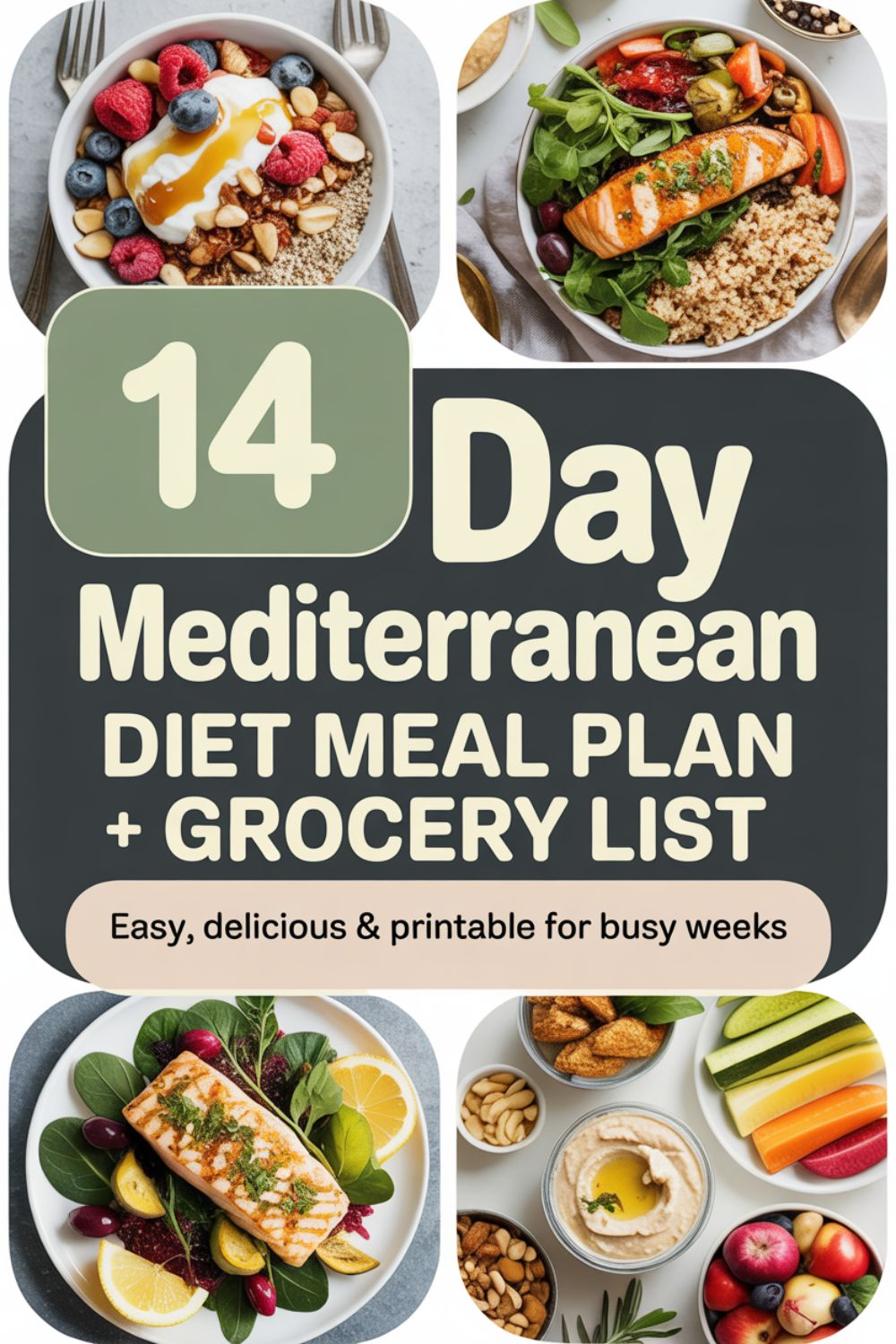
14-Day Mediterranean Diet Meal Plan + Printable Grocery List
Let me guess—you’re tired of meal plans that promise the world but deliver bland chicken and sad vegetables. You want something that actually tastes good, keeps you satisfied, and doesn’t require a culinary degree to pull off. Welcome to the Mediterranean diet, where food is supposed to be enjoyed, not endured.
I’ve spent the last few months testing Mediterranean recipes, and honestly? This might be the only “diet” I’ve stuck with longer than two weeks. The secret isn’t some magic macros or expensive supplements—it’s just real food that happens to be delicious. No meal-prepping mystery casseroles or choking down protein shakes.
Why the Mediterranean Diet Actually Works
Here’s the thing about Mediterranean eating—it’s not really a diet. It’s how people in Greece, Italy, and Spain have eaten for centuries without obsessing over calories or macros. They focus on whole foods, healthy fats, and lean proteins, with plenty of vegetables thrown in because they actually taste good when you know how to cook them.
The research backs this up too. Studies from institutions like the Harvard School of Public Health show that Mediterranean eating patterns are linked to better heart health, weight management, and even improved brain function. Not bad for a way of eating that doesn’t feel like punishment.
What really sold me was the flexibility. You’re not cutting out entire food groups or surviving on chicken breast and broccoli. You get olive oil, nuts, fish, whole grains, and yes, even wine in moderation. It’s sustainable because you’re not constantly fighting cravings.
What Makes This 14-Day Plan Different
I’m not going to lie and say this plan will transform your life in two weeks. But what it will do is give you a solid foundation without overwhelming you with complicated recipes or impossible-to-find ingredients. Every meal here uses stuff you can grab at a regular grocery store.
The plan balances protein, healthy fats, and fiber to keep you full without that food coma feeling. You’ll find recipes like shakshuka for breakfast, Greek salad variations for lunch, and heartier dinners like grilled salmon with tomato-caper relish.
Speaking of breakfast ideas, you might also love these high-protein breakfast recipes or try a refreshing Mediterranean smoothie bowl when you’re in a rush.
The Core Principles
- Healthy fats first: Olive oil, nuts, avocados, and fatty fish are your friends. They keep you satisfied and taste way better than low-fat alternatives.
- Lean proteins matter: Fish, chicken, legumes, and eggs form the protein base. Red meat shows up occasionally, not daily.
- Vegetables aren’t optional: They’re the foundation, not a side thought. Aim for color variety—it’s not just Instagram-worthy, it actually means better nutrition.
- Whole grains over refined: Quinoa, farro, whole wheat—they keep blood sugar stable and you full longer.
Your 14-Day Mediterranean Meal Plan
Alright, let’s get into the actual plan. I’ve organized this by week to make shopping easier. You’ll notice some ingredients repeat—that’s intentional. Nobody wants to buy a full jar of something for one recipe.
Week 1: Getting Started
Day 1:
Breakfast: Greek yogurt bowl with berries and honey
Lunch: Lentil soup with crusty bread
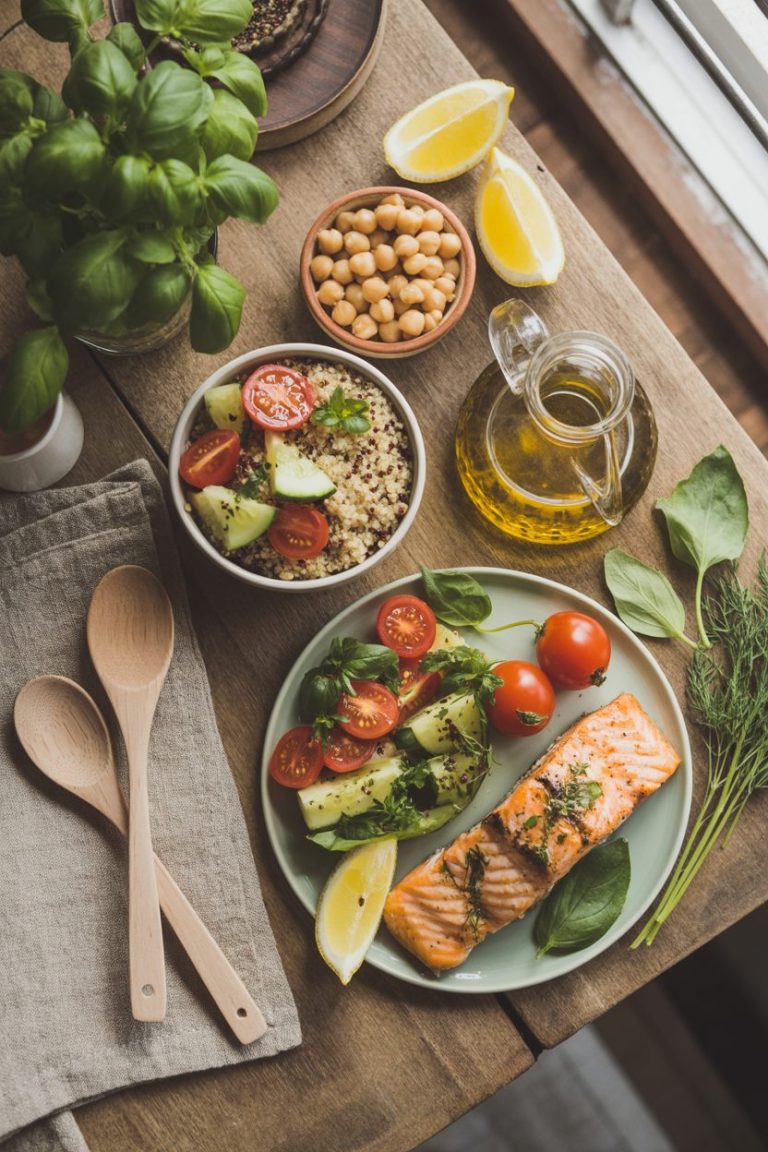
Dinner: Baked salmon with herbed quinoa
Day 2:
Breakfast: Oatmeal with dried figs, walnuts, and cinnamon
Lunch: Tuna and white bean salad
Dinner: Whole wheat spaghetti with cherry tomatoes and basil
Day 3:
Breakfast: Savory Mediterranean scramble
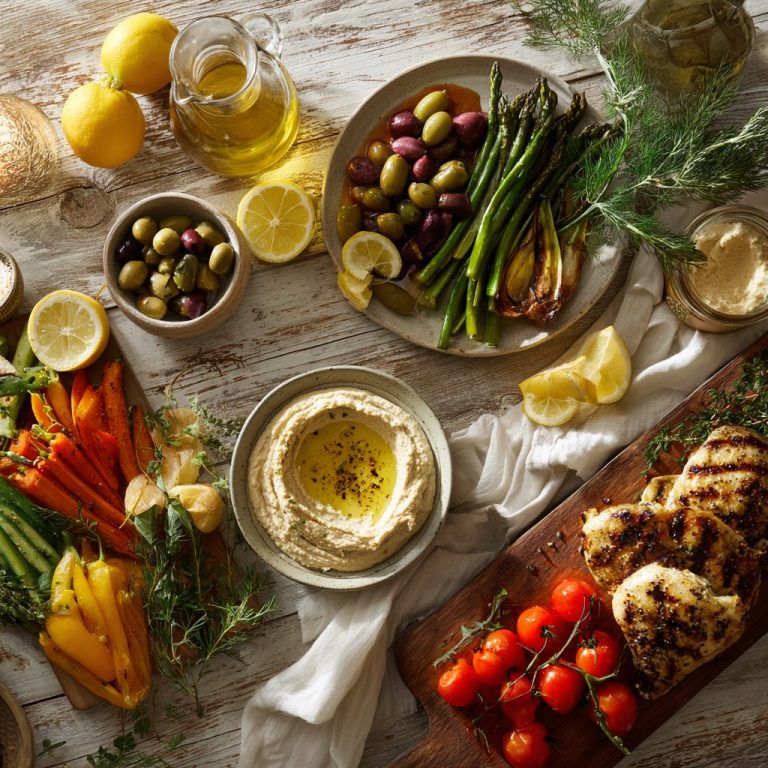
Lunch: Grilled veggie platter with hummus
Dinner: Lemon-herb chicken with roasted potatoes
I use this cast iron skillet for basically everything—from scrambling eggs to roasting chicken. It distributes heat evenly and makes cleanup easier than you’d think.
Day 4:
Breakfast: Mediterranean smoothie bowl
Lunch: Cucumber hummus sandwich
Dinner: Shrimp sautéed in garlic and olive oil with couscous
Day 5:
Breakfast: Avocado toast with tomato and olive oil
Lunch: Mediterranean grain bowl
Dinner: Stuffed bell peppers with quinoa and veggies
Day 6:
Breakfast: Greek yogurt parfait
Lunch: Lentil and spinach soup
Dinner: Mediterranean flatbread
Day 7:
Breakfast: Avocado toast, Mediterranean style
Lunch: Greek salad
Dinner: Lemon-garlic grilled chicken with couscous
By the end of week one, you’ll probably notice you’re not craving the usual junk. That’s not willpower—it’s your body actually getting the nutrients it needs. Sarah from our community tried this plan and lost 15 pounds in three months without feeling deprived once.
For more lunch inspiration during your second week, check out these Mediterranean lunchbox recipes that work perfectly for meal prep.
Week 2: Building Momentum
Day 8:
Breakfast: Oatmeal with dried figs and walnuts
Lunch: Falafel wrap with tzatziki
Dinner: Baked cod with tomato-olive tapenade
Day 9:
Breakfast: Shakshuka (Get Full Recipe)
Lunch: Quinoa tabbouleh with hummus and pita
Dinner: Mediterranean chickpea wraps
If you’re making shakshuka, grab a quality non-stick pan—the eggs slide right out, and cleanup takes about 30 seconds instead of scrubbing for ten minutes.
Day 10:
Breakfast: Greek yogurt bowl
Lunch: Cucumber, tomato, and feta salad
Dinner: Stuffed grape leaves (dolmas)
Day 11:
Breakfast: Mediterranean smoothie bowl
Lunch: Olive tapenade on toasted baguette
Dinner: Shrimp saganaki
Day 12:
Breakfast: Avocado toast with tomato
Lunch: Homemade baked falafel (Get Full Recipe)
Dinner: Lemon-oregano grilled chicken
Day 13:
Breakfast: Greek yogurt parfait
Lunch: Grilled eggplant with yogurt sauce
Dinner: One-pot Mediterranean pasta
Day 14:
Breakfast: Oatmeal with figs and walnuts
Lunch: Whipped feta dip with vegetables
Dinner: Baked salmon with herbed quinoa
By day 14, you’ve got the rhythm down. You know which meals you love, which ingredients to keep stocked, and how to throw together a Mediterranean-style meal without a recipe. That’s the real win here.
Your Mediterranean Pantry Essentials
Let’s talk about what you actually need to keep on hand. Forget those elaborate pantry lists that include 47 spices you’ll never use. Here’s what matters:
The Non-Negotiables
- Extra virgin olive oil: Spend a bit more here. It’s the backbone of almost every recipe. According to Healthline’s research on olive oil, quality matters for both flavor and health benefits.
- Canned tomatoes: San Marzano if you can find them, but honestly any good-quality canned tomatoes work.
- Dried herbs: Oregano, basil, thyme. Fresh is great, but dried keeps forever and gets the job done.
- Garlic and onions: You’ll go through these faster than you think.
- Lemons: Both the juice and zest show up constantly. Buy a good microplane grater for zesting—it’s oddly satisfying.
- Whole grains: Quinoa, farro, couscous, whole wheat pasta. Store them in airtight containers to keep them fresh.
- Canned beans and legumes: Chickpeas, white beans, lentils. Rinse them before using to cut the sodium.
The Fridge Staples
- Greek yogurt: Full-fat tastes better and keeps you satisfied longer. Low-fat versions usually add sugar to compensate.
- Feta cheese: A little goes a long way for flavor.
- Fresh vegetables: Whatever’s in season, plus the standards—cucumbers, tomatoes, bell peppers, spinach.
- Eggs: Cheap protein that works for any meal.
- Hummus: Buy it or make your own. Both work.
The Freezer Backup
- Fish fillets: Salmon, cod, whatever’s on sale. Frozen fish is perfectly fine and way more budget-friendly.
- Chicken breasts or thighs: Thighs have more flavor, IMO.
- Shrimp: Defrosts in minutes, cooks in minutes. Perfect for lazy dinners.
- Frozen vegetables: Spinach, mixed vegetables, whatever. No shame in frozen—it’s picked at peak ripeness.
When it comes to storing all this, I swear by glass meal prep containers. They don’t stain, don’t hold smells, and you can see what’s inside without playing fridge archaeology.
Printable Grocery List for Your First Week
Here’s exactly what you need to buy for week one. Print this out or screenshot it—whatever works.
Produce
- Berries (your choice): 2 cups
- Figs (dried): 1 cup
- Lemons: 6
- Tomatoes (cherry): 2 pints
- Cucumbers: 3
- Bell peppers (assorted): 4
- Spinach: 1 large bunch
- Mixed salad greens: 1 container
- Avocados: 4
- Garlic: 2 heads
- Onions: 3
- Fresh basil: 1 bunch
- Fresh parsley: 1 bunch
Proteins
- Salmon fillets: 2 (6 oz each)
- Chicken breasts: 3 (6 oz each)
- Shrimp (peeled, deveined): 1 lb
- Eggs: 1 dozen
- Canned tuna: 2 cans
Dairy
- Greek yogurt (plain, full-fat): 32 oz
- Feta cheese: 8 oz
Pantry
- Quinoa: 1 lb
- Couscous: 1 box
- Whole wheat pasta: 1 lb
- Rolled oats: 1 container
- Whole wheat bread: 1 loaf
- Canned white beans: 2 cans
- Dried lentils: 1 lb
- Hummus: 16 oz
- Extra virgin olive oil: 1 bottle (if you don’t have it)
- Honey: 1 jar
- Walnuts: 1 cup
Honestly, grab reusable shopping bags if you haven’t already. You’ll be buying more produce than usual, and juggling plastic bags while trying to unlock your car is nobody’s idea of fun.
Meal Prep Tips That Actually Help
Let me save you some headaches I learned the hard way. Meal prep doesn’t mean spending your entire Sunday cooking—it means setting yourself up so weeknight dinners don’t turn into takeout panic.
Sunday Strategy
Cook your grains: Make a big batch of quinoa and farro. They keep for five days and work in salads, bowls, or as side dishes. I use a rice cooker for this—set it and forget it.
Wash and chop vegetables: Cut bell peppers, cucumbers, and tomatoes. Store them in glass containers with a paper towel to absorb moisture. They stay crisp for days.
Make a big batch of hummus: Or buy three containers. Either way, you’ll go through it fast. Having hummus ready makes snacking and lunch assembly stupid easy.
Prep proteins: Marinate chicken in lemon, garlic, and olive oil. Season salmon fillets. Boil eggs. Future you will be grateful.
Weeknight Shortcuts
Some nights you just don’t have it in you to cook from scratch. That’s fine. Keep these shortcuts handy:
- Rotisserie chicken works in place of cooking chicken from scratch
- Pre-washed greens save ten minutes and your sanity
- Frozen shrimp cooks in minutes—no defrosting needed if you’re in a rush
- Canned chickpeas are your friend for quick salads and bowls
If you’re looking for more ways to streamline your meal prep, these quick Mediterranean meal prep ideas might give you some fresh inspiration.
Common Mistakes to Avoid
Here’s where people usually trip up when starting Mediterranean eating. Learn from my mistakes so you don’t have to make them yourself.
Skimping on Fat
I know we’ve been trained to fear fat, but Mediterranean eating embraces healthy fats. Olive oil, nuts, avocados, and fatty fish keep you satisfied and help absorb nutrients. Don’t buy low-fat Greek yogurt thinking you’re being healthy—you’re just setting yourself up for hunger an hour later.
Overthinking It
You don’t need to make everything from scratch or find obscure ingredients. A simple tomato sauce with garlic, olive oil, and basil beats fancy recipes you’ll never make again. Stick to the basics until they’re second nature.
Not Eating Enough Protein
Vegetables are great, but you need protein to stay full. Every meal should include fish, chicken, eggs, legumes, or Greek yogurt. Don’t fall into the trap of thinking Mediterranean means just pasta and salad.
For more protein-focused options, check out these high-protein low-carb Mediterranean recipes that keep you satisfied without the carb crash.
Forgetting About Portions
Yeah, it’s healthy food, but you can still overeat. Olive oil is calorie-dense—a little goes a long way. Same with nuts and cheese. Pay attention to hunger cues instead of mindlessly finishing everything on your plate.
Making It Work Long-Term
Two weeks is just the start. The real goal is making this sustainable beyond the initial plan. Here’s how to keep it going without burning out.
Build Your Rotation
You’ll naturally find 10-15 recipes you love. That’s all you need. Rotate through them, swap proteins or vegetables based on what’s on sale, and you’ve got endless variety without decision fatigue.
Listen to Your Body
Some days you’ll want a big breakfast and lighter dinner. Other days you’ll skip the grain and load up on vegetables. That’s fine. Mediterranean eating is flexible—don’t treat it like a rigid rulebook.
Don’t Obsess Over Perfection
Had pizza last night? Cool. Back to regular eating today. One meal doesn’t derail anything. The people in Mediterranean countries don’t stress about every bite, and neither should you.
Mark from our community mentioned he stopped counting calories after the first week because he naturally felt satisfied with smaller portions. That’s the whole point—when you eat real food, your body’s hunger signals start working properly again.
Budget-Friendly Tips
Mediterranean eating doesn’t require shopping at specialty stores or spending half your paycheck on groceries. Here’s how to keep costs reasonable.
Buy Seasonal
Whatever vegetables are in season will be cheaper and taste better. Tomatoes in summer, squash in fall, citrus in winter. Build your meals around what’s on sale.
Embrace Canned and Frozen
Canned tomatoes, beans, and tuna are staples. Frozen fish and vegetables work perfectly and last longer. No need to buy everything fresh if you’re just going to let it rot in the cridge.
Cook Bigger Batches
Make enough dinner for leftovers. That’s tomorrow’s lunch sorted. I usually cook double portions for dinner and eat the same thing for lunch the next day. Saves time and money.
Skip the Fancy Stuff
You don’t need imported olive oil or specialty grains. Regular grocery store brands work fine. Focus on the eating pattern, not prestige ingredients.
For more economical options that don’t sacrifice flavor, these budget-friendly Mediterranean meals prove you don’t need to spend a fortune to eat well.
Frequently Asked Questions
Can I lose weight on the Mediterranean diet?
Yes, many people do, but it’s not a “diet” in the traditional sense. You’re eating whole foods that keep you satisfied, which naturally leads to eating less junk. Focus on portion sizes and listen to your hunger cues. If weight loss is your goal, you’ll likely see results without feeling restricted.
Is the Mediterranean diet expensive?
It can be if you go overboard on specialty items, but it doesn’t have to be. Focus on seasonal produce, buy frozen fish and vegetables, use canned beans and tomatoes, and cook at home. It’s often cheaper than eating out or buying processed foods.
Do I have to give up red meat completely?
Nope. Red meat just isn’t the centerpiece of every meal. You can have it occasionally—maybe once or twice a week. The focus shifts to fish, chicken, and plant proteins, but you’re not banned from a good steak now and then.
Can I follow this plan if I’m vegetarian?
Absolutely. Just swap the fish and chicken for more legumes, eggs, and Greek yogurt. The Mediterranean diet is naturally plant-forward, so vegetarian adaptations are easy. Check out these high-protein vegetarian recipes for more options.
How much olive oil should I actually use?
Use it liberally for cooking and dressing salads, but remember it’s calorie-dense. A tablespoon or two per meal is typical. You’re not drowning everything in oil, but you’re not being stingy either. It should enhance flavors, not overpower them.
Final Thoughts
Here’s the truth about this 14-day Mediterranean meal plan—it’s not magic. It won’t transform your life overnight or fix everything that’s wrong with your diet. What it will do is give you a solid framework for eating real food that actually tastes good.
You’re not cutting out entire food groups or surviving on cardboard-flavored “diet” foods. You’re eating the way humans have eaten for thousands of years in regions known for longevity and good health. Olive oil, vegetables, fish, whole grains, and the occasional glass of wine. Nothing extreme, nothing unsustainable.
After two weeks, you’ll have a better sense of what works for you. Maybe you love the vegetable-heavy lunches but want heartier breakfasts. Maybe you’d rather have fish twice a week instead of four times. That’s fine. Take what works, adjust what doesn’t, and keep going.
The grocery list is your starting point, not a rigid requirement. The meal suggestions are ideas, not commandments. Use them as a guide until you find your own rhythm. Before long, you won’t need a plan—you’ll just know how to throw together a Mediterranean-style meal without thinking twice.
And honestly? That’s the whole point. Building habits that stick because they’re enjoyable, not because you’re forcing yourself through another restrictive diet. Now go make that shakshuka.