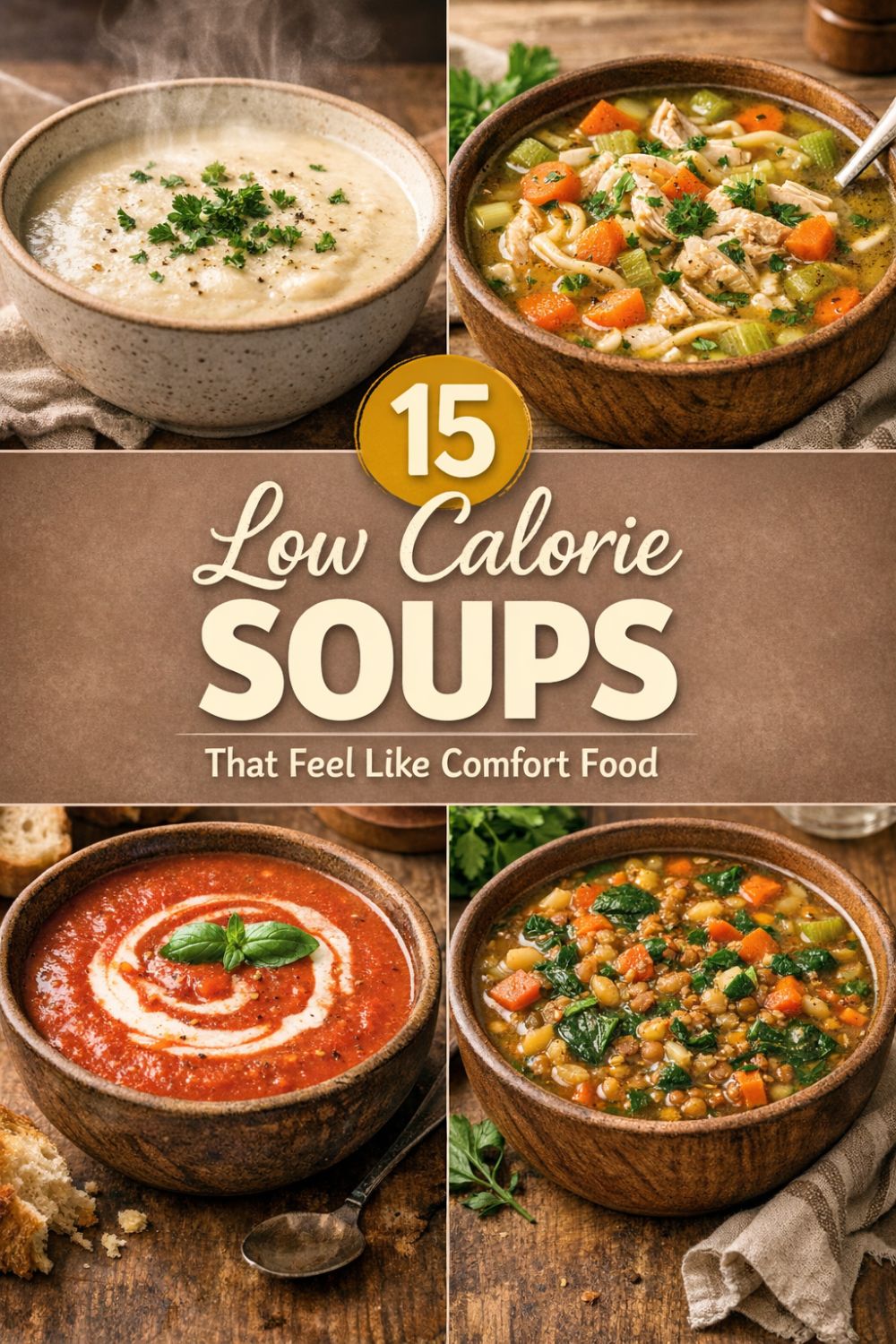
15 Low Calorie Soups That Feel Like Comfort Food
Look, I get it. You’re trying to eat better, maybe drop a few pounds, but you’re not about to sentence yourself to bland cardboard meals. That’s where low-calorie soups come in—and no, I’m not talking about those watery, unsatisfying broths that leave you hangry two hours later.
I’m talking about real, stick-to-your-ribs, warm-your-soul comfort food that happens to clock in at way fewer calories than you’d think. The kind of soup that makes you wonder how something this good could possibly help you lose weight. Spoiler alert: it absolutely can.
According to research published in Medical News Today, nutrient-dense soups containing fiber and lean proteins promote feelings of fullness while maintaining muscle mass during weight loss. Studies also show that high-fiber foods aid in reducing overall calorie intake by enhancing satiety. Translation? Soup keeps you full without blowing your calorie budget.
Why Low-Calorie Soups Actually Work for Weight Loss
Here’s the thing about soup that most people don’t realize: it’s basically a volume-eating hack. You’re filling your stomach with nutrient-dense vegetables, lean proteins, and broth—all of which take up space without packing in massive calories.
The science backs this up too. Fiber-rich vegetables slow down digestion, broth provides hydration, and lean proteins stabilize your blood sugar. You get that satisfied, “I just ate a real meal” feeling without the calorie overload. Plus, the warm liquid triggers satiety signals faster than solid food.
IMO, this is why soup beats most diet foods hands down. You’re not white-knuckling through hunger or fantasizing about pizza at 3 PM. You’re actually enjoying what you eat.
The Mediterranean Magic: Lentil and Vegetable Soups
Classic Lentil Soup
If you’ve never made lentil soup, you’re missing out on one of the easiest, most satisfying low-cal meals ever. Lentils are protein powerhouses—about 18 grams per cup—and they’re loaded with fiber that keeps you full for hours.
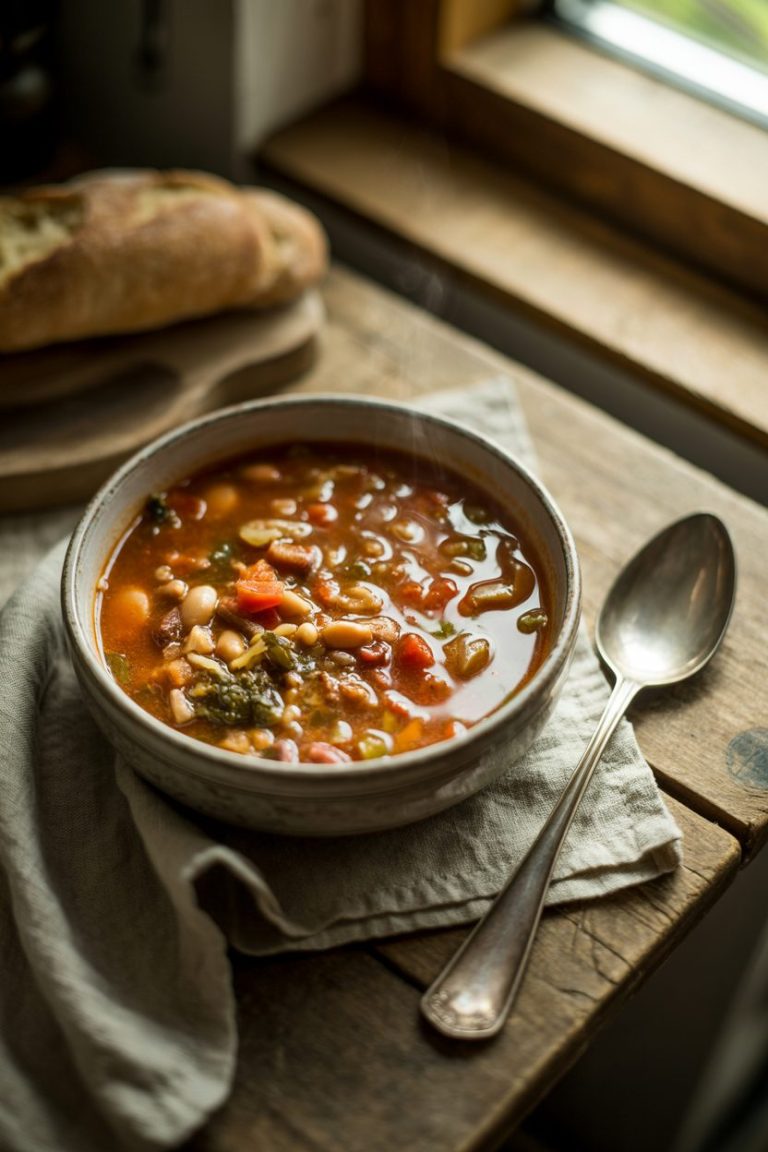
The beauty of lentil soup? It tastes like you spent all day cooking when really it took maybe 30 minutes. Throw in some carrots, celery, onions, and tomatoes, season generously, and you’ve got yourself a bowl of comfort that’s under 200 calories. Get Full Recipe.
I use this immersion blender to partially blend my lentil soup—keeps it chunky but creamy at the same time. Total game changer.
🔥 The Soup-Maker’s Secret Weapon
After making literally hundreds of batches of soup, I can tell you that having a good immersion blender is the difference between “meh” soup and restaurant-quality soup. This thing purees, blends, and emulsifies right in the pot—no transferring hot liquid to a blender and risking burns.
- Variable speed control so you can go from chunky to silky smooth
- Powerful enough to handle tough vegetables like raw carrots
- Detachable shaft makes cleaning actually easy (not all of them do this)
- Ergonomic grip means your hand won’t cramp during long blending sessions
- Compact storage—doesn’t take up half your cabinet like a traditional blender
I’ve had mine for three years and use it at least twice a week. It’s paid for itself in restaurant meals I didn’t order because I could make restaurant-quality soup at home instead.
Mediterranean Chickpea Skillet Soup
This one’s got that bright, sunny Mediterranean vibe going on. Chickpeas, tomatoes, spinach, garlic, lemon—all the good stuff that makes your taste buds happy without weighing you down. The Mediterranean chickpea skillet approach works beautifully as a soup base.
Chickpeas bring about 15 grams of protein per cup plus that satisfying, slightly nutty texture. Add a squeeze of fresh lemon juice at the end and suddenly you’ve got restaurant-quality soup for a fraction of the calories and cost.
Speaking of Mediterranean flavors, you might also love this Mediterranean lentil salad or these Mediterranean chickpea wraps for similar taste profiles in different formats.
Creamy Without the Cream: Genius Low-Cal Hacks
Cauliflower “Cream” Base
Okay, this is where things get interesting. Want that rich, creamy texture without the heavy cream calories? Blended cauliflower is your secret weapon. Sounds weird, tastes incredible.
Steam cauliflower until it’s super soft, blend it with some broth and garlic, and boom—you’ve got a silky base that mimics cream for literally a fraction of the calories. It’s got this neutral flavor that takes on whatever seasonings you add. Try it in a cream of mushroom situation or as a base for chicken soup.
My high-speed blender makes this process stupid easy. Those cheap blenders just don’t get cauliflower smooth enough—you’ll end up with lumps.
White Bean Puree
Another underrated trick: blend white beans (like cannellini) into your broth. They add creaminess, protein, and fiber all at once. The tuna white bean salad concept translates beautifully into soup form.
This works especially well in Italian-style soups with tomatoes, herbs, and vegetables. You get that satisfying thickness without any dairy, which also makes it friendly for anyone avoiding lactose.
Asian-Inspired Low-Cal Winners
Miso Soup With Vegetables
Miso soup is ridiculously low in calories—we’re talking maybe 40-60 calories for a big bowl—but it’s packed with umami flavor that tricks your brain into thinking you’re eating something way more indulgent than you actually are.
Load it up with mushrooms, tofu, spinach, and green onions. The fermented miso paste brings probiotics for gut health, and the tofu adds protein without much fat. It’s basically a health food that tastes like comfort food.
Ever wondered why this works so well? The combination of savory broth and solid ingredients hits multiple satisfaction markers. You’re getting taste, temperature, and texture all working together to signal fullness.
Thai-Style Coconut Curry Soup
Before you freak out about coconut milk calories, hear me out. Use light coconut milk and load up on vegetables, and you can absolutely make this work in your calorie budget. The Thai curry flavors—lemongrass, ginger, garlic, red curry paste—are so bold that a little goes a long way.
This one’s great with chicken or shrimp if you eat meat, or keep it plant-based with tofu and lots of veggies. The chickpea cauliflower coconut curry approach works beautifully in soup form too.
I swear by this curry paste brand—it’s got actual depth of flavor instead of just heat. Makes all the difference.
Classic Comfort: American Favorites Made Lighter
Chicken Vegetable Soup
Sometimes you just want that classic, grandma-style chicken soup, you know? The good news: it’s already pretty low-cal if you do it right. Bone broth or low-sodium chicken broth, shredded chicken breast, and a ton of vegetables create that nostalgic comfort without the guilt.
The trick is using enough vegetables that the soup feels substantial. We’re talking carrots, celery, onions, zucchini, maybe some green beans. Don’t be shy with the herbs either—fresh thyme and parsley make a huge difference.
For more protein-packed chicken options, check out these high-protein chicken recipes for meal prep or these grilled chicken shawarma salad ideas.
Cabbage and Tomato Soup
Cabbage gets a bad rap, but in soup? It’s legitimately good. This Eastern European-inspired combo of cabbage, tomatoes, and herbs is hearty, filling, and clocks in at maybe 100 calories per generous serving.
Cabbage is one of those vegetables that adds bulk without calories—perfect for volume eating. Plus it’s got fiber and vitamin C. The tomatoes bring acidity and sweetness that balance everything out. Add some paprika and caraway seeds if you want that authentic flavor.
Turkey Chili Soup
Chili-soup hybrid situation. Use ground turkey instead of beef, load up on beans and tomatoes, and you’ve got a protein-packed meal that satisfies that chili craving without the heavy feeling. The three-bean chili concept works great here.
The beans do double duty: they add texture and they’re loaded with fiber and protein. Kidney beans, black beans, pinto beans—pick your favorites. Season it properly with cumin, chili powder, and maybe a touch of cocoa powder for depth.
My Dutch oven is perfect for this kind of soup. Sear the turkey, build the flavors, then let everything simmer together. Also great for one-pan Mediterranean dinners.
🍲 The One Pot That Does Everything
If you’re serious about making soup (or honestly, cooking anything that requires more than 10 minutes), you need a quality Dutch oven. This isn’t just hype—the heavy construction distributes heat evenly, which means your vegetables caramelize perfectly and nothing burns on the bottom.
- Enameled cast iron retains heat like nothing else—your soup stays hot for ages
- Goes from stovetop to oven without breaking a sweat (up to 500°F)
- Wide base means you can actually brown meat and sauté vegetables properly
- Non-reactive surface won’t mess with acidic ingredients like tomatoes
- The lid traps moisture perfectly for those long, slow simmers
- Cleans up easier than you’d think—even burnt-on bits come off with some soaking
I use mine for everything: soups, stews, chili, braised meats, even bread. It’s one of those purchases where you’re mad at yourself for not buying it sooner.
Veggie-Forward Options That Don’t Taste Like Rabbit Food
Roasted Tomato Basil Soup
Tomato soup that actually tastes good—not that canned stuff that’s basically sugar water. Roasting the tomatoes first brings out their natural sweetness and adds this caramelized depth you just can’t get from raw tomatoes.
Blend it smooth, add fresh basil, and you’ve got restaurant-quality soup for under 150 calories per bowl. If you want it creamier, stir in a tablespoon of Greek yogurt instead of heavy cream. Saves you like 200 calories right there.
Mushroom Barley Soup
This one’s earthy and satisfying in that stick-to-your-ribs way. Mixed mushrooms (shiitake, cremini, button—whatever you’ve got) bring that umami depth, and barley adds chewy texture plus fiber. The barley mushroom soup is a winner year-round.
Barley is one of those underrated grains that keeps you full forever. It’s got both soluble and insoluble fiber, and it’s got this satisfying chew that makes the soup feel more substantial than it actually is calorie-wise.
For more grain-based options, try this Mediterranean grain bowl or Moroccan spiced quinoa bowl.
Broccoli “Cheddar” Soup
Okay, so traditional broccoli cheddar soup is a calorie bomb. But we can work around that. Use the cauliflower trick for creaminess, add nutritional yeast for that cheesy flavor, and throw in actual broccoli obviously.
You still get that comfort food vibe without the 400+ calories of the restaurant version. Add a little sharp cheddar if you want—just a tablespoon adds flavor without destroying your calorie budget. The broccoli cashew stir-fry uses similar flavor profiles.
Winter Warmers: Hearty Soups for Cold Days
Sweet Potato and Lentil Stew
This combination is straight-up magic. The sweet potatoes add natural sweetness and creaminess when they break down, the lentils bring protein and earthiness, and together they create this incredibly satisfying stew that’s perfect when it’s freezing outside.
Season it with cumin, coriander, and a touch of cinnamon for that Moroccan vibe. Maybe throw in some spinach at the end for extra nutrition. The lentil sweet potato stew is my go-to fall recipe.
I use these storage containers to freeze individual portions. They stack perfectly and you can microwave them directly, which is clutch for busy weeknights.
Spiced Carrot Ginger Soup
Carrots are naturally sweet, ginger adds warmth and a slight kick, and together they make a soup that feels way fancier than the effort required. The carrot ginger soup with chickpea croutons elevates this even further.
Roast the carrots first if you have time—it intensifies their flavor. Then simmer with ginger, onion, and broth, blend until smooth, and you’ve got this vibrant orange soup that’s both beautiful and low-cal. Top it with those crispy chickpeas for protein and crunch.
White Bean and Kale Soup
This Italian-inspired soup is basically peasant food that happens to be incredibly healthy. White beans, kale, garlic, tomatoes—simple ingredients that come together into something greater than the sum of their parts.
The beans get creamy as they cook, the kale adds that slightly bitter edge and tons of nutrients, and the garlic ties everything together. Finish it with a drizzle of good olive oil and a sprinkle of Parmesan if you’re feeling fancy. The caprese white bean salad shares similar flavors.
Make-Ahead Magic: Meal Prep Tips
Real talk: the key to actually eating these healthy soups is making them convenient. If you have to cook from scratch every time you want soup, you’re gonna end up ordering takeout instead. Trust me, I’ve been there.
Here’s my system: Pick one day a week (Sunday works for most people), make 2-3 different soups, and portion them into individual containers. Label them with the date. Boom—you’ve got lunch or dinner sorted for the week.
Most soups freeze beautifully for up to 3 months. The exceptions are anything with pasta or potatoes, which can get weird texture-wise. But broth-based veggie soups, lentil soups, bean soups? They actually taste better after sitting a day or two because the flavors meld.
For comprehensive meal prep strategies, check out these high-protein meal prep ideas or this 14-day Mediterranean meal plan.
I grab these mason jars for single servings—they’re microwave-safe and you can see exactly what’s inside without opening them. Also weirdly satisfying to look at a fridge full of organized soup jars.
Flavor Boosters That Won’t Ruin Your Calorie Count
Okay, so you’ve got your low-cal soup base. Now let’s talk about making it actually delicious instead of just virtuous but boring.
Fresh herbs are your best friend. Seriously, don’t skimp. Cilantro, parsley, basil, dill—whatever fits your soup’s vibe. Add them at the end so they stay bright and flavorful. The difference between soup with and without fresh herbs is night and day.
Acid brightens everything. A squeeze of lemon juice or lime juice, a splash of vinegar, even some tomato paste—these add complexity without calories. If your soup tastes flat, acid is probably what’s missing.
Spices are basically free calories. Cumin, smoked paprika, turmeric, ginger, garlic powder, onion powder—layer these in and your soup goes from “healthy but meh” to “wait, this is actually delicious.”
A tiny bit of quality olive oil or butter at the end makes everything taste richer. We’re talking maybe a teaspoon per bowl—totally worth the 40 calories for the satisfaction boost.
The Best Toppings for Texture and Satisfaction
Here’s where you can really customize your soup and add that restaurant-quality finish. These toppings add minimal calories but maximum satisfaction.
Crunchy elements: Toasted nuts or seeds, crispy chickpeas, croutons made from whole grain bread. These add texture contrast that makes soup feel like a complete meal instead of just liquid.
Creamy elements: A dollop of Greek yogurt or a tiny bit of avocado adds richness. Greek yogurt especially—it’s got protein and that tangy flavor that complements most soups.
Fresh elements: Chopped scallions, fresh herbs, a squeeze of citrus. These brighten up the whole bowl and make it feel fresh instead of reheated (even if it is reheated).
For more topping inspiration, check out these Mediterranean snacks that aren’t just hummus or these high-protein snacks under 200 calories.
I use this air fryer to make crispy chickpea toppings. Five minutes at 400°F and they’re perfectly crunchy—way better than buying expensive store-bought ones.
✨ The Topping Game-Changer
Hear me out on this: an air fryer isn’t just for making “healthy” fries. It’s actually perfect for creating those crispy toppings that take your soup from basic to “wait, did you go to culinary school?” Five minutes and you’ve got restaurant-quality croutons, crispy chickpeas, or toasted nuts.
- Heats up in like 2 minutes—no waiting for the oven to preheat
- Circulating hot air means everything gets crispy without drowning in oil
- Small batches are perfect for topping a few bowls of soup
- Easy to clean basket (dishwasher safe, thank god)
- Digital controls let you set it and forget it—no burnt chickpeas
- Compact enough to keep on the counter without feeling guilty
Honestly, I use this thing almost daily now. Beyond soup toppings, it’s great for reheating leftovers (way better than the microwave), making quick snacks, and “roasting” vegetables when I don’t want to heat up the whole oven. Total workhorse.
Common Mistakes That Sabotage Low-Cal Soups
Let’s talk about what NOT to do, because I’ve made all these mistakes and learned the hard way.
Mistake #1: Not using enough seasoning. Low-cal doesn’t mean low-flavor. If your soup tastes like hot vegetable water, you’re doing it wrong. Salt, herbs, spices—don’t be afraid to use them. Your soup should taste good enough that you actually want to eat it.
Mistake #2: Making portions too small. The whole point of volume eating is that you get to eat a satisfying amount of food. Don’t serve yourself a tiny cup of soup and wonder why you’re still hungry. Fill that bowl up.
Mistake #3: Overcooking vegetables. Nobody wants mushy, flavorless vegetables. Most veggies only need 10-15 minutes of simmering to be perfectly tender. Keep them vibrant and they’ll actually taste good.
Mistake #4: Neglecting protein. If your soup is just broth and vegetables, you’ll be hungry an hour later. Add beans, lentils, chicken, tofu, eggs—something with protein to keep you satisfied.
Budget-Friendly Tips for Soup Season
FYI, eating healthy doesn’t have to destroy your bank account. Soup is actually one of the cheapest ways to eat well if you’re smart about it.
Buy dried beans and lentils instead of canned when possible. They’re like 75% cheaper and they taste better. Yeah, you have to plan ahead to soak them, but it’s not hard.
Use frozen vegetables for most of your soup. They’re picked at peak ripeness and flash-frozen, so the nutrition is actually great. Plus they’re way cheaper than fresh and you don’t have to worry about them going bad.
Make your own broth from vegetable scraps or chicken bones. Keep a bag in the freezer and throw in onion peels, carrot tops, celery leaves, whatever. When it’s full, simmer it all together for a few hours. Free broth that’s better than store-bought.
For more budget-conscious meal ideas, check out these budget-friendly Mediterranean meals.
I save these silicone bags for freezing vegetable scraps and broth. They’re reusable, they stack flat, and they’ve already paid for themselves like ten times over.
Frequently Asked Questions
Can I really lose weight eating soup every day?
Yes, but it depends on the type of soup and your overall diet. Broth-based soups packed with vegetables and lean protein can absolutely support weight loss because they’re low in calories but high in volume and nutrients. Research shows that people who eat soup regularly tend to have lower BMIs than those who don’t. Just make sure you’re also eating a balanced diet overall and not relying solely on soup for all your nutrition.
How long do these soups last in the fridge?
Most of these soups will keep for 4-5 days in the fridge in airtight containers. Bean-based and lentil soups actually improve after a day or two as the flavors meld. If you want to keep them longer, freeze them in individual portions for up to 3 months. Just avoid freezing soups with pasta or potatoes as they can get mushy when reheated.
Are canned beans and vegetables just as good as fresh?
Honestly, yes—especially for soup. Frozen vegetables are often more nutritious than “fresh” produce that’s been sitting in a store for days. Canned beans are convenient and perfectly fine; just rinse them well to reduce sodium by about 40%. The key is choosing varieties with minimal added ingredients. Save your money for fresh herbs and good spices instead.
What if I don’t like vegetables in my soup?
Start with vegetables that have milder flavors like carrots, zucchini, or cauliflower. Blend some of them into the broth so you get the nutrition without the texture. Also, proper seasoning makes a huge difference—many people think they don’t like vegetables when really they just don’t like bland, underseasoned vegetables. Add more garlic, herbs, and spices until it tastes good to you.
Can I add noodles or rice to these low-calorie soups?
Sure, but be mindful of portions. A half-cup of cooked rice or pasta adds about 100 calories, which isn’t terrible but can add up. If you want more substance, beans and lentils are better choices because they add protein and fiber along with carbs. Or try zucchini noodles or cauliflower rice as lower-calorie alternatives that still give you that satisfying texture.
Your Soup Journey Starts Now
So here’s the thing: low-calorie soups aren’t punishment food. They’re not something you choke down because you’re “being good.” When you make them right—with proper seasoning, good ingredients, and actual care—they’re legitimately delicious comfort food that happens to support your health goals.
Start with one or two recipes that sound good to you. Don’t try to overhaul your entire diet overnight. Make a batch, see how you like it, adjust the seasoning to your taste. Maybe you like more garlic. Maybe you want it spicier. That’s fine—make it yours.
The beauty of soup is that it’s forgiving. You can add more vegetables, swap proteins, adjust the spices. There’s no wrong way to make it work for you.
And look, some days you’ll crush it with your homemade soup. Other days you’ll eat pizza. That’s life. The goal isn’t perfection—it’s having options that make healthy eating easier and more enjoyable. These soups are those options.
So grab a pot, throw some ingredients together, and see what happens. Worst case scenario? You’ll have learned something for next time. Best case? You’ll have discovered your new favorite comfort food that just happens to be really good for you.