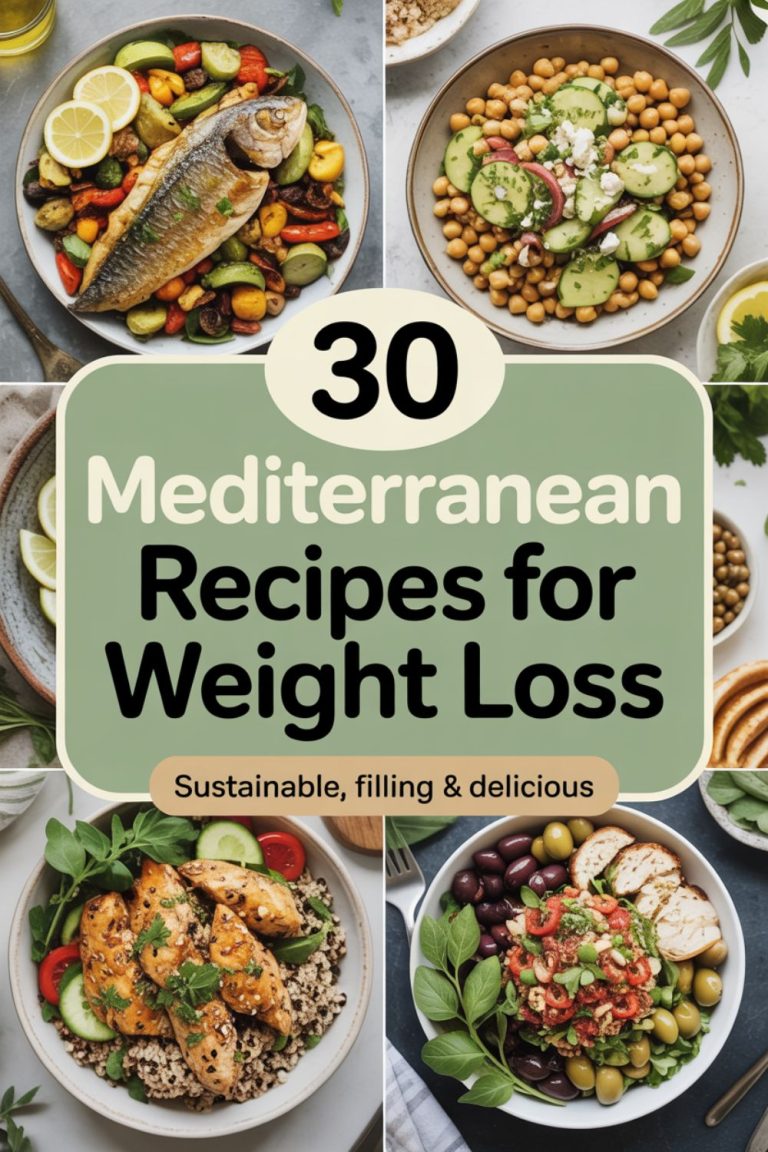
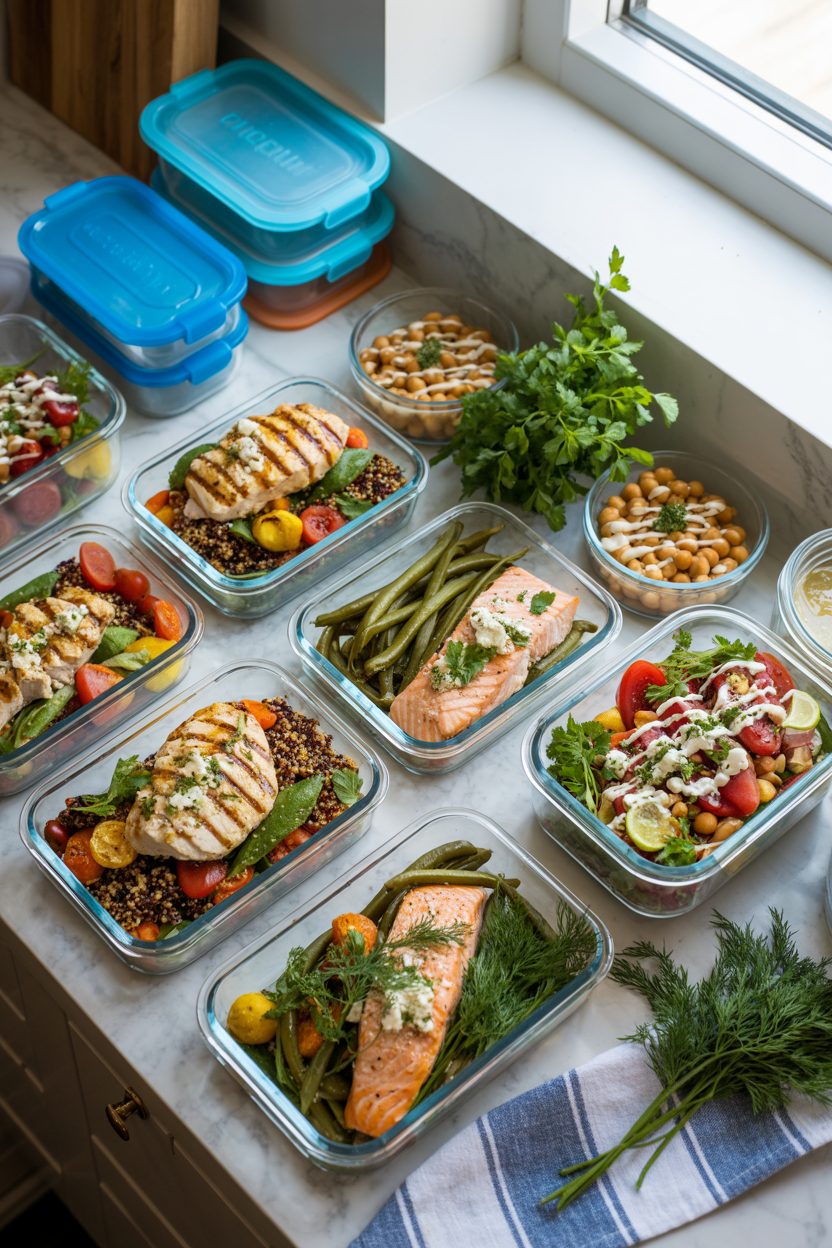
30 High-Protein Mediterranean Recipes for Simple Meal Prep
Meal prep gets a bad reputation for turning Sunday afternoons into some kind of culinary assembly line that leaves you eating the same sad chicken and rice for five days straight. But here’s what nobody tells you: meal prep doesn’t have to be boring, and it definitely doesn’t have to taste like cardboard by Wednesday.
Mediterranean cooking is basically designed for meal prep. These dishes often taste better the next day once the flavors have had time to get friendly with each other. Plus, when you’re focusing on high-protein options, you’re building meals that actually keep you full instead of leaving you raiding the snack drawer two hours after lunch.
I’ve been prepping Mediterranean-style meals for almost three years now, and it’s completely changed how I approach the week. No more decision fatigue at dinner time. No more ordering expensive takeout because I’m too tired to think. Just grab a container, heat it up if needed, and you’ve got a legitimately good meal ready in minutes.
These 30 recipes are all tested for meal prep—meaning they store well, reheat properly, and don’t turn into a soggy mess by day four. Each one packs at least 25 grams of protein per serving, so you’re actually getting the nutrition you need without having to track every single macro like it’s a part-time job.
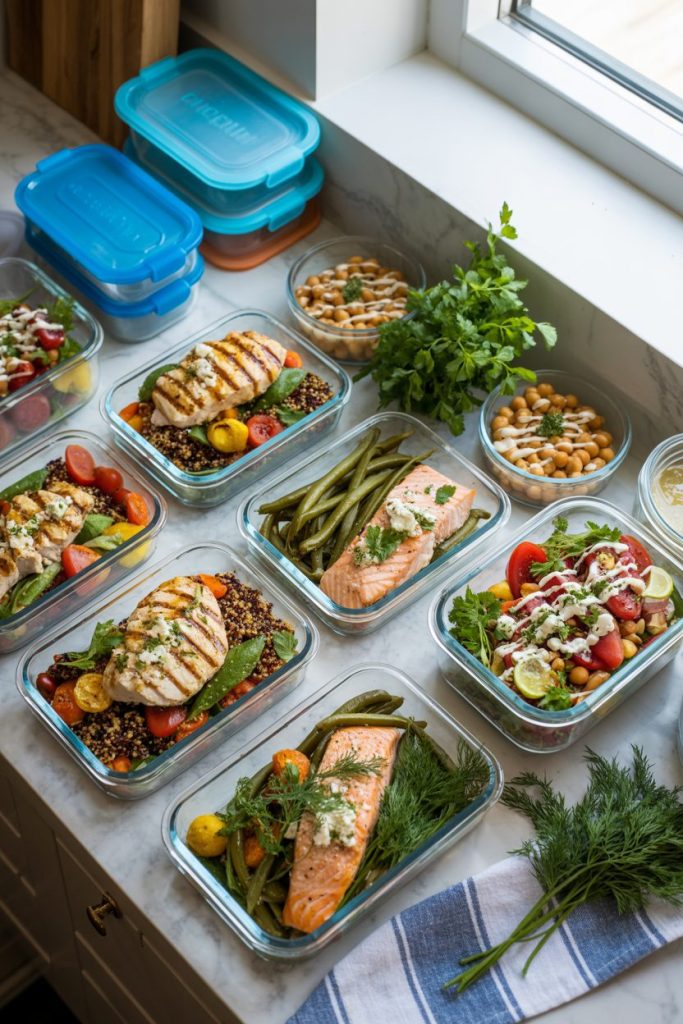
Why Mediterranean Meal Prep Actually Works
Most meal prep advice pushes you toward bland, repetitive eating. Mediterranean cooking flips that script completely. You’re working with bold flavors—lemon, garlic, herbs, olive oil—that don’t fade after a few days in the fridge. Actually, dishes like grain bowls and marinated proteins often improve with time.
The protein sources in Mediterranean cooking are naturally meal-prep friendly. Grilled chicken thighs stay juicy when reheated. Fish like salmon holds up well if you don’t overcook it initially. Chickpeas and lentils are practically designed for batch cooking. Greek yogurt lasts all week. Hard-boiled eggs keep for days.
Here’s the other advantage: Mediterranean meals don’t rely on complicated sauces that separate or get weird in the microwave. A drizzle of olive oil, a squeeze of lemon, some fresh herbs—that’s often all you need. Simple doesn’t mean boring when your ingredients are good quality and properly seasoned.
The fiber content from vegetables, whole grains, and legumes also means these meals keep you satisfied longer. You’re not going to crush 500 calories of meal-prepped food and immediately start thinking about your next meal. That’s the protein and fiber combo working exactly as intended.
Setting Up Your Meal Prep System
Before you start cooking, you need the right containers. I learned this the hard way after ruining several meals with cheap containers that leaked in my bag or didn’t seal properly. Invest in these glass meal prep containers—they’re microwave-safe, dishwasher-safe, and don’t absorb smells or stains like plastic does.
Get yourself a decent set of sheet pans too. I use three or four at once when I’m roasting vegetables and proteins. The heavy-gauge ones distribute heat evenly so you don’t get burnt spots and raw spots on the same pan.
A kitchen scale helps if you’re serious about hitting protein targets. You don’t need to weigh every single thing, but knowing that your chicken portion is actually 6 ounces instead of guessing saves a lot of confusion when you’re trying to track nutrition.
Here’s my basic Sunday prep routine: Pick 3-4 proteins to cook, roast 2-3 types of vegetables, cook 2 different grains or legumes, and prep any sauces or dressings. Mix and match throughout the week so you’re not eating identical meals seven times. That variety makes a massive difference in whether you’ll actually stick with meal prep long-term.
Breakfast: Starting the Day With Protein
1. Greek Yogurt Parfait Prep
Layer Greek yogurt with berries and granola in mason jars or small containers. Keep the granola separate until you’re ready to eat so it doesn’t get soggy. Each jar delivers about 20 grams of protein from the yogurt alone.
I prep five of these at once and grab one on my way out the door. Get the full recipe. Use this 12-pack of mason jars with lids—they’re perfect for parfaits and way cheaper than buying individual yogurt cups.
2. Spinach and Feta Egg Muffins
Beat a dozen eggs with chopped spinach, crumbled feta, diced tomatoes, and herbs. Pour into a muffin tin and bake. You get 12 portable breakfast options that reheat in 30 seconds.
Each muffin has about 8 grams of protein, so eating two or three makes a complete meal. Recipe here. I use these silicone muffin cups so nothing sticks and cleanup takes literally seconds.
3. Mediterranean Breakfast Bowls
Cook quinoa in bulk, then portion it into containers with hard-boiled eggs, cherry tomatoes, cucumber, olives, and a dollop of tzatziki. The quinoa provides complex carbs and additional protein while the eggs give you the main protein boost.
You’re looking at roughly 25 grams of protein per bowl. These eat well cold or heated up, depending on your preference. The components stay fresh for five days easily.
4. Savory Mediterranean Scramble
This one’s better prepped as components you assemble fresh each morning, but you can do most of the work ahead. Chop all your vegetables on Sunday—spinach, tomatoes, bell peppers, onions. Get the full recipe.
Crack your eggs into a bowl and keep them in the fridge. Each morning takes less than 10 minutes to scramble everything together. About 28 grams of protein when you use three eggs plus feta.
5. Overnight Oats with Greek Yogurt
Mix rolled oats with Greek yogurt instead of regular milk for a massive protein boost. Add chia seeds for extra protein and omega-3s. Top with nuts and berries.
Each serving gives you around 25 grams of protein depending on your yogurt ratio. Prep five containers on Sunday night and you’re set for the week. If you want more overnight oats variety, check out these 25 recipes.
Lunch: Midday Meals That Travel Well
6. Grilled Chicken Shawarma Bowls
Marinate chicken thighs in yogurt, lemon, garlic, cumin, paprika, and turmeric. Grill them all at once, then slice and portion over mixed greens with cucumber, tomatoes, red onion, and tahini dressing.
Each bowl delivers about 35 grams of protein from the chicken alone. Full recipe here. These bowls hold up perfectly for five days—just keep the dressing separate until you eat.
7. Tuna and White Bean Salad
Mix canned tuna (the good stuff packed in olive oil) with white beans, cherry tomatoes, red onion, parsley, and lemon vinaigrette. This one’s ready in 10 minutes and provides about 30 grams of protein per serving.
Get the recipe. Serve it over greens or with whole wheat crackers. The flavors actually improve after a day in the fridge as everything marinates together.
8. Mediterranean Grain Bowl
Cook a big batch of quinoa or farro. Roast chickpeas with paprika and cumin until crispy. Prep your vegetables—cucumber, tomatoes, roasted bell peppers, red onion. Crumble some feta.
Assemble bowls with your grain base, chickpeas, vegetables, and feta. Drizzle with olive oil and lemon juice. Around 28 grams of protein per bowl from the combination of grains, chickpeas, and feta. Recipe details.
9. Greek Salad with Grilled Salmon
Prep your salad components—romaine, cucumber, tomatoes, red onion, olives, feta. Grill salmon fillets seasoned simply with olive oil, lemon, oregano, salt, and pepper.
Store the salmon separate from the salad and combine when ready to eat. The salmon provides 30-35 grams of protein per fillet. Get the recipe. Use this fish spatula for flipping salmon without it falling apart—seriously changed my salmon game.
10. Lemon Herb Chicken with Roasted Vegetables
Marinate chicken breasts in lemon juice, olive oil, garlic, and herbs overnight. Roast them alongside vegetables like zucchini, bell peppers, and red onion.
Everything cooks on one sheet pan, which means minimal cleanup. Each serving has about 40 grams of protein. Full recipe.
11. Mediterranean Chickpea Bowls
Roast chickpeas with olive oil and spices until crispy. Cook quinoa or brown rice. Prep cucumber, tomatoes, red cabbage, and a simple tahini-lemon dressing.
These fully vegetarian bowls still pack about 22 grams of protein from the chickpeas and quinoa together. Recipe here. They travel exceptionally well and eat great at room temperature.
12. Stuffed Bell Peppers with Quinoa and Turkey
Mix cooked quinoa with ground turkey, diced tomatoes, spinach, and feta. Stuff into halved bell peppers and bake until the peppers are tender.
Each stuffed pepper half has roughly 25 grams of protein. Get the recipe. These reheat perfectly and actually taste better on day two.
13. Greek Yogurt Chicken Salad
Shred rotisserie chicken and mix with Greek yogurt instead of mayo, diced cucumber, red onion, dill, lemon juice, salt, and pepper. The Greek yogurt adds creaminess plus extra protein.
Serve over mixed greens, in a wrap, or with vegetable sticks. About 30 grams of protein per serving. Recipe details.
14. Falafel Bowls with Tzatziki
Make a big batch of baked falafel on Sunday. Store them with quinoa or brown rice, mixed greens, cucumber, tomatoes, and tzatziki sauce on the side.
The combination of chickpeas in the falafel and Greek yogurt in the tzatziki gives you around 24 grams of protein per bowl. Get the falafel recipe and prep the tzatziki separately.
15. Shrimp and Quinoa Bowls
Sauté shrimp with garlic, olive oil, lemon, and red pepper flakes. Serve over quinoa with roasted vegetables and a lemon-herb dressing.
Shrimp are almost pure protein—a 6-ounce portion gives you about 35 grams. Recipe here. Cook the shrimp separately and add them to your bowls so they don’t get rubbery when reheated.
Dinner: Evening Meals Worth Coming Home To
16. Baked Salmon with Herbed Quinoa
Season salmon fillets with dill, garlic, lemon, olive oil, salt, and pepper. Bake at 400°F until just cooked through—about 12-15 minutes depending on thickness.
Cook quinoa and toss with fresh herbs (parsley, dill, mint) and lemon juice. Each serving provides about 35 grams of protein. Full recipe. Use this instant-read thermometer to nail perfectly cooked salmon every time—should read 145°F.
17. Mediterranean Turkey Meatballs
Mix ground turkey with breadcrumbs, egg, minced garlic, oregano, parsley, salt, and pepper. Form into meatballs and bake. Make a simple tomato sauce with canned tomatoes, garlic, and basil.
These meatballs freeze beautifully if you want to make a double batch. Each serving of 4-5 meatballs has about 30 grams of protein. Serve them over whole wheat pasta, zucchini noodles, or quinoa.
18. Lemon Garlic Grilled Chicken with Couscous
Marinate chicken breasts or thighs in olive oil, lemon juice, minced garlic, oregano, salt, and pepper. Grill them all at once—probably takes 20 minutes total.
Cook couscous according to package directions but use chicken broth instead of water for more flavor. Each portion delivers 40 grams of protein. Recipe here.
19. Spiced Lentil and Eggplant Stew
This vegetarian option still packs serious protein from the lentils. Sauté diced eggplant, onion, and garlic. Add lentils, diced tomatoes, vegetable broth, cumin, coriander, and cinnamon.
Simmer until the lentils are tender. One serving has about 18 grams of protein, and the stew gets better with time. Get the recipe. Make a huge pot and freeze half for later.
20. Grilled Shrimp Skewers with Tabbouleh
Thread shrimp onto skewers (if you’re using wooden ones, soak them first). Brush with olive oil, lemon, garlic, and herbs. Grill for 2-3 minutes per side.
Make tabbouleh with bulgur wheat, tons of parsley, mint, tomatoes, cucumber, lemon juice, and olive oil. The shrimp provide about 35 grams of protein per serving. Store the shrimp and tabbouleh separately and combine when eating.
21. Chicken Souvlaki with Greek Salad
Cut chicken into cubes and marinate in olive oil, lemon, garlic, oregano, salt, and pepper. Thread onto skewers and grill or broil.
Serve with a simple Greek salad—tomatoes, cucumber, red onion, olives, feta, olive oil, and lemon juice. Each serving has roughly 38 grams of protein. The chicken reheats well, or you can eat it cold over the salad.
22. Baked Cod with Tomato Olive Tapenade
Season cod fillets simply with olive oil, salt, and pepper. Bake at 400°F for about 12 minutes until the fish flakes easily.
Top with a tapenade made from chopped tomatoes, olives, capers, garlic, and parsley. Each fillet provides about 28 grams of protein. Full recipe.
23. Mediterranean Shakshuka with Chickpeas
Make the classic tomato sauce with onions, bell peppers, garlic, tomatoes, cumin, and paprika. Add chickpeas for extra protein and fiber.
Poach eggs directly in the sauce. You’ll get about 32 grams of protein per serving from the eggs and chickpeas combined. Recipe here. This one’s better assembled fresh, but you can prep the sauce ahead and just add eggs when ready to eat.
24. Grilled Turkey Kofta with Cucumber Yogurt Sauce
Mix ground turkey with grated onion, garlic, parsley, cumin, coriander, salt, and pepper. Form into sausage shapes around skewers and grill.
Make a cucumber yogurt sauce with Greek yogurt, grated cucumber, garlic, dill, lemon juice, salt, and pepper. Each serving of kofta has about 35 grams of protein. Get the recipe.
25. One-Pot Mediterranean Pasta with Shrimp
Cook whole wheat pasta with cherry tomatoes, garlic, spinach, white beans, and shrimp all in one pot. The starchy pasta water creates a light sauce without any cream.
The combination of shrimp, white beans, and whole wheat pasta gives you about 30 grams of protein per serving. Recipe here. This is one of those meals that tastes ridiculously good for how easy it is.
26. Chicken Zucchini Skillet
Sauté chicken breast pieces with sliced zucchini, cherry tomatoes, garlic, oregano, and basil. Everything cooks in one skillet in about 20 minutes.
Each serving provides roughly 38 grams of protein from the chicken. Full recipe. I use this large cast iron skillet for dishes like this—the heat retention is perfect for getting good color on the chicken.
27. Mediterranean Lentil Salad
Cook lentils until tender but not mushy. Toss with diced cucumber, tomatoes, red onion, parsley, mint, feta, olive oil, and lemon juice.
This salad is excellent served cold or at room temperature. One serving has about 20 grams of protein from the lentils and feta. Recipe details. The flavors meld beautifully after a day in the fridge.
28. Grilled Salmon with Tomato Caper Relish
Grill or pan-sear salmon fillets seasoned simply with salt, pepper, and olive oil. Top with a fresh relish of diced tomatoes, capers, red onion, basil, and olive oil.
The relish adds brightness without weighing down the fish. A 6-ounce salmon fillet has about 34 grams of protein. Get the recipe.
29. Stuffed Grape Leaves with Ground Beef
Mix ground beef with rice, tomatoes, onion, parsley, mint, and spices. Roll into blanched grape leaves and simmer in a lemony broth.
These are traditional Mediterranean comfort food. Each serving of 4-5 dolmas provides about 28 grams of protein. Recipe here. They’re a bit labor-intensive but worth making in large batches since they freeze perfectly.
30. Moroccan Spiced Quinoa Bowl with Chicken
Season chicken thighs with cumin, coriander, cinnamon, paprika, and turmeric. Roast until crispy. Serve over quinoa with roasted vegetables, chickpeas, and a tahini drizzle.
This bowl packs about 42 grams of protein when you include both the chicken and chickpeas. Full recipe. The Moroccan spices make this feel way more interesting than basic grilled chicken.
Meal Prep Strategies That Actually Save Time
Stop trying to prep seven identical meals on Sunday and wondering why you’re bored by Tuesday. The smarter approach is component-based meal prep. Cook several proteins, multiple vegetable preparations, and a couple of grains. Mix and match throughout the week.
For example: Grill chicken thighs, bake salmon, and cook a batch of chickpeas. Roast vegetables with different seasonings on separate sheet pans—Mediterranean herbs on one, cumin and paprika on another. Cook quinoa and brown rice.
Now you can make chicken quinoa bowls on Monday, salmon with roasted vegetables on Tuesday, chickpea grain bowls on Wednesday, and so on. Same prep work, way more variety.
Batch cooking grains and legumes is non-negotiable. These take the longest to cook and they store perfectly for a week. Cook your quinoa, brown rice, lentils, and chickpeas all at once. Portion them into containers and you’ve got the base for multiple meals ready to go.
Proteins are trickier because they can dry out when reheated. Chicken thighs stay moister than breasts. Fish should be slightly undercooked if you’re planning to reheat it. Hard-boiled eggs are your friend—they’re already cooked perfectly and just need to be peeled.
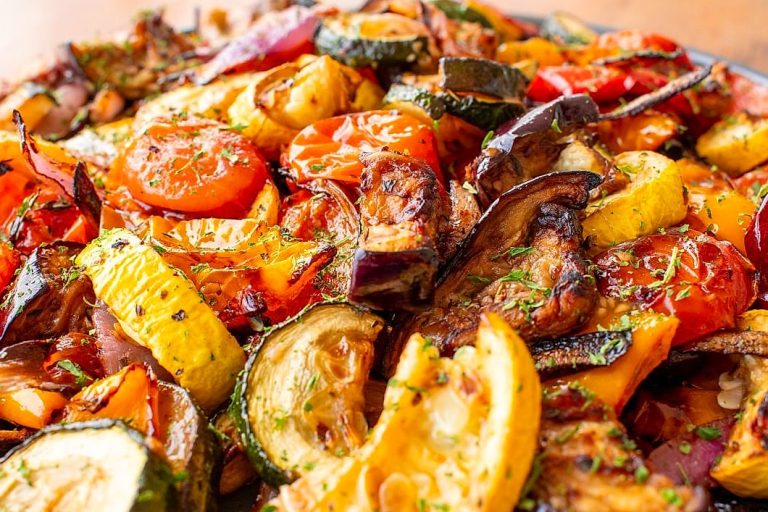
Vegetables should be roasted or steamed, not sautéed, if you’re meal prepping them. Sautéed vegetables get mushy and weird. Roasted vegetables maintain better texture throughout the week. I use these heavy-duty sheet pans for roasting—cheap pans warp in the oven and cook unevenly.
Storage and Reheating Tips
Glass containers are worth the investment. They don’t absorb smells, they microwave evenly, and they look better if you’re bringing lunch to work. This 20-piece glass container set has been bulletproof for me—different sizes for different meal types.
Keep your dressings and sauces separate until you’re ready to eat. Nothing ruins a great salad faster than letting it sit in dressing for three days. I use these 2-ounce containers with lids for dressings and sauces—perfect portion sizes.
Most proteins reheat well in the microwave if you do it right. Use 50% power and heat in 30-second intervals, stirring between each one. This prevents the edges from getting rubbery while the middle stays cold.
Fish is the exception—it’s usually better cold over a salad than reheated. Salmon especially gets that weird fishy smell when you microwave it. Just plan to eat your fish meals cold or at room temperature.
Label everything with the date you prepped it. You think you’ll remember, but you won’t. Use this roll of masking tape and a permanent marker—way easier than trying to find labels or writing directly on containers.
Making It Work Long-Term
The biggest meal prep mistake is treating it like some kind of punishment instead of a tool that makes your life easier. You’re not trying to eat perfectly every single meal. You’re just trying to have good food available so you don’t default to drive-thru or expensive delivery.
Start small. Prep three meals instead of trying to knock out every single meal for the week. Figure out what works for your schedule and your taste preferences. Maybe you only need to prep lunches because you actually enjoy cooking dinner. Or maybe you want breakfasts and lunches prepped but dinner is family time.
The Mediterranean approach makes this sustainable because the food actually tastes good. You’re not choking down flavorless chicken breast and steamed broccoli because some fitness influencer told you to. You’re eating food with actual flavor—garlic, lemon, herbs, good olive oil, cheese, olives, fresh vegetables.
When you hit protein targets with foods you genuinely want to eat, the whole thing becomes so much easier. You’re not relying on willpower to get through meals you hate. You’re just eating good food that happens to support your nutrition goals.
If meal prep starts feeling like a chore, you’re probably overcomplicating it. Pick simpler recipes. Use shortcuts like rotisserie chicken or canned beans. Buy pre-cut vegetables if that saves you time and makes the difference between prepping or not prepping.
For more structured guidance, this 14-day Mediterranean meal plan walks you through exactly what to prep and when. Sometimes having a plan to follow makes the whole process less overwhelming.
The Bottom Line on Mediterranean Meal Prep
High-protein Mediterranean meal prep works because it combines three things that most eating styles can’t pull off: good nutrition, actual flavor, and practical convenience. You’re not sacrificing taste for health or convenience for quality.
These 30 recipes give you enough variety to rotate through without getting bored. They store well, reheat properly (or eat well cold), and provide the protein you need to stay full and support your fitness goals.
The key is finding your system. Maybe you prep on Sundays. Maybe you do two shorter prep sessions on Sunday and Wednesday. Maybe you only prep certain components and cook proteins fresh. Whatever works for your life is the right approach.
Stop thinking about meal prep as this all-or-nothing commitment. It’s just cooking food ahead of time so future you has an easier week. Mediterranean cooking happens to be perfectly suited for this because the flavors are bold enough to last and the proteins are varied enough to keep things interesting.
Start with a few recipes from this list that sound most appealing. Prep them this weekend. See how it goes. Adjust based on what works and what doesn’t. Build from there.
Your week will be easier, your nutrition will be better, and you’ll actually enjoy the food you’re eating. That’s the whole point.