21 Mediterranean Seafood Dinner Ideas (Healthy, Fresh & Flavor-Packed!)
There’s something about Mediterranean seafood that just hits different. Maybe it’s the way lemon and olive oil somehow make everything taste like you’re dining on a Greek island, or maybe it’s because seafood cooked this way doesn’t leave you feeling like you need a nap afterward.
Whatever the reason, Mediterranean-style seafood dinners give you all the flavor without the heaviness. We’re talking bright herbs, quality olive oil, fresh vegetables, and seafood that actually tastes like the ocean instead of whatever dubious breading it’s been hiding under.
I’ve spent way too much time perfecting these recipes (read: eating a lot of fish), and these 21 ideas are the ones I actually make on repeat. They’re fresh, they’re packed with flavor, and they won’t require you to source ingredients from three different specialty stores.
Why Mediterranean Seafood Works So Well
The Mediterranean approach to seafood is brilliantly simple—start with quality fish, don’t overcomplicate it, and let the natural flavors shine through. No heavy sauces trying to mask mediocre ingredients, no deep frying everything into oblivion.
The foundation is always the same: good olive oil, fresh lemon, herbs, garlic, and tomatoes. These ingredients complement seafood without overwhelming it. The result is food that tastes light and fresh but still satisfying enough that you’re not raiding the pantry an hour later.
Plus, seafood is naturally high in omega-3 fatty acids, which support heart health and brain function. When you prepare it the Mediterranean way—grilled, baked, or lightly sautéed—you’re getting all those benefits without adding unnecessary calories or unhealthy fats.
The Quick Weeknight Winners
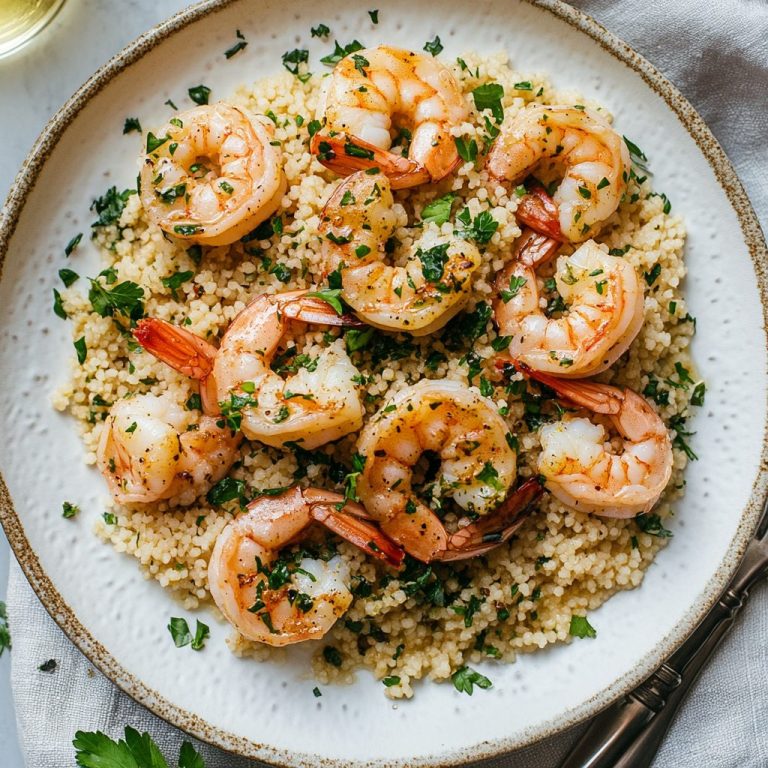
Shrimp Sautéed in Garlic and Olive Oil with Couscous
This is my go-to when I need dinner in under 20 minutes. You sauté shrimp in garlic and olive oil, toss it over couscous, add some lemon juice and parsley, and suddenly you’re eating like you have your life together.
The key is not overcooking the shrimp. They need maybe 2-3 minutes per side, tops. Overcooked shrimp turn into rubber pellets, and nobody wants that. I use a heavy skillet that distributes heat evenly—game changer for getting that perfect texture every time.
Baked Cod with Tomato Olive Tapenade
Cod is one of those fish that people claim is “boring,” which just means they haven’t seasoned it properly. Top it with a tomato-olive tapenade, bake it for 15 minutes, and it transforms into something you’d order at a restaurant.
The tapenade does all the heavy lifting here—salty olives, sweet tomatoes, capers for brightness, all on top of mild, flaky cod. It’s fool-proof as long as you don’t leave it in the oven until it’s desiccated.
Grilled Salmon with Tomato Caper Relish
Salmon is basically the safest bet in the seafood world because it’s nearly impossible to mess up. It’s fatty enough that it stays moist even if you slightly overcook it (though please don’t).
The tomato caper relish adds acidity and brininess that cuts through the richness of the salmon. I make extra relish because it’s also excellent on eggs, chicken, or straight out of the bowl with a spoon when no one’s watching.
The Impressive But Easy Options
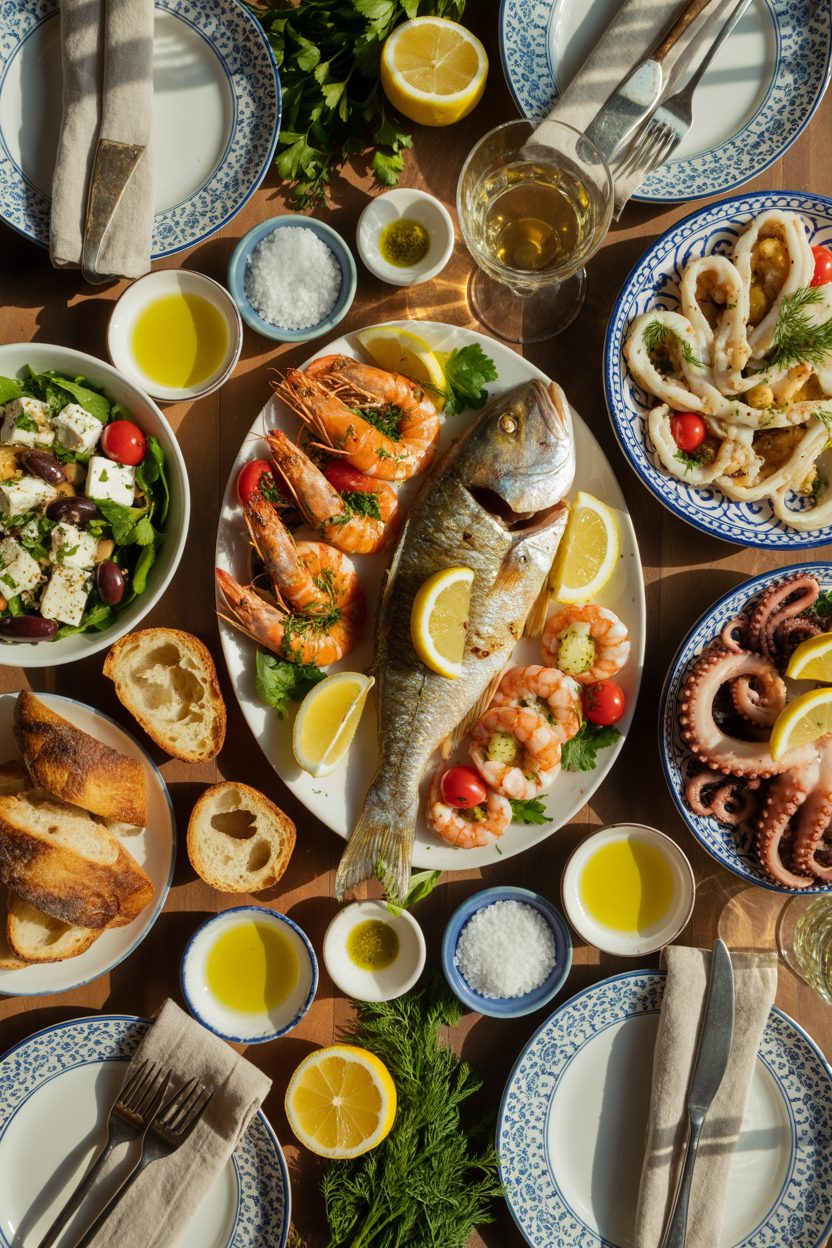
Whole Grilled Fish with Lemon and Herbs
Nothing says “I know what I’m doing in the kitchen” quite like serving a whole grilled fish. It looks fancy, it tastes incredible, and it’s shockingly simple.
You stuff the cavity with lemon slices and fresh herbs (dill, parsley, oregano), drizzle olive oil over everything, season generously, and grill it until the skin gets crispy. The presentation alone makes people think you spent hours on it.
Pro tip: Use a fish basket if you have one. It makes flipping the fish infinitely easier and prevents the skin from sticking to the grill grates. Trust me on this—I’ve scraped too many fish carcasses off grill grates to not pass on this wisdom.
Shrimp Saganaki (Spicy Tomato and Feta)
This Greek dish involves shrimp baked in a spicy tomato sauce with feta cheese on top, and it’s the kind of food that makes you want to soak up every drop of sauce with bread.
The combination of tomatoes, garlic, red pepper flakes, and melted feta creates this rich, tangy sauce that transforms simple shrimp into something memorable. Serve it straight from the skillet with crusty bread for optimal sauce-soaking.
Grilled Octopus with Olive Oil and Lemon
I know octopus sounds intimidating, but hear me out. Once you master the cooking technique (simmer it first, then grill), it’s actually straightforward, and the flavor is worth the effort.
The key is tenderizing it through slow simmering before grilling. This breaks down the tough fibers, and then grilling adds that charred, smoky flavor with crispy edges. Finish with good olive oil, lemon juice, and flaky sea salt.
Most fishmongers will clean the octopus for you, which eliminates the one truly annoying part of the process. If you’re feeling adventurous, this is the dish that’ll make you look like a seafood expert.
The Classic Mediterranean Staples
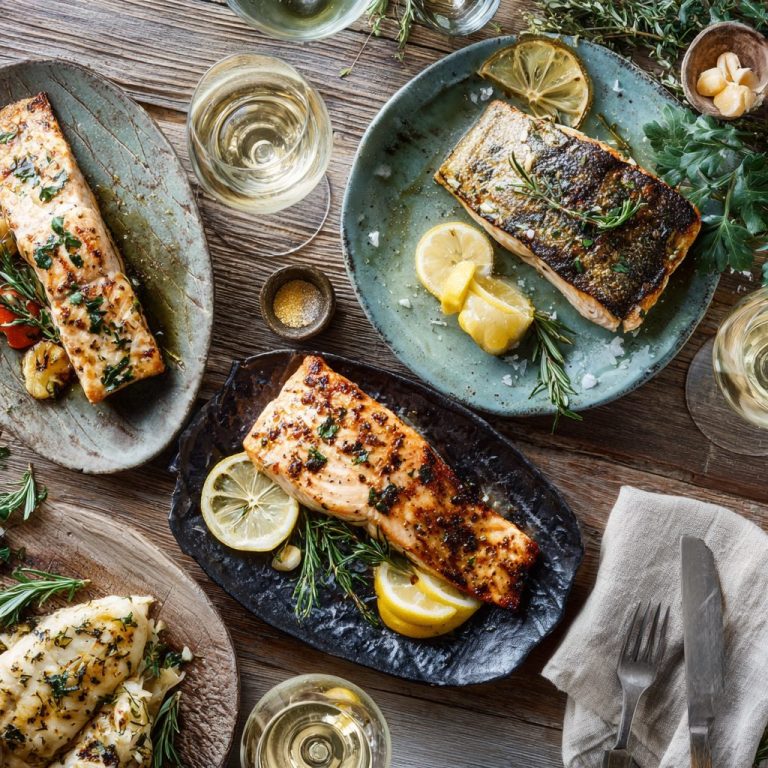
Baked Salmon with Herbed Quinoa
This might be the most frequently made dinner in my rotation. It’s healthy, filling, and requires minimal active cooking time—basically it cooks itself while you do literally anything else.
Season the salmon with herbs, stick it in the oven, cook quinoa on the stove, and you’ve got a complete meal. The omega-3s from the salmon paired with the complete protein in quinoa make this nutritionally solid.
Baked Salmon with Dill and Garlic
Dill and salmon are one of those classic pairings that exist for a reason—they just work. The anise-like flavor of dill complements the richness of salmon without competing with it.
Mix fresh dill with minced garlic, lemon zest, and olive oil. Spread it over the salmon, bake until just cooked through, and you’ve got dinner. I serve this with roasted vegetables or a simple salad, though it’s also excellent with this salmon with herbed quinoa and green beans combo.
Tuna White Bean Salad
This isn’t technically a “cooked” dinner, but it’s so satisfying that it counts. Canned tuna, white beans, red onion, cherry tomatoes, olive oil, and lemon juice come together in about 5 minutes.
The white beans add substance and fiber, making this more filling than your average tuna salad. It’s the kind of meal you throw together when you realize you forgot to plan dinner and grocery shopping isn’t happening.
The Pasta and Grain-Based Seafood Dinners
Whole Wheat Spaghetti with Cherry Tomatoes and Basil (Add Shrimp)
Take the classic spaghetti with cherry tomatoes and basil, add some shrimp, and suddenly you’ve got a complete meal. The tomatoes burst in the pan, creating a light sauce that coats the pasta.
This is one of those dishes where the quality of ingredients really matters. Good olive oil, ripe tomatoes, fresh basil—these simple components need to shine because there’s nowhere to hide mediocre ingredients.
Seafood Orzo with Lemon and Herbs
Orzo is underrated. It’s pasta that looks like rice, which somehow makes it feel fancier. Add shrimp or scallops, lots of lemon, fresh herbs, and you’ve got a dish that works equally well for weeknight dinners or when you’re trying to impress someone.
The small pasta shape means every bite gets seafood, herbs, and lemon. It’s cohesive in a way that longer pasta shapes aren’t. I finish it with a handful of arugula that wilts slightly from the heat, adding a peppery bite.
Mediterranean-Style Paella (Simplified)
Real paella requires specific equipment and technique, but a simplified Mediterranean version gets you close enough without the stress. Saffron-scented rice, shrimp, mussels, chorizo, peas, and peppers all cook together in one pan.
The goal is getting that crispy bottom layer of rice (socarrat) without burning everything. Use a wide, shallow pan, resist the urge to stir constantly, and let it do its thing. The result is worth the patience.
The Lighter, Salad-Forward Options
Mediterranean Tuna Stuffed Peppers
Bell peppers stuffed with tuna, olives, capers, tomatoes, and herbs make for a light but satisfying dinner. The peppers roast until they’re soft and slightly charred, and the filling stays moist from the olive oil and tomatoes.
These reheat well, which makes them excellent for meal prep. Make a batch on Sunday, reheat throughout the week, and you’ve got lunch or dinner handled.
Grilled Shrimp Skewers with Greek Salad
Sometimes the best dinners are the simplest. Thread shrimp on skewers, grill them until they get those nice char marks, serve over or alongside a big Greek salad.
The salad should be legit—cucumbers, tomatoes, red onion, Kalamata olives, feta, oregano, olive oil, and lemon. Skip the lettuce. A proper Greek salad doesn’t need it. If you want to go all out, try this actually good Greek salad.
Seared Tuna with Mediterranean Vegetables
Tuna steaks seared rare on the outside and nearly raw in the middle, served with roasted Mediterranean vegetables—zucchini, eggplant, bell peppers, onions.
The key to searing tuna is getting your pan screaming hot and using tuna that’s sushi-grade. You want maybe 90 seconds per side, then slice it thinly. Overcooking tuna is criminal—it turns from buttery to cardboard.
The Comfort Food Category
Seafood Stew with Tomatoes and Fennel
This is the Mediterranean version of comfort food—a tomato-based stew loaded with whatever seafood you’ve got. Shrimp, mussels, firm white fish, scallops—they all work.
Fennel adds a subtle anise flavor that pairs beautifully with seafood. If you’re not a fennel person, you can use celery instead, though I’d encourage you to give fennel a shot. It mellows considerably when cooked.
Serve this with crusty bread for dipping into the broth. The bread is non-negotiable—you need something to soak up all that tomato-fennel goodness.
Baked Fish with Potatoes and Olives
This one-pan wonder involves layering sliced potatoes with onions, topping them with fish fillets, then scattering olives, tomatoes, and herbs over everything before baking.
The potatoes on the bottom get crispy and absorb all the flavors from the fish and olives. It’s the kind of meal that feeds a crowd with minimal effort. I use a large cast-iron skillet for even heat distribution and easy serving.
Seafood Risotto
Risotto has this reputation for being difficult, but it’s really just rice that requires attention. You add broth gradually, stir regularly, and don’t walk away. Twenty-five minutes of stirring gets you creamy, luxurious risotto.
Add shrimp and scallops toward the end so they cook gently in the hot risotto without turning rubbery. Finish with lemon zest, parsley, and a drizzle of olive oil. It’s restaurant-quality food that you made in your own kitchen while wearing sweatpants.
The Bold Flavor Profiles
Grilled Swordfish with Olive Tapenade
Swordfish has a meaty texture that holds up beautifully on the grill. It doesn’t flake apart like more delicate fish, which makes it ideal for grilling without a basket.
Top it with olive tapenade—a salty, briny spread made from olives, capers, garlic, and olive oil. The strong flavors complement the substantial fish without overwhelming it. This is food for people who like big, bold tastes.
Spicy Grilled Calamari
Calamari gets a bad rap because people mostly encounter it as fried rubber rings at mediocre restaurants. Grilled calamari is a completely different experience—tender, slightly charred, with whatever spice blend you throw at it.
Marinate it briefly in olive oil, lemon juice, garlic, and red pepper flakes. Grill it fast over high heat—maybe 2 minutes per side. Overcooking is the enemy here. Done right, it’s tender and flavorful with a slight chew.
Sardines with Lemon and Oregano
Fresh sardines, not the canned ones (though canned sardines are also excellent in their own right). Grill them whole, drizzle with lemon juice and olive oil, sprinkle with oregano.
They’re small, so they cook quickly. The skin gets crispy, the flesh stays moist, and they’re packed with omega-3s. Sardines are also significantly more sustainable than larger fish, which is worth considering if you care about that sort of thing.
Making Mediterranean Seafood Work for You
The beauty of Mediterranean seafood cooking is its flexibility. Most of these recipes follow the same basic formula—quality seafood, olive oil, lemon, herbs, maybe some tomatoes or garlic. Once you understand the formula, you can improvise based on what you have available.
Start with fresh seafood when possible. It makes a real difference. If fresh isn’t an option, frozen seafood—especially shrimp and fish fillets—works fine as long as you thaw it properly. Never microwave seafood to thaw it. Just plan ahead and let it thaw in the fridge overnight.
Don’t overcook anything. This is the number one mistake people make with seafood. Fish is done when it’s just opaque and flakes easily. Shrimp are done when they’re pink and slightly curved. Keep cooking beyond that point and you’re entering tough, dry territory.
Invest in good olive oil. You don’t need the most expensive bottle, but get something that tastes good on its own. Mediterranean cooking relies heavily on olive oil for flavor, so using the stuff that tastes like nothing defeats the purpose.
The Nutritional Benefits You’re Actually Getting
Mediterranean seafood dishes deliver serious nutritional value without making you feel like you’re eating “health food.” The omega-3 fatty acids in fish support cardiovascular health and may reduce inflammation. According to research on Mediterranean diets, regular fish consumption is linked to better heart health outcomes.
The vegetables, olive oil, and herbs add antioxidants, vitamins, and minerals. Olive oil provides healthy monounsaturated fats that aid in nutrient absorption. The overall eating pattern—lots of fish, vegetables, whole grains, minimal processed food—is consistently ranked as one of the healthiest ways to eat.
But beyond the nutrition science, this food just makes you feel good. It’s satisfying without being heavy. You finish dinner feeling energized rather than needing to unbutton your pants and lie down.
Actually Cooking This Food
Here’s the reality: most of these recipes take 30 minutes or less. The “impressive” ones might push 45 minutes, but that’s mostly hands-off cooking time.
Batch prep your ingredients. Mince a bunch of garlic at once and store it in olive oil. Wash and chop herbs on Sunday for the whole week. These small time-savers make weeknight cooking significantly easier.
Get comfortable with high heat. Mediterranean cooking often involves searing or grilling at high temperatures to develop flavor quickly. Don’t be timid with your heat. A good sear on fish or shrimp adds depth that you can’t achieve with gentler cooking methods.
Taste as you go. The difference between good Mediterranean food and great Mediterranean food often comes down to seasoning. Add salt gradually, taste, adjust. Squeeze lemon juice, taste, add more if needed. This isn’t baking—you can and should adjust as you cook.
If you’re looking for more Mediterranean dinner ideas beyond seafood, check out these Mediterranean dinner ideas for busy weeknights or this one-pan Mediterranean dinner guide.
The Bottom Line on Mediterranean Seafood
Mediterranean seafood cooking isn’t complicated. It’s about respecting good ingredients, not overworking them, and letting natural flavors come through. The techniques are straightforward, the ingredients are accessible, and the results consistently deliver.
These 21 ideas give you everything from quick weeknight options to weekend showstoppers. Some take 15 minutes, others take 45, but none of them require culinary school or obscure ingredients that you’ll use once and never touch again.
The real benefit is that this style of cooking becomes second nature once you make a few of these dishes. You start understanding how flavors work together, how long different types of seafood need to cook, how to adjust recipes based on what you have available.
Start with the simpler recipes—the shrimp with garlic and olive oil, the baked salmon with dill. Build confidence, then move to the whole grilled fish or the seafood stew. Before long, you’ll be improvising your own Mediterranean seafood dinners based on whatever looks good at the market.
And that’s when cooking stops feeling like a chore and starts feeling like something you actually want to do. Which is the whole point, really.