30 Low-Calorie Lunch Meal Prep Bowls
Look, I’m gonna level with you. Sunday meal prep used to feel like a punishment I willingly signed up for. Standing in my kitchen for hours, chopping vegetables until my fingers cramped, wondering if this was really worth it. But then I discovered meal prep bowls, and honestly? Game changer.
These aren’t your sad desk salads or those Instagram-perfect bowls that taste like cardboard. I’m talking about actually delicious, genuinely satisfying lunches that clock in under 400 calories and keep you full until dinner. No mid-afternoon snack attacks, no 3pm vending machine runs, no ordering overpriced takeout because you forgot to pack lunch again.
The beauty of meal prep bowls is that they’re basically foolproof. You throw together some protein, grains, veggies, and a killer sauce, and boom—you’ve got lunch sorted for the week. Plus, according to Cleveland Clinic, meal prepping helps with portion control and prevents overeating since you’re making conscious food choices when you’re not already hangry.

Why Meal Prep Bowls Actually Work
Here’s the thing about meal prep bowls that nobody tells you: they’re not just about saving time. Sure, that’s a huge perk. But the real magic happens when you stop making food decisions at your hungriest moments. Ever notice how your willpower vanishes right around noon?
Research shows that meal planning behaviors are linked to better food choices and lower body weight. When you prep ahead, you’re basically outsmarting future-you who would definitely order that 800-calorie burrito bowl with extra guac.
I started meal prepping bowls about two years ago, and my lunch game hasn’t been the same since. I use these glass meal prep containers because they’re microwave-safe and don’t get all weird and cloudy like plastic ones do. Trust me, investing in decent containers makes the whole process way less annoying.
Pro Tip: Prep your veggies on Sunday night and thank yourself all week. Seriously, having pre-chopped vegetables ready to go eliminates like 80% of the friction that makes you skip meal prep.
Building the Perfect Low-Calorie Bowl
Okay, so let’s talk formula. Every great meal prep bowl needs four main components, and once you nail this down, you can literally throw together hundreds of different combinations without ever getting bored.
The Base Layer
Your base is where you can really control the calorie count. I usually go with cauliflower rice, zucchini noodles, or mixed greens when I want to keep things super light. But if I’ve got a hard workout planned, I’ll use quinoa or brown rice instead. The key is matching your base to your energy needs for the day.
For awesome Mediterranean-style bases, you might want to check out these Mediterranean Grain Bowls. They nail the flavor-to-calorie ratio.
The Protein Component
This is non-negotiable, folks. Protein keeps you full and helps maintain muscle while you’re in a calorie deficit. I rotate between grilled chicken, baked salmon, ground turkey, and chickpeas. Studies suggest that plant-based proteins like legumes and beans are incredibly nutritious and store well, making them perfect for batch cooking.
My go-to cooking method is using this air fryer for chicken—15 minutes and it’s perfectly juicy every time, no dry, sad chicken breast in sight. If you’re looking for protein-packed inspiration, the Lemon Herb Chicken with Roasted Potatoes is killer. Get Full Recipe.
The Veggie Situation
Here’s where you can go wild. I like mixing roasted vegetables (sweet potato, Brussels sprouts, bell peppers) with raw crunchy ones (cucumber, carrots, red cabbage). The texture contrast keeps things interesting, and you’re packing in nutrients without adding many calories.
Roasting vegetables is literally the easiest thing ever. Toss them with a tiny bit of olive oil, salt, and whatever spices you’re feeling, then throw them on a silicone baking mat at 425°F for 20-25 minutes. Zero sticking, zero scrubbing. You’re welcome.
The Sauce Makes Everything
Real talk: sauce is what separates a mediocre meal prep bowl from one you actually look forward to eating. I make big batches of different sauces and store them in small mason jars in the fridge. Greek yogurt-based dressings, tahini drizzles, salsa verde, peanut sauce—variety is your friend here.
One quick trick? Blend Greek yogurt with lemon juice, garlic, and herbs for an instant creamy dressing that’s way lower in calories than mayo-based options. Takes maybe two minutes.
Quick Win: Make a double batch of whatever sauce you’re prepping. Future-you will be ridiculously grateful when you can grab a pre-made sauce instead of making it from scratch mid-week.
30 Low-Calorie Bowl Ideas That Don’t Suck
Alright, let’s get into the actual bowls. I’ve organized these by protein type so you can easily find options that fit your preferences. All of these are under 400 calories, and more importantly, they actually taste good.
Chicken-Based Bowls
1. Mediterranean Chicken Bowl: Grilled chicken, cucumber, tomatoes, red onion, chickpeas, feta, and tzatziki over quinoa. The Grilled Lemon Herb Chicken with Quinoa version of this is ridiculously good. Get Full Recipe.
2. Buffalo Chicken Power Bowl: Spicy buffalo chicken, shredded cabbage, carrots, celery, and a drizzle of ranch over cauliflower rice. It’s like hot wings but healthier and you can eat it with a fork.
3. Teriyaki Chicken Bowl: Baked teriyaki chicken, edamame, snap peas, carrots, and sesame seeds over brown rice. Sweet, savory, and surprisingly filling.
4. Greek Chicken Salad Bowl: Herbed chicken, mixed greens, cucumber, tomatoes, olives, and feta with lemon vinaigrette. Simple but never boring.
5. Pesto Chicken Veggie Bowl: Grilled chicken, zucchini noodles, cherry tomatoes, and homemade basil pesto. Feels fancy, takes 20 minutes to prep.
Speaking of Mediterranean flavors, if you’re into meal prep that actually tastes like something, check out these Mediterranean Chickpea Bowls or the Lemon Garlic Grilled Chicken with Couscous. Both are absolute workhorses in my weekly rotation.
Seafood Bowls
6. Salmon Teriyaki Bowl: Baked teriyaki salmon, edamame, cucumber, avocado, and pickled ginger over sushi rice. Restaurant vibes, home prices.
7. Shrimp Taco Bowl: Seasoned shrimp, black beans, corn, pico de gallo, and avocado over cauliflower rice. All the taco flavors, way fewer calories.
8. Mediterranean Tuna Bowl: Canned tuna (the fancy olive oil kind), white beans, cherry tomatoes, arugula, and balsamic vinaigrette. The Tuna White Bean Salad is basically this but even better. Get Full Recipe.
9. Lemon Herb Salmon Bowl: Baked salmon with lemon and dill, roasted asparagus, quinoa, and a light yogurt sauce. The Baked Salmon with Dill Garlic recipe is clutch for this one.
10. Shrimp Scampi Bowl: Garlic butter shrimp, zucchini noodles, cherry tomatoes, and fresh basil. Tastes way more indulgent than the calorie count suggests.
I cook shrimp in this nonstick skillet and they come out perfect every single time. No sticking, no mess, just properly cooked shrimp in like four minutes.
Turkey & Lean Meat Bowls
11. Korean Turkey Bowl: Ground turkey with Korean-inspired sauce (gochujang is your friend), pickled vegetables, brown rice, and green onions. Spicy, tangy, addictive.
12. Turkey Taco Bowl: Seasoned ground turkey, black beans, corn, salsa, and Greek yogurt over romaine. Classic but reliable.
13. Mediterranean Turkey Bowl: Ground turkey with oregano and garlic, cucumber, tomatoes, olives, and hummus over mixed greens.
14. Turkey Meatball Bowl: Homemade turkey meatballs, marinara, zucchini noodles, and a sprinkle of parmesan. Comfort food that won’t wreck your progress.
15. Thai Turkey Bowl: Ground turkey with Thai basil, bell peppers, snap peas, and a coconut curry sauce over cauliflower rice.
Vegetarian & Plant-Based Bowls
16. Buddha Bowl: Chickpeas, sweet potato, kale, avocado, quinoa, and tahini dressing. This is the bowl that converted me to meal prep life, honestly.
17. Black Bean Burrito Bowl: Black beans, brown rice, corn, peppers, onions, salsa, and guacamole. The Veggie-Packed Black Bean Tacos ingredients work perfectly in bowl form too.
18. Tofu Stir Fry Bowl: Crispy baked tofu, broccoli, bell peppers, carrots, and teriyaki sauce over rice. Getting that tofu crispy is easier in an air fryer basket—just saying.
19. Lentil Power Bowl: Cooked lentils, roasted sweet potato, spinach, red onion, and lemon tahini dressing. Protein-packed and surprisingly hearty.
20. Falafel Bowl: Baked falafel, hummus, tabbouleh, cucumber, tomatoes, and tahini sauce. The Easy Baked Falafel recipe makes this so much easier than it sounds. Get Full Recipe.
For more plant-based options, the Chickpea Cauliflower Coconut Curry and Lentil Sweet Potato Stew both translate beautifully into meal prep bowls.
Egg & Breakfast Bowl Options
21. Shakshuka Bowl: Baked eggs in spicy tomato sauce, chickpeas, and spinach over quinoa. Who says meal prep bowls have to be traditional lunch food? The Shakshuka recipe works perfectly for this.
22. Veggie Scramble Bowl: Scrambled eggs, sautéed peppers and onions, black beans, and salsa over mixed greens.
23. Greek Yogurt Breakfast Bowl: Greek yogurt base, granola, berries, and a drizzle of honey. Not technically a lunch bowl but works great as a light option.
Global-Inspired Bowls
24. Poke Bowl: Sushi-grade tuna (or salmon), edamame, cucumber, avocado, seaweed salad, and sriracha mayo over sushi rice. Worth the splurge on quality fish.
25. Moroccan Spiced Bowl: Spiced chickpeas, roasted cauliflower, carrots, couscous, and harissa yogurt. The Moroccan Spiced Quinoa Bowl has the perfect spice blend for this.
26. Thai Basil Bowl: Ground chicken or tofu with Thai basil, bell peppers, and chilies over jasmine rice. Simple but incredibly flavorful.
27. Caribbean Jerk Bowl: Jerk-seasoned chicken, black beans, mango salsa, and coconut rice. Tropical vibes, zero plane ticket required.
28. Vietnamese-Inspired Bowl: Grilled lemongrass chicken, rice noodles, fresh herbs, pickled vegetables, and fish sauce dressing.
29. Indian Curry Bowl: Chickpea curry, cauliflower, spinach, and brown rice. Meal prepping curry might sound weird but it actually tastes even better the next day.
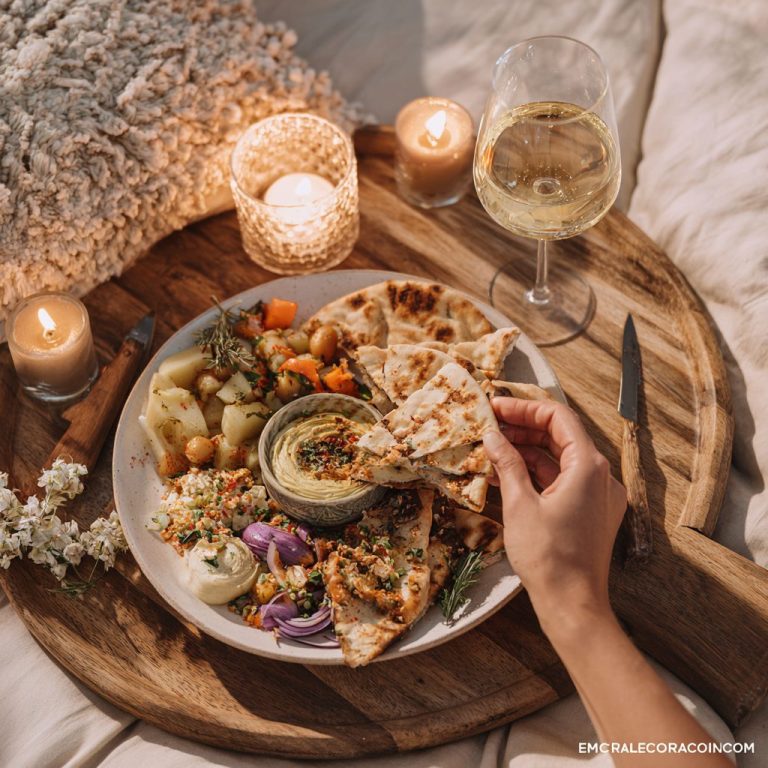
30. Greek Mezze Bowl: Hummus, baba ganoush, falafel, tabbouleh, and pita. The Deconstructed Greek Mezze Plate gives you the full setup. Get Full Recipe.
Meal Prep Logistics Nobody Talks About
Let’s get real about the actual process. I’m not gonna sit here and pretend meal prep is always sunshine and rainbows. Some weeks it’s a breeze, other weeks it feels like a slog. But having a system makes all the difference.
The Sunday Setup
I dedicate about two hours on Sunday afternoon to get everything done. First, I cook all my proteins. While chicken is baking and rice is cooking, I’m chopping vegetables. Everything happens simultaneously, which is how you avoid spending your entire day in the kitchen.
One game-changing tool? A food processor for chopping vegetables. Cuts the prep time in half, literally. I resisted getting one for way too long because I thought it was unnecessary, but wow was I wrong.
Storage Strategy
I portion everything into separate containers rather than assembling complete bowls. Sounds counterintuitive, but hear me out. Storing components separately means nothing gets soggy, and you can mix and match throughout the week. Plus, if you get sick of one combination, you can easily switch things up.
Exception: dressings and sauces always go in their own small containers. Always. Soggy lunch is sad lunch.
Pro Tip: Use reusable silicone bags for storing chopped veggies. They’re better than plastic bags, easier to clean than containers, and they stack perfectly in the fridge.
The Rotation System
I prep enough food for four days, not seven. Here’s why: by Thursday, I’m usually craving something different anyway. Plus, it gives me an excuse to try new recipes or eat out without feeling like I’m wasting food. Friday becomes my “freestyle” day where I use up any leftovers creatively or just order takeout guilt-free.
If you need more structured meal planning, check out the 14-Day Mediterranean Meal Plan for Beginners or the 7-Day High-Protein Mediterranean Meal Plan. Both take the guesswork out of what to prep.
Common Meal Prep Mistakes (That I Definitely Made)
Let’s talk about what not to do, because I’ve made literally all of these mistakes.
Mistake #1: Making Everything Bland. Low-calorie doesn’t mean no-flavor. Use herbs, spices, citrus, vinegars, hot sauce—whatever makes your food actually enjoyable to eat. I learned this the hard way after choking down plain chicken and broccoli for two miserable weeks.
Mistake #2: Prepping Too Much Variety. Sounds counterintuitive, right? But when I tried making six different meals in one prep session, I spent four hours in the kitchen and was exhausted. Now I stick to two or three different bowls max. Way more sustainable.
Mistake #3: Forgetting Texture. You need something crunchy in your bowls. Trust me on this. Whether it’s raw vegetables, nuts, or seeds, that textural contrast makes a huge difference in whether you’ll actually enjoy eating your prep.
Mistake #4: Buying Cheap Containers. They leak, they stain, they crack. Invest in decent containers once and you’re set for years. I finally bought quality glass containers with snap lids and it changed my whole meal prep game.
Making Low-Calorie Bowls Actually Satisfying
Here’s the secret nobody tells you about eating in a calorie deficit: volume matters. You can eat a tiny portion of something calorie-dense, or you can eat a huge bowl of low-calorie-density foods. Guess which one keeps you fuller longer?
This is where vegetables become your best friend. Cauliflower rice, zucchini noodles, leafy greens—they add massive volume without many calories. I can eat a literally overflowing bowl and stay under 350 calories because I’m loading up on high-volume, low-calorie ingredients.
Harvard’s Nutrition Source emphasizes that meal prep helps maintain healthier eating patterns throughout the week. When you’ve got prepared meals ready, you’re way less likely to make impulsive food choices that don’t align with your goals.
Another tip: eat your bowls out of actual bowls, not straight from the meal prep container. It sounds dumb, but transferring your food to a real dish makes it feel more like a proper meal rather than sad desk food. Plus, you can warm everything up properly and add fresh garnishes.
Budget-Friendly Meal Prep Tips
IMO, one of the best parts of meal prepping is how much money you save. Instead of dropping 12 bucks on lunch every day (which adds up to like 60 bucks a week), I’m spending maybe 30 bucks total for five lunches. The math is ridiculously in your favor.
Buy proteins when they’re on sale and freeze them. Stock up on canned beans and chickpeas—they’re cheap, last forever, and are nutritional powerhouses. Buy whatever vegetables are in season because they’re always cheaper and taste better anyway.
One of my favorite budget hacks is buying a rotisserie chicken and using it for multiple bowls throughout the week. Yeah, it’s like seven bucks, but you get enough protein for at least four meals. Way cheaper than buying pre-cooked chicken breast.
FYI, the 15 Budget-Friendly Mediterranean Meals guide has tons more ideas for keeping meal prep affordable without compromising on flavor or nutrition.
Frequently Asked Questions
How long do meal prep bowls last in the fridge?
Most meal prep bowls stay fresh for 4-5 days when stored properly in airtight containers. I usually prep on Sunday and eat through Thursday, which keeps everything at peak freshness. If you’re using seafood, aim to eat those bowls within 2-3 days. Freezing is an option too—just skip fresh vegetables and add those when you reheat.
Can I freeze meal prep bowls?
Absolutely, but with some caveats. Cooked proteins, grains, and cooked vegetables freeze beautifully for up to 3 months. However, skip freezing raw vegetables, yogurt-based sauces, and anything with high water content like cucumber or lettuce. My strategy is freezing the base components separately and assembling fresh bowls as needed.
How do I keep my meal prep bowls from getting soggy?
Store wet and dry ingredients separately—this is crucial. Keep dressings and sauces in small containers and add them right before eating. If you’re using greens, add them fresh rather than prepping them days ahead. For components like roasted vegetables, let them cool completely before sealing containers to prevent condensation buildup.
Are meal prep bowls actually good for weight loss?
They can be incredibly effective for weight loss because you control exactly what goes into each bowl and can accurately track portions. The key is building balanced bowls with adequate protein, fiber, and healthy fats to keep you satisfied. When you’re not making food decisions while hungry, you naturally make better choices that align with your goals.
What’s the best way to reheat meal prep bowls?
It depends on what’s in your bowl. For bowls with cooked components, microwave for 1-2 minutes, stirring halfway through for even heating. I usually remove any fresh vegetables or greens before reheating and add them back after. If your bowl has grains that dry out, add a splash of water or broth before reheating. Some people prefer eating their bowls cold—honestly, many of these work great that way too.
Your Turn to Meal Prep
Look, meal prep isn’t going to revolutionize your entire life overnight. But it will make your weekday lunches infinitely easier, save you a bunch of money, and help you actually stick to your health goals without feeling deprived.
Start with just one or two bowls this week. Pick a protein you like, throw in some vegetables, add a good sauce, and see how it goes. You don’t have to be perfect at this. I still have weeks where I skip meal prep entirely and just wing it, and that’s totally fine.
The goal isn’t perfection—it’s having a system that works for your actual life, not some idealized Instagram version of it. These 30 bowl ideas give you plenty of variety to keep things interesting, and honestly, once you get the hang of the basic formula, you’ll start creating your own combinations without even thinking about it.
Now if you’ll excuse me, I’ve got a Korean turkey bowl calling my name from the fridge.