30 Low-Calorie Italian-Inspired Meals That Actually Taste Like Italy
Look, I’m gonna level with you right from the start. When someone says “low-calorie Italian food,” your brain probably conjures up images of sad, portion-controlled pasta with watery tomato sauce and maybe three lonely basil leaves for garnish. I get it. I’ve been there, staring down at what restaurants call “healthy Italian” while quietly dying inside.
But here’s the thing most people don’t realize: authentic Italian cuisine is already pretty damn healthy. We’re talking about a food culture built on fresh vegetables, olive oil, lean proteins, and whole grains. The Mediterranean diet didn’t become world-famous for disease prevention by accident. It’s the Americanized versions—you know, the ones drowning in Alfredo sauce and enough cheese to qualify as dairy overload—that went off the rails.

So I spent the better part of last month testing, tweaking, and taste-testing 30 Italian-inspired meals that clock in low on calories but high on flavor. These aren’t diet dishes that make you feel deprived. They’re legit good food that happens to support your health goals without the culinary compromise.
Why Italian Food Works for Weight Management (When You Do It Right)
The secret sauce—pun absolutely intended—is understanding what makes Italian cooking naturally balanced. According to Italy’s official dietary guidelines, the traditional approach emphasizes plant-based foods, quality fats from olive oil, and moderate portions of protein.
Think about it. When you’re eating a properly prepared Italian meal, you’re getting antioxidant-rich tomatoes, fiber-packed vegetables, lean proteins like fish or chicken, and heart-healthy monounsaturated fats. The fat used in Italian cooking comes mostly from olive oil rather than saturated fats, which makes a massive difference in how your body processes it.
Dr. Elisa Finco, a nutritionist from Treviso, points out that extra virgin olive oil contains vitamins and antioxidants that actually help clean your arteries and keep your heart healthy. Plus, when you consume pasta and whole grains in moderation—the Italian way, not the American “pasta as the entire meal” way—they provide ready-to-use energy without the metabolic chaos.
What really sealed the deal for me was learning that cooking pasta al dente increases the digestion time, which means you burn more calories processing it. Small details like this add up fast.
The Foundation: What Makes These Meals Actually Low-Calorie
Before we get into the actual meals, let’s talk strategy. I’m not about to hand you a list of recipes that require 47 specialty ingredients and a culinary degree to execute. These meals work because they follow a few simple principles that keep calories in check without sacrificing taste.
First up: sauce selection matters more than you think. Tomato-based sauces like marinara and pomodoro are your best friends here. They’re loaded with antioxidants and vitamins but naturally low in calories. Compare that to cream-based sauces—Alfredo, carbonara, vodka sauce—which can pack 400+ calories before you even add pasta.
That doesn’t mean you can never have creamy sauces, but when you do, you gotta be smart about it. I’ve found that blending roasted cauliflower or white beans into sauces creates that creamy texture without the calorie bomb. Sounds weird, tastes incredible.
Second: protein placement is everything. In authentic Italian cooking, meat isn’t the star of every show. It’s often used as a flavor accent rather than the main event. A little prosciutto goes a long way. Same with anchovies in puttanesca sauce—you get massive flavor from just a few fillets.
When you do center your meal around protein, lean options like grilled chicken, fish, or seafood keep things light. I’ve been obsessed with how a simple grilled salmon with tomato caper relish can deliver restaurant-quality flavor for under 350 calories. Get Full Recipe.
Third: vegetables aren’t just garnish. They’re the backbone of these meals. Grilled zucchini, roasted bell peppers, sautéed spinach, fresh arugula—these aren’t afterthoughts. They’re what makes Italian food actually filling and nutritious.
Breakfast: Starting Your Day the Italian Way
Italians don’t typically eat massive breakfasts, but when they do breakfast well, it’s simple and satisfying. I’m talking about stuff that actually keeps you full without requiring a nap by 10 AM.
My go-to morning move is a Greek yogurt bowl with berries and honey. It’s not traditionally Italian per se, but it follows the Mediterranean principles perfectly. Get Full Recipe. You get protein from the yogurt, antioxidants from the berries, and just enough natural sweetness to feel like a treat.
Another solid option? The savory Mediterranean scramble. Get Full Recipe. Eggs, tomatoes, fresh herbs, maybe some feta if you’re feeling fancy. It’s protein-packed, vegetable-forward, and takes about 10 minutes to make. IMO, this beats any drive-thru breakfast situation by a mile.
For those mornings when you literally cannot with cooking, oatmeal with dried figs, walnuts, and cinnamon brings Italian pantry staples to your breakfast bowl. Get Full Recipe. Figs are huge in Italian cuisine, and when you pair them with the omega-3s from walnuts, you’re setting yourself up for sustained energy.
Speaking of breakfast staples, if you’re into meal prep, you might want to check out these high-protein overnight oats or these high-protein breakfasts under 350 calories that take the guessing work out of busy mornings.
Lunch: Light But Legitimately Filling
Here’s where most people mess up their calorie goals. They either go too light and end up starving by 3 PM, or they overdo it and spend the afternoon in a food coma. Italian-inspired lunches solve this problem beautifully.
Salads that don’t suck: I used to think salads were punishment food until I discovered how Italians do them. Take a simple tuna and white bean salad, for instance. Get Full Recipe. You’ve got protein from the tuna, fiber and more protein from the beans, fresh vegetables, and a light olive oil dressing. It’s actually filling, and you’re not fighting hunger an hour later.
The cucumber hummus sandwich is another sleeper hit. Get Full Recipe. I know it sounds like something from a sad office lunch, but when you use crusty whole-grain bread, quality hummus, fresh cucumbers, and some roasted red peppers, it transforms into something you’d actually choose to eat.
And if you want to get a little fancier, the Mediterranean grain bowl is basically a deconstructed Italian meal in a bowl. Get Full Recipe. Farro or quinoa as a base, grilled vegetables, a protein of your choice, and a drizzle of balsamic vinegar. Done.
For those days when you need something heartier, check out these Mediterranean lunchbox recipes for work that are portable and actually stay good until lunch time.
Soups That Feel Like a Warm Hug
Italian soups are criminally underrated in the healthy-eating conversation. You can pack so much nutrition into a single bowl, and they’re naturally portion-controlled because, well, it’s soup. You’re not gonna accidentally eat three servings.
The lentil soup with crusty bread is the move when you want something substantial. Get Full Recipe. Lentils are protein and fiber powerhouses, plus they have that earthy, satisfying quality that makes you feel like you actually ate something.
I’ve also become somewhat obsessed with lentil spinach soup. Get Full Recipe. It’s basically the same concept but with added greens for extra nutrients and a slightly lighter feel. The spinach wilts into the soup and adds this subtle sweetness that balances the earthiness of the lentils.
If you want to branch out beyond Italian but stay in the healthy soup zone, these Mediterranean soups under 300 calories hit that same comforting vibe.
Dinner: Where the Magic Really Happens
Dinner is where Italian cooking truly shines, and it’s also where you have the most flexibility to play with flavors and ingredients. The key is building your plate with intention rather than just dumping pasta into a bowl and calling it a meal.
The Pasta Situation
Let’s address the elephant in the room: yes, you can eat pasta and still keep calories reasonable. The trick is treating it like Italians do—as one component of a meal, not the entire production.
Take whole wheat spaghetti with cherry tomatoes and basil, for example. Get Full Recipe. You measure out your pasta (seriously, use that kitchen scale), cook it al dente, then toss it with roasted cherry tomatoes that burst in the pan, fresh basil, garlic, and just enough olive oil to coat everything. It’s simple, it’s classic, and it’s under 400 calories.
The one-pot Mediterranean pasta takes a similar approach but adds vegetables directly into the pot as the pasta cooks. Get Full Recipe. Less cleanup, more vegetables, same delicious outcome.
If you’re trying to increase your pasta game while keeping things healthy, these Mediterranean pasta alternatives offer some creative swaps that still deliver on texture and satisfaction.
Protein-Centered Plates
When you want protein to be the star, Italian cooking offers plenty of options that don’t require drowning everything in sauce or cheese.
The lemon herb chicken with roasted potatoes is weeknight gold. Get Full Recipe. Chicken breasts get marinated in lemon juice, garlic, and fresh herbs (I usually go with rosemary and thyme), then roasted alongside baby potatoes. The whole thing cooks on one sheet pan, which means minimal cleanup and maximum flavor.
For seafood lovers, shrimp sautéed in garlic and olive oil with couscous delivers serious restaurant vibes. Get Full Recipe. Shrimp cook in literally minutes, and when you sauté them in garlic and good olive oil, they need nothing else. The couscous soaks up all those garlicky flavors, and you’ve got dinner in under 20 minutes.
The baked salmon with herbed quinoa is another frequent flyer in my dinner rotation. Get Full Recipe. Salmon is one of those foods that’s simultaneously fancy enough for guests and easy enough for a Tuesday night. Plus, the omega-3s are legitimately good for you.
Vegetable-Forward Options
Some of the best Italian meals put vegetables front and center, and honestly, these are the ones I find myself craving most often.
The grilled veggie platter with hummus is summer perfection. Get Full Recipe. Zucchini, eggplant, bell peppers, and whatever else looks good at the market, all grilled until they get those beautiful char marks. Serve with hummus and some crusty bread, and you’ve got a meal that feels indulgent but is actually pretty light.
Stuffed bell peppers with quinoa and vegetables solve the “what’s for dinner” question beautifully. Get Full Recipe. You can prep them ahead, they reheat well, and they’re naturally portion-controlled. I use a mix of quinoa, diced tomatoes, Italian herbs, and whatever vegetables need to be used up from the fridge.
If you’re into the whole vegetable-forward lifestyle, these high-protein vegetarian recipes show how to keep things satisfying without meat.
When You Want Something Crispy: Italian-Style Without the Deep Fryer
Here’s a controversial take: you don’t need to deep fry everything to get that satisfying crispy texture. I know, I know—fried calamari and arancini are amazing. But they’re also calorie bombs that’ll derail your whole day.
Enter the easy baked falafel. Get Full Recipe. Technically more Middle Eastern than Italian, but it fits perfectly into the Mediterranean food philosophy. You get that crispy exterior without swimming in oil, and the chickpea base provides protein and fiber.
The secret weapon for achieving crispy textures without deep frying? An air fryer. I resisted getting one for years because it seemed like a unitasker gadget, but it genuinely delivers on the crispy-without-oil promise. These air fryer Mediterranean recipes show how versatile it can be.
The Toast and Flatbread Category
Italian cuisine has this beautiful tradition of taking simple bread and turning it into a meal. Bruschetta, crostini, pizza—they’re all variations on the same theme of using bread as a vehicle for great toppings.
Avocado toast with tomato and olive oil sounds basic, but when you do it right, it’s anything but. Get Full Recipe. Good whole grain bread, perfectly ripe avocado, fresh tomatoes, a drizzle of quality olive oil, and some sea salt. Simple ingredients, maximum impact.
The olive tapenade on toasted baguette takes this concept in a different direction. Get Full Recipe. The tapenade is basically pureed olives with capers, garlic, and olive oil—intensely flavorful in small amounts, which is exactly what you want when managing calories.
For something more substantial, Mediterranean flatbread lets you get your pizza fix without going overboard. Get Full Recipe. Thin crust, modest amount of cheese, loaded with vegetables.
Special Mention: The Egg Dishes
Eggs show up in Italian cooking in ways that might surprise you, and they’re perfect for low-calorie eating because they’re protein-dense and naturally filling.
Shakshuka (eggs in spicy tomato sauce) is technically North African but has been adopted into the Mediterranean repertoire with enthusiasm. Get Full Recipe. Eggs poached in a spiced tomato sauce, finished with fresh herbs. It works for breakfast, lunch, or dinner, and it’s under 300 calories per serving.
Building Your Weekly Meal Plan
The real question isn’t whether these meals taste good—they do. The question is how to actually incorporate them into your regular eating schedule without losing your mind or spending all weekend in the kitchen.
I’ve found that batching certain components makes everything easier. Cook a big pot of lentil soup on Sunday. Grill a bunch of vegetables. Prep your grain bowls. Then throughout the week, you’re just assembling rather than cooking from scratch every night.
For structured approaches, you might want to check out this 7-day Mediterranean meal plan or this 14-day Mediterranean diet meal plan for beginners that takes all the guesswork out of planning.
If you’re specifically trying to increase protein while keeping calories reasonable, this 7-day high-protein Mediterranean meal plan shows how to balance both goals.
The Snack Situation
Between meals, Italian-inspired snacking can keep you satisfied without sabotaging your calorie goals. The key is choosing snacks that actually have some nutritional value rather than just empty calories.
Hummus with vegetable sticks is the obvious choice, but it works because it’s protein and fiber together. If plain hummus bores you, the whipped feta dip with honey and thyme offers a different flavor profile with similar nutritional benefits.
For more substantial snack ideas that won’t wreck your progress, these Mediterranean snacks that keep you full or these snacks under 150 calories provide plenty of variety.
What About Dessert?
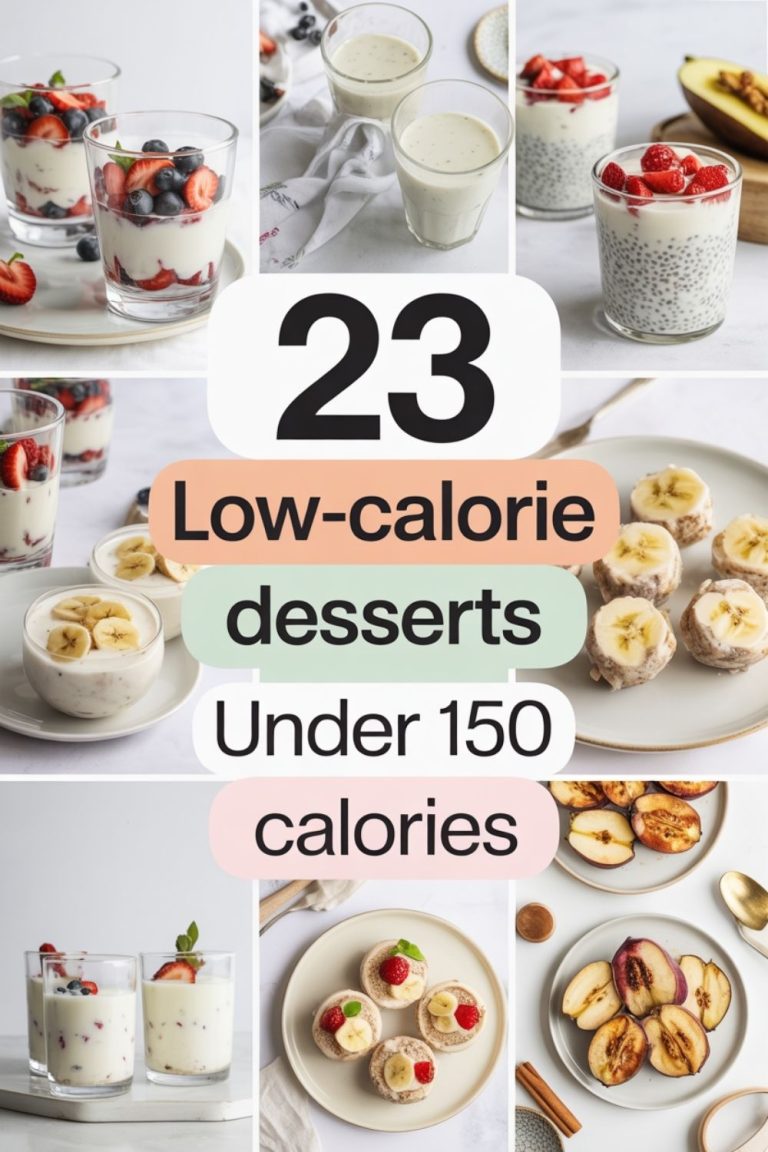
Look, I’m not going to pretend that traditional Italian desserts fit into a low-calorie framework. Tiramisu, panna cotta, cannoli—these are not diet foods, and trying to make “healthy” versions often results in sad imitations that don’t satisfy the craving anyway.
My approach? Save the real desserts for special occasions, and for everyday sweet cravings, lean into fruit. Italians have been ending meals with fresh fruit for centuries. A perfectly ripe pear, some grapes, a few fresh figs—these hit the sweet spot without the calorie overload.
If you need something more dessert-like, check out these high-protein low-sugar desserts that bridge the gap between fruit and full-on pastry.
The Ingredient Investments Worth Making
You don’t need a fancy Italian specialty store to make these meals work, but a few quality ingredients make a noticeable difference in both flavor and your ability to stick with healthy eating.
Extra virgin olive oil: This isn’t the place to cheap out. Good EVOO has a flavor that transforms simple dishes. I buy a quality extra virgin olive oil and use it for finishing dishes, not for high-heat cooking (that’s what regular olive oil is for).
Quality canned tomatoes: San Marzano tomatoes are the gold standard, and they’re worth seeking out. The flavor difference between good and mediocre canned tomatoes is massive. I keep San Marzano whole peeled tomatoes stocked in my pantry year-round.
Fresh herbs: Dried herbs have their place, but fresh basil, parsley, and oregano elevate Italian cooking in ways dried versions can’t match. If you have any outdoor space or even a sunny windowsill, growing your own in small herb planters is cheaper than buying fresh herbs every week.
Good Parmesan: Real Parmigiano-Reggiano costs more than the green can stuff, but you need so much less of it because the flavor is concentrated. A little goes a long way, which actually makes it better for calorie control. I buy a chunk and use a microplane grater to shave it fresh over dishes.
Common Mistakes That Sabotage Low-Calorie Italian Cooking
After making basically every mistake possible in my journey to healthier Italian eating, here’s what I’ve learned the hard way.
Mistake #1: Too much oil. Yes, olive oil is healthy. Yes, it’s a cornerstone of Mediterranean cooking. But it’s also 120 calories per tablespoon, and those tablespoons add up fast. Measure your oil instead of just glugging it into the pan. I use an oil mister for coating pans, which uses way less oil than pouring.
Mistake #2: Oversized pasta portions. Americans tend to eat 2-3 times the amount of pasta that Italians do. That pasta serving size on the box? It’s not a suggestion—it’s actually the right amount when you’re building a balanced meal with vegetables and protein.
Mistake #3: Forgetting about sodium. Italian food can be sneaky with salt, especially if you’re using canned goods, olives, capers, and cheese. These are all naturally salty, so you often don’t need to add any extra. Taste before you salt.
Mistake #4: Skimping on vegetables. When you cut calories from pasta or cheese, you need to make up that volume with vegetables. Otherwise you end up hungry, which leads to snacking, which defeats the purpose.
Frequently Asked Questions
Can I really eat pasta and lose weight?
Absolutely, but portion control is key. Italians typically eat 100 grams (about 3.5 ounces) of dried pasta per person, which is roughly half what American restaurants serve. When you pair that proper portion with vegetables and lean protein, pasta fits perfectly into a calorie-controlled diet. The trick is cooking it al dente, which slows digestion and helps you feel fuller longer.
What’s the lowest-calorie sauce for pasta?
Tomato-based sauces like marinara, pomodoro, and arrabbiata are your best bets, typically ranging from 60-100 calories per half-cup serving. Compare that to Alfredo sauce, which can hit 400 calories for the same amount. For even lighter options, try aglio e olio (garlic and olive oil) where you control exactly how much oil goes in, or a simple sauce of fresh tomatoes, basil, and garlic.
Are whole wheat pasta and regular pasta really that different calorie-wise?
Not dramatically—whole wheat pasta has about 10-20 fewer calories per serving than regular pasta. The real benefit is the extra fiber, which helps with satiety and digestion. If you don’t love the texture of whole wheat pasta, try mixing half whole wheat with half regular, or look for white whole wheat varieties that have a milder flavor.
How can I make Italian food work for meal prep?
Italian components actually meal prep beautifully. Cook a big batch of marinara sauce, grill vegetables, prepare grain bowls, and roast proteins all on Sunday. Store them separately and assemble throughout the week. Soups like lentil or minestrone actually taste better after a day or two. Just avoid pre-cooking pasta—it gets mushy when reheated. Instead, keep dried pasta on hand and cook fresh portions as needed.
What if I don’t like olive oil—can I still make Italian food?
Technically yes, but olive oil is such a fundamental part of Italian cooking that you’ll be fighting an uphill battle. That said, you can reduce the amount significantly by using cooking spray, broth for sautéing, or roasting without added fats. The bigger question is why you don’t like olive oil—if it’s the flavor, you might be using low-quality oil. Good extra virgin olive oil is fruity and pleasant, not bitter or harsh.
Final Thoughts
The beautiful thing about Italian-inspired low-calorie eating is that it doesn’t feel like a diet. You’re not choking down plain grilled chicken and steamed broccoli every night. You’re eating real food with actual flavor—food that happens to be good for you.
These 30 meals aren’t meant to be followed like some rigid program. Mix and match based on what sounds good, what’s in season, what’s on sale at the grocery store. The core principles—moderate portions, quality ingredients, lots of vegetables, lean proteins, healthy fats—these stay consistent regardless of which specific dishes you choose.
And here’s the real talk: some weeks you’ll crush it, eating beautiful home-cooked Italian meals every night. Other weeks you’ll order pizza and call it a day. That’s fine. The goal is building sustainable eating habits, not achieving perfection. Italian culture understands this—food is meant to be enjoyed, not stressed over.
So grab that kitchen scale, stock up on some good olive oil and canned tomatoes, and start cooking. Your taste buds and your waistline will both thank you.