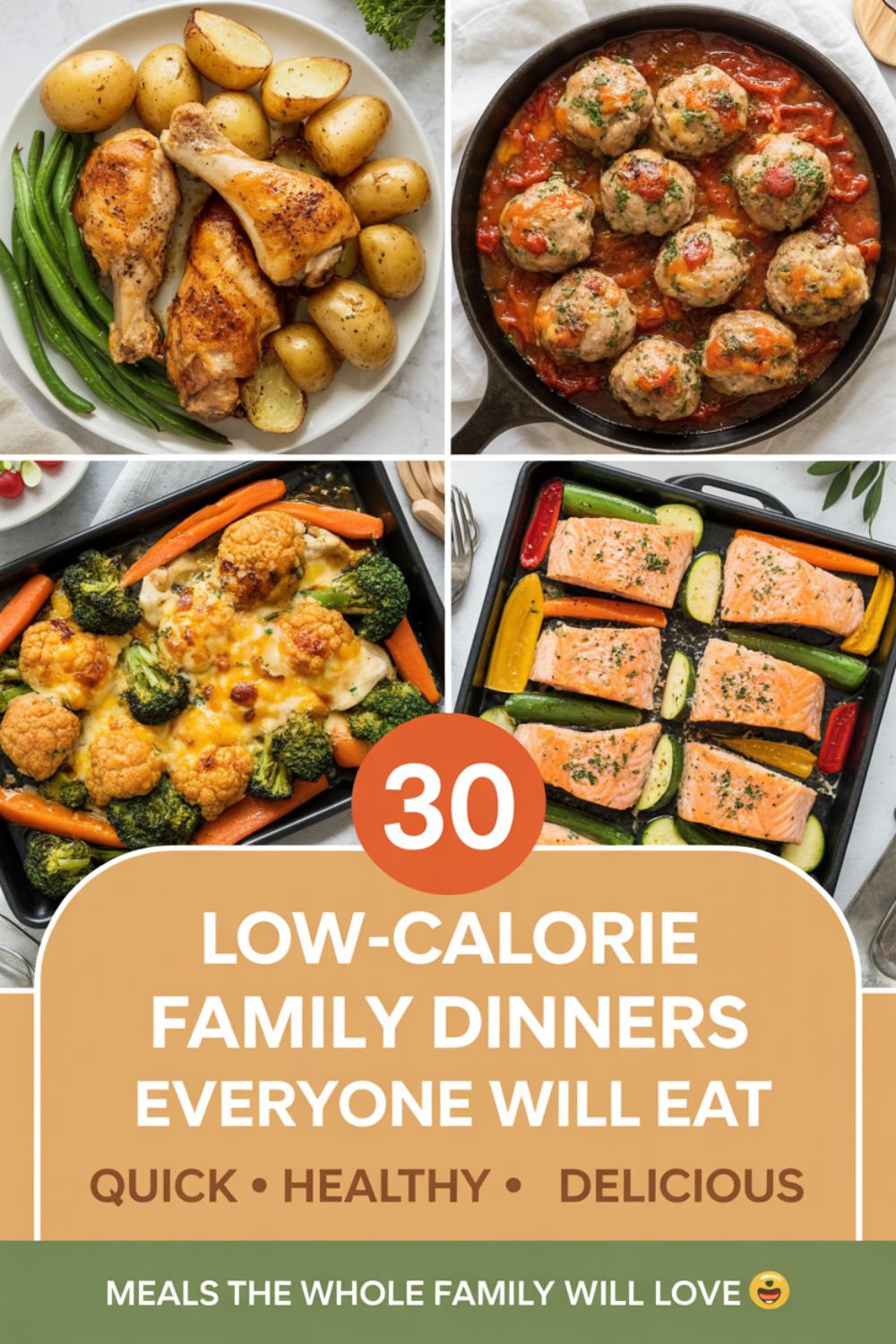
30 Low-Calorie Family Dinners Everyone Will Eat
Look, I get it. Trying to eat lighter while keeping your family happy is basically like trying to negotiate world peace at the dinner table. The kids want chicken nuggets, your partner wants real food, and you’re just trying to avoid inhaling an entire pizza at 9 PM. But here’s the thing—low-calorie family dinners don’t have to taste like cardboard or leave everyone raiding the pantry an hour later.
After years of experimenting in my kitchen and dealing with my own picky eaters, I’ve learned that the secret isn’t about making separate meals or forcing everyone to eat rabbit food. It’s about loading up on filling ingredients like protein and fiber while keeping flavors bold enough that nobody notices you’ve cut the calories. And honestly? Some of these dinners have become our household favorites, calorie count aside.
Why Low-Calorie Doesn’t Mean Low Satisfaction
Here’s where most people get tripped up—they think eating lighter means eating less. But volume and calories aren’t the same thing. You can pile your plate high with the right foods and still stay well under 500 calories per serving. The trick is understanding what actually keeps you full.
Research shows that both protein and fiber play major roles in satiety. Protein helps regulate hunger hormones while fiber slows digestion and keeps you feeling satisfied longer. When you combine these two powerhouses in your meals, you’re basically giving your appetite the one-two punch it needs to stay quiet until morning.
My family barely notices when I swap regular pasta for whole wheat versions or bulk up casseroles with extra veggies. Why? Because the flavors are still there, the portions still look generous, and nobody’s left hungry. That’s the whole point.
The Mediterranean Approach to Lighter Eating
If you’re looking for inspiration, the Mediterranean diet is basically the blueprint for making low-calorie food that doesn’t suck. We’re talking olive oil, fresh vegetables, lean proteins, and whole grains—stuff that tastes good and happens to be good for you.
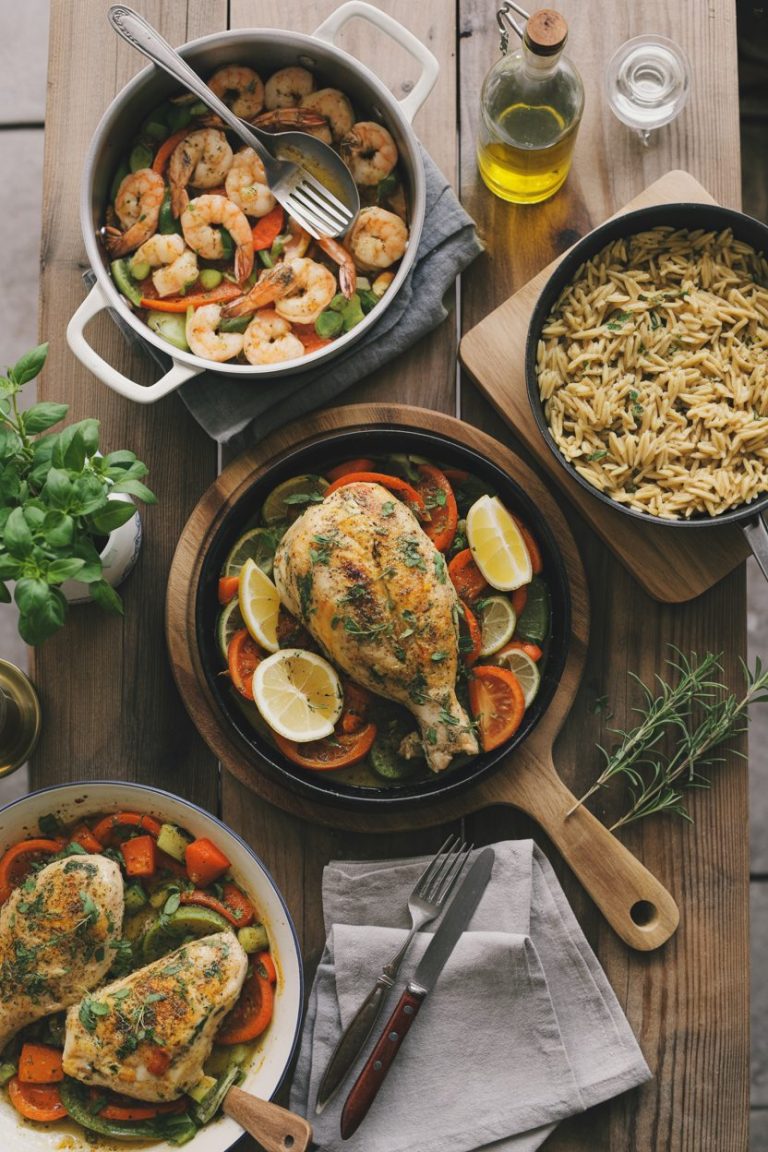
Take something like a Get Full Recipe. You’ve got juicy chicken, crispy potatoes, and bright herbs that make every bite interesting. Nobody’s complaining about calories when the food actually has flavor. Or try whipping up some Get Full Recipe on a chilly evening—it’s hearty, packed with protein and fiber, and costs practically nothing to make.
The beauty of Mediterranean cooking is that it naturally emphasizes ingredients that fill you up without weighing you down. Chickpeas, lentils, fish, chicken—all high in protein and low in calories. Pair them with roasted vegetables and you’ve got yourself a meal that satisfies everyone at the table.
Kitchen Tools That Make Everything Easier
I can’t tell you how many times my instant-read meat thermometer has saved dinner from becoming shoe leather. When you’re working with lean proteins, overcooking is your enemy. A quick temp check means perfectly cooked chicken or fish every single time, and nobody’s chewing their way through dry, flavorless protein.
Same goes for my vegetable chopper. I used to avoid recipes with lots of chopped vegetables because who has time for that? But this little gadget cuts prep time in half, which means I’m way more likely to actually make those veggie-heavy meals that keep calories in check.
Looking for more Mediterranean inspiration? Check out these grilled salmon with tomato-caper relish, this Mediterranean chickpea wraps, or these stuffed bell peppers with quinoa and veggies that my kids actually fight over.
High-Protein Dinners That Hit Different
Protein is basically the MVP when it comes to staying full. Ever notice how a protein-heavy breakfast keeps you satisfied way longer than toast and jam? Same principle applies to dinner. Getting enough protein at your evening meal means you’re not prowling the kitchen looking for snacks before bed.
Studies confirm that protein increases satiety more than carbohydrates or fat, which is exactly why high-protein meals help with weight management. Your body also burns more calories digesting protein compared to other macronutrients—it’s called the thermic effect, and honestly, I’ll take every little boost I can get.
My go-to high-protein dinner? Grilled chicken with roasted vegetables and quinoa. Simple, affordable, and everyone eats it without complaint. But if you want to mix things up, try Get Full Recipe. The salmon cooks in like 15 minutes, the dill and garlic keep things interesting, and you’re looking at serious protein without a ton of calories.
Plant-Based Protein Power
You don’t need meat at every meal to hit your protein goals. Lentils, chickpeas, and black beans are all protein powerhouses that also pack in tons of fiber. Win-win, IMO.
One of our family favorites is this Get Full Recipe. It’s loaded with beans, vegetables, and spices, and one bowl keeps you full for hours. Plus, it makes a massive batch, so you’ve got leftovers for days. I usually pair it with a simple salad and call it dinner.
Another solid option? Get Full Recipe. Lentils give you the protein and fiber, fresh vegetables add crunch, and a simple lemon dressing pulls everything together. You can eat it warm or cold, which makes it perfect for meal prep.
Sneaking Vegetables Into Everything
Let’s be real—most of us don’t eat enough vegetables. And getting kids to eat them? That’s a whole other battle. But vegetables are basically your secret weapon for creating filling, low-calorie meals that don’t leave anyone hungry.
The key is making vegetables taste good. Shocking, I know. Roasting brings out natural sweetness, grilling adds smoky flavor, and sautéing with garlic and olive oil makes pretty much anything delicious. When vegetables actually taste good, people eat them. Revolutionary concept.
Take something like Get Full Recipe. Grilled zucchini, peppers, and eggplant with creamy hummus for dipping? Even my vegetable-skeptical husband will eat that. The grilling caramelizes the vegetables, the hummus adds protein and creaminess, and suddenly you’ve got a dinner that feels indulgent but clocks in under 400 calories.
My grill basket gets used constantly during warmer months. It keeps smaller vegetables from falling through the grates and makes cleanup so much easier. Seriously worth the investment if you want to grill vegetables more often.
The Art of the One-Pan Dinner
FYI, one-pan dinners are about to become your best friend. Less cleanup, easier prep, and everything cooks together so the flavors meld beautifully. What’s not to love?
Try this Get Full Recipe. Chicken, farro, and whatever vegetables you have on hand all roast together on one sheet pan. The garlic and herbs flavor everything, the farro soaks up all those delicious juices, and you’re left with minimal dishes to wash. This is the kind of dinner that makes weeknights manageable.
If you’re into seafood, check out shrimp sautéed in garlic and olive oil with couscous or this baked cod with tomato-olive tapenade. Both come together in under 30 minutes and taste way fancier than the effort required.
Making Comfort Food Work
Here’s the truth nobody wants to hear—you can absolutely enjoy comfort food while eating lighter. You just have to be a little strategic about it.
Take pasta, for instance. My family would riot if I tried to eliminate pasta completely. But swapping regular pasta for whole wheat or chickpea pasta bumps up the protein and fiber without changing the basic experience. Add lots of vegetables, a lean protein, and a simple tomato sauce, and you’ve got a satisfying dinner that won’t derail anyone’s goals.
One of my favorite pasta hacks? Get Full Recipe. You roast the squash, scrape out the strands, and top it with marinara and a sprinkle of parmesan. It looks like pasta, kind of tastes like pasta, but you’re basically eating a vegetable. My kids don’t even question it anymore.
The spiralizer I bought last year has been getting serious use too. Zucchini noodles, sweet potato spirals, even beet noodles—they all add volume and nutrition without piling on calories. Plus, they’re fun to make, and my kids actually like helping with the spiralizing part.
Lightened-Up Casseroles
Casseroles get a bad rap, but they don’t have to be calorie bombs. The secret is loading them up with vegetables and lean protein while using lighter dairy options.
Try something like Get Full Recipe. It’s got all the comfort of a traditional casserole but with chickpeas, vegetables, and Mediterranean spices instead of heavy cream and cheese. Still satisfying, still delicious, way fewer calories.
Or check out this Get Full Recipe. The lentils create a hearty, meaty texture without actual meat, the mashed potato topping gets nice and golden in the oven, and one serving gives you protein, fiber, and comfort all in one dish.
Quick Weeknight Winners
Let’s talk about those nights when you’re exhausted, everyone’s hungry, and the thought of cooking makes you want to order takeout. These are the nights you need recipes that come together fast but still deliver on flavor and nutrition.
Stir-fries are your friend here. Seriously, a good stir-fry takes maybe 20 minutes start to finish, and you can throw in whatever vegetables and protein you have hanging around. My carbon steel wok makes the whole process so much easier—high heat, quick cooking, minimal sticking.
Try this Get Full Recipe. The tofu gets crispy, the broccoli stays bright and crunchy, and a simple soy-ginger sauce ties everything together. Serve it over brown rice and you’ve got a complete meal that took less time than waiting for delivery.
Another weeknight hero? Tacos. But skip the hard shells and go for Get Full Recipe. Black beans, tons of vegetables, and all your favorite taco toppings make for a dinner that’s fun, interactive, and surprisingly filling for the calorie count.
Soup Season All Year Round
Don’t sleep on soup, even in summer. A big pot of soup gives you multiple meals, freezes beautifully, and packs in vegetables like nobody’s business.
One of my absolute favorites is Get Full Recipe. The lentils and sweet potatoes create this incredibly hearty, satisfying combination, and the spices make every spoonful interesting. Plus, it’s one of those recipes that actually tastes better the next day after the flavors have had time to hang out together.
For something lighter but equally satisfying, try Get Full Recipe. The ginger adds this bright, warming kick, and the chickpea croutons give you that crunchy element you’re craving. It’s elegant enough for company but easy enough for a Tuesday night.
My immersion blender makes soup-making so much less annoying. No transferring hot liquid to a blender, no splatter disasters, just blend it right in the pot and move on with your life.
Breakfast for Dinner Because Why Not
Sometimes the best dinner is actually breakfast. Eggs are cheap, cook fast, and pack serious protein. Plus, most people genuinely enjoy breakfast food, which makes getting everyone to eat way easier.
Try making Get Full Recipe. Eggs, spinach, tomatoes, and feta cheese create this incredibly flavorful scramble that feels special but comes together in minutes. Serve it with whole grain toast and some fresh fruit, and you’ve got a complete dinner that hits all the nutritional marks.
Or go with Get Full Recipe. You can make a batch ahead, reheat them when needed, and have a protein-packed dinner ready in the time it takes to microwave leftovers. My kids love these, and I love not having to cook after a long day.
For a more substantial meal, check out these tofu scrambles with spinach and bell peppers or this sweet potato hash with black beans and avocado. Both are filling, flavorful, and way more interesting than boring scrambled eggs.
The Meal Prep Advantage
Listen, I know meal prep sounds intimidating. But it doesn’t have to mean spending your entire Sunday in the kitchen making twenty identical containers of chicken and broccoli. It can be as simple as prepping a few components that make weeknight cooking faster.
Wash and chop vegetables ahead of time. Cook a batch of grains. Marinate proteins the night before. These small steps make the difference between “I’ll just order pizza” and actually cooking a healthy dinner.
My glass meal prep containers have been essential for this. They’re microwave-safe, dishwasher-safe, and don’t get gross like plastic containers do. Plus, being able to see what’s inside means I’m more likely to actually eat the food I prepped.
For meal prep inspiration, check out this Get Full Recipe. You can prep all the components separately and assemble the bowls throughout the week. Same concept works for this roasted cauliflower shawarma bowl—roast the cauliflower once, use it all week in different ways.
Make-Ahead Freezer Meals
Freezer meals are clutch for those weeks when life gets crazy. Having a few complete dinners in the freezer means you’re never more than a quick reheat away from a home-cooked meal.
Soups, stews, and casseroles all freeze beautifully. Make double batches when you’re already cooking and stash half in the freezer for future-you to appreciate. Trust me, future-you will be extremely grateful.
Try making a big batch of Get Full Recipe. It freezes perfectly, reheats like a dream, and tastes just as good (if not better) after being frozen. Same goes for this Moroccan spiced quinoa bowl—the flavors actually deepen after freezing.
Getting Kids On Board
Getting kids to eat lighter meals can feel impossible, but it’s way more doable than you’d think. The key is making the food interesting and letting them have some input.
Build-your-own meals work great for this. Taco bars, pasta bowls, or salad stations let kids customize their dinner while still eating the same base ingredients as everyone else. They’re more likely to eat something they helped create.
My kids love making Get Full Recipe. They pile on whatever toppings they want, and I don’t stress because the base is already healthy. Same concept works for Mediterranean flatbread—let them add their own toppings and suddenly vegetables become way more appealing.
Also, get them involved in cooking. Kids who help cook are more likely to eat what they made. Even simple tasks like washing vegetables or stirring ingredients make them feel invested in the meal.
Budget-Friendly Low-Calorie Options
Eating lighter doesn’t mean spending more money. Some of the most filling, nutritious ingredients are also the cheapest—beans, lentils, eggs, seasonal vegetables, and whole grains won’t break the bank.
Buying in bulk saves money on staples like rice, quinoa, and dried beans. Frozen vegetables are just as nutritious as fresh and often cheaper, especially for out-of-season produce. And leftovers? Those are basically free meals you’ve already paid for.
Try this Get Full Recipe. Canned tuna, canned beans, some vegetables and olive oil—you’re looking at a protein-packed dinner for a few dollars that feeds the whole family.
Another budget winner is Get Full Recipe. Barley is incredibly cheap, mushrooms add meaty texture without the price tag, and you can make enough soup to feed an army for less than the cost of one takeout meal.
For more budget-friendly ideas, check out these budget-friendly Mediterranean meals that prove healthy eating doesn’t require a massive grocery budget.
Dealing With Picky Eaters
Picky eaters are exhausting, but they don’t have to derail your attempts at healthier dinners. The secret is presenting new foods alongside familiar favorites and not making a big deal about it.
The “one bite rule” works wonders in our house. Kids have to try one real bite of everything on their plate, but if they genuinely don’t like it, they don’t have to finish it. This takes the pressure off both of us and has actually led to some surprising food victories.
Presentation matters more than you’d think. Cutting vegetables into fun shapes, arranging food in interesting ways, or serving with a special dipping sauce can make the same meal feel completely different. My vegetable cutters get used constantly for this exact reason.
Try starting with mild flavors and gradually introducing stronger ones. Something like Get Full Recipe is a great gateway—familiar pasta, sweet tomatoes, fresh basil. Not scary, still delicious, sneakily nutritious.
Restaurant-Quality Meals at Home
Want to know the real secret to making low-calorie dinners feel special? Make them taste restaurant-quality. When food tastes indulgent, nobody cares about the calorie count.
Fresh herbs make everything better. Seriously, the difference between dried herbs and fresh is massive. A handful of fresh basil, cilantro, or parsley elevates even the simplest dinner into something that feels special.
Try this Get Full Recipe. The bright lemon and oregano combo tastes like something you’d order at a nice restaurant, but it comes together in your backyard in about 20 minutes.
Or make Get Full Recipe. The presentation alone looks impressive, the flavors are complex and satisfying, and your family will think you’re some kind of culinary genius. Meanwhile, it’s basically just eggs poached in spiced tomato sauce.
My cast iron skillet is the workhorse tool that makes so many of these restaurant-quality meals possible. It goes from stovetop to oven seamlessly and creates that perfect sear on proteins that makes everything taste better.
Plating Makes a Difference
This might sound silly, but how you plate food actually affects how much people enjoy it. A little effort in presentation makes dinner feel like an event rather than just fuel.
Use white plates to make colorful food pop. Stack ingredients rather than spreading them out. Add a sprinkle of fresh herbs or a drizzle of good olive oil right before serving. These tiny touches take seconds but make your dinners look (and taste) way more impressive.
Frequently Asked Questions
Can low-calorie dinners really keep my family full?
Absolutely, as long as you focus on the right ingredients. Meals high in protein and fiber naturally promote satiety without requiring tons of calories. Think lean proteins like chicken or fish, plenty of vegetables, and whole grains. The volume of food matters just as much as the calories—you can eat a huge plate of roasted vegetables and lean protein for fewer calories than a small portion of fried food.
How can I make low-calorie meals taste better?
Focus on fresh herbs, quality spices, and proper cooking techniques. Roasting vegetables brings out their natural sweetness, grilling adds smoky flavor, and using aromatics like garlic and onions creates depth. Don’t be afraid of healthy fats like olive oil either—a little goes a long way in making food taste satisfying and delicious.
What if my kids won’t eat healthy dinners?
Start by incorporating familiar flavors and letting them participate in meal preparation. Kids are more likely to try foods they helped make. Also, try deconstructed meals where everyone can customize their own plate—think taco bars or build-your-own pasta bowls. Gradually introduce new vegetables alongside foods they already like, without making it a battle.
Are low-calorie dinners expensive to make?
Not at all. Some of the most nutritious, filling ingredients are actually the cheapest—dried beans, lentils, eggs, seasonal vegetables, and whole grains. Buying staples in bulk, using frozen vegetables when fresh are pricey, and repurposing leftovers all help keep costs down while eating healthier.
How do I avoid getting bored with low-calorie meals?
Variety is key. Rotate between different cuisines—Mediterranean one night, Asian-inspired stir-fries the next, then maybe Mexican-style tacos. Experiment with different cooking methods and try new vegetables or grains you haven’t used before. Keep your spice cabinet well-stocked and don’t be afraid to try new flavor combinations.
Final Thoughts
Creating low-calorie family dinners that everyone actually enjoys doesn’t require culinary school or hours in the kitchen. It’s about understanding what makes food satisfying—protein, fiber, bold flavors—and building meals around those principles.
The recipes I’ve shared here have become staples in my house because they work. They’re quick enough for busy weeknights, affordable enough to make regularly, and tasty enough that nobody complains. My kids don’t know they’re eating “healthy” food. They just know dinner tastes good.
Start with a few recipes that appeal to your family’s tastes. Master those, then branch out and try new things. You’ll find your own favorites, develop your own shortcuts, and eventually wonder why cooking lighter meals ever seemed difficult in the first place.
The goal isn’t perfection. It’s finding sustainable ways to feed your family well without losing your mind in the process. And honestly? Once you realize that healthy dinners can be just as delicious as anything else, the whole thing gets a lot easier.