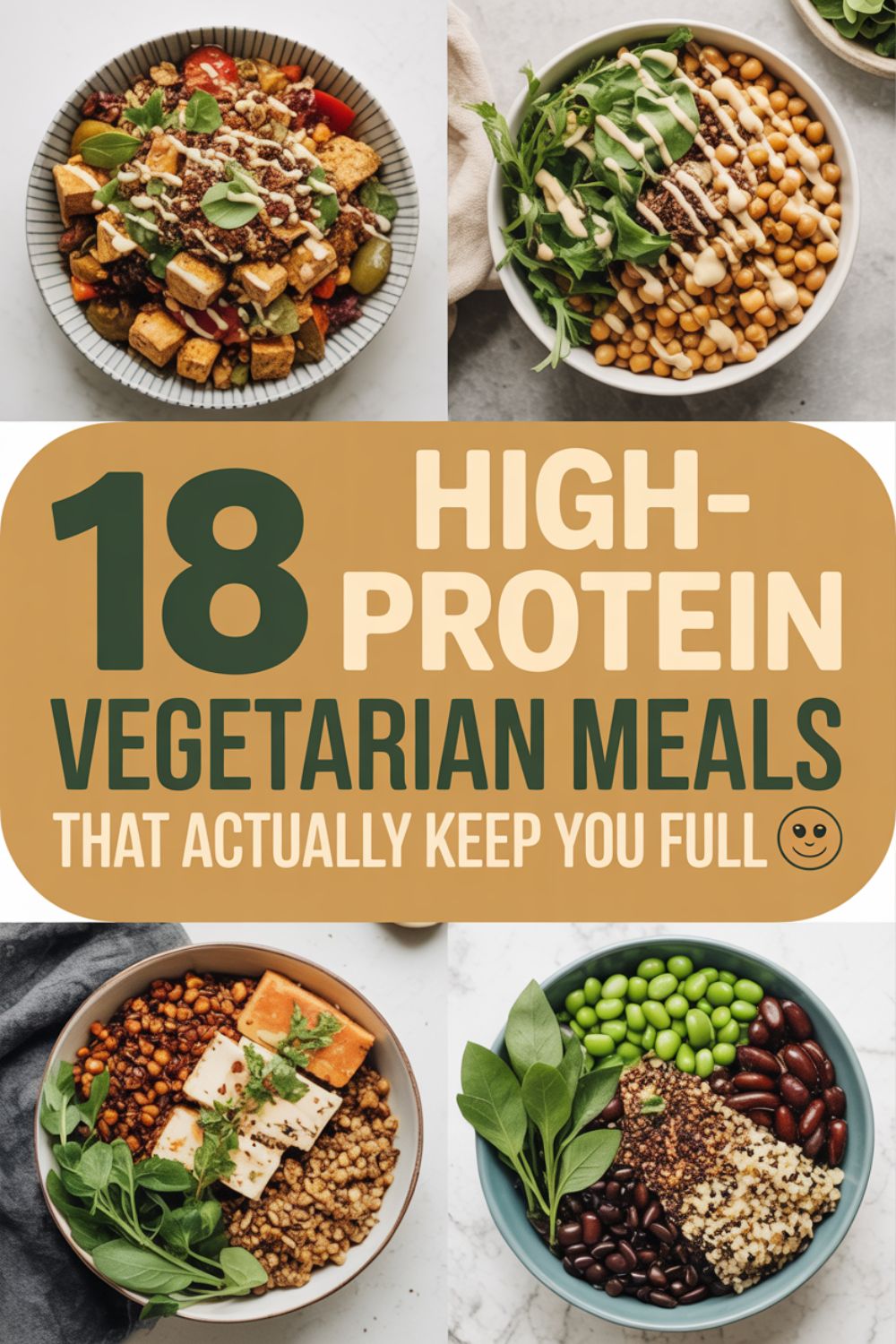
18 High-Protein Vegetarian Meals That Actually Keep You Full
Look, I’m not here to lecture you about why you should eat more plant-based meals. You already know the drill—better for the planet, lighter on your wallet, and your doctor keeps dropping hints about it anyway. But here’s what nobody tells you: most vegetarian meals leave you hungry an hour later, scrounging through the fridge like some kind of ravenous raccoon.
The secret? Protein. Lots of it. And no, I’m not talking about sad salads topped with three chickpeas and a prayer. I’m talking about legit, stick-to-your-ribs meals that happen to be vegetarian but don’t taste like you’re punishing yourself for some reason.
After years of experimenting in my kitchen—and yeah, plenty of disasters that went straight to the trash—I’ve figured out what actually works. These 18 meals pack serious protein without requiring you to eat tofu at every single meal or pretend quinoa is exciting for the fifth day in a row.
Why Protein Matters More Than You Think
Before we get into the good stuff, let’s talk about why protein is kind of a big deal. Your body uses protein to build and repair tissues, make enzymes and hormones, and basically keep everything running smoothly. According to research on vegetarian protein sources, adults need roughly 0.36 grams of protein per pound of body weight daily.
But here’s the kicker—when you’re eating vegetarian, you actually need to be a bit more strategic about it. Plant proteins don’t always have all the amino acids your body needs in one shot, so mixing things up throughout the day becomes pretty important. Think beans with rice, hummus with whole grain bread, or peanut butter on toast. Your body’s basically building with Legos, and you need all the pieces.
🌱 High-Protein Vegetarian Meal Planner & Recipe eBook
Struggling to hit your protein goals without meat? This comprehensive digital meal planner takes all the guesswork out of vegetarian eating. Designed specifically for people who want to build muscle, lose weight, or just feel fuller longer on a plant-based diet.
- 90+ high-protein vegetarian recipes (all 20g+ protein per serving)
- 4-week rotating meal plan with grocery lists
- Protein tracking sheets and macro calculators
- Meal prep guides with batch cooking strategies
- Quick reference guide: protein content of 100+ plant foods
- Budget-friendly shopping tips to save money
Stop second-guessing whether you’re getting enough protein. This planner gives you a clear roadmap to meet your goals while actually enjoying what you eat. No more boring salads or endless tofu scrambles.
The beauty of plant-based proteins? They come packaged with fiber, vitamins, and minerals that meat just doesn’t offer. High-protein vegetarian recipes can actually help you feel fuller longer while keeping your energy levels steady throughout the day.
The 18 High-Protein Vegetarian Meals You’ll Actually Want to Eat
Alright, let’s get to the main event. These aren’t ranked because honestly, they’re all winners depending on your mood and what’s already lurking in your fridge.
1. Mediterranean Chickpea Bowl
This bowl is my go-to when I’m feeling lazy but still want something that tastes like I tried. Start with a base of quinoa or farro, pile on some roasted chickpeas, cherry tomatoes, cucumber, and a generous dollop of hummus. The chickpeas alone give you about 15 grams of protein per cup, and when you add the quinoa, you’re looking at close to 20 grams total.
Drizzle everything with tahini sauce and maybe some za’atar if you’re feeling fancy. Get Full Recipe. The whole thing comes together in about 20 minutes, assuming you have cooked grains ready to go.
I like using this chickpea roaster basket for getting them perfectly crispy without having to babysit them in the oven. Game changer, honestly.
2. Lentil Shepherd’s Pie
Who says comfort food can’t be packed with protein? This vegetarian twist on the classic swaps ground meat for lentils—and honestly, I like it better. One cup of cooked lentils has about 18 grams of protein, plus all that fiber that keeps you satisfied.
The trick is getting your lentils properly seasoned with umami-rich ingredients like tomato paste, soy sauce, and a splash of red wine if you have it. Top with creamy mashed potatoes and broil until golden. Get Full Recipe.
FYI, I use this cast iron skillet to go from stovetop to oven without dirtying extra dishes. Less cleanup = more time for eating.
3. Spicy Black Bean Tacos
Taco Tuesday just got a whole lot more interesting. Black beans bring about 15 grams of protein per cup, and they’re incredibly versatile. I mash mine slightly with some cumin, chili powder, and garlic to create a paste that actually sticks to the tortilla instead of falling out everywhere.
Load these up with avocado, salsa, and a squeeze of lime. If you want extra protein, add some crumbled feta or a dollop of Greek yogurt. Speaking of which, try these veggie-packed black bean tacos for even more inspiration.
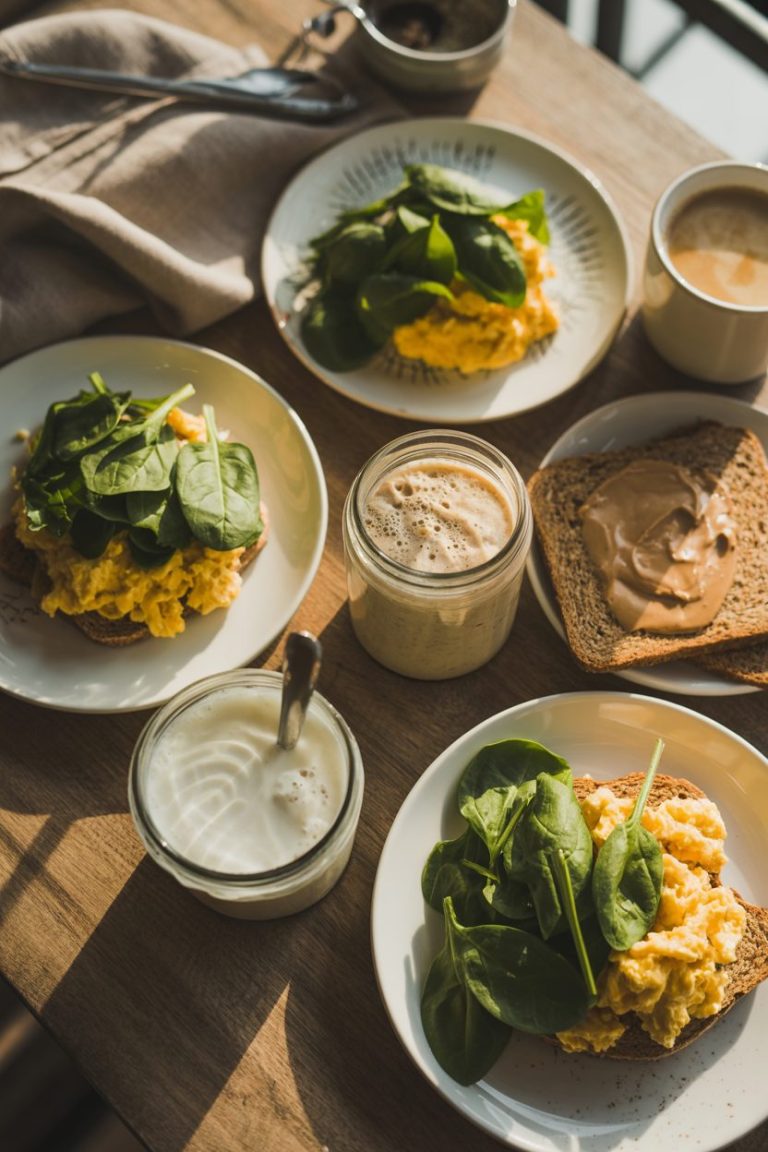
4. Tofu Scramble with Veggies
Before you roll your eyes at tofu, hear me out. When you press it properly and season it right, tofu scramble can actually rival regular eggs. A half block of firm tofu packs about 20 grams of protein.
The secret is nutritional yeast and a pinch of turmeric for that eggy color. Throw in whatever vegetables need using up—spinach, bell peppers, mushrooms, onions. Get Full Recipe.
I swear by this tofu press to get all the water out. Makes such a difference in texture, and you’re not standing there squeezing tofu between paper towels like some kind of maniac.
5. Three Bean Chili
Chili might be the most forgiving recipe in existence. You can basically throw whatever beans you have into a pot with tomatoes and spices, and it’ll turn out great. Kidney beans, black beans, and pinto beans give you a protein powerhouse—we’re talking 20+ grams per serving.
Let it simmer for at least 30 minutes so all those flavors get friendly with each other. Top with shredded cheese if you eat dairy, or keep it vegan with some diced avocado and cilantro. Get Full Recipe.
For anyone interested in more bean-based goodness, check out these black bean enchiladas or this caprese white bean salad.
6. Quinoa Tabbouleh with Hummus
Traditional tabbouleh uses bulgur, but swapping in quinoa bumps up the protein significantly. Quinoa is one of those rare plant foods that’s a complete protein—meaning it has all nine essential amino acids your body needs. One cup cooked gives you 8 grams of protein.
Chop up tons of parsley and mint, add diced tomatoes and cucumber, dress with lemon juice and olive oil. Serve with hummus and whole wheat pita, and you’ve got yourself a meal that’s fresh, filling, and clocks in around 25 grams of protein. Get Full Recipe.
7. Grilled Portobello Mushroom Steaks
Okay, so mushrooms aren’t exactly protein bombs—a portobello has about 5 grams. But when you marinate these bad boys and grill them properly, they’re meaty enough to be the star of the show. The trick is pairing them with high-protein sides.
Serve over a bed of quinoa or farro with some white beans mixed in, and suddenly you’re at 20+ grams of protein. Add some roasted vegetables and you’ve got yourself a legit dinner. Get Full Recipe.
I use this grill basket for the veggies so nothing falls through the grates. Much less frustrating than fishing charred vegetable bits out of your grill.
8. Chickpea Cauliflower Coconut Curry
This curry is proof that vegetarian food doesn’t have to be bland. Chickpeas bring the protein (about 15 grams per cup), while coconut milk makes everything creamy and delicious without any dairy.
The cauliflower soaks up all those curry spices beautifully. Serve over brown rice or with naan, and you’ve got a meal that’ll make you forget all about takeout. Get Full Recipe.
Pro move: Make extra curry paste and freeze it in ice cube trays using these silicone molds. Pop one out whenever you need instant flavor.
9. Stuffed Bell Peppers with Quinoa
Bell peppers are basically edible bowls that make you feel like you’re getting away with something fun. Fill them with a mixture of quinoa, black beans, corn, and spices, then bake until the peppers are tender.
Each stuffed pepper delivers around 18-20 grams of protein depending on your filling ratio. Top with cheese or nutritional yeast, and you’re golden. Get Full Recipe.
Looking for more stuffed pepper inspiration? Try these Mediterranean tuna stuffed peppers if you eat fish, or stick with the vegetarian version above.
10. Mediterranean Lentil Salad
Cold lentil salads are massively underrated. Mix cooked lentils with diced cucumber, tomatoes, red onion, olives, and feta cheese. Dress with olive oil and red wine vinegar.
The lentils provide about 18 grams of protein per cup, and this salad actually gets better after sitting in the fridge overnight. Perfect for meal prep. Get Full Recipe.
11. Spinach and Feta Egg Bake
If you eat eggs, this breakfast casserole is your new best friend. Eggs are vegetarian gold—each one has 6 grams of protein. Mix a dozen eggs with chopped spinach, crumbled feta, and whatever other veggies you want.
Bake in a casserole dish and you’ve got breakfast for the entire week. Each serving clocks in around 20 grams of protein. Get Full Recipe.
For more egg-cellent ideas (sorry, had to), check out these egg muffins or this classic veggie omelet.
12. Peanut Butter Banana Overnight Oats
Breakfast doesn’t have to be complicated to be high in protein. Mix oats with milk (dairy or plant-based), a big scoop of peanut butter, sliced banana, and chia seeds. Let it hang out in the fridge overnight.
The combo of oats, peanut butter, and chia seeds gives you about 15-20 grams of protein depending on how generous you are with that peanut butter. And let’s be real, we’re always generous with peanut butter. Get Full Recipe.
IMO, these glass meal prep jars are perfect for overnight oats. You can make five at once and just grab one each morning.
📱 VegProtein Tracker App – Never Miss Your Protein Goals Again
Honestly, tracking protein as a vegetarian used to be a pain. Most apps are built for meat-eaters and don’t have a clue about tempeh or nutritional yeast. This app actually gets it.
- Pre-loaded database of 500+ plant-based protein sources
- Smart meal suggestions when you’re running low on protein
- Recipe builder that calculates protein per serving automatically
- Tracks all 9 essential amino acids, not just total protein
- Integration with popular fitness apps
- Offline mode for tracking anywhere
The app learns your eating patterns and sends you reminders when you’re likely to fall short. It’s like having a nutritionist in your pocket, minus the judgment about your late-night peanut butter habit.
13. Tempeh Stir-Fry with Broccoli
Tempeh is like tofu’s cooler, nuttier cousin. It’s made from fermented soybeans and packs about 20 grams of protein per cup. The fermentation also makes it easier to digest, which is a nice bonus.
Cube it up, marinate in soy sauce and ginger, then stir-fry with whatever vegetables you have. Broccoli is a solid choice—it’s got protein too, about 4 grams per cup. Serve over brown rice or noodles. For more stir-fry inspiration, here’s a tofu broccoli version.
14. Greek Yogurt Parfait
Sometimes you just want something simple and sweet. Greek yogurt is a protein superstar—one cup has around 20 grams. Layer it with granola, fresh berries, and a drizzle of honey.
It works for breakfast, snack, or even dessert if you’re feeling rebellious. Get Full Recipe.
15. Falafel Wrap with Tzatziki
Falafel is basically fried balls of chickpeas and herbs, and they’re absolutely delicious. Each falafel has about 3 grams of protein, so load up that wrap with four or five of them.
Add tzatziki sauce (Greek yogurt-based, so more protein there), lettuce, tomatoes, and cucumber. The whole wrap comes out to around 20-25 grams of protein. Get Full Recipe.
If you’re making your own falafel, this food processor makes quick work of grinding the chickpeas to the right consistency.
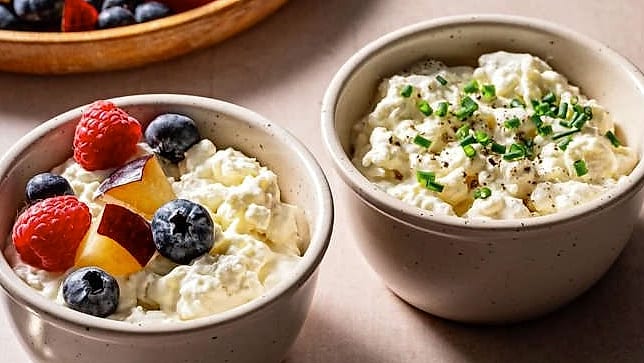
16. Cottage Cheese Toast
This sounds weird until you try it, and then you’re hooked. Cottage cheese on toast has become wildly popular for good reason—it’s creamy, tangy, and ridiculously high in protein. One cup of cottage cheese has about 28 grams of protein.
Spread it on whole grain toast, top with cherry tomatoes, everything bagel seasoning, and a drizzle of olive oil. Quick, easy, and clocks in around 25 grams of protein. Get Full Recipe.
17. Moroccan Spiced Quinoa Bowl
This bowl brings all the warm spices—cumin, cinnamon, turmeric, paprika. Mix cooked quinoa with chickpeas, roasted sweet potato, and dried apricots for a little sweetness.
Top with almonds for crunch and a tahini drizzle. You’re looking at about 22 grams of protein per bowl. Get Full Recipe.
18. Peanut Butter Protein Smoothie
Sometimes you just need to drink your meal, and there’s zero shame in that. Blend banana, peanut butter, oats, milk, and a handful of spinach (you won’t taste it, I promise).
The combo gives you around 20 grams of protein and keeps you full for hours. Get Full Recipe.
I use this high-speed blender that actually crushes ice and doesn’t leave weird chunks. Worth every penny if you’re a smoothie person.
Mixing and Matching Protein Sources
Here’s something that took me way too long to figure out—you don’t need to stress about getting complete proteins in every single meal. Your body is smarter than that. As long as you’re eating a variety of plant-based proteins throughout the day, you’re covered.
That said, some combinations just work better together. Beans and rice are the classic duo because together they form a complete protein. Same with hummus and whole wheat pita, or peanut butter on whole grain bread. Think of it like protein Tetris—different shapes fit together perfectly.
If you’re looking for more ways to boost your protein intake, these 25 high-protein vegetarian recipes and these 15 high-protein breakfast ideas are solid places to start.
The Meal Prep Strategy That Actually Works
Look, I’ve tried the whole “prep every single meal for the week on Sunday” thing, and it’s exhausting. What actually works is prepping your protein sources and a few base components, then assembling meals as you go.
Cook a big batch of quinoa, lentils, and chickpeas. Roast a couple sheet pans of vegetables. Make a jar of tahini sauce and another of salsa. Store everything separately in containers using these glass storage containers that don’t get weird and cloudy like plastic ones do.
Then during the week, you just mix and match. Quinoa bowl Monday, lentil wrap Tuesday, chickpea salad Wednesday. Same ingredients, different vibes. Way less overwhelming than trying to plan seven completely different meals.
For more structured meal prep guidance, check out these 30 high-protein meal prep ideas or this 7-day Mediterranean meal plan.
💪 The Complete Vegetarian Strength Training Guide + Meal Plans
Building muscle on a vegetarian diet isn’t just possible—it can actually be easier when you know what you’re doing. This guide was created by a certified trainer who’s been vegetarian for 10+ years and has helped hundreds of clients gain strength without touching meat.
- 12-week progressive workout program (home & gym options)
- High-protein meal plans synced to training days
- Supplement guide: what works, what’s BS, what’s unnecessary
- 50+ muscle-building recipes with exact macros
- Video demonstrations of proper form
- Recovery and rest day nutrition strategies
Stop listening to people who say vegetarians can’t build muscle. This guide proves them wrong with science-backed strategies and real results from real people. No bro-science, no unnecessary supplements, just solid nutrition and smart training.
Common Vegetarian Protein Myths
Let’s clear up some nonsense you’ve probably heard. First, the whole “you can’t build muscle on a vegetarian diet” thing? Completely false. Research shows that protein from legumes, nuts, and seeds provides full protein adequacy for adults following vegetarian diets.
Second myth: “Plant protein isn’t as good as animal protein.” While it’s true that your body digests animal protein slightly more efficiently, the difference is minimal when you’re eating a varied diet. Plus, plant proteins come packaged with fiber, antioxidants, and other good stuff that meat doesn’t offer.
Third: “You need to eat tons of food to get enough protein.” Nah. A cup of lentils has more protein than a chicken breast, and for way fewer calories. It’s all about knowing which plant foods are protein-dense.
Budget-Friendly Protein Sources
One of the best parts about vegetarian eating? It doesn’t wreck your bank account. Dried beans and lentils are dirt cheap—we’re talking pennies per serving. Buy them in bulk and you’re golden.
Eggs are still one of the most affordable protein sources out there. Peanut butter is cheap and lasts forever. Tofu costs less than most meat. Even quinoa, which has a fancy reputation, isn’t that expensive when you buy it from the bulk bins.
The key is avoiding processed meat substitutes, which can get pricey. Stick to whole food protein sources and you’ll save money while eating better. These budget-friendly Mediterranean meals prove you don’t need to spend a fortune to eat well.
When You’re Short on Time
Real talk—some days you just cannot with the cooking. That’s when you need your arsenal of quick protein sources. Canned beans (just rinse them), pre-cooked lentils from the grocery store, frozen edamame, and eggs are your friends.
A scrambled egg with some black beans and salsa takes five minutes. Greek yogurt with granola and fruit? Three minutes. Hummus with vegetables and pita? Zero cooking required. You don’t have to make everything complicated to hit your protein goals.
These 10-minute high-protein breakfasts and these high-protein wraps are lifesavers on busy days.
Frequently Asked Questions
Can I get enough protein on a vegetarian diet without supplements?
Absolutely. As long as you’re eating a variety of protein-rich plant foods like beans, lentils, tofu, tempeh, nuts, seeds, and whole grains, you can easily meet your daily protein needs. Most vegetarians actually get plenty of protein without even trying that hard—it’s just about being a little intentional with your food choices.
What’s the easiest high-protein vegetarian meal for beginners?
Start with something simple like a chickpea and quinoa bowl. Cook some quinoa, toss in a can of rinsed chickpeas, add whatever raw or roasted veggies you like, and top with hummus or tahini sauce. It takes about 20 minutes if you’re cooking quinoa from scratch, requires zero special skills, and delivers solid protein without any weird ingredients you’ve never heard of.
How do I make sure I’m getting complete proteins?
Your body is pretty good at combining amino acids from different foods throughout the day, so you don’t need to stress about getting complete proteins in every meal. Just eat a variety of plant-based proteins—beans, lentils, quinoa, nuts, seeds, whole grains—and you’re covered. The old “combine proteins in one meal” rule has been debunked by nutrition science.
Are plant-based proteins harder to digest than animal proteins?
Plant proteins can be slightly less digestible than animal proteins, but the difference is pretty small and easy to manage. Cooking beans and lentils thoroughly, soaking them before cooking, and eating fermented soy products like tempeh can all improve digestibility. Plus, the fiber that comes with plant proteins is actually a good thing for your gut health, even if it takes a bit longer to process.
What if I don’t like tofu or tempeh?
Then don’t eat them. Seriously. There are tons of other high-protein vegetarian options—beans, lentils, chickpeas, edamame, Greek yogurt, cottage cheese, eggs (if you eat them), quinoa, nuts, and seeds. Tofu and tempeh get a lot of hype, but they’re definitely not required for a healthy vegetarian diet with plenty of protein.
Final Thoughts
Here’s the thing about vegetarian eating—it doesn’t have to be complicated or boring or leave you perpetually hungry. With the right protein sources in your arsenal, you can build meals that are just as satisfying as anything with meat.
These 18 meals aren’t meant to be followed like some rigid plan. Mix them up, swap ingredients based on what you have, and don’t stress if you’re not hitting your protein target perfectly every single day. Your body averages things out over time.
The goal is finding a way of eating that you can actually sustain long-term. If that means eating vegetarian most days with the occasional burger thrown in, cool. If it means going full vegetarian but having cheese on everything, also cool. There’s no perfect way to do this.
Start with one or two of these meals that sound appealing, see how they go, and build from there. Your future self—and probably your grocery bill—will thank you.