30 Family-Friendly Low-Calorie Dinners Everyone Will Eat
Look, I get it. You want to feed your family healthy meals, but the second you mention “low-calorie,” everyone suddenly has urgent homework or remembers they’re “not that hungry.” Been there, dealt with that drama.
Here’s the thing though – low-calorie doesn’t have to mean low-flavor or tiny portions that leave everyone raiding the pantry an hour later. I’ve spent years figuring out how to make dinners that clock in under 500 calories while still getting the family seal of approval. No complaints, no side-eye, just clean plates.

These 30 recipes prove you can satisfy everyone from picky kids to skeptical spouses without spending your entire evening in the kitchen. Most take under 40 minutes, use ingredients you actually have, and won’t make you feel like you’re eating “diet food.” Because honestly, nobody’s got time for that.
Why Low-Calorie Dinners Actually Matter (Without the Lecture)
Before we jump into the recipes, let’s talk about why this even matters. According to Harvard Health, nutrient-dense, lower-calorie meals help you meet nutritional needs while supporting a healthy weight. That’s fancy talk for “you can eat real food and not feel terrible.”
The magic isn’t about restriction – it’s about being smart with ingredients. Load up on vegetables (they’re basically calorie-free and fill you up), pick lean proteins that actually satisfy you, and don’t be scared of healthy fats in reasonable amounts. Your body needs them anyway.
Plus, research from the National Institute on Aging shows that modest calorie reduction can benefit heart health and reduce diabetes risk even in healthy adults. Not saying you need to go extreme, just saying it’s worth paying attention to.
The Mediterranean Secret Weapon
Want to know my not-so-secret weapon for keeping calories down without sacrificing flavor? Mediterranean cooking. Olive oil, herbs, citrus, and tons of vegetables mean you’re packing in nutrients without the calorie bomb.
Take something like lemon herb chicken with roasted potatoes – it’s under 400 calories but tastes like you actually tried. Or grilled salmon with tomato caper relish, which my kids surprisingly devour despite their usual “I don’t like fish” protests.
The best part? Mediterranean meals naturally include fiber from whole grains and legumes, protein from fish and poultry, and healthy fats from olive oil and nuts. It’s basically the cheat code for balanced, low-calorie eating that doesn’t feel like punishment.
Protein-Packed Options That Fill You Up
Here’s where a lot of “healthy” recipes fail – they forget that humans need protein to feel satisfied. You can’t just eat a pile of lettuce and call it dinner (though I’ve tried, and it didn’t end well).
Start with lean proteins like chicken breast, turkey, white fish, or plant-based options like lentils and chickpeas. These give you the satiety factor without the calorie overload. I use this digital food scale to portion proteins accurately – turns out I was massively overestimating serving sizes for years.
Some of my go-to high-protein, low-calorie combos include baked cod with tomato olive tapenade and grilled turkey kofta with couscous and cucumber yogurt sauce. Both come in under 450 calories and actually keep everyone full until bedtime.
When you need something super quick, try spicy black bean lettuce wraps or chicken zucchini skillet with herbs. These take maybe 25 minutes start to finish, which is crucial when you’re dealing with the 5 PM hunger meltdowns.
The Overnight Oats Breakfast Connection
Quick sidebar – if you nail breakfast, dinner becomes way easier. When your family starts the day with something filling like classic vanilla almond overnight oats or peanut butter banana overnight oats, they’re not showing up to dinner absolutely ravenous and demanding takeout.
I prep five jars every Sunday in these glass meal prep containers and it’s honestly been life-changing. Nobody’s hangry, nobody’s making terrible snack choices, and dinner doesn’t have to be a massive 800-calorie feast to satisfy everyone.
Vegetarian Options That Even Meat-Eaters Love
My husband used to be one of those “it’s not a meal without meat” people until I made him chickpea cauliflower coconut curry. Now he requests it weekly. Sometimes you just need to prove that vegetables can actually be interesting.
Lentils are your best friend here – they’re cheap, packed with protein and fiber, and absorb whatever flavors you throw at them. Lentil sweet potato stew is legitimately hearty enough to satisfy anyone, and it’s like 320 calories per generous serving.
Other winners include stuffed bell peppers with quinoa and veggies (use this pepper corer tool to make prep stupidly easy) and spaghetti squash with tomato basil sauce. That last one is brilliant because it feels like pasta night but clocks in at half the calories.
For something different, try Mediterranean chickpea skillet or lentil shepherd’s pie. Both are comfort food disguised as health food, which is basically the goal here.
Speaking of comfort food disguises, check out these 25 high-protein vegetarian recipes if you’re looking for more plant-based inspiration that doesn’t taste like cardboard. Some of them have become regular rotation meals in my house.
The One-Pan Wonder Meals
Can we talk about cleanup for a second? Because I don’t care how healthy a meal is – if I’m washing seventeen different pots and pans afterward, I’m ordering pizza next time.
One-pan meals are the MVP of weeknight cooking. Everything cooks together, flavors meld, and you’re not chained to the kitchen babysitting multiple burners. Sheet pan meals especially – just throw everything on a large baking sheet, drizzle with olive oil, season, and let the oven do its thing.
Try grilled lemon herb chicken with quinoa or mediterranean grain bowl. Both are customizable based on what vegetables you have lying around, which is clutch when you’re trying to use up produce before it goes bad.
The Pasta Alternatives That Don’t Suck
Real talk – I love pasta. But regular pasta is a calorie bomb that leaves very little room for actual substance if you’re trying to keep dinner under 500 calories. Enter the alternatives that don’t taste like sadness.
Whole wheat spaghetti with spinach pesto uses half the pasta you’d normally use and bulks up with tons of spinach and cherry tomatoes. Still feels like pasta night, saves like 200 calories. Get Full Recipe.
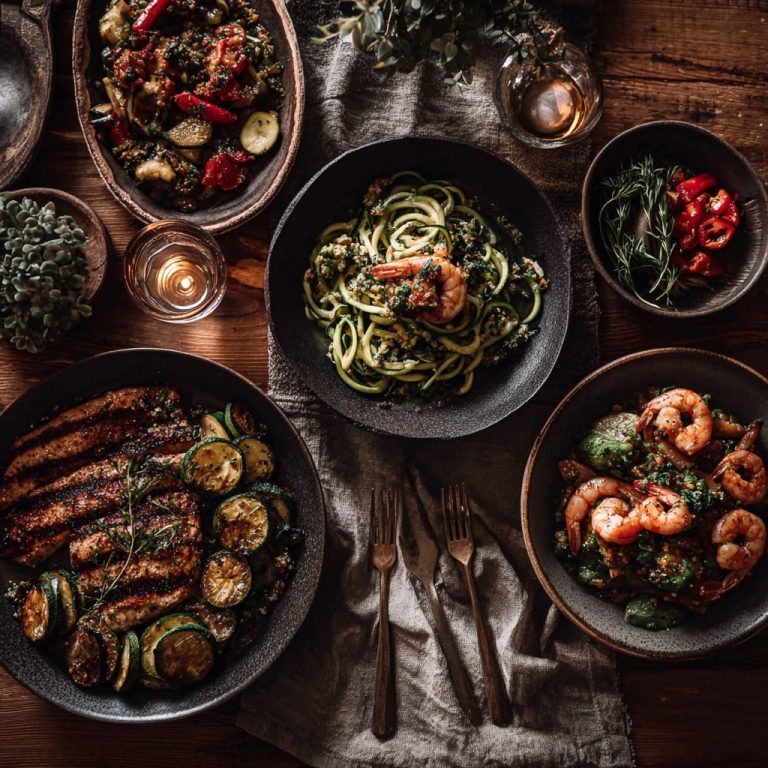
For going even lower, zucchini noodle pasta salad is actually good, especially in summer when zucchini is everywhere. I use this spiralizer that makes vegetable noodles in like 30 seconds. Game changer.
If you’re looking for more creative pasta alternatives, I’ve got a whole roundup of mediterranean pasta alternatives for low-carb lovers that includes everything from hearts of palm linguine to edamame noodles. Some are weird, some are brilliant, all are worth trying once.
Kid-Approved Doesn’t Mean Boring
Listen, my kids are like tiny food critics with zero chill. If dinner doesn’t meet their mysterious and ever-changing standards, they act like I’m trying to poison them. So these recipes have been battle-tested by the toughest audience.
Turkey lettuce wraps with avocado mayo get eaten without complaint because they’re basically tacos in disguise. Savory cottage cheese toast sounds weird but my daughter requests it constantly. Kids are strange.
For picky eaters, sweet potato tacos and mediterranean chickpea wraps work because kids can customize them. Let them add their own toppings from these small prep bowls and suddenly they’re invested in actually eating dinner.
Also, never underestimate the power of dipping sauces. Homemade baked falafel is healthy AF and under 300 calories, but serve it with some tzatziki and hummus and kids will actually eat it. Sometimes it’s just about the presentation.
The Actually Quick Quick Dinners
Some nights you’re barely functional by dinner time. We’ve all been there. These are my sub-30-minute lifesavers that still keep calories reasonable.
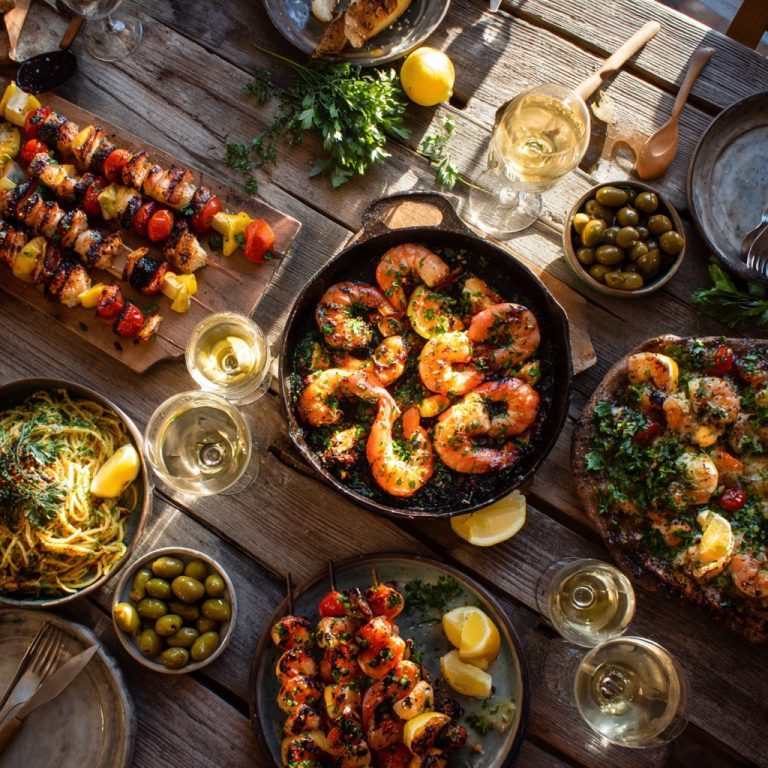
Shrimp sautéed in garlic olive oil with couscous is done in 20 minutes flat and tastes way fancier than the effort required. Get Full Recipe. Same with eggs, avocado, and sautéed veggies – breakfast for dinner is always acceptable in my book.
Keep frozen shrimp and pre-cooked grains in your arsenal. I’m not above using shortcuts when they don’t sacrifice quality. These frozen wild-caught shrimp are my go-to because they thaw in minutes and cook even faster.
For mornings when you need to prep something fast for later, check out these 21 high-protein wraps that’ll actually keep you full. Most can be assembled the night before and grabbed on your way out the door, which means you’re not starving by dinner and more likely to stick with something healthy.
The Soup and Stew Strategy
Soups are criminally underrated for family dinners. Make a big batch on Sunday, and you’ve got lunches and emergency dinners sorted for days. Plus, soups are basically impossible to screw up calorie-wise if you’re using broth-based recipes.
Lentil spinach soup is hearty enough to be a meal and comes in at like 280 calories per bowl. Three bean chili feeds an army and actually gets better after a day in the fridge. I make both in my 7-quart Dutch oven and freeze half for desperate evenings.
Carrot ginger soup with chickpea croutons sounds fancy but is stupid simple, and the chickpea croutons add protein without the calories of bread. Kids love the crunch factor.
Making It Work With Real Life
Theory is great, but actual execution is where most healthy eating plans fall apart. You need a strategy that accounts for the fact that life is messy and unpredictable.
First, stop trying to make every single meal from scratch. Use rotisserie chicken, pre-cut vegetables, canned beans – whatever saves you time and mental energy. These meal prep lunches can double as dinner components when you combine them strategically.
Second, theme nights are your friend. Meatless Monday, Taco Tuesday, whatever. It removes the “what’s for dinner” decision fatigue and makes meal planning way simpler. Plus kids know what to expect, which somehow makes them less whiny about it.
Third, batch cook components, not entire meals. Grill a bunch of chicken breasts, roast several sheet pans of vegetables, cook a big pot of quinoa. Then mix and match throughout the week. Way more flexible than trying to meal prep complete meals that you’re sick of by Wednesday.
The Secret Sauce: Seasoning
Here’s why so many “healthy” meals taste like disappointment – people forget to season properly. Salt, pepper, garlic, herbs, citrus – these have basically no calories but make the difference between “I guess I’ll eat this” and “actually this is pretty good.”
Invest in a good spice rack with basics like cumin, paprika, oregano, and red pepper flakes. Learn to make simple vinaigrettes with lemon juice, olive oil, and Dijon mustard. These small additions transform boring chicken and vegetables into something people actually want to eat.
Lemon oregano grilled chicken is literally just chicken with lemon, oregano, and olive oil, but it tastes like you actually know what you’re doing. Mediterranean shakshuka is eggs poached in spiced tomato sauce, which sounds complicated but takes 25 minutes and uses like six ingredients.
The Breakfast-For-Dinner Hack
Sometimes dinner needs to be breakfast and that’s totally fine. Breakfast foods are often naturally lower in calories and cook faster than traditional dinner options.
Savory mediterranean scramble with whole grain toast is under 400 calories and legitimately satisfying. Spinach feta egg muffins can be made in advance in a silicone muffin pan and reheated whenever.
Greek yogurt parfait topped with granola and berries feels like dessert but works perfectly as a light dinner on hot summer nights when nobody wants heavy food. Pair it with mediterranean smoothie bowl and you’ve got a weirdly complete meal.
For more breakfast-dinner crossover inspiration, check out these 30 mediterranean breakfast recipes for busy mornings. Most work equally well at 7 PM as they do at 7 AM.
The Fish and Seafood Game Changer
Fish gets a bad rap from people who’ve only had overcooked, sad fish. Done right, seafood is high in protein, low in calories, and cooks faster than chicken. Plus it’s good for you – all those omega-3s everyone talks about.
Baked salmon with herbed quinoa takes 20 minutes and tastes restaurant-quality. Get Full Recipe. Grilled salmon with tomato caper relish is tangy and fresh, perfect for summer. Both clock in under 450 calories with sides included.
The key is not overcooking it. Fish is done when it flakes easily with a fork but still looks slightly translucent in the center. It’ll finish cooking from residual heat. Use this instant-read thermometer if you’re nervous – you want 145°F internal temp.
For white fish options, try mediterranean tuna stuffed peppers or tuna white bean salad. Canned tuna is cheap, shelf-stable, and perfect for those nights when you forgot to thaw anything.
The Veggie-Forward Approach
You’ve probably noticed vegetables are the common thread here. That’s because they’re the cheat code for volume eating – you can consume a massive amount without racking up calories.
Grilled veggie platter with hummus is my lazy dinner when I don’t feel like actually cooking. Throw whatever vegetables you have on a grill pan, serve with store-bought hummus and pita, done. Under 400 calories, satisfying, zero stress.
Roasted cauliflower shawarma bowl makes vegetables the star instead of an afterthought, and honestly it’s better than most meat-based shawarma I’ve had. Grilled portobello mushroom steaks have this meaty, umami flavor that even carnivores appreciate.
The trick is roasting or grilling instead of steaming or boiling. High heat caramelizes vegetables and brings out their natural sweetness. Steamed broccoli is punishment food; roasted broccoli with garlic and lemon is actually delicious.
The Portion Control Reality Check
Portion sizes in America are completely unhinged. Restaurant “single servings” are often enough for three people. Our perception of normal portions is totally skewed, which makes it really hard to gauge appropriate amounts at home.
This is where measuring actually matters, at least initially. You don’t need to weigh and measure forever, but doing it for a few weeks recalibrates your sense of serving sizes. Turns out a serving of pasta is way smaller than what I used to dish out.
Use smaller plates – it’s a dumb psychological trick but it works. A normal portion looks more substantial on a 9-inch plate than a 12-inch one. Your brain gets fooled into feeling satisfied.
For recipes like whole wheat spaghetti with cherry tomatoes and basil or one-pot mediterranean pasta, use the right portion size from the start. These dishes are designed to be satisfying at appropriate calorie levels, but that only works if you’re not eating double servings.
The Meal Prep Component Strategy
Full meal prep where you eat the exact same thing five days in a row is soul-crushing. But prep components you can mix and match? That’s sustainable.
Every Sunday, I roast three sheet pans of vegetables (usually broccoli, bell peppers, and Brussels sprouts), grill chicken breasts, and cook a batch of quinoa or farro. Then throughout the week, I’m just assembling combinations.
Monday might be chicken with roasted broccoli and quinoa. Tuesday is the same chicken chopped up in cucumber tomato feta salad. Wednesday is leftover vegetables with hummus veggie sticks and pita. You get the idea.
Store everything in glass storage containers because they don’t stain or retain smells like plastic. Plus you can reheat directly in them, which is one less dish to wash.
This approach works especially well with these 14 mediterranean meal prep ideas that are designed to be mixed and matched throughout the week.
When Dinner Needs to Be Fast AND Low-Cal
Tuesday at 6:47 PM, everyone’s hungry and cranky, you have seventeen minutes before someone has to leave for practice. What do you make?
These are my actual emergency meals that require minimal cooking and come together in under 20 minutes:
- Tuna avocado salad lettuce cups – Literally just mixing canned tuna with mashed avocado and wrapping in lettuce. Five minutes, 320 calories, shockingly satisfying.
- Falafel wrap with tzatziki – Using frozen pre-made falafel (no shame), whole wheat wrap, quick cucumber tomato salad, store-bought tzatziki. Ten minutes, done.
- Greek veggie quesadilla – Whole wheat tortilla, feta, spinach, tomatoes, pan-fried. Eight minutes, kids actually eat it.
- Smoked salmon avocado toast – Fancy enough that it feels like a meal, fast enough for emergencies. Add a side salad, call it dinner.
Keep your freezer and pantry stocked with backup ingredients for these emergency scenarios. Canned beans, frozen vegetables, pre-cooked grains, canned tuna, frozen shrimp – these are your insurance policy against takeout.
The Dessert Dilemma
Here’s the thing about dessert with low-calorie dinners – you actually have room for it. If dinner is 450 calories instead of 800, you can absolutely have frozen yogurt bark with berries and dark chocolate or baked cinnamon apples without derailing anything.
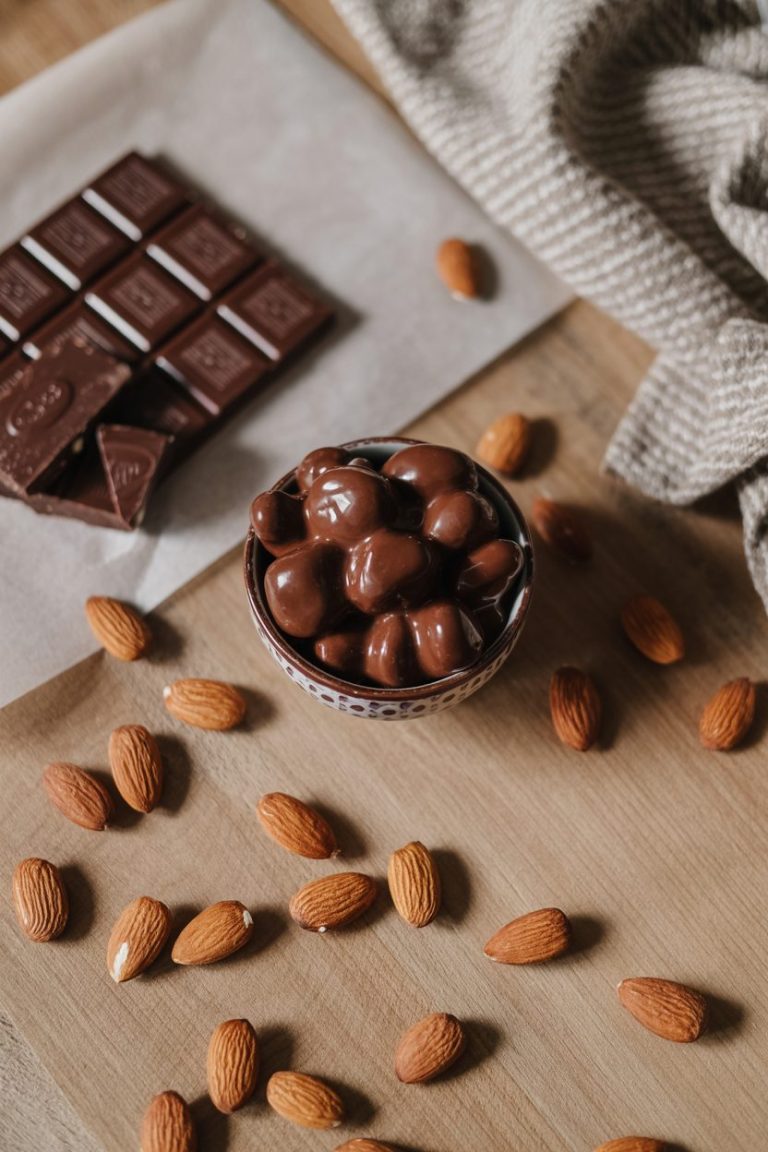
My favorite move is chocolate dipped strawberries made with dark chocolate. Feels indulgent, takes five minutes, under 100 calories for a generous portion. Kids think it’s a special treat, I’m just being strategic.
These small ramekins are perfect for portion-controlled desserts that still feel satisfying. The visual matters – a small dessert in a small dish looks substantial. The same dessert in a large bowl looks sad and insufficient.
Making It Sustainable Long-Term
The biggest mistake people make with healthy eating is treating it like a temporary thing. You can’t go hardcore for three weeks, then back to normal and expect to maintain results. This has to be how you generally eat, with flexibility for real life.
That means building in pizza nights, birthday cake, restaurant meals, all of it. The goal isn’t perfection – it’s being reasonably healthy most of the time. If you nail dinner five nights a week, the other two don’t matter that much.
These recipes are designed to be realistic, not aspirational. They use normal ingredients, reasonable prep times, and don’t require special equipment or culinary school training. That’s intentional. Sustainability comes from ease, not from willpower.
Check out this 7-day mediterranean meal plan for beginners if you want a structured approach to getting started. It’s basically a test run to see how these meals fit into your actual life before committing long-term.
Frequently Asked Questions
How can I make low-calorie dinners more filling?
Focus on three things: protein, fiber, and volume. Include a good protein source (chicken, fish, beans, tofu) to keep you satisfied, load up on fiber-rich vegetables and whole grains, and don’t be afraid of large portions of low-calorie foods like leafy greens and non-starchy vegetables. Drinking water with your meal also helps with satiety.
Will my family actually eat these “healthy” meals?
The recipes here are designed to be family-friendly first, low-calorie second. That means real flavors, reasonable portions, and familiar formats. Start with recipes that are close to foods your family already likes – if they enjoy tacos, try the sweet potato tacos. If they like pasta, ease them into whole wheat pasta with lots of sauce and vegetables. Don’t announce meals as “low-calorie” or “healthy” – just serve good food that happens to be both.
Can I meal prep these recipes for the week?
Most of these recipes work great for meal prep, especially the grain bowls, soups, and roasted dishes. The key is storing components separately when possible – keep dressings separate from salads, store grains separately from proteins until ready to eat. Most prepped meals stay fresh for 4-5 days in the fridge. Some, like soups and chilis, freeze beautifully for longer storage.
What if I don’t have time to cook every night?
You don’t need to. Batch cook on weekends or choose one or two nights when you cook larger portions that provide leftovers. The component meal prep strategy works well here – prep proteins, grains, and vegetables separately, then mix and match for quick assembly throughout the week. Also, there’s zero shame in strategic shortcuts like rotisserie chicken, pre-cut vegetables, or frozen items that save time without sacrificing nutrition.
Are these recipes actually under 500 calories per serving?
Yes, when you follow the serving sizes as written. That’s the catch – portion creep is real. Most of these recipes include vegetables, lean proteins, and reasonable amounts of whole grains or legumes, which naturally keeps calories in check while providing volume and nutrients. If you’re not seeing results, double-check your portions, especially for calorie-dense items like oils, nuts, cheese, and grains.
The Bottom Line
Making low-calorie dinners that your family actually eats doesn’t require you to become a different person. You don’t need expensive ingredients, hours of prep time, or the patience of a saint.
You just need recipes that work in real life, a basic meal prep strategy, and the willingness to be consistent most of the time. These 30 dinners give you a month of variety without repetition, proving that healthy eating doesn’t have to be boring or complicated.
Start with recipes that sound appealing to you and your family. Don’t try to overhaul everything at once – pick three or four to rotate through for a couple weeks, then add more as you get comfortable. Build your confidence with simple wins before tackling more complex recipes.
The goal isn’t to eat perfectly. It’s to make generally good choices most of the time, in a way that’s sustainable for your actual life with your actual family. That’s it. That’s the whole strategy. And honestly? That’s enough.