21 Healthy Dinner Bowls for Easy Custom Meals
Look, I get it. You’re standing in front of your fridge at 6 PM, staring at random vegetables and leftover grains, wondering how the heck you’re going to pull together something that doesn’t taste like cardboard. Been there, done that, got the takeout receipts to prove it.
But here’s the thing about dinner bowls—they’re basically the LEGO sets of the food world. You grab whatever pieces you’ve got, snap them together in whatever order makes sense, and boom: you’ve got yourself a meal that actually looks like you tried. No recipe police will knock on your door if you swap quinoa for rice, or chickpeas for chicken.
I stumbled into the whole bowl obsession when I realized I was spending way too much money at fast-casual places that were essentially charging me $15 for stuff I already had at home. That moment of clarity hit different, let me tell you.
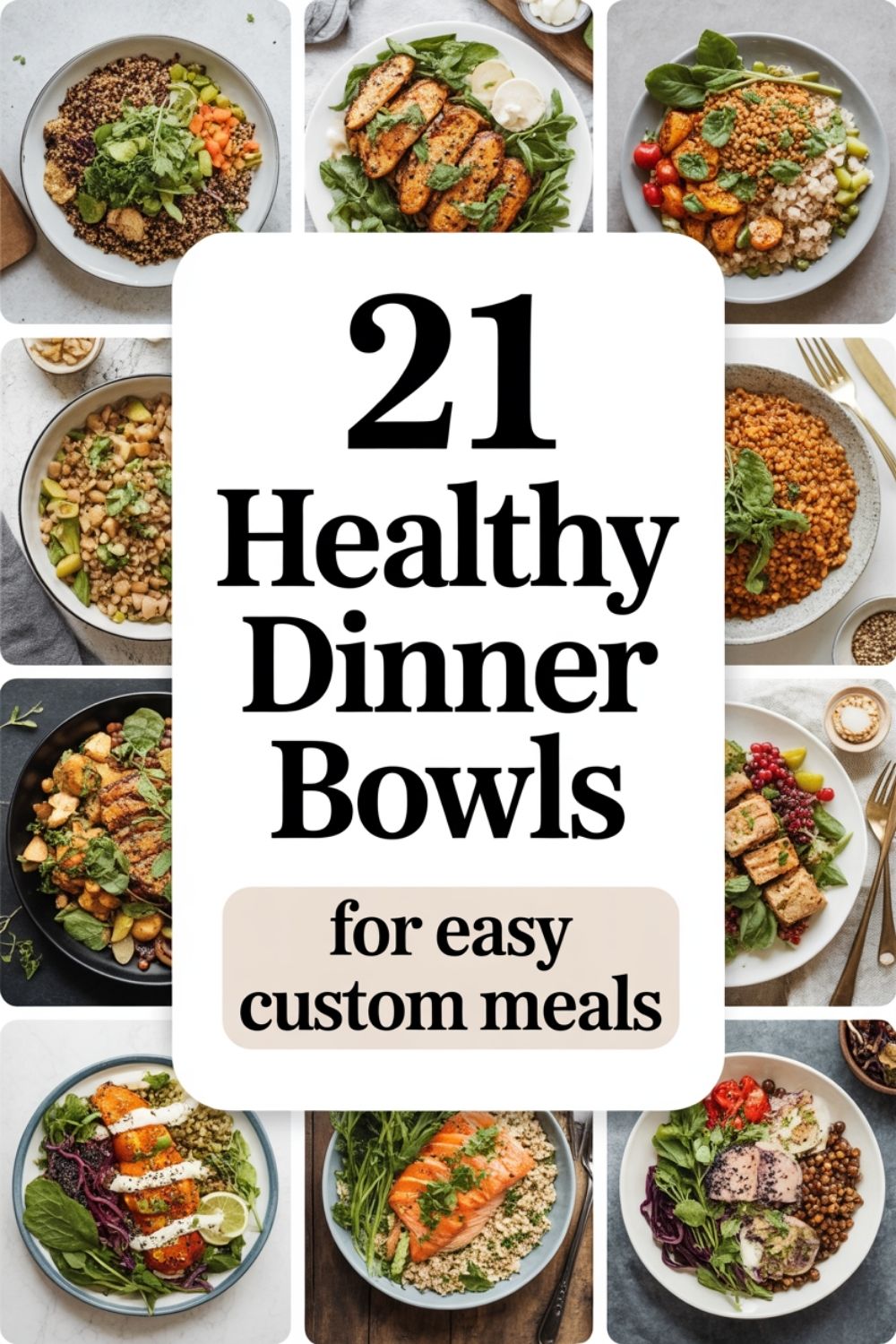
Why Dinner Bowls Are Actually Genius
Before we dive into the recipes, can we talk about why balanced meals in bowl form work so well? It’s not just Instagram hype.
First off, dinner bowls pack in nutrients through whole grains, fiber-rich vegetables, and lean proteins all in one dish. You’re getting carbs for energy, protein to keep you full, healthy fats for brain function, and enough vegetables to make your mom proud. It’s like meal planning for people who hate meal planning.
Second, they’re ridiculously customizable. Got a picky eater? Let them build their own. Following a specific diet? Swap ingredients without rewriting the whole recipe. It’s flexibility without the chaos.
Third—and this is the part I love most—meal prep becomes way less intimidating when you’re just roasting vegetables and cooking grains. You’re not making seven different complete meals on Sunday. You’re making components that mix and match all week long.
Mediterranean Bowl Master Guide
Struggling to keep track of your favorite bowl combinations? This downloadable meal planning guide includes 50+ Mediterranean-inspired bowl recipes with complete nutrition breakdowns, shopping lists organized by week, and a customizable meal prep tracker. It’s basically your entire bowl strategy in one PDF.
The Anatomy of a Perfect Dinner Bowl
Every great bowl follows a basic formula. Think of it as the difference between throwing paint at a wall and actually creating art. Same materials, wildly different results.
Start With Your Base
Your base is the foundation, and honestly, this is where you set the tone. Quinoa brings protein and a slightly nutty flavor. Brown rice is your reliable workhorse—cheap, filling, and pairs with everything. Farro adds this chewy texture that makes every bite interesting. Want to go lower-carb? Cauliflower rice or mixed greens work perfectly.
I usually cook a big batch of grains in my Instant Pot and keep them in the fridge. Game-changer for busy nights when you can barely remember your own name, let alone follow a recipe.
📦
Glass Meal Prep Container Set (5-Pack)
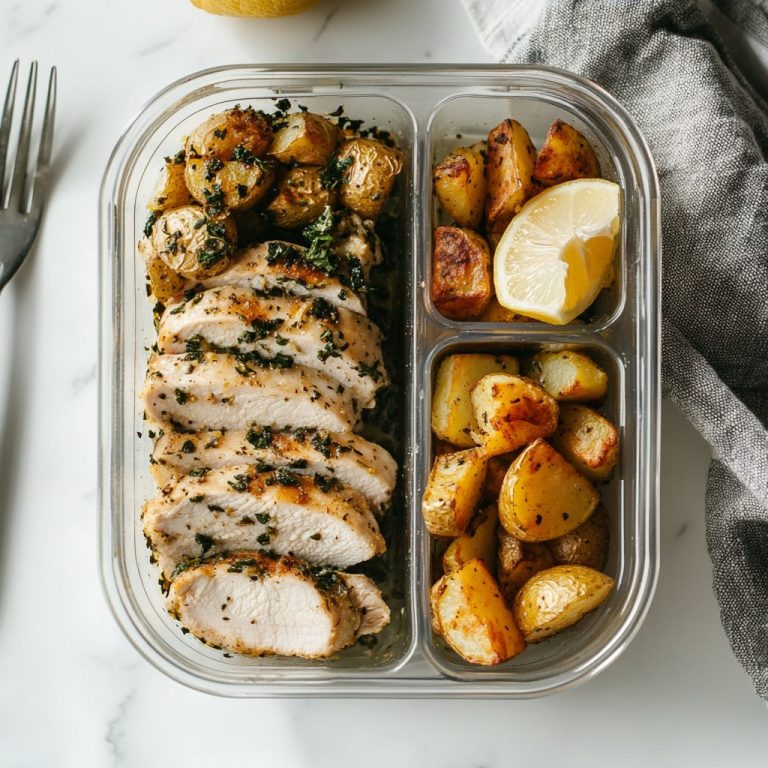
Seriously, these airtight glass containers changed my entire meal prep game. They’re microwave-safe, dishwasher-safe, and nothing leaks even when you’re throwing them in your gym bag. The separate compartments keep sauces away from grains so you’re not eating soggy food on day 4.
✓ Leak-Proof Lids
✓ Portion Control Friendly
Pile On The Vegetables
This is where you can get creative without overthinking it. Roasted vegetables like sweet potatoes, Brussels sprouts, and cauliflower develop these amazing caramelized edges that make even vegetable skeptics reconsider their life choices.
But you don’t need to roast everything. Raw veggies like cucumbers, cherry tomatoes, and shredded carrots add crunch and freshness. I’m a fan of mixing both—roasted for depth, raw for texture. It’s like creating layers in a song, except you eat it.
Looking for more veggie-forward ideas? These Mediterranean grain bowls and stuffed bell peppers with quinoa absolutely nail the vegetable game.
Add Your Protein
Protein is what keeps you from raiding the pantry two hours after dinner. Grilled chicken is classic for a reason—it’s lean, versatile, and meal-preps like a champion. Baked salmon brings those omega-3s everyone keeps talking about. Chickpeas are my go-to plant-based option because they crisp up beautifully when roasted.
Pro move: season your protein differently throughout the week. Monday’s chicken gets Mediterranean herbs, Wednesday’s gets taco spices, Friday’s goes Asian-inspired. Same ingredient, completely different vibes.
💪
Unflavored Collagen Protein Powder
If you’re trying to hit those protein goals without eating chicken for the third time in a day, this collagen powder is clutch. Dissolves completely in sauces and dressings—no gritty texture, no weird taste. Just an extra 20g of protein that supports your joints and keeps you full longer. I stir it into my tahini sauce all the time.
✓ No Artificial Ingredients
✓ Mixes Instantly
If you’re all about that protein life, definitely check out grilled lemon herb chicken with quinoa or try baked salmon with dill and garlic. Get Full Recipe
Don’t Skip The Healthy Fats
Avocado, nuts, seeds, a drizzle of good olive oil—these aren’t just trendy additions. Healthy fats help your body absorb nutrients from all those vegetables you just piled in there. Plus, they make everything taste richer and keep you satisfied longer.
I keep a jar of mixed seeds (pumpkin, sunflower, hemp) by my stove. Just grab a handful and toss it on top. Instant upgrade, zero effort.
The Secret Weapon: Your Sauce
Here’s where good bowls become great bowls. A boring bowl with an amazing sauce? Still amazing. An amazing bowl with no sauce? Kind of sad, actually.
Tahini-based sauces are my default—lemony, creamy, pairs with almost everything. Peanut sauce brings that Thai-inspired sweetness. Tzatziki keeps things fresh and tangy. Chimichurri adds brightness and herb-forward flavor.
I mix mine up in small mason jars and keep them in the fridge. They last about a week, and you can shake them right before using.
21 Healthy Dinner Bowls That Actually Work
Alright, enough theory. Let’s get into the actual bowls you can make tonight (or prep for the week, whatever works).
1. Classic Mediterranean Bowl
This one’s my weeknight savior. Quinoa base, grilled vegetables, chickpeas, cucumbers, tomatoes, feta, and a lemon-herb dressing. It’s fresh, filling, and comes together in about 20 minutes if you’ve got pre-cooked quinoa.
The key here is seasoning your chickpeas well before roasting them. Olive oil, salt, pepper, garlic powder, maybe some za’atar if you’re feeling fancy. Get Full Recipe
2. Teriyaki Salmon Power Bowl
Brown rice, baked salmon with herbs, edamame, shredded carrots, cucumber, avocado, and a homemade teriyaki glaze. This bowl hits that sweet-savory spot that makes takeout so addictive, except you made it and you know exactly what went into it.
Quick tip: you can buy pre-cooked, frozen salmon if you’re really short on time. Just thaw and reheat with a bit of sauce. Nobody’s judging.
3. Mexican-Inspired Burrito Bowl
Cilantro-lime rice, black beans, corn, bell peppers, tomatoes, avocado, and a dollop of Greek yogurt (or sour cream if you’re not pretending to be health-conscious today). Top with some crushed tortilla chips for texture.
This is one of those bowls where the toppings make or break it. Fresh cilantro, a squeeze of lime, maybe some pickled jalapeños—don’t skip these.
4. Thai Peanut Chicken Bowl
Rice noodles or brown rice, shredded chicken, red cabbage, carrots, snap peas, and a thick peanut sauce that’ll make you question why you ever ordered takeout. The sauce is literally just peanut butter, soy sauce, lime juice, honey, and a splash of water to thin it out.
I use rotisserie chicken for this because I’m not trying to complicate my life more than necessary. Shred it, toss it in, move on with your evening.
5. Greek-Inspired Chicken Bowl
Farro, lemon-oregano grilled chicken, cucumber, tomatoes, red onion, Kalamata olives, feta, and tzatziki sauce. It’s like a Greek salad decided to become a full meal and brought all its friends.
Want to make the tzatziki yourself? It’s just Greek yogurt, grated cucumber (squeeze out the water first), garlic, lemon juice, and dill. Mix it in a small bowl and let it sit while you prep everything else.
High-Protein Bowl Tracker App
If you’re serious about hitting protein goals (we’re talking 25-30g per meal), this macro-tracking app is a lifesaver. Scan ingredients, build custom bowls, and it calculates everything automatically. No more guessing if your bowl has enough protein or trying to do math while you’re already hangry.
6. Korean BBQ Tofu Bowl
White rice, crispy tofu with Korean BBQ sauce, kimchi, sautéed spinach, pickled carrots, sesame seeds, and a fried egg on top. The runny yolk mixes with everything and it’s honestly one of the best flavor combinations out there.
Press your tofu properly—wrap it in paper towels, put something heavy on top, leave it for 20 minutes. This step is non-negotiable if you want crispy tofu instead of sad, mushy tofu.
7. Southwest Chicken Bowl
Quinoa, seasoned chicken, black beans, roasted corn, bell peppers, avocado, and a chipotle-lime dressing. This one’s great for meal prep because nothing gets soggy if you keep the dressing separate.
8. Moroccan Chickpea Bowl
Couscous, Moroccan-spiced roasted chickpeas, roasted sweet potato, spinach, dried cranberries, almonds, and a tahini-lemon dressing. The sweet and savory thing happening here is next-level.
Season your chickpeas with cumin, coriander, cinnamon, and paprika before roasting. It makes all the difference.
9. Sesame Ginger Shrimp Bowl
Brown rice, sautéed shrimp, edamame, cucumber, carrots, snap peas, and a sesame-ginger dressing. Shrimp cooks in like five minutes, making this one of the fastest bowls you can throw together.
10. Italian-Inspired Grain Bowl
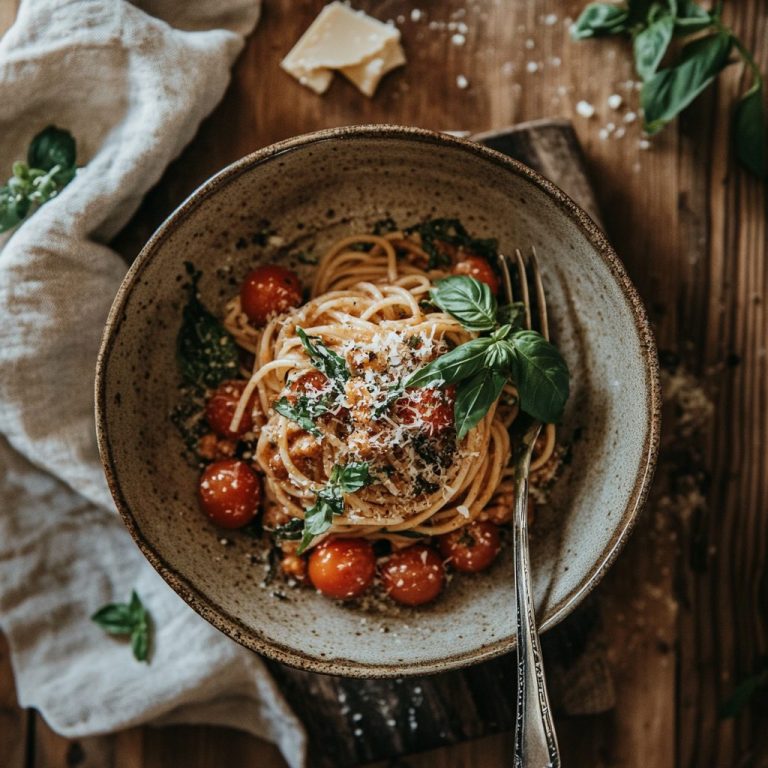
Farro, lemon herb chicken, roasted cherry tomatoes, mozzarella, arugula, basil, and a balsamic drizzle. It’s like a deconstructed caprese salad met a grain bowl and they decided to make beautiful food babies.
11. Spicy Tuna Poke Bowl
Sushi rice, tuna (fresh or canned works), avocado, cucumber, edamame, seaweed salad, and a spicy mayo drizzle. If you’re using canned tuna, get the good stuff packed in olive oil. It makes a difference.
Speaking of protein-packed bowls, you might also love these high-protein bowls or these Mediterranean chickpea bowls that hit that 25-30g protein sweet spot.
12. Caribbean Jerk Chicken Bowl
Rice and beans, jerk-seasoned chicken, plantains, mango salsa, red cabbage, and a coconut-lime dressing. The plantains are crucial here—they add this caramelized sweetness that balances the heat from the jerk seasoning.
No time to make jerk seasoning? Grab a pre-made blend. Life’s too short to be a purist about everything.
13. Fall Harvest Bowl
Wild rice, roasted butternut squash, Brussels sprouts, dried cranberries, pecans, goat cheese, and an apple cider vinaigrette. This is what comfort food looks like when it’s trying to be healthy.
Roast your Brussels sprouts cut-side down for maximum caramelization. That’s where the flavor lives.
14. Vietnamese Lemongrass Bowl
Rice noodles, lemongrass chicken or tofu, pickled vegetables, fresh herbs (mint, cilantro, basil), peanuts, and a fish sauce-based dressing. The herb situation in this bowl is what makes it sing—don’t be shy with them.
15. Middle Eastern Falafel Bowl
Quinoa, baked falafel, hummus, tabbouleh, pickled turnips, tahini sauce. You can make falafel from scratch or buy frozen ones—both work fine. Just crisp them up properly.
16. Breakfast-For-Dinner Bowl
Hash browns or roasted potatoes, scrambled eggs or veggie omelet, sautéed spinach, avocado, salsa, and cheese. Who says bowls are just for lunch and dinner? Breakfast bowls are criminally underrated.
17. Indian-Spiced Lentil Bowl
Basmati rice, curried lentils, roasted cauliflower, spinach, cucumber, tomatoes, and a yogurt-based raita. Lentils are protein powerhouses and they soak up spices like nobody’s business.
18. BBQ Chicken Bowl
Quinoa or brown rice, BBQ chicken, corn, black beans, coleslaw, and a ranch dressing drizzle. It’s basically a summer cookout in bowl form, minus the awkward small talk with your neighbors.
19. Caprese-Inspired Bowl
Pearl couscous, cherry tomatoes with basil, fresh mozzarella, arugula, pine nuts, and a balsamic reduction. Simple, fresh, and it comes together in the time it takes to cook the couscous.
20. Tex-Mex Steak Bowl
Brown rice, grilled steak with roasted vegetables, pinto beans, grilled peppers and onions, pico de gallo, guacamole, and a squeeze of lime. This is the “I need actual food” bowl.
Get your pan screaming hot before adding the steak. That crust is where all the flavor happens.
21. Green Goddess Bowl
Mixed greens, quinoa, edamame, cucumber, avocado, snap peas, pumpkin seeds, and a green goddess dressing (basically blended herbs, avocado, and lemon). It’s green on green on green, and somehow it works.
Use a high-speed blender for the dressing if you’ve got one. It makes it super creamy instead of chunky.
Making Meal Prep Actually Work
Real talk: meal prep sounds great in theory until you’re staring at four hours of chopping on a Sunday. Let me save you from that misery.
The smart move is spending less than 30 minutes prepping components that work for multiple meals throughout the week. Cook two types of grains. Roast two sheet pans of vegetables. Prep two proteins. Chop some raw vegetables. Make two sauces. Done.
Store everything separately in glass meal prep containers. This prevents the dreaded soggy bowl syndrome that makes Day 4 lunches so depressing. Assemble right before eating.
Also? You can store bowl components separately to prevent everything from getting soggy or mushy. Keep dressings in small containers. Pack wet ingredients (like tomatoes) away from dry ones. It’s not rocket science, but it makes a huge difference.
Common Bowl-Building Mistakes (And How To Fix Them)
Let’s talk about where people usually mess up, because I’ve definitely made all these mistakes myself.
Not Seasoning Individual Components
This is the big one. You can’t just throw bland ingredients in a bowl and expect the sauce to save everything. Season your grains while they cook. Season your vegetables before roasting. Season your protein appropriately. Each element should taste good on its own.
Skimping On Texture
All soft ingredients = boring bowl. You need contrast. Crunchy vegetables or nuts, creamy avocado or hummus, chewy grains, tender proteins. Mix it up. Your mouth will thank you.
Forgetting About Temperature
Some people love everything cold. Some people need everything warm. IMO, the best bowls have both—warm grains and proteins, cold or room-temp vegetables and toppings. It creates this interesting contrast that keeps things interesting.
Overdoing The Grains
Your bowl shouldn’t be 70% grain with everything else as an afterthought. Aim for about 1/3 grain, 1/3 protein, 1/3 vegetables. This keeps things balanced and prevents that overly-full, carb-coma feeling.
Using Too Little Sauce
Or worse, forgetting it entirely. Sauce isn’t optional—it’s what ties everything together and prevents your bowl from tasting like you assembled it in the dark. Make more than you think you need.
For more meal prep strategies, these Mediterranean meal prep ideas and 7-day meal plans break down exactly how to prep efficiently without losing your mind.
Budget-Friendly Bowl Tips
Dinner bowls don’t have to blow your grocery budget. Here’s how to keep costs down without eating sad desk salads all week.
Buy grains in bulk. Quinoa and rice from the bulk bins are way cheaper than the fancy packaged versions. Same product, better price.
Use canned beans and frozen vegetables. The nutrition is basically the same as fresh, and they last forever in your pantry/freezer. No judgment here.
Build around what’s on sale. Chicken on sale this week? Make chicken-based bowls. Salmon’s cheap? Fish bowls it is. Flexibility saves money.
Make your own sauces. A $7 bottle of tahini makes about 10 servings of sauce. That $8 store-bought tahini dressing? Maybe 4 servings. Math matters.
Meal prep strategically. Preparing ingredients in large batches makes meal prep ideal for having healthy, delicious meals ready for the whole week. One Sunday session prevents multiple expensive takeout runs.
Low-Calorie Bowl Recipe eBook
Want bowls under 400 calories that actually keep you full? This digital recipe collection has 75+ low-cal, high-volume bowl recipes with smart ingredient swaps and portion guides. Each recipe shows you how to bulk up meals without adding calories—think cauliflower rice upgrades, vegetable volume hacks, and satisfying protein combos.
The Truth About Nutrition In Dinner Bowls
Look, I’m not a nutritionist, but I’ve done enough research to know that balanced meals matter more than obsessing over individual ingredients.
The beauty of bowls is that they naturally encourage balance. You’re getting complex carbohydrates for sustained energy, protein to keep you full, healthy fats for nutrient absorption, and vegetables for vitamins, minerals, and fiber. It’s basically a nutrition textbook in dinner form, except way more appetizing.
Adding ingredients like feta cheese, avocado, or favorite sauces can boost both taste and nutrition. Don’t be scared of fats or flavors in the name of “health.” Unseasoned steamed vegetables aren’t healthy eating—they’re punishment.
Also, portion control happens naturally with bowls. You fill your bowl, eat it, and you’re done. No mindless seconds because the serving dish is sitting right there.
Frequently Asked Questions
Can I make dinner bowls ahead of time?
Absolutely. The key is storing components separately and assembling right before eating. Cook your grains, prep your proteins, chop vegetables, and make sauces on Sunday. Store everything in separate containers and mix together when you’re ready to eat. This prevents soggy vegetables and keeps everything fresh for 4-5 days.
Are dinner bowls actually healthy or just trendy?
They’re healthy when done right. A well-built bowl includes complex carbs, lean protein, healthy fats, and plenty of vegetables—everything your body needs in one meal. The trendy part is just the presentation. The nutrition behind balanced meals in bowl form is solid science, not just Instagram hype.
How do I keep my meal prep bowls from getting boring?
Mix up your sauces and spices throughout the week. Use the same base ingredients but season them differently—Mediterranean on Monday, Asian-inspired on Wednesday, Mexican on Friday. Also, don’t prep seven identical bowls. Make 2-3 different combinations so you have variety.
What’s the best way to reheat dinner bowls at work?
Keep cold ingredients separate and add them after reheating. Heat your grains and protein together in the microwave for 1-2 minutes, then top with fresh vegetables, sauce, and any other cold toppings. This preserves texture and prevents everything from turning into mush.
Can dinner bowls help with weight loss?
They can, but not magically. Bowls make portion control easier and naturally include more vegetables and whole foods than typical meals. They help you stay full longer thanks to the protein and fiber combo. But you still need to pay attention to total calories and portion sizes—loading up on heavy sauces and fried proteins won’t help anyone lose weight.
Final Thoughts
Here’s what I love most about dinner bowls: they remove the decision fatigue from weeknight cooking. You’re not standing in your kitchen at 7 PM trying to remember how to make that recipe you pinned six months ago. You’re just combining components you’ve already prepped into something that actually tastes good.
They’re flexible enough to work with whatever dietary preferences you’ve got going on. Vegan? Load up on plant proteins. Keto? Skip the grains and double down on veggies and healthy fats. Counting macros? Scale your portions accordingly. The framework stays the same.
And honestly? They make healthy eating feel less like a chore and more like something you actually chose because it makes you feel good. Not because some influencer told you to eat nothing but kale for a week.
Start simple. Pick one or two grain options, a couple proteins, vegetables you actually like (not ones you think you should like), and one really good sauce. Build from there. You don’t need to become a bowl-building expert overnight.
The goal isn’t perfection. It’s having dinner options that don’t require a PhD to execute, that taste good enough to actually eat all week, and that make you feel energized instead of sluggish. That’s it. That’s the whole game.
Now if you’ll excuse me, I’ve got some meal prep containers to fill and a week of dinners to not stress about. You should probably do the same.