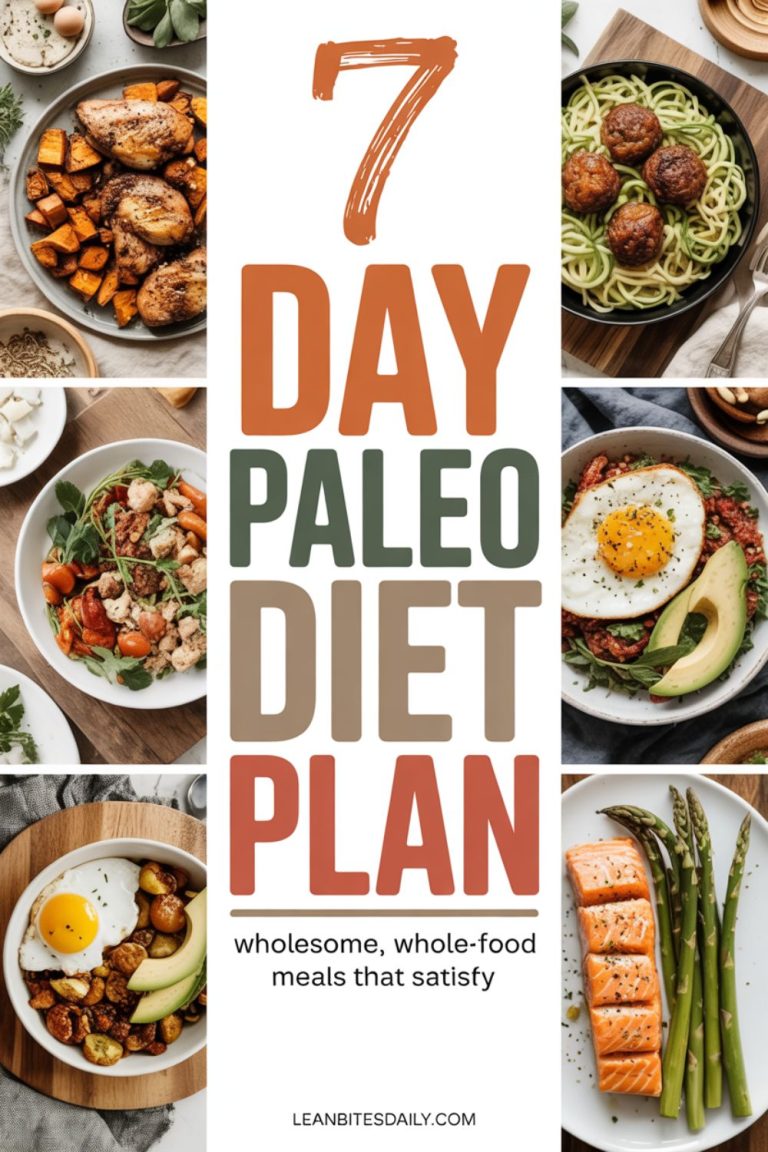

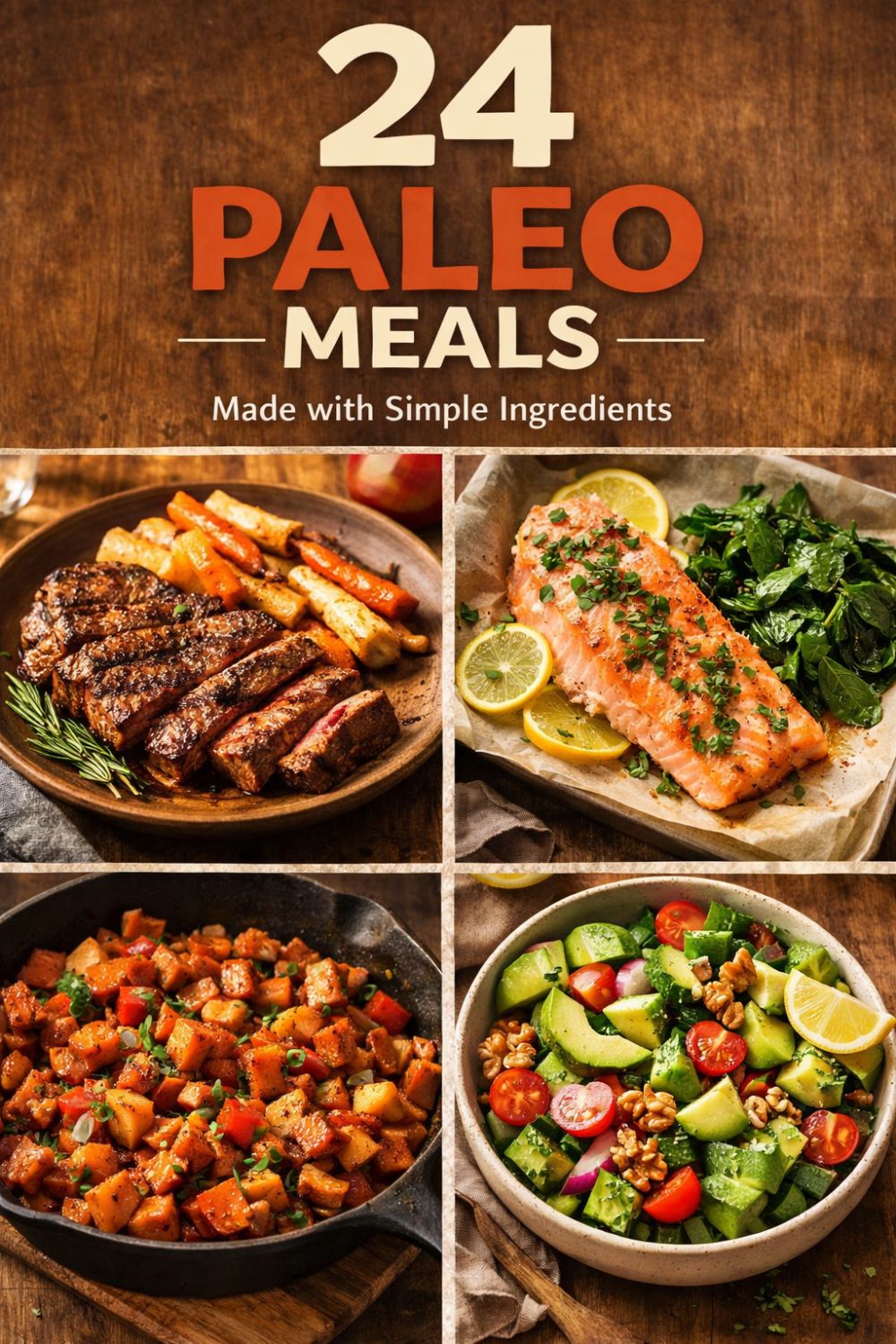
24 Paleo Meals Made with Simple Ingredients
Look, I’m not about to pretend eating paleo is some magical journey that’ll solve all your problems. But after a few years of experimenting with this whole “eat like our ancestors” thing, I’ve figured out one crucial truth: you don’t need fancy ingredients or a culinary degree to make this work.
The beauty of paleo meals lies in their simplicity. We’re talking real food here—meat, vegetables, fruits, nuts. Stuff you can actually pronounce. No weird additives or ingredients that sound like they belong in a chemistry lab.
What I’ve learned is that keeping a paleo kitchen doesn’t mean spending your entire paycheck at Whole Foods or meal-prepping for six hours every Sunday. It’s about having a solid rotation of go-to meals that actually taste good and don’t require you to hunt down obscure ingredients.
Why Simple Ingredients Actually Matter
Here’s the thing about paleo—it’s not just another trendy diet that’ll disappear in a few years. Research shows that people following paleo diets often experience improvements in metabolic markers, including better insulin sensitivity and reduced triglyceride levels.
But let’s be real. The reason most people quit paleo isn’t because they don’t see results. They quit because they’re trying to make overly complicated recipes that require seventeen ingredients they’ll never use again.
When I started, I fell into that trap too. I’d bookmark these elaborate recipes with ingredients like “grass-fed bone marrow” and “fermented cashew cream.” Yeah, those recipes stayed bookmarked while I ordered pizza.
The Paleo Pantry Essentials Nobody Talks About
Before we get into the actual meals, let’s talk about what you really need in your kitchen. Forget those intimidating paleo shopping lists with forty items. Here’s what I actually use on a regular basis:
- Quality protein sources: Chicken thighs (more forgiving than breasts), ground beef, wild-caught salmon, and eggs
- Vegetables that last: Sweet potatoes, Brussels sprouts, broccoli, cauliflower, and spinach
- Healthy fats: Olive oil, coconut oil, avocados, and ghee
- Flavor makers: Garlic, onions, fresh herbs, sea salt, and black pepper
- Nuts and seeds: Almonds, walnuts, and pumpkin seeds for snacking
That’s it. Seriously. You can make probably two dozen different meals with just these basics. And if you’re wondering about kitchen tools, I swear by my #cast iron skillet—it’s basically the Swiss Army knife of paleo cooking.
Morning Meals That Don’t Suck
Breakfast was my biggest paleo struggle at first. I was that person who grabbed a bagel and called it breakfast. But once I got the hang of it, mornings actually became easier.
The Sheet Pan Breakfast
This is my weekday MVP. Chop up some sweet potatoes, toss them with bell peppers and onions, throw everything on a sheet pan with some breakfast sausage, and roast it. While that’s going, fry some eggs. Done.
The best part? You can make enough for three days. Just reheat portions in a #toaster oven and you’re golden. Speaking of breakfast wins, these savory egg muffins are ridiculously convenient for grab-and-go mornings.
When You’re Running Late
Look, I’m not going to pretend every morning is zen and organized. Some days, you need something fast. A few hard-boiled eggs (make them in batches—use an #egg cooker if you’re tired of guessing), some nuts, and an apple. Boom. Paleo breakfast in under two minutes.
If you’re more of a smoothie person, check out these high-protein smoothie ideas that actually keep you full. The secret? Add a handful of spinach (you won’t taste it, I promise) and some almond butter.
For those who miss their morning oats, you might also love these chia pudding variations or this quinoa breakfast bowl that tastes way better than it sounds.
Lunch Ideas That Travel Well
Here’s where paleo gets interesting. Most lunch options at work are… not great. But with a little planning, you can actually look forward to lunch instead of settling for sad desk salads.
The Mason Jar Hack
I resisted this trend for way too long. But mason jar salads are legit. Layer your dressing at the bottom, add sturdy veggies like cucumbers and tomatoes, then your protein (I usually do Get Full Recipe for leftover grilled chicken), and top with greens. When you’re ready to eat, shake it up.
Store them in #wide-mouth mason jars so you can actually fit your fork in there. Trust me on this one.
The Leftover Strategy
This is probably the most underrated paleo tip: intentionally cook extra dinner for tomorrow’s lunch. Make double the protein, roast extra vegetables, and pack it while you’re cleaning up from dinner.
Some of my favorite lunch-friendly dinners include this lemon herb chicken with roasted potatoes, or if you want something more substantial, try this Mediterranean grain bowl that holds up beautifully in the fridge.
Dinner: Where Paleo Actually Shines
Dinner is where you can get a little creative without going overboard. The key is having a few reliable formulas you can mix and match.
The Basic Formula
Pick a protein. Pick two vegetables. Add fat. Season generously. That’s literally it. You can make this fancy or keep it stupid simple—both work.
For example: salmon + roasted Brussels sprouts + sweet potato. Season the salmon with lemon and dill, toss the Brussels in olive oil with garlic, and roast the sweet potato wedges. Everything can go in the oven at the same time if you plan it right.
One-Pan Wonders
IMO, one-pan meals are where paleo really delivers. Less cleanup, more flavor because everything cooks together. My go-to is what I call the “throw everything in and hope for the best” method.
Chicken thighs (bone-in, skin-on—they’re way more forgiving), chopped vegetables, olive oil, salt, pepper, maybe some fresh herbs. 425°F for about 35-40 minutes. The chicken skin gets crispy, the vegetables caramelize, and you’ve got dinner plus tomorrow’s lunch. For a similar vibe with different flavors, this garlic shrimp with vegetables is ridiculously good.
Want to branch out? These stuffed bell peppers or this herb-crusted salmon are both crowd-pleasers that don’t require any weird ingredients.
The Meal Prep Reality Check
Everyone talks about meal prep like it’s this magical solution. And it can be—if you’re realistic about it. I don’t spend three hours every Sunday cooking. Instead, I batch-cook a few key components.
What Actually Works
- Roast a whole chicken on Sunday. Use it for salads, quick stir-fries, or just eat it with vegetables. A good #roasting pan makes this so much easier.
- Cook a big batch of sweet potatoes. Microwave, roast, whatever. They reheat well and go with everything.
- Prep vegetables once. Wash, chop, store. Having vegetables ready to go is half the battle.
- Make a protein base. Ground beef or turkey seasoned simply can become tacos one night, lettuce wraps another, stuffed peppers another.
Store everything in #glass meal prep containers—they don’t absorb smells and you can see what’s in them without opening everything in your fridge.
The Freezer Is Your Friend
Seriously underrated paleo tool. When I make something like this hearty stew or a big pot of chili, I automatically freeze half of it in individual portions.
Future you will be incredibly grateful. I label everything with a #label maker because three months later, you will not remember if that’s turkey chili or beef stew.
24 Simple Paleo Meals You’ll Actually Make
Alright, let’s get to the good stuff. These aren’t arranged by difficulty because honestly, they’re all pretty straightforward. I’ve organized them by the time of day you might want to eat them, but feel free to have dinner for breakfast—I’m not judging.
Breakfast Options (1-6)
- Sweet Potato Hash: Dice sweet potatoes, cook with bell peppers, onions, top with fried eggs. Season with paprika and garlic powder.
- Veggie Scramble: Eggs scrambled with spinach, mushrooms, and tomatoes. Add avocado on the side.
- Breakfast Sausage Patties: Ground pork or turkey mixed with sage, thyme, and a pinch of fennel. Form into patties and pan-fry.
- Egg Muffins: Whisk eggs with chopped vegetables, pour into muffin tins, bake at 350°F for 20 minutes.
- Banana Pancakes: Mash a banana, mix with two eggs, cook like regular pancakes. Top with almond butter.
- Breakfast Bowl: Roasted vegetables topped with two fried eggs and sliced avocado. Get Full Recipe
If you need more morning inspiration, these high-protein breakfast ideas will keep you satisfied until lunch without the mid-morning crash.
Lunch Solutions (7-12)
- Chicken Salad Lettuce Wraps: Shredded chicken mixed with avocado mayo, grapes, and walnuts. Wrap in butter lettuce.
- Tuna Avocado Boats: Mix canned tuna with diced cucumber and olive oil. Serve in avocado halves.
- Turkey Roll-Ups: Turkey slices rolled with avocado, tomato, and mustard. No bread needed.
- Veggie Soup: Chicken broth with whatever vegetables you have on hand. Add leftover protein for substance.
- Salmon Salad: Flaked salmon over mixed greens with cucumber, tomatoes, and olive oil dressing. Get Full Recipe
- Cauliflower Rice Bowl: Cauliflower rice topped with ground meat, salsa, avocado, and cilantro.
Looking for variety? Try these Mediterranean-inspired lunch ideas or these meal-prep friendly lunches that won’t bore you by Wednesday.
Dinner Winners (13-18)
- Sheet Pan Chicken: Chicken thighs with Brussels sprouts and sweet potato. Everything roasts together at 425°F.
- Beef Stir-Fry: Thinly sliced beef with broccoli, bell peppers, and coconut aminos. Serve over cauliflower rice.
- Baked Salmon: Salmon filets with lemon, dill, and garlic. Bake at 400°F for 12-15 minutes. Get Full Recipe
- Turkey Meatballs: Ground turkey mixed with egg, garlic, and Italian herbs. Bake and serve with marinara and zucchini noodles.
- Pork Chops with Apples: Pan-sear pork chops, deglaze with apple cider, add sliced apples and cinnamon.
- Grilled Chicken with Vegetables: Marinate chicken in olive oil, lemon, and herbs. Grill alongside zucchini and eggplant.
Simple Sides & Extras (19-24)
- Roasted Vegetables: Any combination of vegetables tossed in olive oil and roasted at 425°F until caramelized.
- Cauliflower Mash: Steam cauliflower, blend with ghee and garlic. Tastes nothing like mashed potatoes but it’s good anyway.
- Sautéed Greens: Kale or spinach sautéed with garlic in olive oil. Simple but solid.
- Baked Sweet Potato: Pierce with a fork, bake at 400°F for 45 minutes. Top with ghee and cinnamon.
- Cucumber Salad: Sliced cucumbers with red onion, apple cider vinegar, olive oil, and fresh dill.
- Quick Slaw: Shredded cabbage and carrots with apple cider vinegar and olive oil. Gets better after sitting in the fridge.
For even more side dish inspiration, check out these Mediterranean sides that pair well with just about any protein.
The Snack Situation
Here’s where a lot of people struggle. You can’t just grab a granola bar anymore (well, you could, but most aren’t paleo). The good news? Paleo snacks are actually more satisfying.
My go-to snacks are embarrassingly simple: apple slices with almond butter, handful of mixed nuts, hard-boiled eggs, or beef jerky (get the good stuff without added sugar). Keep these #portion control containers at your desk so you don’t accidentally eat an entire jar of almond butter in one sitting. Not that I’ve done that.
For more substantial snack ideas, these protein-packed snacks or these Mediterranean snack options will keep you going between meals.
When Eating Out Doesn’t Derail Everything
Look, you’re going to eat out sometimes. That’s life. And unless you’re at a super paleo-friendly restaurant, you’ll need to make some modifications.
My strategy is pretty straightforward: order a protein and vegetables. Ask for no bread or rice. Request olive oil instead of butter. Most restaurants are cool with substitutions—they’ve seen weirder requests than “no cheese, please.”
Steakhouses are actually paleo gold. Order a steak (check how it’s prepared), side of vegetables, sweet potato if they have it. Done. Mexican restaurants? Fajitas without the tortillas. Just eat the filling with a fork like a normal person.
The Cost Question Everyone Asks
Yes, eating paleo can be more expensive than living on ramen and frozen pizza. But it doesn’t have to break the bank. Here’s what I’ve learned about keeping costs reasonable:
- Buy whatever protein is on sale. Flexibility is key. If chicken thighs are cheap this week, make chicken. If ground beef is discounted, make beef.
- Frozen vegetables are your friend. They’re cheaper, last longer, and are actually just as nutritious as fresh. Keep bags of #frozen broccoli and #frozen spinach on hand.
- Skip the organic everything. Unless you’re buying the “dirty dozen,” conventional is fine. Your budget will thank you.
- Buy in bulk. Nuts, oils, and spices are way cheaper when bought in larger quantities. Join a warehouse club if you can.
According to nutrition experts, the key to making any diet sustainable—including paleo—is finding a balance that works for your lifestyle and budget without obsessing over perfection.
Making It Work Long-Term
Here’s the uncomfortable truth: most people who start paleo quit within a few months. Not because it doesn’t work, but because they make it too complicated or too restrictive.
I follow what I call the “80/20 approach.” Eighty percent of the time, I stick to paleo. The other twenty percent? Life happens. Birthday cake exists. Pizza is delicious. I’m not going to pretend otherwise.
The goal isn’t perfection. It’s consistency. Eating paleo most of the time is infinitely better than eating paleo for three weeks and then giving up because you had a slice of bread.
The Kitchen Tools That Actually Matter
You don’t need a kitchen full of gadgets. But a few key tools make paleo cooking significantly easier:
- A good #chef’s knife that’s actually sharp (dull knives are dangerous and annoying)
- Two or three #sheet pans for roasting everything
- A decent #cutting board that won’t slip around
- A #cast iron skillet for pretty much everything else
- A #food processor if you want to make cauliflower rice without losing your mind
- Quality #storage containers because plastic ones get gross fast
That’s really it. You can get fancy with immersion blenders and spiralizers if you want, but these basics will cover 95% of what you need.
Common Mistakes (That I Definitely Never Made)
Let me save you some trouble by sharing the mistakes I totally didn’t make when I started:
Trying to recreate non-paleo foods. Paleo bread, paleo pizza, paleo brownies—they’re all fine, but they’re never going to taste exactly like the real thing. Just eat the actual paleo foods that taste good as-is.
Not eating enough. When you cut out grains and dairy, you’re cutting out a lot of calories. You need to eat more vegetables and fat than you think. Don’t be afraid of avocados and nuts.
Making every meal complicated. Some nights, dinner is just a grilled chicken breast and roasted broccoli. That’s fine. Not every meal needs to be Instagram-worthy.
Giving up too soon. Your body needs time to adjust. The first week or two might be rough. Push through. It gets easier.
The Carb Question
Everyone asks about carbs. “Isn’t paleo super low-carb?” Not necessarily. You’re cutting out grains, but you’re eating plenty of vegetables and fruits, which have carbs.
Sweet potatoes are my carb MVP. They’re filling, taste good, and give you energy without the crash. I probably eat sweet potatoes four or five times a week in various forms.
If you’re active, you need carbs. Don’t let anyone tell you otherwise. Just get them from whole food sources instead of pasta and bread.
Dealing With Social Situations
This is where eating paleo gets tricky. Family dinners, work lunches, friend hangouts—someone always has an opinion about what you’re eating.
My advice? Don’t make it a big deal. Eat what you can, skip what you can’t, and don’t launch into a lecture about inflammation and insulin resistance unless someone specifically asks.
If you’re going to someone’s house for dinner, offer to bring a dish. Make a giant salad or roasted vegetables—something that you know you can eat and that others will enjoy too. Problem solved.
Frequently Asked Questions
Can I do paleo on a budget?
Absolutely. Focus on whatever protein is on sale that week, buy frozen vegetables instead of fresh, and skip the fancy organic labels unless you’re buying the “dirty dozen” produce. Eggs are incredibly cheap and versatile. Ground meat is usually more affordable than cuts like steaks or chops. Batch cooking also saves money because you’re less tempted to order takeout when you’re tired.
What if I mess up and eat something non-paleo?
Then you ate something non-paleo. That’s it. Don’t spiral, don’t “start over Monday,” just move on with your next meal. The all-or-nothing mindset is what kills most diets. One slice of pizza doesn’t undo everything—it’s just one meal out of dozens you’ll eat this week.
How long does it take to see results?
Most people notice changes within two to three weeks—better energy, clearer thinking, maybe some weight loss. But the first week can be rough as your body adjusts. Give it at least a month before deciding if it’s working for you. Results vary depending on what you were eating before and your individual body.
Do I need to eat organic and grass-fed everything?
No. It’s ideal but not essential. If you can afford grass-fed meat and organic produce, great. If not, regular meat and conventional vegetables are still infinitely better than processed foods. Do the best you can with your budget and don’t stress about perfection.
Can I meal prep paleo food for the whole week?
You can, but I’d recommend prepping components rather than complete meals. Cooked proteins last three to four days safely in the fridge. Roasted vegetables hold up for about the same. Prep these on Sunday, then assemble fresh meals throughout the week. This keeps things from getting soggy or boring.
Final Thoughts
Here’s what I wish someone had told me when I started: paleo isn’t about eating perfectly. It’s about eating better most of the time with ingredients you can actually find at a normal grocery store.
These 24 meals aren’t revolutionary. They’re not going to win any culinary awards. But they’re simple, they taste good, and you’ll actually make them—which is the whole point.
Start with three or four recipes from this list. Make them until you can do it without thinking. Then add a few more. Before you know it, you’ll have a solid rotation that doesn’t require recipes or meal planning apps or thinking too hard after a long day.
The goal isn’t to become some paleo purist who judges people for eating bread. The goal is to feel better, have more energy, and not be a slave to cravings and crashes. If simple paleo meals help you do that, then you’re doing it right.
Now go make something from this list. Your kitchen is probably cleaner than mine anyway.