
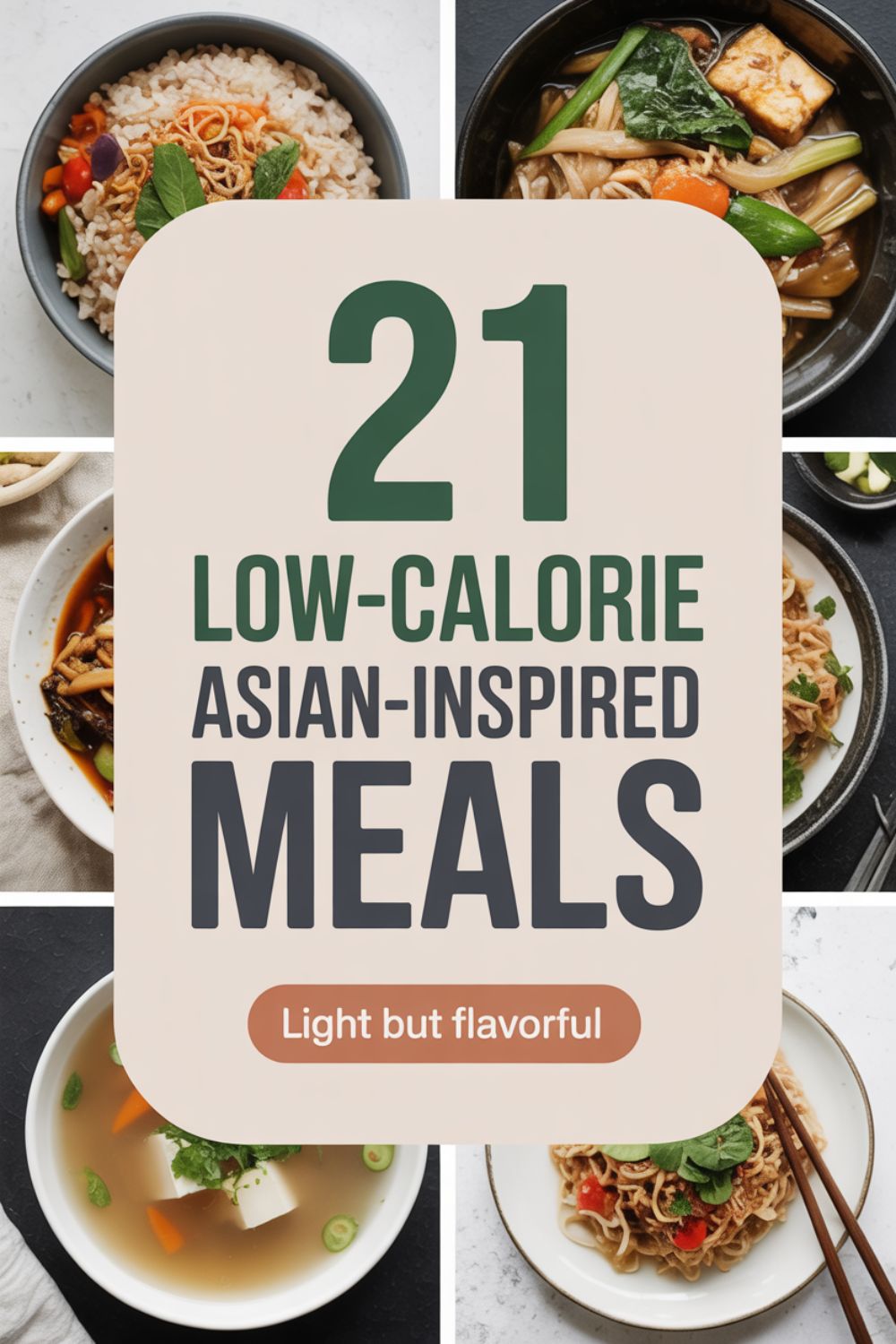
21 Low-Calorie Asian-Inspired Meals
Look, I’m not here to tell you that Asian food is automatically healthy just because it comes with chopsticks and a side of edamame. But here’s the thing—when you strip away the deep-fried nonsense and sugar-loaded sauces that most takeout joints love to drown everything in, Asian cuisine actually has some serious weight-loss potential.
I’ve spent years trying to crack the code on how to enjoy the flavors I love without feeling like I need a nap after every meal. Turns out, traditional Asian cooking techniques—steaming, stir-frying with minimal oil, and loading up on vegetables—are basically a masterclass in keeping calories in check while still delivering on taste.
So if you’re tired of bland chicken breast and sad salads, buckle up. These 21 low-calorie Asian-inspired meals prove you can eat food that actually tastes good without derailing your health goals.
Why Asian Cuisine Works for Weight Loss
Before we jump into the recipes, let’s talk about why Asian food is secretly brilliant for anyone trying to shed a few pounds. Traditional Asian diets focus heavily on vegetables, lean proteins like fish and tofu, and cooking methods that preserve nutrients without piling on unnecessary fats.
Research from the American Heart Association highlights that Asian cuisine often includes lean proteins and citrus juices while incorporating fresh vegetables, making it naturally heart-healthy. The emphasis on balance—think protein, veggies, and a modest amount of rice—means you’re getting satisfied without overdoing it on any one macronutrient.
Plus, many Asian dishes use flavor-packed ingredients like ginger, garlic, and chili peppers that have actual health benefits. Ginger is anti-inflammatory, garlic supports heart health, and spicy foods can even boost your metabolism slightly. Not enough to cancel out a pint of ice cream, but every little bit helps, right?
Breakfast Options That Actually Keep You Full
1. Savory Congee with Lean Protein
Congee is basically rice porridge, and before you click away thinking that sounds boring as hell, hear me out. This stuff is ridiculously filling for the calorie count. A bowl of plain congee sits around 150 calories, and when you top it with shredded chicken, a soft-boiled egg, and some scallions, you’re still under 300 calories for a breakfast that’ll keep you satisfied until lunch.
The trick is cooking the rice low and slow with plenty of water or broth until it breaks down into this creamy, comforting texture. I like to make a big batch on Sunday and portion it out for the week. For more breakfast inspiration that won’t leave you starving by 10 AM, check out these easy Mediterranean breakfast ideas or these high-protein breakfasts under 350 calories.
2. Miso Soup with Tofu and Greens
Miso soup isn’t just something you get free with your sushi order. This fermented soybean paste creates a savory, umami-rich broth that clocks in at about 50-70 calories per bowl. Add some cubed tofu for protein and throw in spinach or bok choy, and you’ve got yourself a breakfast that’s weirdly satisfying.
The probiotics from the miso are also great for gut health, which IMO is something more people should care about. Your digestive system processes food better when it’s happy, and a happy gut means better nutrient absorption and less bloating.
3. Vietnamese-Style Rice Paper Rolls
These aren’t just for lunch or dinner. Filled with scrambled eggs, fresh herbs like cilantro and mint, cucumber, and maybe some grilled shrimp if you’re feeling fancy, rice paper rolls are a fresh, light breakfast option. Each roll is around 50-70 calories depending on what you stuff inside.
I keep a stack of rice paper wrappers in my pantry because they’re stupid easy to work with. Just dip them in warm water for a few seconds, and they become pliable enough to wrap around literally anything. Get Full Recipe.
Lunch Ideas Under 400 Calories
4. Thai-Inspired Papaya Salad
Som Tum, or green papaya salad, is one of those dishes that punches way above its weight class. The base is shredded green papaya, which is crunchy, slightly sweet, and almost zero calories. Toss it with lime juice, fish sauce, a touch of palm sugar, chili, and some crushed peanuts, and you’ve got a salad that’s around 100-150 calories but tastes like a full meal.
The lime juice and chili give it this bright, spicy kick that makes boring old lettuce salads look pathetic by comparison. If you want something equally vibrant, try these Mediterranean salads that are actually filling.
5. Japanese-Style Sushi Bowl
Sushi rice, a bit of cucumber, avocado, some sashimi-grade fish or cooked shrimp, and a drizzle of soy sauce mixed with rice vinegar. This deconstructed sushi bowl is way easier to make than actual sushi rolls and sits comfortably around 350 calories.
The key is not going overboard on the rice. Use about half a cup of cooked sushi rice, and pile on the veggies and protein. I like to add some pickled ginger on top because it’s basically calorie-free and adds a nice tangy contrast.
6. Korean Kimchi Stew (Kimchi Jjigae)
This spicy, tangy stew is made with kimchi, tofu, and sometimes a bit of pork or seafood. The fermented kimchi not only adds tons of flavor but also provides probiotics that support digestive health. A bowl comes in around 250-300 calories and is incredibly satisfying.
Kimchi is one of those ingredients I always have in my fridge. It lasts forever, adds instant flavor to pretty much anything, and the fermentation process means it’s packed with gut-friendly bacteria. You can find quality kimchi at most grocery stores now, or make your own if you’re feeling ambitious.
Speaking of soups, if you’re looking for more warming, filling options, these Mediterranean soups under 300 calories are equally comforting.
Dinner Winners That Don’t Skimp on Flavor
7. Ginger-Garlic Stir-Fried Tofu with Vegetables
Tofu gets a bad rap, mostly because people don’t know how to cook it properly. Press the water out, cut it into cubes, and pan-fry it in a hot cast-iron skillet with a tiny bit of sesame oil until it’s crispy on the outside. Then toss it with ginger, garlic, soy sauce, and a mountain of vegetables—broccoli, bell peppers, snap peas, whatever you’ve got.
This entire meal comes in around 350-400 calories and has enough protein to keep you from raiding the fridge an hour later. The crispy tofu paired with the tender-crisp veggies is genuinely satisfying. Get Full Recipe.
8. Vietnamese Pho with Lean Beef or Chicken
Pho is the ultimate comfort food that happens to be shockingly low in calories. The broth is made by simmering bones, ginger, star anise, and other aromatics for hours, resulting in this deeply flavorful base that’s basically calorie-free. Add rice noodles, thinly sliced beef or chicken, and a heap of fresh herbs, and you’re looking at 300-450 calories for a massive bowl.
The herbs—cilantro, basil, lime—are what make pho so fresh and bright. Don’t skip them. They’re not just garnish; they’re essential to the whole experience. If you’re craving more protein-packed soups, check out these high-protein soups under 350 calories.
9. Thai Basil Chicken (Pad Krapow Gai)
This is one of those dishes that tastes way more indulgent than it actually is. Ground chicken, loads of Thai basil, chili, garlic, and a savory-sweet sauce made from fish sauce and a touch of sugar. Serve it over a small portion of jasmine rice, and you’re at around 400 calories.
The key is using lean ground chicken breast instead of thigh meat, which saves you a decent amount of fat. And seriously, don’t hold back on the basil. The recipe calls for like 2-3 cups of fresh basil leaves, and that’s what gives it that distinctive, almost peppery flavor. Get Full Recipe.
10. Japanese Teriyaki Salmon
Salmon is fatty, sure, but it’s the good kind of fat—omega-3s that your body actually needs. A teriyaki glaze made with soy sauce, mirin, and a bit of honey adds sweetness without going overboard on sugar. One fillet with a side of steamed vegetables comes in around 350-400 calories.
I use a silicone baking mat when I roast salmon because nothing sticks to it, and cleanup is basically non-existent. Just a quick wipe-down and you’re done. For more salmon ideas, try this baked salmon with herbed quinoa.
Light Bites and Appetizers
11. Steamed Dumplings (Gyoza or Potstickers)
Steamed dumplings are way lighter than their fried counterparts. Fill them with lean pork or chicken, cabbage, ginger, and garlic, and each dumpling is around 40-60 calories. Five or six dumplings make a decent meal or a substantial snack.
Making dumpling wrappers from scratch is a pain, so I just buy pre-made ones. You can find dumpling wrappers at most Asian grocery stores or even regular supermarkets now. Once you get the folding technique down, it’s kind of meditative. Get Full Recipe.
12. Cold Sesame Noodles
These noodles are perfect for meal prep. Cook some whole wheat or buckwheat noodles, toss them with a sauce made from tahini, soy sauce, rice vinegar, a touch of honey, and some sesame oil. Add shredded cucumber and carrots for crunch. A serving is around 250-300 calories.
The noodles are served cold, which makes them ridiculously refreshing, especially in the summer. They also hold up well in the fridge for a few days, so you can make a big batch and have lunch sorted for the week.
13. Edamame with Sea Salt
Okay, this one’s almost too easy. Boil some frozen edamame, sprinkle with sea salt, and you’re done. A cup of edamame is about 120 calories and packs 11 grams of protein. It’s the perfect snack when you need something to munch on that isn’t chips or candy.
I keep a few bags of frozen edamame in my freezer at all times. It’s one of those foods that’s genuinely healthy, tastes good, and requires zero effort.
For more snack ideas that won’t wreck your calorie count, try these snacks under 150 calories or these high-protein low-calorie snacks.
Noodle Dishes That Won’t Blow Your Calorie Budget
14. Shirataki Noodle Stir-Fry
Shirataki noodles are made from konjac root and are basically calorie-free. Like, a whole package is maybe 20 calories. They have a slightly rubbery texture that takes some getting used to, but when you stir-fry them with vegetables, protein, and a flavorful sauce, they’re a solid low-cal noodle option.
The trick is rinsing them really well and dry-frying them in a pan for a few minutes to get rid of excess moisture. This improves the texture significantly. Toss them with chicken, bell peppers, snap peas, and a ginger-soy sauce, and you’ve got a meal that’s under 300 calories.
15. Spicy Korean Glass Noodles (Japchae)
Japchae is made with sweet potato starch noodles, which are slightly higher in calories than shirataki but still pretty reasonable. The noodles are stir-fried with vegetables like spinach, carrots, and mushrooms, plus a bit of beef or tofu. A serving is around 300-350 calories.
What makes japchae special is the sauce—soy sauce, sesame oil, and a touch of sugar. The noodles soak up all that flavor, and the vegetables add bulk without adding many calories. Get Full Recipe.
16. Cold Soba Noodle Salad
Soba noodles are made from buckwheat, which gives them a nutty flavor and a good amount of fiber. Serve them cold with a dipping sauce made from soy sauce, mirin, and dashi, or toss them with shredded vegetables and a sesame-ginger dressing. A bowl is around 300 calories.
I like adding thinly sliced cucumber, radishes, and some edamame on top for extra crunch and protein. It’s a refreshing meal that doesn’t leave you feeling heavy.
Protein-Packed Mains
17. Chinese-Style Steamed Fish
Steaming fish is one of the healthiest cooking methods out there. The fish stays moist, and you don’t need any added fat. Top it with ginger, scallions, soy sauce, and a drizzle of sesame oil, and you’ve got a dish that’s around 250-300 calories.
Any white fish works—cod, halibut, sea bass. Just steam it for about 10-12 minutes until it flakes easily with a fork. Serve it with steamed bok choy or broccoli, and you’ve got a complete, low-calorie meal.
18. Korean Grilled Chicken (Dak Galbi)
Marinate chicken breast in a mixture of gochujang (Korean chili paste), soy sauce, garlic, and ginger, then grill or pan-fry it. The result is juicy, spicy chicken that’s packed with flavor. One serving is around 300-350 calories.
Gochujang is one of my secret weapons in the kitchen. It adds heat, sweetness, and umami all at once, and a little goes a long way. You can find gochujang paste at most grocery stores now, usually in the international aisle. For more chicken-based meals, try these high-protein chicken recipes for meal prep.
19. Thai Green Curry with Lean Protein
Green curry paste, coconut milk, vegetables, and your choice of chicken, shrimp, or tofu. This dish is creamy, spicy, and surprisingly low in calories if you go easy on the coconut milk. A serving is around 350-400 calories.
The trick is using light coconut milk instead of full-fat, which cuts the calories in half without sacrificing too much richness. Load it up with vegetables like eggplant, bell peppers, and bamboo shoots, and you’ve got a meal that’s both filling and flavorful. Get Full Recipe.
Vegetarian and Vegan Options
20. Ma Po Tofu (Lightened Up)
Traditional ma po tofu is made with ground pork and a lot of oil. The lightened-up version uses lean ground turkey or skips the meat altogether and doubles down on the tofu. Cooked in a spicy, savory sauce made from doubanjiang (fermented broad bean paste), soy sauce, and a touch of cornstarch to thicken, this dish is around 250-300 calories per serving.
The Sichuan peppercorns give it this unique numbing heat that’s completely addictive. If you’ve never tried Sichuan peppercorns, grab a small jar from an Asian spice section and prepare to have your mind blown.
21. Vietnamese Lemongrass Tofu
Tofu marinated in lemongrass, garlic, chili, and a bit of soy sauce, then grilled or pan-fried until crispy. Serve it over a bed of mixed greens or with rice noodles and fresh herbs. One serving is around 300 calories.
Lemongrass has this bright, citrusy flavor that’s totally different from lemon or lime. It adds a freshness that makes the tofu feel light and summery. For more plant-based options, check out these high-protein vegetarian recipes.
Making It Work in Real Life
Here’s the thing about low-calorie Asian-inspired meals: they’re only useful if you actually make them. And that means stocking your pantry with the right ingredients so you’re not scrambling to find fish sauce at 7 PM on a Tuesday.
My go-to staples include soy sauce, sesame oil, rice vinegar, mirin, fish sauce, gochujang, miso paste, and a selection of dried spices like ginger powder and Sichuan peppercorns. With these basics, you can throw together a flavorful meal without needing a trip to a specialty store.
I also keep frozen vegetables on hand—edamame, stir-fry mixes, and bok choy. They’re just as nutritious as fresh, and they don’t go bad if you forget about them for a week. A good freezer storage system helps keep everything organized so you’re not digging through a pile of mystery bags every time you need vegetables.
For those looking to meal prep, these high-protein meal prep ideas and these Mediterranean meal prep ideas are equally practical and delicious.
Common Mistakes to Avoid
Even with the best intentions, it’s easy to turn a low-calorie Asian meal into a calorie bomb. Here are the pitfalls I see most often:
Going overboard on sauces. Sauces are where sneaky calories hide. Hoisin sauce, sweet chili sauce, and even soy-based glazes can pack a surprising amount of sugar. Use them sparingly, or make your own so you control what goes in.
Frying everything. Deep-fried tofu, fried rice, fried noodles—they’re all delicious, but they’re also calorie traps. Stick to steaming, stir-frying with minimal oil, or grilling.
Ignoring portion sizes. Rice is not the enemy, but eating three cups of it in one sitting is going to set you back. Stick to about half a cup to one cup of cooked rice per meal, and load up on vegetables and protein instead.
Skipping the vegetables. Vegetables are what make these meals filling without adding tons of calories. If you’re making a stir-fry or curry and it’s mostly protein and sauce, you’re missing out on volume that could keep you satisfied longer.
Frequently Asked Questions
Are Asian-inspired meals really lower in calories than other cuisines?
It depends on how they’re prepared. Traditional Asian cooking methods like steaming, stir-frying with minimal oil, and grilling tend to be lower in calories compared to deep-frying or heavy cream-based sauces. The focus on vegetables, lean proteins, and rice or noodles in moderate portions makes many Asian dishes naturally lighter. That said, restaurant versions often use more oil and sugar than homemade versions, so cooking at home gives you better control over the calorie count.
Can I meal prep these Asian-inspired dishes?
Absolutely. Many of these recipes hold up well in the fridge for 3-4 days. Dishes like congee, kimchi stew, and stir-fries are perfect for meal prep. Just store the components separately—keep sauces separate from proteins and vegetables to prevent sogginess. Noodle dishes like cold sesame noodles and soba salads are also great for prepping ahead since they’re meant to be served cold or at room temperature.
What’s the best way to reduce sodium in Asian recipes?
Sodium sneaks in through soy sauce, fish sauce, and other condiments. Use low-sodium versions of these sauces, and cut the amount in half compared to what the recipe calls for. You can also boost flavor with fresh ginger, garlic, citrus juice, and herbs instead of relying solely on salty sauces. Another trick is to rinse canned ingredients like bamboo shoots or water chestnuts to remove excess sodium.
Are shirataki noodles worth trying?
If you’re looking for a super low-calorie noodle alternative, yes. They have a unique texture that’s different from regular noodles—some people describe it as slightly rubbery or chewy. The key is rinsing them thoroughly and dry-frying them in a pan before adding to your dish. This improves the texture and helps them absorb sauces better. They’re not a perfect substitute for traditional noodles, but they’re a decent option when you want the experience of eating noodles without the carbs.
How can I make Asian food spicier without adding calories?
Chili peppers, chili flakes, and hot sauces like sriracha or sambal oelek add heat without adding significant calories. Fresh chilies have almost no calories, and most hot sauces are very low-calorie as long as you’re not using sweetened versions. Gochugaru (Korean chili flakes) and Sichuan peppercorns are also great for adding spice and complexity without extra calories.
Final Thoughts
Low-calorie doesn’t have to mean low-flavor, and these 21 Asian-inspired meals prove it. Whether you’re craving something spicy, savory, or fresh, there’s an option here that’ll satisfy without wrecking your calorie goals.
The beauty of Asian cuisine is its versatility. You can swap proteins, adjust spice levels, and play around with vegetables based on what you have on hand. The core principles—fresh ingredients, minimal oil, and bold flavors—stay the same.
So ditch the boring diet food and try something that actually tastes good. Your taste buds and your waistline will thank you.


