20 Weight-Loss Friendly Breakfasts Under 300 Calories
Let’s get real for a second—breakfast and weight loss have this weird, complicated relationship. You’ve probably heard a million times that breakfast is the most important meal of the day, but then someone else will tell you intermittent fasting is the answer and you should skip it entirely. Confusing, right?
Here’s what I’ve learned after years of trial and error: it’s not about whether you eat breakfast or not. It’s about what you eat when you do. And honestly? Most breakfast options out there are calorie bombs disguised as health food. That innocent-looking muffin? 450 calories. That smoothie from your favorite café? Try 600.

But here’s the good news—you absolutely can have satisfying, delicious breakfasts that clock in under 300 calories and actually keep you full until lunch. No sad celery sticks, no dry rice cakes, no suffering required.
I’m going to walk you through 20 breakfast ideas that work for real people with real lives. These aren’t Instagram-perfect bowls that require 17 ingredients and a culinary degree. They’re practical, tasty, and most importantly, they’ll help you stay in a calorie deficit without feeling like you’re punishing yourself.
Why the 300-Calorie Sweet Spot Actually Makes Sense
Before we jump into the recipes, let’s talk numbers. According to research from nutrition experts, breakfast calories should typically fall between 300-500 for most people on a standard 2,000-calorie diet. But if you’re actively trying to lose weight, sticking closer to that 300-calorie mark gives you more wiggle room for the rest of your day.
Think about it this way: if you’re aiming for a 1,500-calorie day to create a deficit, a 300-calorie breakfast leaves you with 1,200 calories to split between lunch, dinner, and snacks. That’s actually pretty comfortable, IMO.
But—and this is crucial—those 300 calories need to be strategic. You can’t just eat 300 calories of anything and expect to feel satisfied. The secret? Protein and fiber. These two nutrients are your best friends when it comes to staying full on fewer calories.
The Protein Problem (And How to Fix It)
Most traditional breakfasts are carb-heavy disasters. Cereal, toast, pancakes, bagels—they’re all basically sugar dressed up in different outfits. Sure, they taste good for about 20 minutes, but then you’re starving again.
Studies show that high-protein breakfasts significantly reduce appetite and help with weight control throughout the day. We’re talking real, measurable differences in how many calories you consume later.
The problem is, getting enough protein at breakfast takes a bit more effort than pouring cereal into a bowl. But honestly? It’s not that hard once you get the hang of it. And the payoff—actually feeling full until lunch—is totally worth it.
Speaking of protein-packed mornings, if you’re looking for more inspiration beyond this list, check out these high-protein breakfast ideas that take the guesswork out of meal planning.
20 Breakfasts That Actually Work
Alright, enough theory. Let’s get into the actual food. I’ve organized these roughly by type, but feel free to mix and match components based on what you have in your kitchen.
1. Greek Yogurt Power Bowl
Start with 3/4 cup of plain, non-fat Greek yogurt (about 100 calories and 17g protein). Top it with 1/2 cup of mixed berries (40 calories) and a tablespoon of crushed walnuts (50 calories). Add a drizzle of honey if you need it sweeter, but honestly, the berries usually do the trick.
Total: Around 200-220 calories, depending on your honey situation. The Greek yogurt gives you serious staying power, and the berries add antioxidants without blowing your calorie budget. Get Full Recipe.
2. Veggie-Loaded Egg White Scramble
Four egg whites (70 calories) scrambled with a massive pile of vegetables—spinach, tomatoes, mushrooms, bell peppers, whatever you’ve got. I use this non-stick skillet so I don’t need much oil, maybe just a quick spray. Season generously with everything bagel seasoning or whatever spices you like.
Total: Around 100-120 calories for a huge, filling plate. Yes, seriously. The volume of vegetables tricks your brain into thinking you ate way more than you did.
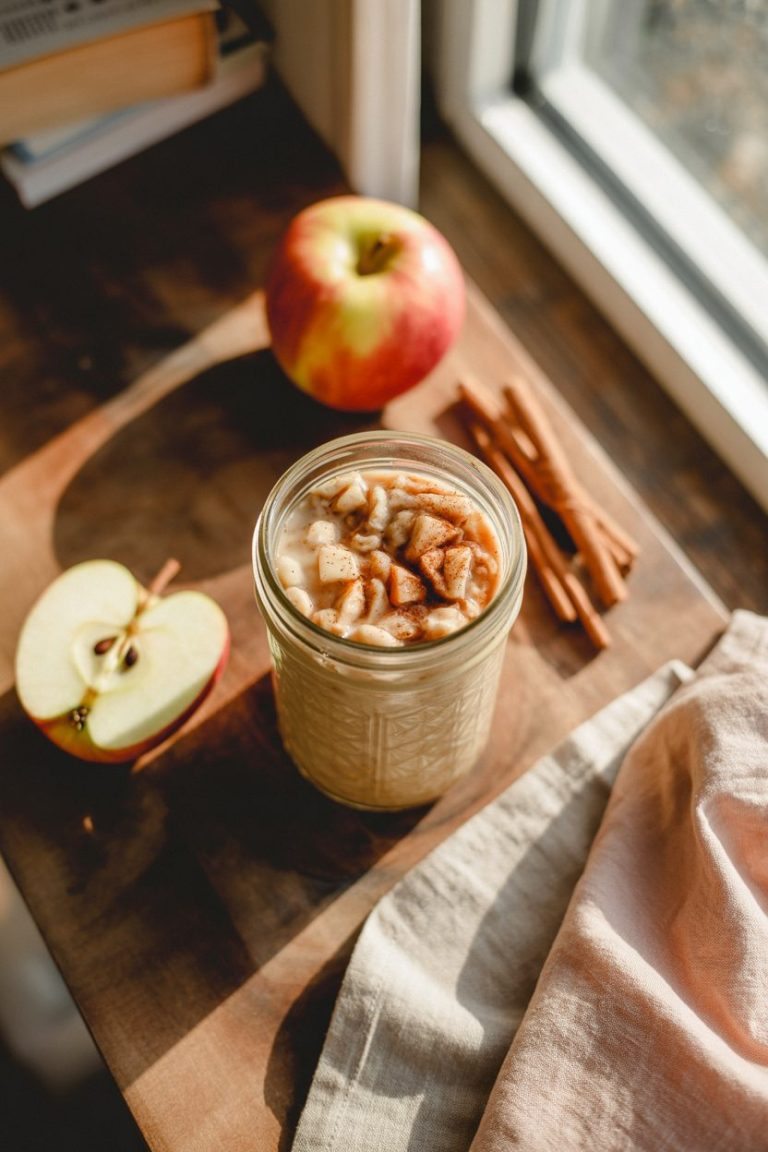
3. Overnight Oats (Done Right)
Mix 1/3 cup rolled oats (100 calories) with 1/2 cup unsweetened almond milk (15 calories), a tablespoon of chia seeds (60 calories), and a handful of berries. Let it sit overnight in a mason jar, and you’ve got breakfast ready to grab.
Total: Around 250 calories with great fiber content. The chia seeds add protein and create this pudding-like texture that’s weirdly addictive. For more overnight oats variations that keep things interesting, try these overnight oats recipes.
Must-Have: 16oz Mason Jars for Overnight Oats
Real talk—I wasted so much money on random containers before discovering these wide-mouth mason jars. They’re perfect for overnight oats, chia pudding, and basically any make-ahead breakfast you can think of.
- Wide mouth makes it easy to eat directly from the jar (or scoop out every last bit)
- Clear glass so you can see exactly what you prepped
- Airtight lids keep everything fresh for 5+ days
- Microwave and dishwasher safe (just remove the lid)
- Perfectly portioned—16oz is the ideal breakfast size
I prep five jars every Sunday and literally grab one on my way out the door each morning. Life-changing for busy mornings. Grab a set here
4. Avocado Toast (The Smart Way)
One slice of whole grain bread (80-100 calories, check your label) topped with 1/4 of an avocado (60 calories) and sliced tomatoes. I mash the avocado with a fork, add some salt, pepper, and red pepper flakes, then pile on the tomato slices.
Total: 140-160 calories. To boost the protein, add an egg white on top (another 17 calories). Now you’re at around 180 calories with way better staying power. Get Full Recipe.
5. Cottage Cheese Bowl
3/4 cup of low-fat cottage cheese (120 calories, 18g protein) with cucumber slices, cherry tomatoes, and everything bagel seasoning. It sounds weird if you’ve never tried it, but savory cottage cheese is having a moment for a reason.
Total: Around 150 calories. This is one of those breakfasts that keeps you full way longer than the calorie count suggests. Get Full Recipe.
6. Protein Smoothie
Blend 1 scoop of vanilla protein powder (120 calories, check your brand), 1 cup unsweetened almond milk (30 calories), 1/2 frozen banana (50 calories), and a handful of spinach (basically free). I throw in some ice cubes to make it thicker.
Total: Around 200-220 calories with 20+ grams of protein. The spinach sounds gross but you literally can’t taste it, I promise. Get Full Recipe.
For anyone looking to switch things up, these high-protein smoothie recipes offer tons of variety while keeping calories in check.
7. Tofu Scramble
Crumble 4 oz of firm tofu (90 calories) and cook it with turmeric, garlic powder, and whatever veggies you have. Add some chickpeas if you want more protein and texture.
Total: Around 150-180 calories depending on what you add. This is great for anyone avoiding eggs but still wanting that scrambled breakfast vibe. Get Full Recipe.
8. Chia Pudding
Mix 2 tablespoons chia seeds (140 calories) with 1 cup unsweetened almond milk (30 calories) and a tiny bit of vanilla extract. Refrigerate overnight, and you get this thick pudding situation. Top with a few berries.
Total: Around 200-220 calories with excellent fiber content. The chia seeds absorb the liquid and expand, which is cool to watch and even cooler for your satiety levels. Get Full Recipe.
9. Turkey Sausage and Vegetables
Two turkey sausage links (100-120 calories, check your brand) with sautéed peppers, onions, and mushrooms. Season everything with garlic and oregano.
Total: Around 180-200 calories. This feels like a “real” breakfast, you know? Substantial and satisfying. Get Full Recipe.
Kitchen Game-Changer: Digital Food Scale
Look, I know weighing food sounds obsessive, but this compact digital scale taught me what actual portion sizes look like. Turns out my “tablespoon” of peanut butter was more like three tablespoons. Whoops.
- Accurate to the gram—no more guessing if you’re actually hitting your targets
- Tare function lets you zero out the bowl weight (total game-changer)
- Compact size that doesn’t take over your counter
- Easy-to-read display even in dim morning light
- Switches between grams, ounces, and milliliters
After a few weeks of weighing, you’ll develop an intuitive sense of portions. Then you can eyeball it. But this is how you learn what you’re actually eating. Check it out
10. Smoked Salmon Mini Plate
2 oz smoked salmon (60-70 calories) with cucumber slices, cherry tomatoes, and a tiny schmear of cream cheese on cucumber rounds instead of bagels. Yes, you’re basically making cucumber “bagels” and no, it’s not as sad as it sounds.
Total: Around 120-150 calories. The fat and protein from the salmon keeps you surprisingly full. Get Full Recipe.
11. Sweet Potato Hash
Dice half a small sweet potato (60 calories) and cook it in a pan until crispy. I use this tiny mandoline slicer to get even pieces that cook faster. Add bell peppers, onions, and a couple of egg whites on top.
Total: Around 180-220 calories depending on how many egg whites you use. This is one of those breakfasts that photographs well if you’re into that sort of thing. Get Full Recipe.
12. Egg Muffins
Beat 6 eggs (or 12 egg whites if you’re being strict), mix with chopped vegetables and a little cheese, pour into a silicone muffin pan, and bake. Makes 12 muffins at around 50-60 calories each.
Total: Eat 3-4 for 150-240 calories. Make a batch on Sunday and you’ve got grab-and-go breakfasts all week. Get Full Recipe.
Looking for variety in your morning routine? These Mediterranean breakfast recipes keep things interesting while staying low-calorie and this collection of egg muffin recipes makes meal prep stupidly simple.
13. Breakfast Wrap (Light Version)
One small low-carb tortilla (50-70 calories), scrambled egg whites, salsa, and a tablespoon of mashed avocado. Roll it up and you’ve got a portable breakfast.
Total: Around 150-180 calories. Way more satisfying than it has any right to be at that calorie count. Get Full Recipe.
14. Banana with Nut Butter
One medium banana (105 calories) with 1 tablespoon of almond butter (95 calories). Simple, portable, no cooking required.
Total: 200 calories. This is my go-to when I’m running late. The combination of carbs and fat gives you quick energy plus staying power.
15. Vegetable Frittata Slice
Make a big frittata with mostly egg whites, tons of vegetables, and a little cheese. Cut it into portions. Each slice is around 100-150 calories depending on how you make it.
Total: 100-150 calories per slice. Eat it hot or cold. Refrigerates well for 3-4 days.
Silicone Muffin Pan That Changed My Meal Prep
I used to fight with metal muffin tins and cooking spray every Sunday. Then I got these silicone muffin cups and meal prep became 10x easier. Egg muffins just pop right out—no scraping, no casualties.
- Nothing sticks—seriously, even cheesy egg muffins release perfectly
- No need for liners or cooking spray (saves money and hassle)
- Dishwasher safe and basically indestructible
- Flexible silicone makes popping out muffins satisfyingly easy
- Oven safe up to 450°F and can go straight from freezer to oven
I make a double batch of egg muffins every week and freeze half. These cups make it foolproof. Grab them here
16. Protein Pancakes
Mix 1/4 cup almond flour (160 calories) with one whole egg (70 calories) and a splash of almond milk. Makes 2-3 small pancakes. Top with a few berries instead of syrup.
Total: Around 250-280 calories with good protein content. These cook fast in a non-stick pan, so you’re not adding extra morning stress. Get Full Recipe.
17. Breakfast Salad
Yeah, salad for breakfast. Hear me out. Mixed greens, cherry tomatoes, cucumber, 2 hard-boiled eggs (140 calories), and a light balsamic dressing. Some people add leftover chicken breast.
Total: Around 200-250 calories depending on your additions. This is surprisingly refreshing in the morning, especially if you’re not a sweet breakfast person.
18. Zucchini Fritters
Grate one medium zucchini, squeeze out the water, mix with an egg and some almond flour, and pan-fry in small patties. Each fritter is about 40-50 calories.
Total: Eat 4-5 for around 200 calories. These are ridiculously filling for the calorie count because zucchini is basically all water and fiber.
19. Breakfast Lettuce Cups
Use romaine lettuce leaves as wraps and fill them with scrambled eggs, salsa, and a little cheese. It’s like a taco salad situation but for breakfast.
Total: Around 150-200 calories. Plus you get to eat with your hands, which somehow makes breakfast more fun. Get Full Recipe.
20. Breakfast Bruschetta
Toast one slice of whole grain bread, top with diced tomatoes, basil, a drizzle of balsamic, and a poached egg white. Fancy enough to impress, easy enough to actually make.
Total: Around 180-220 calories. This feels like something you’d order at brunch, but it takes about 10 minutes to make at home.
The Meal Prep Strategy That Actually Works
Here’s the thing about eating well—it rarely happens by accident. I’ve found that the weeks I meal prep are the weeks I actually stick to my goals. The weeks I don’t? Hello, drive-through breakfast sandwiches.
You don’t need to prep every single breakfast, but having a few things ready makes a huge difference. I typically do a batch of egg muffins, overnight oats, and maybe a frittata on Sunday. That covers me for most of the week, and if I want something different, I can throw together one of the quicker options.
The key is choosing recipes that keep well. According to Cleveland Clinic nutritionists, meal-prepping breakfast in advance helps ensure you get quality nutrition even on rushed mornings.
The 30-Day Breakfast Meal Prep Blueprint
If you’re serious about making breakfast work for your weight loss goals, this complete meal prep ebook takes all the guesswork out. I’m talking shopping lists, prep schedules, storage tips, and 120+ mix-and-match breakfast recipes all under 300 calories.
- 30 days of complete meal plans with exact calorie counts and macros
- Weekly shopping lists organized by grocery store section (no more wandering aimlessly)
- Step-by-step prep instructions that take 2 hours or less each Sunday
- 120+ tested recipes with photos and detailed nutritional info
- Substitution guides for dietary restrictions (vegan, gluten-free, dairy-free options)
- Storage and reheating tips so nothing gets gross or soggy
Instant digital download—start prepping this Sunday. Get Your Copy Now
If meal prep feels overwhelming, start with just one or two recipes. Maybe try this week-long breakfast meal prep plan to get started, then adjust based on what you actually enjoyed eating.
The Equipment That Makes This Easier
Look, you don’t need a fully stocked kitchen to make these recipes work. But a few key items seriously reduce the friction:
- A decent non-stick pan – You’ll use way less oil, which saves calories. I’m obsessed with this ceramic non-stick pan because nothing sticks to it, even eggs.
- Mason jars or meal prep containers – For overnight oats, chia pudding, or storing pre-made stuff. These 16-oz jars are perfect.
- A small food scale – Not to be obsessive, but to actually know what a serving size looks like. This digital scale is cheap and accurate.
- A blender – For smoothies, obviously. This personal blender works great and is way easier to clean than full-size blenders.
None of this is absolutely necessary, but if you’re serious about making low-calorie breakfasts part of your routine, these things help.
My Secret Weapon: Premium Non-Stick Ceramic Pan
Okay, I know a pan seems like a boring thing to get excited about, but hear me out. This ceramic non-stick skillet has legitimately changed how I cook breakfast. Zero oil needed, which saves you 100+ calories right off the bat.
- Nothing sticks—not even scrambled eggs (which is basically sorcery)
- Heats evenly so you’re not burning edges while the center stays raw
- PFOA-free ceramic coating, so no weird chemical concerns
- Easy cleanup that takes literally 30 seconds
- Works on any stovetop including induction
I use mine every single morning. It’s one of those purchases that pays for itself in saved frustration alone. See it here
What About Coffee?
Quick sidebar because everyone always asks—black coffee has basically no calories, so drink up. But the second you start adding cream, sugar, flavored syrups, or turning it into a dessert drink, those calories add up fast.
If you can’t do black coffee (I get it), try unsweetened almond milk and a little stevia. Or budget for it—a tablespoon of half-and-half is only about 20 calories. Just don’t kid yourself that your 400-calorie caramel macchiato doesn’t count because it’s “just coffee.”
Calorie Deficit Mastery: The Complete Weight Loss System
Look, you can piece together information from random blog posts (nothing wrong with that), or you can get the complete system that walks you through everything. This comprehensive online course covers not just breakfast, but how to structure your entire day for consistent fat loss without feeling deprived.
- 6 video modules covering calorie tracking, macro planning, and meal timing (2+ hours of content)
- 300+ recipes for breakfast, lunch, dinner, and snacks—all calorie-counted and tested
- Customizable meal plans for 1,200, 1,500, and 1,800 calorie targets
- Exercise integration guide showing how to adjust eating on workout vs. rest days
- Mindset training modules to break emotional eating patterns
- Private community access for support and accountability
Lifetime access with all future updates included. Enroll Now
Almond Butter That’s Worth The Splurge
Not all nut butters are created equal. This organic almond butter is the only one I buy now—no added oils, no sugar, just almonds and maybe a pinch of salt. The difference in quality is noticeable.
- Just one ingredient: almonds (none of that palm oil nonsense)
- Creamy texture without being overly oily
- Rich, nutty flavor that actually tastes like almonds
- Good source of protein, healthy fats, and vitamin E
- Stays fresh longer than cheaper brands (doesn’t separate as much)
A tablespoon clocks in at about 95 calories but keeps you satisfied for hours. Perfect with banana or apple slices for a quick breakfast. Try it here
Common Mistakes People Make
After watching people (including myself) struggle with breakfast and weight loss, I’ve noticed some patterns:
- Going too low on calories – A 100-calorie breakfast might fit your goals on paper, but if you’re starving by 10 AM and eating everything in sight, what’s the point?
- Not enough protein – Seriously, this is the number one issue. Research shows that protein keeps you fuller longer and helps maintain muscle while losing weight.
- Drinking your calories without realizing it – That innocent-looking smoothie can pack 500+ calories if you’re not careful with portions.
- Making it too complicated – If your breakfast requires 20 ingredients and an hour of prep, you’re not going to stick with it. Keep it simple.
Making It Work in Real Life
Theory is great, but let’s talk about actual implementation. You’re not going to eat perfectly every single day, and that’s fine. The goal is consistency, not perfection.
Some mornings you’ll make a beautiful veggie scramble. Other mornings you’ll grab a protein shake and run out the door. Both are valid choices as long as you’re hitting your general calorie and protein targets.
I also want to address the elephant in the room—sometimes you’ll want a real breakfast like pancakes or a breakfast sandwich. That’s totally fine. Budget for it, enjoy it, and move on. One higher-calorie breakfast isn’t going to derail everything. It’s the everyday choices that matter.
For those days when you want something more substantial, these calorie deficit breakfast ideas show you how to make satisfying meals without going overboard.
Game-Changer: Glass Meal Prep Containers
Listen, I’ve gone through every type of food storage container imaginable, and these glass meal prep containers are the only ones I actually use consistently. They’re genuinely worth the investment if you’re serious about breakfast prep.
- Go straight from fridge to microwave without transferring anything
- No weird plastic smell or staining from tomato-based foods
- You can actually see what’s inside (wild concept, right?)
- The snap-lock lids don’t leak, even with liquids
- Dishwasher safe and they look nice enough to bring to work
I prep Sunday night and grab containers all week. Makes those 6 AM mornings way less painful. Check them out here
The Mindset Shift That Changes Everything
Here’s what I wish someone had told me years ago: breakfast isn’t about deprivation. It’s about starting your day with food that serves you instead of sabotaging you.
When you eat a breakfast that’s mostly sugar and refined carbs, you’re basically guaranteeing an energy crash and cravings later. When you eat a breakfast with protein, fiber, and healthy fats, you’re setting yourself up for stable energy and better food choices all day.
It’s not about willpower—it’s about biology. Your body works better when you feed it the right stuff. Simple as that.
The Weight Loss Breakfast Journal & Tracker App
Here’s the truth—what gets measured gets managed. This digital tracking system isn’t just another calorie counter. It’s designed specifically for people focusing on breakfast optimization for weight loss, with built-in recipe databases and progress analytics.
- Pre-loaded breakfast database with 500+ recipes and their exact nutritional breakdown
- Morning hunger scale tracker to identify patterns in what keeps you full
- Energy level monitoring throughout the day based on breakfast choices
- Photo journal feature to visually track portions and meals
- Weekly analytics showing which breakfast types correlate with your best weight loss days
- Smart meal suggestions based on your preferences and success patterns
Available for iOS and Android. Download Free Trial
For Smoothie Lovers: Personal Blender That Actually Works
Full disclosure—I’ve killed three blenders in my quest for the perfect breakfast smoothie. Then I found this personal blender and haven’t looked back. It’s powerful enough to pulverize frozen fruit but compact enough to not take over your entire kitchen.
- Blends right in the cup you drink from (fewer dishes = more likely you’ll actually use it)
- Strong enough to handle ice and frozen ingredients without that awful grinding sound
- Portable cup with a lid—make it, cap it, go
- All parts are dishwasher safe
- Takes up minimal counter space
Perfect for those protein smoothies when you’re running late but still want something substantial. Worth every penny. Check it out
Frequently Asked Questions
Is it really necessary to eat breakfast for weight loss?
Honestly? Not for everyone. Some people do great with intermittent fasting and skipping breakfast entirely. But if you’re someone who gets hungry in the morning or finds yourself overeating later in the day when you skip breakfast, then yes—a strategic, protein-rich breakfast can help. It’s about what works for your body and lifestyle, not following some universal rule.
Can I really stay full on 300 calories until lunch?
If those 300 calories are mostly protein and fiber? Absolutely. A 300-calorie breakfast of donuts will leave you starving in an hour. A 300-calorie breakfast of Greek yogurt with nuts and berries or eggs with vegetables can easily keep you satisfied for 4-5 hours. The composition matters way more than the calorie count alone.
What if I’m still hungry after eating one of these breakfasts?
First, make sure you’re drinking enough water—sometimes thirst masquerades as hunger. Second, wait 20 minutes before deciding you need more food. If you’re genuinely still hungry, add another 100-150 calories of protein or vegetables. Maybe you need slightly more food than 300 calories, and that’s fine. The goal is sustainable weight loss, not suffering through hunger.
Do I need to count calories forever?
No, but tracking for a few weeks helps you develop an intuitive sense of portion sizes and calorie density. Once you know what 300 calories of different breakfast options looks like, you can eyeball it pretty accurately. Some people prefer to track long-term, others use it as a learning tool and then eat more intuitively. Do what works for you.
Are these breakfasts suitable for kids or just adults?
These recipes work for anyone, but growing kids and teenagers usually need more calories than 300 for breakfast. You could easily increase portions or add sides. The focus on whole foods, protein, and vegetables makes these nutritionally solid for any age—just adjust quantities based on individual needs rather than arbitrary calorie targets.
The Bottom Line
Weight loss doesn’t have to mean suffering through sad breakfasts that leave you hungry and miserable. These 20 options prove you can eat satisfying, delicious food and still stay in a calorie deficit.
The real secret? There isn’t one. It’s just about choosing foods that are high in protein and fiber, watching your portions, and finding options you actually enjoy eating. Because if you hate what you’re eating, you’re not going to stick with it—and consistency beats perfection every single time.
Start with a few of these recipes that sound appealing to you. Prep what you can on weekends. Keep it simple. Don’t overthink it. And remember—the best breakfast for weight loss is the one you’ll actually eat consistently.
Now get out there and make yourself something good. Your future self will thank you.