20 Mediterranean Salads That Are Perfect for Meal Prep
Look, I’m gonna be real with you—meal prepping salads sounds about as exciting as watching paint dry. Until you’re standing in front of your fridge on a Wednesday night, exhausted and hangry, staring at a perfectly crisp salad that’s somehow still fresh from Sunday. That’s when the magic happens.
Mediterranean salads aren’t just some trendy diet thing. They’re actually backed by solid research from Harvard showing they can reduce cardiovascular disease risk and boost overall health. But here’s the kicker—they also happen to be ridiculously good at surviving in your fridge for days without turning into sad, wilted mush.
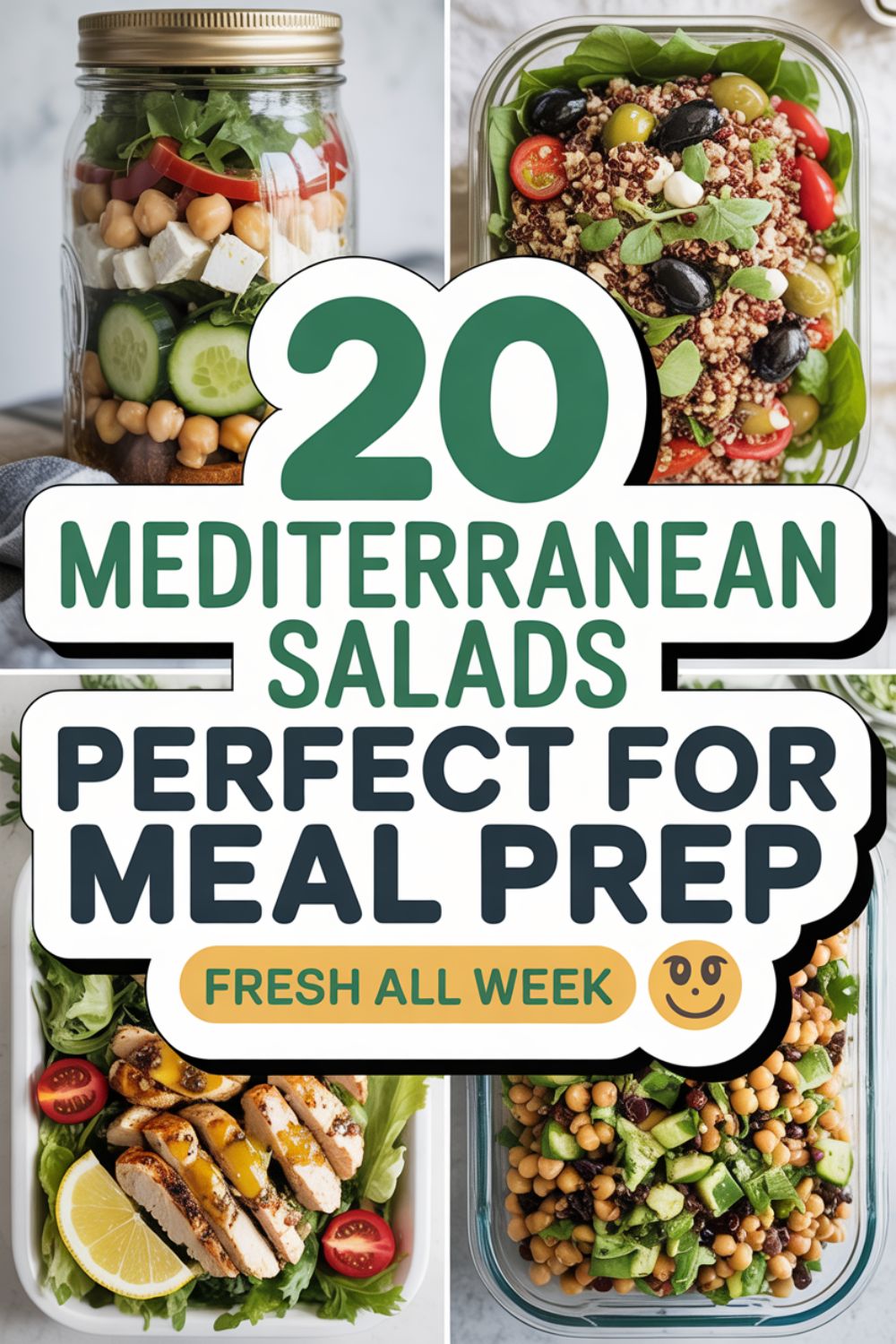
Why Mediterranean Salads Actually Work for Meal Prep
Here’s the thing most meal prep guides won’t tell you: not all salads are created equal when it comes to sitting in your fridge for five days. Your typical iceberg lettuce and ranch situation? Yeah, that’s gonna be soggy garbage by Tuesday.
Mediterranean salads are different. They’re built on hearty ingredients that improve with time—think chickpeas, cucumbers, tomatoes, olives, and feta. The flavors actually meld together and get better as the week goes on. Plus, according to research on Mediterranean diet benefits, these ingredients pack serious anti-inflammatory and antioxidant properties that your body actually needs.
The secret sauce? Most Mediterranean ingredients have lower water content in their cells compared to delicate greens, which means they hold up like champs in storage. That’s not just cooking wisdom—that’s food science working in your favor.
The Meal Prep Container Situation (It Matters More Than You Think)
Okay, can we talk about containers for a second? Because I’ve learned this the hard way—cheap plastic containers will absolutely ruin your meal prep game. You need something that actually seals, or you’re basically just making expensive compost.
I swear by these glass meal prep containers for horizontal storage. They’re airtight, don’t absorb smells, and you can see exactly what’s inside without playing fridge roulette. For the mason jar crowd, wide-mouth quart jars are your best bet—just make sure you get leak-proof lids because the standard ones are basically a guarantee for dressing disasters in your bag.
The layering strategy is crucial here. Dressing goes on the bottom, then hearty veggies like chickpeas and cucumbers, then your proteins, and greens absolutely last. Keep those babies on top like they’re the crown jewels, because moisture is the enemy and we’re keeping it as far away as possible.
If you’re looking for more breakfast and lunch ideas that complement these salads, check out these Mediterranean breakfast recipes for busy mornings or these lunchbox-friendly Mediterranean meals.
The 20 Mediterranean Salads You Need in Your Life
1. Classic Greek Salad (But Make It Meal Prep-Friendly)
Start with the OG. Cucumbers, tomatoes, red onion, Kalamata olives, and big chunks of feta. The key here is cutting your tomatoes into wedges instead of dicing them—less surface area means less sogginess. Keep the dressing separate until you’re ready to eat, or you’ll end up with sad, watery feta.
This Greek salad recipe is legitimately good and not just “healthy food good.” Get Full Recipe
2. Chickpea Power Bowl with Lemon-Tahini Dressing
Chickpeas are the MVP of meal prep. They soak up flavors, pack protein, and literally cannot get soggy. Toss them with diced cucumber, cherry tomatoes, red onion, and fresh parsley. The lemon-tahini dressing is chef’s kiss—tangy, creamy, and somehow makes vegetables taste like you actually want to eat them.
For a complete protein-packed option, try this Mediterranean chickpea bowl. The flavors develop beautifully over a few days.
3. Tuna and White Bean Situation
This is what I make when I need something that feels fancy but takes about seven minutes. Quality canned tuna (the kind packed in olive oil, not water—we’re not animals), white beans, cherry tomatoes, red onion, and a squeeze of lemon. Sometimes I throw in some arugula right before eating for that peppery bite.
This tuna white bean salad hits different when you use good tuna. Get Full Recipe
4. Quinoa Tabbouleh (The Protein Upgrade)
Traditional tabbouleh uses bulgur, but quinoa brings extra protein to the party. Tons of fresh parsley (like, an obscene amount), mint, tomatoes, cucumber, and lemon juice. This one actually gets better after a day because the quinoa absorbs all those bright, herby flavors.
Speaking of grain bowls, this Mediterranean grain bowl takes the concept even further with multiple textures and flavors.
5. Roasted Veggie Medley with Feta
Roast a bunch of vegetables—bell peppers, zucchini, eggplant, red onion—until they’re slightly charred. Let them cool completely (seriously, wait for it), then toss with feta, olive oil, and fresh oregano. The roasted veggies hold up incredibly well, and honestly taste better on day three.
I use this silicone baking mat for roasting—zero sticking, zero scrubbing. Game changer.
6. Lentil Salad with Sun-Dried Tomatoes
Lentils are criminally underrated for meal prep. They’re cheap, filling, and packed with fiber and protein. Mix cooked green or brown lentils with chopped sun-dried tomatoes, cucumber, red onion, feta, and a red wine vinaigrette. This salad laughs in the face of time—it lasts a solid five days easy.
For more lentil inspiration, check out this Mediterranean lentil salad that’s become a weekly staple.
7. Cucumber and Tomato Chop-Chop
Sometimes simple is best. Diced cucumbers, cherry tomatoes, red onion, feta, and Kalamata olives with a simple olive oil and lemon dressing. The trick is salting your cucumbers and letting them drain for 10 minutes before mixing—pulls out excess moisture so your salad doesn’t turn into cucumber soup.
This cucumber tomato feta combo is ridiculously refreshing. Get Full Recipe
8. Grilled Chicken Shawarma Salad
Marinate chicken thighs in yogurt, lemon, garlic, and shawarma spices, then grill them up. Slice and portion over romaine, cucumbers, tomatoes, and red onion. The yogurt marinade keeps the chicken stupid tender even after being refrigerated. Keep your tzatziki sauce separate and drizzle it on when you’re ready to eat.
This grilled chicken shawarma salad has legitimate spice and flavor. Get Full Recipe
If you’re into high-protein options, you might also love these high-protein chicken recipes or these protein-packed breakfast ideas to round out your week.
9. Falafel Crumble Bowl (Yes, Really)
Make or buy falafel, let them cool, then crumble them over a bed of chopped romaine, cucumbers, tomatoes, and pickled turnips. The crumbled falafel stays crispy way longer than you’d think. Tahini sauce is non-negotiable here.
Try this homemade baked falafel version for meal prep. Get Full Recipe
10. Orzo Pasta Salad with Roasted Red Peppers
Orzo is technically pasta, but it plays well with salad ingredients. Cook it, rinse it in cold water (don’t skip this or it’ll be gummy), then mix with roasted red peppers, artichoke hearts, olives, feta, and fresh basil. A little red wine vinegar keeps everything bright.
For a lighter take, this lemony orzo arugula salad brings serious freshness to the table.
11. Grilled Halloumi and Veggie Skewer Deconstructed
Grill halloumi cheese and vegetables (zucchini, bell peppers, red onion), let them cool, then chop everything up and toss with arugula. Halloumi is a salty dream that doesn’t melt, which makes it perfect for meal prep. Drizzle with balsamic reduction before eating.
These grilled veggie halloumi skewers translate beautifully into salad form. Get Full Recipe
12. Shrimp and Farro Mediterranean Bowl
Cook farro (it’s chewy and nutty, IMO better than quinoa), let it cool, then top with cooked shrimp, cherry tomatoes, cucumber, red onion, and feta. The farro soaks up the lemon-herb dressing like a sponge. Pro move: cook your shrimp with garlic and olive oil, not just plain.
This garlic shrimp with couscous uses similar flavor profiles with different grains.
13. Caprese-Style White Bean Salad
Take the classic Caprese concept—tomatoes, mozzarella, basil—and add white beans for staying power. Use small mozzarella balls (bocconcini), cherry tomatoes, fresh basil, and white beans. A drizzle of quality balsamic vinegar right before eating makes this sing.
Check out this Caprese white bean combination for the full experience. Get Full Recipe
14. Spinach and Chickpea Sauté Bowl
Sauté chickpeas with garlic and spices until slightly crispy, wilt in some spinach, let it cool, then portion it over more fresh spinach with tomatoes and red onion. The warm-cool temperature contrast when you eat it is unexpectedly good.
This spinach chickpea sauté with egg takes it up a notch for breakfast. Get Full Recipe
15. Tomato and Feta Farro Bowl
Cooked farro mixed with cherry tomatoes, crumbled feta, cucumber, red onion, and Kalamata olives. Add fresh oregano if you’re feeling fancy. The grain-to-veggie ratio here means this stays satisfying without feeling heavy.
Try this tomato feta farro bowl for a hearty, filling option. Get Full Recipe
16. Roasted Cauliflower Shawarma Bowl
Roast cauliflower florets with shawarma spices until they’re caramelized and slightly crispy. Cool completely, then portion over greens with cucumber, tomatoes, pickled onions, and tahini sauce. The roasted cauliflower is legitimately addictive.
This roasted cauliflower shawarma bowl has converted many cauliflower skeptics. Get Full Recipe
17. Greek Chicken Salad with Tzatziki
Marinated grilled chicken breast, chopped romaine, cucumbers, tomatoes, red onion, Kalamata olives, and feta. The tzatziki is crucial—creamy, garlicky, and somehow makes everything taste better. I use this garlic press for the tzatziki because mincing garlic is for people with more patience than me.
This Greek yogurt chicken salad is a creamy, protein-packed winner. Get Full Recipe
18. Zucchini Noodle Mediterranean Pasta Salad
Use a spiralizer (or buy pre-spiralized zucchini because we’re busy people) and toss the raw zucchini noodles with cherry tomatoes, olives, feta, and a lemon-herb dressing. The zucchini releases a bit of water, but that’s actually fine—it becomes part of the dressing situation.
Check out this zucchini noodle pasta salad for a lighter carb option. Get Full Recipe
19. Lentil and Roasted Carrot Bowl with Tahini
Roast carrots until they’re sweet and slightly charred, cool them down, then mix with cooked lentils, baby spinach, red onion, and a tahini-lemon dressing. The earthy lentils and sweet carrots are an underrated flavor combo.
Try this lentil roasted carrot bowl with tahini sauce for the full effect. Get Full Recipe
20. Deconstructed Greek Mezze Plate
This is basically every great Greek appetizer turned into a salad. Hummus, baba ganoush, falafel pieces, cucumber, tomatoes, olives, feta, and pita chips (kept separate until eating, obviously). It’s like a mezze platter had a baby with a salad, and honestly, it’s perfect.
This deconstructed mezze plate concept is endlessly customizable. Get Full Recipe
For even more variety throughout your week, explore these Mediterranean salad ideas specifically designed for weight loss or check out this 14-day Mediterranean meal plan for beginners to structure your entire eating routine.
The Science Behind Why This Actually Works
Here’s where it gets interesting. Research published in the Journal of Internal Medicine shows that Mediterranean dietary patterns are linked to better cardiovascular health, lower inflammation, and even improved cognitive function. We’re not just making pretty salads—we’re literally eating food that science says helps our bodies work better.
The combo of healthy fats from olive oil, fiber from vegetables and legumes, and lean proteins creates this perfect storm of satiety and nutrition. You stay full longer, your blood sugar doesn’t spike and crash, and you’re not desperately raiding the vending machine by 3 PM.
Plus, according to research from the National Institutes of Health, the anti-inflammatory properties of Mediterranean ingredients help with everything from heart health to reducing chronic disease risk. Basically, these salads are working overtime for your health while you’re just enjoying lunch.
Storage Secrets That Actually Matter
Let’s get practical for a second. You can have the best ingredients in the world, but if you don’t store them right, you’re eating mushy sadness by Wednesday. Here’s what actually works:
Wash and dry everything completely. I cannot stress this enough. Use a salad spinner, use paper towels, use a hair dryer if you have to (kidding, don’t do that). Water is the enemy.
Layer strategically. Dressing on the bottom, sturdy vegetables next, proteins in the middle, delicate greens on top. This isn’t just aesthetic—it’s functional science.
Keep crunchy elements separate. Nuts, seeds, pita chips, croutons—these stay in a separate small container until you’re ready to eat. Nobody wants soggy walnuts.
Cool hot ingredients completely before packing. Hot food creates condensation, condensation creates moisture, moisture creates wilted disappointment. Just wait the extra 15 minutes.
I keep my mini containers for toppings stacked in a specific corner of my fridge so I don’t lose them in the chaos. Organization is half the battle.
Common Mistakes (That I’ve Definitely Made)
Let me save you some pain here. Don’t prep anything with avocado more than a day in advance unless you enjoy brown guacamole vibes. Don’t use regular lettuce—spring mix, arugula, or kale are your friends. Don’t cheap out on containers because you’ll be cleaning up dressing explosions all week.
Also? Don’t get too precious about it. Your first week of meal prep doesn’t have to be Instagram-perfect. Just get the food in the containers and call it a win. You can level up the presentation later.
FYI, if you’re trying to balance meal prep with calorie goals, these high-protein low-calorie meals under 500 calories might be helpful for planning your overall weekly menu.
Frequently Asked Questions
How long do Mediterranean salads last in the fridge?
Most Mediterranean salads with sturdy ingredients like chickpeas, cucumbers, and tomatoes will last 4-5 days when stored properly in airtight containers. Salads with delicate greens like spinach should be eaten within 2-3 days. Always keep dressing separate and store in the coldest part of your fridge (usually the back, not the door).
Can I freeze meal-prepped Mediterranean salads?
Honestly? No. Freezing vegetables with high water content turns them into sad, mushy disappointments when thawed. The exception is grain-based components like quinoa or farro, which you can freeze separately and add to fresh vegetables later. But whole salads? Just make fresh batches weekly.
What’s the best way to keep salad greens crisp?
Dry them completely after washing (use a salad spinner), store them with a paper towel to absorb excess moisture, and keep them in the coldest part of your fridge. Layer greens on top in your containers, far away from any dressing or wet ingredients. This simple technique makes a huge difference in texture throughout the week.
Do I need to use glass containers or will plastic work?
Glass is better for maintaining freshness and preventing odor absorption, but quality BPA-free plastic containers with tight-sealing lids work fine too. The key is the seal—cheap containers with loose lids will let air in and ruin everything. Invest in decent containers and they’ll last for years.
Can I add protein to these salads without them getting gross?
Absolutely. Grilled chicken, hard-boiled eggs, chickpeas, lentils, and even feta all hold up great for 4-5 days. The trick is making sure cooked proteins are completely cooled before adding them to your salads, and storing them in the middle layer of your container, not touching the greens directly.
The Bottom Line (No Fluff, Just Real Talk)
Meal prepping Mediterranean salads isn’t some magical solution that’ll transform your life overnight. But it is a genuinely practical way to eat better without losing your mind or your paycheck. You’re getting real nutrition, actual flavor, and the kind of convenience that makes healthy eating sustainable instead of just another thing you quit by February.
The beauty of these 20 salads is that they’re forgiving, flexible, and honestly just good food. You can swap ingredients based on what’s on sale, adjust portions to your hunger levels, and customize flavors to whatever you’re craving that week. There’s no rigid meal plan police coming to check if you followed the recipe exactly.
Start with one or two salads this week. See how they hold up in your fridge. Figure out which containers work best for your situation. Then gradually build up your rotation until you’ve got a system that actually fits your life. That’s the real secret—not some perfect Instagram-worthy meal prep spread, just consistent, decent food that doesn’t require a culinary degree to pull off.
Your future self, standing in front of the fridge on Wednesday night with a perfectly crisp salad ready to go, will thank you. And honestly, that’s the whole point.