
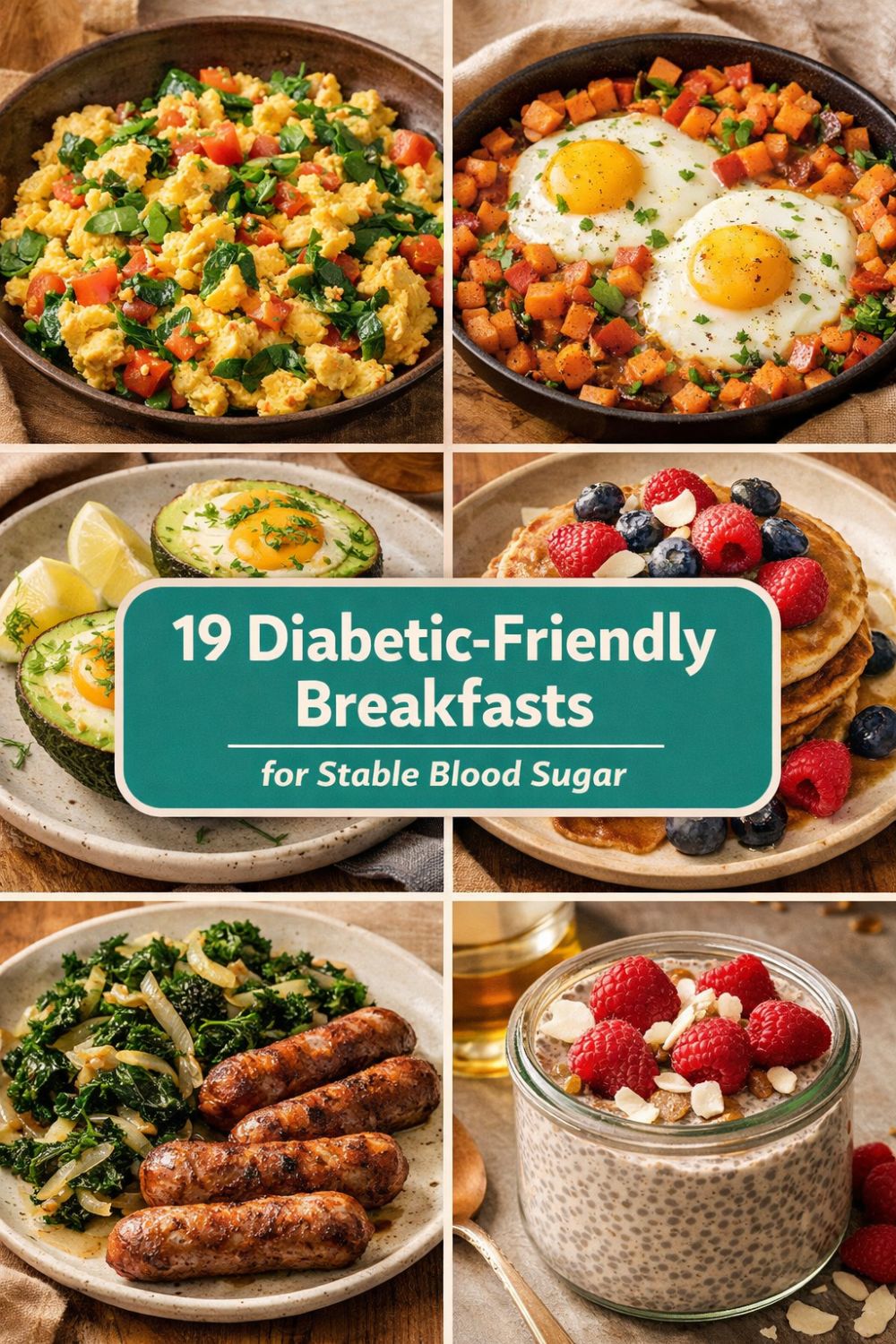
19 Diabetic-Friendly Breakfasts for Stable Blood Sugar
Look, managing blood sugar doesn’t mean you’re stuck eating cardboard for breakfast. I’ve been there, staring at my blood glucose monitor like it’s some kind of oracle, wondering why my morning meal just sent my numbers on a roller coaster ride. Turns out, breakfast might be the most important meal when you’re dealing with diabetes—not because of some outdated nutrition advice, but because your body’s actually working against you in the morning.
Here’s the thing nobody tells you: insulin resistance is higher in the morning thanks to something called the dawn phenomenon. Your cortisol levels peak around 8 AM, which means your glucose levels are already elevated before you even think about eating. So yeah, that morning bagel? It’s not doing you any favors.
But I’m not here to lecture you about what you can’t eat. I’ve compiled 19 breakfast ideas that actually keep your blood sugar stable while still tasting like, you know, actual food. We’re talking real meals that won’t leave you hungry an hour later or send your glucose levels into the stratosphere.
Why Your Breakfast Strategy Matters More Than You Think
According to Johns Hopkins research, skipping breakfast has been linked to higher A1C levels and an increased risk of type 2 diabetes. But eating just any breakfast won’t cut it either. The typical American breakfast—cereal and milk, toast with jam, pancakes—is basically a carb bomb with minimal protein and fat. That means your glucose spikes, crashes, and you’re ravenous before lunch even rolls around.
The ideal diabetic-friendly breakfast needs to include protein, healthy fats, fiber, and a controlled amount of complex carbohydrates. This combo slows digestion, improves glycemic control, and keeps you satisfied longer. Think of it as building a breakfast that works with your body’s insulin response rather than against it.
The Science Stuff (But I’ll Keep It Simple)
Before we jump into the recipes, let’s talk glycemic index for a second. The glycemic index (GI) measures how quickly a food spikes your blood sugar. High-GI foods (white bread, sugary cereals) cause rapid spikes. Low-GI foods (whole grains, most vegetables) create a slower, more controlled rise.
But here’s where it gets interesting: fiber content matters even more than GI in some cases. Research shows that a high-fiber breakfast can significantly reduce postprandial glucose levels—that’s the fancy term for blood sugar after eating. Aim for at least 5 grams of fiber in your breakfast, and you’re already ahead of the game.
Protein is your other secret weapon. It not only keeps you full but also prevents rapid blood sugar spikes. Healthy fats improve insulin sensitivity and add staying power to your meal. When you combine all three—protein, fiber, and healthy fats—you’ve got yourself a breakfast that won’t sabotage your blood sugar.
19 Diabetic-Friendly Breakfast Ideas That Actually Taste Good
1. Greek Yogurt Power Bowl
Start with plain, unsweetened Greek yogurt—about 22 grams of protein per cup. Top it with a handful of berries (low-GI and packed with antioxidants), a sprinkle of ground flaxseed, and some chopped almonds or walnuts. The combination of protein from the yogurt, healthy fats from the nuts, and fiber from the flaxseed creates the perfect trifecta for blood sugar control.
I usually mix in a bit of cinnamon too, which has been linked to improved fasting glucose levels. Plus, it makes everything taste like you’re eating dessert for breakfast, which is never a bad thing. Get Full Recipe.
2. Veggie-Packed Scramble
Eggs are a diabetic’s best friend—pure protein and fat, zero carbs. I like scrambling two or three eggs with whatever vegetables I have lying around: spinach, mushrooms, bell peppers, onions, tomatoes. Cook them in a good non-stick skillet with a bit of olive oil, and you’ve got a meal that’ll keep you satisfied for hours.
Serve it with half an avocado on the side for extra healthy fats, and if you want some carbs, add a small slice of whole-grain toast. The fiber in the toast, combined with the protein and fat from the eggs and avocado, prevents any blood sugar spike. Speaking of eggs, you might also love this Savory Mediterranean Scramble or these Classic Veggie Omelets that take the same concept but add more Mediterranean flair.
3. Overnight Oats (Done Right)
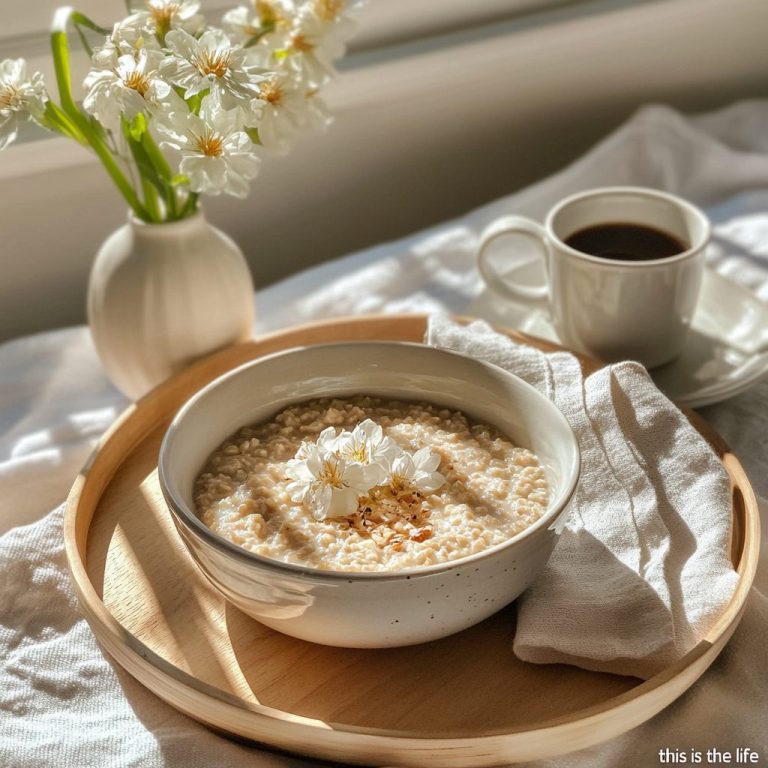
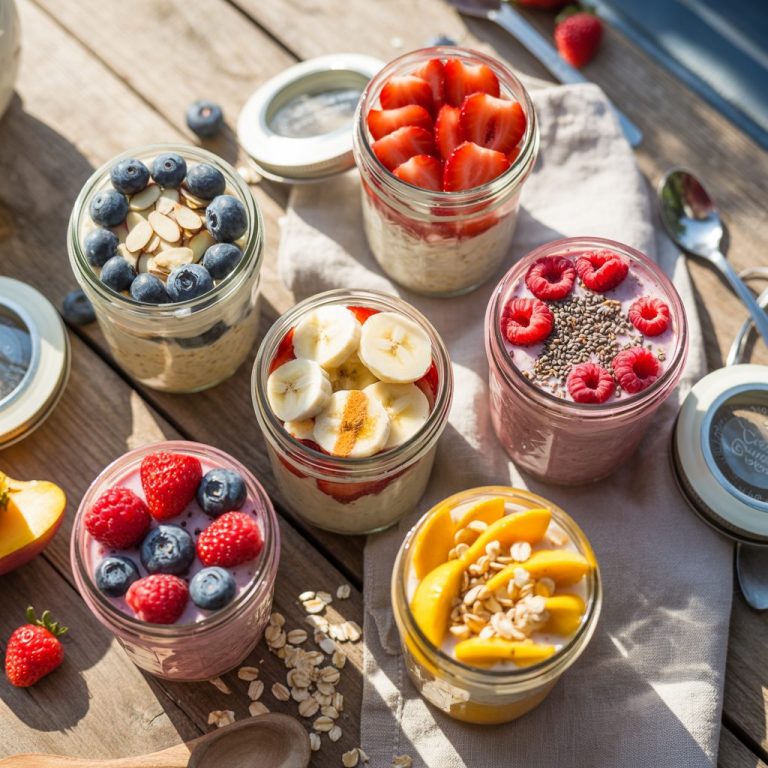
Okay, hear me out. Regular oatmeal can spike your blood sugar, but overnight oats prepared correctly are a different story. Use rolled oats (not instant), mix with unsweetened almond milk, add a tablespoon of chia seeds, and stir in some almond or peanut butter. Refrigerate overnight.
In the morning, top with a small handful of berries. The chia seeds add omega-3s and extra fiber, the nut butter provides protein and healthy fats, and the whole thing has a low glycemic load. For a head start, check out these Oatmeal with Fresh Berries & Flaxseed ideas.
4. Avocado Toast (Mediterranean Style)
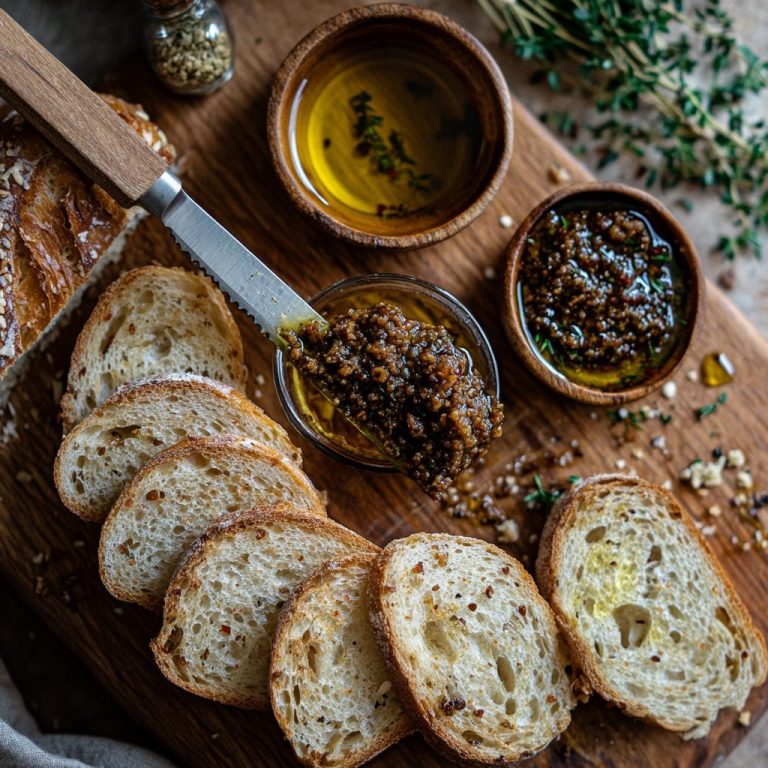
I know, I know—avocado toast is so 2016. But it works. Use whole-grain bread (check the label for at least 3 grams of fiber per slice), mash half an avocado on top, add some cherry tomatoes, a drizzle of olive oil, and a sprinkle of za’atar or everything bagel seasoning.
The fiber from the bread, healthy fats from the avocado, and minimal processing mean your blood sugar stays stable. Plus, it actually fills you up. Get Full Recipe. If you want to switch it up, try this Avocado Toast Mediterranean Style for extra flavor.
5. Cottage Cheese with Berries and Nuts
Cottage cheese is criminally underrated. A half-cup serving has about 14 grams of protein and barely any carbs. Top it with a handful of blueberries or strawberries, some chopped walnuts, and maybe a tiny drizzle of honey if you need some sweetness.
The protein keeps you full, the berries add fiber and antioxidants, and the nuts provide healthy fats and crunch. It’s simple, requires zero cooking, and your blood sugar will thank you. For something similar, try this Savory Cottage Cheese Toast variation.
6. Chia Pudding Parfait
Mix three tablespoons of chia seeds with one cup of unsweetened almond or coconut milk. Let it sit overnight in the fridge. In the morning, layer it with some unsweetened Greek yogurt and a small amount of berries.
Chia seeds are high in fiber and omega-3 fatty acids, which support heart health and help regulate blood sugar. They’re also ridiculously filling. IMO, this is one of the best make-ahead breakfasts for busy mornings. Check out similar ideas with Chia Pudding with Almond Milk & Fresh Fruit.
Looking for more protein-packed morning options? Try these 15 High-Protein Breakfast Recipes or explore our complete guide to 25 High-Protein Breakfasts Under 350 Calories for calorie-conscious options that still deliver on taste and satisfaction.
7. Smoked Salmon and Cream Cheese on Cucumber Slices
Ditch the bagel, grab a cucumber. Slice it thick, spread some cream cheese or Greek yogurt on each slice, and top with smoked salmon. Add capers, red onion, and fresh dill if you’re feeling fancy.
This is basically a deconstructed bagel and lox, minus all the carbs that would send your blood sugar soaring. You get protein from the salmon, healthy fats from the cream cheese, and the cucumber adds crunch and hydration without affecting your glucose levels. Get Full Recipe.
8. Egg Muffins with Veggies
Whisk a dozen eggs in a large mixing bowl, add diced vegetables (bell peppers, spinach, mushrooms, onions), season with salt and pepper, and pour into a muffin tin. Bake at 350°F for about 20 minutes.
These egg muffins are perfect for meal prep. Make a batch on Sunday, store them in the fridge, and microwave one or two each morning. They’re portable, protein-packed, and won’t spike your blood sugar. Get Full Recipe. Also try these Mini Egg Muffins for portion-controlled options.
9. Tofu Scramble with Spinach
If you’re not into eggs or want a plant-based option, tofu scramble is where it’s at. Crumble firm tofu into a hot skillet, add turmeric for color, nutritional yeast for a cheesy flavor, and tons of spinach. Season with garlic powder, onion powder, and black pepper.
Tofu is an excellent source of plant-based protein that absorbs whatever flavors you cook it with. Paired with fiber-rich spinach, it’s a blood sugar-friendly meal that promotes steady energy levels. Get Full Recipe.
10. Quinoa Breakfast Bowl
Cook quinoa the night before (or use leftover quinoa from dinner), then reheat it in the morning with a splash of unsweetened almond milk. Top with sliced almonds, a few apple slices, a sprinkle of cinnamon, and a small dollop of almond butter.
Quinoa is a complete protein with a lower glycemic index than most grains. It provides sustained energy without the blood sugar roller coaster. Get Full Recipe.
11. Turkey Breakfast Sausage with Roasted Veggies
Make your own turkey sausage patties (or buy them pre-made, no judgment here) and serve with roasted vegetables like bell peppers, zucchini, and tomatoes. Roast the veggies in olive oil spray at 400°F for 20 minutes.
Lean turkey provides protein without excess saturated fat, and the roasted vegetables add fiber and nutrients. This is a savory, satisfying breakfast that won’t mess with your glucose levels. Get Full Recipe.
12. Almond Flour Pancakes
Regular pancakes? Blood sugar nightmare. Almond flour pancakes? Game changer. Mix almond flour with eggs, a bit of unsweetened almond milk, baking powder, and a pinch of salt. Cook them in a non-stick griddle and top with fresh berries and a small dollop of Greek yogurt instead of syrup.
Almond flour is low in carbs, high in protein and healthy fats, and has a negligible effect on blood sugar. These pancakes are fluffy, nutty, and surprisingly close to the real thing. Get Full Recipe.
13. Shakshuka (Eggs in Tomato Sauce)
This Middle Eastern dish has become wildly popular, and for good reason. Simmer tomatoes with onions, garlic, bell peppers, and spices like cumin and paprika. Create little wells in the sauce and crack eggs directly into them. Cover and cook until the eggs are set.
Shakshuka is packed with protein from the eggs and lycopene-rich tomatoes. It’s a balanced, flavorful meal that delivers steady energy—perfect for managing diabetes. Serve it with a small piece of whole-grain bread if you need some carbs. Get Full Recipe or try the Mediterranean Shakshuka variation.
14. Protein Smoothie Bowl
Blend unsweetened almond milk, a handful of spinach (you won’t taste it, I promise), half a frozen banana, a scoop of unflavored protein powder, and a tablespoon of almond butter. Pour into a bowl and top with chia seeds, hemp seeds, and a few berries.
The key here is keeping the fruit portion small and adding protein powder to balance it out. You get a nutrient-dense breakfast that tastes like dessert but won’t spike your blood sugar. For more smoothie inspiration, check out these Berry Green Smoothies or this Low-Carb Smoothie Bowl.
If you’re digging these breakfast bowls, you’ll want to see our collection of Mediterranean Smoothie Bowls and Mediterranean Grain Bowls that take similar concepts but add more variety to your morning routine.
15. Sweet Potato Hash with Black Beans
Dice a small sweet potato and sauté it in olive oil until tender. Add black beans, diced bell peppers, and onions. Season with cumin, chili powder, and paprika. Top with a fried egg and some avocado slices.
Sweet potatoes have a lower glycemic index than regular potatoes, and black beans add protein and fiber. The combination creates a hearty, satisfying breakfast that keeps your blood sugar stable. Get Full Recipe.
📚 Complete Diabetes Meal Planning Ebook BESTSELLER
I wish someone had handed me this when I was first diagnosed. Instead, I spent months piecing together information from random blog posts, confusing medical websites, and conflicting advice from well-meaning friends.
What you get: 90+ diabetic-friendly recipes with complete nutritional breakdowns, 4-week meal plans for different calorie levels, grocery shopping lists organized by store section, and blood sugar tracking templates that actually make sense. Plus, there’s a whole chapter on eating out without sabotaging your glucose levels.
The best part? Everything is designed for real people with real lives. No weird ingredients you can’t pronounce, no recipes that take three hours to make. Just straightforward, delicious food that keeps your blood sugar in check. One reader told me she reduced her A1C by 1.2 points in three months just by following the meal plans.
Download Instant Access16. Whole-Grain Banana Pancakes
Mix mashed banana with whole-wheat flour, eggs, and a bit of baking powder. Cook them in a non-stick pan and top with a small amount of Greek yogurt and berries.
The bananas add natural sweetness, the whole-wheat flour provides fiber, and the eggs contribute protein. Just keep the portion size reasonable—one or two small pancakes paired with protein and fat will keep your glucose in check. Get Full Recipe.
17. Breakfast Egg Salad Lettuce Cups
Hard-boil a few eggs, chop them up, and mix with a little Greek yogurt or avocado instead of mayo. Add diced celery, onion, and mustard. Spoon the mixture into romaine or butter lettuce leaves.
This is a portable, low-carb breakfast that’s ridiculously easy to make ahead. The protein from the eggs keeps you full, and the lettuce adds crunch without any blood sugar impact. Get Full Recipe.
18. Falafel Wrap with Tzatziki
Use baked falafel (not fried) in a whole-wheat or low-carb wrap. Add cucumber, tomatoes, lettuce, and a generous dollop of tzatziki sauce made from Greek yogurt.
Chickpeas (the base of falafel) have a low glycemic index and provide both protein and fiber. This savory, Mediterranean-inspired breakfast is filling and won’t send your blood sugar skyward. Get Full Recipe or try these Easy Baked Falafel for meal prep.
19. Lentil Breakfast Hash
This one’s a bit unconventional, but stick with me. Cook lentils ahead of time, then sauté them with diced zucchini, tomatoes, onions, and spices. Push the lentils to the side of the pan and scramble a couple of eggs in the center. Toss everything together and top with fresh basil.
Lentils are a fantastic low-glycemic legume with a GI score of just 29. They pack about 9 grams of protein and 8 grams of fiber per half cup. Paired with eggs and veggies, this is a nutrient-dense, blood sugar-friendly breakfast. For similar lentil recipes, check out Lentil Soup or Lentil Spinach Soup.
🍳 Game-Changer Alert: Glass Meal Prep Containers
Listen, I resisted meal prep containers for way too long. I thought I could just use random Tupperware I’d accumulated over the years. I was wrong. Dead wrong.
Why these containers changed my breakfast game: They’re actually airtight (no more sad, soggy egg muffins), they’re microwave and oven-safe (reheat without transferring to another dish), and you can see exactly what’s inside without playing fridge Jenga every morning.
I use these for literally everything: overnight oats, egg muffins, quinoa breakfast bowls, chopped veggies. Make a batch of five breakfasts on Sunday, stack them in the fridge, and you’re set for the week. Your morning self will worship your Sunday self.
Check Price on AmazonWhat to Avoid (AKA the Blood Sugar Saboteurs)
Now that we’ve covered what to eat, let’s talk about what you should skip—or at least limit significantly. These foods might taste good, but they’ll send your glucose levels on a wild ride.
Sugary cereals: Most breakfast cereals are basically candy in a box. Even the ones marketed as “healthy” often contain shocking amounts of added sugar and refined carbs. If you must have cereal, look for options with at least 5 grams of fiber and less than 6 grams of sugar per serving.
White bread and bagels: Refined carbohydrates spike blood sugar faster than almost anything else. If you want bread, choose whole-grain varieties with visible seeds and grains, and pair them with protein and fat.
Flavored yogurt: That strawberry yogurt in the cute little container? It has more sugar than a candy bar. Stick with plain, unsweetened Greek yogurt and add your own fruit.
Pastries and muffins: Store-bought muffins, croissants, and Danish pastries are essentially dessert disguised as breakfast. They’re loaded with refined flour, sugar, and unhealthy fats.
Fruit juice: Even 100% fruit juice lacks fiber and causes rapid blood sugar spikes. Eat the whole fruit instead—you’ll get fiber, nutrients, and better blood sugar control.
Bacon and sausage (in excess): Processed meats are high in saturated fat and sodium, which isn’t great for your heart health. If you have diabetes, you already have an increased risk of cardiovascular disease, so limit these foods. When you do eat them, choose turkey or chicken versions and watch portion sizes.
☕ Morning Essential: Insulated Travel Mug That Doesn’t Leak
Here’s the deal: You’re probably drinking coffee or tea with your diabetic-friendly breakfast. And if you’re like me, you’re taking it with you because mornings are chaos and sitting down for a leisurely breakfast is a fantasy.
Why this matters for blood sugar management: When your coffee stays hot for hours, you’re not tempted to stop for a sugary coffee shop drink mid-morning. I used to grab a latte around 10 AM because my homemade coffee had gone cold. That’s 20+ grams of sugar I didn’t need. Problem solved.
This particular mug keeps drinks hot for 6+ hours, fits in car cup holders (crucial), and the lid actually seals properly. No more coffee-stained shirts before your morning meeting. You’re welcome.
See Current PriceNeed more breakfast inspiration beyond these 19 ideas? Check out our 30 Mediterranean Breakfast Recipes for Busy Mornings or explore 25 High-Protein Breakfast Ideas that keep you full all morning without spiking your blood sugar.
Making It Work in Real Life
Look, I get it. Mornings are chaos. You’re trying to get out the door, maybe get kids ready for school, and the last thing you want to do is cook an elaborate breakfast. That’s why meal prep is your best friend.
Dedicate an hour or two on Sunday to prep your breakfasts for the week. Make a batch of egg muffins, overnight oats, or chia pudding. Hard-boil a dozen eggs. Chop vegetables and store them in glass containers. Cook a big batch of turkey sausage or lentils.
When Monday morning rolls around, you’re not making decisions or cooking from scratch. You’re just grabbing your pre-made breakfast, maybe heating it up, and going about your day with stable blood sugar. It’s not sexy, but it works.
Another strategy: Keep it ridiculously simple. A handful of nuts, a piece of string cheese, and an apple is a perfectly acceptable breakfast. Two hard-boiled eggs and some cherry tomatoes? Also fine. You don’t need to create Instagram-worthy meals every morning.
🥚 Total Time-Saver: Electric Egg Cooker
Okay, I know what you’re thinking. “An appliance that only cooks eggs? That’s ridiculous.” That’s exactly what I thought too. Then I tried one and realized I’d been living in the dark ages.
Here’s why this thing is brilliant for diabetics: It cooks up to 12 eggs at once—hard-boiled, soft-boiled, or poached—while you’re in the shower. Set it, forget it, and you’ve got protein-packed breakfast components for the entire week. No watching boiling water, no timing, no weirdly undercooked centers.
I make a dozen hard-boiled eggs every Sunday night. Throughout the week, I grab two for breakfast with some avocado and veggies. Boom—20+ grams of protein in under two minutes. This appliance paid for itself in the first month just from the coffee shop breakfast sandwiches I stopped buying.
View on AmazonTiming Matters Too
Recent research suggests that when you eat breakfast might be just as important as what you eat. One study found that eating breakfast at 9:30 AM or even noon resulted in lower postprandial glucose levels compared to eating at 7 AM.
This makes sense when you consider the dawn phenomenon and morning cortisol spikes. Your body might handle carbohydrates better a few hours after waking up. If you’re someone who experiences high fasting glucose in the morning, consider delaying your breakfast by an hour or two and seeing how your blood sugar responds.
Of course, this doesn’t work for everyone—especially if you take diabetes medications that require food at specific times. Talk to your healthcare provider before making major changes to your eating schedule.
The Role of Exercise
Here’s a bonus tip that pairs beautifully with these breakfast ideas: a short walk after eating can significantly improve your blood sugar control. Even just 15-20 minutes of light walking helps your muscles use up some of the glucose in your bloodstream.
I’m not talking about running a marathon here. Just a casual stroll around the block after breakfast can make a measurable difference in your postprandial glucose levels. Research shows this is particularly effective after breakfast, likely because of that pesky morning insulin resistance.
🎯 Blood Sugar Mastery Course NEW
Look, reading articles is helpful. But sometimes you need a structured, step-by-step system that walks you through exactly what to do. That’s what this course does—without the boring medical jargon or guilt trips.
Inside the course: Video lessons on meal timing strategies, interactive carb-counting tools you can actually use, stress management techniques specifically for diabetics (because cortisol wrecks blood sugar), and a private community forum where you can ask questions without judgment. Plus weekly live Q&A sessions with certified diabetes educators.
The module on understanding your personal glucose patterns alone is worth the price. You’ll learn how to read your blood sugar data like a pro and make adjustments based on what YOUR body is telling you—not some generic advice. Members report feeling way less anxious about managing their diabetes after going through the first three modules.
Start Your Journey TodayVariety Is Your Friend
Don’t fall into the trap of eating the same breakfast every single day. Variety ensures you’re getting a wide range of nutrients, and it prevents you from getting bored and falling back into old habits.
Rotate through different protein sources: eggs one day, Greek yogurt the next, tofu scramble the day after. Switch up your vegetables. Try different spices and herbs. Experiment with the 19 ideas I’ve listed here and find your favorites.
The goal is to create a sustainable eating pattern that you can maintain long-term. If you hate what you’re eating, you won’t stick with it. But if you genuinely enjoy these meals and feel good after eating them, that’s when real change happens.
📱 Diabetic Breakfast Prep Toolkit INSTANT DOWNLOAD
Here’s something I created after realizing I kept asking myself the same questions every Sunday: What should I prep? How much of each ingredient? Which containers should I use? Now you can skip the decision fatigue entirely.
This digital toolkit includes: Printable weekly prep checklists organized by breakfast type, portion size guides with visual references (because who actually knows what 4 ounces of chicken looks like?), ingredient substitution charts for common allergens, and my personal batch-cooking schedules that maximize your Sunday afternoon efficiency.
You also get customizable shopping list templates that sync with your meal choices, plus storage duration guides so you know exactly how long your prepped breakfasts stay fresh. Basically, it’s everything I wish I had when I started meal prepping. One user said she cut her Sunday prep time from 3 hours to 90 minutes using the system.
Get Instant Access NowFrequently Asked Questions
Can I eat fruit if I have diabetes?
Absolutely, but portion control and pairing matter. Stick with berries, which have a lower glycemic impact, and always combine fruit with protein or healthy fats. A handful of blueberries mixed into Greek yogurt is fine; a giant bowl of watermelon by itself is not. The fiber, protein, and fat slow down sugar absorption and prevent blood sugar spikes.
Is intermittent fasting safe for diabetics?
It depends on your specific situation and medications. Some people with type 2 diabetes see improved insulin sensitivity with intermittent fasting, but if you take insulin or certain oral medications, fasting can cause dangerous hypoglycemia. Always consult your healthcare provider before trying any form of fasting. If you do try it, monitor your blood sugar closely and start gradually.
How much protein should I aim for at breakfast?
Most diabetes experts recommend at least 20-30 grams of protein at breakfast to help stabilize blood sugar and keep you satisfied until your next meal. This could be three eggs (18g), a cup of Greek yogurt (20g), or a combination of foods like tofu scramble with nuts. Higher protein breakfasts have been shown to reduce post-meal glucose spikes significantly.
What if I’m not hungry in the morning?
Don’t force yourself to eat if you’re genuinely not hungry, especially if you’re not on diabetes medications that require food. Some people naturally feel better eating their first meal later in the morning or even at noon. Listen to your body, but make sure your first meal of the day is balanced and blood sugar-friendly when you do eat.
Can I have coffee with my diabetic-friendly breakfast?
Coffee itself doesn’t significantly affect blood sugar for most people—it’s what you add to it that matters. Skip the flavored syrups and sweetened creamers. Black coffee is fine, or you can add unsweetened almond milk and a dash of cinnamon. Some studies actually suggest coffee may improve insulin sensitivity, but individual responses vary, so monitor how your body reacts.
Final Thoughts
Managing diabetes doesn’t mean resigning yourself to boring, tasteless breakfasts. These 19 ideas prove you can enjoy delicious, satisfying morning meals while keeping your blood sugar in check. The key is understanding the balance between protein, healthy fats, fiber, and controlled carbohydrates—and then building meals around that foundation.
Start by picking three or four breakfast options from this list that sound appealing to you. Try them for a week and see how your blood sugar responds. Everyone’s different, so what works perfectly for me might need tweaking for you. Track your glucose levels, pay attention to how you feel, and adjust accordingly.
Remember, sustainable change happens through consistency, not perfection. You don’t need to nail every single breakfast. Some mornings you’ll have time to make shakshuka from scratch; other mornings you’ll grab a handful of nuts and a hard-boiled egg as you run out the door. Both are fine. Both are infinitely better than skipping breakfast or grabbing a muffin from the coffee shop.
The most important thing is that you’re making intentional choices about what you eat and how it affects your blood sugar. You’re learning what works for your body, and that knowledge is incredibly powerful. These 19 breakfast ideas are just the starting point—once you understand the principles, you can create endless variations that fit your preferences and lifestyle.
Now go make yourself a proper breakfast. Your blood sugar—and your taste buds—will thank you.