18 Mediterranean Soups to Warm You Up
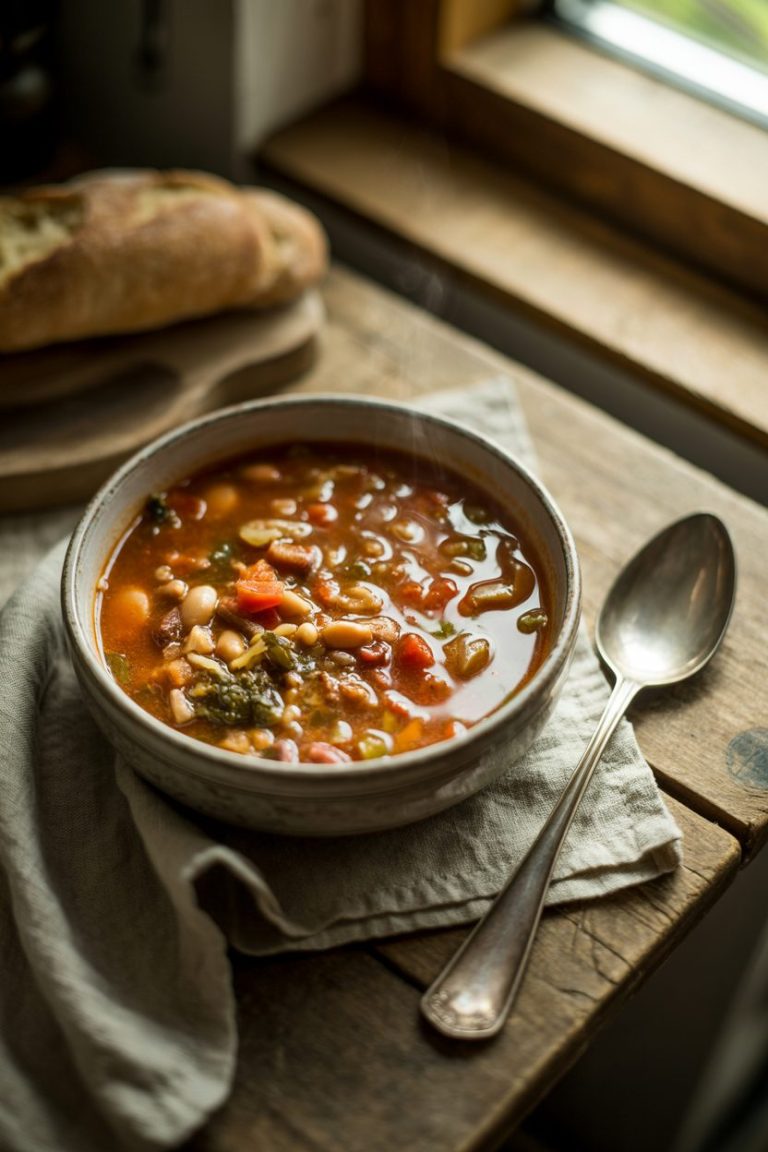
Look, I’m not here to sugarcoat anything. When the temperature drops and you’re staring into your fridge wondering what to make for the hundredth time this week, the answer is simple: soup. But not just any soup—we’re talking about Mediterranean soups that actually make you feel like you’re doing something good for your body while tasting like you hired a personal chef.
These aren’t your grandma’s boring vegetable broths (sorry, grandma). We’re talking about soups that research shows can actually boost your vitamin C levels and reduce inflammation. Yeah, science backs this stuff up. The Mediterranean diet keeps topping every “best diet” list for a reason, and soups are basically the easiest entry point.
Here’s what I love about Mediterranean soups: they’re forgiving. You can throw in whatever vegetables are dying in your crisper drawer, add some legumes, finish with good olive oil, and somehow it all works. It’s like culinary magic, except it’s just smart cooking.

Why Mediterranean Soups Actually Work
Before we jump into the recipes, let’s talk about why these soups are worth your time. The Mediterranean diet isn’t some trendy nonsense—it’s been shown to lower cardiovascular disease risk and support healthy weight management. And soups? They’re the perfect vehicle for all those good-for-you ingredients.
Think about it: you get fiber from legumes, antioxidants from vegetables, healthy fats from olive oil, and lean protein all in one bowl. Plus, soup is naturally portion-controlled—you can’t exactly inhale three servings without noticing. Unlike that bag of chips you demolished last Tuesday (no judgment, we’ve all been there).
The beauty of Mediterranean soups is they rely on building flavor through herbs, spices, and good ingredients rather than drowning everything in cream and butter. You still get that cozy, satisfying feeling, but you’re not in a food coma for three hours afterward.
The Essential Mediterranean Soup Building Blocks
Every good Mediterranean soup starts with a solid foundation. Here’s what you need to keep stocked:
- Extra virgin olive oil (and I mean the good stuff—not that pale, flavorless oil that’s been sitting in your pantry since 2019)
- Aromatics: onions, garlic, celery, carrots—the holy trinity that makes everything smell amazing
- Canned tomatoes: whole, diced, crushed—doesn’t matter, they all work
- Legumes: chickpeas, white beans, lentils—cheap, protein-packed, and they last forever in your pantry
- Herbs and spices: oregano, thyme, bay leaves, cumin, paprika
- Vegetable or chicken broth: homemade is great, boxed works fine too
- Fresh greens: spinach, kale, Swiss chard—throw them in at the end
Having these basics on hand means you can whip up a Mediterranean soup any night of the week. And honestly, if you’re missing one or two ingredients, just improvise. That’s the Mediterranean way.
18 Mediterranean Soups That’ll Actually Excite You
1. Classic Lentil Soup (The Gateway Drug)
This is where most people start, and for good reason. Lentil soup is stupidly easy, cheap, and packs about 19 grams of protein per serving. You basically dump lentils, vegetables, and spices into a pot and let them do their thing. The hardest part is waiting for it to cook.
I like mine with a squeeze of lemon at the end—it brightens everything up and makes the flavors pop. Serve it with some crusty bread and you’ve got yourself a complete meal. Get Full Recipe
Speaking of hearty comfort food, you might also love these lentil spinach variations or this warming lentil sweet potato stew.
2. White Bean Soup with Rosemary
White bean soup is like a warm hug in a bowl. It’s creamy without any cream (mind blown, right?), and the rosemary adds this earthy, pine-like flavor that somehow makes the whole thing taste fancy. You can use navy beans, cannellini, or Great Northern—they all work.
The secret? Blend about a third of the soup to make it creamy while keeping some texture. Also, don’t skip the Parmesan rind if you have one—it adds incredible umami depth. Just fish it out before serving unless you want someone to break a tooth.
3. Chickpea and Spinach Stew
This one’s a powerhouse. Chickpeas give you protein and fiber, spinach dumps a ton of vitamins A, C, and K into the mix, and the whole thing comes together in like 30 minutes. It’s the kind of soup that makes you feel virtuously healthy while actually tasting good.
I throw in some smoked paprika for depth and finish it with a drizzle of good olive oil. The key is adding the spinach at the very end—it wilts in seconds and stays bright green instead of turning into sad, khaki mush.
4. Tomato and White Bean
Remember those canned tomatoes I mentioned? This is their moment to shine. Tomato and white bean soup is tangy, slightly sweet, and ridiculously satisfying. Plus, tomatoes are loaded with lycopene, which is great for heart health.
Here’s a trick: roast your tomatoes first if you have time. It concentrates the flavor and adds a subtle sweetness without any sugar. Toss in some fresh basil at the end and suddenly you’re eating something that tastes like summer, even when it’s freezing outside. For meal prep inspiration, check out these Mediterranean chickpea bowls.
5. Greek Lemon Chicken Soup (Avgolemono)
Okay, this one’s a bit more involved, but it’s worth it. The egg-lemon sauce (avgolemono) creates this silky, creamy texture that’s unlike anything else. It’s comfort food that happens to be packed with protein from the chicken and filling carbs from rice or orzo.
The tricky part is tempering the eggs so they don’t scramble. Take your time, whisk constantly, and for the love of all things holy, don’t rush it. Trust me, scrambled egg soup is not the vibe you’re going for. If you’re looking for more lemon-herb chicken options, I’ve got you covered.
6. Moroccan Harira
This North African soup is traditionally served during Ramadan, but honestly, it deserves to be eaten year-round. It’s got lentils, chickpeas, tomatoes, and a warm spice blend that includes cinnamon, ginger, and turmeric. Yeah, cinnamon in soup—it works, trust me.
Harira is hearty enough to be a full meal, and the combination of spices makes your kitchen smell absolutely incredible. Fair warning: your neighbors might start showing up around dinnertime.
7. Tuscan White Bean and Kale
Tuscan cuisine knows what’s up. This soup combines white beans with kale (or Swiss chard if you’re feeling rebellious), tomatoes, and aromatics. It’s the kind of soup that Italian grandmothers have been making for centuries, which means it’s been thoroughly tested and approved.
The immersion blender is your friend here if you want it creamier. I usually blend about half and leave the rest chunky for texture. Serve with crusty bread for dunking—non-negotiable. You might also dig these Mediterranean grain bowls for similar flavor profiles.
8. Red Lentil Soup with Cumin
Red lentils are the fast food of legumes (in a good way). They cook in like 15 minutes and break down into this naturally creamy texture. Add cumin, coriander, and a pinch of cayenne, and you’ve got a soup that’s warming without being heavy.
This is my go-to when I’m feeling lazy but still want something nutritious. It’s basically dump-and-stir cooking at its finest. Plus, red lentils are dirt cheap, so you can make a massive batch without breaking the bank.
9. Minestrone (The Everything Soup)
Minestrone is what happens when you clean out your vegetable drawer and somehow create something delicious. Carrots, celery, zucchini, green beans, tomatoes, beans, pasta—throw it all in. The beauty of minestrone is there’s no wrong way to make it. Get Full Recipe
Just remember to add your pasta at the right time. Nothing’s worse than mushy, overcooked noodles sitting in soup. Cook them separately if you’re meal prepping—add them when you reheat individual servings.
10. Gazpacho (Yes, Cold Soup Counts)
I know, I know—we’re talking about warming soups. But hear me out. Gazpacho is so good and so Mediterranean that it deserves a spot on this list. It’s basically a liquid salad made with tomatoes, cucumbers, peppers, and olive oil.
Research actually shows that gazpacho can significantly boost vitamin C levels and reduce inflammatory markers. So yeah, cold soup is still doing the work. Save this one for those weird hot days in late fall or early spring when you can’t decide if you need soup or salad.
11. Greek Fasolada (The National Dish)
Fasolada is basically the Greek national dish, and it’s pure comfort. White beans, tomatoes, celery, carrots, and a generous glug of olive oil. The traditional version uses one full cup of olive oil—Greeks don’t mess around with their healthy fats.
You can dial back the oil if that seems excessive, but don’t skimp too much. The olive oil is what makes this soup rich and satisfying. Serve it with feta cheese, olives, and crusty bread. Boom—instant Greek taverna experience. For more Mediterranean breakfast ideas, try these smoothie bowls.
12. Ribollita (Bread Soup That Slaps)
Ribollita is what Italian peasants created when they needed to use up stale bread. Spoiler alert: peasants were onto something. This Tuscan soup combines cannellini beans, kale, and day-old bread into something that’s way better than it has any right to be.
The bread basically melts into the soup and thickens it naturally. It’s the ultimate waste-not-want-not recipe. Got leftover bread? Make ribollita. Got leftover ribollita? Even better—it improves with age.
13. Turkish Red Lentil Soup (Mercimek Çorbası)
This Turkish classic is smooth, warming, and has this gorgeous orange color from the red lentils. You blend it until silky, then finish with a drizzle of butter infused with paprika and mint. That final drizzle is crucial—it’s what takes the soup from good to “holy crap, this is amazing.”
Turkish red lentil soup is lighter than other lentil soups but still filling. It’s perfect for when you want something comforting but not heavy. Serve with a squeeze of lemon and some warm pita bread for scooping.
14. Chickpea and Vegetable Stew
This is your blank canvas soup. Start with chickpeas and vegetable broth, then add whatever vegetables are on sale or need to be used up. Zucchini, bell peppers, tomatoes, eggplant—they all play nice together. Season with oregano, basil, and thyme, and you’re golden.
The great thing about chickpeas is they’re neutral enough to take on whatever flavors you throw at them. Plus, at about 14 grams of protein per cup, they’re pulling their weight nutritionally. If you’re into chickpea dishes, definitely check out these chickpea cauliflower curries.
15. Mediterranean Fish Soup
Fish soup sounds fancy, but it’s surprisingly straightforward. Use whatever white fish you can find—cod, halibut, tilapia, whatever. Add tomatoes, fennel, saffron if you’re feeling bougie, and let it simmer. The fish cooks in like 10 minutes, so this is actually a fast dinner option.
Fish soup is light but protein-packed, and the fennel adds this subtle licorice-like flavor that’s distinctly Mediterranean. Don’t have fennel? Use celery and a pinch of anise seed. Problem solved. For more seafood options, these salmon recipes are fantastic.
16. Pasta e Fagioli
Pasta and beans—the ultimate Italian comfort food combo. This soup is thick, hearty, and tastes like something an Italian grandmother spent all day making (even though it takes like 45 minutes). The key is using small pasta shapes like ditalini or small shells that fit on your spoon.
You can make this vegetarian with vegetable broth or add some Italian sausage if you’re feeling it. Either way, finish with freshly grated Parmesan and a drizzle of olive oil. Non-negotiable.
17. Eggplant and Chickpea Soup
Eggplant gets a bad rap, but in soup? Game changer. It breaks down into this silky texture and soaks up all the spices beautifully. Combine it with chickpeas, tomatoes, and warm spices like cumin and coriander, and you’ve got a soup that’s both earthy and bright.
I like roasting the eggplant first to get rid of any bitterness and add a smoky flavor. Yeah, it’s an extra step, but it’s worth it. Use a large rimmed baking sheet to roast everything at once—less cleanup, more soup eating.
18. Tuscan Farro and Bean Soup
Farro is that chewy, nutty grain that instantly makes any soup feel more sophisticated. It’s got more protein and fiber than rice, and it holds up beautifully in soup without turning to mush. Combine it with cannellini beans, kale, and tomatoes for a soup that’s both rustic and refined.
This is the kind of soup that tastes even better the next day after the farro has absorbed more of the broth. Make it on Sunday, eat it all week, and feel like you’ve got your life together. For more grain-based dishes, try these farro bowls with chicken.
How to Make Any Mediterranean Soup Even Better
Alright, here’s where we separate the decent cooks from the really good ones. These little tricks will level up any soup you make:
Toast Your Spices
Before you add liquid, toast your dried spices in the pot for like 30 seconds. It wakes up the essential oils and makes everything smell incredible. Just don’t walk away—burned spices are nasty.
Build Layers of Flavor
Don’t just dump everything in at once. Sauté your aromatics first (onions, garlic, celery), then add spices, then tomatoes, then broth. Each layer adds depth. It’s the difference between flat, one-note soup and something complex and interesting.
Finish with Acid
A squeeze of lemon juice or splash of vinegar at the end brightens everything. It’s like turning up the contrast on a photo—suddenly all the flavors pop. This is especially crucial for bean-heavy soups that can taste a bit muddy.
Quality Olive Oil Matters
I sound like a broken record, but seriously—get decent olive oil. That final drizzle on top isn’t just for looks. It adds richness and that distinctive Mediterranean flavor. Your good finishing olive oil should taste fruity, slightly peppery, and nothing like vegetable oil.
Don’t Overcook Your Greens
Spinach, kale, Swiss chard—they all cook crazy fast. Add them in the last 5 minutes, tops. Overcooked greens lose their color and nutrients and turn into sad, slimy shadows of their former selves.
The Meal Prep Reality Check
Let’s be real about soup meal prep. Yes, it’s great for batch cooking. No, not every soup freezes equally well. Here’s the honest breakdown:
Freezes beautifully: Bean soups, lentil soups, tomato-based soups, anything without pasta or dairy. These get better with time. Make double batches and freeze half.
Freezes okay but needs adjustments: Soups with pasta (the pasta gets mushy—add fresh when reheating), soups with potatoes (texture gets weird but taste is fine), chicken soup (the chicken can dry out a bit).
Don’t freeze: Cream-based soups (they separate), egg-based soups like avgolemono (eggs get weird), soups with lots of dairy. Just make smaller batches of these.
For fridge storage, most Mediterranean soups last 4-5 days easy. They actually improve as the flavors meld. Keep them in airtight containers and reheat on the stove or in the microwave. Add a splash of broth when reheating if it’s gotten too thick.
If you’re serious about meal prep, consider these quick Mediterranean meal prep ideas and 14-day prep plans.
What to Serve with Mediterranean Soups
Sure, soup can be a meal on its own, but let’s be honest—sometimes you want something to go with it. Here are my go-to pairings:
- Crusty bread: Sourdough, ciabatta, whole grain—anything with a good crust for dunking. Bonus points if you brush it with garlic-infused olive oil and toast it.
- Simple salad: A Greek salad or cucumber-tomato-feta combo adds freshness and crunch.
- Feta and olives: Keep it simple. A small plate with feta cheese, Kalamata olives, and some good oil.
- Stuffed grape leaves: If you’re feeling fancy (or have them from the deli), they’re perfect alongside soup.
- Whole grain pita: Great for scooping and adds some extra fiber to your meal.
IMO, the best soup meals have that combination of hot/cold, soft/crunchy, and rich/bright. That’s when you hit the satisfaction sweet spot.
Frequently Asked Questions
Can I make Mediterranean soups without olive oil?
Technically yes, but you’d be missing out on one of the key flavor components and health benefits. Olive oil provides healthy monounsaturated fats and that distinctive Mediterranean taste. If you’re watching calories, use less olive oil rather than eliminating it entirely—even a tablespoon makes a difference.
How long do homemade Mediterranean soups last in the fridge?
Most bean and vegetable-based Mediterranean soups will keep in the fridge for 4-5 days in airtight containers. Fish soups should be eaten within 2-3 days max. If you’re not going to finish your soup within that timeframe, freeze it—most Mediterranean soups freeze beautifully for up to 3 months.
Are canned beans as good as dried for these soups?
Absolutely. Canned beans are a huge time-saver and work perfectly in Mediterranean soups. Just rinse them well to reduce sodium. The only real advantage of dried beans is they’re slightly cheaper and you control the texture better, but honestly? Most people can’t tell the difference in soup.
Can I make these soups vegan?
Most Mediterranean soups are already vegetarian or easily adapted to be vegan. Use vegetable broth instead of chicken broth, skip any cheese garnishes (or use vegan alternatives), and you’re set. The flavors come from vegetables, herbs, and olive oil anyway, so you won’t lose much by going plant-based.
What’s the best way to reheat frozen soup?
Thaw in the fridge overnight if you have time, then reheat on the stovetop over medium heat. If you’re in a hurry, microwave it directly from frozen in 2-minute intervals, stirring between each. Add a splash of broth or water if it’s gotten too thick. Avoid reheating more than once—quality and food safety both decline.
Wrapping It Up
Mediterranean soups aren’t rocket science. They’re basically vegetables, legumes, good olive oil, and herbs working together to create something that’s both nourishing and actually enjoyable to eat. No gimmicks, no weird ingredients you’ll never use again, just solid cooking that happens to be good for you.
The best part? You can’t really mess these up. Too thick? Add more broth. Too thin? Let it simmer longer. Forgot an ingredient? Substitute something else. Mediterranean cooking is forgiving like that—it’s more about the approach than following recipes to the letter.
So grab a good soup pot, stock up on some pantry staples, and start making soup. Your body will thank you, your wallet will thank you, and honestly, your stress levels will probably thank you too. There’s something deeply satisfying about making a giant pot of soup and knowing you’ve got lunch sorted for the next few days.
Now go make some soup. Your future self is already grateful.