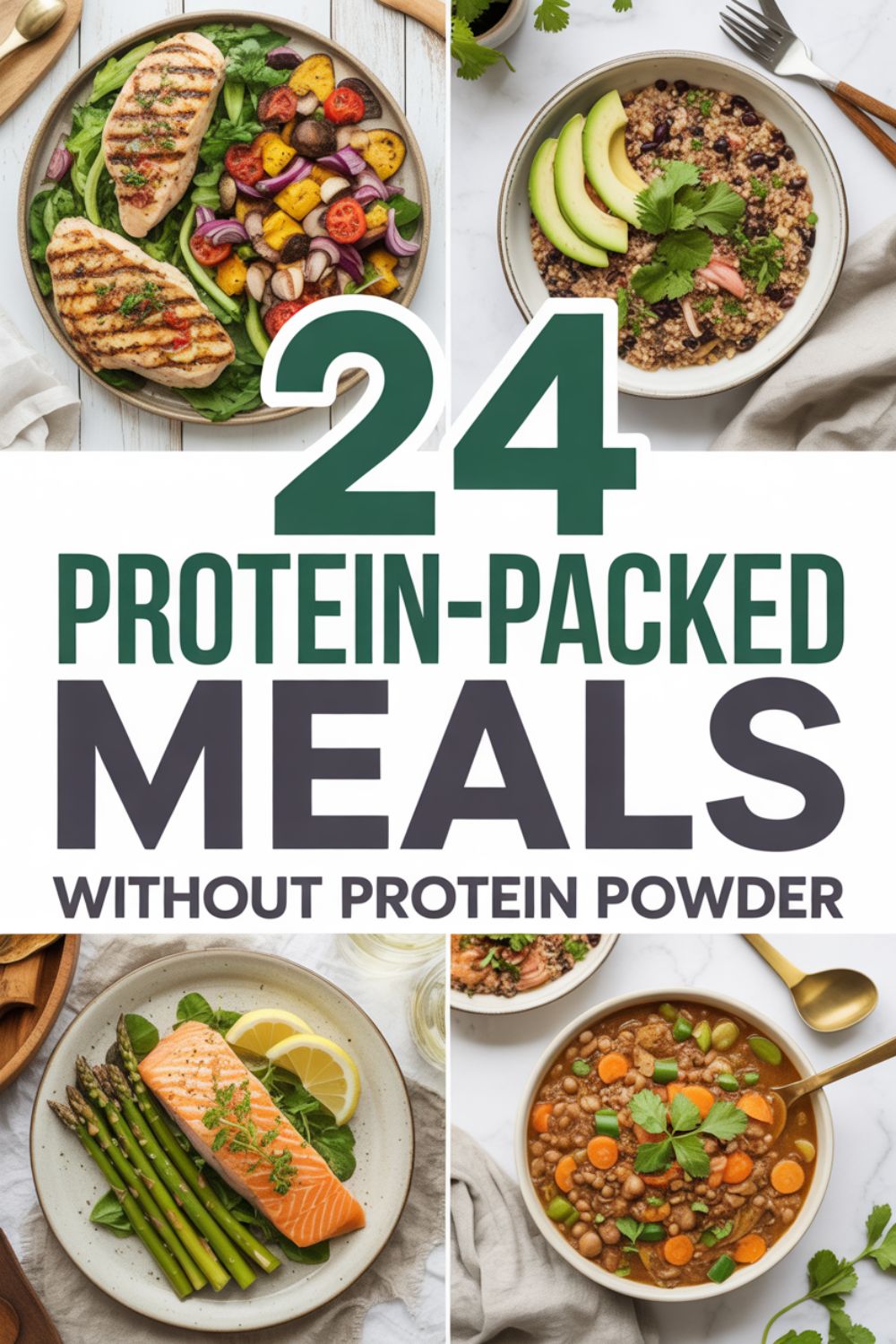
24 Protein-Packed Meals Without Protein Powder
Listen, I get it. You’re tired of choking down chalky shakes that taste like sweetened cardboard, right? The whole protein powder obsession has gotten out of hand, and honestly, your wallet probably agrees with me. Here’s the thing most people don’t realize: you don’t need to drop 50 bucks on fancy tubs of powder to hit your protein goals.
Real food exists. Shocking, I know. And it’s packed with protein that actually tastes good and doesn’t leave you with that weird aftertaste that haunts you for hours. I’ve spent years figuring out how to get enough protein without relying on supplements, and spoiler alert—it’s way easier than the fitness industry wants you to believe.
So grab your favorite meal prep containers and let’s talk about 24 meals that’ll keep you full, help you build muscle, and won’t make you question your life choices halfway through eating them.
Why Skip the Powder Anyway?
Before we get into the good stuff, let me explain why whole food protein sources are actually superior. First off, real food contains more than just protein. You’re getting vitamins, minerals, fiber, and other nutrients that work together to keep your body running smoothly.
Protein powder is isolated protein. That’s it. Your body evolved to eat actual food, not lab-created supplements. Plus, whole food sources tend to be more satisfying and keep you fuller longer. Ever notice how a protein shake leaves you hungry an hour later, but a plate of eggs and veggies keeps you going for hours?
According to research on optimal protein intake, most people can easily meet their daily protein needs through whole foods alone. The key is knowing which foods pack the biggest protein punch and how to combine them effectively.
Pro Tip: Aim for 20-30 grams of protein per meal to maximize muscle protein synthesis. Your body can only process so much at once, so spacing it out works better than loading up at dinner.
Breakfast Options That Actually Work
Eggs: The Obvious Champion
Let’s start with the most obvious one. Eggs are protein powerhouses, delivering about 6 grams per egg. But here’s where people mess up—they eat two eggs and call it a day. That’s only 12 grams of protein, which isn’t going to cut it if you’re trying to build muscle or lose weight.
I usually go for a three-egg scramble with veggies and a side of turkey sausage. That gets you closer to 30 grams right off the bat. You can whip this up using a non-stick ceramic pan that makes cleanup stupidly easy. Get Full Recipe for my go-to morning scramble.
The beauty of eggs? They’re versatile as hell. Scrambled, fried, poached, baked into casseroles—pick your poison. My personal favorite is making a big batch of egg muffins on Sunday and grabbing them throughout the week.
Greek Yogurt Bowl Done Right
Not all yogurt is created equal. Regular yogurt has maybe 5-10 grams of protein per cup. Greek yogurt? We’re talking 15-20 grams. That’s a massive difference. Pair it with some nuts, seeds, and berries, and you’ve got yourself a solid 25-gram protein breakfast.
I keep a big tub of plain Greek yogurt in my fridge at all times. Mix it with a drizzle of honey, throw in some raw almonds, maybe some chia seeds, and you’re golden. If you want more inspiration, check out these high-protein breakfast ideas that’ll keep you full all morning.
Speaking of morning protein, if you’re more of a smoothie person, you might want to explore some high-protein smoothie options that don’t rely on powder. Think Greek yogurt, cottage cheese, and nut butters as your base.
Overnight Oats with a Protein Twist
Regular oats have some protein, but not enough. The trick is bulking them up with protein-rich add-ins. I’m talking Greek yogurt, egg whites (yes, really), cottage cheese, or nut butter. This transforms your basic oats into a 20+ gram protein breakfast.
My go-to combo: half a cup of oats, half a cup of Greek yogurt, a tablespoon of natural peanut butter, and some berries. Mix it up in a mason jar, leave it overnight, and boom—breakfast is ready when you wake up. Get Full Recipe for my protein-packed overnight oats.
Quick Win: Make five jars of overnight oats on Sunday night. You’ll thank yourself every morning when you’re half-asleep and breakfast is already done.
Lunch Ideas That Keep You Going
Chicken, But Make It Interesting
Yeah, chicken breast is boring. I’m not gonna lie to you. But 4 ounces gives you about 35 grams of protein, so we’ve gotta work with it. The secret is in the preparation and what you pair it with.
Try grilling it with Mediterranean spices, slicing it over a massive salad, or shredding it into a wrap with hummus and veggies. If you need some actual flavor in your life, these high-protein chicken recipes will save you from bland meal prep hell.
I also swear by my instant-read meat thermometer to avoid overcooking chicken into rubber. Game changer, trust me.
Tuna and White Beans
This combination is criminally underrated. A can of tuna has 20 grams of protein, white beans add another 15 grams per cup. Mix them together with some olive oil, lemon juice, and fresh herbs, and you’ve got a lunch that actually tastes good.
I keep canned tuna and beans in my pantry specifically for days when I forgot to meal prep. Throw it over some greens or stuff it in a pita, and you’re set. Get Full Recipe for this protein-packed combination.
For more ideas on incorporating beans and legumes, you might want to check out these high-protein vegetarian recipes that prove you don’t need meat to hit your protein goals.
Lentil Soup That Actually Fills You Up
Lentils are basically the unsung heroes of protein. One cup of cooked lentils has 18 grams of protein, plus they’re loaded with fiber so you stay full for hours. I make a huge batch of lentil soup every couple weeks and freeze portions for easy lunches.
Add some vegetables, spices, maybe a splash of coconut milk if you’re feeling fancy, and you’ve got yourself a meal. Store it in these glass meal prep bowls and you’re basically a responsible adult. If you’re into soups, definitely explore these high-protein soup options that clock in under 350 calories.
Dinner Solutions That Don’t Suck
Salmon with Quinoa
Salmon is one of those foods that gives you 25 grams of protein per 4-ounce serving, plus all those omega-3s everyone keeps talking about. Pair it with quinoa (8 grams of protein per cup) and some roasted vegetables, and you’ve got a complete meal.
I cook my salmon on a cedar grilling plank because it adds flavor and prevents sticking. Game changer for fish cooking. Get Full Recipe for perfectly cooked salmon with herbed quinoa.
The beauty of salmon is that it’s hard to mess up. Season it, bake it at 400°F for 12-15 minutes, done. If you’re nervous about cooking fish, start here.
Turkey and Black Bean Skillet
Ground turkey is cheaper than chicken breast and just as high in protein. 4 ounces gives you 30 grams. Cook it up with black beans, peppers, onions, and spices, and you’ve got a one-pan meal that makes great leftovers.
I use a big cast iron skillet for this because it distributes heat evenly and you can go from stovetop to oven if needed. This is the kind of meal you can make in 20 minutes on a Tuesday night when you’re too tired to think.
Want more quick dinner ideas? These high-protein one-pan meals are perfect for busy nights when you need something fast and delicious.
Shrimp Stir-Fry
Shrimp cooks in literally three minutes. 4 ounces has 24 grams of protein. Throw it in a hot pan with whatever vegetables you have lying around, add some soy sauce and garlic, serve it over brown rice or cauliflower rice if you’re feeling virtuous.
I keep a bag of frozen shrimp in my freezer at all times. Defrost them under cold running water for 10 minutes, and you’re ready to cook. It’s basically the ultimate lazy person’s protein source, and I mean that as a compliment.
Pro Tip: Don’t overcook your shrimp. The second they turn pink and opaque, they’re done. Keep cooking and you’ll have rubber on your plate.
Vegetarian Options That Pack a Punch
Tofu, If You Do It Right
I know, I know. Tofu gets a bad rap. But 100 grams of firm tofu has 10 grams of protein, and if you actually season it properly, it’s delicious. The key is pressing out the water and marinating it before cooking.
Get yourself a tofu press if you’re serious about this. Makes the whole process way easier. Then marinate it in soy sauce, garlic, and ginger, and either bake or pan-fry until crispy. Suddenly tofu doesn’t suck anymore.
Pair it with some edamame (another 8 grams of protein per half cup) and you’ve got a solid vegetarian meal. These stir-fried tofu recipes will show you how to make tofu actually taste good.
Chickpea Power Bowl
Chickpeas deliver 15 grams of protein per cup, and they’re incredibly versatile. Roast them for a crunchy snack, blend them into hummus, or throw them in a Buddha bowl with quinoa, roasted veggies, and tahini sauce.
I make big batches of roasted chickpeas using my half-sheet baking pan—they get crispy and addictive. Season them with whatever spices you’re feeling that day. Smoked paprika is my go-to, but curry powder or Italian seasoning work great too.
For more plant-based protein ideas, definitely check out these Mediterranean chickpea bowls that are loaded with flavor and nutrients.
High-Protein Meal Planner & Recipe Collection
Struggling to plan your weekly meals while hitting your protein goals? This comprehensive high-protein meal planner takes the guesswork out of nutrition planning.
What You Get:
- 150+ high-protein recipes (all without protein powder)
- Weekly meal planning templates with macros calculated
- Printable grocery lists organized by store section
- Protein tracking sheets to monitor your daily intake
- Quick-reference protein content guide for 100+ foods
- Meal prep strategies and batch cooking guides
Stop winging your nutrition and start seeing consistent results. This planner has helped thousands of people finally hit their protein targets without the stress.
Cottage Cheese (Hear Me Out)
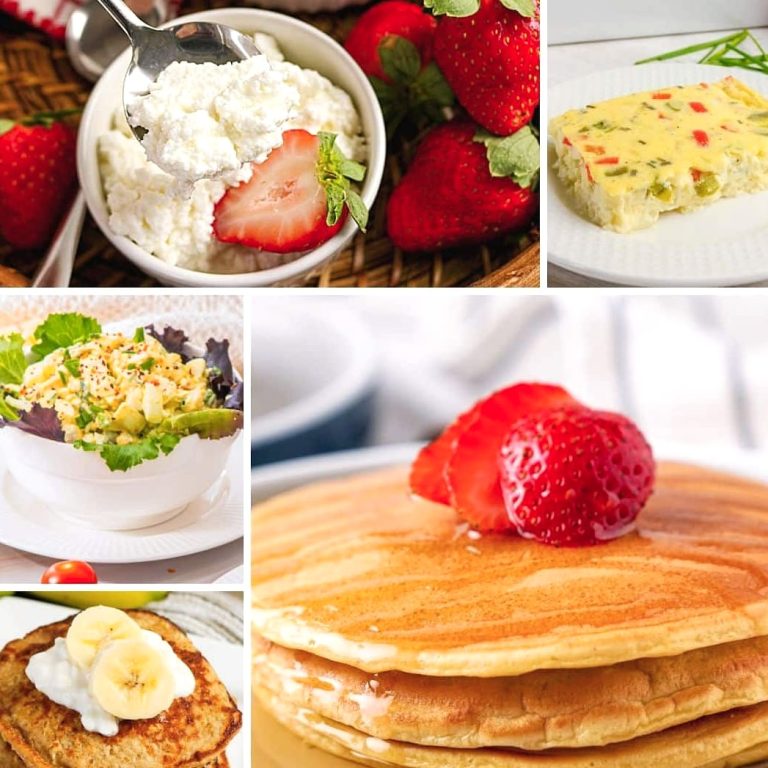
I get it, cottage cheese has a texture thing. But one cup has a whopping 28 grams of protein. That’s more than most protein shakes. You can eat it sweet with fruit, or savory with tomatoes, cucumber, and black pepper.
I’ve been putting cottage cheese on toast lately and it’s weirdly good. Top it with everything bagel seasoning and some sliced tomatoes. It’s like a protein-packed pizza that won’t make you feel gross afterward. Get Full Recipe for this surprisingly delicious combination.
If you’re looking for more ways to incorporate cottage cheese into your diet, these savory cottage cheese bowls might just change your mind about this protein powerhouse.
Snacks That Actually Contribute
Hard-Boiled Eggs (Again)
Yeah, eggs again. Because they work. Boil a dozen on Sunday and you’ve got grab-and-go protein for the week. Each egg is 6 grams of protein, so eat two or three with some cherry tomatoes and you’ve got a legit snack.
Use an electric egg cooker if you’re like me and somehow always overcook them on the stove. Perfect eggs every single time without having to think about it.
Edamame
Buy the frozen bags, steam them for 5 minutes, sprinkle with sea salt. One cup has 17 grams of protein. It’s literally that easy. Keep them in your freezer and you always have a high-protein snack option.
I eat these while working and they keep my hands busy so I don’t reach for chips. Double win.
Jerky (But Not Gas Station Jerky)
Good quality jerky has around 9 grams of protein per ounce with minimal carbs. The key word here is “good quality.” You want stuff without a million additives and sugar. Check the label—if you can’t pronounce half the ingredients, skip it.
I make my own sometimes using a food dehydrator, but honestly, finding a good brand at the store works fine too. Just read those labels carefully.
Meal Prep Strategies That Work
Look, meal prepping doesn’t have to mean eating the same boring chicken and rice for seven days straight. The key is prepping components instead of complete meals. Cook a big batch of grilled chicken, hard-boil some eggs, make a pot of quinoa, roast a bunch of vegetables.
Then mix and match throughout the week. Monday’s chicken goes in a salad, Wednesday’s goes in a wrap, Friday’s gets tossed with pasta. You’re eating the same base ingredients but in completely different ways. Your taste buds stay happy and you’re not stuck eating identical meals.
According to research on meal planning, people who prep their meals in advance are more likely to stick to their nutrition goals and maintain a healthy weight. Turns out, having food ready to go prevents those 9 PM pizza orders.
For comprehensive meal prep strategies, check out these 30 high-protein meal prep ideas that’ll set you up for success all week long.
Protein & Macro Tracking App
Tired of manually logging every meal? This intuitive tracking app is specifically designed for people focusing on high-protein nutrition without supplements.
Key Features:
- Scan barcodes or search 2M+ whole foods instantly
- Custom protein goals based on your weight and activity
- Visual meal timeline showing protein distribution throughout day
- Recipe builder that calculates macros automatically
- Progress photos and body measurements tracking
- Weekly reports showing your protein consistency
The app has a massive database of whole foods (not just packaged items) and makes hitting your daily protein target almost automatic. No more guessing whether you’ve eaten enough.
Quick Win: Invest in a set of glass containers with dividers. Keep proteins separate from sauces and vegetables to prevent soggy meals. Your future self will thank you.
The Math Behind Protein Needs
Here’s the thing nobody tells you: protein needs are individual. The generic “0.8 grams per kilogram of body weight” guideline is the minimum to prevent deficiency. If you’re trying to build muscle or lose weight, you need more—usually around 1.6 to 2.2 grams per kilogram.
For a 150-pound person, that’s roughly 110-150 grams of protein per day. Seems like a lot until you break it down: 30 grams at breakfast, 40 at lunch, 40 at dinner, and a couple snacks. Suddenly it’s totally doable with real food.
Track your intake for a week using any food app and you’ll probably realize you’re eating way less protein than you thought. Most people are. Once you start hitting those numbers consistently, you’ll notice a difference in how you feel and how your body looks.
The Complete High-Protein Cookbook (No Powder Required)
This isn’t your typical boring chicken-and-broccoli recipe collection. Get 200+ creative, actually delicious high-protein meals using real food.
Inside the Cookbook:
- 200+ recipes organized by meal type and protein source
- Every recipe includes complete macro breakdown
- 30-day sample meal plan to get you started
- Budget-friendly protein shopping guide
- Vegetarian and vegan high-protein alternatives
- Quick 15-minute meals for busy weeknights
- Batch cooking and freezer-friendly options
Finally, a cookbook that understands you want variety, flavor, and convenience—not just hitting arbitrary macro targets. Each recipe is tested, photographed, and actually tasty enough to serve to your family.
Why Timing Might Not Matter As Much As You Think
The fitness industry loves to talk about the “anabolic window” and protein timing. Here’s the truth: total daily protein intake matters way more than when you eat it. Yeah, having some protein post-workout is beneficial, but stressing about downing a shake within 30 minutes of leaving the gym? Unnecessary.
Your body is pretty good at using nutrients when it gets them. Focus on hitting your total daily protein goal and spacing it relatively evenly throughout the day. That’s the 80/20 rule in action—nail the big stuff first, worry about fine-tuning later.
Common Mistakes People Make
Not Eating Enough Variety
Eating chicken breast three times a day will hit your protein goals, but you’ll be miserable and missing out on other nutrients. Different protein sources provide different amino acid profiles and micronutrients. Mix it up—fish one day, eggs another, legumes the next.
Forgetting About Plant Proteins
You don’t need to be vegetarian to benefit from plant proteins. Legumes, nuts, seeds, whole grains—they all add up. Plus, they come with fiber that keeps your digestive system happy. Your gut will thank you for not eating meat at every single meal.
Ignoring Portion Sizes
A “serving” of chicken isn’t whatever fits on your plate. 4 ounces is roughly the size of a deck of cards. Eyeball it once using a food scale, and you’ll get better at estimating. Most people underestimate portions and then wonder why they’re not seeing results.
Frequently Asked Questions
How much protein do I actually need per day?
Most active adults need 1.6-2.2 grams of protein per kilogram of body weight. For a 150-pound person, that’s roughly 110-150 grams daily. If you’re sedentary, you can get away with less, but if you’re lifting weights or trying to lose fat while maintaining muscle, aim for the higher end of that range.
Can you build muscle without protein powder?
Absolutely. Protein powder is convenient, but it’s not magic. Your muscles don’t care whether protein comes from a shake or a chicken breast—they just need adequate amino acids. As long as you’re hitting your daily protein target through whole foods, you’ll build muscle just fine assuming your training and recovery are on point.
What are the best high-protein foods for weight loss?
Lean proteins like chicken breast, fish, Greek yogurt, cottage cheese, eggs, and legumes are your best bets. They’re filling, relatively low in calories, and help preserve muscle mass while you’re in a calorie deficit. The key is choosing proteins that keep you satisfied without adding unnecessary calories from fats or carbs.
Is eating too much protein bad for your kidneys?
For healthy individuals with normal kidney function, high protein intake isn’t harmful. The “protein damages kidneys” myth stems from studies on people with existing kidney disease. If you have healthy kidneys, eating 150-200 grams of protein daily is perfectly safe. That said, if you have kidney issues, talk to your doctor before dramatically increasing protein intake.
What’s the cheapest way to get enough protein?
Eggs, canned tuna, dried beans, lentils, and chicken thighs are your budget-friendly protein champions. A dozen eggs costs around three dollars and gives you 72 grams of protein. A bag of dried lentils is dirt cheap and lasts forever. Skip the expensive protein bars and fancy cuts of meat—you don’t need them to hit your goals.
Wrapping This Up
Here’s the bottom line: you don’t need protein powder to hit your protein goals. Real food works just fine, probably better actually, and it tastes a hell of a lot better than chalky shakes. The key is knowing which foods pack the most protein and planning your meals accordingly.
Start with the basics—eggs, Greek yogurt, chicken, fish, legumes, cottage cheese. Build your meals around these protein sources and add vegetables, healthy fats, and some carbs for energy. It’s not complicated, despite what the supplement industry wants you to believe.
Track your intake for a week or two until you get a feel for what 30 grams of protein actually looks like on your plate. After that, it becomes second nature. You’ll know that your breakfast needs three eggs instead of two, that your lunchtime salad needs chicken or chickpeas, and that your snacks should include some actual protein instead of just crackers.
The best diet is the one you can stick to. If chugging protein shakes makes you gag, don’t do it. Build your nutrition around foods you actually enjoy eating. Otherwise, you’ll last about two weeks before giving up entirely and ordering pizza every night. Been there, done that, learned my lesson.
So ditch the powder, hit the grocery store, and start cooking. Your taste buds, your wallet, and your body will thank you. Plus, you’ll actually learn how to cook instead of just opening tubs and adding water. IMO, that’s a life skill worth having.