18 Anti-Inflammatory Dinner Recipes for Everyday Health
Look, I’m not gonna sugarcoat it—chronic inflammation is basically your body’s way of throwing a never-ending tantrum. And while we can’t always control everything that triggers it, we can absolutely control what’s on our dinner plate. I’ve spent way too many evenings scrolling through recipes that promise “anti-inflammatory magic” but end up being either bland as cardboard or requiring ingredients I’d need a treasure map to find.
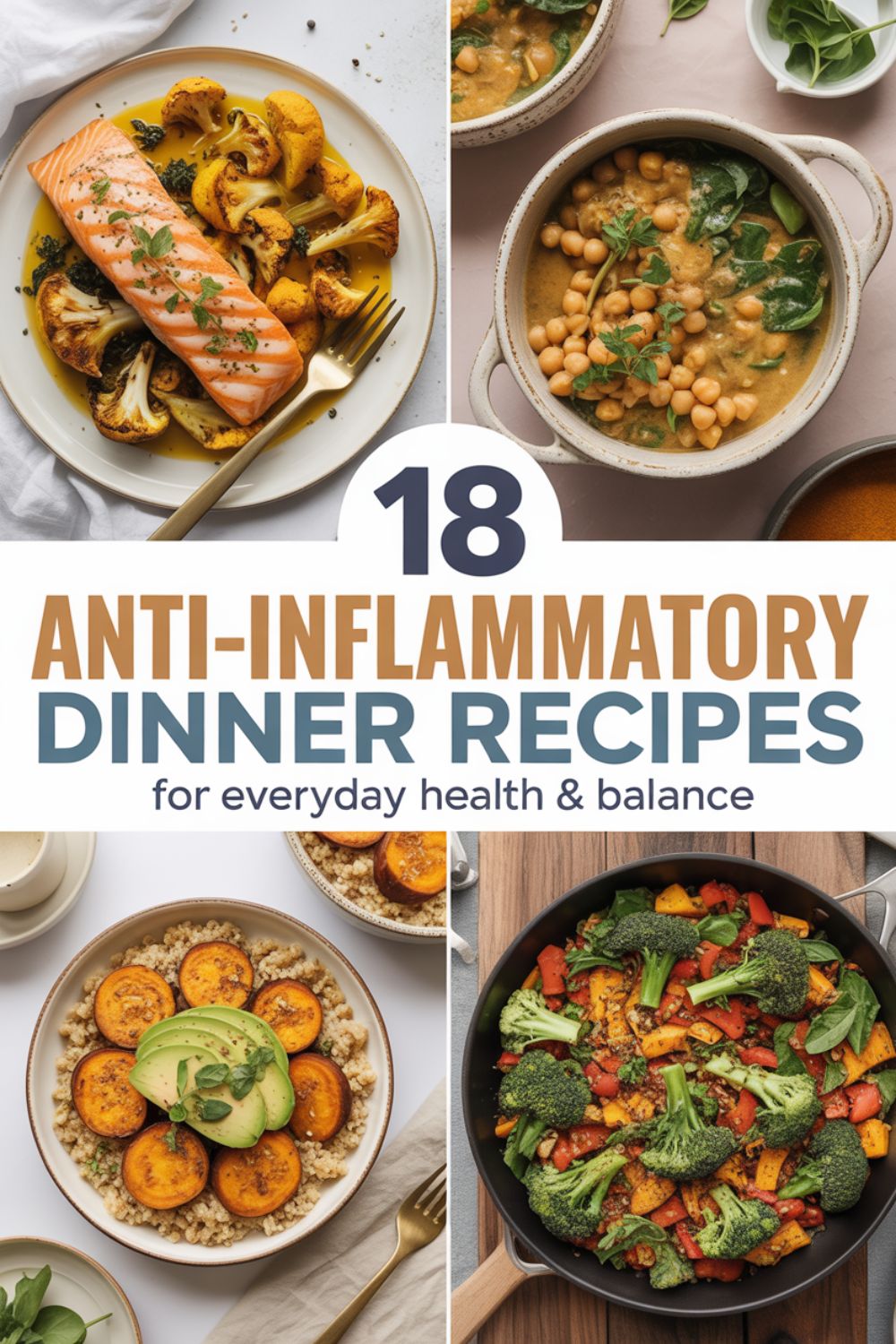
So here’s the deal: these 18 dinner recipes actually taste good, use ingredients you can find at your regular grocery store, and they genuinely help calm down inflammation without making you feel like you’re on some restrictive diet. No kale smoothies for dinner, I promise.
Why Anti-Inflammatory Eating Actually Matters
Before we dive into the good stuff, let’s talk about why this matters. Inflammation isn’t always bad—it’s your body’s defense mechanism. But when it becomes chronic, it’s linked to everything from arthritis to heart disease. The foods we eat can either fan those flames or help put them out.
The Mediterranean diet is basically the poster child for anti-inflammatory eating, and there’s solid science backing it up. Research from Harvard Medical School shows that foods rich in omega-3s, antioxidants, and polyphenols can significantly reduce inflammatory markers in your body. We’re talking about the stuff you actually want to eat—olive oil, fatty fish, colorful veggies, nuts, and whole grains.
What you’re trying to avoid? Processed foods, excess sugar, refined carbs, and trans fats. Basically, if it comes in a package with ingredients you can’t pronounce, it’s probably not doing your inflammation any favors.
The Building Blocks of Anti-Inflammatory Dinners
Every solid anti-inflammatory meal needs a few key players on the team. You want omega-3 rich proteins like salmon, sardines, or plant-based options like walnuts and flaxseeds. Then you need colorful vegetables—the more rainbow-like your plate, the better. Dark leafy greens, tomatoes, bell peppers, and cruciferous veggies like broccoli are all inflammation-fighting superstars.
Don’t forget about healthy fats. Extra virgin olive oil isn’t just for fancy restaurants—it’s packed with oleocanthal, which works similarly to ibuprofen in reducing inflammation. And those herbs and spices sitting in your cabinet? Turmeric, ginger, garlic, and rosemary aren’t just flavor boosters; they’re legit anti-inflammatory powerhouses.
Mediterranean-Inspired Anti-Inflammatory Dinners
Grilled Salmon with Fresh Herbs
Salmon is basically the MVP of anti-inflammatory proteins. It’s loaded with omega-3 fatty acids, which are like fire extinguishers for inflammation. I love making grilled salmon with tomato caper relish—it’s tangy, fresh, and takes about 25 minutes start to finish. Get Full Recipe.
The trick with salmon is not to overcook it. I use this instant-read thermometer to pull it off the heat right at 125°F for that perfect, slightly-pink center. Game changer, honestly.
Lentil and Vegetable Creations
Lentils don’t get enough credit, IMO. They’re packed with fiber, protein, and polyphenols that help fight inflammation. My go-to weeknight meal is lentil spinach soup—it’s warming, filling, and you can make a huge batch for meal prep. Get Full Recipe.
For something with more substance, try lentil sweet potato stew. The combination of earthy lentils with sweet, carotenoid-rich sweet potatoes is chef’s kiss. Plus, the leftovers somehow taste even better the next day.
Chickpea-Based Meals
Chickpeas are another inflammation-fighting legume that deserve more love. I make Mediterranean chickpea skillet at least twice a week because it’s stupid easy and packed with flavor. Throw in some spinach, tomatoes, garlic, and a splash of lemon—done.
If you’re feeling fancy, chickpea cauliflower coconut curry brings anti-inflammatory spices like turmeric and ginger into the mix. The coconut milk adds creaminess without dairy, which can be inflammatory for some people.
Speaking of Mediterranean flavors, you might also enjoy these Mediterranean chickpea wraps or this Mediterranean lentil salad for lighter options that still pack an anti-inflammatory punch.
Vegetable-Forward Anti-Inflammatory Options
Stuffed Bell Peppers
Bell peppers are loaded with vitamin C and antioxidants, making them perfect vessels for anti-inflammatory goodness. I stuff mine with quinoa, veggies, and herbs for stuffed bell peppers with quinoa and veggies. The quinoa provides complete protein and anti-inflammatory compounds. Get Full Recipe.
Pro move: use a melon baller to scoop out the seeds cleanly. Sounds extra, but it makes the whole process way less messy and you don’t end up with sad, broken peppers.
Cauliflower and Broccoli Stars
Cruciferous vegetables like cauliflower and broccoli contain sulforaphane, a compound that’s been shown to reduce inflammatory markers. The stir-fried tofu with broccoli and brown rice is ridiculously satisfying and you can have it on the table in under 30 minutes.
For something a bit different, try broccoli cashew stir-fry. The cashews add healthy fats and a nice crunch. Just don’t burn them—learned that lesson the hard way.
Eggplant Dishes
Eggplant contains nasunin, an antioxidant that helps protect cell membranes from damage. Grilled eggplant with yogurt sauce is one of those dishes that feels fancy but is actually super simple. The yogurt sauce adds probiotics, which research suggests may help reduce inflammation.
I use a grill pan when I don’t feel like firing up the outdoor grill. Gets those beautiful char marks and cooks the eggplant perfectly without all the fuss.
Grain-Based Anti-Inflammatory Meals
Quinoa Bowls
Quinoa is a complete protein and contains quercetin, a flavonoid with anti-inflammatory properties. The Moroccan spiced quinoa bowl combines quinoa with warming spices like cumin and cinnamon that also help fight inflammation.
For a simpler option, Mediterranean grain bowl brings together quinoa, fresh veggies, olives, and a lemon-herb dressing. It’s basically sunshine in a bowl.
Whole Wheat Pasta Alternatives
Look, I’m not here to tell you to give up pasta. But swapping regular pasta for whole wheat versions gives you more fiber and nutrients while keeping that comforting pasta vibe. Whole wheat spaghetti with cherry tomatoes and basil is proof that healthy doesn’t mean boring.
Another favorite is whole wheat spaghetti with spinach pesto. The spinach adds extra anti-inflammatory power to traditional pesto, and you can’t even taste the difference.
🔥 Instant Pot Duo Plus 9-in-1 Pressure Cooker
Listen, if you’re serious about making anti-inflammatory meals without living in your kitchen, this thing is a game changer. I use mine at least 4 times a week for soups, stews, beans, and grains. It’s basically like having a personal chef who works while you’re doing literally anything else.
Why it’s perfect for anti-inflammatory cooking:
- Cooks dried beans in 30 minutes – no more overnight soaking or canned bean compromise
- Perfect lentil soups every time – set it and forget it while flavors meld beautifully
- Hands-off whole grain cooking – quinoa, farro, and brown rice come out fluffy without babysitting
- Sauté function for one-pot meals – brown your proteins then pressure cook everything together
- Yogurt maker included – homemade probiotic-rich yogurt without the guesswork
The 6-quart size is perfect for meal prep—make a huge batch of anti-inflammatory chili on Sunday and you’re set for the week. Plus, the stainless steel inner pot means no sketchy non-stick coatings.
$149.99 Currently $89.99
Check Current PriceFarro and Barley Options
These ancient grains are criminally underrated. Barley mushroom soup is earthy, hearty, and perfect for cooler evenings. Mushrooms contain beta-glucans, which have immune-modulating and anti-inflammatory effects according to research published in the Journal of Nutrition.
If you’re looking for more grain-based ideas that keep inflammation in check, check out garlicky grilled chicken with farro and roasted veggies or this tomato feta farro bowl.
Plant-Powered Protein Dinners
Tofu Creations
Tofu gets a bad rap, but it’s actually a fantastic anti-inflammatory protein source. The key is in how you cook it. I press mine with a tofu press—total game changer for getting that crispy texture without spending 30 minutes with paper towels and heavy books.
The stir-fried tofu with broccoli is my go-to when I need something quick and satisfying. The combination of soy-based protein and cruciferous veggies is an inflammation-fighting dream team.
Bean-Based Meals
Beans are loaded with fiber and polyphenols that help reduce inflammation. Three bean chili is perfect for meal prep—it actually gets better after sitting in the fridge for a day or two as the flavors meld together.
For something different, try black bean enchiladas. They’re packed with flavor from spices like cumin and chili powder, which also have anti-inflammatory properties. Skip the cheese or use a small amount of a dairy alternative if you’re sensitive to dairy.
📘 Mediterranean Anti-Inflammatory Meal Planner
Tired of guessing what to cook each week? This comprehensive meal planner takes the stress out of anti-inflammatory eating with 90 days of Mediterranean-inspired recipes, complete shopping lists, and macro tracking.
- 90 days of pre-planned anti-inflammatory dinners
- Automated shopping lists organized by store section
- Nutritional breakdowns for every meal
- Swap options for dietary restrictions
- Inflammation tracking journal included
Mushroom Centerpieces
Grilled portobello mushroom steaks are proof that plant-based doesn’t mean unsatisfying. These meaty mushrooms are substantial enough to be the star of the show, and they’re full of those inflammation-fighting beta-glucans I mentioned earlier.
I marinate mine in balsamic vinegar, olive oil, and garlic before grilling. The acidity helps tenderize them and the flavors are incredible. Just make sure you don’t skip the marinating step—it makes all the difference.
🫒 Kosterina Organic Extra Virgin Olive Oil (500ml)
Not all olive oils are created equal when it comes to fighting inflammation. This Greek EVOO is early harvest, single-origin, and actually tastes like the expensive stuff you get at fancy restaurants. High polyphenol content means serious anti-inflammatory benefits.
What makes it worth the upgrade:
- Certified high-polyphenol – lab tested at 400+ mg/kg (most grocery store brands are under 100)
- Cold-pressed within hours of harvest – preserves those inflammation-fighting compounds
- Peppery finish that tingles your throat – that’s the oleocanthal doing its anti-inflammatory magic
- Perfect for finishing dishes – drizzle on soups, salads, and roasted veggies for maximum flavor
- Dark glass bottle – protects from light degradation that ruins cheaper oils
I keep two bottles in my kitchen: a regular one for cooking and this for drizzling on finished dishes. The flavor difference is honestly shocking. Your taste buds and your joints will thank you.
$28.99 for 500ml
Get Premium Olive OilQuick Anti-Inflammatory Weeknight Dinners
One-Pan Wonders
When you’re exhausted and just need dinner to happen, one-pan meals are your best friend. One-pot Mediterranean pasta combines whole wheat pasta, tomatoes, spinach, and olives in a single pot. Less cleanup, more nutrients, everyone’s happy.
I cook mine in a large deep skillet with a lid that doubles as a sauté pan. Worth every penny for how much I use it.
Sheet Pan Dinners
Sheet pan dinners are another weeknight savior. Throw everything on a pan, pop it in the oven, and you’re done. Lemon herb chicken with roasted potatoes is a classic that never gets old.
The secret to good sheet pan dinners is using parchment paper or a silicone baking mat. Zero sticking, zero scrubbing. Your future self will thank you.
🍽️ The Complete Anti-Inflammatory Recipe eBook Bundle
Stop scrolling through endless recipes that don’t deliver. This massive eBook collection gives you 200+ tested anti-inflammatory recipes with stunning photos, step-by-step instructions, and inflammation-fighting ingredient guides.
- 200+ recipes across breakfast, lunch, dinner, and snacks
- Beautiful food photography for every dish
- Detailed ingredient breakdown showing anti-inflammatory compounds
- Beginner-friendly with prep times under 30 minutes
- Printable grocery lists and meal prep guides
- Bonus: 30-day inflammation reset challenge
Stir-Fry Solutions
Stir-fries are fast, flexible, and perfect for using up whatever vegetables are hanging out in your fridge. The key is having everything prepped before you start cooking—this isn’t the time for multitasking.
Load up on colorful veggies, add your protein of choice, and use anti-inflammatory seasonings like ginger, garlic, and turmeric. A good wok or large skillet gets hot enough to get that perfect sear without steaming your vegetables into mush.
Soup and Stew Comfort
Carrot Ginger Soup
Carrot ginger soup with chickpea croutons is like a warm hug in a bowl. Carrots are packed with beta-carotene, and ginger is one of the most powerful anti-inflammatory ingredients you can use. The chickpea croutons add protein and crunch without the refined carbs of regular croutons.
I blend mine smooth with an immersion blender right in the pot. No transferring hot liquid to a regular blender and praying it doesn’t explode all over your kitchen.
Spiced Lentil Stews
Spiced lentil eggplant stew combines multiple anti-inflammatory ingredients into one comforting dish. The warming spices like cumin, coriander, and turmeric don’t just add flavor—they actively help reduce inflammation in your body.
This is the kind of recipe you make on Sunday and eat throughout the week. It keeps well in the fridge for up to 5 days, and the flavors just keep getting better.
🌿 Spice Set: Anti-Inflammatory Essentials Collection
Real talk: those sad spice jars from 2019 sitting in your cabinet aren’t doing you any favors. Fresh, high-quality spices are where the real anti-inflammatory magic happens. This curated set gives you everything you need to level up your inflammation-fighting game.
What’s included (and why it matters):
- Organic turmeric with high curcumin – the heavyweight champion of anti-inflammatory spices
- Fresh ground ginger powder – reduces inflammatory markers and adds amazing flavor
- Ceylon cinnamon (true cinnamon) – lower coumarin, better for daily use
- Garlic granules – contains allicin with anti-inflammatory properties
- Smoked paprika – adds depth without inflammation-triggering ingredients
- Black peppercorns with grinder – increases turmeric absorption by 2000%
Each jar is dated and comes in UV-protective glass. The difference between fresh spices and old ones is honestly night and day—both in flavor and health benefits. This set covers 90% of the anti-inflammatory recipes you’ll ever make.
$54.99 Set Price: $39.99
Shop Spice CollectionFor more soup inspiration that fights inflammation, you might love these 21 Mediterranean soups under 300 calories or these high-protein soups under 350 calories that keep you satisfied.
Seafood Anti-Inflammatory Dinners
Baked Cod with Tapenade
White fish like cod is lean protein that won’t trigger inflammation like some meats can. Baked cod with tomato olive tapenade is elegant enough for company but easy enough for a Tuesday night. Get Full Recipe.
The olive tapenade brings in those healthy monounsaturated fats and antioxidants from olives. It’s basically a Mediterranean power couple on one plate.
Shrimp Dishes
Shrimp cooks in minutes and pairs perfectly with anti-inflammatory ingredients. Shrimp sautéed in garlic and olive oil with couscous is one of my fastest dinners—literally 15 minutes from start to finish.
For something with more zing, shrimp saganaki with spicy tomato and feta brings the heat with anti-inflammatory spices while keeping things interesting.
Salmon Variations
Beyond basic grilled salmon, try baked salmon with herbed quinoa for a complete meal in one. Or go for baked salmon with dill and garlic if you want to keep it simple and let the fish shine.
The beauty of salmon is its versatility. Season it simply with lemon and herbs, or go bold with spices—it handles it all while delivering those crucial omega-3s.
📱 Mediterranean Macro Tracker App (Premium)
Finally, an app that gets anti-inflammatory eating. Track your meals, inflammation symptoms, and energy levels in one place. The AI-powered recommendations help you identify which foods work best for YOUR body.
- Smart food database with 10,000+ Mediterranean foods pre-loaded
- Inflammation symptom tracker with trend analysis
- Personalized meal suggestions based on your patterns
- Recipe scanner that analyzes anti-inflammatory ingredients
- Weekly reports showing inflammation vs. diet correlation
- Sync with fitness apps and wearables
Making Anti-Inflammatory Eating Sustainable
Here’s the thing nobody tells you: eating anti-inflammatory doesn’t mean perfection. It’s not about never eating processed food or having dessert. It’s about making choices that support your body most of the time.
Start by adding in more anti-inflammatory foods rather than focusing on restriction. Swap refined oils for olive oil. Add an extra serving of vegetables to dinner. Choose wild-caught salmon over farmed when you can. Small changes add up to big differences over time.
Meal prep is your secret weapon here. Spend a couple hours on Sunday chopping vegetables, cooking grains, and maybe making a big batch of soup or stew. Then during the week, you’re just assembling rather than cooking from scratch every night.
Stock your pantry with anti-inflammatory staples: extra virgin olive oil, canned beans, whole grains, canned tomatoes, nuts, seeds, and a good spice collection. When you have these basics on hand, throwing together a healthy dinner becomes way less stressful.
Frequently Asked Questions
What foods are most anti-inflammatory?
The biggest anti-inflammatory all-stars are fatty fish like salmon and sardines, leafy greens, olive oil, nuts (especially walnuts and almonds), berries, tomatoes, and spices like turmeric and ginger. Basically, if it’s colorful, comes from the earth, and doesn’t require a factory to make it, it’s probably anti-inflammatory.
How long does it take to see results from anti-inflammatory eating?
Most people notice changes within 2-4 weeks of consistent anti-inflammatory eating. You might experience better energy, reduced joint pain, improved digestion, or clearer skin. That said, everyone’s different—some see changes faster, others take a bit longer. The key is consistency, not perfection.
Can I eat meat on an anti-inflammatory diet?
Yes, but quality and quantity matter. Lean proteins like chicken and turkey are fine in moderation. Wild-caught fish is actually encouraged. Red meat should be limited—think of it as an occasional thing rather than an everyday staple. Processed meats like bacon and deli meat are best kept to rare treats since they can promote inflammation.
Are carbs inflammatory?
Not all carbs are created equal. Refined carbs like white bread, white rice, and sugary foods can promote inflammation. But complex carbs from whole grains, legumes, and vegetables are actually anti-inflammatory and provide important nutrients and fiber. The key is choosing the right kinds and not going overboard with portion sizes.
Do I need to give up dairy for anti-inflammatory eating?
Not necessarily. Some people find dairy inflammatory, while others tolerate it fine. Full-fat Greek yogurt and kefir contain probiotics that may actually help reduce inflammation. If you notice bloating, skin issues, or digestive problems, try cutting it out for a few weeks and see how you feel. You might be surprised.
Final Thoughts
Anti-inflammatory eating doesn’t have to be complicated or restrictive. These 18 dinner recipes prove you can eat delicious, satisfying meals while actively reducing inflammation in your body. The Mediterranean-inspired approach focuses on whole foods, healthy fats, and plenty of plants—all things that taste good and make you feel better.
Start with one or two recipes that sound appealing and build from there. Maybe it’s the salmon with tomato caper relish on Monday and the three bean chili on Wednesday. Before you know it, you’ll have a rotation of go-to anti-inflammatory dinners that you actually look forward to eating.
Remember, this isn’t about being perfect. It’s about making choices that support your health more often than not. Your body will thank you for it, and honestly, your taste buds will too.