17 Mediterranean Diet Recipes for Beginners That Aren’t Boring
Look, I get it. You’ve heard about the Mediterranean diet a million times. Heart-healthy this, longevity that. But let’s be real—most beginner recipe lists read like punishment disguised as wellness. Plain chicken, sad salads, and enough chickpeas to make you question your life choices.
Here’s the thing though: Mediterranean eating doesn’t have to feel like eating cardboard while your friends enjoy actual food. I’ve spent the last year cooking through what felt like every Mediterranean recipe on the internet, and I’m here to tell you which ones actually slap and which ones belong in the “tried once, never again” pile.
These 17 recipes are stupid simple, genuinely delicious, and won’t make you feel like you’re on some restrictive diet. No weird ingredients you’ll use once and forget about. No techniques that require a culinary degree. Just real food that happens to be ridiculously good for you.

Why Mediterranean Food Actually Works for Beginners
Before we jump into the recipes, let’s talk about why this eating style is perfect if you’re just starting to figure out this whole “cooking healthy” thing. The Mediterranean approach isn’t really a diet in the annoying restrictive sense—it’s more like a template that’s flexible enough to work with your actual life.
You’re not measuring portions like some kind of food scientist. You’re not avoiding entire food groups or feeling guilty about using olive oil. The basic formula is simple: lots of vegetables, reasonable amounts of whole grains, fish a couple times a week, and yes, you can have bread. Revolutionary, I know.
What sold me initially was how forgiving the whole thing is. Forgot to meal prep? Cool, throw together a Greek salad in five minutes. Need something warm and comforting? There’s a soup for that. Want something that feels indulgent but won’t wreck your progress? We’ve got you covered.
The Morning Essentials: Breakfast That Doesn’t Suck
1. Greek Yogurt Bowl with Berries and Honey
This is probably the easiest thing on this entire list, which is exactly why it’s first. Take some thick Greek yogurt—the real stuff, not that watery nonsense—and top it with whatever berries are on sale. Drizzle honey. Sprinkle some walnuts if you’re feeling fancy. Get Full Recipe.
I eat this probably three times a week because it requires zero brain power at 6 AM. The protein from the yogurt keeps you full until lunch, and you’re not standing over a stove half-asleep trying not to burn things. Pro move: I prep these in mason jars for the week. Game changer.
2. Mediterranean Smoothie Bowl
If you think smoothie bowls are just Instagram bait, you’re mostly right—but this one actually works. Blend frozen berries, a banana, Greek yogurt, and a handful of spinach (you won’t taste it, promise). Top with whatever crunchy things you have around. Get Full Recipe.
The trick here is using frozen fruit so it comes out thick enough to eat with a spoon. Runny smoothie bowls are sad and make you question why you’re not just drinking it like a normal person. My blender gets a workout with this one, but it’s worth it for something cold and refreshing that still counts as a real breakfast.
3. Savory Mediterranean Scramble
Not everyone wants sweet in the morning, and that’s where this scrambled egg situation comes in clutch. Eggs, tomatoes, spinach, feta, oregano. Takes maybe eight minutes total. Get Full Recipe.
This is what I make when I need actual substance before a long day. The feta melts into the eggs in this weirdly satisfying way, and you can throw in whatever vegetables are lurking in your fridge. I use a nonstick skillet because scrubbing egg off pans is nobody’s idea of a good time.
If you’re vibing with these breakfast ideas, you might also want to check out 30 Mediterranean breakfast recipes for busy mornings or explore some high-protein breakfast options that keep you satisfied without the calorie overload.
Lunch Without the Sadness: Midday Meals That Matter
4. Avocado Toast with Tomato and Olive Oil
Yeah, I know—avocado toast is the most millennial food on the planet. But hear me out. Good bread, smashed avocado, fresh tomatoes, quality olive oil, and a sprinkle of sea salt. It’s genuinely excellent and takes three minutes. Get Full Recipe.
The Mediterranean twist here is drizzling it with actual good olive oil instead of butter. According to research on olive oil benefits, this stuff is loaded with antioxidants and healthy fats that your body actually needs. I keep mine in a olive oil dispenser because I’m fancy like that.
5. Lentil Soup with Crusty Bread
Soup for lunch sounds boring until you try a good lentil soup. This one’s hearty enough that you’re not hungry an hour later, and it makes enough for like four days of lunches. Lentils, vegetables, tomatoes, herbs. Done. Get Full Recipe.
I make a huge batch in my dutch oven every Sunday, and it’s saved me from so many sad desk lunches. The crusty bread part is non-negotiable—you need something to soak up all that flavor. FYI, lentils are stupid cheap and packed with protein and fiber, which is why they show up constantly in Mediterranean cooking.
6. Tuna and White Bean Salad
This is what I eat when I need lunch in under five minutes and can’t deal with cooking anything. Canned tuna (the good kind, packed in olive oil), white beans, cherry tomatoes, red onion, lemon juice. Mix. Eat. Get Full Recipe.
The beans make it more filling than regular tuna salad, and you’re getting a solid protein hit without any mayo or weird binders. I keep canned beans and tuna stocked in my pantry specifically for this. Sometimes I’ll scoop it onto whole grain crackers if I’m feeling like I need a vessel, but honestly it’s perfect straight from the bowl.
7. Grilled Veggie Platter with Hummus
If you’ve never grilled vegetables until they’re actually charred and delicious, you’re missing out. Zucchini, bell peppers, eggplant, red onion—whatever you’ve got. Brush with olive oil, season, grill, dip in hummus. Get Full Recipe.
This is ridiculously simple but feels kind of impressive when you serve it. The char adds this smoky flavor that makes vegetables taste like actual food instead of rabbit supplies. I use a grill basket so nothing falls through the grates, because fishing peppers out of the bottom of your grill is not the vibe.
Looking for more portable lunch ideas? Check out these Mediterranean lunchbox recipes that travel well, or explore chickpea wraps for something you can grab and go.
Dinner Without Drama: Evening Meals You’ll Actually Make
8. Whole Wheat Spaghetti with Cherry Tomatoes and Basil
Pasta on a healthy eating list? Absolutely. This is the kind of simple Italian cooking that makes you wonder why anyone complicates dinner. Whole wheat pasta, fresh cherry tomatoes, garlic, basil, olive oil. That’s literally it. Get Full Recipe.
The tomatoes basically melt into a sauce while the pasta cooks, so you’re not standing there stirring something for thirty minutes. Use a good pasta pot so you can drain it easily without burning yourself. The whole wheat pasta has more fiber than regular pasta, which means you stay full longer and avoid that carb crash at 9 PM.
9. Lemon Herb Chicken with Roasted Potatoes
This is what I make when I need something that feels like a proper meal but doesn’t require me to channel my inner chef. Chicken thighs, lemon, herbs, potatoes. Throw it all on a sheet pan, roast, done. Get Full Recipe.
Sheet pan dinners are criminally underrated. Everything cooks together, you have minimal dishes, and the potatoes get all crispy from the chicken fat. According to Mayo Clinic’s guide to Mediterranean eating, using herbs and lemon instead of heavy sauces is exactly the kind of flavor-first approach that makes this diet sustainable long-term.
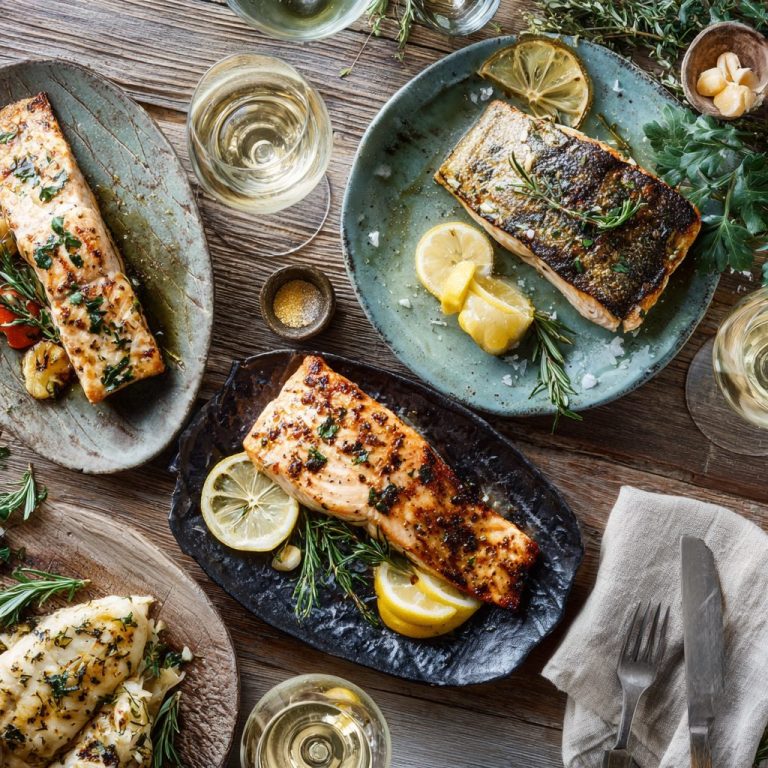
10. Grilled Salmon with Tomato Caper Relish
Fish intimidates a lot of people, but salmon is basically impossible to screw up. Season it, grill it for like eight minutes, top with a quick tomato-caper situation. Fancy dinner in under fifteen minutes. Get Full Recipe.
The capers add this briny pop that cuts through the richness of the salmon perfectly. I use a fish spatula to flip it without the skin sticking to the grill—one of those tools you don’t think you need until you have it. Salmon shows up constantly in Mediterranean cooking because it’s loaded with omega-3s, which are great for your heart and brain and all that good stuff.
11. Shakshuka (Eggs in Spicy Tomato Sauce)
Breakfast for dinner is valid, and shakshuka proves it. This North African dish that’s huge in Mediterranean cooking is basically eggs poached in a spiced tomato sauce. It looks impressive but is shockingly easy. Get Full Recipe.
You make the sauce in a skillet, crack eggs directly into it, cover, and wait. That’s it. Serve it with crusty bread for scooping and you’ve got a meal that feels special without requiring special skills. The spice level is totally adjustable, so if you’re not into heat, dial it back. I cook this in a cast iron skillet because it goes from stovetop to table and looks good doing it.
12. Mediterranean Grain Bowl
Grain bowls are having a moment, and the Mediterranean version is probably the best one. Quinoa or farro, roasted vegetables, chickpeas, feta, tahini dressing. It’s basically all the good stuff in one bowl. Get Full Recipe.
The beauty of this is you can prep all the components ahead and assemble them when you’re hungry. Cold or warm, it works either way. The tahini dressing is what ties everything together—creamy, nutty, way better than bottled dressing that tastes like chemicals. IMO, this is one of those recipes that converts people to the whole “eating healthy can taste good” camp.
The Wildcard Recipes: Because Variety Matters
13. Cucumber Hummus Sandwich
This sounds too simple to be good, but sometimes the simplest things hit different. Whole grain bread, thick layer of hummus, thinly sliced cucumbers, sprinkle of za’atar. Crunchy, creamy, satisfying. Get Full Recipe.
I eat this probably once a week as a light lunch or snack when I need something refreshing. The cucumber adds this hydrating crunch that makes it feel lighter than most sandwiches. You can use any hummus you want, but the roasted red pepper version is particularly excellent here. Keep it simple with a good bread knife for clean slices.
14. Baked Falafel
Traditional falafel is deep-fried, which is delicious but also kind of a pain if you’re cooking at home. Baked falafel gives you that crispy exterior without dealing with a pot of hot oil. Chickpeas, herbs, spices, bake. Get Full Recipe.
These are perfect for meal prep because you can make a big batch and eat them all week in different ways—pita pockets, salads, grain bowls. I like using a cookie scoop to portion them so they’re all the same size and cook evenly. Pair them with tzatziki and you’ve got yourself a legit meal.
15. Stuffed Bell Peppers with Quinoa and Veggies
Stuffed peppers feel kind of retro, but they’re back and better than ever. Bell peppers filled with quinoa, tomatoes, olives, feta, herbs. Bake until the peppers are tender and the filling is hot. Get Full Recipe.
This is one of those recipes that looks impressive but is mostly just chopping and mixing. You can prep them ahead and bake when you’re ready to eat. The peppers themselves add this natural sweetness that balances out the savory filling. Great for when you need something that feels like a complete meal in one neat package.
16. Shrimp Sautéed in Garlic and Olive Oil with Couscous
Shrimp cooks in literally three minutes, which makes it perfect for those nights when you’re running on empty. Sauté them in garlic and olive oil, serve over couscous. Fancy dinner in under twenty minutes. Get Full Recipe.
The key here is not overcooking the shrimp—they go from perfect to rubbery fast. I use a large sauté pan so they have room to cook evenly without steaming. Couscous is one of those ingredients that seems fancy but is actually just instant. Boiling water, couscous, cover, wait five minutes. Done.
17. Oatmeal with Dried Figs, Walnuts, and Cinnamon
Ending with breakfast because sometimes you need options, and this oatmeal hits different than the yogurt bowl. Steel-cut or old-fashioned oats, chopped dried figs, toasted walnuts, cinnamon, drizzle of honey. Get Full Recipe.
Figs add natural sweetness so you don’t need to dump sugar in there. The walnuts give you that healthy fat and protein combo that keeps you full. I make this in a small saucepan and it’s one of those comforting breakfasts that feels like a hug in a bowl. Plus, the fiber content is ridiculous, which is great for keeping everything moving, if you know what I mean.
For more Mediterranean-inspired ideas, you might want to browse through 30 Mediterranean dinner recipes or try some one-pan dinners when you’re short on time and energy.
Making This Actually Work in Real Life
Here’s what nobody tells you about starting the Mediterranean diet: the recipes are easy, but sticking with it requires some actual strategy. You can’t just wing it and hope for the best, because that’s how you end up stress-eating chips at 10 PM.
Start by picking five recipes from this list that sound good. Make those your rotation for two weeks. Get comfortable with them. Learn which ones you can make half-asleep and which ones need a bit more attention. Once those feel automatic, add a few more.
Stock your pantry with the basics—olive oil, canned beans, canned tomatoes, whole grains, dried herbs. When you have these on hand, most Mediterranean meals are just a quick shop for fresh vegetables and protein away. I keep a running list on my phone of pantry staples so I never run out of the essentials.
The other thing that helps is not being precious about substitutions. Don’t have farro? Use quinoa. Out of fresh tomatoes? Canned works. The Mediterranean approach is flexible enough that you can adapt based on what’s actually in your kitchen without the recipe police coming after you.
Frequently Asked Questions
Can I eat Mediterranean food if I’m on a budget?
Absolutely. The Mediterranean diet actually works great for tight budgets because it relies heavily on inexpensive staples like beans, lentils, whole grains, and seasonal vegetables. Buy canned beans instead of dried if you’re short on time, stock up on pantry items when they’re on sale, and don’t feel like you need fancy imported ingredients—local and simple works just fine.
Do I need to give up meat completely?
Nope. The Mediterranean approach includes meat, just in smaller amounts and less frequently than the typical Western diet. Think of meat as a supporting player rather than the main event. You’ll eat more fish and poultry than red meat, and when you do have red meat, it’s in modest portions alongside lots of vegetables.
How long does it take to see results from eating Mediterranean-style?
Most people notice they feel better—more energy, better digestion, less bloating—within the first week or two. Physical changes like weight loss or improved cholesterol levels take longer, usually a few weeks to a couple months depending on your starting point and how consistently you stick with it. The key is this isn’t a quick-fix diet; it’s a sustainable way of eating for the long haul.
Can I still eat bread and pasta?
Yes, but quality matters. Choose whole grain versions when possible—whole wheat bread, whole wheat or legume-based pasta, ancient grains like farro. Mediterranean cultures eat bread and pasta regularly, but they’re not eating processed white bread or giant bowls of refined pasta. Portions are reasonable and always balanced with vegetables, healthy fats, and protein.
What if I don’t like fish?
You can still eat Mediterranean-style without fish by focusing on other protein sources like beans, lentils, eggs, poultry, and occasional lean meat. Fish is recommended because of the omega-3 fatty acids, but if it’s truly not your thing, you can get similar benefits from walnuts, flaxseeds, and chia seeds. Just make sure you’re getting enough protein from other sources.
The Bottom Line
Mediterranean eating doesn’t have to be complicated or boring. These seventeen recipes prove you can eat food that tastes good, feels satisfying, and happens to be incredibly good for you without turning your kitchen into a full-time job.
Start simple. Pick a few recipes that sound appealing and make them part of your regular rotation. Get comfortable with the basic ingredients and techniques. Once you’ve got those down, branch out and try more.
The beauty of this approach is it’s not about perfection or following strict rules. It’s about building a pattern of eating that you can actually maintain because the food is genuinely enjoyable. No deprivation, no weird restrictions, just real meals made with quality ingredients.
Give these recipes a shot. Adjust them to your tastes. Make them your own. That’s exactly what Mediterranean cooking is all about—taking simple, fresh ingredients and turning them into something that makes you want to come back for more.